REVIEW · CHINCHERO DISTRICT
From Cusco: Chinchero, Moray, Maras, Ollantaytambo, Pisaq
Book on GetYourGuide →Operated by Midway Peru Adventures · Bookable on GetYourGuide
Four stops, one long, rewarding day. This Cusco-to-Sacred-Valley tour packs in Chinchero textiles and the Maras Salt Mines plus Inca sites like Moray, Ollantaytambo, and Pisac. I like that it’s run with a small group (max 18) and a bilingual guide who explains what you’re seeing, so you don’t just stare at stones. The one catch: the pace is tight, and some stops can feel a bit rushed unless you’re okay with quick hits.
You’ll start with hotel pickup in central Cusco, then ride out into the Sacred Valley with planned guided visits and a buffet lunch in Urubamba (vegetarian option included). Expect comfort and organization more than free time to wander on your own, and plan to stay flexible with timing.
In This Review
- Key Points Worth Knowing
- A 12-Hour Sacred Valley Loop From Cusco
- Hotel Pickup and the Small-Group Advantage
- Chinchero: Alpaca Textiles and the Tupac Yupanqui Enclosure
- Moray’s Circular Terraces: An Agricultural Lab in Stone
- Maras Salt Mines: More Than a Viewpoint
- Urubamba Buffet Lunch: A Real Break in the Middle
- Ollantaytambo Fortress: Walking Inside the Inca Stronghold
- Pisac: Agricultural Terraces and an Inca Cemetery
- Price and What You’re Really Paying For (Plus Tickets to Budget)
- What to Know Before You Go
- Should You Book This Sacred Valley Day Trip?
- FAQ
- How long is the tour?
- What does the price include?
- Are entrance tickets included?
- What language is the guide available in?
- Where are pickup and drop-off?
- Is lunch included, and is there a vegetarian option?
- Does the tour allow drones?
- Who is the tour not suitable for?
- What is the cancellation policy?
Key Points Worth Knowing
- Chinchero goes beyond ruins with a textile center focused on alpaca-fiber weaving, plus the archaeological area nearby
- Moray’s circular terraces are explained as an experimental agricultural space, not just a pretty set of rings
- Maras Salt Mines involve more than 4,000 salt pits, and you’ll learn the traditional extraction process
- Ollantaytambo is a fortress visit with walking inside Inca constructions and key enclosures
- Pisac adds terraces and an Inca cemetery so your day ends with multiple angles of Inca life
- Tight scheduling is the trade-off for fitting five major stops into about 12 hours
A 12-Hour Sacred Valley Loop From Cusco
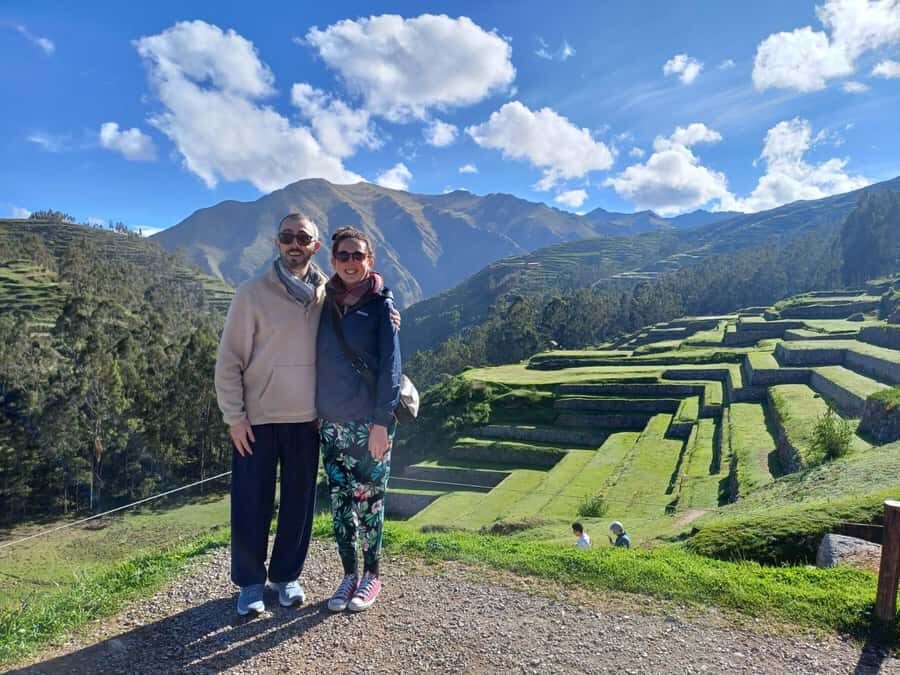
This is one of those days where you swap the Cusco altitude routine for a steady route through the Sacred Valley. The structure is straightforward: pickup in central Cusco, a series of guided stops, a lunch stop with food handled for you, then return drop-off near the main square area.
The value is mostly in what you avoid. You’re not stitching together separate taxis, you’re not timing buses between scattered sites, and you’re not guessing what each place is actually for. With a bilingual guide (English or Spanish) and a vehicle that holds up to 18 people, it’s built for movement without feeling chaotic. The day runs about 12 hours, and starting times depend on availability, so pick a time that matches your energy level and how early you want to start.
One reality check: the schedule is designed to cover a lot of ground. That means you’ll probably want to treat each site like a highlight reel. If you like slow browsing, multiple photo stops, and long breaks between places, this may feel fast. If you want a broad overview and a strong list of places to revisit later, it’s a very efficient way to use your time in Cusco.
You can also read our reviews of more tours and experiences in Chinchero District.
Hotel Pickup and the Small-Group Advantage
Pickup is included from hotels in the historic center of Cusco (and airbnbs in the center). That matters more than you’d think. In Cusco, “central” can still mean a steep walk uphill, and on a long tour day you’ll feel every extra meter.
You’ll also benefit from the small group size. Max 18 people is big enough that the ride isn’t claustrophobic, but small enough that the guide can keep things moving and still address your questions. One review noted how the driver handled the tough curves well, which is exactly the kind of detail that makes a difference on a route through valleys and switchbacks.
At the end, the tour drops you off about one block from Plaza Regocijo. That’s a convenient finish if you’re heading out for dinner right away, rather than needing another transfer to get back toward the center.
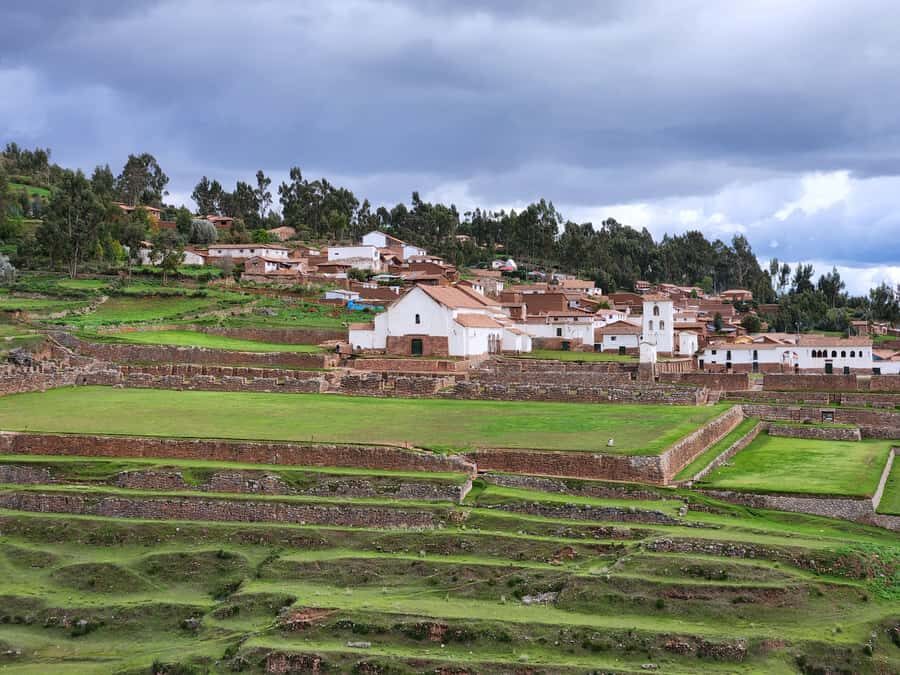
Chinchero: Alpaca Textiles and the Tupac Yupanqui Enclosure
Chinchero is a smart first stop because it sets a human context for the rest of the day. You don’t jump straight into stone monuments. Instead, you start with a textile center where you learn the process of making textiles from alpaca fiber.
Even if you’ve seen a lot of weaving in Peru already, Chinchero is a good place to refresh your eye. You’re not just looking at finished products. You’re hearing how the process works and what the materials are, so later when you notice Andean clothing and patterns, it clicks as a living craft rather than a souvenir category.
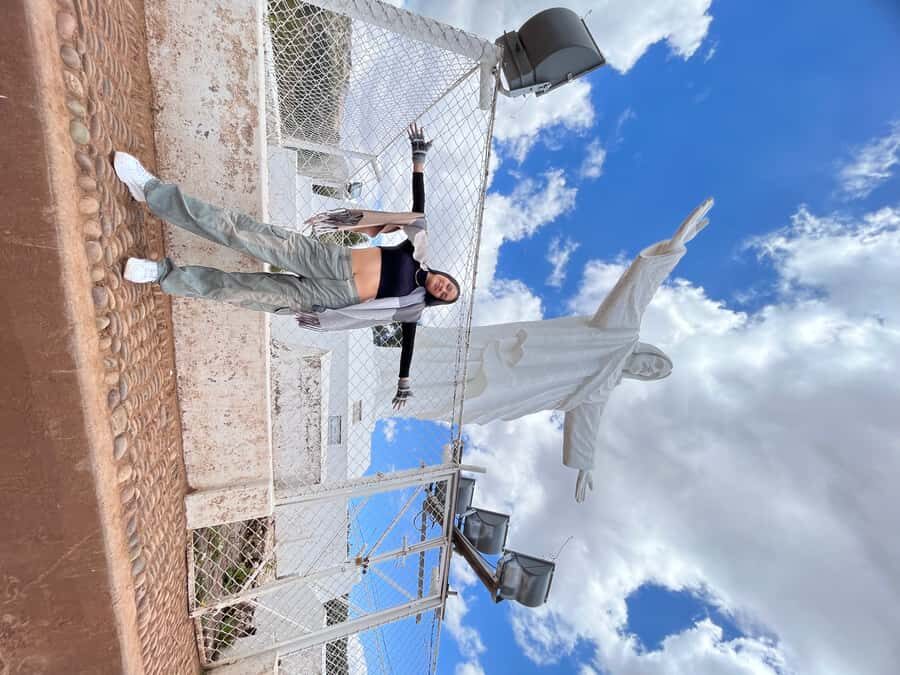
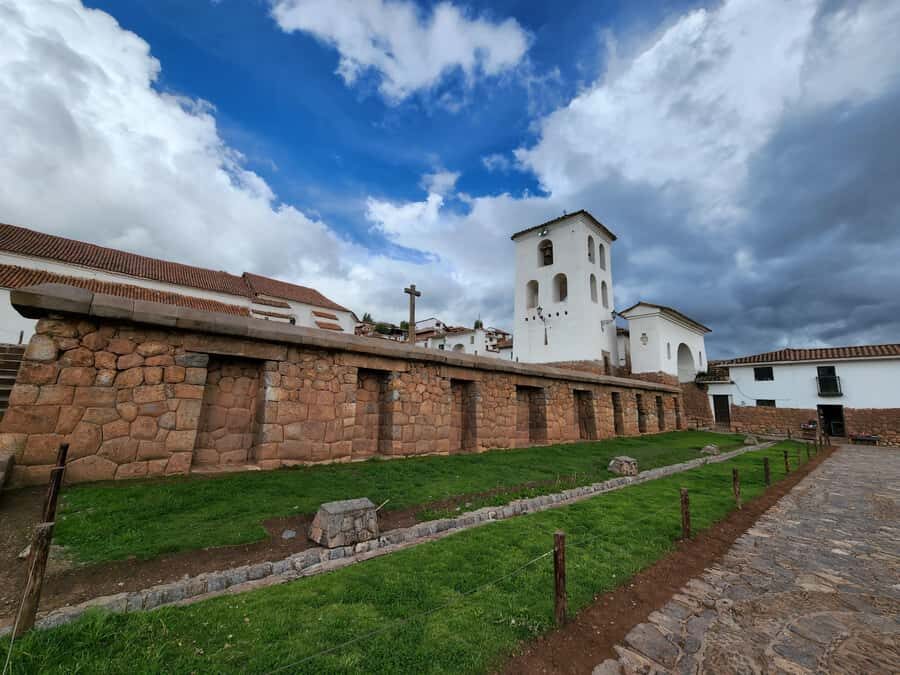
After that, you move into the archaeological center of Chinchero for a guided explanation. You’ll be able to see the enclosure associated with Inca Tupac Yupanqui. This pairing—craft plus site—helps you understand that the Incas weren’t only building fortresses and terraces. They also shaped day-to-day culture and systems of production.
Possible drawback: Chinchero is one of those stops where the most “meaning per minute” often comes from listening closely. If you’re the type who wants long self-guided wandering, you may have to accept that the guided window is the main event.
Moray’s Circular Terraces: An Agricultural Lab in Stone
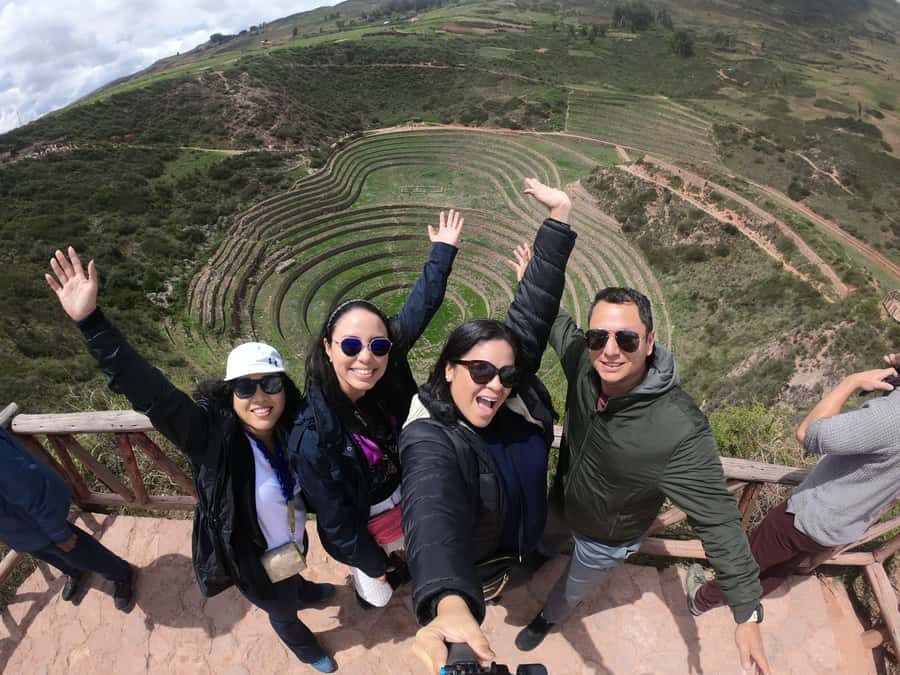
Moray is one of those places that feels instantly recognizable because of its circular terraces. But the real payoff is what the guide explains them to be: an experimental agricultural laboratory.
This is why Moray works so well in a day trip. It adds variety to the day’s mix of crafts, salt work, and fortress architecture. Instead of asking what you’re looking at as a monument, you start asking why the Incas might have designed something like this. The terraces make sense as an agricultural experiment—different levels, different growing conditions, and a place to test what works.
The guided time here is about 30 minutes, so you won’t get lost in a long lecture. You’ll walk, look, and get a clear explanation of why Moray is more than a “cool photo spot.” If you’re the sort of traveler who likes site descriptions that help you interpret the shapes, Moray will likely be a highlight.
Maras Salt Mines: More Than a Viewpoint
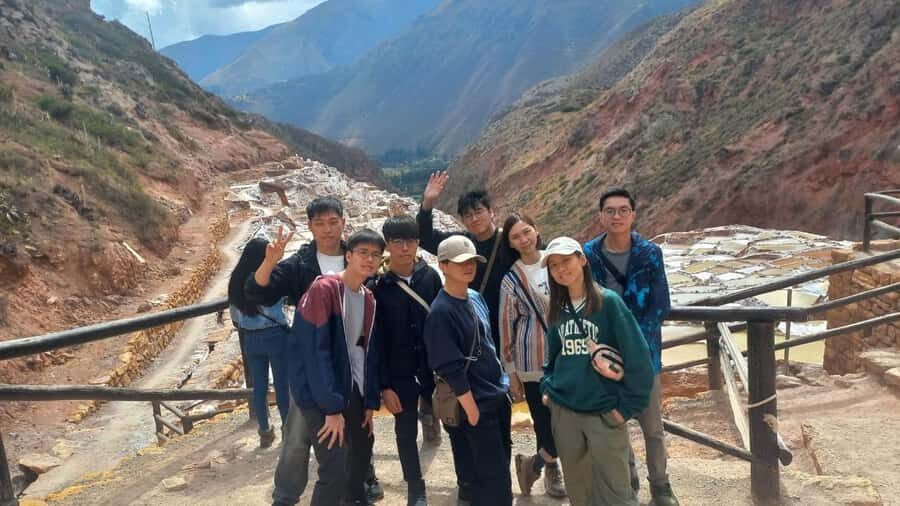
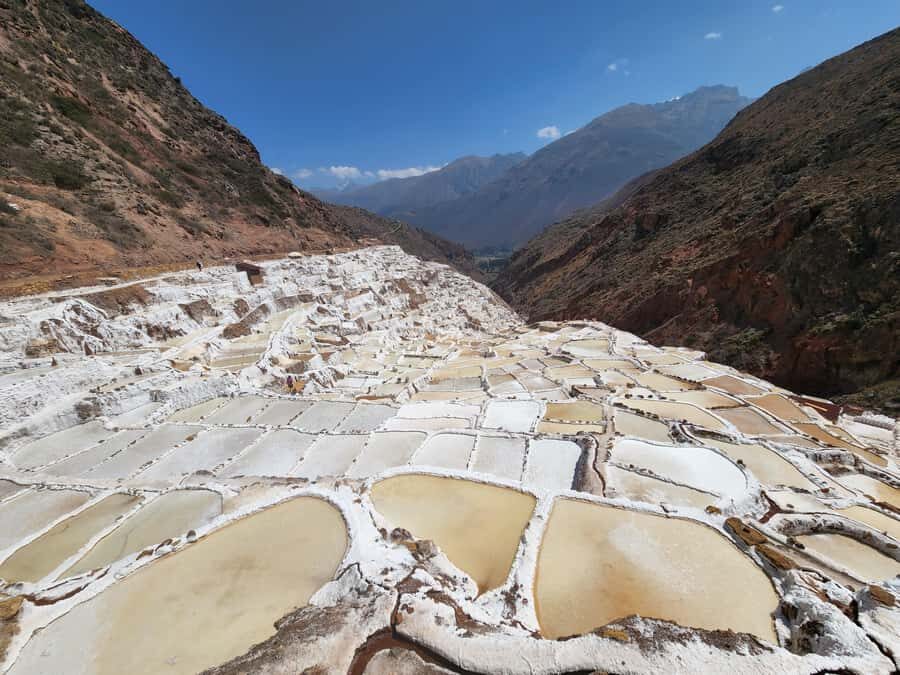
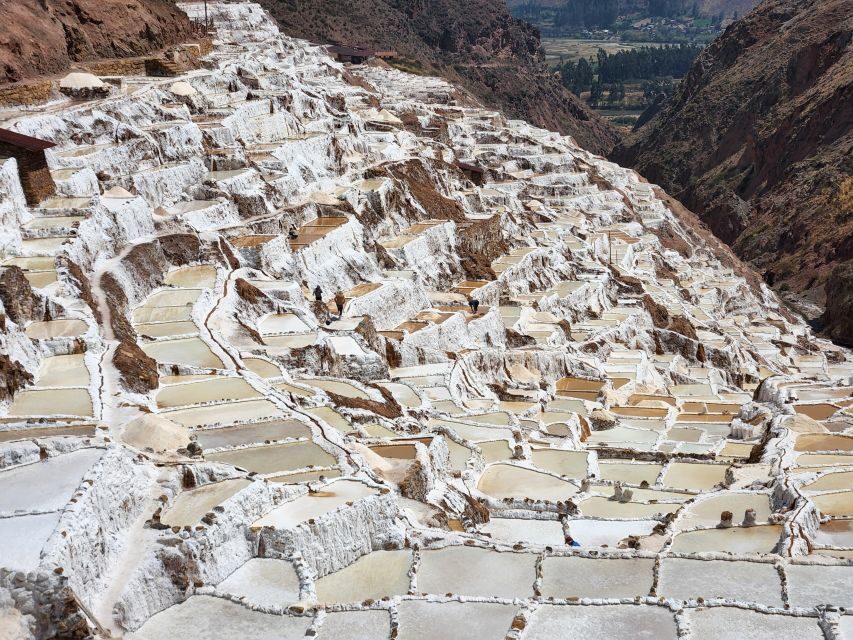
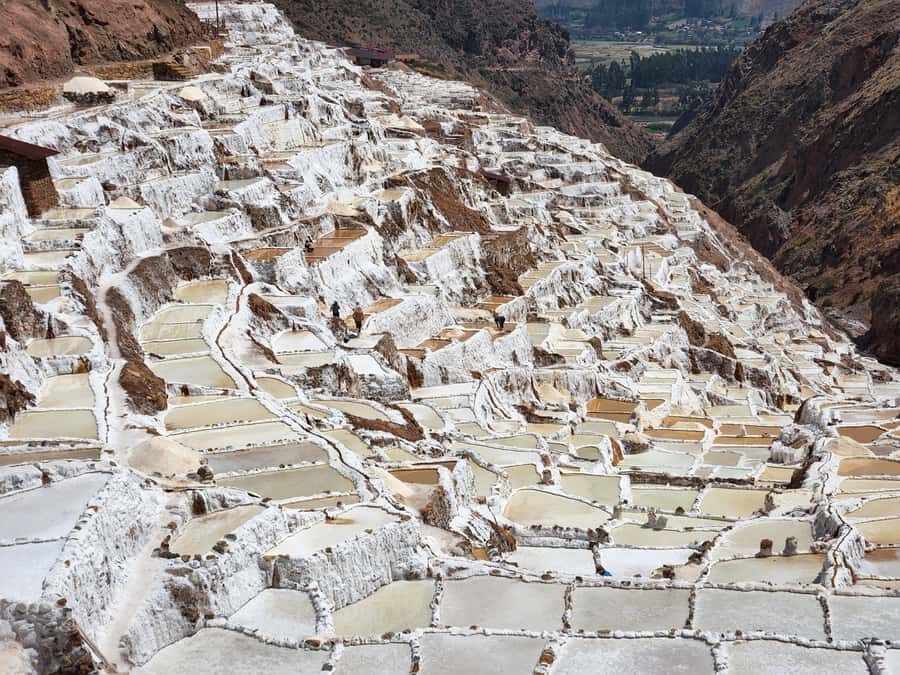
Then you hit Maras Salt Mines, one of the most striking work landscapes you can visit around Cusco. The tour focuses on the salt extraction process and the fact that there are more than 4,000 pits.
This stop is compelling because it connects past and present. The Incas extracted salt there, and today the local population continues the same tradition. That’s an important distinction. You’re not seeing a ruin that stopped functioning long ago—you’re seeing a working system that still matters.
The guided visit is about 40 minutes, which is enough time to understand the basic idea without feeling like you’re rushing past the main visual. The pits create a checkerboard effect across the hillsides, so it’s worth slowing down for a few moments and letting the pattern register.
If you’re sensitive to long stair-like paths or uneven ground, this is a place to pay attention to your comfort level. The tour description doesn’t spell out difficulty, but salt mines usually involve walking on rocky paths between pits.
Urubamba Buffet Lunch: A Real Break in the Middle
Between the mines and Ollantaytambo, you stop in Urubamba for lunch. The tour includes a buffet lunch with a vegetarian option.
For a long Sacred Valley day, this break is more than just food. It’s your chance to reset your pace, drink something, and get a little breathing space before the next wave of archaeology. Since drinks and snacks aren’t included, I’d treat lunch as your main fuel point, then plan small purchases later if you need them.
One practical tip: eat, then give yourself a few minutes before you board again. The tour schedule is built to move, and the feeling of being “always on” is real.
Ollantaytambo Fortress: Walking Inside the Inca Stronghold
After lunch, you go to Ollantaytambo for a guided visit of the fortress and main enclosures. This stop is the “main event feel” of the day.
The tour frames Ollantaytambo as a fortress built to defend the entrance to Machu Picchu. Even if Machu Picchu isn’t part of your itinerary today, that detail helps you interpret what you’re seeing. You’re not just viewing structures—you’re viewing defensive architecture meant to control access.
You’ll walk inside the fortress area and hear explanations for key enclosures. The guided time is about 40 minutes, so again it’s not an open-ended wandering visit. Instead, it’s paced so you get orientation: where to look, what functions the areas might have served, and how the site fits into the bigger Sacred Valley story.
If you’re prone to feeling worn out by late-day stone sites, Ollantaytambo can still hit because it’s more dynamic to move through. The fortress layout gives you multiple angles and built-in “checkpoints” for the guide to point out.
Pisac: Agricultural Terraces and an Inca Cemetery
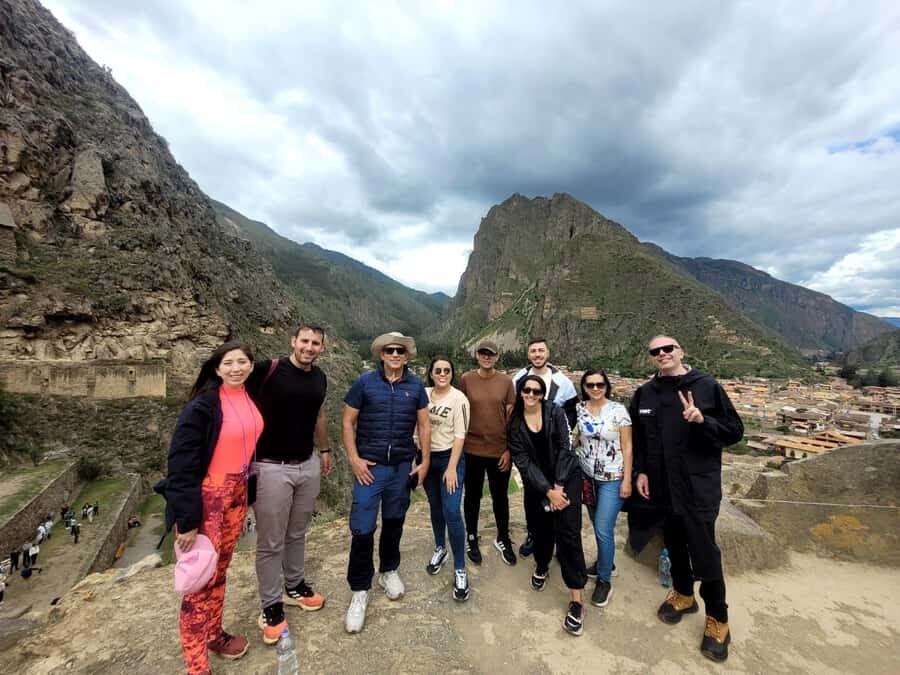
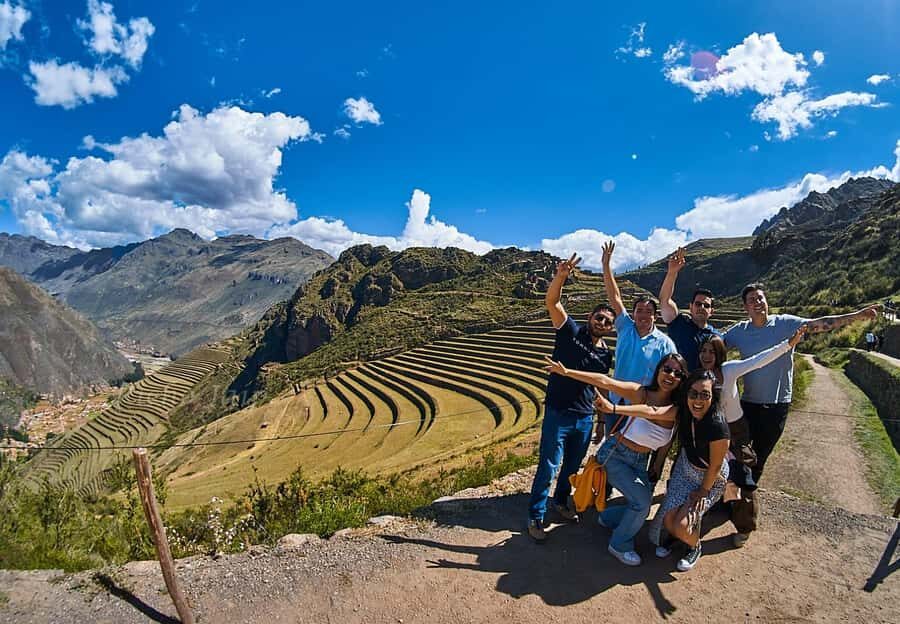
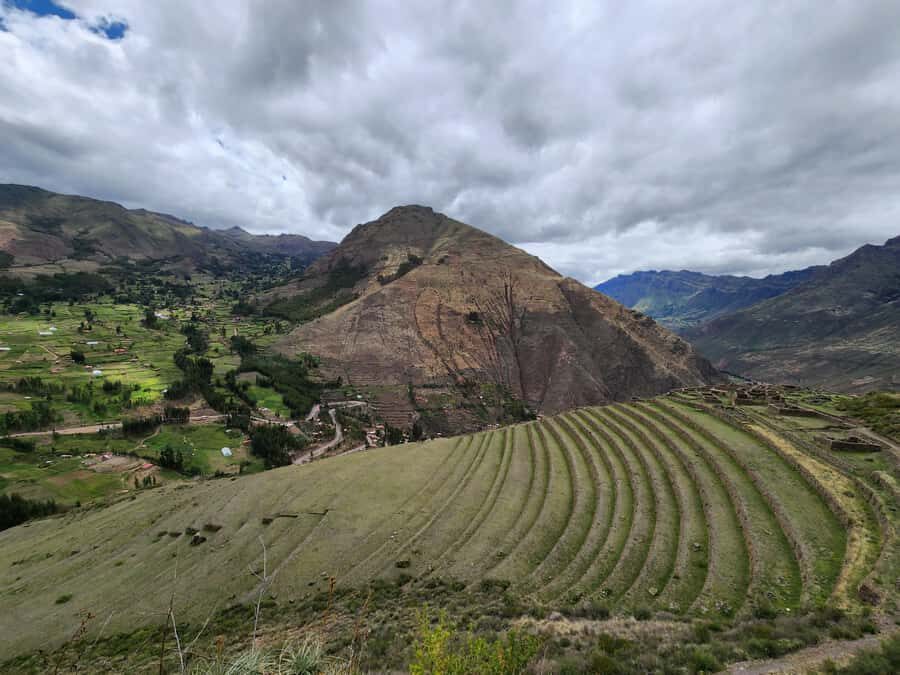
Your final major stop is Pisac, guided for about 40 minutes. Pisac rounds out the day by adding agricultural terraces plus an Inca cemetery and different enclosures associated with Inca royalty.
This combination is powerful: it shows how the Incas managed land use (terraces), built spaces for leadership or status (enclosures), and designated areas connected to death and ceremony (the cemetery). In a single stop, you get multiple pieces of daily and spiritual life.
If you’ve enjoyed the theory behind Moray, Pisac’s terraces may feel like a satisfying echo. But don’t expect the same kind of circular design—Pisac’s focus is more about how agriculture and landscape come together in terraced form, plus the social and ceremonial aspects.
The ride back to Cusco happens after this, about 45 minutes, and the tour ends near Plaza Regocijo. That’s a good finish point: you’re close to where most people want to be for evening plans.
Price and What You’re Really Paying For (Plus Tickets to Budget)
At $45 per person, this tour is priced like a value day trip, not a premium private expedition. The price includes hotel pickup in central Cusco, tourist transport (max 18 capacity), a professional bilingual guide in English or Spanish, buffet lunch in Urubamba with a vegetarian option, and a first aid kit.
What’s not included is important to budget upfront:
- Tourist ticket: 70.00 Soles
- Entrance ticket to Maras Salt Mines: 20.00 Soles
- Drinks and snacks
So the real comparison isn’t just $45 versus another $45. It’s $45 plus the site admission costs you’ll pay on top. If you were to do these sites independently, you’d likely spend time and money on transport between distant stops, and you’d miss the guided explanations that help you interpret each place.
For me, this kind of pricing makes sense when you want strong coverage in one day. If you already know you’ll revisit multiple Sacred Valley sites, this tour can still be useful as an orientation day.
What to Know Before You Go
A few practical points based on the tour terms:
- No drones are allowed.
- Not suitable for people over 95 years.
- You’ll choose a language option: English or Spanish.
- You’ll be picked up from hotels and central airbnbs in Cusco and dropped off near Plaza Regocijo.
Also, bring a mindset for a fast schedule. The tour uses guided time blocks and transport segments (including multiple bus/coach rides between stops). That’s how it fits everything in. If you’re the type who hates feeling rushed, you might still enjoy it—but manage expectations.
Finally, pack for a full day: water for the ride, sun protection, and comfortable shoes for walking at archaeological areas and the salt mines.
Should You Book This Sacred Valley Day Trip?
I think you should book this tour if you want a clear, well-organized introduction to the Sacred Valley’s main highlights in one day. It’s especially good for first-timers who want context fast: Chinchero’s alpaca-fiber textiles, Moray’s experimental-agriculture explanation, Maras’s salt-pit working landscape, Ollantaytambo’s fortress feel, and Pisac’s terraces plus cemetery and enclosures.
Skip it (or pair it with more time elsewhere) if you want long, slow wandering at each stop. The schedule is tight, and the trade-off for seeing so much is that you’ll spend less time at any single site.
If your goal is to choose what to revisit later, this kind of day trip is a smart starting point.
FAQ
How long is the tour?
The tour duration is 12 hours.
What does the price include?
It includes hotel pickup from central Cusco, tourist transport (max capacity 18), a professional bilingual guide (English or Spanish), buffet lunch with a vegetarian option, and a first aid kit.
Are entrance tickets included?
No. The tourist ticket is not included (70.00 Soles) and the Maras Salt Mines entrance ticket is also not included (20.00 Soles).
What language is the guide available in?
The guide is available in English or Spanish.
Where are pickup and drop-off?
Pickup is included from hotels (and central airbnbs) in the historic area of Cusco. The tour ends with drop-off about one block from the main square at Plaza Regocijo.
Is lunch included, and is there a vegetarian option?
Yes. Lunch is included as a buffet in Urubamba, and there is a vegetarian option.
Does the tour allow drones?
No, drones are not allowed.
Who is the tour not suitable for?
It is not suitable for people over 95 years.
What is the cancellation policy?
Free cancellation is available up to 24 hours in advance for a full refund.