REVIEW · INCA TRAIL TO MACHU PICCHU
From Cusco: Machu Picchu 2-Day Inca Trail
Book on GetYourGuide →Operated by Peru Andes Top · Bookable on GetYourGuide
The Inca Trail makes Cusco feel distant. This 2-day Inca Trail route threads you from the Sacred Valley up toward Machu Picchu, with a guided walk to Wiñay Wayna and that first big payoff at Inti Punku. I especially love how the guide turns the hike into a moving lesson—endemic plants, micro-climates, and Inca daily-life paths—while also keeping the group moving at a human pace.
The schedule is tight, and the physical side is real. Expect a medium-high challenge in altitude and on foot, especially if you’re thinking about adding extra climbs like Huayna Picchu or Machu Picchu Mountain.
In This Review
- Key things I’d bank on before you go
- Cusco to the start: Sacred Valley time, then the trail begins
- Wiñay Wayna: where the trail feels like a working Inca route
- Inti Punku: your first Machu Picchu reveal
- Aguas Calientes overnight: sleep smart for Machu Picchu morning
- Day 2 bus up: the Urubamba canyon comes into focus
- The guided Machu Picchu tour: what to pay attention to
- Train back via Ollantaytambo: a smoother landing than you’d expect
- Price and value: what $653 covers (and what you’ll pay extra)
- Guides, pace, and group size: the real difference-maker
- What to bring, what not to bring, and altitude reality
- Who this 2-day Inca Trail fits best
- Should you book this Inca Trail to Machu Picchu?
- FAQ
- What’s included in the tour price?
- Do I need a passport to book?
- What time does pickup happen?
- Is lunch included on the second day at Machu Picchu?
- Does this tour include Huayna Picchu or Machu Picchu Mountain?
- What can I bring?
- Who is this tour not suitable for?
- Is the activity refundable if plans change?
Key things I’d bank on before you go
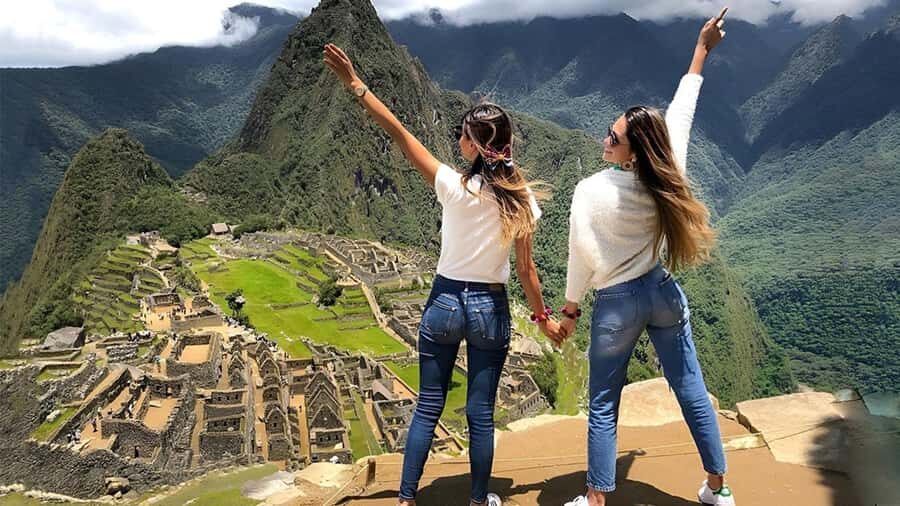
- Small group limit (up to 13) keeps the day from feeling like a cattle call.
- Wiñay Wayna + Inti Punku gives you two “how is this real?” moments before you even reach Machu Picchu proper.
- Urubamba River canyon views show up early on Day 2 from the bus ride up.
- Guides like Lenin and Raoul are a real highlight—attentive, fun, and tuned to your pace.
- Portion control for meals: you’ll get a lunch box Day 1 and dinner, but Day 2 lunch is on your own.
Cusco to the start: Sacred Valley time, then the trail begins
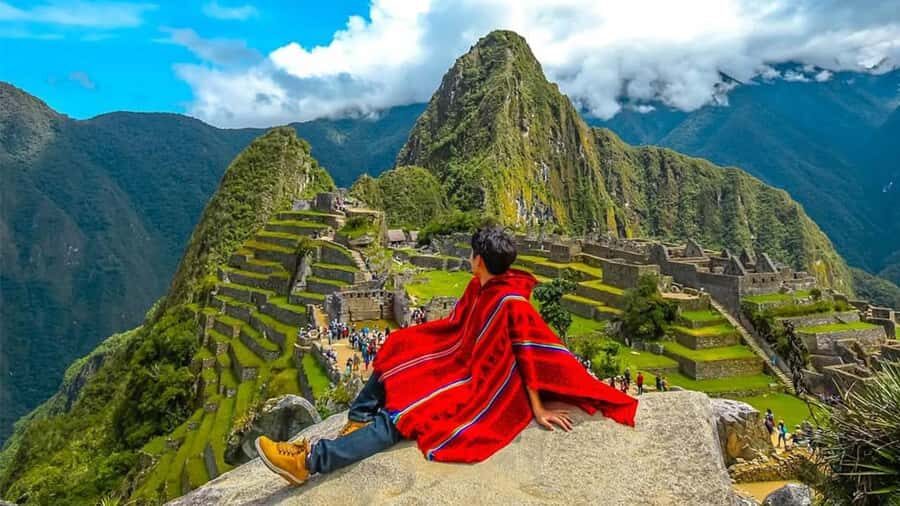
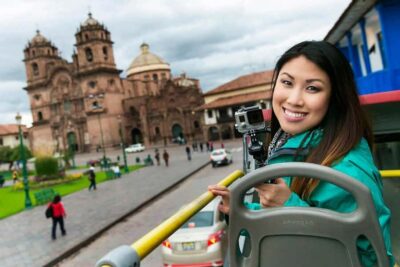
Day 1 starts in Cusco, with pickup from hotels in the historic center. You’ll have a pre-departure briefing the day before (at an agreed time), then on hike day you’ll be collected and taken to the train station in Ollantaytambo. Along the way, you’ll get the Sacred Valley scenery rolling past—fields, river bends, and the sense that the region is working like a living system.
One practical touch: when you reach the train station, use the toilets before boarding if you need to. Once you’re seated, your focus shifts to the bigger goal—getting to the trailhead.
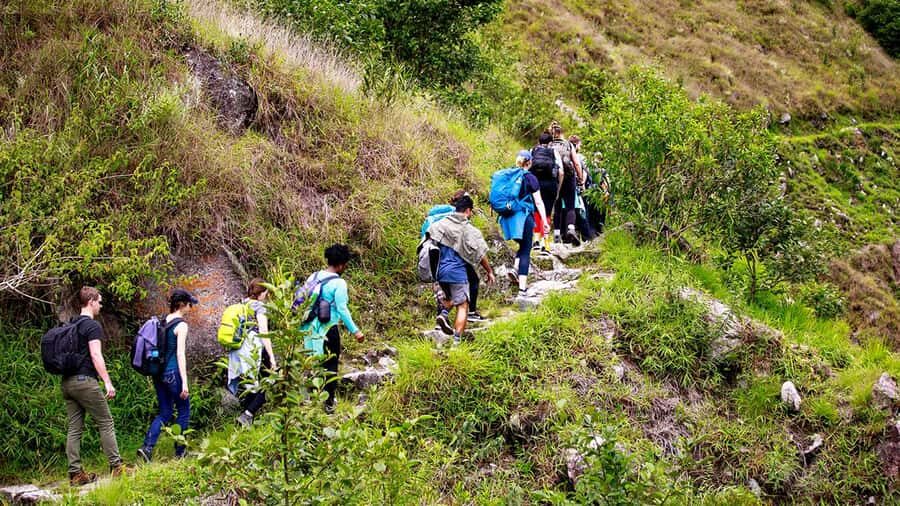
After that, the guide handles the key “getting started” steps and you’ll begin the approximately 3-hour walk toward Wiñay Wayna. This is where the tour feels like more than just a walk. The guide points out endemic flora and explains what the environment does as the trail climbs—how temperature and cloud cover can change from one section to the next. You’re literally walking through different micro-climates without needing a lecture hall.
Wiñay Wayna: where the trail feels like a working Inca route
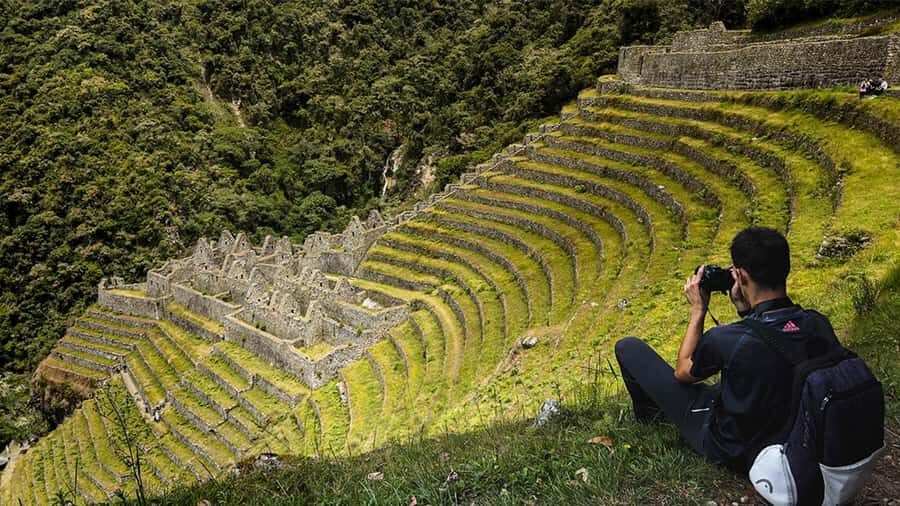
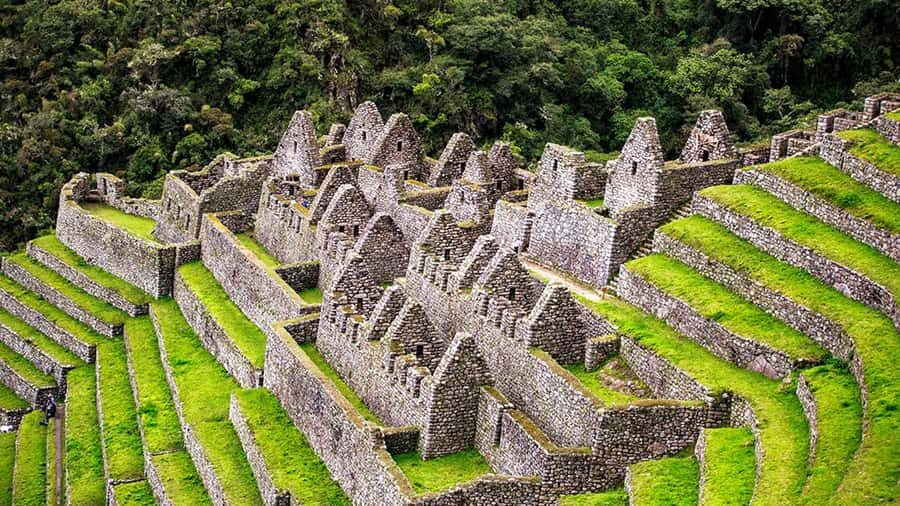
Reaching Wiñay Wayna isn’t about one single view. It’s about arriving at a place that makes Inca engineering and daily life feel connected. After the walk, you’ll have a box lunch. Then you explore the houses and terraces around the area.
This is one of my favorite parts of the day: terraces aren’t just pretty steps. They’re practical solutions for farming and drainage, shaped by how water and soil behave up in the Andes. With a good guide, you start noticing how the built environment matches the slope instead of fighting it.
Also, you’re not just seeing stone. You’re seeing how that stone sits in a living setting—paths people used, features that controlled movement and water, and reminders that this was a real landscape for real routines.
Inti Punku: your first Machu Picchu reveal
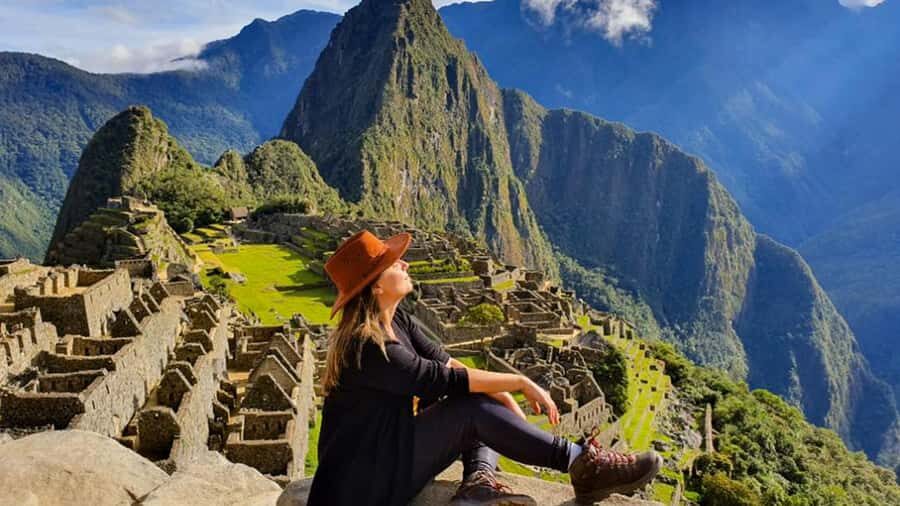
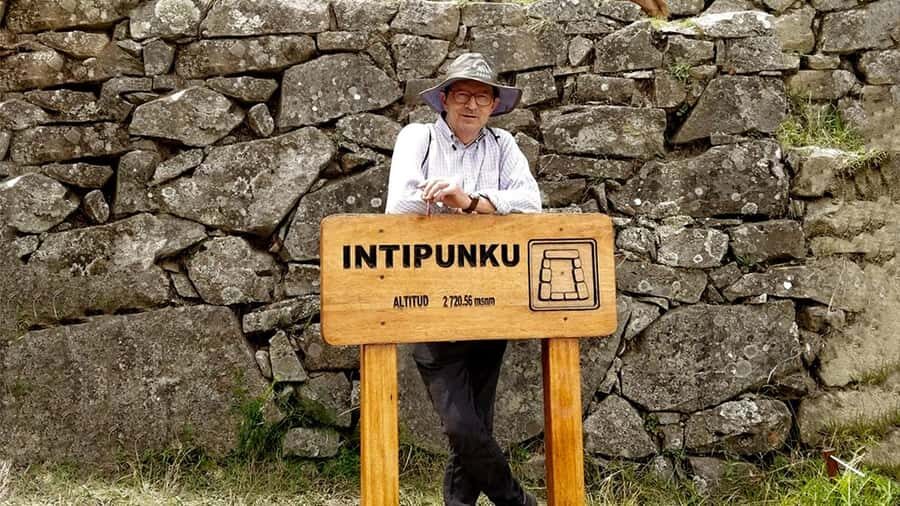
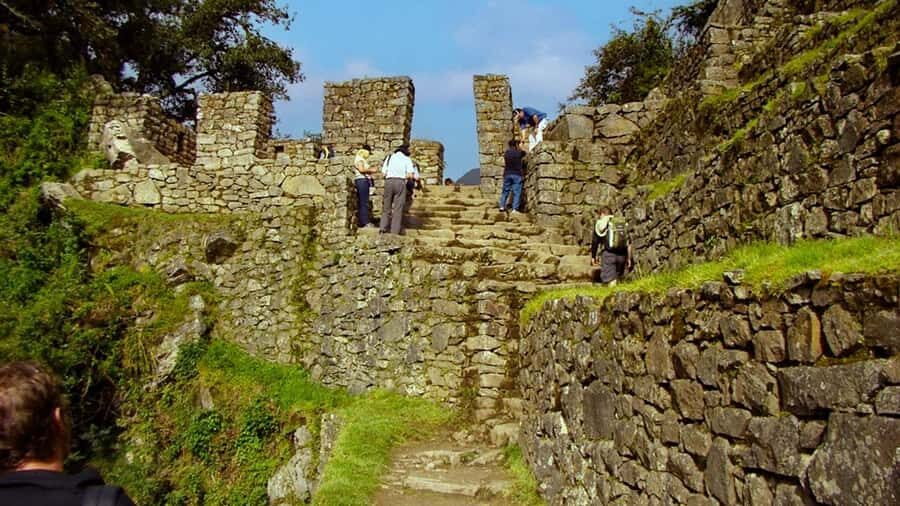
From Wiñay Wayna, the next major stop is Inti Punku, also called the Inca Gate of the Sun. This is the moment that turns “hike day” into “story day.” Standing where you can admire the first views of Machu Picchu, you get a sense of why the Incas planned approaches so deliberately.
You’ll then take the bus down/up to Aguas Calientes, the town where you sleep. The guide gets you to your hotel, and you’ll have time to settle in before dinner at a restaurant in town. After dinner, the guide gives instructions for Day 2—this is when you’ll want to be alert, because Machu Picchu works on timed entrances and smooth flow.
If you’re traveling with stiff legs or tight calves, this is also the time to be gentle with yourself. Drink water, keep your evening light, and don’t do anything heroic like sprinting up stairs just to prove a point.
Aguas Calientes overnight: sleep smart for Machu Picchu morning
The overnight stay in Aguas Calientes is standard-hotel style (not a luxury resort). The upside is convenience: you’re close to the bus path and can get to Machu Picchu without losing half the day to transit.
What I suggest you do tonight:
- Charge devices and keep your passport/ID where you can grab it quickly.
- Keep your daypack ready for the next morning.
- Treat sleep like part of the plan. Altitude and early mornings can turn a “fine” day into a grumpy one.
Dinner is included, so you can focus on recovery. And since the guide covers instructions for the next day, you’ll also have context for what to look for on the ruins—ceremonial areas, urban zones, and the terrace system that makes the site feel both engineered and oddly natural.
Day 2 bus up: the Urubamba canyon comes into focus
After breakfast, you’ll be picked up and taken to the bus that ascends a winding route. This section includes spectacular views of the Urubamba River, which shapes the famous canyon. Even if you’ve seen canyon photos before, this is one of those moments where the scale lands differently in person—steep walls, river lines threading the valley, and the Andes showing off their layers of depth.
Then Machu Picchu greets you with its terraces, staircases, ceremonial enclosures, and urban areas. A guided tour follows, and this is where the earlier walk pays off. After walking sections of ancient trail and learning how ecosystems change with elevation, the site makes more sense. You’re not just looking at ruins; you’re looking at architecture placed to work with nature.
The guided Machu Picchu tour: what to pay attention to
Your Machu Picchu visit includes a guided walkthrough. The tour style here matters. In good hands, you’ll come away understanding how the site’s layout supports movement, gathering, and ceremonial space.
Here’s what I’d actively look for during the visit:
- Terraces: not just visuals, but practical water-and-soil logic.
- Staircases and pathways: how people would have moved through the complex.
- Ceremonial enclosures and the way spaces feel intentionally grouped.
- Stair-step sight lines: you’ll often get little perspective shifts as the group moves.
After the guided portion, you get time to have lunch on your own at the area’s restaurants. Lunch after the tour isn’t included, so plan for that in your day budgeting and don’t leave it to the last minute.
Train back via Ollantaytambo: a smoother landing than you’d expect
When the time coordinated by the guide arrives, you’ll return by train to the station in Ollantaytambo. The tour includes train tickets in tourist class or panoramic style, so you’ll choose based on what you value more—comfort and viewing experience.
Once you arrive, transportation waits for you to take you back to your hotel in Cusco. That smooth handoff is underrated. After two days of walking and altitude, you don’t want to play transit roulette.
Price and value: what $653 covers (and what you’ll pay extra)
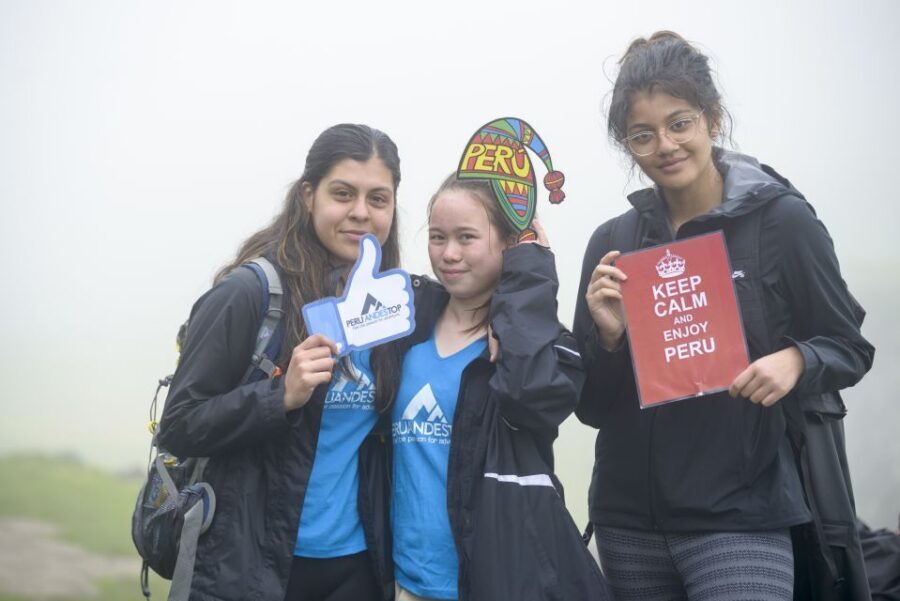
At $653 per person, this tour isn’t a budget bargain. But it can be good value if you factor in how much is handled for you.
Included costs are meaningful:
- Transfers between Cusco and Ollantaytambo
- A standard hotel for the night in Aguas Calientes
- An official guide for the full experience
- Entry tickets to the Inca Trail and Machu Picchu
- Bus tickets (including Machu Picchu–Aguas Calientes on Day 1 and return on Day 2)
- Train tickets (tourist class or panoramic)
- 1 lunch box (Day 1) and dinner
What’s not included is also clear:
- Lunch after the Machu Picchu guided tour (Day 2)
- Entry to Huayna Picchu Mountain or Machu Picchu Mountain
So here’s how I’d think about value: you’re paying for the combo of guide time + timed access + multi-mode transport. If you were to DIY everything, the planning load and ticket complexity could easily eat up your trip time. This setup gives you a structured flow and reduces the chance of missing a timed entry.
Guides, pace, and group size: the real difference-maker
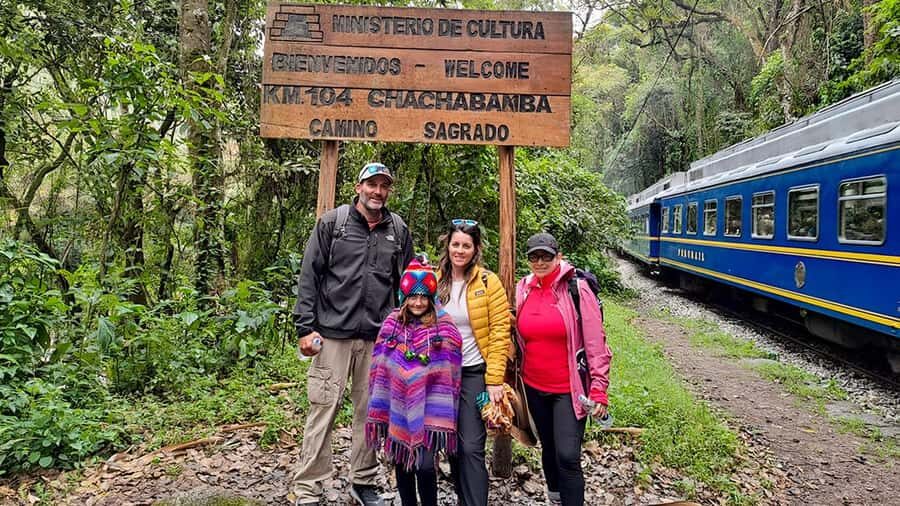
This experience runs as a small group, limited to 13 participants. That matters. With fewer people, your guide can manage pace, spacing, and questions without turning the day into a sprint.
Two guide styles stood out in real-world feedback:
- Lenin earned praise for being attentive and positive, and for adjusting to participants’ needs.
- Raoul was specifically noted for matching tempo when the pace felt too fast, and giving room for slower members to move forward at their own speed.
Even if you don’t know your guide in advance, you should know what to look for. In a good tour, the guide isn’t just pointing at stones. They’re balancing explanations with breathing time, and keeping you safe while still making the walk feel alive.
What to bring, what not to bring, and altitude reality
You’ll want:
- Travel insurance
- Toiletries
- A daypack
- Passport or ID card
Important restriction: no pets and no luggage or large bags. That means you’ll want to pack like a minimalist for two hiking days. If you’re used to bringing a “just in case” outfit for every weather mood, you’ll need to pare it down.
Also, you must provide passport information to confirm your reservation. If your passport data changes, you must show both documents because services will be confirmed using the document data you initially provided.
About difficulty: the base hike is part of a full route that can push your legs and lungs. And if you plan to add a mountain climb like Huayna Picchu or Machu Picchu Mountain, note that those treks are described as medium-high difficulty and require good physical condition. Entry is limited, so availability needs to be checked when booking.
Who this 2-day Inca Trail fits best
This tour is not suitable for:
- Pregnant women
- People with mobility impairments
- Children under 8
Beyond that, I’d say it fits best if you:
- Want to hike but prefer structure over DIY planning
- Appreciate guides who explain how the environment and Inca route connect
- Are okay with early starts and a packed 2 days
If you’re the type who loves looking at stone and also wants to understand why it’s there, this will click.
Should you book this Inca Trail to Machu Picchu?
Book it if you want the classic route experience with less stress: small group size, official guiding, tickets handled, and a plan that gets you from Cusco to the trail to Machu Picchu without you juggling five separate companies.
Skip it (or consider an alternative) if you:
- Need step-free or low-impact movement
- Want a totally relaxed pace with lots of spare time
- Know you won’t be up for altitude and walking intensity
One last practical note: this is a non-refundable activity, so commit only when your dates are firm.
If your dates are set and you’re ready for a hike that tests you in the good way, this route is one of the most satisfying ways to reach Machu Picchu.
FAQ
What’s included in the tour price?
It includes pre-departure briefing, transfers between Cusco and Ollantaytambo, a standard hotel for the night, an official guide, a lunch box on Day 1, dinner, first aid box, entry tickets to the Inca Trail and Machu Picchu, bus tickets (Machu Picchu–Aguas Calientes on Day 1 and round trip on Day 2), and train tickets (tourist class or panoramic).
Do I need a passport to book?
Yes. To confirm the reservation, you must provide passport information of each participant. If you update passport data later, you must present both documents because confirmation is based on the document data provided.
What time does pickup happen?
Pickup is included for hotels or establishments within the historic center of Cusco. You should wait in the hotel lobby about 10 minutes before your scheduled pickup time. Exact pickup timing depends on availability and your confirmed schedule.
Is lunch included on the second day at Machu Picchu?
No. Lunch after the guided tour of Machu Picchu is not included. You’ll have time to eat at local restaurants on your own.
Does this tour include Huayna Picchu or Machu Picchu Mountain?
No. Entry to Huayna Picchu Mountain or Machu Picchu Mountain is not included. Those climbs have limited availability and medium-high difficulty, so you’ll need to check availability if you want to add one.
What can I bring?
Bring travel insurance, toiletries, a daypack, and your passport or ID card. You should pack light since luggage or large bags are not allowed.
Who is this tour not suitable for?
It’s not suitable for pregnant women, people with mobility impairments, and children under 8 years old.
Is the activity refundable if plans change?
This activity is non-refundable.