REVIEW · BARRANCO DISTRICT
Full-Day Lima: a Culinary, Historic & Traditional City
Book on GetYourGuide →Operated by Lima Mentor · Bookable on GetYourGuide
Lima hits hardest when you eat your way through it. This full-day tour mixes a local market, a proper ceviche lesson, and a walk through two very different Lima neighborhoods. I especially like how the day is built around real flavors, not just sightseeing. I also like the small-group feel, so you’re not shouting over strangers while you learn. One thing to weigh: it’s a packed 8 hours, so if you want a slow, open-ended afternoon, you might feel rushed.
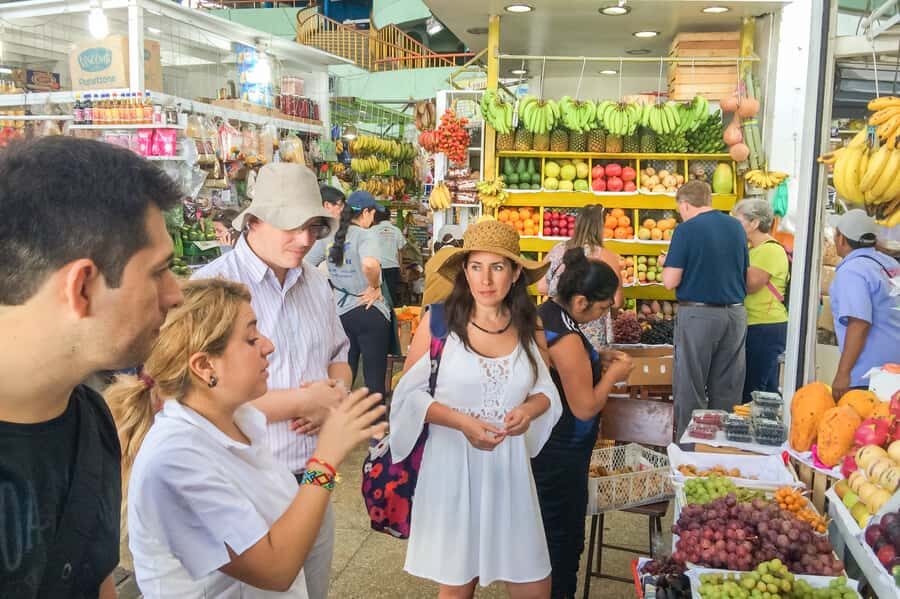
You’ll start with fresh, locally-grown tastes at a neighborhood market, then move into Lima’s historic downtown to see the monuments and architecture up close. Later, you’ll taste Peruvian cacao and multiple pisco cocktails, and you’ll meet a chef for a ceviche session that’s hands-on and focused. From past guests, one stand-out detail was the quality of the food and the attention at the restaurant stop, including personal care from a restaurant owner.
Finally, you’ll end in Barranco, the bohemian district, where the mood shifts to craft shops and a classic Peruvian dessert: picarones. The possible drawback is mostly timing and pacing: one guest felt the itinerary could be organized better for a fuller day. If you’re the type who hates tight schedules, keep that in mind.
In This Review
- Key points at a glance
- A Full-Day Lima Plan Built Around Market, Ceviche, and Barranco
- Market Tastings: Fresh Produce and Peruvian Cacao First
- Historic Downtown on Foot: Monuments, Architecture, and a Sense of Place
- Peruvian Pisco Cocktails and Cacao Stops: Taste the Drinks Like a Local
- The Ceviche Workshop: A Chef, Technique, and Real Seafood Curing
- Barranco’s Bohemian Streets: Crafts, Shops, and Picarones Dessert
- Price and Logistics: Is $170 Good Value for 8 Hours?
- Should You Book This Lima Food-and-History Tour?
- FAQ
- FAQ
- How long is the tour?
- What is the price per person?
- What’s included in the price?
- What group size is it?
- Where does pickup happen?
- What languages are offered during the tour?
- Is the tour wheelchair accessible?
- Can I cancel and get a refund?
Key points at a glance
- Market tastings that connect food to place right away
- Historic Downtown walking focused on monuments and architecture
- Cacao + pisco stops with real drink variety, not one quick sample
- Chef-led ceviche making with a strong emphasis on technique and balance
- Barranco time for crafts, shops, and picarones dessert
A Full-Day Lima Plan Built Around Market, Ceviche, and Barranco
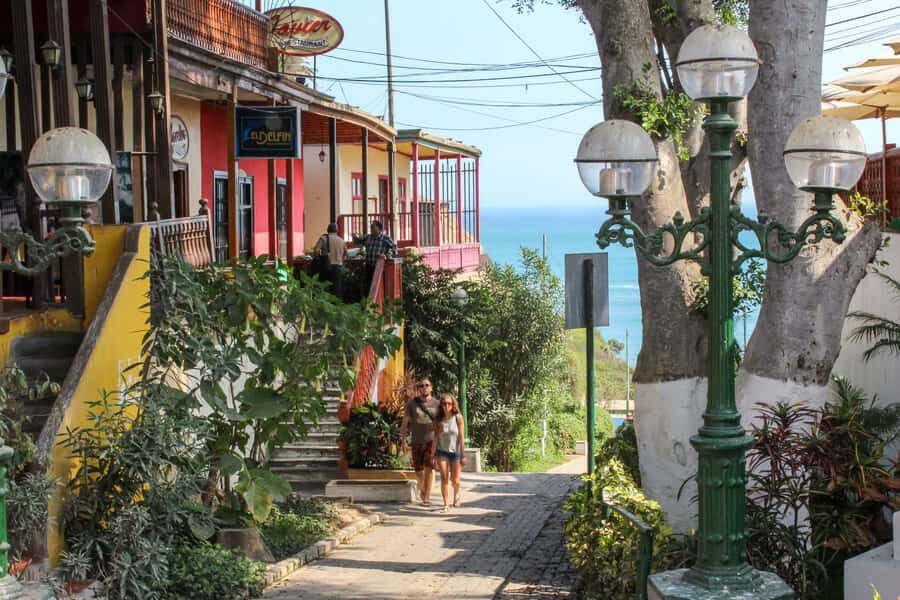
This tour works because it tells one clear story: Lima through food, then Lima through its streets. You’ll move from a local market to the Historic Centre, then over to Barranco, which gives you a change of scenery without wasting hours commuting.
The small group size matters. With a limit of 6 participants, you get more time with the guide and the chef, and questions don’t get lost in the shuffle. The tour runs 8 hours, which is long enough to feel like you did something real, but not so long that you’re exhausted before dinner plans start.
The day also has practical structure. You’ll have a guide who speaks English (and also Spanish), plus transportation by minivan and bottled water. Entrance fees and the meals mentioned are included, which takes the mental load off you. One guest review highlighted the guide as a standout, and another praised the food and personal attention at the restaurant. That lines up with the overall shape of the experience: guide-led, food-forward, and not purely walk-and-hope.
Market Tastings: Fresh Produce and Peruvian Cacao First
Starting with a local market is a smart move for you, because it sets the flavor map. Lima’s food culture doesn’t come from thin air. You begin by trying fresh, locally-grown products, which makes the later dishes feel less like restaurant magic and more like a chain of ingredients you can picture.
In addition to produce, the day includes a stop to try Peruvian cacao. Cacao in Peru isn’t just a “tasty add-on.” It’s part of the country’s chocolate and dessert culture, and it also helps you understand why Peruvian flavors often taste both intense and clean. If you’re the type who enjoys learning what makes a taste specific, this stop gives you something you can connect to later sweets and beverages.
Market time also makes the rest of the day easier. When you’ve tasted a few ingredients and get a sense of what’s fresh, you’re better at reading the food you’ll see in downtown shops and restaurants. You’ll also likely have more patience for the walking portions, because your stomach is already in the story.
If you’re worried about food sensitivity or you’re picky, this is the one part you should think about carefully. The tour includes meals and tastings, but the exact portions can feel different depending on your appetite that day. Bring your common sense: eat light before you go, and tell your guide what you can’t handle.
Historic Downtown on Foot: Monuments, Architecture, and a Sense of Place
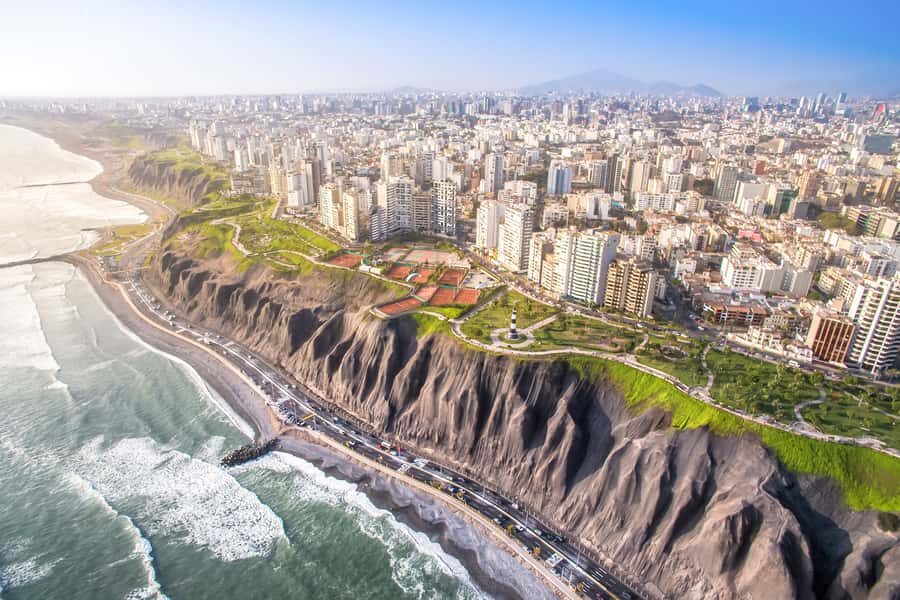
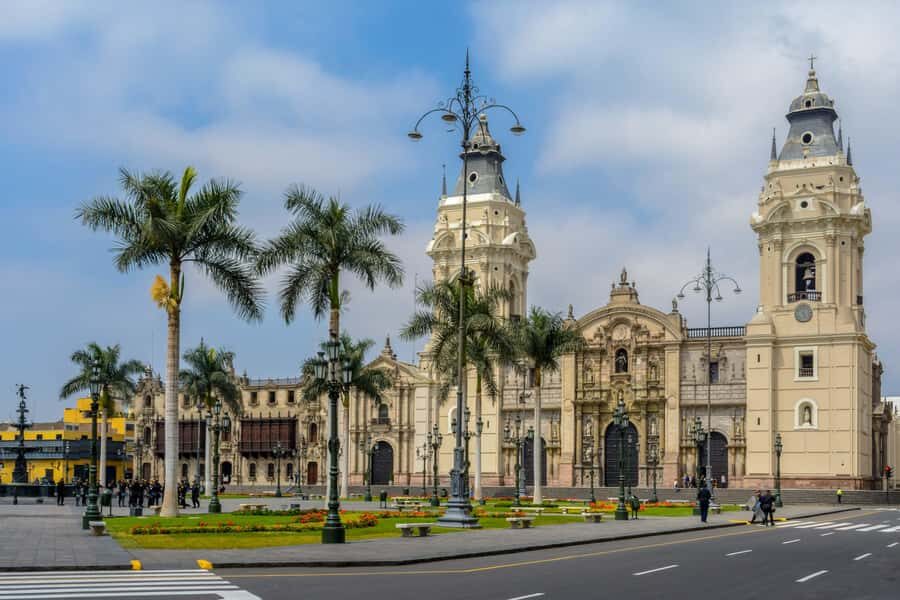
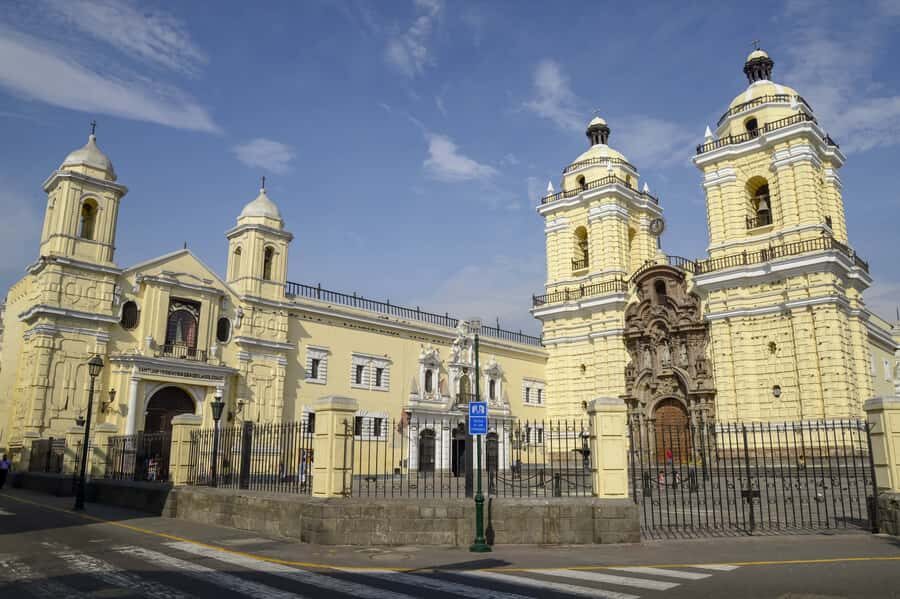
After the market, the tour shifts to Lima’s Historic Downtown, where you walk through streets lined with monuments and architecture. This section is valuable because it gives you a framework for understanding the city beyond food. Lima’s past isn’t hidden in museums only. It’s right there in the street layout, building style, and the way the center holds space for movement.
Walking also keeps the day efficient. You avoid the common problem with “one-day city tours,” where you stare out a van window and call it sightseeing. Here, you’re on your feet. That matters in places like Lima’s historic center because details are easy to miss when you’re passing too fast.
You also get something subtle: context. When you’ve tasted local ingredients and then see the historic core, your brain starts connecting systems—trade, agriculture, neighborhoods, and how people lived around food and culture. It’s not a lecture-heavy stop; it’s a walk where you’re shown what to notice.
A practical tip: wear comfortable shoes. You’re going to be walking through downtown streets plus later Barranco. The tour’s smooth flow depends on you being able to keep moving without turning the day into an ankle test.
Peruvian Pisco Cocktails and Cacao Stops: Taste the Drinks Like a Local
Pisco is Peru’s grape-based spirit, and this tour treats it like more than a souvenir. You’ll stop to try pisco cocktails and to sample Peruvian cacao as part of the flavor thread. That combination is a great pairing for you if you enjoy food and drink as a system: what you taste now can predict what you’ll like later.
One reason this kind of tasting works is variety. If all you do is have one drink, you only learn one data point. Here, you get exposed to multiple styles, which helps you identify what you personally prefer. Some people love pisco straight-up; others prefer it mixed with citrus and syrup. Either way, you leave with a clearer sense of how Peru’s flavors play together.
The best part for me, as a reviewer, is that this isn’t just “sip and move on.” It’s positioned as an intentional stop inside the day’s story. When you come from a market tasting and then go into drink samples, you’re learning the logic of the cuisine, not just collecting flavors.
One caution: pisco tastings plus a chef-led activity later means you should pace yourself. You don’t need to crush every sample to enjoy the experience. Drink slowly, ask questions, and keep your energy for the ceviche part.
The Ceviche Workshop: A Chef, Technique, and Real Seafood Curing
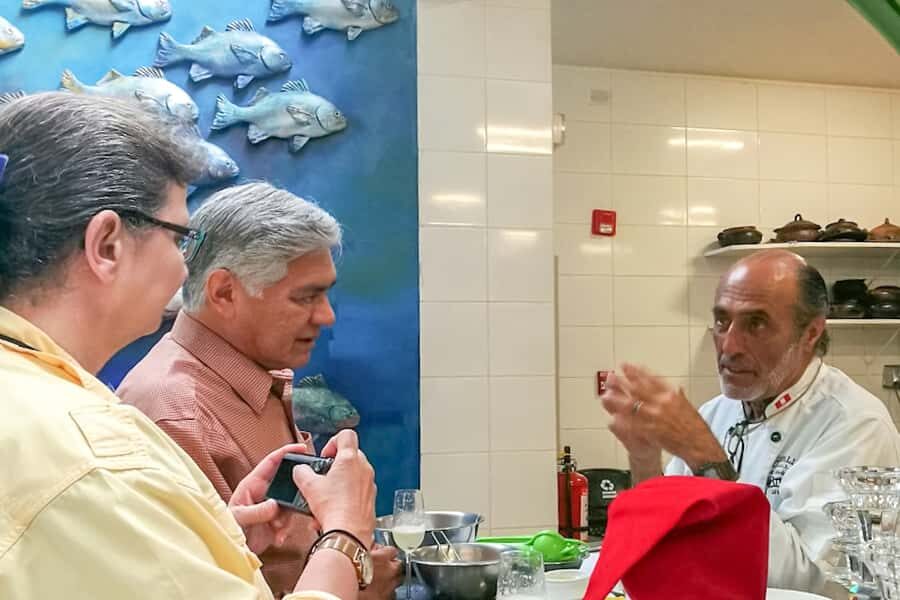
If there’s one reason this tour gets strong marks, it’s the chef-led ceviche experience. You’ll sit down and observe how much skill and concentration it takes to make ceviche, then you’ll learn how it’s made. That matters because ceviche is easy to get wrong. The balance is the whole thing—fish freshness, citrus timing, and seasoning. When those parts are aligned, the dish tastes bright and clean instead of just sour.
This is where the experience feels most “Peru, right now.” Ceviche isn’t a concept. It’s a method. The tour focuses on the traditional idea of fresh fish cured in citrus juices, and you’ll get to see the process up close rather than getting a generic tasting.
From past guest feedback, food quality and guide performance were major standouts. One review even mentioned exceptional ceviche and strong personal attention at the restaurant stop. That lines up with what you should expect here: you’re not just eating; you’re learning the craft.
What you should do to get the most out of it:
- Watch closely during prep and curing, even if you’re not doing every step.
- Ask what makes the balance work—timing and seasoning are usually the heart of the answer.
- Come hungry, but don’t overdo it before the workshop so you can taste properly afterward.
The workshop also gives you a souvenir that lasts longer than a photo. Even if you never cook the same exact version at home, you’ll start recognizing what “good ceviche” tastes like and why.
Barranco’s Bohemian Streets: Crafts, Shops, and Picarones Dessert
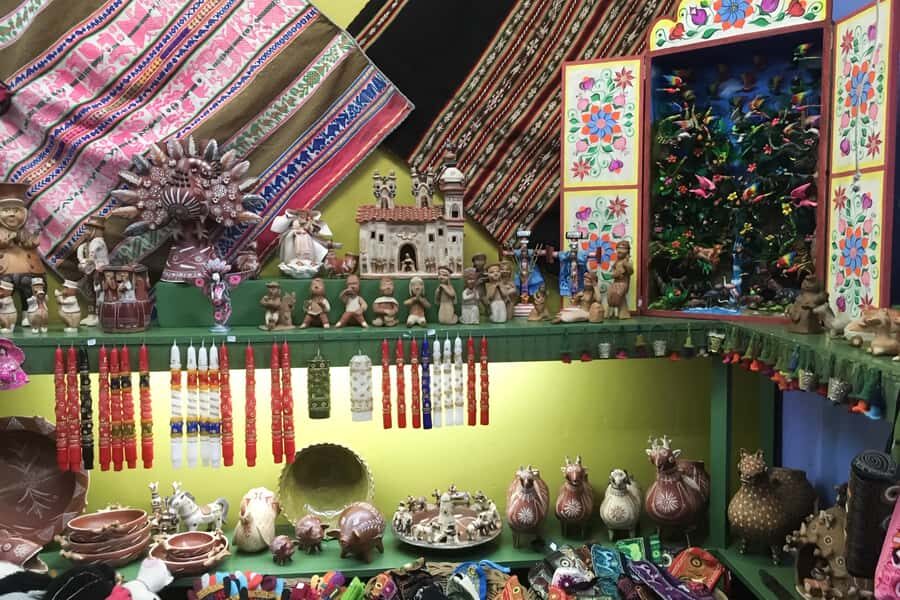
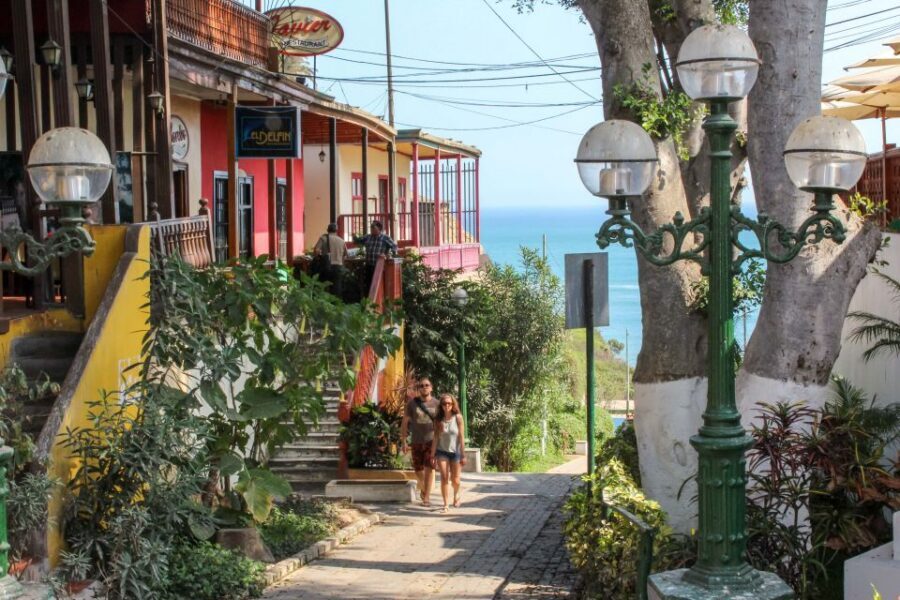
After the core food-and-technique portion, the day changes tempo in Barranco. This neighborhood is known for its bohemian vibe, and the tour leans into that with local shops and browsing time. You’re also able to see a private collection of Peruvian handcrafted goods, which is a good match for people who like souvenirs with actual stories behind them.
Barranco works well late in the day because you’ve already fed your senses once or twice, and now you can enjoy the slower pace of browsing and street wandering. It’s also an easier mental shift from “learning” to “relaxing.”
Then comes dessert: picarones, a traditional Peruvian treat made from squash and sweet potato. They’re shaped like a doughnut and drizzled with syrup. This is one of those desserts that feels different from common donut flavors because the base is the point—sweet potato and squash bring a soft, earthy sweetness that tastes distinctly local.
If you’re sweet-tooth curious, this is a great finish. If you don’t usually eat desserts, picarones might still be worth it because it’s not just sugar on sugar. It’s a recognizable Peruvian flavor style in a single, shareable portion.
Price and Logistics: Is $170 Good Value for 8 Hours?
At $170 per person for an 8-hour small-group tour, the real question is value: what you’re paying for and what you’re avoiding.
You’re paying for more than a guide and a stroll. Included in the tour are:
- English-speaking guide (with Spanish also offered)
- All entrance fees
- Transportation by minivan
- Bottled water
- All meals mentioned during the day
You’re also getting structured food experiences that cost money and time on their own: market tastings, pisco/cacao stops, and a chef-led ceviche session. Those aren’t “extras.” They’re the backbone of the day.
That said, not every guest found it worth repeating. One review called out the price as not ideal for what they got and said they wouldn’t recommend it based on cost. Another suggested the itinerary timing could be better organized.
So here’s my practical way to decide: if you want a one-day Lima plan that hits market flavors, historic sights, and a hands-on food highlight, this price can make sense. If you already know ceviche vendors you trust and you don’t care about guided architecture walks, you may feel like you’re paying for structure you could do on your own.
Also look at your travel style. If you hate planning, you’ll probably feel better about the cost. If you enjoy freedom and want to wander independently all day, this might feel too scheduled.
Should You Book This Lima Food-and-History Tour?
Book it if:
- You want a food-first day with strong direction on where to go and what to try.
- You like small groups and asking questions during tastings and the ceviche session.
- You want both atmosphere and craft time, with Barranco and shopping for handcrafted goods.
Consider skipping or comparing alternatives if:
- You prefer slow travel and hate tighter pacing. One past guest felt the timing needed improvement.
- You’re very price-sensitive and would rather pay only for meals you choose yourself.
My best advice for maximizing the day: go in with a curious attitude and don’t overcommit. Eat breakfast lightly, wear comfy shoes, sip pisco at a pace that keeps you sharp for ceviche, and treat the market and Barranco stops as learning time, not just shopping time. This tour rewards attention.
FAQ
FAQ
How long is the tour?
It lasts about 8 hours.
What is the price per person?
The price is $170 per person.
What’s included in the price?
You get an English-speaking guide, all entrance fees, transportation by minivan, bottled water, and all meals mentioned in the itinerary.
What group size is it?
It’s a small group, limited to 6 participants.
Where does pickup happen?
Pickup is included from any hotel located in Miraflores or San Isidro, and the tour also ends back at your hotel.
What languages are offered during the tour?
The tour guide is available in English and Spanish.
Is the tour wheelchair accessible?
Yes, it’s wheelchair accessible.
Can I cancel and get a refund?
Yes. You can cancel up to 24 hours in advance for a full refund.