REVIEW · QUISTOCOCHA
Iquitos: 5 Days inside the Rainforest | Amazon Jungle Tour
Book on GetYourGuide →Operated by www.iziperu.com · Bookable on GetYourGuide
Five days in Iquitos, and the jungle never clocks out. What makes this Amazon tour so appealing is the mix: wildlife plus Indigenous culture, with night-time activities that feel genuinely wild.
I particularly like the way the days balance hands-on fun (like piranha fishing and canoeing) with guided learning at places such as the Wildlife Rescue Center. You’re not just collecting photos. You’re getting context for what you’re seeing.
One thing to consider: this is an outdoors, insect-friendly itinerary. You’ll need to dress for it, and you should be ready for long stretches of time on boats, walks, and in humid conditions.
In This Review
- Key things I think you’ll care about
- Why Iquitos rainforest tours feel different here
- Amazon Camp base: meals, sleep, and the “go early, rest later” rhythm
- Day 1: Bellavista Nanay port, Kukama culture, monkey island, and the black-mud flowering bath
- Day 2: Fundo Rony rescue center, camu camu and seven roots, piranha fishing, and caiman canoeing
- Day 3: Botanical walk, Yanayacu River by peque peque boat, Lupuna tree wish, and the Yaguas blowgun
- Day 4: San Rafael Butterfly Farm and a more relaxed jungle afternoon
- Day 5: Second Monkey Island, conservation focus, and back to Iquitos
- What you’re really learning: plants, ecosystems, and why rescue matters
- Price and value: is $439 for five days in the jungle a good deal?
- What to pack (so you don’t suffer) for Loreto
- Who should book this tour, and who might not love it
- Should you book this Iquitos rainforest tour?
- FAQ
- What is included in the Iquitos 5-day Amazon Jungle Tour price?
- How many nights do I stay at the Amazon Camp?
- Are hotel or airport transfers included?
- What activities are included during the tour?
- How large is the group?
- What languages are the guides?
- What should I bring for the rainforest?
- Is free cancellation available?
Key things I think you’ll care about
- Small group (up to 14) means easier spotting of animals and more time for questions.
- Pick-up from your hotel or airport makes the first day feel stress-free.
- Night canoeing for caimans plus a nighttime jungle walk keeps the action going after dark.
- Fundo Rony wildlife rescue center shows how rehabilitation works, not just how animals look.
- Kukama and Yaguas community visits bring a human layer to rainforest learning.
- Hands-on jungle moments: black mud flowering bath, piranha fishing, and a blowgun try.
Why Iquitos rainforest tours feel different here
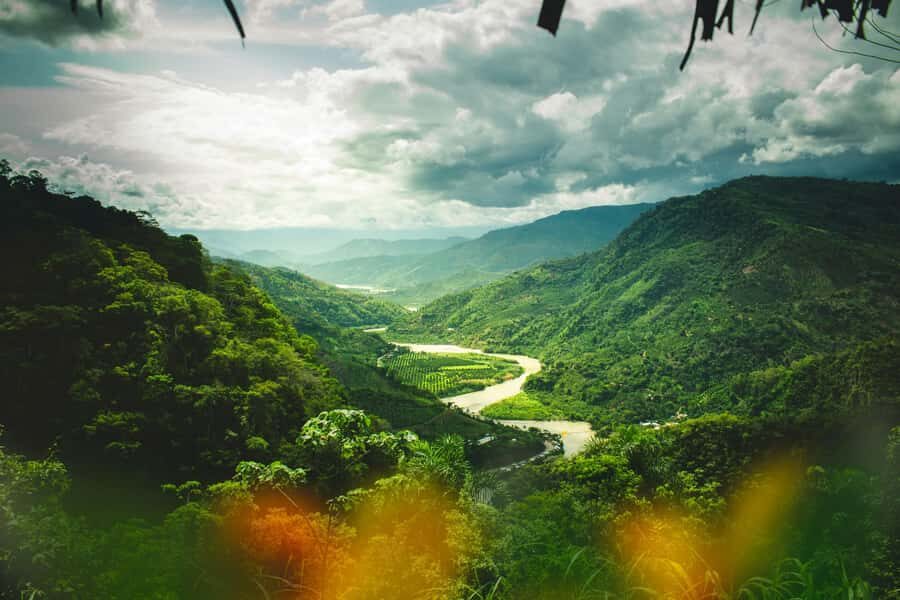
Iquitos sits in Loreto, far from the tidy, tourist-bus version of the Amazon. Instead, you get that river-and-trail rhythm: boats, lodge time, sudden animal sightings, and guides who know how to read the forest.
This tour leans into that reality. You’ll spend real time on the water and in jungle spaces where wildlife is around, not staged. And you’ll mix in cultural visits to the Kukama and Yaguas communities, which helps explain how people have lived alongside this ecosystem for generations.
Amazon Camp base: meals, sleep, and the “go early, rest later” rhythm
You stay 4 nights at Amazon Camp, with meals included across the days. That matters because it lets your schedule stay simple. When breakfast is early, you’re not scrambling for food. When the day runs long, you’re not paying extra just to keep going.
The day structure is also worth noting: mornings often start with wildlife sounds or active tours, while afternoons give you lighter time, pool breaks, or relaxed village moments. That balance makes it easier to handle heat and humidity without feeling wiped out every single minute.
The one predictable trade-off? Snacks and personal water aren’t included, and bar drinks aren’t included either. If you tend to snack often (or you know how quickly you use water in the jungle), plan to add a little budget for that.
Day 1: Bellavista Nanay port, Kukama culture, monkey island, and the black-mud flowering bath
Day 1 starts with pick-up from your hotel and transfer to Bellavista Nanay port. From there, you cruise along the Amazon River, where spotting gray or pink dolphins is possible. Even if you don’t see dolphins, the river ride sets the tone fast. The Amazon is big, loud, and alive.
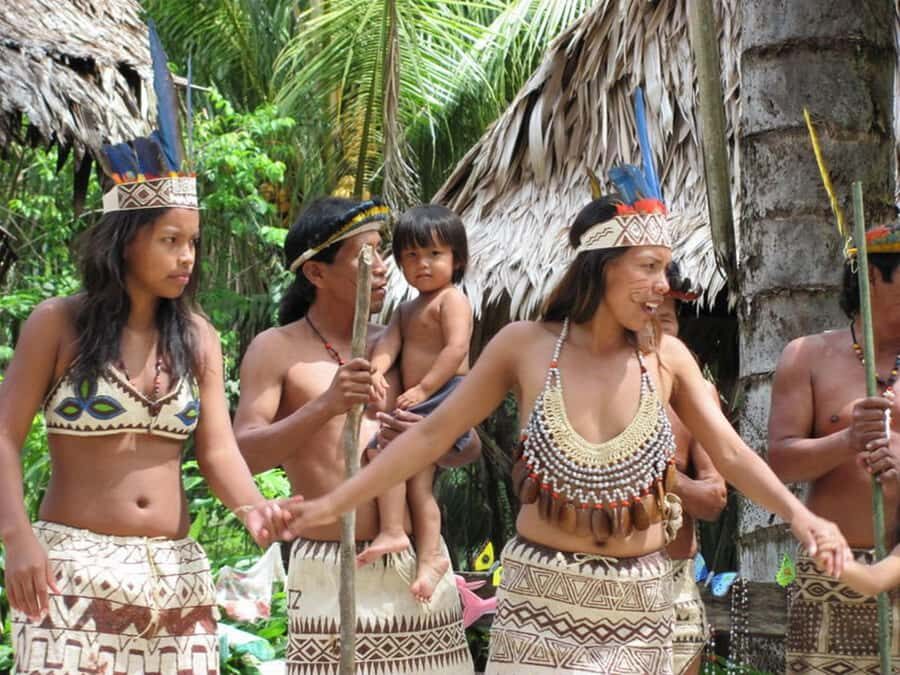
Then you shift to the Kukama Tribe visit. This isn’t just a quick photo stop. You’ll learn about traditions, dances, and ancestral knowledge of natural medicine. For me, that’s one of the tour’s strengths: the rainforest isn’t treated like a theme park. It’s treated like a home with knowledge built over time.
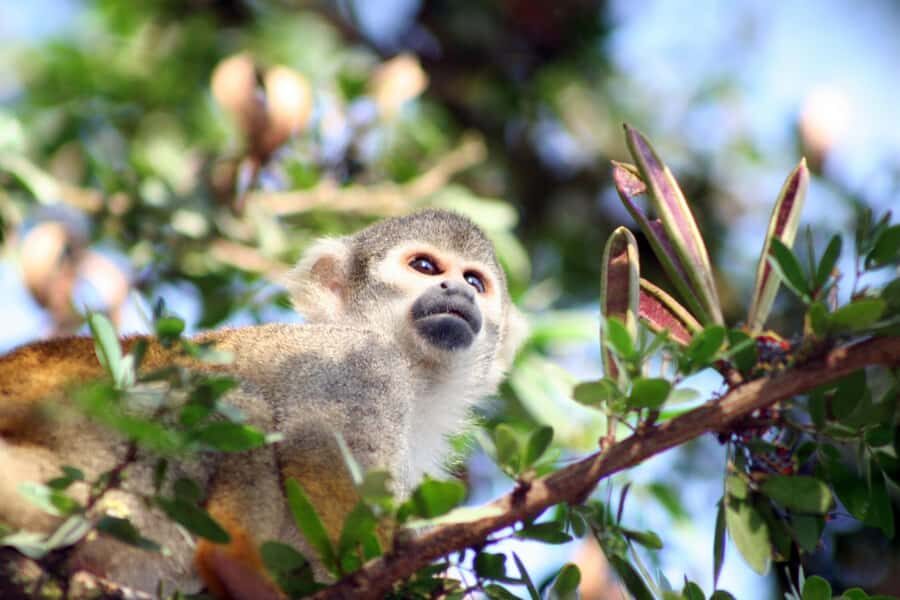
After that, you head to Monkey Island to observe monkeys in their natural habitat. This kind of stop works best when you treat it like observation time. Keep your expectations flexible. Animal behavior drives what you get to see.
Later, you reach the lodge area for orientation, a typical jungle lunch, and then the part many people remember most: a swim in the Amazon River, followed by a flowering bath in black mud. It’s fun, but plan for the practical side. Mud happens. Keep your expectations realistic and your clothes intentional.
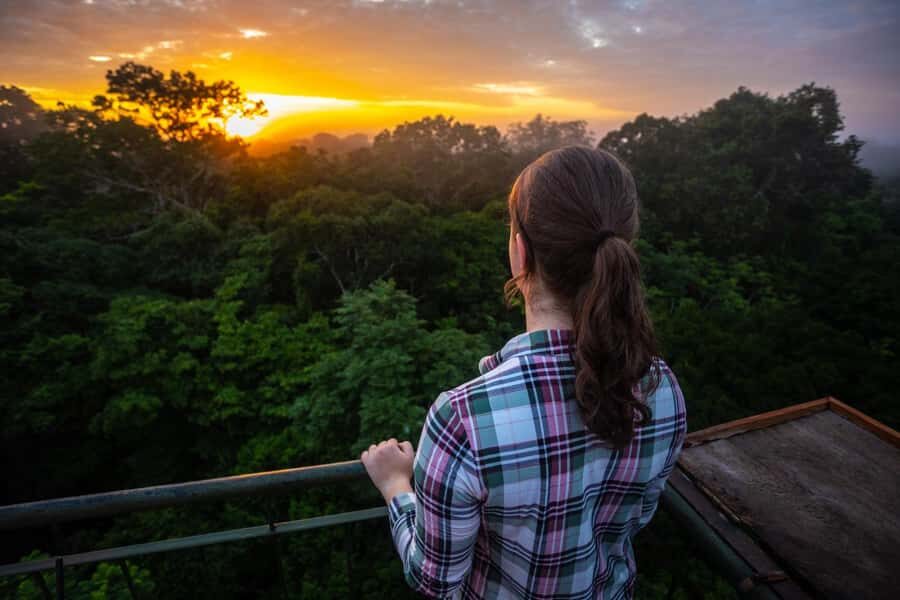
As the sun drops, you enjoy the view and, if you’re lucky, you might spot pink dolphins again. Night falls, and you go looking: a guided jungle walk to observe insects, tarantulas, frogs, and nocturnal birds. It’s a sensory change from daylight hiking. The jungle becomes a different kind of show.
Day 2: Fundo Rony rescue center, camu camu and seven roots, piranha fishing, and caiman canoeing
The day starts early with Amazon sunrise sounds. That alone is worth it. Even when you’re not seeing wildlife instantly, hearing the jungle wake up gives everything context.
Next up is the Wildlife Rescue Center, Fundo Rony. You’ll observe animals such as sloths, monkeys, macaws, and toucans, and you’ll learn about their rehabilitation process. I like this stop because it reframes animal encounters. Instead of only “cute and wild,” you get the why behind conservation work.
You’ll also taste Amazonian macerates like camu camu and seven roots, known for medicinal properties. This is one of those moments where the tour connects culture and environment through plants. Don’t expect this to replace medical knowledge, but it’s a solid introduction to rainforest botanicals.
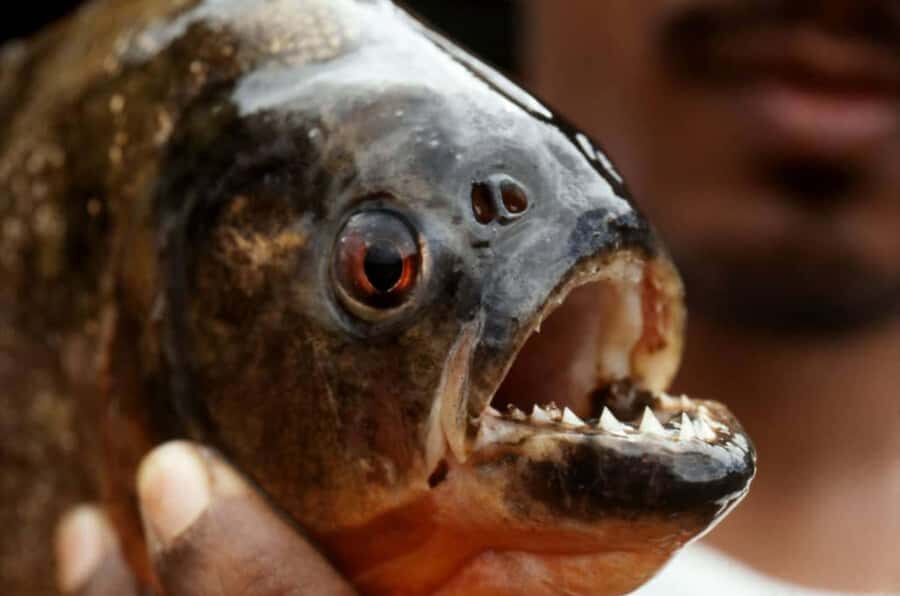
Then comes the active fun: artisanal piranha fishing using local techniques. It’s not a spectator sport. You’ll be part of the moment, and it adds variety after the center and tasting.
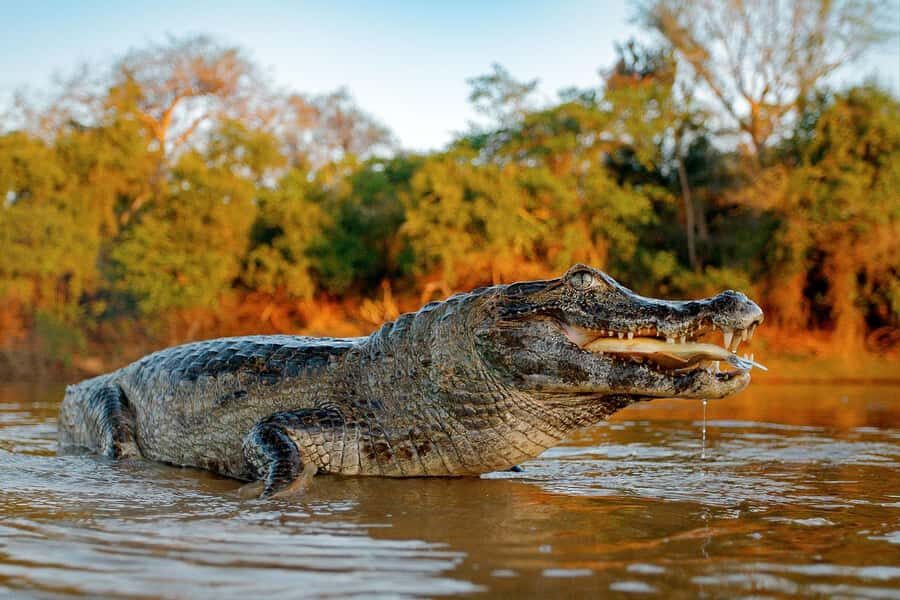
After lunch, there’s a slower break option, including pool time. Then night takes over again with canoeing. The tour focuses on observing caimans and learning their role in the ecosystem. If day 1 was all about nocturnal creatures on foot, day 2 is about reading the water after dark. Go quiet. Stay attentive. That’s when you get better chances of seeing motion.
Day 3: Botanical walk, Yanayacu River by peque peque boat, Lupuna tree wish, and the Yaguas blowgun
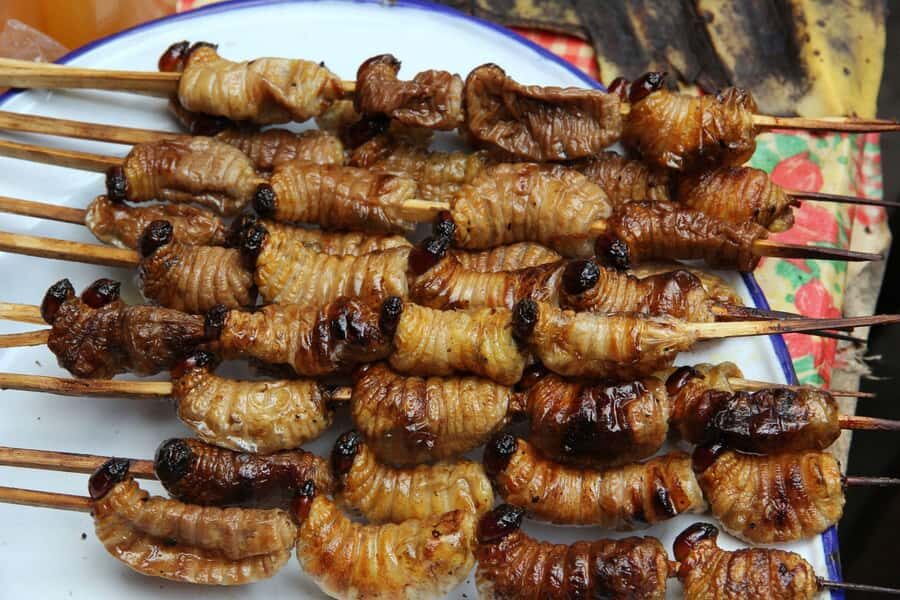
Day 3 starts with breakfast and a botanical walk to explore Amazonian trees and medicinal plants. This is the kind of guided learning that helps you notice details later on your trip, like which trees or leaves matter to local knowledge.
Then you take a peque peque boat tour to navigate the Yanayacu River, a remote area rich in biodiversity. The goal here is simple: get off the main routes and spend time where nature density is higher.
A standout moment follows: the GIANT TREE TRAIL. You’ll see the Lupuna tree, and at its base you can make a wish. I treat this as both a nice ritual and a practical reminder to slow down. Big trees don’t happen fast, and in the rainforest, scale changes how you think.
Next is the Yaguas Tribe experience. You’ll discover customs, admire palm-fiber attire, and try a pucuna blowgun. This is one of those activities that lands well when you approach it respectfully and follow the guide’s lead. It’s not a carnival trick. It’s tied to daily life and traditional knowledge.
After lunch, you visit the riverside village of Fátima to learn about local community lifestyle. In my view, this part helps prevent the tour from feeling like “nature only.” You’re seeing how the human side of the rainforest continues today.
Dinner includes storytelling about Amazonian myths and legends. Again, you’re not just watching the jungle. You’re learning how people explain it.
Day 4: San Rafael Butterfly Farm and a more relaxed jungle afternoon
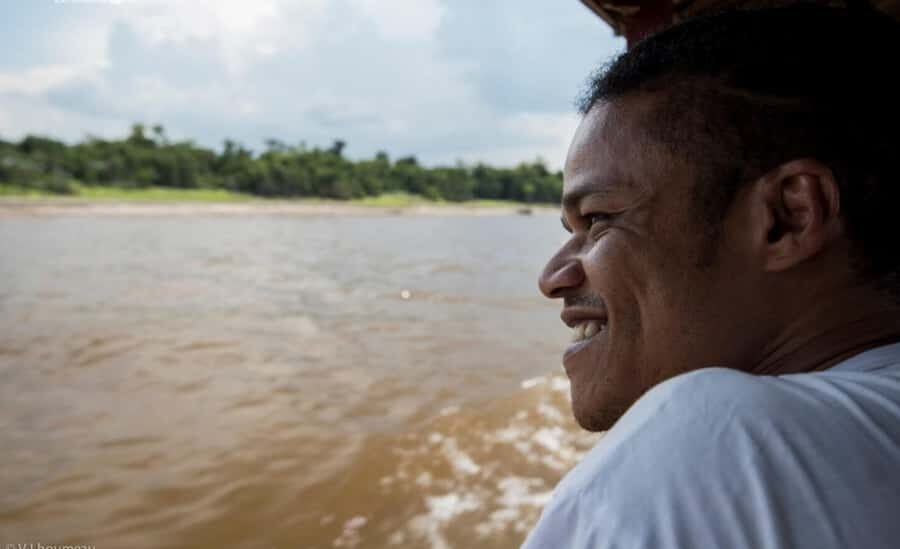
Day 4 shifts to something lighter: a visit to the San Rafael Butterfly Farm. You’ll see diverse butterfly species in a setting that’s more about gentle observation than rugged terrain.
This stop works well for people who want a break from constant movement. It also adds variety to the animal focus. Not every rainforest moment is about mammals or birds. Butterflies can be your chance to slow your pace and notice color and behavior up close.
You’ll have a self-service jungle lunch, and after that you can relax by the pool or explore at your leisure. Dinner is included, so you keep the “all meals covered” advantage without planning.
If you’re the type who gets tired of rushing, day 4 is a good reset. If you love action, you might find it a little calmer than the first three days. Either way, it prevents fatigue from building.
Day 5: Second Monkey Island, conservation focus, and back to Iquitos
On the final morning, you visit a second Monkey Island, described as more secluded. This matters because it increases the chance you’ll see different monkey species, including endangered ones. You’ll also learn about conservation efforts and you’ll get time to interact with the monkeys.
After a jungle lunch, you relax before transferring back to Iquitos and heading to your hotel.
The day 5 structure is practical. It avoids the feeling of “too much, too fast, and then goodbye.” You get one last look, then you’re back in town.
What you’re really learning: plants, ecosystems, and why rescue matters
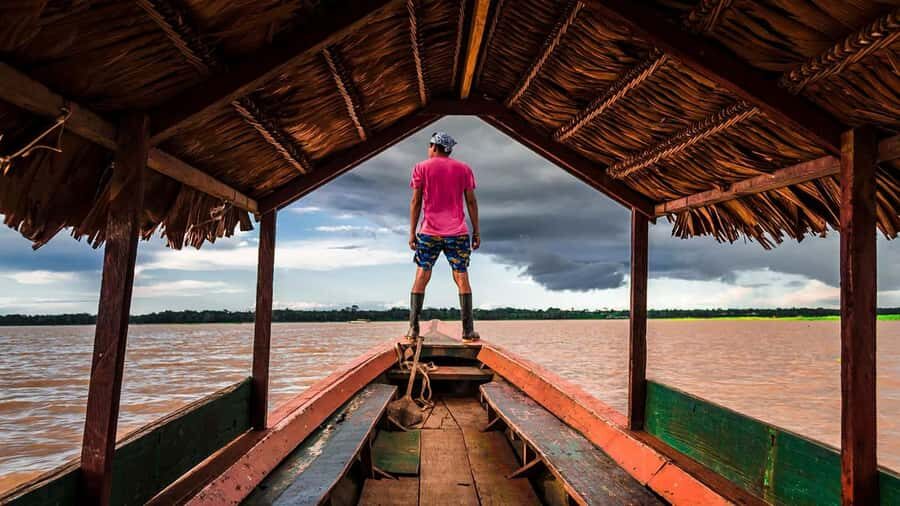
What makes this tour more valuable than a basic wildlife checklist is the repeated pattern: see something, then learn why it exists in this system.
- At Fundo Rony, rehabilitation puts animal encounters into context.
- During the canoeing and caiman watching, you learn how caimans fit into the ecosystem, not just that they’re scary or cool.
- Through the botanical walk and macerates like camu camu and seven roots, you get plant-based knowledge tied to local medicine traditions.
- Through the Kukama and Yaguas visits, you learn that culture and environment share the same roots, literally and figuratively.
If you like nature photography, you’ll get plenty of moments. But if you prefer understanding over just sightings, this tour’s structure will click.
Price and value: is $439 for five days in the jungle a good deal?
At $439 per person for 5 days, the value comes from what’s covered. You’re getting:
- hotel or airport pick-up
- 4 nights at Amazon Camp
- all meals
- guided excursions across multiple days
- an English or Spanish guide
- small-group experience limited to 14 people
What’s not included is normal stuff: snacks/personal water, bar drinks, and flights. Also, transfers back to the airport aren’t listed as included, so you’ll plan your departure accordingly.
For me, the best value signal is the density of included activities. You’re not paying extra every day for entrances or separate add-ons. You also get multiple “night time” components, which are usually where tours cost more because guides need specialized timing and safety.
Is it the cheapest option? Likely not. But for a 5-day itinerary that mixes rescue center learning, cultural visits, night canoeing, and multiple boat-based wildlife moments, it feels fair.
What to pack (so you don’t suffer) for Loreto
The tour gives a clear packing list, and I’d follow it closely. You’ll want:
- sunglasses
- sun hat
- sunscreen
- insect repellent
- long-sleeved shirt
- long pants
- sportswear
Practical tip: bring a change of clothes you’re okay getting a little jungle-worn. You’ll swim, you’ll do a black-mud flowering bath, and you’ll be around insects at night.
Also, remember snacks and personal water aren’t included. If you’re someone who gets hungry between meals, plan small extras.
Who should book this tour, and who might not love it
This works best for you if:
- you want a small-group jungle experience rather than a large bus crowd
- you like guided learning tied to real places, not only quick stops
- you’re excited by night wildlife activities like canoeing for caimans
- you’re curious about Indigenous communities, including Kukama and Yaguas culture
You might want to skip it if:
- you need lots of downtime and don’t enjoy early starts
- you dislike insects and don’t want to follow the clothing and repellent guidance
- you’re looking for a purely comfort-style hotel vacation
Should you book this Iquitos rainforest tour?
I’d book it if you want the Amazon to feel real: river rides, monkey islands, rescue center learning, and two different night experiences. The biggest pull is the balance between culture and ecology, especially with the Kukama and Yaguas visits added to the wildlife days.
Book it if you’re the type who likes questions. Guides on this kind of tour tend to go deeper when you ask. If you’re hoping for a checklist of animals only, this may be more than you need. But if you want meaning behind what you see, this is a strong match.
If you can handle insects, humidity, boats, and a few muddy moments, this five-day Iquitos rainforest experience is the kind you remember after the photos fade.
FAQ
What is included in the Iquitos 5-day Amazon Jungle Tour price?
The tour includes hotel or airport pick-up, 4 nights of accommodation at Amazon Camp, all meals, the excursions described in the program, and a guide in English or Spanish.
How many nights do I stay at the Amazon Camp?
You stay for 4 nights at Amazon Camp during the 5-day tour.
Are hotel or airport transfers included?
Yes. Pickup is included from your hotel or from the airport in Iquitos.
What activities are included during the tour?
Included activities cover visits such as the Wildlife Rescue Center (Fundo Rony), NIGHT canoeing and caiman watching, piranha fishing, and visits to Indigenous communities (Kukama tribe and Yaguas Indigenous).
How large is the group?
The group is small, limited to 14 participants.
What languages are the guides?
Guides are available in English and Spanish.
What should I bring for the rainforest?
Bring sunglasses, sun hat, sunscreen, long-sleeved shirt, long pants, sportswear, and insect repellent.
Is free cancellation available?
Yes. You can cancel up to 24 hours in advance for a full refund.