REVIEW · PUCARA PERU
TRIP FROM PUNO TO CUSCO WITH THE ROUTE OF THE SUN
Book on GetYourGuide →Operated by Libertrek Peru Travel Agency · Bookable on GetYourGuide
The route between Puno and Cusco feels like class with views. This Route of the Sun trip is fun because you roll straight into history at smart stops, and you get clear explanations from a professional bilingual guide. I also love the comfortable, well-run bus ride and the buffet lunch that actually keeps you fueled. One thing to consider: it’s a long day, and some stops can feel a bit rushed if you like to linger.
You leave Puno at 6:00 AM, then work your way toward Cusco through Pucará, Abra La Raya (the Cusco–Puno border), Raqchi, and Andahuaylillas. It’s $114 per person for transport, guide service, entrance fees, and lunch—good value if you’d otherwise be trying to piece together tickets and connections on your own.
In This Review
- Key highlights that make this trip worth it
- Route of the Sun: why this drive feels better than a straight transfer
- Price and Logistics: what $114 covers (and what it doesn’t)
- Puno pickup at 6:00 AM: the start that sets the tone
- Bus comfort on a long day: the difference between tolerable and enjoyable
- Stop 1: the Lithic Museum of Pucará and the art of zoomorphic figures
- Stop 2: Abra La Raya Pass and the Cusco–Puno border moment
- The buffet lunch stop: fuel without derailing the schedule
- Raqchi Archaeological Park: Wiracocha, colcas, and stone-and-adobe scale
- Final highlight before Cusco: Andahuaylillas Church and the Sistine Chapel of the Andes
- Time pressure reality check: long day, multiple stops, and how to plan
- Who this tour suits best (and who might want something else)
- A quick value verdict for $114
- Should you book this Puno to Cusco Route of the Sun tour?
- FAQ
- What time is the pickup in Puno?
- How long does the tour take?
- Are the entrance fees included?
- Is lunch included?
- What languages is the guide?
- What extra costs should I expect?
Key highlights that make this trip worth it
- Pucará Lithic Museum: zoomorphic art and sculptures from a culture that predates the Incas
- Abra La Raya Pass stop: the border area between Cusco and Puno, over 4,335 meters, with Chimbo(y)a-area views
- All-entrance fees included: you don’t have to count soles while you’re sightseeing
- Andahuaylillas Church (the Sistine Chapel of the Andes): murals and gold-leaf work that catch the eye fast
- Raqchi Archaeological Park: colcas (granaries) and major stone-and-adobe structures
Route of the Sun: why this drive feels better than a straight transfer
If you’re doing Puno to Cusco, you’ve got two choices: take the quickest route, or turn the trip itself into a mini itinerary. This one does the second.
The big idea here is that you’re not just moving from A to B. You’re hitting stops that build a sense of what came before the Incas (Pucará), what the Incas planned and stored (Raqchi), and what later Cusco-area art and church style looked like in places like Andahuaylillas. That pacing is practical: you get “wow” moments without needing extra hotel nights.
And because the tour includes a professional guide in Spanish and English, you spend less time staring at ruins and more time understanding what you’re seeing—especially at the stops where details matter.
You can also read our reviews of more tours and experiences in Pucara Peru.
Price and Logistics: what $114 covers (and what it doesn’t)
At $114 per person, the value comes from what’s included:
- Pickup in Puno and transfer to your Cusco hotel
- Tourist transport for the whole Puno → Cusco ride
- A professional bilingual guide
- Entrance to all listed tourist sites
- Buffet lunch
- Transfer from the Cusco bus terminal to your hotel
The items you should plan for are small but real:
- A land port use tax of S/1.90 soles per person (about $0.58)
- Cold drinks aren’t included
So if you’re budgeting anyway, this tour helps you avoid the annoying “nickel-and-dime” effect that can happen when you assemble tickets and meals separately. You just show up with comfortable shoes and enough cash for the port tax and any extras you want.
Puno pickup at 6:00 AM: the start that sets the tone
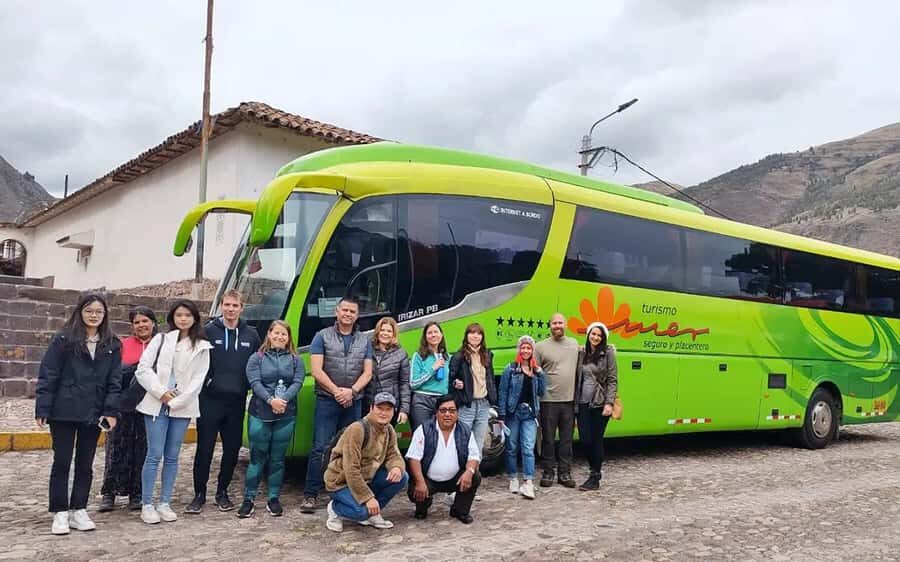
This tour begins early—06:00 AM pickup from Av. Simon Bolivar 1671. You’ll be collected from your hotel area and sent to the bus, which then starts the long road toward Cusco.
Early pickup is a trade-off. It’s not glamorous, but it’s efficient. The payoff is you get daylight for stops, and you arrive in Cusco with services ending at the private bus station, followed by your hotel transfer.
If you’re the kind of person who’s happiest when you’re not rushing minutes before check-in, you’ll probably appreciate this start time. Just treat the morning like part of the trip, not like an obstacle.
Bus comfort on a long day: the difference between tolerable and enjoyable
This is a long ride by design. The route takes about 10 hours total, so comfort matters.
The bus service here is a clear strength. In real-world feedback, people highlight that the seats are very comfortable and the bus feels specious, which helps on a day that includes both mountain roads and multiple scheduled stops.
The rhythm is also important: the guide balances guided time with short breaks. That matters because you’ll be standing, walking, taking photos, and then sitting again. If you tend to get cranky during long transfers, this is the kind of tour where the smooth transport and pacing actually reduce the stress.
Stop 1: the Lithic Museum of Pucará and the art of zoomorphic figures
Your first major stop is the Lithic Museum of Pucará, connected to a culture that developed long before the Incas in the region near Puno.
This is not just a quick photo stop. You get time for a guided visit and sightseeing. The museum focuses on ceramics and sculptures that include zoomorphic figures—animal-like forms. One standout piece referenced in the tour description is a sculpture called HATUNÑAQAC, which today would be understood as the supreme cutthroat.
Why this works: it gives you a baseline. Before you hit Inca-era architecture and religious sites, you get a taste of earlier artistic traditions. It’s a smart way to start the day, because it makes later ruins feel less like random stones.
Practical tip: museum stops can involve some walking inside and around exhibits. Comfortable shoes help, even if the walking distance feels moderate.
Stop 2: Abra La Raya Pass and the Cusco–Puno border moment
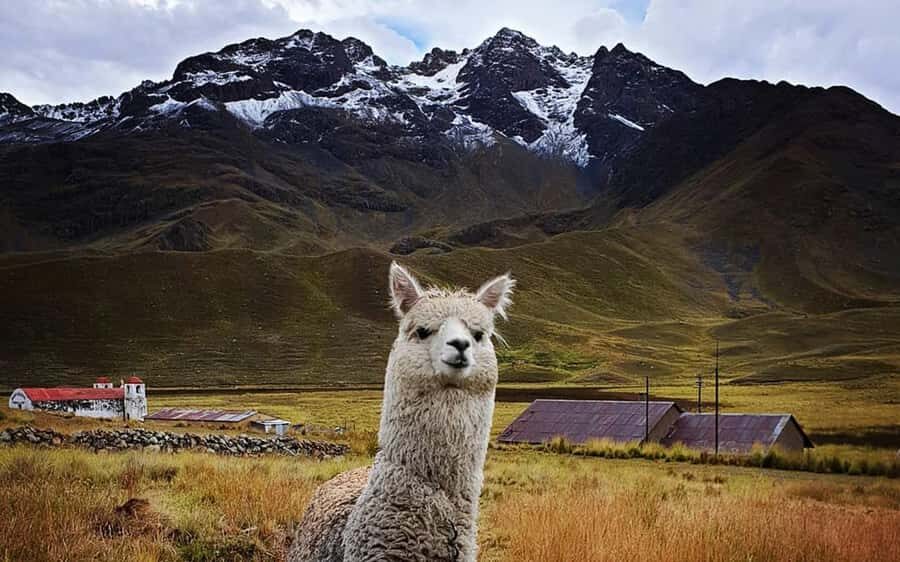
Next comes Abra La Raya, described as the border between Cusco and Puno and located at more than 4,335 meters above sea level. This is a natural “pause and look” point on the road.
You’ll have:
- a break time
- photo time
- some guided moments plus free time
The tour also points out Chimbo(y)a in the area, noting that the Amazonas River is born here. That’s a rare chance to connect a big geographic fact (major river systems) to the physical place you’re actually standing.
This is also where altitude can affect you. Even without turning the day into a biology lesson, keep expectations realistic: you might feel more winded than usual when you step out for photos. Take it slow, sip water if you have it, and let the views do the talking.
The buffet lunch stop: fuel without derailing the schedule
Halfway through, you break for lunch at a local restaurant. The tour includes a buffet lunch and gives you free time during the stop.
What’s included in the buffet:
- a range of national and regional food
- entrees and fresh vegetables
- desserts
- hot drinks
This lunch style is practical on a day like this. It gives you choices depending on your appetite after altitude exposure and early starts. And you won’t be dependent on finding a specific dish at a specific spot.
One small note: cold drinks aren’t included, so if you want them, plan on buying them.
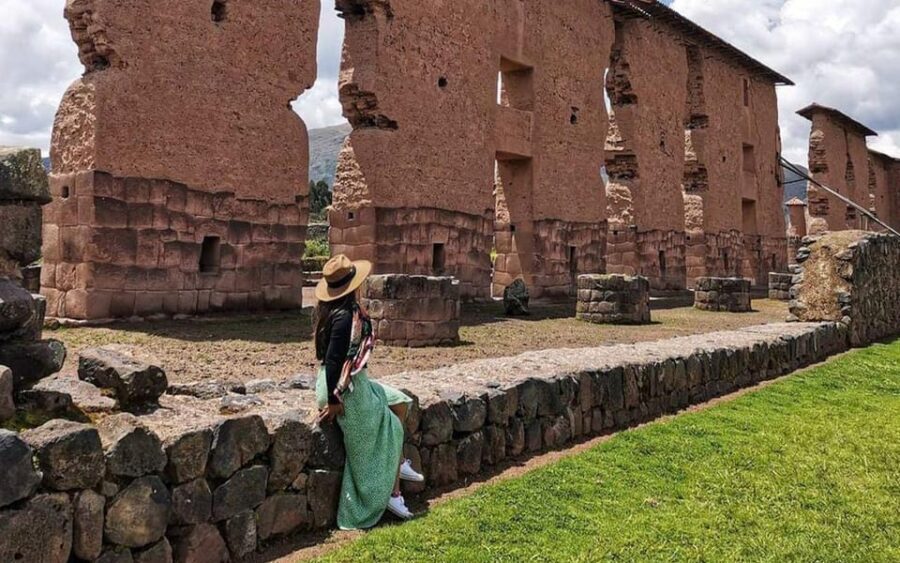
Raqchi Archaeological Park: Wiracocha, colcas, and stone-and-adobe scale
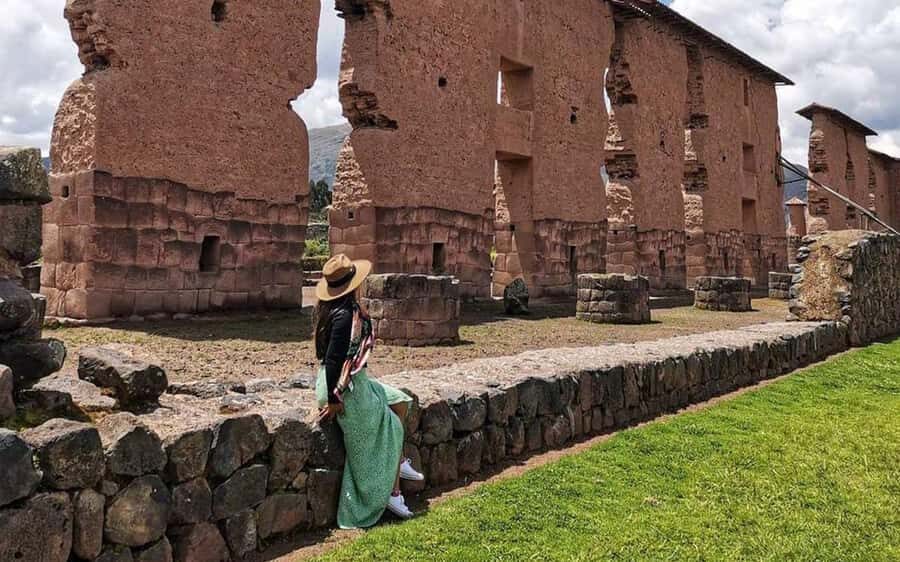
The next major stop is the Archaeological Complex of Raqchi, known as the Temple of the god Wiracocha—the supreme Inca deity in the tour framing.
Here you’ll get:
- photo time
- a guided visit
- sightseeing and walking
What makes Raqchi stand out in this route is the focus on storage and construction:
- the largest number of colcas (granaries)
- magnificent buildings made of stone and adobe
Colcas matter because they show planning. People didn’t just build temples; they built systems to store food and survive. When you connect that to Wiracocha, the place feels less like a postcard ruin and more like a functioning world—one that had rules, purpose, and logistics.
Time check: Raqchi is a big stop. Some people find site time can feel short overall on this kind of route. If Raqchi is your must-see, go into it expecting you’ll get the guided highlights rather than slow, deep wandering.
Final highlight before Cusco: Andahuaylillas Church and the Sistine Chapel of the Andes
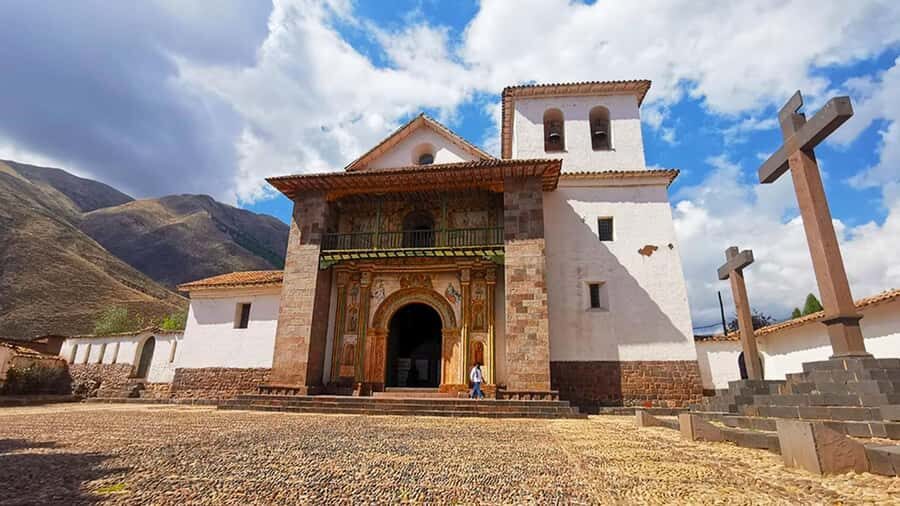
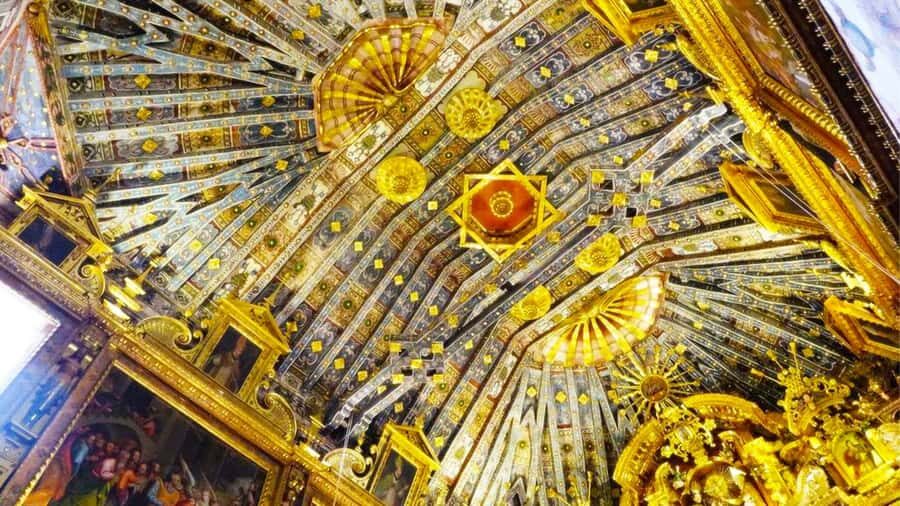
You close in on Cusco with Andahuaylillas, where the tour visits the church often called the Sistine Chapel of the Andes.
This church is described as being famous for:
- murals
- gold leaf work
- paintings of the Cusco school
Like Raqchi, this is a “look closely” type of stop. Murals and gilding are the kind of details that feel best when you’re not rushing your eyes. The guided component helps here: if you know what to look for, the church becomes more than decoration—it becomes a readable story.
Practical note: this stop includes photo time and walking/sightseeing. The church setting can mean uneven footing or slower movement. Bring shoes you trust.
Time pressure reality check: long day, multiple stops, and how to plan
Here’s the honest trade-off with an efficient route like this: you’re moving between major sites on a tight timeline.
The tour is built for maximum coverage in a single day. Some people love that structure because it turns transportation time into culture time. Others feel the day is long and some stops don’t get as much time as they want.
How to handle it:
- If you like quick, curated highlights, you’ll probably enjoy the pace.
- If you’re the type who hates being rushed through your favorite place, keep your expectations set. You’ll get a guided “greatest hits” version, not an all-day slow museum session.
Also, you’ll likely feel the day more than you expect. At 4,335 meters on the Abra La Raya pass alone, your body might be slower than usual. Sleep early the night before, and pace yourself during breaks.
Who this tour suits best (and who might want something else)
This is a great fit if you want:
- a guided route from Puno to Cusco with included entrances
- a comfortable bus and a schedule that doesn’t require planning on the road
- stops that cover pre-Inca culture, Inca religious/architectural ideas, and later artistic style
It’s especially good for people who don’t want to spend their precious Cusco arrival day figuring out transport or buying multiple tickets separately.
It might feel less ideal if:
- you’re very sensitive to long travel days
- you prefer lots of independent time inside each site
- you’re hoping for an unhurried pace at every stop
A quick value verdict for $114
For $114, you’re paying for a lot of structure: transport both ways of the day (Puno pickup, Cusco hotel transfer), guide service, entrance fees, and buffet lunch. Add up those parts and the price looks fair—especially compared with trying to recreate the same set of stops independently.
The cost of the land port use tax and cold drinks is small, and it’s easy to plan for if you bring some extra cash.
Should you book this Puno to Cusco Route of the Sun tour?
Yes, if you want an efficient, guided day that turns your transfer into meaningful sightseeing—Pucará, Abra La Raya, Raqchi, and Andahuaylillas hit a strong range of cultural periods and site types.
Consider booking something slower or more customizable only if you know you’ll be frustrated by limited time inside each stop. If your goal is highlights with expert explanations and zero logistics stress, this tour is one of the smarter ways to do Puno → Cusco.
FAQ
What time is the pickup in Puno?
Pickup starts at 06:00 AM, and you meet at Av. Simon Bolivar 1671. You should be in the hotel lobby about 5 minutes before pickup.
How long does the tour take?
The duration is about 10 hours from pickup in Puno until you finish in Cusco with a transfer to your hotel.
Are the entrance fees included?
Yes. Entrance to all listed tourist sites is included in the price.
Is lunch included?
Yes. The tour includes a buffet lunch at a local restaurant during the trip.
What languages is the guide?
The tour includes a live guide in Spanish and English.
What extra costs should I expect?
The land port use tax is not included (S/1.90 soles per person, around $0.58), and cold drinks are also not included.