REVIEW · CHUCUITO
Aymara Route Mystical Cultural Tour
Book on GetYourGuide →Operated by Qhapaq Adventures · Bookable on GetYourGuide
Aymara culture around Puno is not a cookie-cutter tour. This one strings together meaningful sites—from the Temple of Fertility imagery to the Aramu Muru rock portal—so you spend the day seeing how people mapped daily life, farming, and belief into the landscape. I especially like the official guide setup and the fact that the day includes both history-minded stops and hands-on moments like meditation. One consideration: at Aramu Muru, the program can include a ceremony option, and you may have to choose between that and a short trek for photos.
The route also has a smart pace for an 8-hour day: photo stops plus guided time, with time to reset between sites. I like that the tour includes transport and that tickets are handled for you, which keeps the day from turning into a ticket-line scavenger hunt. The only drawback to plan around is the walking plus altitude feel—so comfortable shoes matter, and the ceremony isn’t for everyone (it’s not suitable for people with epilepsy).
In This Review
- Key points that make this tour worth your time
- Why the Aymara Route around Puno feels different
- Pickup, comfort, and your bilingual guide day plan
- Temple of Fertility and the first symbolic stop
- Chucuito: guided walking plus photo time south of Puno
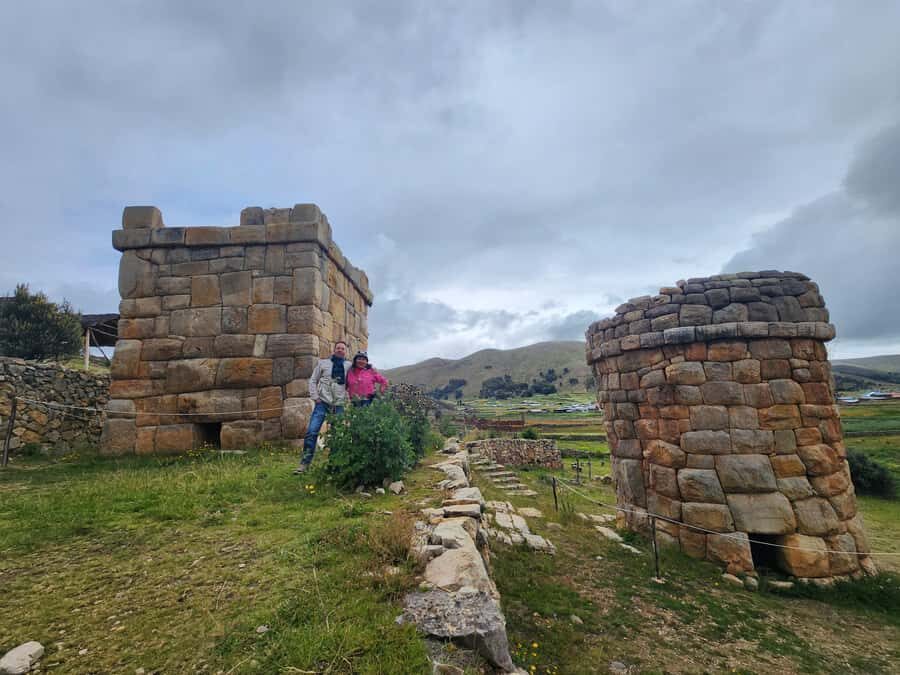
- Acora’s Chullpas de Molloco: square towers, one circular tower, and floor niches
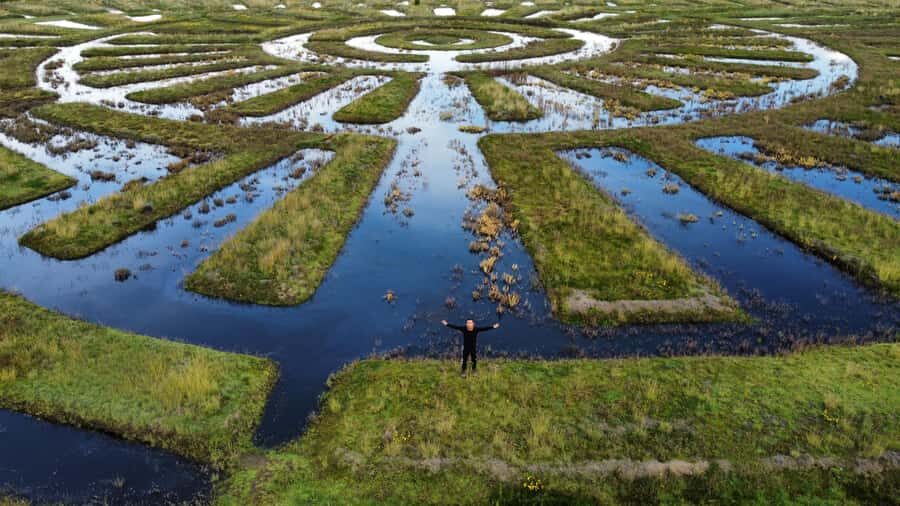
- Waru warus (circular): ancestral farming tech as a living reference
- Aramu Muru Portal and the meditation moment
- The ceremony choice at Aramu Muru: what to weigh before you go
- Julia, Rome of America, and beach time before the return to Puno
- Price and value: what $32 buys you in practice
- What to pack, plus weather and altitude reality checks
- Who this Aymara Route suits best
- Should you book this Aymara Route Mystical Cultural Tour?
- FAQ
- How long is the Aymara Route tour from Puno?
- Where do you get picked up?
- What languages is the live guide?
- Are entrance tickets included?
- What are the main stops I’ll see?
- What should I bring with me?
- Is this tour suitable for everyone?
Key points that make this tour worth your time
- Temple of Fertility stop with six minor phalluses and one major phallus for an unusual, direct look at symbolism
- Chullpas de Molloco with square towers, a circular tower, and niches under the floor
- Circular Andean Waru Warus presented as an ancestral technique tied to domesticating Andean grains and tubers
- Portón de Aramu Muro with meditation plus big rock formations
- Juli (Rome of America) time that includes a chance to enjoy the beach and optional activities
Why the Aymara Route around Puno feels different
Most day trips around Puno try to hit the same big-name checklist. This one leans into smaller, more local Aymara-linked places outside the standard circuit, and it’s built around specific physical features you can actually see and compare.
You’ll start with imagery at the Temple of Fertility, then move on to funerary architecture at the Chullpas de Molloco, then shift to agricultural engineering with the Waru warus. The day ends with a lighter, seaside-style stop in Juli, often called the Rome of America.
That mix is the point. You get symbolism, burial practice, food systems, and community life in one long block—so the culture stops feeling like museum text and starts feeling like lived geography.
Pickup, comfort, and your bilingual guide day plan
The experience is set up for convenience from the start: you’ll be picked up in Puno and taken around in first-class transportation. The tour is led by a live Spanish and English guide, and tickets are included so you’re not juggling small payments at each stop.
One detail that makes the day feel smoother is how the guide supports the story, not just the logistics. You should expect guided explanations, photo stops, and time to look around on your own when the group needs breathing room.
Plan for a full day. The tour runs about 8 hours, with timing that puts you back around 4 to 5 pm in Puno. In other words: it’s not a quick taste. It’s a day you’ll want to dress for.
Temple of Fertility and the first symbolic stop
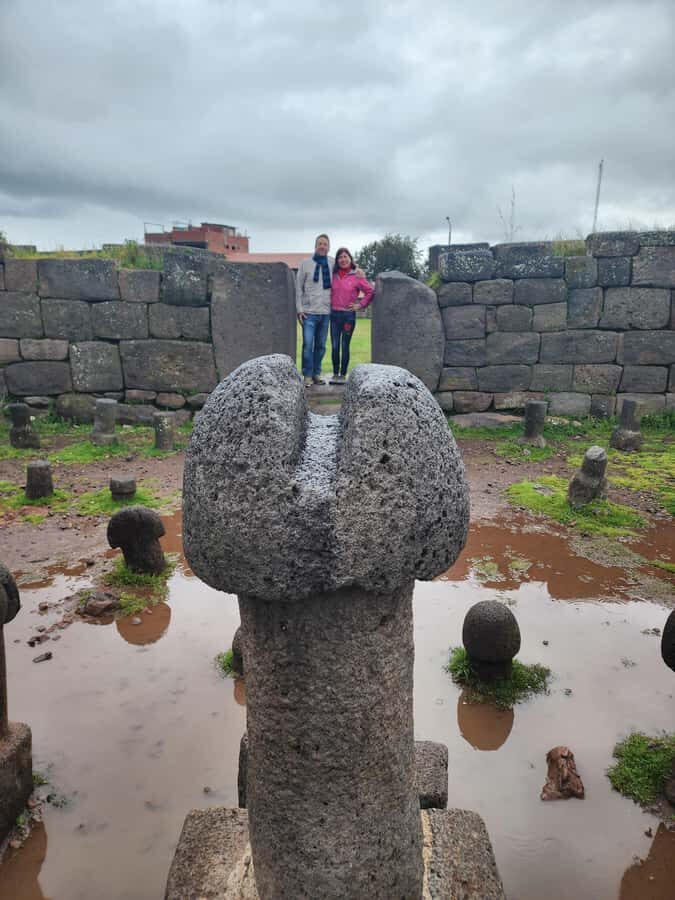
The tour begins with a visit to the Temple of Fertility, where you can see six minor phalluses and one major phallus. It’s a bold start, and it’s meant to frame the rest of the day: many Andean cultures use physical forms and site design to connect fertility, community, and cycles of life.
If you’re the kind of traveler who likes to understand what you’re looking at, this stop sets you up well. Even if you’re not sure how every symbol will translate, the guide-driven context helps you read it as part of a belief system rather than a random photo spot.
Bring your camera, but also bring patience. Symbolic sites often take longer because you’ll want to look closely. This is a good place to slow down for a few minutes and actually study the shapes.
Chucuito: guided walking plus photo time south of Puno
After pickup, the day moves toward Chucuito, which is south of Puno. Expect a mix of guided time and self-guided wandering, plus a photo stop and a walk so you can get oriented and catch scenic views along the way.
This is also where the tour’s rhythm becomes clear. You’re not only driving from one monument to another. The guide gives you a reason to look, then gives you space to look again.
Chucuito is often a good place to take a breath. You’ll have enough time to grab photos, ask questions, and get your bearings before the day gets more specific with technical sites like Waru warus and chullpas.
Acora’s Chullpas de Molloco: square towers, one circular tower, and floor niches
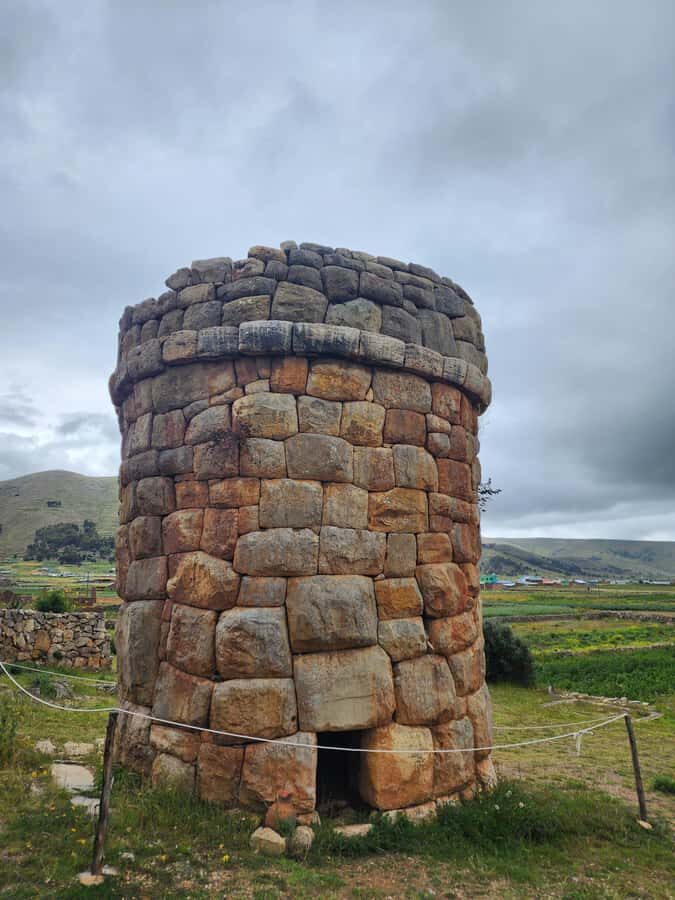
Next comes Acora, and specifically the Chullpas de Molloco. These chullpas have a different style than the more famous chullpas you might have heard about elsewhere. Here, you’re looking at three square-style towers and one circular tower, plus niches under the floor that were used as niches.
That combination matters because it gives you multiple angles on the funerary idea. Towers are the obvious visual, but those floor niches suggest the site wasn’t only built to be seen. It was built to hold and organize something specific.
If you like architecture, pay attention to symmetry and shape. The square towers and the circular one create a contrast that helps you “read” the site quickly, even if you don’t know the language.
Practical tip: keep your camera ready but don’t rush the lower sections. The niches under the floor are easy to miss if you’re only scanning upward.
Waru warus (circular): ancestral farming tech as a living reference
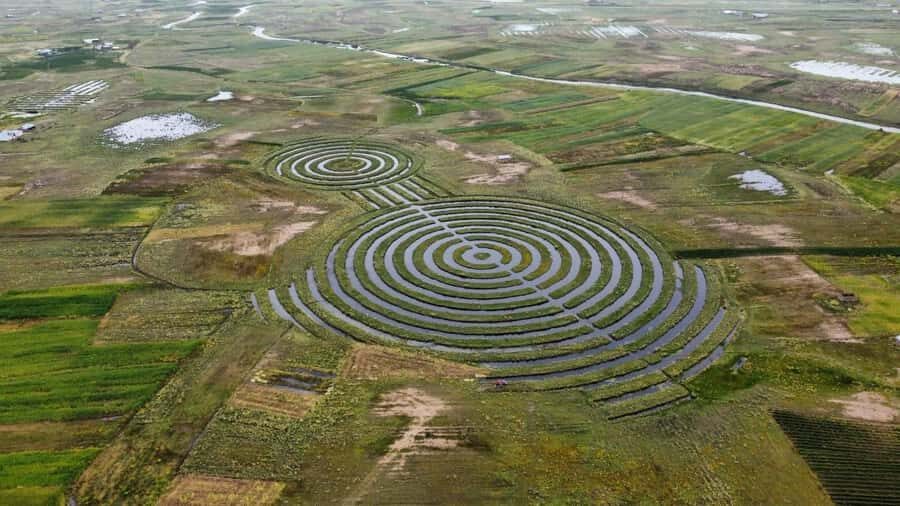
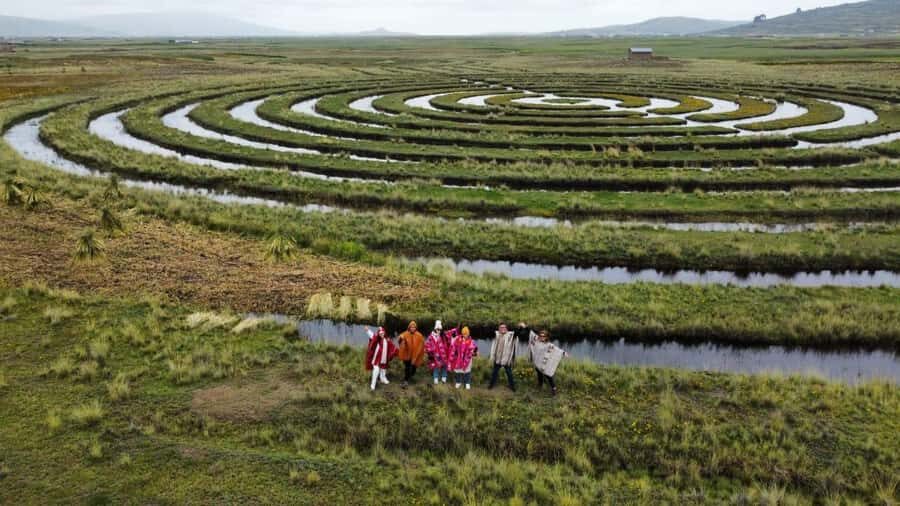
Then you’ll visit the Circular Andean Waru Warus. This part of the day is about technique—how people engineered their environment to grow food. The tour frames Waru warus as an ancestral approach used as a kind of laboratory for the domestication of Andean grains and tubers.
You can think of this stop as the practical side of Aymara life. Instead of only symbols and burial structures, you’re looking at how the ground itself becomes part of food security.
When the guide explains the technique, try to connect it to what you’re seeing: the shapes, the layout, and how the site functions as more than just ruins. Even if you never learn the full technical background, you’ll come away with a clearer idea that farming was—and still is—highly designed.
A good time to ask questions here. If you ask how the technique relates to daily life, the explanations tend to connect the rest of the tour together.
Aramu Muru Portal and the meditation moment
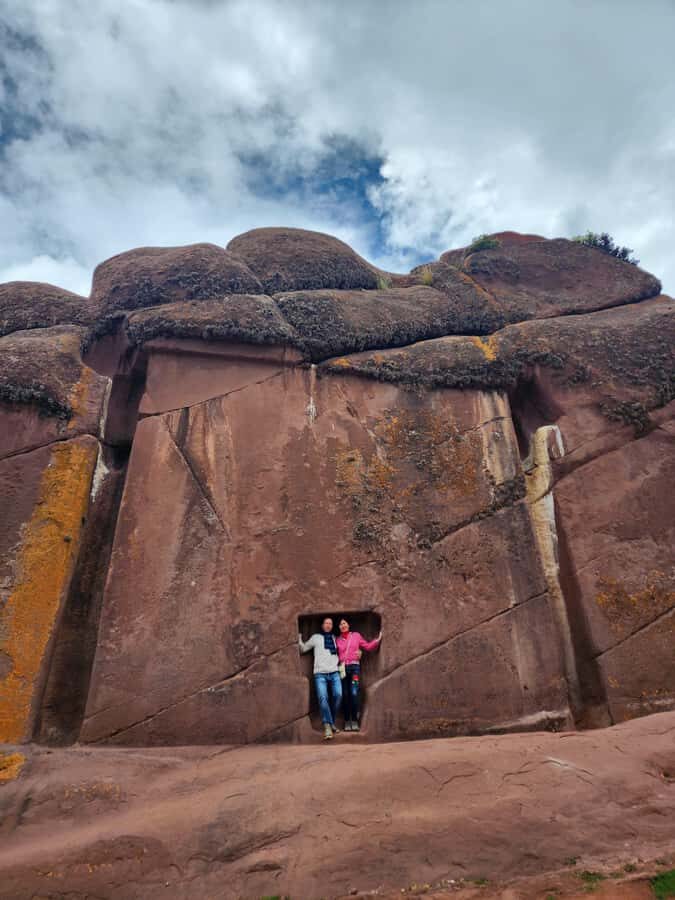
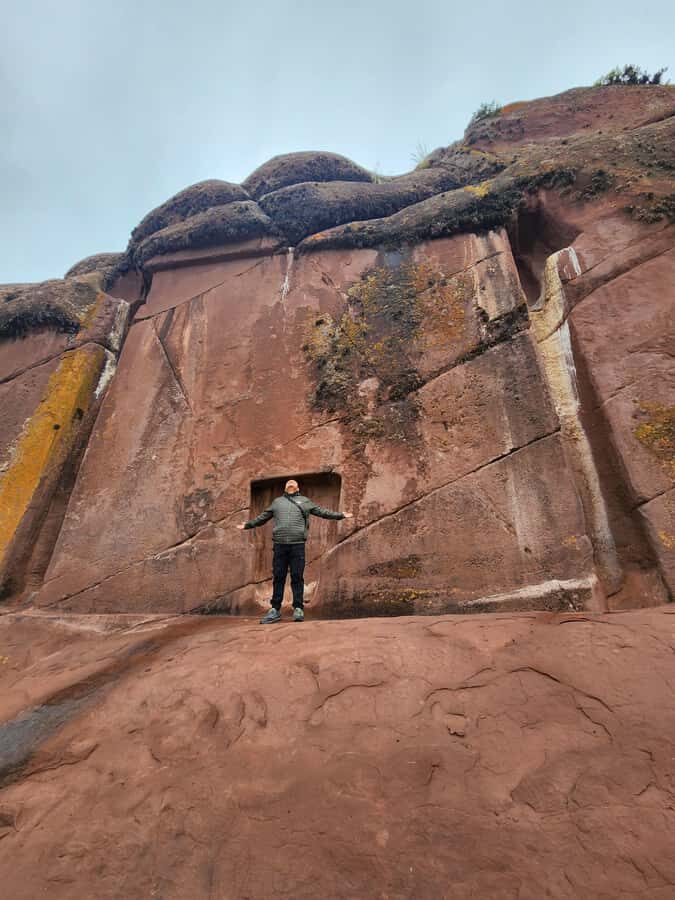
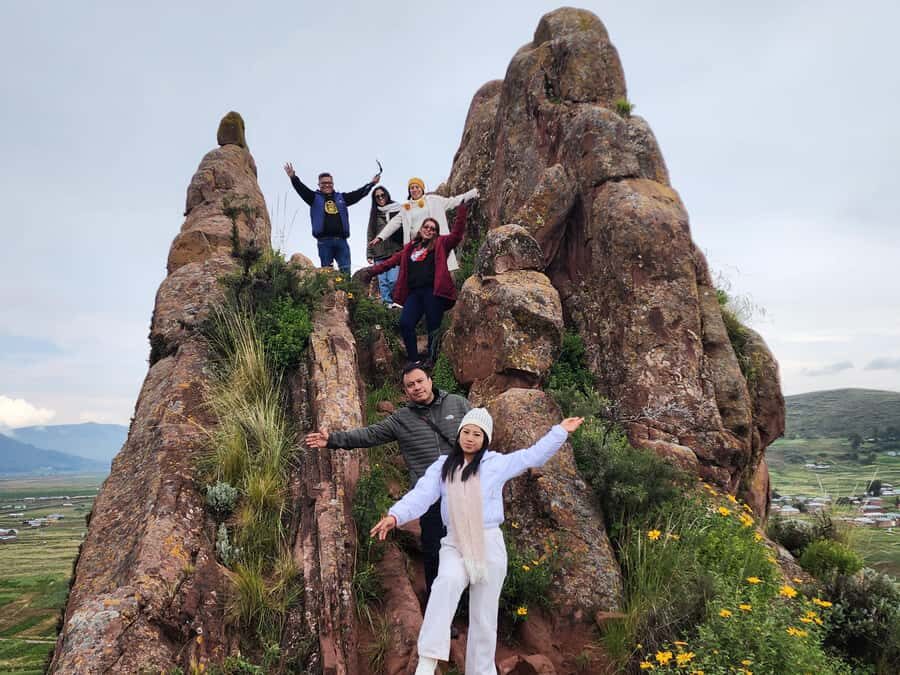
The day’s most mystical-sounding piece is at Aramu Muru, including the Portón de Aramu Muro. You’ll get an official guided visit, plus time for meditation and a look at the rock formations.
This is one of those experiences where the value isn’t only in what you photograph. It’s in the pause. A meditation component makes you slow down, and it helps the rock shapes feel less like scenery and more like a setting for meaning.
Timing matters here because the day is full. Plan to be present, not just observing. If you’re stiff or uncomfortable, meditation will feel harder. Wear clothes you can move in, and keep your hat ready for sun.
The ceremony choice at Aramu Muru: what to weigh before you go
A key note for your planning: at Aramu Muru, there’s often a program choice that can split people’s preferences. One option can involve a short mini-trek for photos, and another can involve the ceremony in Aramo Muro.
If you’re the type who wants the full ritual experience and you’re comfortable in that setting, lean toward the ceremony. If your priority is views and photo angles, you might prefer the mini-trek.
Either way, this stop is the point of the tour title. It’s where the day’s theme shifts from explaining culture to participating in it—even if you participate in a quieter way.
Also note: the activity is not suitable for people with epilepsy. If that applies to you, skip this one for safety.
Julia, Rome of America, and beach time before the return to Puno
At the end of the route you’ll reach Juli, sometimes called the Rome of America. Expect about 1 hour here, with time to see the beach plus other optional activities.
This is a smart way to finish. After hours of architecture, farming tech, and ritual-focused stops, the beach break helps you decompress. You also get more casual time to chat with your guide or the group, and to sit down and process what you saw.
If you get sunburned easily, don’t ignore this part. The day includes outdoor walking and open-air views. A hat and sunglasses really pay off.
When it’s done, you’ll return to Puno by late afternoon.
Price and value: what $32 buys you in practice
At $32 per person, the big value isn’t only the cost. It’s what’s handled for you: official guide, first-class transportation, and tickets so you don’t spend time paying at each stop.
For a day that covers multiple distinct sites—fertility symbolism, chullpas architecture, Waru warus farming engineering, Aramu Muru meditation/ritual, and Juli beach time—that price can feel like a bargain compared to piecing together separate taxis and separate entrances.
The other value is time efficiency. You’re not trying to stitch together a plan across Puno plus surrounding areas on your own. You’re also not left guessing which sites matter and why.
One practical caution: because it’s a full day, don’t overpack your schedule that evening. You’ll want dinner back in Puno, and you’ll probably be tired in the best way.
What to pack, plus weather and altitude reality checks
This tour is outdoors-heavy. Bring comfortable shoes, sunglasses, a hat, and comfortable clothes you can wear for walking and changing light.
You should also bring a camera (obvious) and cash, since you may want snacks, drinks, small purchases, or optional extras during stop time. The day also recommends biodegradable insect repellent.
Do a weather check the day before. The guide also flags that you should check for social problems a day before and keep a contact number handy. If plans change, you’ll want to reach the team fast.
If you get altitude symptoms, take it slow at the first stops. This isn’t a climbing tour, but it’s still high enough that you’ll feel it if you rush.
Who this Aymara Route suits best
This works best for travelers who like structure but want more than a single monument. If you enjoy cultural context—symbols explained, architecture compared, and farming techniques placed into a real-world narrative—this tour will click.
It’s also a strong fit if you want language support. The guide runs Spanish and English, which makes questions easier and helps you get more out of each site.
If you dislike ritual elements or you can’t do meditation-type participation, tell yourself to approach Aramu Muru as a nature-and-meaning stop rather than a must-participate moment.
And if you’re sensitive to epilepsy-related risks, it’s not suitable.
Should you book this Aymara Route Mystical Cultural Tour?
Book it if you want a full-day, guided Aymara-focused route that covers far more than the usual photo circuit. The combination of official guiding, included transport and tickets, and high-impact stops like Temple of Fertility, Chullpas de Molloco, Waru warus, and Aramu Muru gives you real value for the price.
Skip it if ceremony participation would stress you out, if you need minimal walking, or if the epilepsy restriction applies.
If you’re deciding between options at Aramu Muru, pick based on what you remember afterward: do you want the lived ritual feeling, or the extra time to move and take photos from a short trek? Either choice can be worth it. Just go in knowing you might not be able to do everything at once.
FAQ
How long is the Aymara Route tour from Puno?
The tour runs for about 8 hours (the overall schedule also lists a total duration of 7 hours and 10 minutes), and it typically ends around 4 to 5 pm back in Puno.
Where do you get picked up?
Pickup is from Puno. You should send the address of your hotel, and it’s even better to provide a phone number or WhatsApp number to coordinate pickup.
What languages is the live guide?
The live tour guide speaks Spanish and English.
Are entrance tickets included?
Yes. Tickets are included, so you won’t have to pay separately at each place you visit.
What are the main stops I’ll see?
You can expect to visit the Temple of Fertility, Chucuito, Acora sites including Chullpas de Molloco and Waru warus, Aramu Muru (including meditation and rock formations at the portal), and Juli (Rome of America) with beach time and optional activities.
What should I bring with me?
Bring comfortable shoes, sunglasses, a hat, a camera, comfortable clothes, cash, and biodegradable insect repellent.
Is this tour suitable for everyone?
It is not suitable for people with epilepsy. If you have any concerns about health or safety, you should check with the provider before booking.