REVIEW · CUSCO
Sacred Valley Experience and Machu Picchu Sunrise 2-day Journey
Book on Viator →Operated by Inca Soul Tours · Bookable on Viator
Sunrise at Machu Picchu changes your math. This 2-day Sacred Valley to Machu Picchu journey is built for travelers who want the big moments fast, without feeling like you’re sprinting blind—starting with an early pick-up in Cusco and ending with guided time inside the citadel. You’ll also get a slice of the Inca Trail experience, not just a bus-and-pose version of Machu Picchu.
What I like most is how the day1 route layers history and everyday Andean life: Pisac, Ollantaytambo, and a hands-on stop at Manos de la Comunidad. You also spend time with llamas (including feeding) and learn how camelids and local weaving connect to daily routines.
The main thing to consider is timing and effort. A 5:00 am start, plus a challenging hike component tied to the Inca Trail segment, makes this less ideal if you’re hoping for a slow, cushiony pace. Also, the train tickets aren’t included, so you’ll need to budget for that piece of the logistics.
In This Review
- Key highlights worth planning for
- Your two-day plan: Sacred Valley into Machu Picchu sunrise
- Cusco to the Sacred Valley: llamas, Pisac, Ollantaytambo, and a real lunch
- Manos de la Comunidad: weaving practice and animal time (what you’re actually learning)
- Getting to Aguas Calientes: why the overnight matters
- Machu Picchu sunrise: the guided citadel visit and timing you can feel
- The hike piece: what “Inca Trail” means for your body
- Price and value: where the $509 makes sense, and where it doesn’t
- Who should book this (and who should pick a slower plan)
- Should you book this Sacred Valley + Machu Picchu sunrise tour?
- FAQ
- What time does the tour start?
- Is the Machu Picchu entrance ticket included?
- Are train tickets included?
- Can I add Huayna Picchu?
- What meals and safety items are included?
- Is this tour private?
Key highlights worth planning for
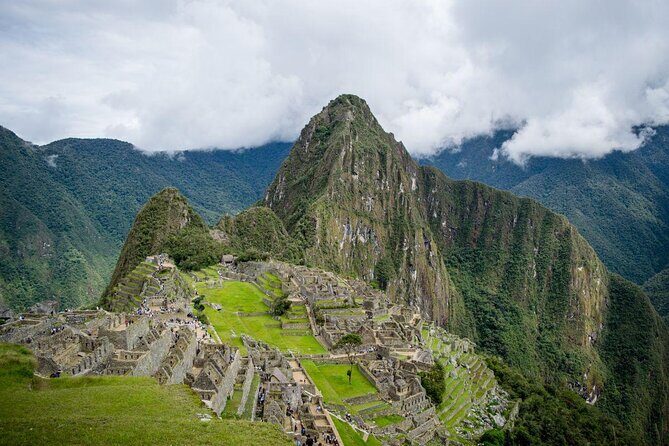
- Sunrise access mindset: early departure is designed to match the best light for Machu Picchu.
- Real Sacred Valley stops: Pisac and Ollantaytambo aren’t treated like quick photo stops.
- Manos de la Comunidad: animal center + Andean weaving techniques, plus time with llamas or alpacas.
- Huayna Picchu option: limited-capacity peak access, best planned in advance.
- Private tour flow: your group gets the same pacing and guidance, without shared-chaos mixing.
- Built-in safety support: includes a 24-hour assistance setup with an oxygen tank and first aid.
Your two-day plan: Sacred Valley into Machu Picchu sunrise
This tour works when you want a tight schedule with a clear storyline. Day 1 is all about setting the stage: you leave Cusco early, move through the Sacred Valley, and end the day near Machu Picchu (Aguas Calientes / Machu Picchu Pueblo) so you can go up in the morning without losing hours to travel on the day that matters most.
The trip is also explicitly set up as a private experience, meaning your guide can slow down when you’re curious, speed up when you’re eager, and keep the timing tied to the Machu Picchu visit. That matters on sunrise days because the “best light” window is real and the route is not flexible once the day starts.
At $509 per person for a 2-day private format, the value is strongest when you factor in the built-in guidance and transportation pieces. You’re not just buying transport; you’re paying for someone to connect the sites and manage the clock, especially on the Machu Picchu morning.
A few more Cusco tours and experiences worth a look
Cusco to the Sacred Valley: llamas, Pisac, Ollantaytambo, and a real lunch
Day 1 starts with a hotel pick-up in Cusco and a drive north through the Sacred Valley corridor. The first stop is the Llama Experience, where you can interact with camelids—feeding them and learning about how these animals fit into Andean life. It’s simple, but it’s also a good warm-up before you head into Inca sites, because it tunes your brain to a different kind of “history,” the living kind.
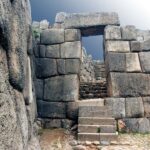
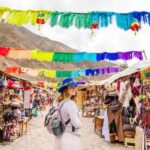
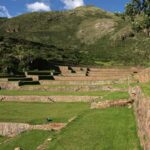
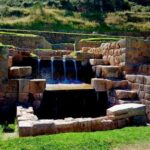
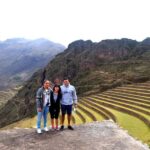
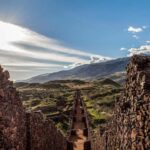
Next you’ll make brief stops along the way, then arrive in Pisac for Inca site time and a stroll through the town. Pisac is often treated as a market stop, but here you also get the Inca side: terraces and stonework that show how the Incas shaped the valley for living and farming.
After that, you follow the Urubamba River corridor toward Ollantaytambo. Lunch happens at a nearby restaurant along the route, so you’re not forced to grab a random snack and hope it works. Then you do two Ollantaytambo components: an Archaeological Park visit and a shorter museum + original-street exploration window.
A practical note: Day 1 is long. You’ll be sitting in the car for stretches, then walking in short bursts. Comfortable shoes help, but so does a “steady pace” mindset—this is about coverage, not wandering for hours at a time.
Manos de la Comunidad: weaving practice and animal time (what you’re actually learning)
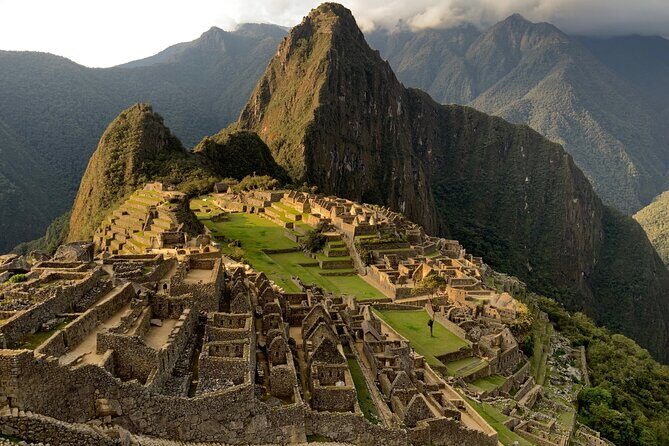
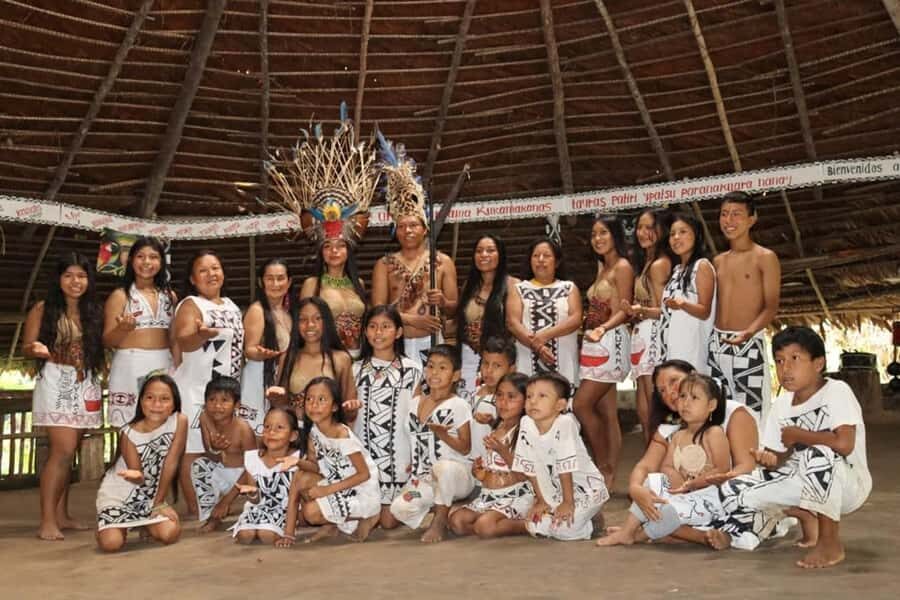
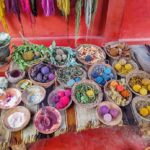
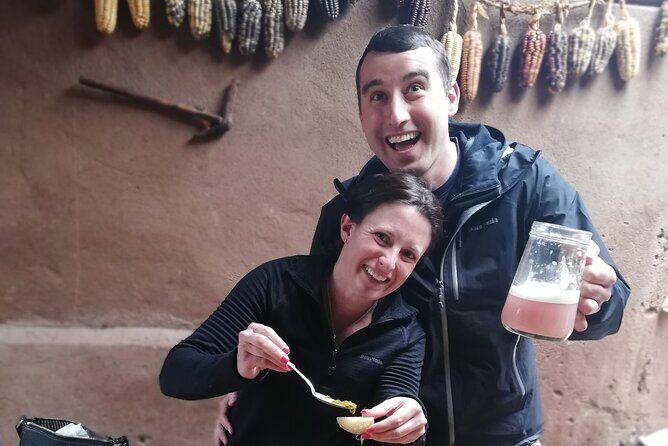
One of the most memorable stops on this itinerary is Manos de la Comunidad. This isn’t just an animal photo moment. You’ll visit an animal center, learn Andean weaving techniques, and then get chances to pet a llama or alpaca. There’s also the possibility to see an Andean condor, depending on what’s happening on the day.
Why this stop is worth your time: it connects materials and animals to culture. In many places around Cusco, you can buy textiles and move on. Here, you get a brief bridge between what you see in a shop and how those things are made and cared for. That makes your later Inca-site time feel less like separate boxes on a checklist.
If you’re short on Peru time, this kind of stop is a strong trade. It adds texture without adding a full extra day. If you’re traveling with kids or just want less “stone-and-more-stone,” it also gives your legs a break while still feeling like part of the Andean story.
Getting to Aguas Calientes: why the overnight matters
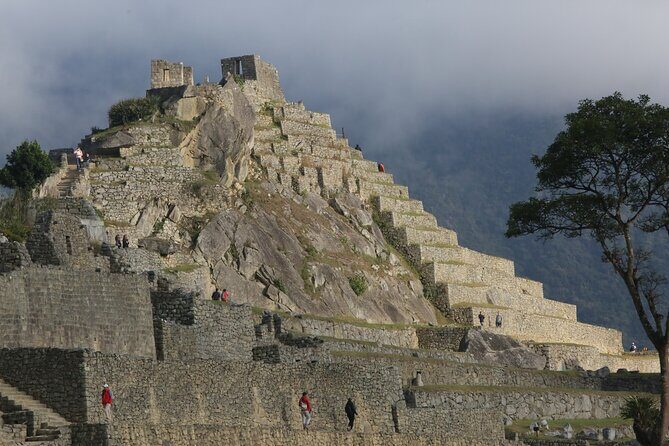
By the time you reach the end of Day 1, you’ll board the train to Machu Picchu Pueblo (Aguas Calientes). The itinerary then includes a transfer to your hotel.
This overnight is key. Sunrise at Machu Picchu is not a casual wake-up-and-go situation. Going up early means you want to sleep close enough that you’re not losing time to long transfers in the morning. The benefit is practical: you’re more likely to arrive with your energy intact and less likely to feel annoyed when the day gets early.
Also, the tour includes dinner on the trip. After a big day of walking, driving, and site time, that matters. You can eat without having to scramble for a place that matches your schedule.
One small watch-out: while this trip handles many moving pieces, the train ticket itself isn’t included. The tour notes that the company can book it for an extra cost, so confirm what’s included in your exact package before you arrive in Peru.
Machu Picchu sunrise: the guided citadel visit and timing you can feel
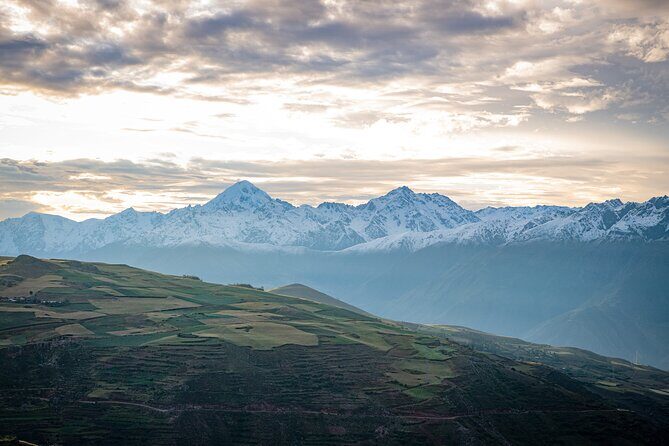
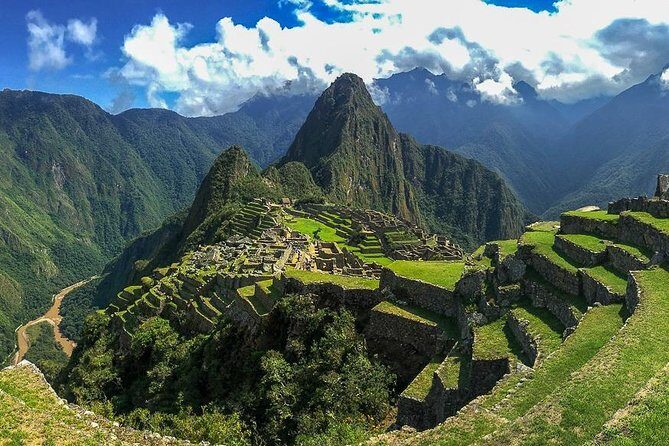
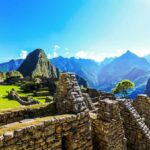
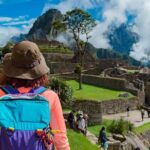
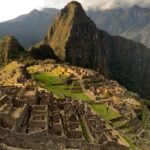
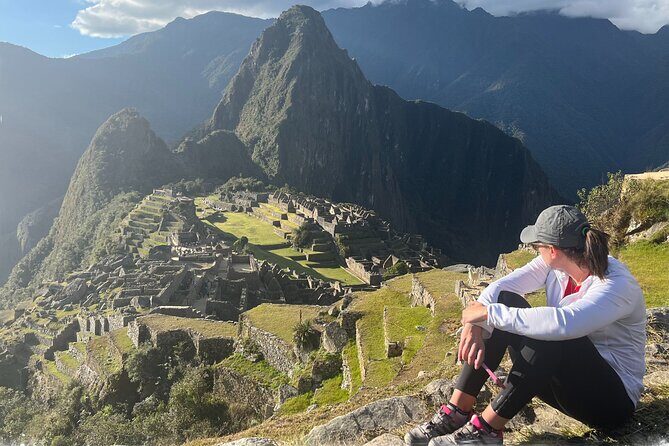
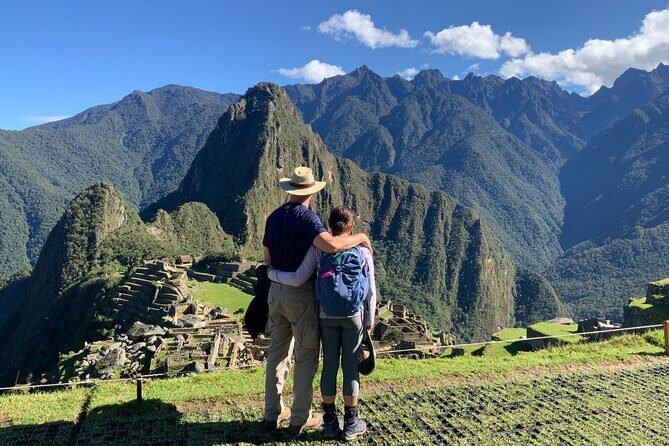
Day 2 is the show day. You’ll head to the bus station for a roughly 25-minute drive up to Machu Picchu. The plan is early, so you can reach the citadel in time to see the sun rise over the site. Sunrise is not only about beauty—it changes how you experience the ruins. Light lifts the stone and makes depth easier to read, so guided explanations land better.
Once you’re there, you’ll get a guided tour of the citadel, including time to see what the guide considers a best-spot viewing sequence. You’ll spend time walking through the core areas where you can really feel the engineering: the carved walls, the way the stonework holds up against steep mountainsides, and how the layout ties to geography.
There are also optional additions:
- Huayna Picchu: a climb that’s listed as about 55 minutes for the ascent (with optional return time depending on your pace).
- The Drawbridge area is also noted as optional to visit.
Important reality check: access to Huayna Picchu is limited—the tour states there’s a cap of 400 visitors per day, and tickets need to be purchased in advance. Your tour indicates Machu Picchu and Huayna Picchu entrance can be arranged up to request, so if you want the peak, flag it early and align it with your ticket availability.
After the Machu Picchu time, you take the bus back down to Aguas Calientes and then return to Ollantaytambo. It’s a full day, but it’s a smart full day.
A few more Cusco tours and experiences worth a look
The hike piece: what “Inca Trail” means for your body

The tour highlights a hike portion tied to the Inca Trail experience. Reviews also describe the hike as challenging, with guides praised for keeping the experience informative and paced for the conditions.
So here’s the practical way to think about it: you’re going to be walking on real terrain, likely with some elevation changes and uneven steps. Even if the hike segment isn’t the famous full trek, the “challenge” label still matters. If you’re coming in from altitude with tight lungs or you’re prone to leg cramps, train your legs a bit before you go (or at least do a lot of walking in Cusco before the tour).
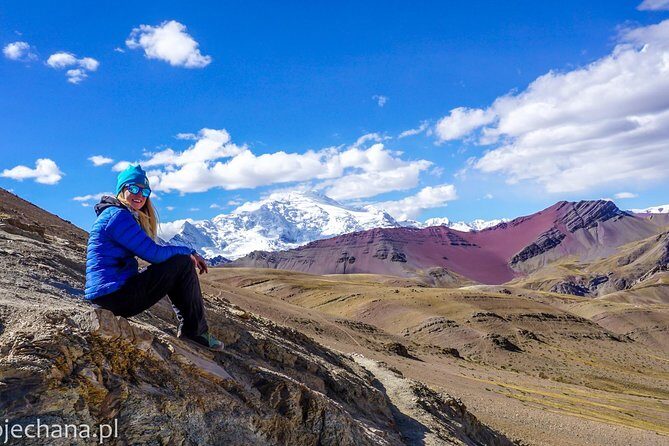
Also plan for weather. Sunrise doesn’t guarantee calm conditions at altitude. Bring layers you can manage quickly on the bus and at the site, and keep an eye on how your jacket behaves in cold wind.
Price and value: where the $509 makes sense, and where it doesn’t
At $509 per person, you’re paying for a private, two-day experience with a guided Machu Picchu citadel visit plus multiple Sacred Valley stops and transportation support. The included items help the value math:
- Private transportation and an air-conditioned vehicle
- Round-trip bus to Machu Picchu
- Entrance to Machu Picchu and Huayna Picchu up to request
- Breakfast, lunch, dinner
- 24-hour assistance plus an oxygen tank and first aid
Here’s where you need to be ready for extra costs:
- Train tickets are not included (they can be booked for an extra cost).
- Drinks, personal expenses, and lunch on the second day are not included.
My take: the price feels most fair when you were going to spend money anyway on taxis, separate guided tickets, and untangling the sunrise schedule. If you already have your train sorted and you’re comfortable booking entry tickets yourself, you might find cheaper options. But if you want one company to manage the sequence and timing, this is the kind of package that keeps your brain quiet.
Who should book this (and who should pick a slower plan)
This is a good fit if:
- You have limited time in Peru and want Sacred Valley + Machu Picchu in 2 days.
- You want a private guide who can tailor the pace and explain what you’re seeing.
- You care about doing Machu Picchu with the right morning timing, not just midday crowd energy.
It might be less ideal if:
- You dislike early mornings (the start time is 5:00 am).
- You want a low-effort sightseeing day with minimal walking.
- You’re counting every dollar and don’t want any extra add-ons like Huayna Picchu.
Guiding quality looks like a major strength here. Guides like Guido are praised for professional, clear explanations and for making the hike feel organized rather than chaotic. Fredy is also credited for enabling a full Machu Picchu experience that included Huayna Picchu, which tells me the company can help with the details that usually trip people up.
Should you book this Sacred Valley + Machu Picchu sunrise tour?
Book it if your priority is simple: see the right sites fast, with a guide handling the schedule, and get sunrise at Machu Picchu without turning your trip into a logistics project.
Before you pay, do two quick checks:
- Confirm what you want for Huayna Picchu, and ask about ticket availability since it’s capped and needs advance planning.
- Budget for the train ticket, since it’s not included in the listed essentials.
If you line those up, this tour is a strong “time-smart” choice for Machu Picchu first-timers. It focuses on the stops that build context, not just the headline ruin, and it gives you the sunrise timing that makes the whole thing feel worth the altitude, effort, and early alarm.
FAQ
What time does the tour start?
The tour start time is listed as 5:00 am.
Is the Machu Picchu entrance ticket included?
Yes. The tour includes entrance to Machu Picchu. It also notes Huayna Picchu up to request.
Are train tickets included?
No. The train tickets are not included, and the tour notes that they can be booked for an extra cost.
Can I add Huayna Picchu?
You can request Huayna Picchu. The information also notes there is a daily visitor limit and that tickets need to be purchased in advance.
What meals and safety items are included?
The tour includes breakfast, lunch, and dinner. It also includes 24 hours assistance, plus an oxygen tank and first aid.
Is this tour private?
Yes. It is described as a private tour/activity, meaning only your group participates.
If you’d like, tell me your travel month and fitness level, and I can suggest whether Huayna Picchu is a smart add-on for your situation.