REVIEW · CUSCO
From Cusco: Moray, Maras Salt Mines & Chinchero Weavers Tour
Book on GetYourGuide →Operated by Apu Ausangate Trek EIRL · Bookable on GetYourGuide
Three Sacred Valley icons in one smooth loop. This tour packs Chinchero weaving, Moray terraces, and the Maras Salt Mines into a single day with big mountain views and clear Inca-era context. I like that it moves efficiently, so you spend your energy looking outward, not waiting around.
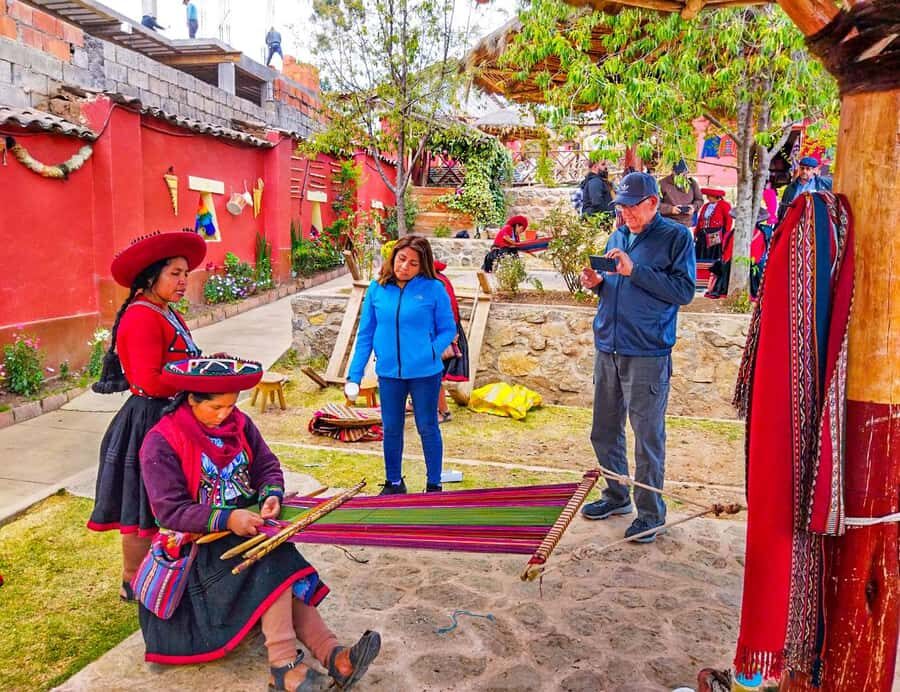
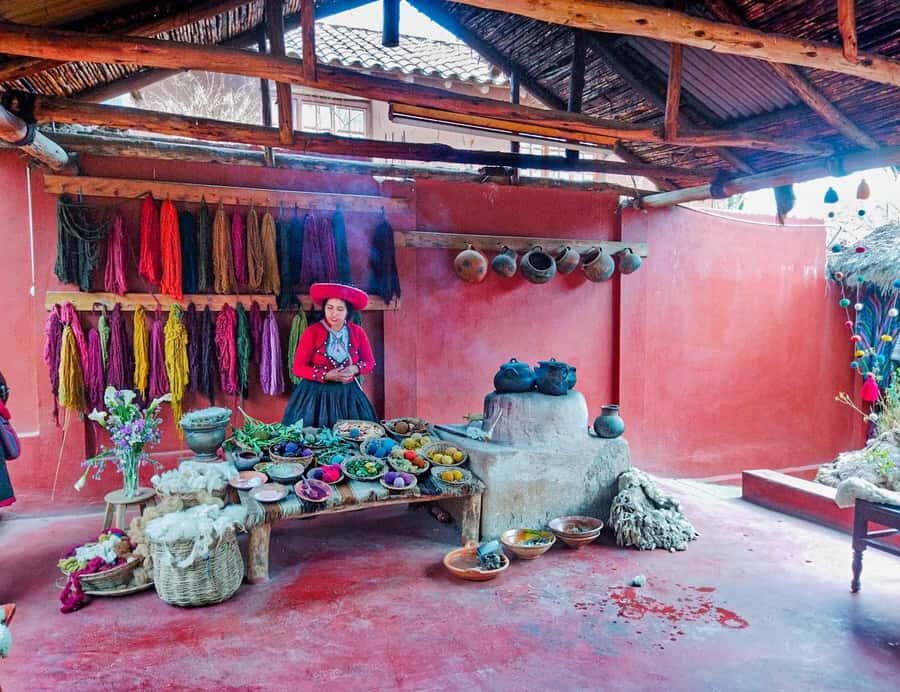
I also love the Chinchero workshop. You get to see how artisans keep the Quechua weaving tradition going and how they use natural plants to pull color for Andean art. It’s a hands-on culture stop, not just a photo break.
One thing to watch: the best stops require extra cash on the spot. Moray entrance (70 soles) and the salt mines entrance (20 soles) are not included, and the walking plus bright sun at altitude can feel tougher than it sounds.
3000 salt pools to spot at Salineras and a working salt tradition that reaches back before the Inca.**
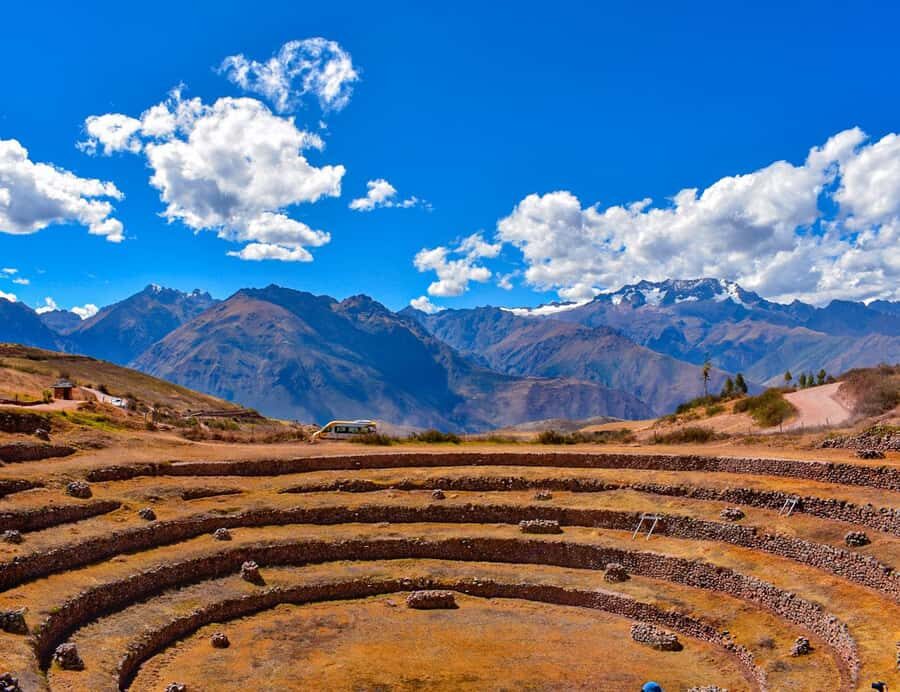
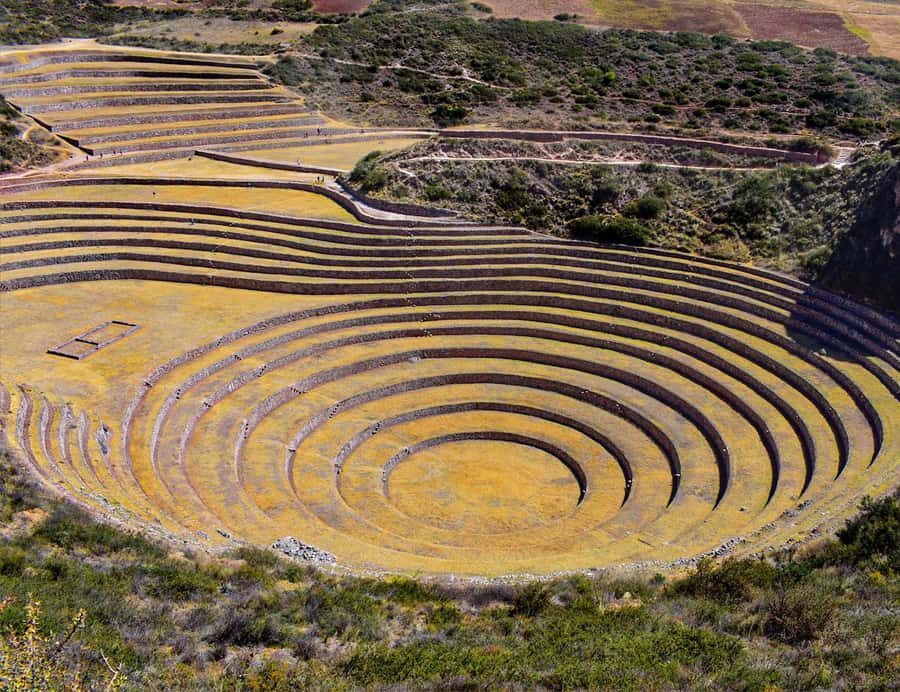
Moray terraces at 11,318 feet with an irrigation story that explains how the Incas treated farming like science.
Chinchero weaving workshop shows natural-plant dyes and real Quechua craft techniques.
Maras village stop adds colonial-era architecture and a little breathing room for shopping.
Bilingual guide (English/Spanish) helps you connect the dots between the sites.
Hotel pickup from central Cusco keeps the day simple, with returns timed for lunch on your own.
In This Review
- A 6.5-Hour Sacred Valley Loop from Cusco
- Chinchero Weavers: Natural Dyes and Real Quechua Craft
- Moray Terraces at 11,318 Feet: Inca Farming as a Science Project
- Maras Village: Colonial Corners and a Quick Reset
- Salineras Salt Mines: 3,000 Pools and a Pre-Inca Salt Story
- Altitude, Sun, and What Actually Helps During the Walks
- Price and Value: Why This $15 Tour Can Still Make Sense
- Who This Tour Fits Best (and Who Might Prefer Something Else)
- Should You Book This Cusco: Moray, Maras Salt Mines & Chinchero Tour?
- FAQ
- Are hotel pickups included?
- What’s included in the tour price?
- What entrance fees are not included?
- How long is the tour?
- Will I have time for lunch?
- What languages does the guide speak?
- Is the tour private or small group?
- Does the tour run in bad weather?
- What should I bring?
- Can I cancel for a full refund?
A 6.5-Hour Sacred Valley Loop from Cusco
This is a longish half-day trip—390 minutes total—built for travelers who want the “Sacred Valley highlights” without committing to a full day in the car. You’re picked up from your hotel in Cusco (with multiple Centro Histórico pickup points), then you head straight out into the countryside to start stacking experiences in a logical order.
The ride is part of the deal. You’ll be traveling through high Andean elevations, and that matters for comfort. At places like Chinchero and Moray, you’re not just seeing ruins—you’re breathing thinner air and watching the light hit the terraces and salt pans. It’s also rain-or-shine, so plan for weather changes rather than expecting one perfect sky.
Pace-wise, this tour feels like it’s designed to keep you productive. You’ll get photo stops, short guided walks (about 40 minutes at both Moray and Salineras), and time for a workshop and browsing. It’s not a sprint, but it’s not a lazy amble either.
If you prefer group tours to feel organized, this one tends to deliver. The included transportation and bilingual guide reduce the usual stress of coordinating multiple sites on your own.
Chinchero Weavers: Natural Dyes and Real Quechua Craft
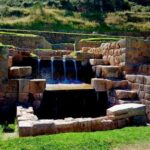
Chinchero is your first major culture hit, and it sets the tone for the day. At around 3,762 meters, it’s already high enough that sun and wind can feel sharp, so this is where you’ll want your sun hat and sunscreen early.
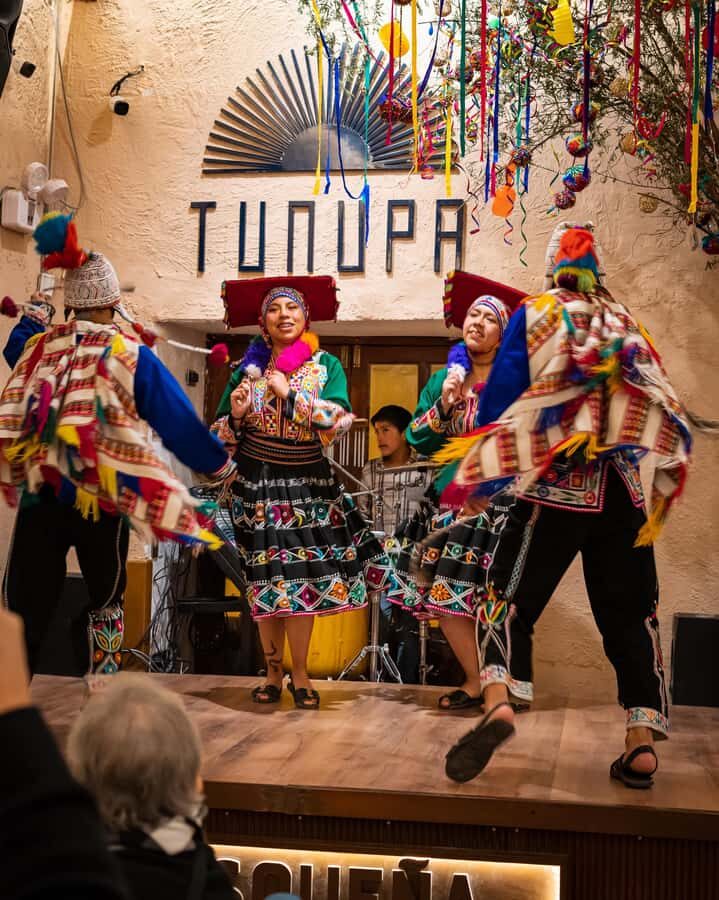
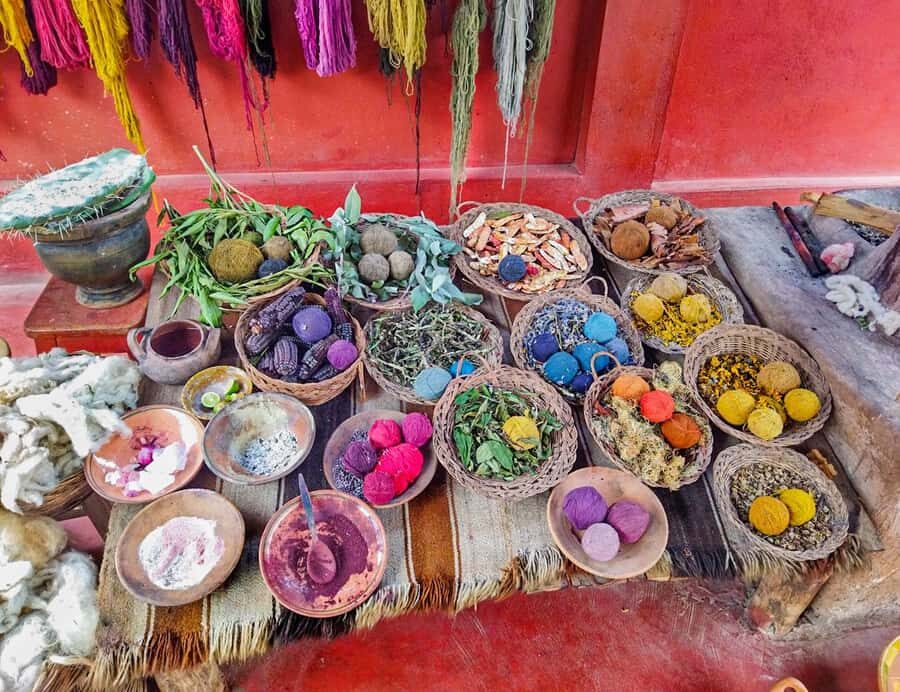
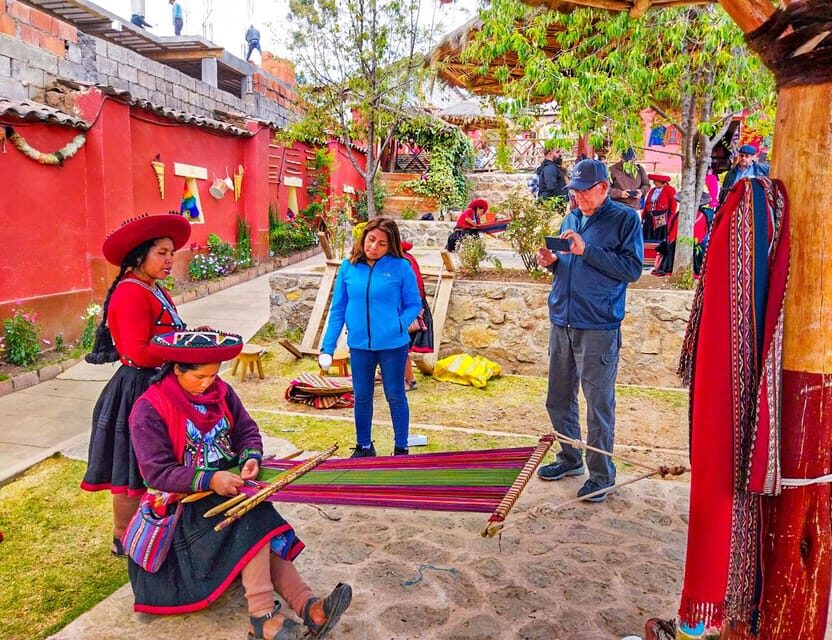
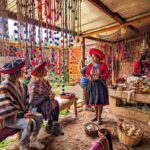
The big draw here is the weaving workshop. You’ll watch artisans work with the Quechua tradition and learn how natural plants are used to extract dyes for Andean textiles. This is the kind of explanation that makes the final product make sense. Instead of treating the textiles as souvenirs, you start seeing them as the end of a process—plants, color, fiber, and technique.
You’ll also have shopping time, and that’s not a bad thing if you approach it like a buyer, not a browser. Use the workshop time as your baseline. If you understand how color comes from plants and how weaving works, you can judge quality and craftsmanship more confidently when you’re browsing.
One practical tip: plan for sun. Chinchero has outdoor viewing, and the day can get hot. If you’re the type who forgets to reapply sunscreen, this tour will quickly remind you.
You can also read our reviews of more tours and experiences in Cusco.
Moray Terraces at 11,318 Feet: Inca Farming as a Science Project
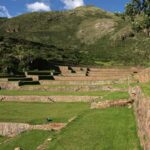
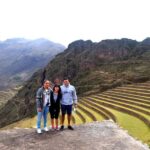
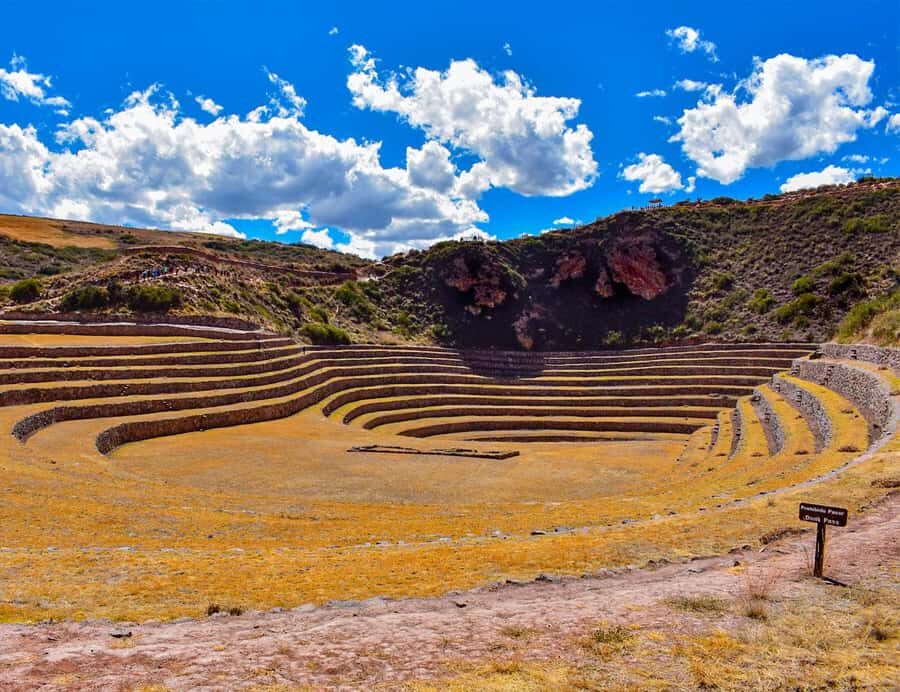
Then comes Moray, the “how did they think of this?” stop. You’ll be around 11,318 feet, and the terraces feel almost unreal from a distance—like someone carved climate zones out of the earth.
What makes Moray worth your attention is the irrigation and agricultural logic. The guided portion explains the terraced design and how the site functioned as part of the Inca approach to farming. This is where you stop seeing the Sacred Valley as only a scenic background and start understanding it as a smart human system.
Expect a guided tour and walking time (about 40 minutes). The good news: it’s enough to feel the place, not enough to destroy your day. The challenge: you’ll be walking on uneven ground at high elevation. Comfortable shoes matter more than you think, and the sun can be relentless even when the air feels cold.
Moray is also a photo lover’s section. If the wind isn’t too strong, you can usually get crisp views across the terrace layers. Bring your camera, but also take a moment to look with your eyes first—Moray is one of those places where the layout becomes clear only when you slow down.
If you want the biggest payoff per minute, Moray is usually it. The terraces give you that “wow” moment, and the explanation turns it from pretty to meaningful.
Maras Village: Colonial Corners and a Quick Reset
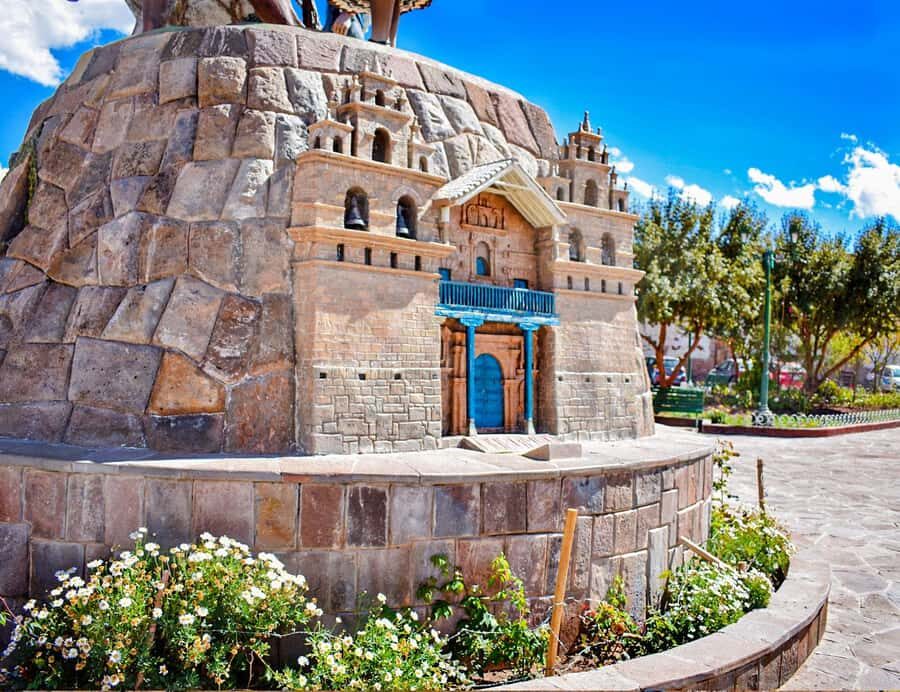
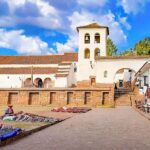
After Moray, you head toward Maras village. This stop is shorter, but it adds texture to the day. You’ll see preserved colonial architecture and thin-stoned buildings that look different from the Inca stonework you’ve just seen at Moray.
Maras also gives you something the earlier stops don’t: breathing room. There’s a free time window (about 20 minutes) where you can shop and check out another workshop-style element. This is the moment to switch gears. You go from “listen and learn” to “wander a bit and pick what you like.”
This stop works well if you enjoy small-scale village life. It’s not built as a big museum spectacle. It’s more about atmosphere and the sense that these crafts and buildings still connect to daily living.
If you’re trying to stay efficient, don’t get trapped in browsing. Use your free time intentionally—buy the textile you’d actually wear, grab a small edible snack if you want one, and then rejoin the group calmly. The day keeps moving, and you’ll want fresh energy for Salineras.
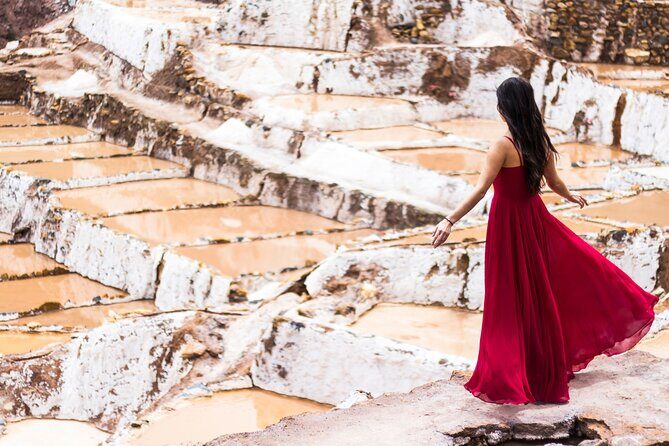
Salineras Salt Mines: 3,000 Pools and a Pre-Inca Salt Story
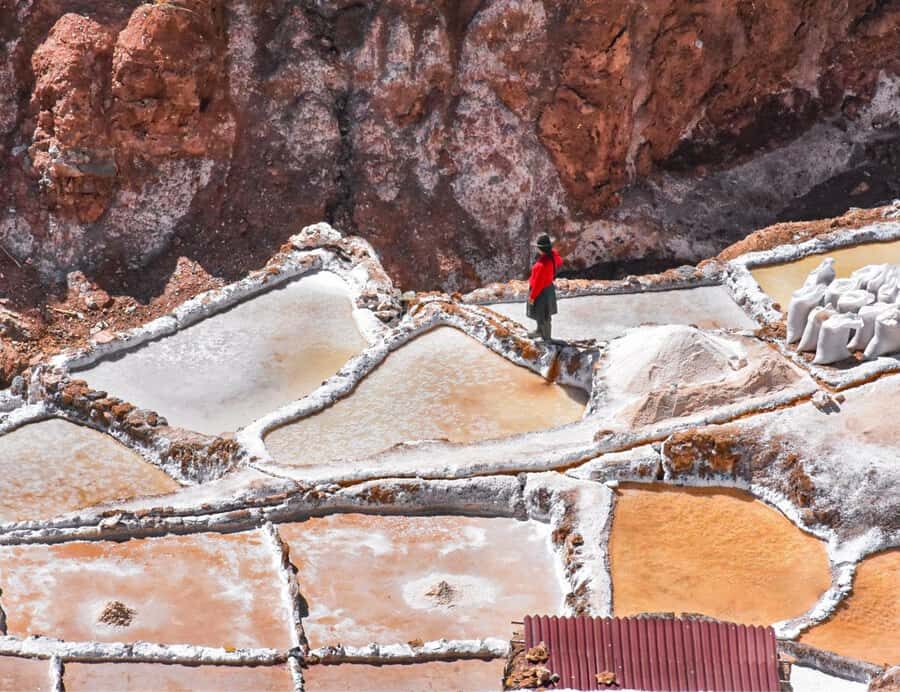
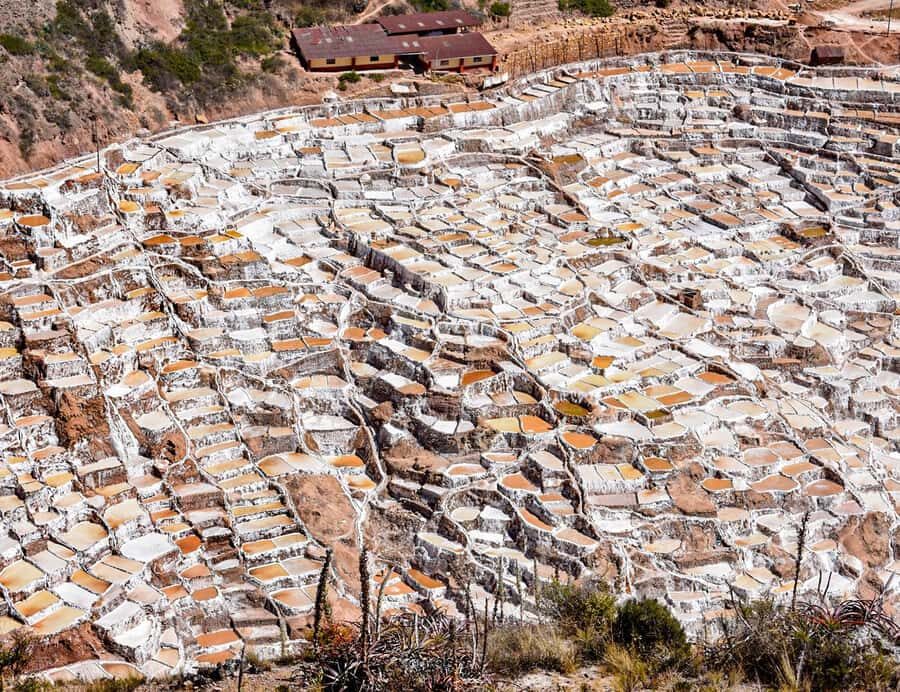
Salineras is the headline. You’re looking at a network of roughly 3,000 salt pools, and the view is the kind that makes you stop talking for a second. The salt mines date back to pre-Inca times, and you’ll learn how salt continues to be produced, processed, and distributed in the region.
You’ll have both a guided tour and walking time (about 40 minutes). This is the part where the ground can feel rougher and the paths may be narrow in places. If you’re sensitive to cars, also keep in mind that the drive to the salt mines can involve winding mountain roads. Plan for motion sickness the way you normally would—this is the only part that can make some people uncomfortable.
Bring extra awareness here. Salt production sites tend to be bright and reflective, so sunscreen matters more than you’d expect. Also, this is one of the best places to remember your camera settings—your phone will struggle in harsh light, so tap-to-focus and steady hands help.
At Salineras you can also buy salt after your visit. That’s a fun souvenir because it’s practical. You can bring home something you can actually use, not just something you tuck in a drawer.
One more reality check: Salineras entrance is not included (20 soles), and Moray’s entrance is separate (70 soles). Factor that into your budget before you go.
Altitude, Sun, and What Actually Helps During the Walks
This tour hits the Sacred Valley at multiple elevations, including Chinchero (3,762 m) and Moray (11,318 ft). That doesn’t mean you’ll automatically feel miserable, but it does mean you should respect the basics.
From what this tour is known for, the two biggest comfort issues are sun and stamina. People commonly say it gets hot during the day, especially when the sky is clear. A sun hat isn’t optional; it’s the difference between enjoying the views and squinting through the whole day.
Comfort shoes matter too, because there are two main walking segments: Moray and the salt mines. Even if the walks aren’t long, the ground can be uneven, and it’s the kind of place where you’ll be glad you didn’t wear thin-soled sandals.
Also, rain or shine means you should carry a light layer. If it rains, paths can get slick. If it stays sunny, that same layer can help block wind.
Bring cash. Between site entrances and optional purchases in Chinchero and Maras, you’ll want easy access to small bills.
Price and Value: Why This $15 Tour Can Still Make Sense
On paper, $15 per person sounds like a steal, and the structure of the day explains why. You’re not just visiting sites—you’re getting hotel pickup, transportation, and a bilingual live guide (English/Spanish). The cost also reflects that the stops are spread out enough to require logistics, not just a quick walk from one museum to another.
The trade-off is that the big archaeological entrance fees are separate. Moray charges 70 soles and Salineras charges 20 soles. So your real budget is the tour price plus those entrances. Still, the included guide time and transport can make the math work out better than cobbling together taxis between sites, especially if you’re traveling solo.
This is also a good value for people who want range. You get:
- Inca agriculture thinking (Moray)
- A living craft tradition (Chinchero weaving)
- A working industrial-style cultural site (salt mining)
- A village stop with colonial-era building texture (Maras)
For many travelers, that mix is exactly what they want from the Sacred Valley. It also works as a “primer” if you plan bigger Andean trips later, because it gives you a grounded sense of how people make and manage resources in this region.
Who This Tour Fits Best (and Who Might Prefer Something Else)
This tour fits best if you want a strong starter package. You’ll enjoy it if you like short guided explanations, photo-worthy stops, and learning while still having time to browse and shop.
It’s also a solid choice for solo travelers because it includes pickup, guide, and transport, so you’re not negotiating logistics. The group element can help with confidence when the day is high and the roads are unfamiliar.
You might want a different plan if:
- You’re extremely sensitive to altitude and prefer to avoid high elevations like Moray and Chinchero.
- You hate car rides on curvy mountain roads.
- You want a slow travel day with long independent exploration.
That said, the walking portions are limited, and the structure is built for a manageable pace.
Should You Book This Cusco: Moray, Maras Salt Mines & Chinchero Tour?
I think you should book it if you want the Sacred Valley’s headline stops in one efficient loop. The combo of weaving craft, Inca agriculture, and salt production is a rare mix for a single half-day style itinerary, and the included pickup and transport keep it from feeling like a logistical puzzle.
It’s especially worth it if you care about understanding the “why” behind what you’re seeing: dye processes for textiles, terrace farming logic for Moray, and the long-running salt story at Salineras. If you come prepared with cash, sun protection, and comfortable shoes, you’ll get a day that feels full without feeling out of control.
Just don’t forget the on-site fees (Moray and the salt mines). Build that into your budget and you’re in great shape.
FAQ
Are hotel pickups included?
Yes. Pickup from your hotel is included, with pickup available outside Cusco’s Centro Histórico as well. You should wait in the hotel lobby about 10 minutes before your scheduled pickup time.
What’s included in the tour price?
The tour includes hotel pickup, a bilingual tour guide, and transportation. A private tour is available if you select that option.
What entrance fees are not included?
Entrance to Moray is not included (70 soles), and the salt mines entrance is also not included (20 soles).
How long is the tour?
The total duration is listed as 390 minutes.
Will I have time for lunch?
The tour returns to the city in time for you to enjoy lunch on your own.
What languages does the guide speak?
The live guide speaks English and Spanish.
Is the tour private or small group?
Private or small groups are available, depending on the option you choose.
Does the tour run in bad weather?
The tour runs rain or shine.
What should I bring?
Bring a passport, sun hat, camera, sunscreen, comfortable shoes, and cash.
Can I cancel for a full refund?
Yes. Free cancellation is available up to 24 hours in advance for a full refund.