REVIEW · CUSCO
Valle Sur Cusco | half day
Book on GetYourGuide →Operated by MachuPicchu Peru tours · Bookable on GetYourGuide
Cusco’s South Valley packs a lot in one run. The big draws are the Inca-era hydraulic engineering at Tipón and the jaw-dropping Andahuaylillas chapel, famous for colonial art with gold leaf. You’ll also get a look at Wari-era Pikillaqta, so the day feels like more than just one pretty church stop.
I love how efficient this circuit is: you’re covering three major sites plus a local food moment without feeling dragged through long detours. I also appreciate the mix of time periods, which makes the sites easier to understand when you’re standing in front of them, not reading off a wall label.
One watch-out: the advertised price covers the tour service, but it does not include entrance tickets at the sites. Budget extra, because the total can add up once you’re there.
In This Review
- Key moments that make this tour worth your time
- Cusco pickup and the half-day rhythm (450 minutes)
- Tipón: Inca hydraulic engineering you can still track with your eyes
- Pikillaqta (Pikillacta): Wari stone walls and scale you feel instantly
- Andahuaylillas: a chapel that turns colonial art into a full-time experience
- Saylla chicharrón on the way back (optional, but very Cusco)
- Price and entrance fees: the real value check
- Who this tour suits best (and who should skip it)
- What’s included (so you’re not surprised at the end of the day)
- Should you book Valle Sur Cusco? My call
- FAQ
- What is the duration of the Valle Sur Cusco half-day tour?
- What are the hotel pickup times?
- What does the tour include?
- Are entrance fees included?
- Is food included in the tour price?
- What languages is the guide available in?
- What cancellation window is offered?
- Is the tour suitable for wheelchair users or older travelers?
Key moments that make this tour worth your time
- Tipón’s Inca water system: stone channels and smart water management you can actually see
- Pikillaqta’s Wari layout: a massive stone maze that teaches scale fast
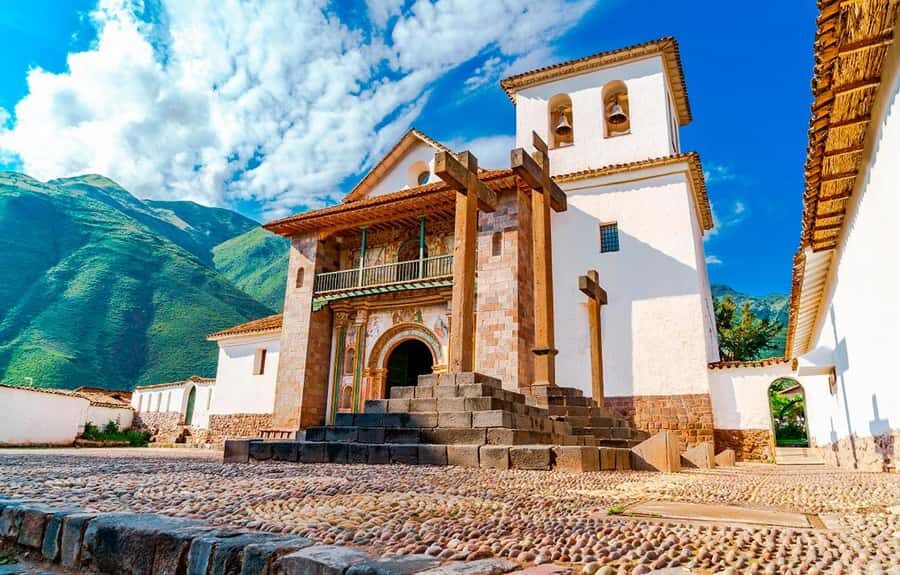
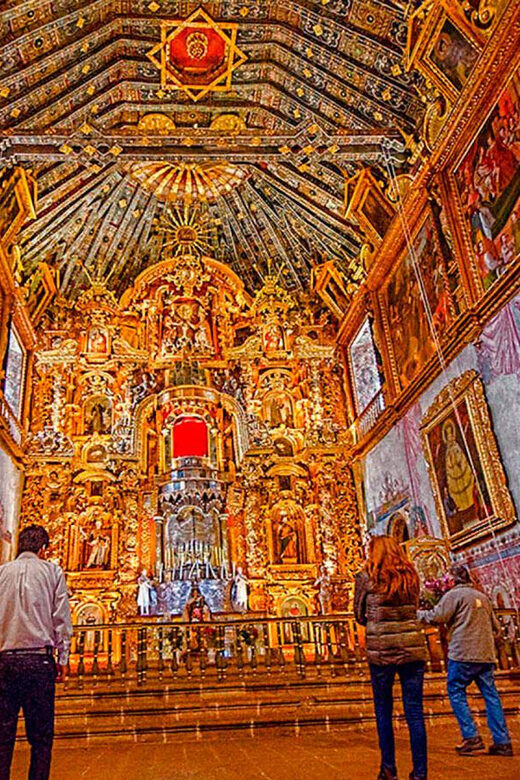
- Andahuaylillas chapel art: gold leaf altars plus baroque-style paintings and murals
- Saylla chicharrón (optional): a classic pork dish stop on the ride back
- Hotel pickup in Cusco’s historic center: fewer logistics worries to start your day
Cusco pickup and the half-day rhythm (450 minutes)
This is a true morning-to-lunch-ish style outing, with hotel pickup set between 8:00 am and 9:00 am for places in Cusco’s historic center. The total time is 450 minutes (about 7.5 hours), so it’s “half day” in the way Cusco tours often are: full enough to feel complete, short enough to still keep your afternoon open.
You’ll ride in tourist transport with a guide who explains what you’re seeing as you move between sites. A first aid kit is included, which is comforting in a place where altitude and travel days can be a bit unpredictable.
The rhythm is straightforward: start with Tipón, then Pikillaqta, then Andahuaylillas, and finish with the ride back through Saylla for an optional food stop.
You can also read our reviews of more tours and experiences in Cusco.
Tipón: Inca hydraulic engineering you can still track with your eyes
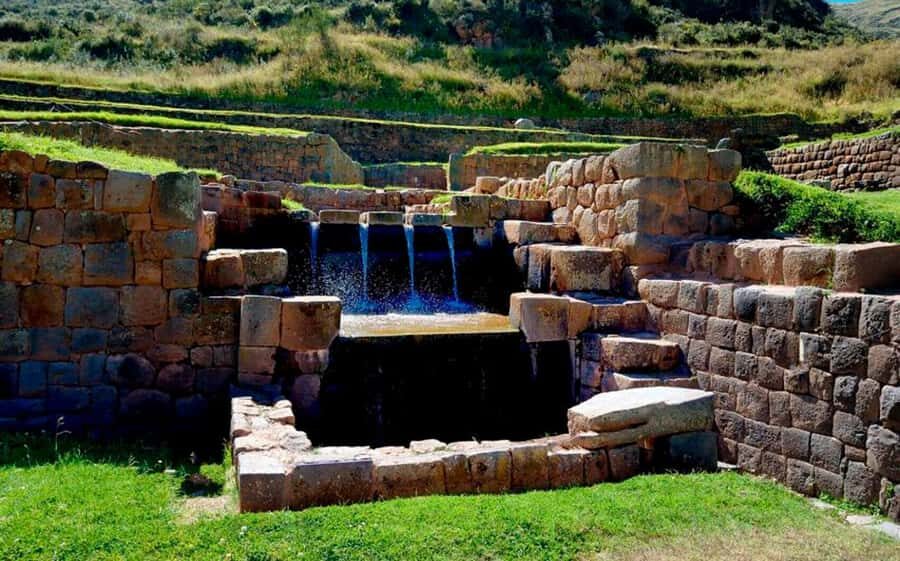
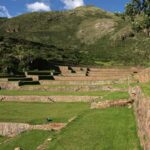
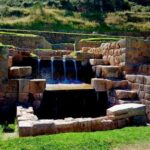
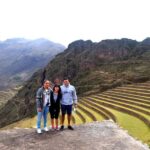
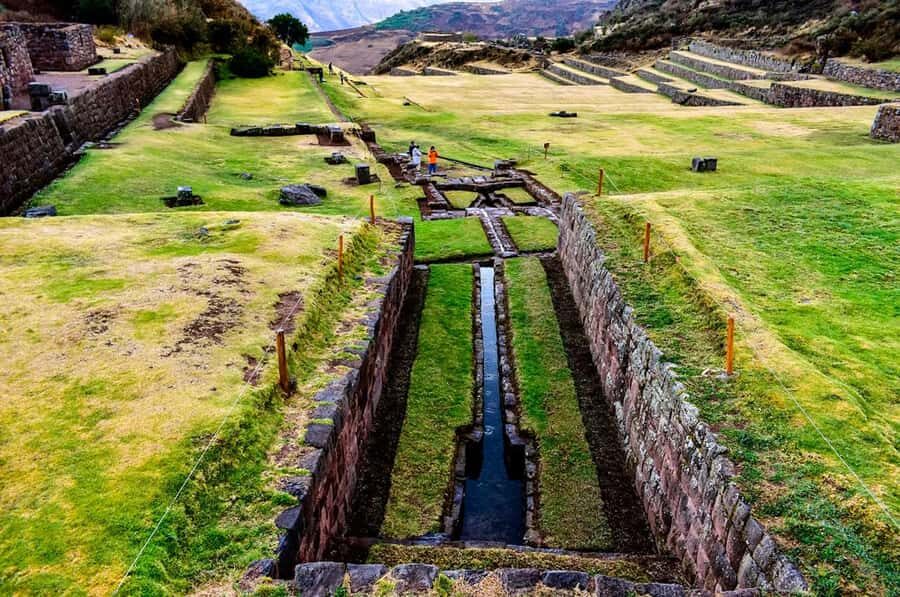
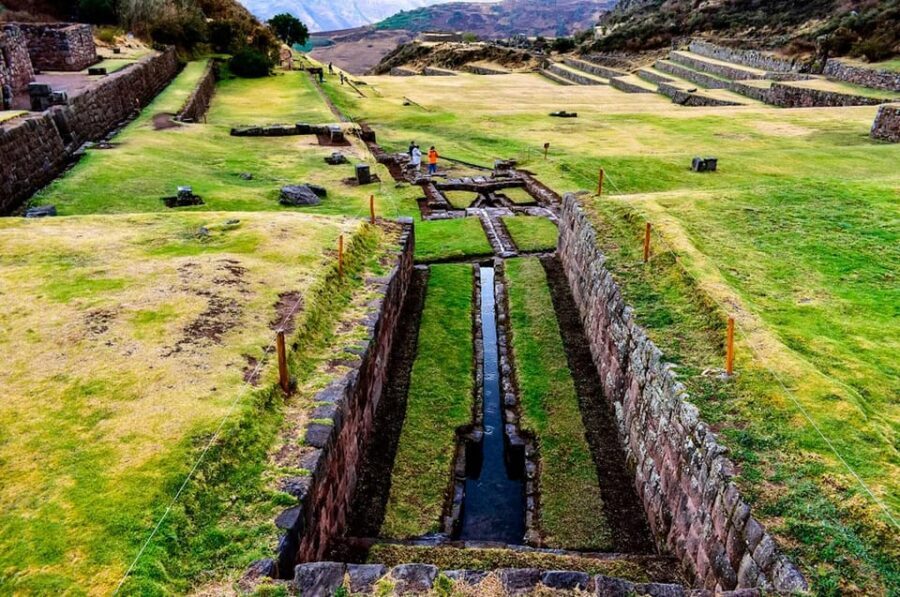
Tipón is the first big “wow” because the site is about engineering, not just ruins. You’re looking at a working-style logic: terraces, stonework, and water management that reflects how Inca builders engineered landscapes to control flow and make the most of available water.
What I like about this stop is that it changes how you look at ruins. Instead of thinking only “old stones,” you’re thinking “systems.” Even if you don’t know Inca engineering terminology, you can still follow the sense of direction—how water is intended to move and how the builders shaped the terrain to make it reliable.
Another practical plus: Tipón sets the tone for the rest of the day. Once you’ve seen that kind of intentional planning, you’re better prepared to notice the care behind the later sites—stone layout at Pikillaqta, and artistic planning at Andahuaylillas.
If you’re the type who likes photos, Tipón is also friendly for it. The stone + water features create natural focal points without you needing to “hunt” for the best angle.
Pikillaqta (Pikillacta): Wari stone walls and scale you feel instantly
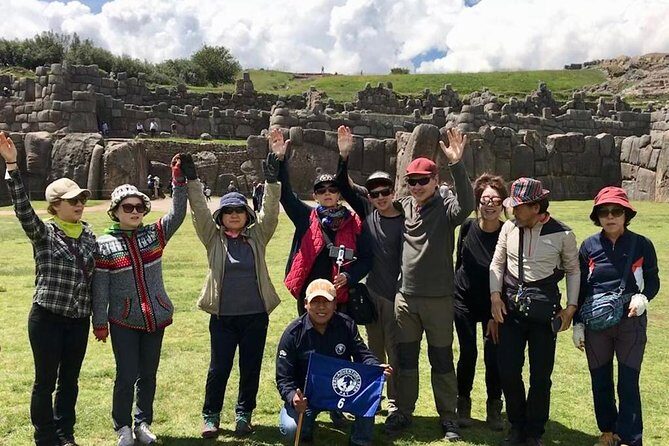
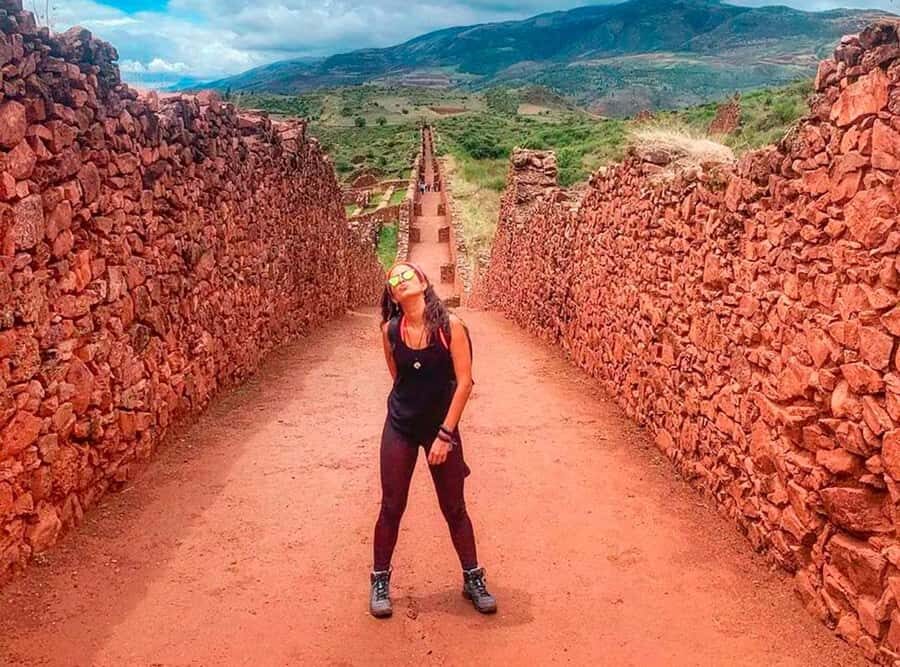
Next up is Pikillaqta, a Wari-era archaeological center. This site hits differently from Tipón because it feels more like a constructed city than a themed viewpoint. You get a sense of dense organization—stone walls, corridors, and strong geometry that make the place look like it had an everyday purpose, not just ceremonial one.
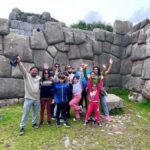
A key detail to expect: the site can feel like a maze. Once you’re in it, you’ll understand why people talk about the layout with that “how did they do this?” energy. It’s not just walls for looks; the structure creates movement and separation across different areas.
This is also where the tour’s context advantage shows. When you move from Inca engineering to Wari urban design in the same day, you start seeing patterns: different cultures, different priorities, but both obsessed with building systems—water systems in one place, city layout in another, and then art-and-faith planning in the next stop.
Wear comfortable shoes here. Even if the ground isn’t described in detail, these are archaeological surfaces where you’ll want good traction and the ability to walk at an active pace.
Andahuaylillas: a chapel that turns colonial art into a full-time experience
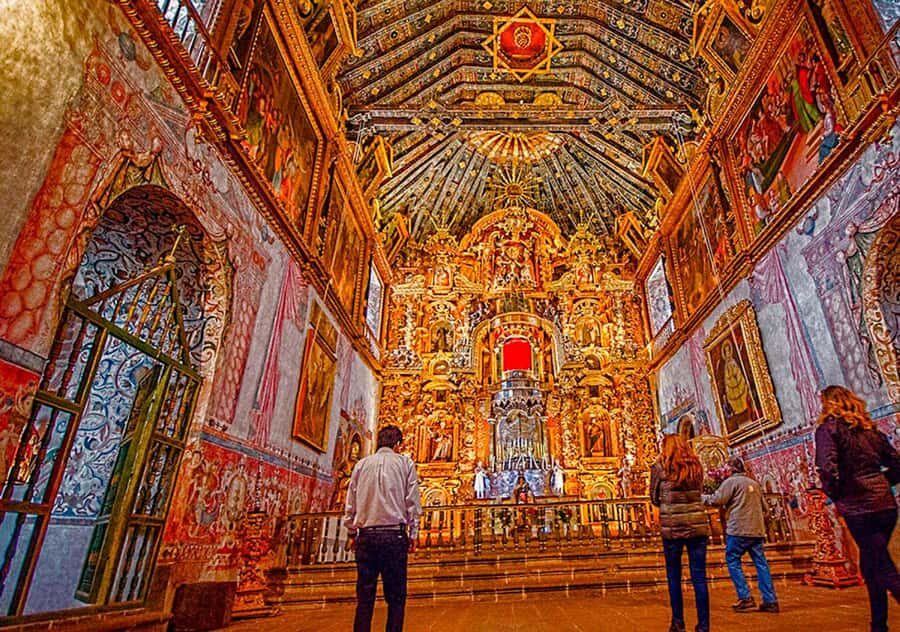
Then comes the main event: Andahuaylillas and its chapel, known for colonial artistic works layered with major decorative impact. This is the stop most people remember because it’s not only about architecture—it’s about visual drama.
You’ll see gold leaf altars, plus paintings and murals that lean strongly baroque in style. The point isn’t subtlety. It’s the kind of art that was built to hit you quickly when you enter—bright, detailed, and meant to communicate power and devotion.
Why this matters for your trip: after you’ve walked Tipón and Pikillaqta, you might start to think the South Valley is mostly stone. Andahuaylillas corrects that. It’s where the tour shifts from engineering and urban planning into cultural expression—how communities used art and sacred spaces to shape meaning.
Practical note: if you’re short on time, this is the place to slow down. Give yourself a minute to look from altar level to the wall art. The chapel is designed so details reward patient looking, not speed-walking.
Saylla chicharrón on the way back (optional, but very Cusco)
On the ride back toward Cusco’s historic center, you pass through Saylla, where you can taste chicharrón, a typical pork dish. The stop is optional, so you can decide based on your appetite and how your stomach feels at altitude.
What makes this a smart add-on is that it connects the archaeology day to daily life. You’re not just sightseeing; you’re also practicing how people actually eat in the region. If you’re trying to keep the day balanced, this is a good moment to do it.
If you choose the food stop, plan to enjoy it as a local snack/meal rather than a “perfectly timed” part of your day. You’ll be on tour time, and that’s the whole point—keep it easy.
Price and entrance fees: the real value check
At $19 per person, this tour is priced for good value on the service side. What you’re getting is the heavy lift: hotel pickup (within the historic center), a professional guide, tourist transport, and the tour framework to hit multiple sites efficiently.
But here’s the consideration that can change your budget: entrances are not included. The tour listing notes that entrances are excluded, and at least one guide experience mentioned that entrance costs can run above $20 USD once you add them up. I’d treat that as a sign to budget extra rather than assuming the $19 is the all-in total.
So your value equation looks like this:
- Great value for guided transport + a structured route
- Possible extra cost for site tickets
- Food and beverages are also not included (though chicharrón is an optional local stop)
If you like tours that remove decision fatigue—where to go, how to get there, what to see first—this price makes sense. If you’re trying to minimize spending and you don’t care about guided context, you may prefer self-guided planning so you can control ticket choices.
Who this tour suits best (and who should skip it)
This works well for people who want a compact “South Valley overview” with both engineering and art. It’s also a nice pick if you’re preparing for additional excursions, because the route gives you a clearer sense of what the region’s different cultures built and why.
It’s guided in English and Spanish, which helps you match comfort level if your group has mixed language needs.
On the “not for everyone” side, the tour is not suitable for wheelchair users and also not suitable for visually impaired people. It’s also listed as not suitable for people over 70 years. If any of those apply to you or your party, you’ll want to look for a different format that fits your mobility and sight needs.
Also note the rules: pets aren’t allowed, and alcohol and drugs aren’t allowed.
What’s included (so you’re not surprised at the end of the day)
Included:
- Pick up from your hotel
- Professional guide
- First aid kit
- Tourist transport
Not included:
- Entrance fees
- Food and beverages
- Souvenirs
That simple split is actually helpful. You can plan your day around the big moving pieces—transport + guidance—then decide your ticket and food budget separately.
Should you book Valle Sur Cusco? My call
Book it if you want a guided, efficient half-day circuit that shows three major sites with a strong mix: Inca water engineering at Tipón, Wari urban scale at Pikillaqta, and Andahuaylillas chapel art with gold leaf and baroque-style paintings. At $19, the guided structure is the bargain, especially if you’d rather not figure out route order and on-the-ground explanations by yourself.
Skip it or rethink it if entrance fees and total day cost would stress your budget, since tickets are not included and can add up. Also, if mobility or sight limitations affect you, this format may not work.
If you’re traveling with a group that wants variety but not a long day, this is a solid choice.
FAQ
What is the duration of the Valle Sur Cusco half-day tour?
The duration is 450 minutes.
What are the hotel pickup times?
Pickup happens between 8:00 am and 9:00 am for hotels in Cusco’s historic center.
What does the tour include?
It includes hotel pickup, a professional guide, a first aid kit, and tourist transport.
Are entrance fees included?
No. Entrance fees are not included.
Is food included in the tour price?
No. Food and beverages are not included. There is an optional chicharrón tasting stop on the way back.
What languages is the guide available in?
The tour offers a live guide in English and Spanish.
What cancellation window is offered?
You can cancel up to 24 hours in advance for a full refund.
Is the tour suitable for wheelchair users or older travelers?
No. It is not suitable for wheelchair users, and it is also not suitable for people over 70 years.