REVIEW · CUSCO
Cusco: Sacred Valley, Pisac, Ollantaytambo, Salt Mines Moray
Book on GetYourGuide →Operated by Tour Valle Sagrado Vip · Bookable on GetYourGuide
One day. Five Sacred Valley icons.
This is a long, well-packed tour that strings together the valley’s best-known sights, from Inca farming experiments to working salt ponds, with a guide who keeps the day moving so you see more in 12 hours than you could on your own.
I especially liked the textile stop in Chinchero, where the focus is on natural fibers and dyes from local plants and minerals. I also loved the Moray and Maras pairing: circular terraces for microclimates, then thousands of salt pools fed by an underground spring.
The main tradeoff is pace. Visits are timed, so if you like to slow-walk ruins or linger in markets, you may feel slightly rushed.
In This Review
- Key things that make this tour worth your time
- Price and what you’re really paying for
- Getting moving from Cusco: timing, pickup, and why it affects your whole day
- Chinchero: Inca weaving and why this stop isn’t just a shop
- Moray: the Inca agricultural laboratory you can actually picture
- Maras salt mines: thousands of working salt pools (and a smart way to shop)
- Urubamba: the lunch break that keeps the day from feeling like a sprint
- Ollantaytambo: a living Inca town and the Machu Picchu connection
- Pisac: hillside ruins plus a market you’ll actually want to browse
- Logistics and comfort tips that make a long day work
- Guides and the difference between a good day and a great one
- Should you book this Sacred Valley day tour?
- FAQ
- How long is the Sacred Valley tour?
- Where do we meet for the tour?
- Is hotel pickup included?
- Is lunch included?
- What entrance tickets are not included?
- What languages are the guides?
- Can the tour end in Ollantaytambo for Machu Picchu?
- Is there free cancellation?
Key things that make this tour worth your time
- A full Sacred Valley sweep in one day: Chinchero, Moray, Maras, Urubamba, Ollantaytambo, and Pisac
- Bilingual guiding (English and Spanish), with plenty of context at each stop
- Moray’s circular terraces and Maras salt ponds focus on systems that still matter today
- Lunch in Urubamba with a buffet and scenic surroundings
- Two possible day endings: return to Cusco or end in Ollantaytambo for a Machu Picchu train connection
Price and what you’re really paying for
At about $28 per person for a 12-hour outing, this tour is priced for value, not for luxury. What makes it feel like a good deal is that you’re not just getting transit—you’re also getting hotel pickup (optional depending on your option), a professional English/Spanish guide, and a buffet lunch in Urubamba.
The important part: major entrance costs are not included. You’ll need extra cash for:
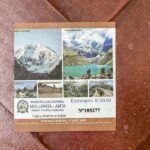
- Tourist entrance ticket (not included): listed as 70 soles
- Salt Mines entrance (not included): listed as 20 soles
So, when you budget, think “tour + guide + lunch + transport” plus “tickets on top.” If you’re comparing against smaller day trips that skip one or two big sites, this one usually wins for covering more ground in a single day.
You can also read our reviews of more tours and experiences in Cusco.

Getting moving from Cusco: timing, pickup, and why it affects your whole day
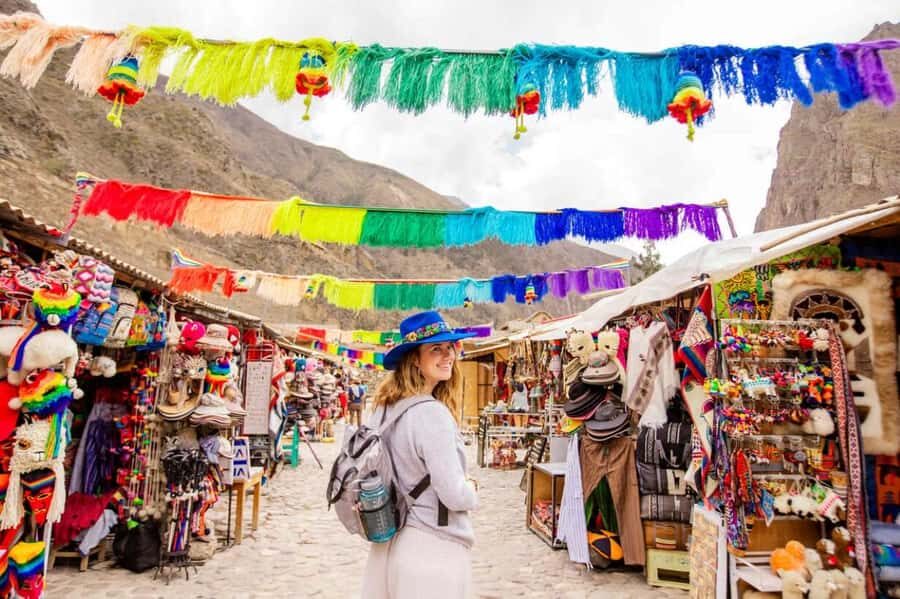
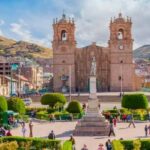
Your day starts early. The meeting point is Plaza de Armas in Cusco at 7:20 a.m. For the VIP-style pickup option, pick-up can happen around 15 minutes before departure, and the guide goes to your hotel. Either way, the early start is the point: you’re trying to fit a lot into daylight in the Sacred Valley.
The day is structured with frequent driving segments and timed stops. That’s great if you’re short on days (or if you’re juggling a Machu Picchu plan), but it also means you should plan to move quickly through each site. Some people also note the bus can feel tight on longer rides, so pack light and wear comfortable clothes you can walk in.
One more practical detail: depending on where your hotel is, you might be asked to walk a short distance to meet the group if the bus can’t reach certain narrow streets.
Chinchero: Inca weaving and why this stop isn’t just a shop
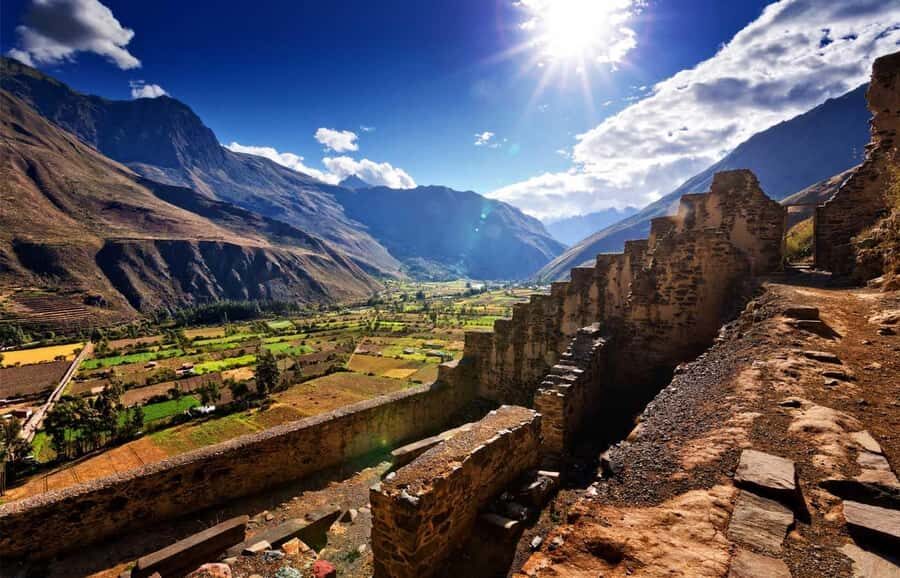
Chinchero is a smart first stop because it sets the theme for the day: Andean traditions carried through practical skills. Here you get:
- a photo stop
- a guided visit
- some free time and shopping
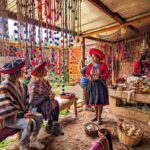
The weaving focus matters. This isn’t just “watch and buy.” The guide explains the use of natural fibers and natural dyes pulled from local plants and minerals. That context helps you notice details instead of treating it like a quick sales stop.
If you’re the type who likes to understand what you’re seeing, Chinchero gives you a useful lens for the rest of the valley stops—agriculture, salt, and fortresses all tie into how people lived and worked in this region.
Moray: the Inca agricultural laboratory you can actually picture
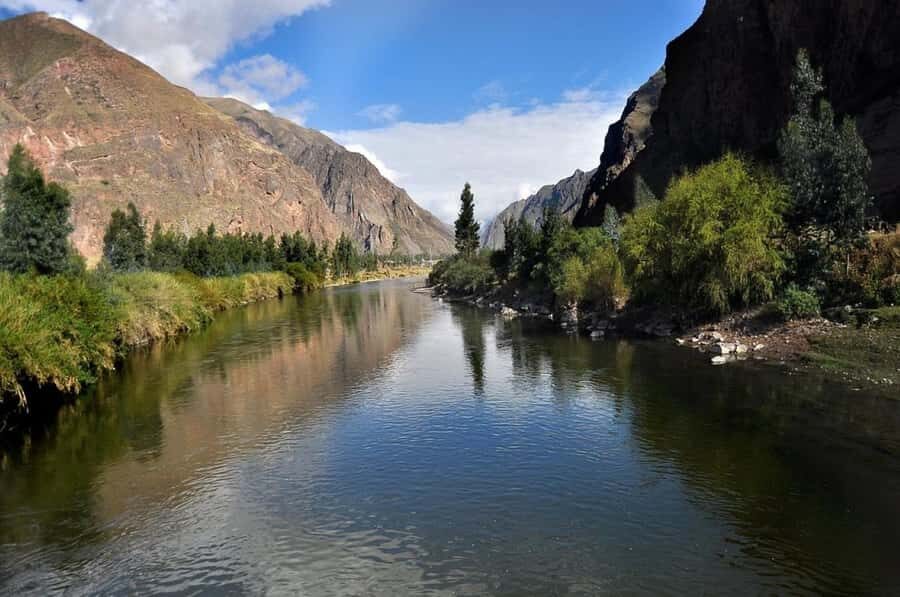
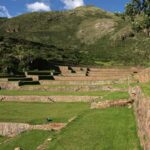
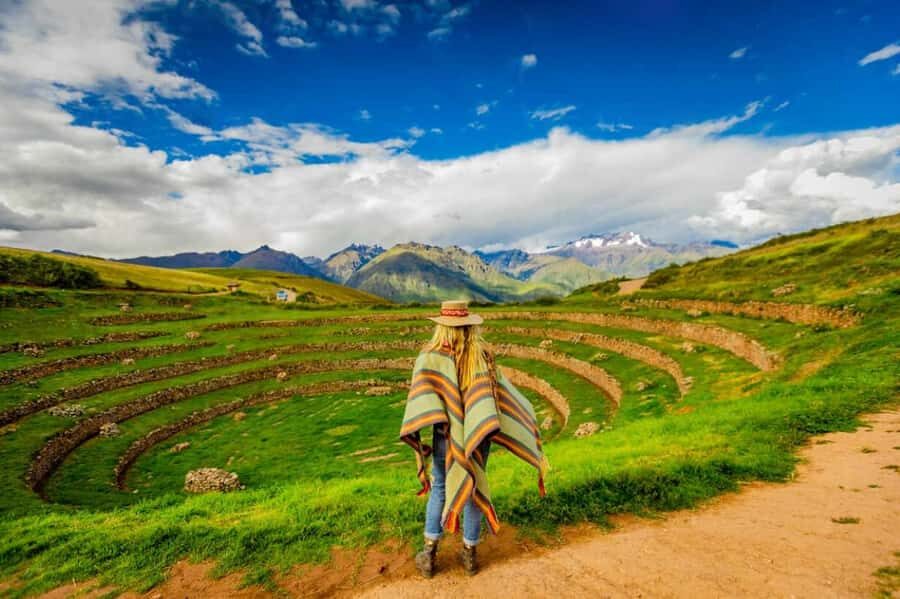
Moray is one of the stops that tends to make people pay attention. You’ll get a photo stop, a guided visit, and sightseeing time. The big idea is simple and memorable: Moray is described as an Inca agricultural laboratory made up of circular terraces that create different microclimates, letting the Incas experiment with crops.
That explanation turns the terraces from “cool ruins” into a system you can visualize. Even if you only spend a short window here, you’ll likely walk away with a clearer sense of how Inca engineering supported farming.
If you hate timed visits, Moray can still work, because the terraces are easy to understand visually. Just don’t expect hours of wandering. You’re there to learn, take photos, and move on.
Maras salt mines: thousands of working salt pools (and a smart way to shop)
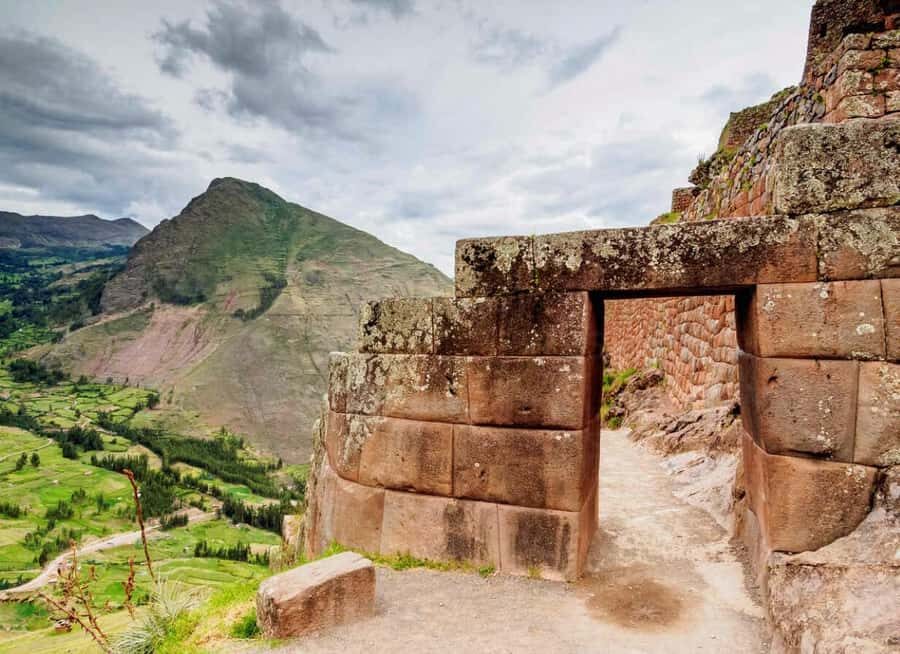
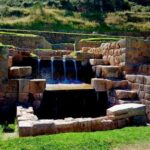
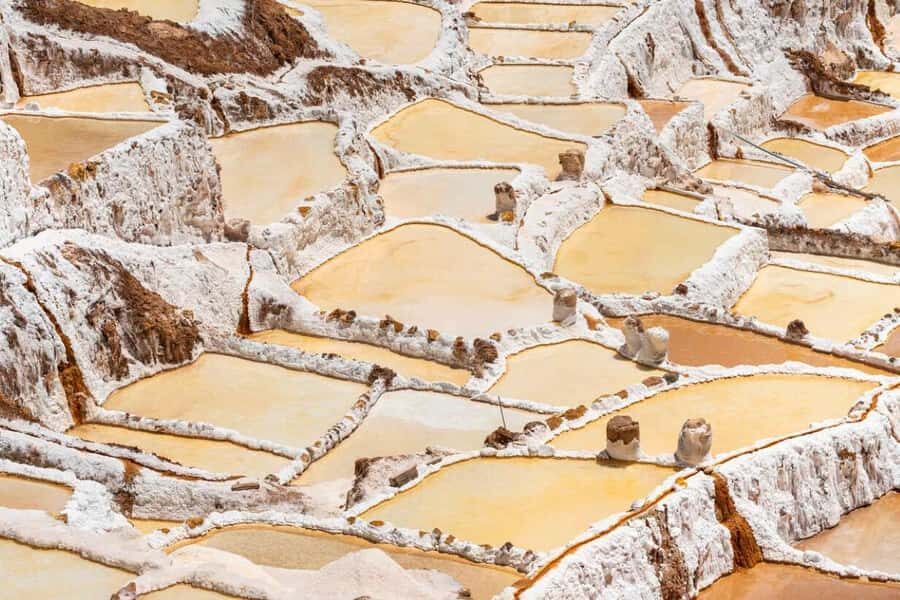
Then you hit Maras, the other unforgettable partner stop. The tour takes you to the Maras salt mines, known for thousands of salt ponds fed by an underground spring. The description also notes this site was an important trade center in the Inca Empire and is still in use today.
A guide usually keeps things moving, so your time here is a mix of:
- photo stop
- guided visit
- sightseeing
- shopping
This is also where shopping decisions matter. People have shared a solid practical tip: skip buying salt and chocolates at the craft workshop-style stop in Maras, and instead consider shopping at San Pedro Market or San Blas market back in Cusco, where prices can be lower. It’s the kind of move that saves money without hurting the experience.
If you’re into working landscapes—places where the product still flows—the Maras visit tends to feel more alive than purely “archaeology-only” stops.
Urubamba: the lunch break that keeps the day from feeling like a sprint
Urubamba is your reset. This is where the schedule changes from “run to the next ruin” into “eat and breathe.” The tour includes:
- lunch (buffet)
- a break in a town known as the heart of the Sacred Valley
- market exploration with regional products and handicrafts
The buffet is widely appreciated, and one detail worth noting: lunch at the 14 Inkas restaurant is mentioned in the experience write-ups, and it’s described as scenic. Hot beverages may be included, while cold drinks can be purchased separately.
This is also one of the only moments in the day where you might be able to pause and just watch daily life—people moving around town, vendors doing their thing, and the valley energy in full view.
If you’re sensitive to altitude or tired from early wake-ups, you’ll thank yourself for taking this lunch as a real break instead of a rushed fuel stop.
Ollantaytambo: a living Inca town and the Machu Picchu connection
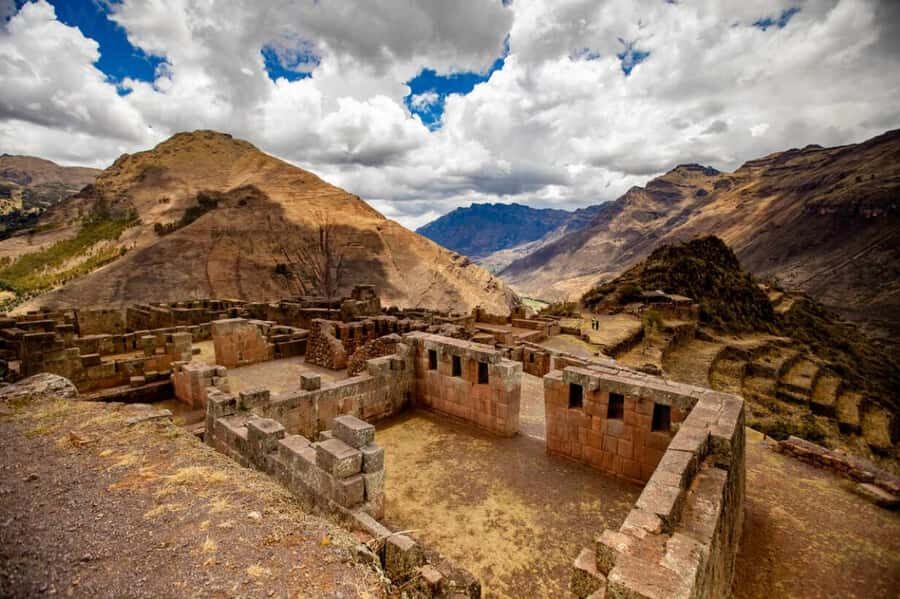
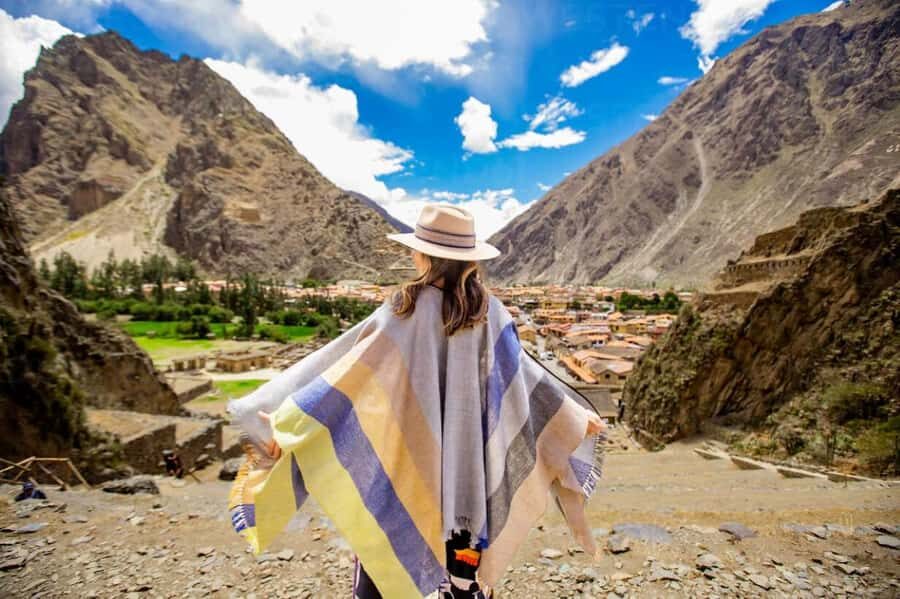
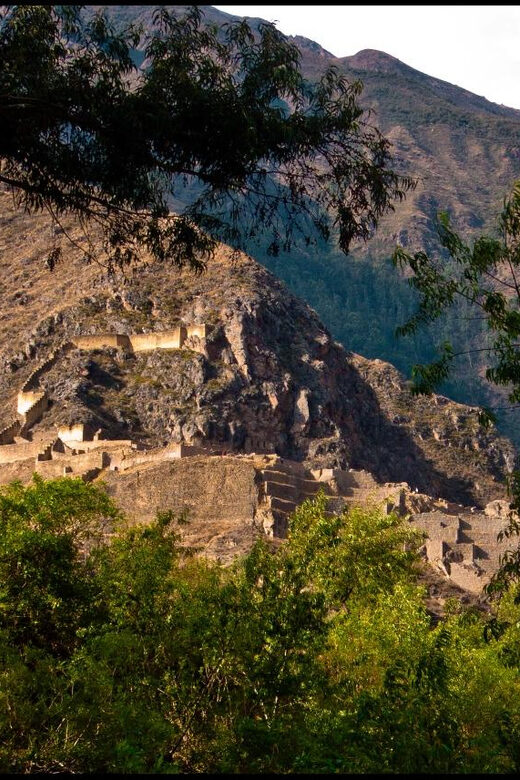
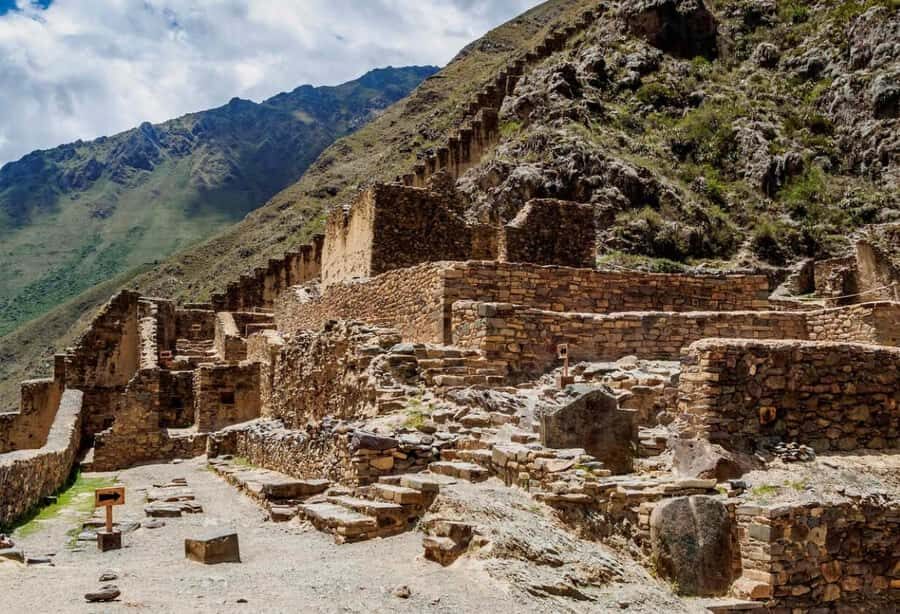
Ollantaytambo is the day’s “big stone” moment. You’ll get a photo stop, guided tour, and free time. The highlight isn’t just the fortress. It’s also that Ollantaytambo is described as a living Inca town, preserving its original urban layout, with cobblestone streets and stone temples. That mix helps the place feel less like a museum and more like a working community built on ancient planning.
Two things to keep in mind from a practical point of view:
- Expect steep steps and lots of walking. If you have asthma or mobility concerns, go slower even if the group is moving fast.
- The stop is time-limited. You might get the main viewpoints and highlights, but you won’t be able to scout every corner like you would on a multi-day plan.
Now, here’s the especially useful twist: there’s a special option if you’re continuing to Machu Picchu. The tour can end in Ollantaytambo at 3:00 p.m., so you can board the train to Aguas Calientes. If your Machu Picchu plan is fixed to train timing, this saves you from scrambling later.
Pisac: hillside ruins plus a market you’ll actually want to browse
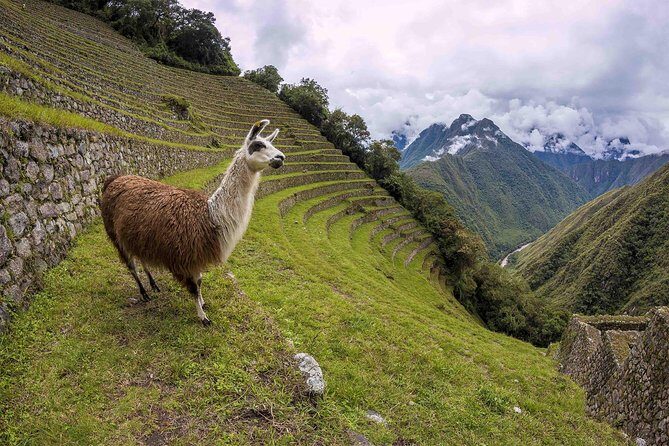
Pisac closes the loop nicely: Inca ruins on the hillside plus a colonial town below. You’ll visit Pisac with guided time, then get a broader feel for why this area is known for craft and market culture.
The tour description calls out a vibrant artisan market, so even if your guided time is limited, you’ll likely have enough energy left to enjoy at least part of the shopping and people-watching.
One thing to remember: this is still a full-day structure. If you love markets, bring patience and a strategy:
- decide what you’re looking for before you arrive
- set a quick budget
- and don’t over-commit at the first stall
That way you won’t lose your whole last stop to decision fatigue.
Logistics and comfort tips that make a long day work
This is a full 12-hour experience, so comfort is not a “nice-to-have.” Here’s what helps based on how the day is run and what people report:
- Start smart on footwear: Ollantaytambo includes steep steps, and Pisac also involves walking around uneven terrain.
- Bring sunscreen: the valley sun can be strong even when mornings feel cool.
- Pack cash for entrance tickets and drinks. Entrance fees and the Salt Mines ticket aren’t included.
- Use biodegradable insect repellent: you’re outside for most of the day.
- Bring your passport as required.
Also, keep an eye on how you handle sales stops. The tour includes visits that involve textile craft and shopping, but the experience is generally described as organized with time for free browsing. If you want the best value, you’ll get more by buying thoughtfully rather than buying at every stop.
Guides and the difference between a good day and a great one
This tour runs on its guide. The best versions of the experience are when the guide:
- explains what you’re seeing in a clear way
- keeps you on time
- and helps with photo spots and directions
Across the experiences associated with this tour provider, multiple guides get praised by name. People often mention Victor, Luis, Edith, Rudy, and Samuel, with compliments centered on clarity in both English and Spanish and tight time control. Others credit drivers for getting the group through Cusco traffic efficiently.
If your top goal is “I want to understand what I’m looking at, not just check boxes,” this is the kind of tour where the guide can turn the day from fast sightseeing into real learning.
Should you book this Sacred Valley day tour?
Book it if:
- you have limited days in the Cusco region
- you want to see Chinchero, Moray, Maras, Urubamba, Ollantaytambo, and Pisac in one sweep
- you like guided context and are okay with shorter visits at each stop
- you’re considering Machu Picchu and might appreciate the Ollantaytambo ending at 3:00 p.m.
Skip it (or switch to a slower plan) if:
- you need long, quiet time in each site
- you’re very sensitive to walking steps (especially at Ollantaytambo)
- you hate tight schedules and constant “move now” pacing
My take: for the money, this is a strong way to experience the Sacred Valley’s most talked-about places without building a complicated logistics puzzle. Just go in knowing it’s a full-day sprint with real highlights, not a relaxed stroll through the valley.
FAQ
How long is the Sacred Valley tour?
It lasts 12 hours.
Where do we meet for the tour?
The meeting point is Plaza de Armas de Cusco at 7:20 a.m..
Is hotel pickup included?
Pickup is available. The tour includes pick up from your hotel in Cusco, and there’s also an option where pickup happens about 15 minutes before departure for a VIP-style tour.
Is lunch included?
Yes. Buffet lunch is included in Urubamba.
What entrance tickets are not included?
You’ll need the tourist entrance ticket (70 soles) and the Salt Mines entrance ticket (20 soles). Drinks are also not included.
What languages are the guides?
The live tour guide speaks English and Spanish.
Can the tour end in Ollantaytambo for Machu Picchu?
Yes. There’s a special option where the tour can end in Ollantaytambo at 3:00 p.m. so you can board the train to Aguas Calientes.
Is there free cancellation?
Yes. You can cancel up to 24 hours in advance for a full refund.