REVIEW · CUSCO
2-Day Sacred Valley Machu Picchu by Train with Llama Experience
Book on Viator →Operated by TikasPeru · Bookable on Viator
Train to Machu Picchu with real guidance. This 2-day Sacred Valley and Machu Picchu trip is built for people who want the wonder without the usual timing headaches, with a guide to translate what you’re looking at. You’ll ride the rails between Cusco and the Inca citadel, then come back with your head full of places that actually connect.
I love the way the route strings together Pisac and Ollantaytambo with early-morning energy and clear storytelling. It’s not just point-and-photo; it’s why these sites were placed where they were, and how Inca engineering still reads like a blueprint.
One watch-out: cash costs can pop up (the Valle Sagrado entry on day 1 isn’t included), and train baggage rules are strict enough that you’ll want a smart packing plan.
In This Review
- Key things that make this trip worth your time
- Price and what you truly get for $457
- Start in Cusco at 7:30 am: the smooth part you’ll feel right away
- Pisac early: why that 2-hour block is the right kind of rush
- Ollantaytambo: the Inca fortress feel that makes the train day click
- Train to Machu Picchu: hands-on logistics without the stress tax
- The Historic Sanctuary of Machu Picchu: what your day there is really like
- Aguas Calientes overnight: keep it easy so Machu Picchu feels calm
- Cusco time: why a guide there helps more than you’d think
- Llama experience: what to confirm before you count on it
- Who this tour fits best (and who might want something different)
- How to pack and plan like a pro
- So, should you book it?
- FAQ
- What time and where does the tour start?
- Is Machu Picchu admission included?
- Are meals included?
- How do train tickets work?
- What about luggage on the train?
- Is this tour refundable if I cancel?
Key things that make this trip worth your time
- Small group (max 10) means you spend less time herding and more time looking.
- Train tickets round-trip (Voyager or Expedition) keep you off the road and on a set schedule.
- Machu Picchu admission is included, with circuit access assigned based on availability.
- Bus transfers to the ruins from Aguas Calientes are handled for you.
- One night in a 3-star hotel in Aguas Calientes keeps the overnight simple.
Price and what you truly get for $457
For $457 per person, you’re not paying for a vague “tour” that might or might not include the hard parts. You’re paying for the big-ticket logistics: round-trip train (Voyager or Expedition, based on availability), Machu Picchu entrance, a guided visit, and bus rides to the archaeological site. Add in 1 night in a 3-star hotel plus pickup and drop-off in Cusco, and the value is pretty clear.
Your budget still needs a few extras:
- Valle Sagrado ticket on day 1: PEN 70 cash per person (not included).
- Meals: lunch and dinner aren’t included.
- If you’re assigned Circuito 1 only if required: there may be an extra $20 per person.
That’s the trade: you get the core pieces bundled, but you’ll still want cash and a little flexibility. If you hate dealing with ticket counters after a long travel day, this is exactly the style of trip to choose.
A few more Cusco tours and experiences worth a look

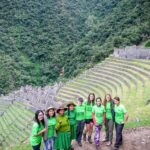
Start in Cusco at 7:30 am: the smooth part you’ll feel right away
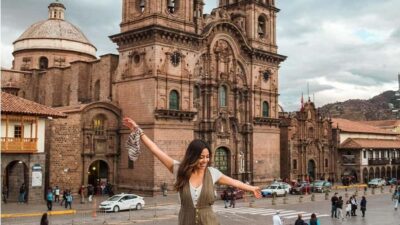
Your day begins at Plaza Regocijo at 7:30 am. That timing matters more than it sounds. In the Cusco-Sacred Valley corridor, early starts help you beat crowds and keep your brain from melting from altitude plus waiting. You’ll also be near public transport, which is helpful if you’re managing your own pre-trip logistics.
What I like most is the handoff: hotel pickup and return to Cusco are included. You don’t have to figure out how to time taxis to trains and buses. You just show up, get briefed, and go.
Most groups keep moving at a steady pace, but the schedule does assume a moderate physical fitness level. You’re not climbing a mountain, but you should be comfortable with walking on uneven ground and stairs in archaeological zones.
Pisac early: why that 2-hour block is the right kind of rush
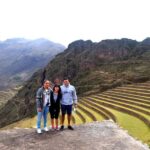
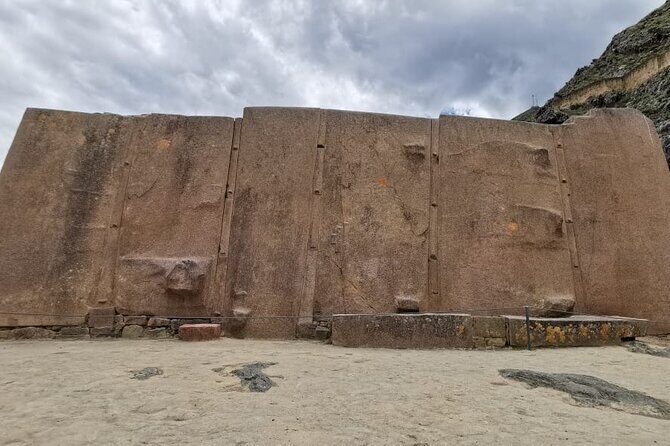
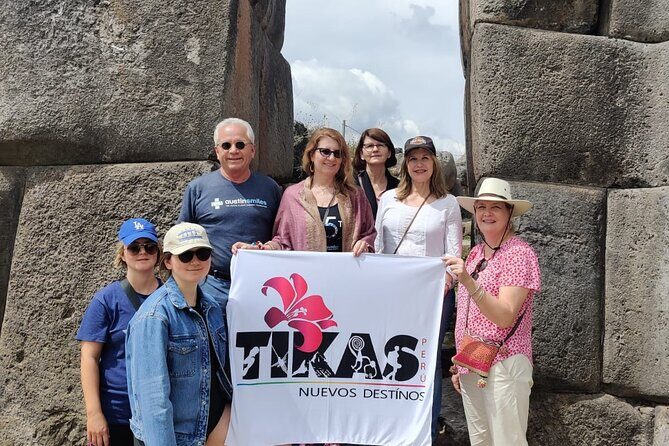
Pisac is an excellent place to begin because it shows you the Inca mindset in layers—viewpoints, terraces, and built-in geography. In your early morning visit, you’ll have about 2 hours in the archaeological area.
Here’s why that timing works: you’re going before the day fully heats up and before the tour traffic gets thick. You’ll also be more alert for the explanations from your guide. When you’re tired, it’s harder to notice patterns in Inca stonework and the way paths link zones.
A practical tip: bring sun protection and keep water handy. You’ll get a bottle of water included, but you’ll still want to sip often as you move between terraces and lookouts.
Ollantaytambo: the Inca fortress feel that makes the train day click
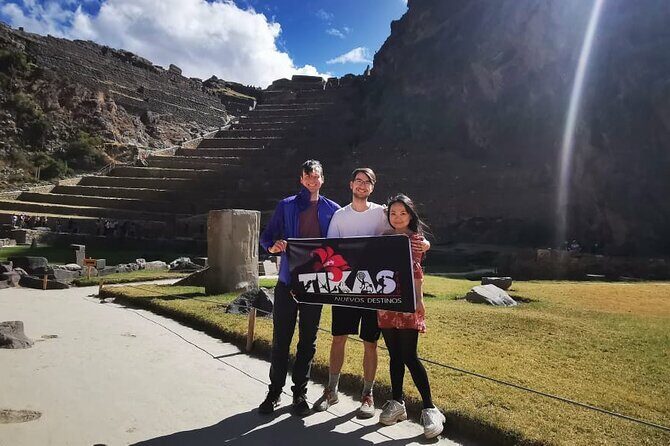
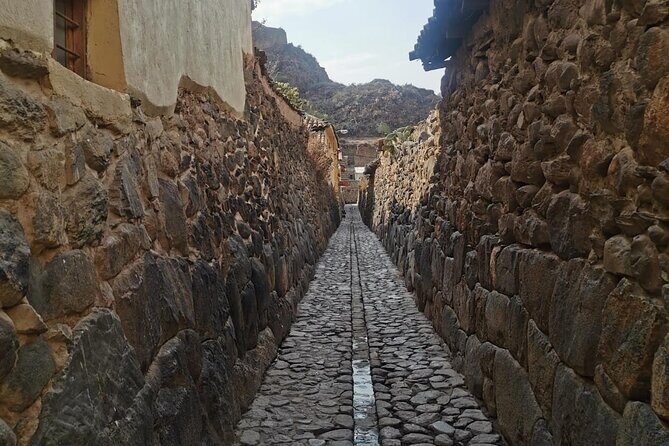
After Pisac, you shift to Ollantaytambo, where you’ll spend about 2 hours at the archaeological center. Ollantaytambo is one of those places where you instantly get the “fortress” mood. The stone is massive, the geometry is crisp, and the site feels like it’s built to last.
You then go to the train to reach Machu Picchu. Even if you know the name, the order matters. Seeing Ollantaytambo first gives context for why the route to Machu Picchu makes sense historically—like you’re watching the system work.
One small reality check: Ollantaytambo and train travel can feel like back-to-back segments. If you’re the type who needs slow time, you’ll still be okay, but plan to stay flexible. The payoff is that the day stays logical instead of chaotic.
Train to Machu Picchu: hands-on logistics without the stress tax
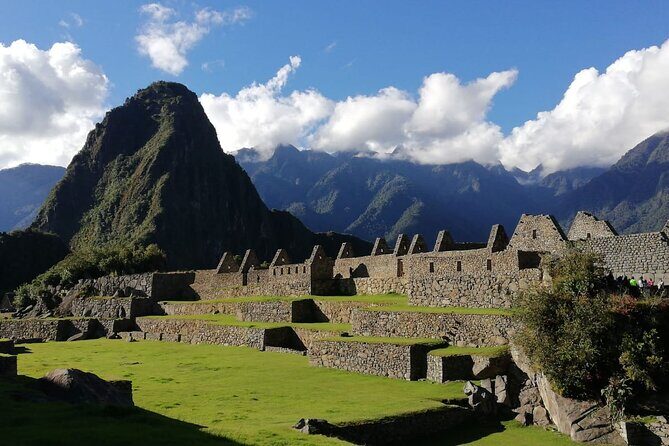
The route includes train tickets for the return trip as well—Voyager or Expedition, depending on availability. This is a big deal because trains on this corridor can be the hardest part to coordinate on your own, especially if you arrive with limited time.
I also like that the itinerary includes the parts people forget:
- You’re not just getting a train ticket.
- You’re getting a plan that connects train arrival to the next stage (bus/entry timing and the guided day inside the sanctuary).
If you’ve ever tried to stitch together buses, tickets, and timed entries while dealing with altitude and luggage, you’ll appreciate this kind of structure. It’s not glamorous. It’s useful.



The Historic Sanctuary of Machu Picchu: what your day there is really like
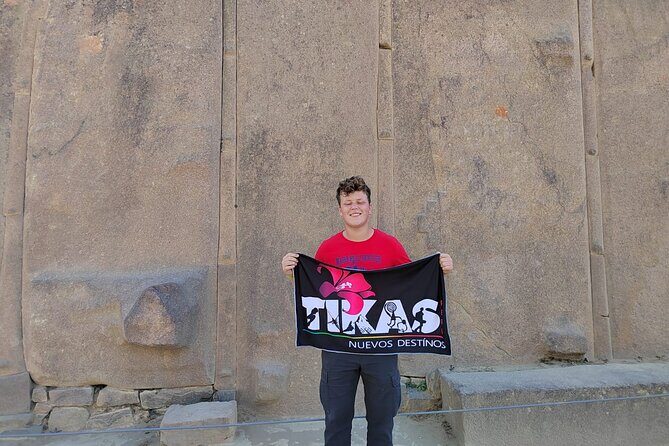
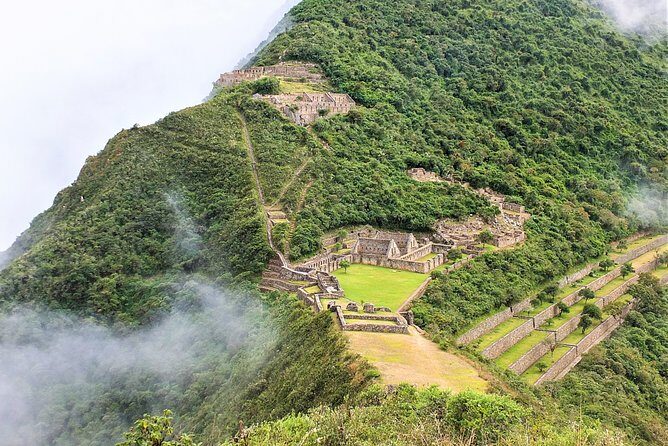
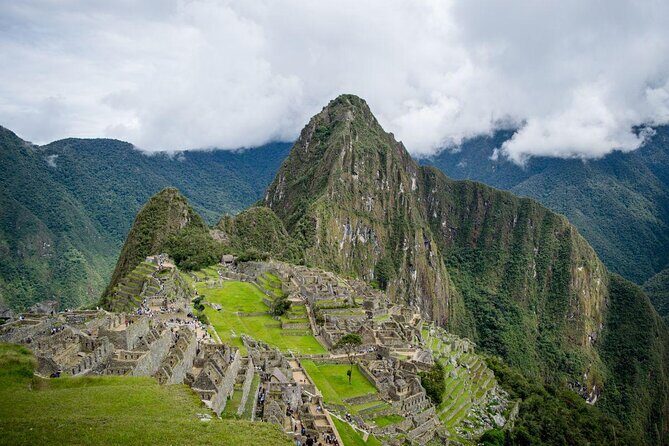
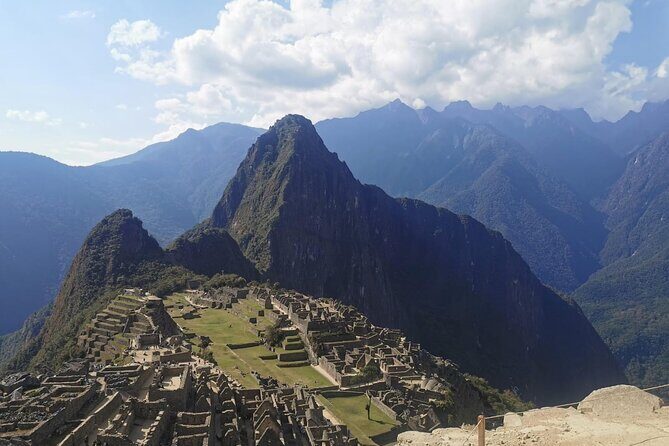
Your Machu Picchu day is long—about 12 hours—and it’s not wasted time. You’ll be able to visit the archaeological centers within the Historic Sanctuary, take photos, and use the guidance to understand what you’re seeing.
The big decision inside Machu Picchu is the circuit. Your admission is included, and your specific access is assigned based on availability. The first option tends to be Circuito 2, and if that’s sold out, you may be assigned Circuito 1 or Circuito 3.
One practical consideration: Circuito 1 may have an extra $20 fee only if required. If you want the best odds of getting the circuit you prefer, plan ahead and book earlier—this is where waiting can cost you.
What you should expect in the sanctuary:
- You’ll move between key zones where your guide helps connect structures to function.
- You’ll have time for photos without feeling like you have to run the whole place on your own.
- Your day is paced to allow viewing plus basic photo stops.
Machu Picchu isn’t “just ruins.” It’s also an atmosphere test: altitude, wind, and crowds. Having a guide makes the experience feel more like learning and less like chasing. And yes, you’ll still feel that moment where your brain catches up to your eyes.
Aguas Calientes overnight: keep it easy so Machu Picchu feels calm
You spend one night in a 3-star hotel in Aguas Calientes (Machu Picchu’s town). This matters because it reduces the pressure of trying to do everything in a single long day.
Here’s the luggage rule you really need to plan around:
- You should bring a small backpack or carry-on style bag with extra clothes.
- Checked baggage isn’t allowed on the train, and if you do try to handle larger luggage, it can cost 50% additional per way.
- The usual move is leaving bigger luggage at your Cusco hotel, which is described as free and secure.
This is one of those travel details that can save your sanity. If you pack like you’re going on a weeklong trip, you’ll regret it the moment you’re trying to navigate station luggage rules. Pack small. Keep it simple.
Cusco time: why a guide there helps more than you’d think
Your program also includes time for guided visiting around Cusco (in addition to Sacred Valley sites). Even a little Cusco context can sharpen your understanding once you arrive at Inca sites. You start noticing patterns: the way the region shaped building, trade, and movement.
If it’s your first time in Cusco, I’d treat this as your orientation layer. Your eyes and your questions get better. Also, the guides in this provider’s ecosystem are commonly praised for strong English support (and in some cases Spanish) and for being patient while you catch up.
You’ll often hear guide names like Michael, Roy, Veronica, and Christian (Chris) in feedback about TikasPeru. Even if you don’t get those exact people, the point is consistent: the team tends to be friendly and practical, and they’ll help you keep your footing, literally and mentally.
Llama experience: what to confirm before you count on it
This tour’s title includes a llama experience, but the schedule details provided here focus on Pisac, Ollantaytambo, and Machu Picchu. Since your booking experience can vary by departure, I recommend confirming one question with the operator before you go:
Ask where the llama/camelid interaction fits into your day and how much time you’ll have for it.
That way you don’t end up thinking you’ll get a full animal-encounter window when the day is already packed with archaeological stops and train transfers.
Good news: Cusco’s Sacred Valley region is exactly the kind of place where camelid encounters can be meaningful—so getting the timing right is the whole game.
Who this tour fits best (and who might want something different)
This trip is a great match if you want:
- Machu Picchu by train, not the full-on scramble of arranging everything yourself.
- A guided experience so you understand the sites without reading a book on the bus.
- A small group setup that keeps you from waiting around.
It’s also a solid option for families, including people traveling with young kids, because the pacing is designed to be managed and the logistics are held together.
I’d think twice if you’re:
- Highly sensitive to walking on uneven stone and stairs.
- Planning to do a lot of extra add-ons on top of this without building in recovery time.
- Hoping for a no-surprises budget (since you’ll likely pay the Valle Sagrado ticket in cash and maybe a circuit fee depending on availability).
How to pack and plan like a pro
Here’s the simple version that will make the whole trip smoother:
- Bring a small day bag you can carry all day.
- Pack for layers. Machu Picchu can feel different from Aguas Calientes quickly.
- Keep a plan for PEN 70 cash for Valle Sagrado on day 1.
- Leave extra luggage in your Cusco hotel. The train baggage rules are strict enough that it’s usually the smartest move.
Also, don’t overthink your fitness level. You’re not training for a hike. You’re walking through archaeological zones that reward steady pace and good shoes.
So, should you book it?
I’d book this if you want Machu Picchu without stress, plus a guided Sacred Valley route that starts early and keeps the day logical. The price feels fair because the expensive pieces—train, Machu Picchu admission, bus transfers, and one night in Aguas Calientes—are built in.
I’d hold off or ask extra questions if you’re trying to lock in a specific Machu Picchu circuit and you’re short on time to book. And I’d definitely confirm how the llama experience is scheduled on your departure.
If you’re ready to trade a bit of control for less hassle, this is a strong way to do Sacred Valley and Machu Picchu in 2 days.
FAQ
What time and where does the tour start?
It starts at 7:30 am at Plaza Regocijo in Cusco, Peru.
Is Machu Picchu admission included?
Yes. Admission to the Historic Sanctuary of Machu Picchu is included, but the specific circuit is assigned based on availability.
Are meals included?
No. Meals like lunch and dinner are not included.
How do train tickets work?
Round-trip train tickets are included, but the train type (Voyager or Expedition) is based on availability at the time of booking.
What about luggage on the train?
You should plan to travel with a small bag. Checked baggage isn’t allowed on the train, and larger luggage can cost 50% additional per trip. Most people leave extra luggage at their Cusco hotel.
Is this tour refundable if I cancel?
No. This experience is non-refundable and can’t be changed for any reason.