REVIEW · AREQUIPA
From Arequipa: Sillar Route Trek
Book on GetYourGuide →Operated by AREQUIPA EXPLORER Y ACTIVIDADES TURISTICAS · Bookable on GetYourGuide
That white stone is more than scenery. This half-day Sillar Route trek turns Arequipa’s trademark quarry stone into a story you can walk through, with Añashuayco bringing the “living” part of the craft, and Culebrillas Canyon giving you an actual hike with Wari petroglyphs at the end. I especially like how the guide connects the stone (sillar) to the way the region’s volcanoes and valleys shape daily life, not just Instagram stops.
I also like the balance of hands-on and off-the-beaten-path: you get time in a working quarry with the massive stone-carving theme (Church of the Company of Jesus), then you slip into a short canyon walk where water carved the walls into tall, tight shapes.
One thing to consider: the schedule is tight, and a couple of stops are more photo-stop style than “linger a while,” so if you’re slow at taking pictures, you may feel a bit rushed—especially around the quarry photo moments.
In This Review
- Key highlights you’ll feel right away
- Why the Sillar Route matters in Arequipa (and how this tour explains it)
- The meeting point and getting out of town fast
- The first viewpoint: volcanoes, Chilina Valley, and choosing the right season angle
- Añashuayco Quarry: where sillar becomes a real working landscape
- What makes this stop special
- The mega carving: Church of the Company of Jesus
- Hands-on moment (if you’re up for it)
- Possible drawback to plan around
- Quebrada de Culebrillas: the short walk that feels like a payoff
- What you’ll notice on the walk
- Wari petroglyphs: the “history” that isn’t behind glass
- A practical warning: bug spray and solid shoes
- Apachetas: a quick stop that’s more meaningful than it sounds
- Volcanoes and Andenerias viewpoint: tying it all together with perspective
- How much time you really get (and where it can feel a bit tight)
- Price and value: $12 for the structure, plus entry fees
- What to bring so you don’t feel miserable halfway through
- Who this tour is best for (and who should skip it)
- Should you book the Arequipa Sillar Route Trek?
- FAQ
- How long is the Sillar Route trek from Arequipa?
- What are the main stops on the route?
- Are entrance tickets included in the price?
- Is there a walk during the tour?
- What should I bring for the canyon walk?
- What language is the guide available in?
- Is there more than one departure time?
Key highlights you’ll feel right away
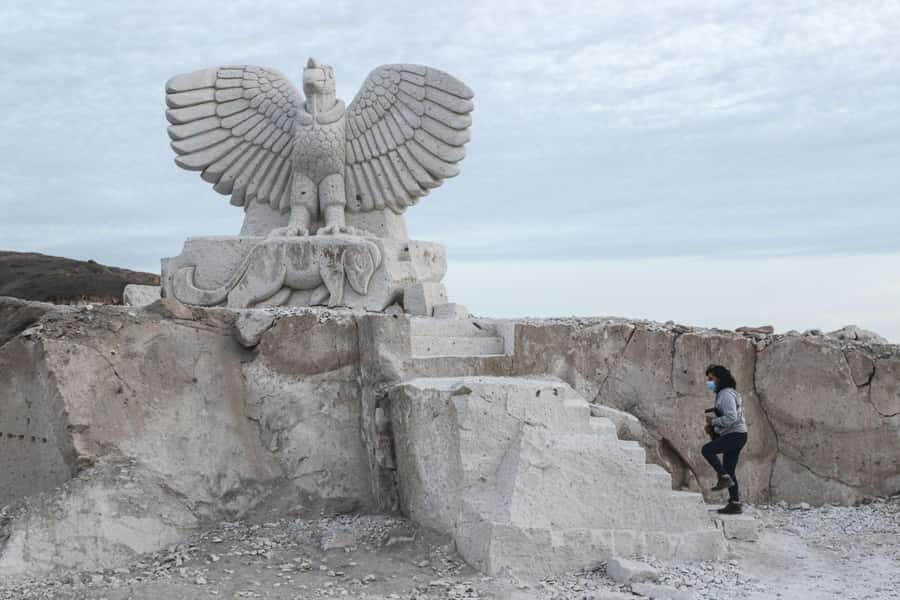
- Working Sillar quarry at Añashuayco with stonemasons operating early
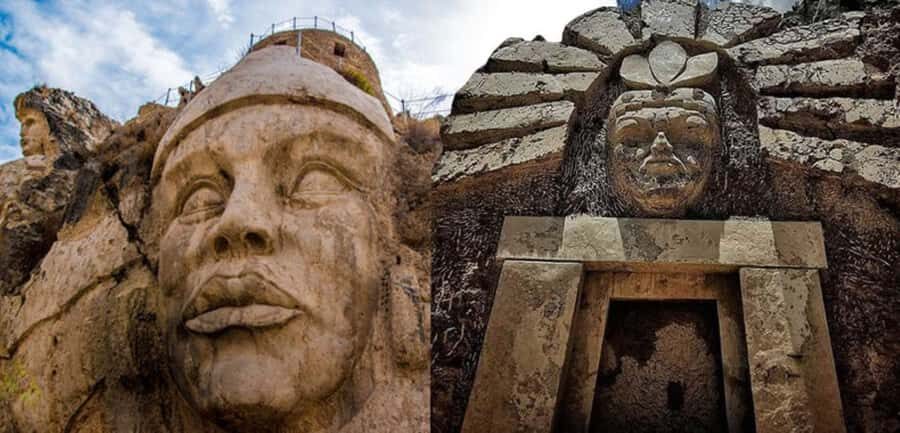
- Church of the Company of Jesus mega carving made by local stonemasons
- A short canyon walk through walls roughly 15–20 meters high
- Wari petroglyphs visible at the canyon end
- Apachetas (stacked stone offerings) with a surprisingly moving vibe
- Volcano viewpoint and Andenerias views for perspective over the Chilina Valley area
Why the Sillar Route matters in Arequipa (and how this tour explains it)
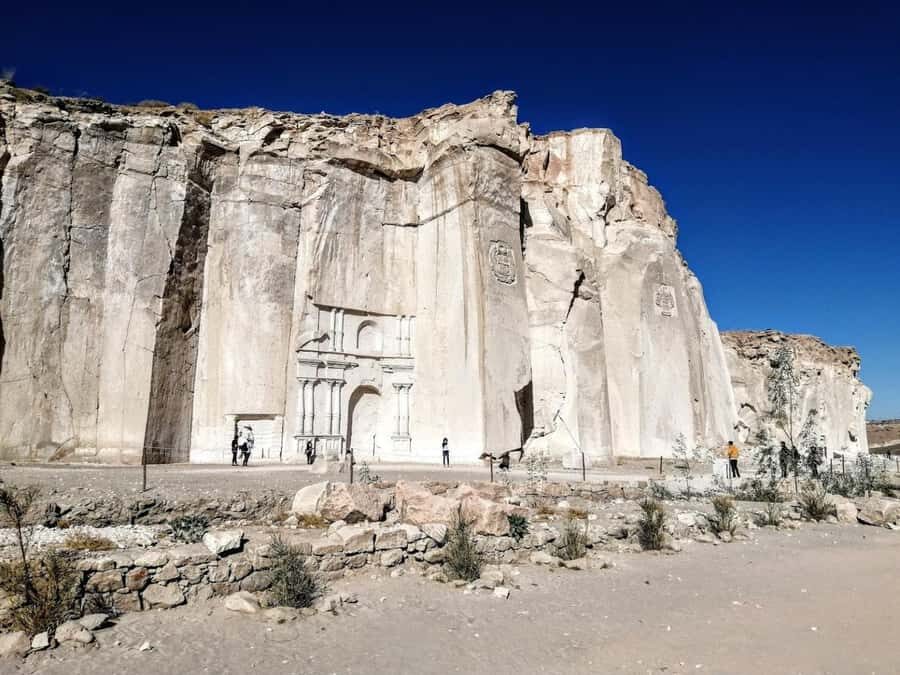
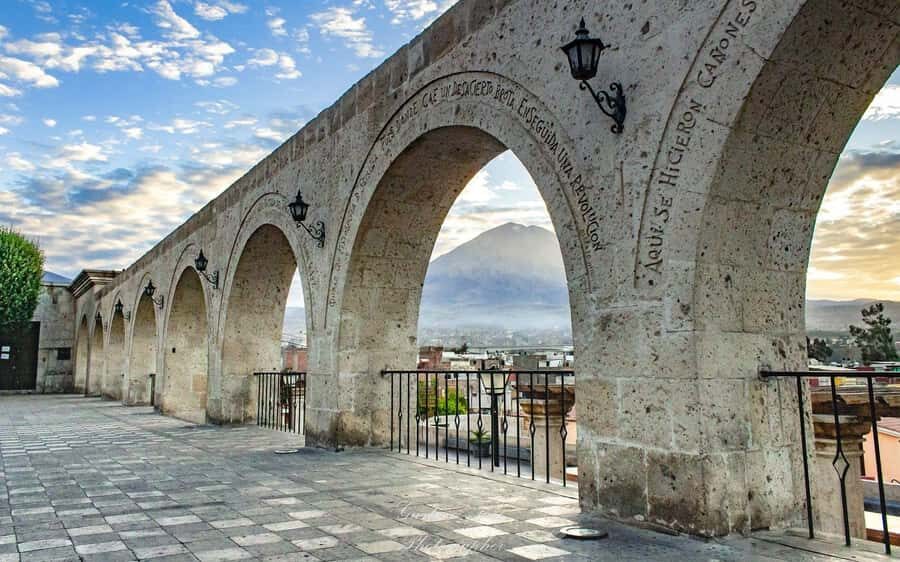
Arequipa is famous for sillar—white volcanic stone used everywhere from homes to historic churches. The trick is learning where it came from and how people extracted it without turning it into a boring lecture. That’s where this tour shines: the guide explains the origin of the ashlar blocks and how the quarries fed the city’s growth.
The value is in the pacing. In four hours, you’re not just “going to sights.” You’re moving through the landscape in the same direction the story moves: views first, quarry next, then the canyon, then a final panorama to tie it all together.
Also, the group stays small enough for questions. One review specifically called out guides who spoke both English and Spanish clearly, and that matters when you’re trying to understand the symbolism—like why people place stones one atop another in the Apachetas.
You can also read our reviews of more hiking tours in Arequipa
The meeting point and getting out of town fast
You’ll start from C. Álvarez Thomas 115, where your name is added to the list and you get quick instructions before the van ride. Expect around an hour of driving time before the first main stop. That’s great if you’re short on time: you get out of Arequipa’s center quickly without a complicated transit plan.
A practical note from past groups: the bus/van can be comfortable but not air-conditioned. If you’re traveling in the warmer months, bring water and be ready for sun on the way out.
The first viewpoint: volcanoes, Chilina Valley, and choosing the right season angle
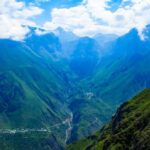
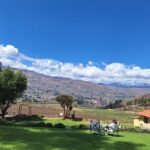
Before you reach the quarry, the tour includes a strategic viewpoint stop. The idea is simple: get oriented. You’ll see volcanoes and the Chilina Valley area, which makes the later stops feel less random.
Depending on the season, the tour may use a slightly different viewpoint at the beginning to match visibility and conditions. That’s not a marketing detail—it affects how good the views are. If weather is clear, this stop helps you understand the geography you’ll later walk around.
If you love photography, this can be a good moment to get your bearings quickly. Some groups report there’s a bit of wandering/free time at the first stop, so if you want a tighter structure, it’s worth going prepared with an idea of what you’re aiming to photograph.
Añashuayco Quarry: where sillar becomes a real working landscape
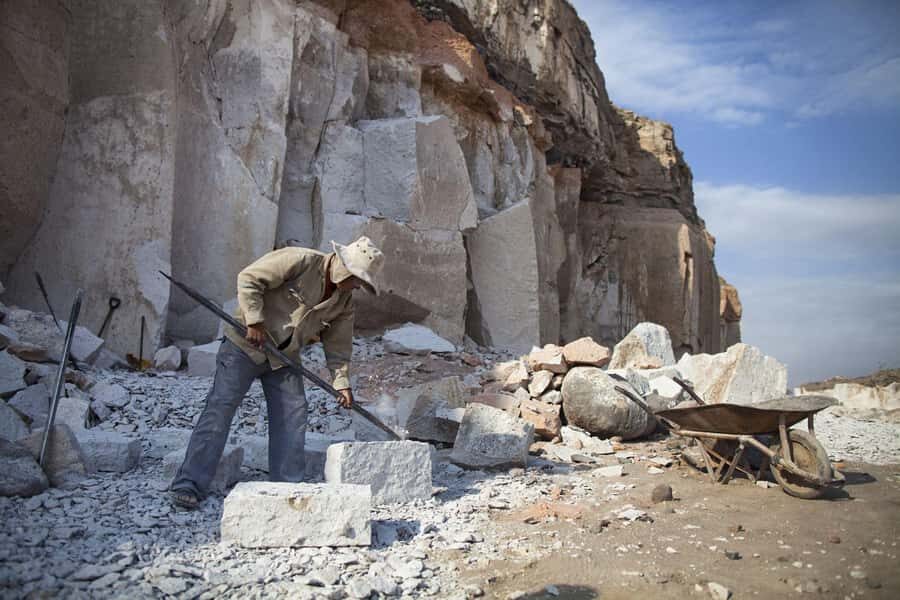
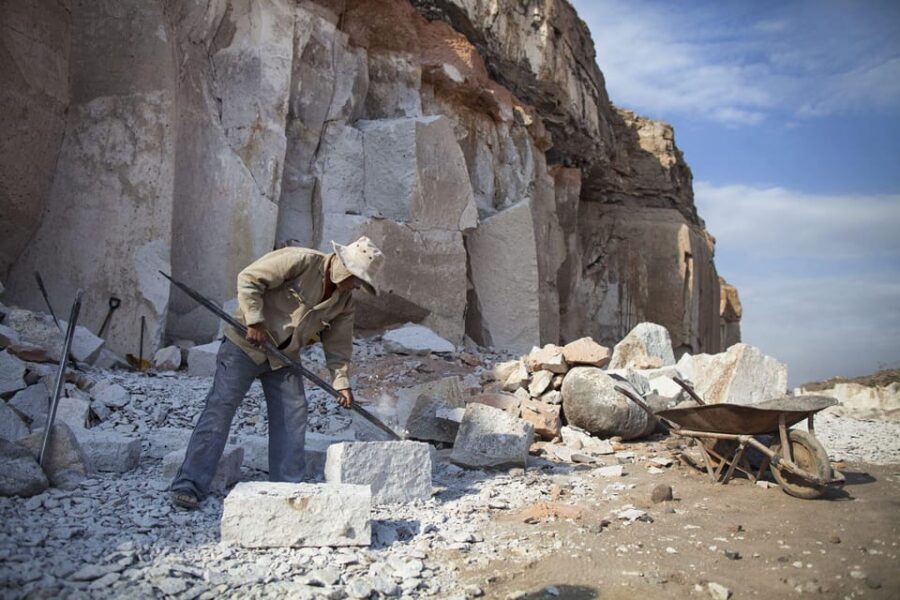
This is the core of the experience. You’ll reach Añashuayco Quarry in about 45 minutes, and it’s not a dead museum. The stonemasons carry out their work very early, so you’re seeing stone extraction in a place that still has a job to do.
What makes this stop special
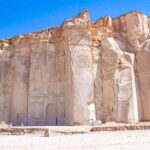
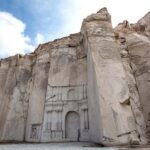
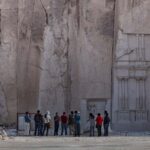
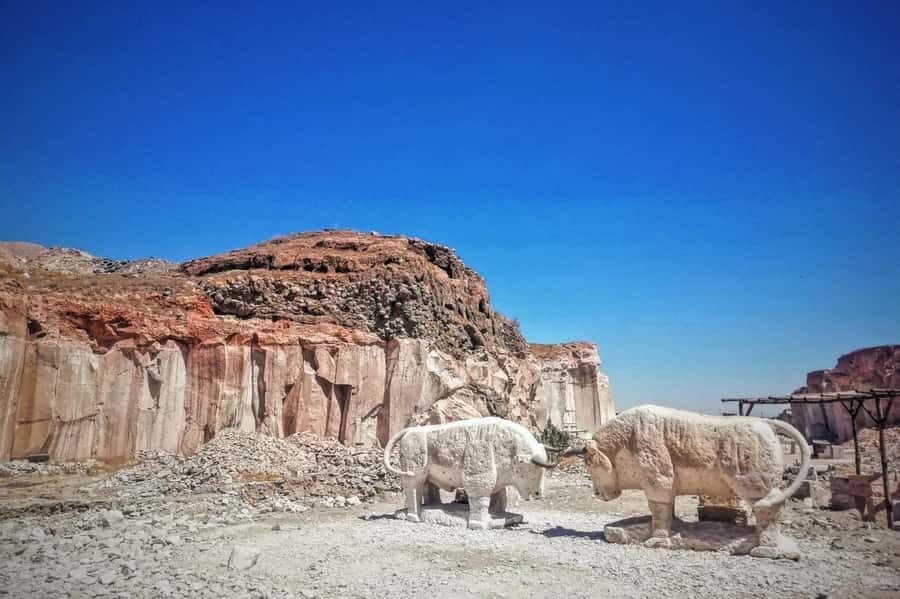
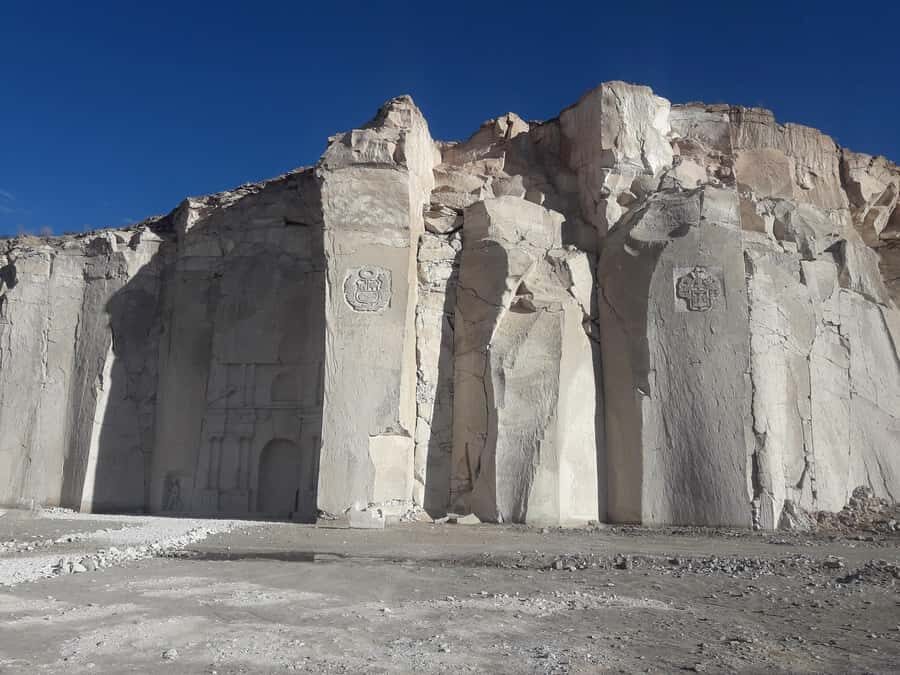
You get to look at the immense canyon-like space formed by extraction—those steep ignimbrite walls rising several meters. It’s one of those places where the scale hits you only after you stand there and realize the “white stone” in the city came from cutting into a huge natural cavity.
The guide also covers:
- how sillar production works
- how the blocks were used historically in Arequipa’s construction
- what makes this stone so important to the region’s architecture
The mega carving: Church of the Company of Jesus
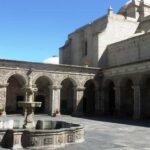
One standout feature is the mega carving of the Church of the Company of Jesus, carved by the stonemasons themselves. It turns quarrying from something purely industrial into something cultural—like the craft has its own language.
Hands-on moment (if you’re up for it)
The tour also includes the chance to meet a stonemason and learn what daily work looks like, and there may be an experiment where you cut or try handling a stone block. Even if you do only a short try, it changes how you see the quarry.
Possible drawback to plan around
Timing here can be a little sensitive. Reviews mention that photo-taking can eat into time at the quarry, and one guest wished there was more time at the Sillar Route area. So if you’re traveling during peak season or you’re easily delayed by lines for photos, expect the quarry stop to be structured.
Quebrada de Culebrillas: the short walk that feels like a payoff
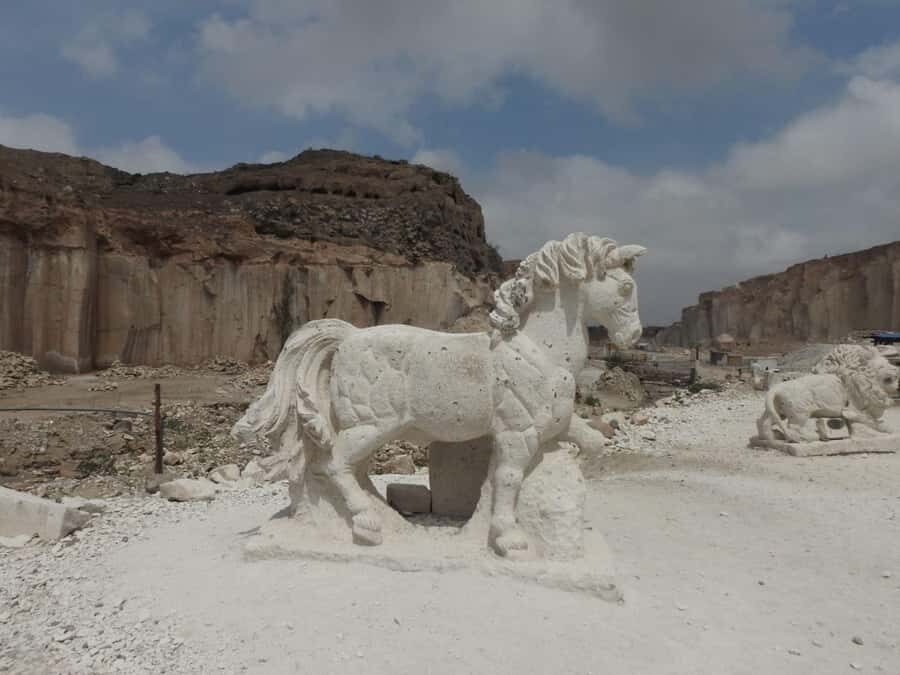
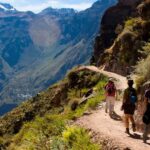
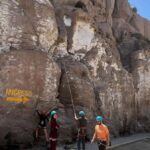
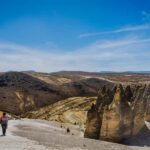
From the quarry, you travel about 30 minutes to Quebrada de Culebrillas. Then you take a walk inside the canyon for roughly 20–25 minutes. The walls here are about 15 to 20 meters high, and as you enter, they feel taller and tighter.
What you’ll notice on the walk
Water carved this canyon over time, leaving textured walls and a natural rhythm to the path. It’s not a long trek, but it’s not purely flat either—you’re walking inside a narrow space and you’ll feel the temperature difference as you move from open sun into shaded rock walls.
Wari petroglyphs: the “history” that isn’t behind glass
At the end of the walk, you see petroglyphs by the Wari culture, said to be more than a thousand years old. This is a great moment because it’s not a distant claim—you can actually see the marks in the canyon environment where they were placed.
If you like archaeology that feels human-sized (not like a massive site), this is a good fit. The canyon frames the art, and the setting helps you understand why people might have returned to specific places year after year.
A practical warning: bug spray and solid shoes
Several reviews recommend insect repellent, and others mention that you do some walking that can feel challenging if you don’t have supportive shoes. If you’ve got any foot issues, consider asking before booking or choose the morning session only if you’re confident in your pace.
Apachetas: a quick stop that’s more meaningful than it sounds
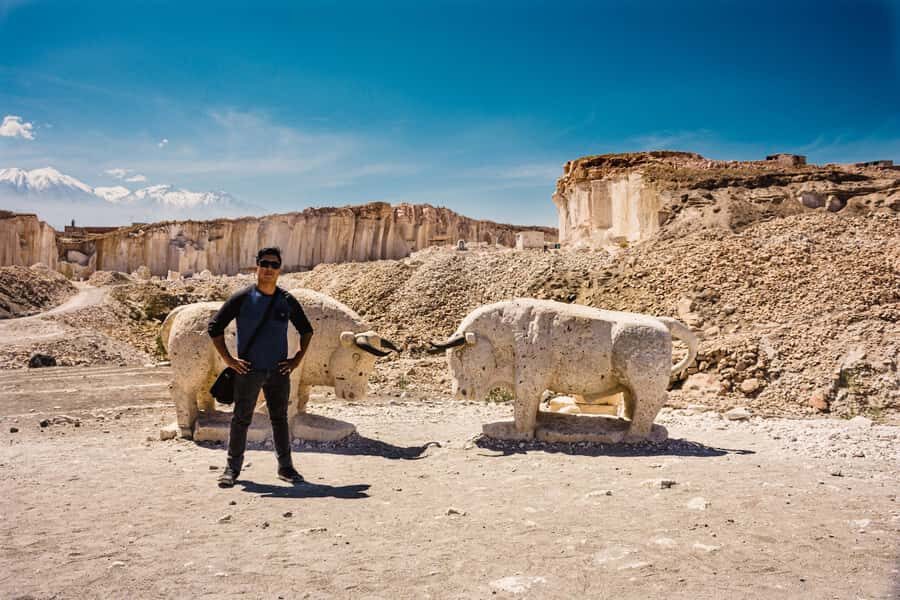
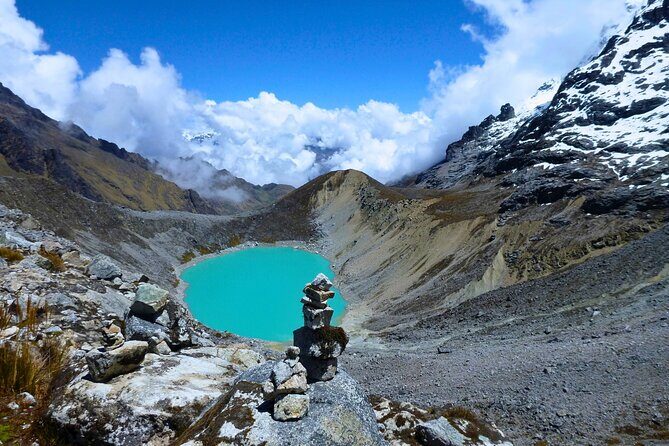
Before heading back toward Arequipa, you’ll observe Apachetas, those stacks of stones placed one on top of the other. In Andean tradition, they’re connected to gratitude toward nature and the hope for good luck.
The reason this stop works on the tour isn’t just symbolism. It’s contrast. You’ve gone from industrial-looking quarrying (even with art) to a canyon carved by water. Then Apachetas bring the spiritual layer back into the landscape in a way you can literally see with your eyes.
It’s brief, but it often lands with people because it’s small-scale and personal.
Volcanoes and Andenerias viewpoint: tying it all together with perspective
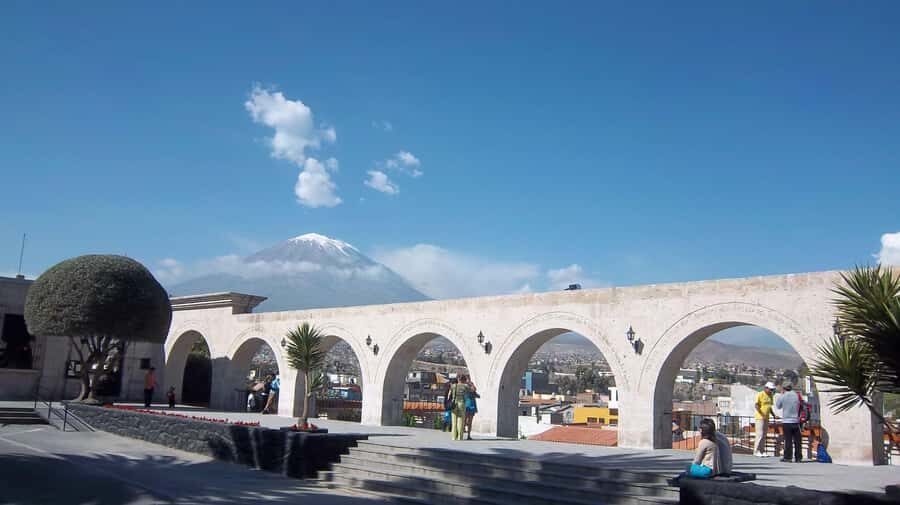
After the canyon, you end with a Mirador de los Volcanes photo stop plus a guided explanation. This is where the tour gives you context again: volcanoes, the valley, and how the terrain around Arequipa links back to the stone story you just learned.
You’ll also get views related to Andenerias. Even if you’re not an expert in agricultural terraces, just seeing how people shaped slopes helps you understand why certain locations became useful—water, sun exposure, and access routes matter.
If you’re doing the afternoon session, some reviews mention the light can be fantastic for late-day photos. The sun angle makes the cliffs and white stone stand out more, and the return drive can feel more relaxed.
How much time you really get (and where it can feel a bit tight)
Total duration is listed as 4 hours, with a morning plan that starts at 9:15 AM and returns around 1:30 PM near the main square area (and the finish noted as Av La Marina).
What’s worth knowing: the tour is built for “see it all” rather than “take your time.” This is usually a good deal because you get multiple landscapes without long travel days. But if your travel style is slow and you don’t like rushing, go into it knowing the stops are paced.
A couple of reviews also mention congestion at photo-heavy moments. If you want fewer crowds, the afternoon shift sometimes helps depending on when traffic and groups stack up, but you won’t be able to control that completely.
Price and value: $12 for the structure, plus entry fees
The price listed is $12 per person, which is genuinely affordable for a guided half-day that includes transportation and commentary. The one catch: entrance tickets to the places are not included, and the total mentioned is 18 soles.
So the value math looks like:
- Pay a low base price for a guided van day and structured stops
- Budget a small additional amount for site entry
Given how the quarry is a working craft environment and the canyon includes a guided interpretation of petroglyphs and Apachetas context, this is a solid buy if you want explanation—not just rides to scenic viewpoints.
What to bring so you don’t feel miserable halfway through
Based on the practical tips that come up again and again:
- Insect repellent (canyon time can mean bugs)
- Sunscreen and sun protection (open areas + white stone glare)
- A hat and water
- Close-toed, supportive shoes for the canyon walk
If you’re sensitive to heat, you’ll also want to plan for sun exposure during the van rides and at the viewpoints.
Cash can be relevant for entry because at least one review specifically notes needing cash in soles for purchases during the tour. Even though entry fees are relatively small, it’s smart to arrive with the soles you need.
Who this tour is best for (and who should skip it)
I’d point this tour at you if:
- You want Arequipa beyond the city center, in only half a day
- You like craftsmanship stories—stone masonry and quarry work matter to you
- You enjoy short hikes that don’t eat your whole afternoon
- You want cultural context for what you’re seeing (petroglyphs, Apachetas, and sillar use)
You might skip it if:
- You strongly prefer long unhurried site time and dislike group pacing
- Canyon walking could be an issue for you (even if the walk is short, it’s still real walking in a narrow space)
- You already know the sillar story and want something more “deep” or more remote (this tour is compact by design)
Should you book the Arequipa Sillar Route Trek?
If your time in Arequipa is limited, I think this is an easy yes. For a low price, you get transportation, a guide who explains the stone and the culture, a working quarry setting at Añashuayco, and the payoff of the Culebrillas canyon walk with Wari petroglyphs. The balance is what makes it work.
My advice: choose the session that matches your photography style. Morning gives you fresh light for the quarry and canyon, while some people prefer the afternoon for softer sunset-style views. Either way, bring bug spray, wear solid shoes, and don’t expect “all-day wandering”—this tour is built to move, explain, and return.
FAQ
How long is the Sillar Route trek from Arequipa?
The tour lasts about 4 hours.
What are the main stops on the route?
You’ll visit the Sillar Route with the Añashuayco Quarry, walk through Quebrada de Culebrillas canyon, and end with a viewpoint stop at Mirador de los Volcanes.
Are entrance tickets included in the price?
No. Entrance tickets cost extra, totaling 18 soles.
Is there a walk during the tour?
Yes. There’s a canyon walk inside Quebrada de Culebrillas, about 20–25 minutes, plus time at viewpoints and quarry areas.
What should I bring for the canyon walk?
Bring insect repellent, sunscreen, and wear close-toed shoes since the tour includes walking.
What language is the guide available in?
The live guide is available in English and Spanish.
Is there more than one departure time?
Yes. There is a 9:15 AM shift and also a 2:00 PM afternoon shift.