REVIEW · AREQUIPA
Walking tour in the Historic Center of Arequipa
Book on GetYourGuide →Operated by AREQUIPA EXPLORER Y ACTIVIDADES TURISTICAS · Bookable on GetYourGuide
Arequipa looks best on foot. This 2-hour walk pulls you through the historic center—from the Plaza de Armas to cloisters, viewpoints, and alpacas.
I especially like the way the tour links architecture to everyday life: arches, portals, old gardens, and courtyards are explained in plain terms. I also love the mix of city sights with Alpaca World, where you see llamas and alpacas up close and can even browse textiles made from their fiber.
One possible drawback: it’s not a slow museum day. You’ll move at a walking pace, and if you want extra time inside places like the Santa Catalina Convent or the Juanita mummy, you’ll pay separate entry costs and arrange internal guides.
In This Review
- Why This Walk Feels Like a Perfect First Day in Arequipa
- Key Highlights You Should Care About
- Meeting at Santa Catalina Street and the Easiest Way to Find Your Guide
- Plaza de Armas: Where Arequipa’s Identity Starts
- Cloisters of the Company: Beauty With a Breather Between Streets
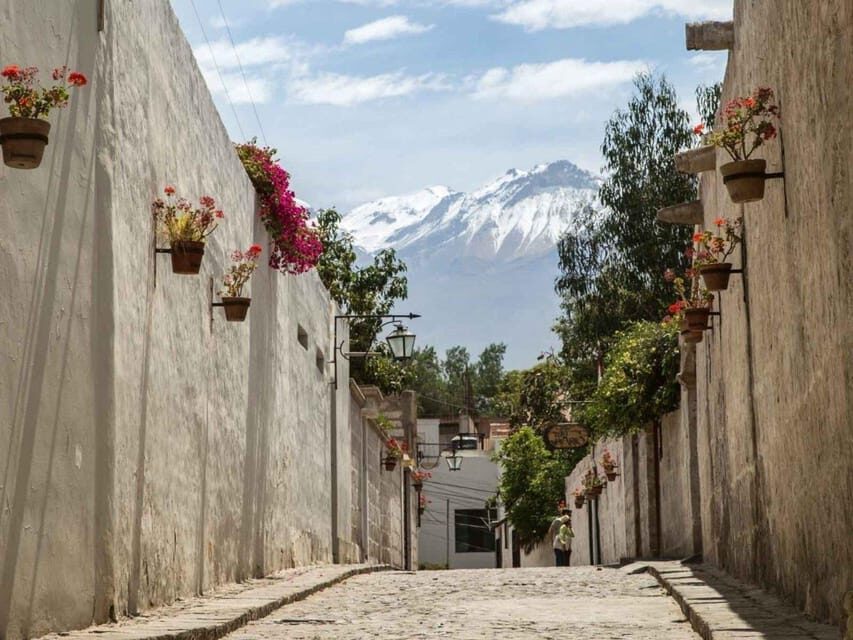
- City Center Courtyards, Mansions, and Old Gardens
- El Puente Grau Volcano View: The Backdrop You Came For
- Mundo Alpaca (Alpaca World): Llamas, Alpacas, Suri, and Vicuñas
- San Lázaro Neighborhood: The White City’s Early Footprint
- Finishing Near Plaza de Armas and Optional Add-Ons
- Price and Value: How $10 Turns Into a Real Deal
- Tour Pace, Languages, and Who This Walk Works For
- Should You Book This Historic Center Walk?
- FAQ
- Where do I meet for the tour?
- How long is the walking tour?
- How much does the tour cost?
- What does the $10 price include?
- Do I need to pay extra for major museum entries?
- What volcanoes can you see from the viewpoint?
- What animals will I see at Mundo Alpaca?
- Can I buy alpaca fabric on the tour?
- What languages are available for the guide?
- What’s the cancellation policy?
Why This Walk Feels Like a Perfect First Day in Arequipa
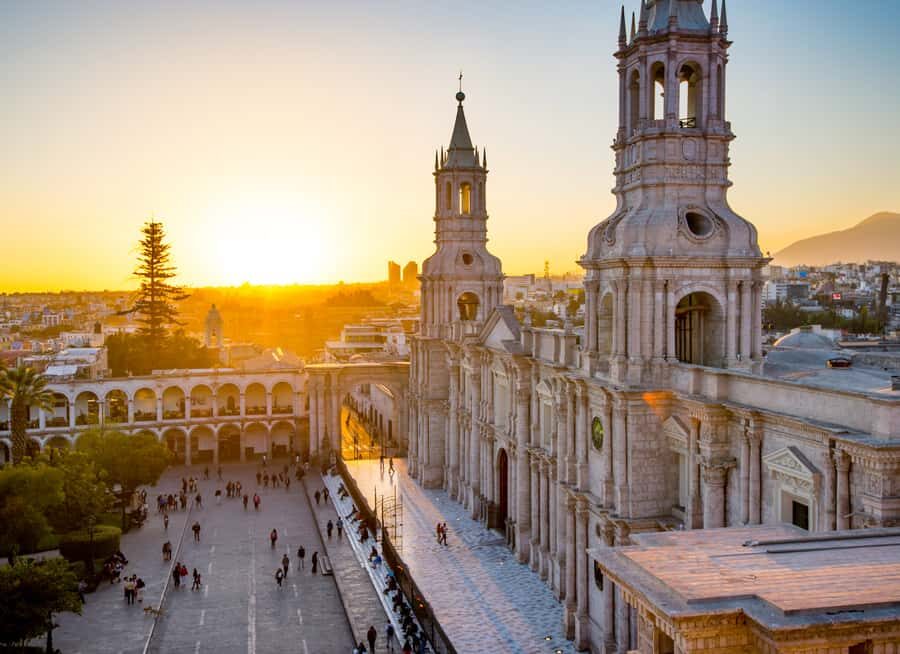
This tour is built for getting your bearings fast. You start near the main square, then work outward through the older neighborhoods and back again, so the city layout makes sense by the end. Along the way, you get multiple “I get it now” moments: the architecture, the volcanic backdrop, and how these towns connect into what people call the White City.
Key Highlights You Should Care About
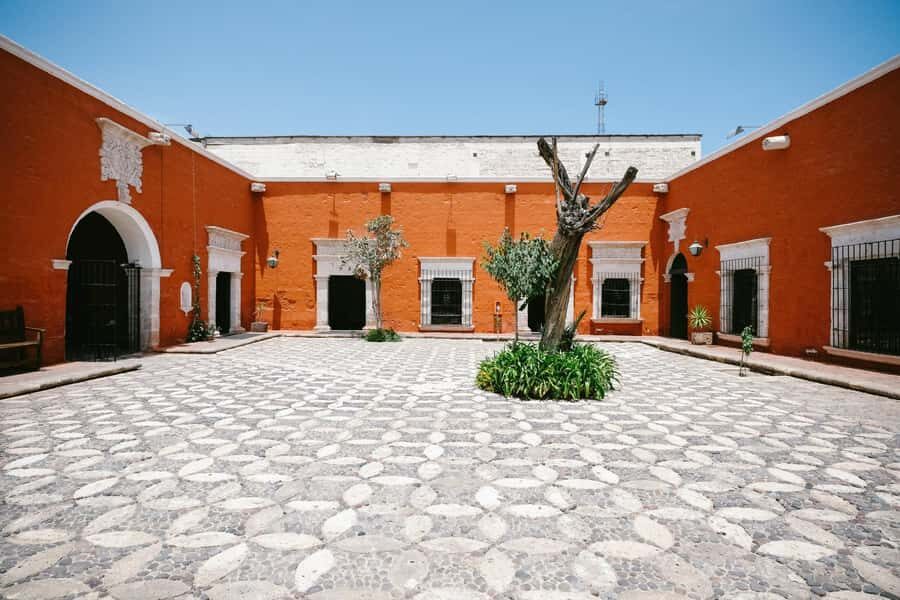
- Plaza de Armas storytelling: traditional arches and portals explained in context, not just dates.
- Cloisters of the Company: a calm, beautiful architectural stop that changes the pace.
- Volcano viewpoint from El Puente Grau: you’re positioned for sightlines toward Misti, Chachani, and Pichu Pichu.
- Alpaca World (Mundo Alpaca): a small camelid setting with llamas, alpacas, Suri, and vicuñas.
- San Lázaro neighborhood: tied to the early roots of Arequipa and its founding story.
- Optional museum add-ons: Santa Catalina Convent or the Juanita mummy, if you want deeper time inside.
You can also read our reviews of more walking tours in Arequipa
Meeting at Santa Catalina Street and the Easiest Way to Find Your Guide
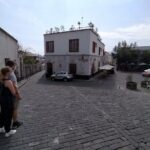
You’ll meet at Santa Catalina Street #204, just about one block from Plaza de Armas. The guide is easy to spot: they’ll be holding an umbrella.
This small detail matters. Arequipa’s historic center has lots of similar-looking streets and entrances, so having a clear meeting point cuts stress. If you’re arriving from a hotel nearby, give yourself a few extra minutes so you can check the street name and get oriented before the group starts walking.
Plaza de Armas: Where Arequipa’s Identity Starts
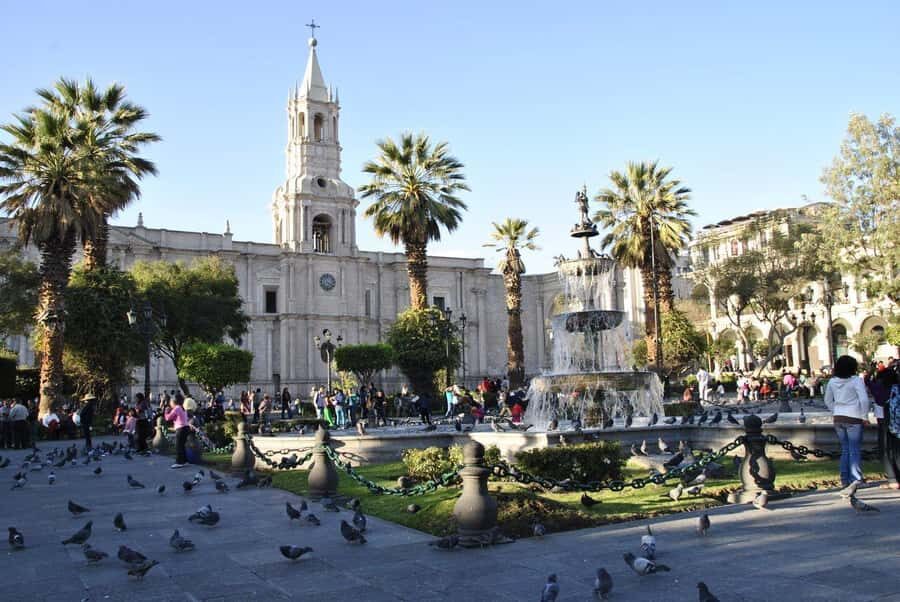
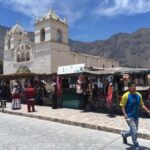
The tour kicks off at the main Plaza de Armas, the center of gravity for the historic city. You’re not just walking past it—you get a guided look at the traditional arches and portals that surround the square.
What I like about this first stop is how it sets the tone. Arequipa’s layout can feel complex until someone explains why key buildings sit where they do. Once you understand the plaza’s role as a civic and social hub, the rest of the walk feels logical: you’re moving through connected spaces, not hopping between random landmarks.
Also, the plaza is a great baseline for photos. Even if the rest of your trip has more viewpoints, the plaza anchors your memories with the city’s most recognizable scene.
Cloisters of the Company: Beauty With a Breather Between Streets
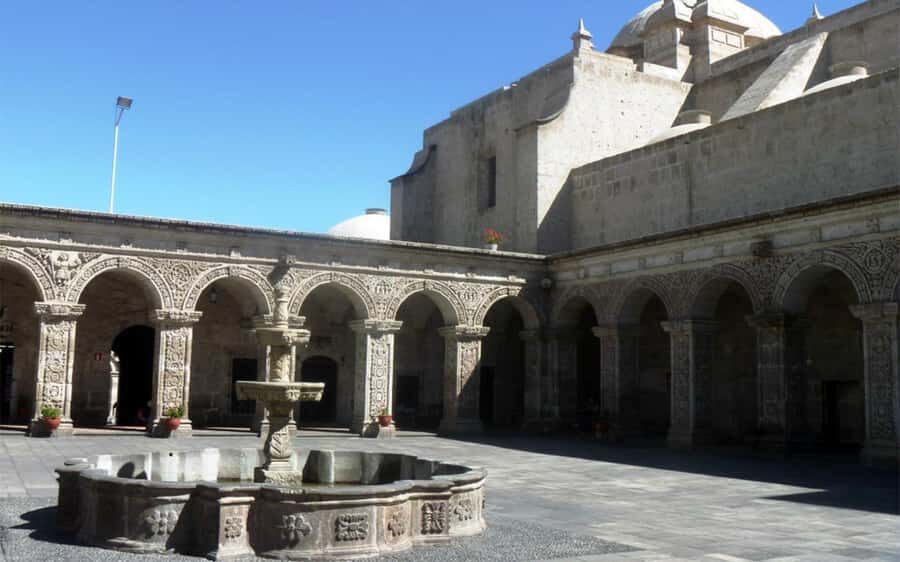
Next comes one of those stops that changes the mood. The tour visits the Cloisters of the Company, described as an architectural beauty.
A good cloister is all about pause. You’ll likely feel the difference right away—less street noise, more stone, open air, and a calmer rhythm. It’s the kind of place where you can slow your steps, listen to the guide, and look at details you’d miss wandering alone.
If you tend to rush on tours, this is the moment to take a slow look. The value here is the explanation you get while you’re standing in the space, not after.
City Center Courtyards, Mansions, and Old Gardens
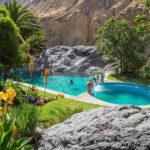
After the cloisters, you’ll keep walking through charming areas near the city center: old mansions and city gardens, plus little landscapes tucked close to the street.
These kinds of stops are quietly useful. They teach you what “historic Arequipa” feels like beyond the headline monuments. You’ll start spotting the city’s texture—how buildings open to courtyards, how walls and gates create privacy, and how gardens soften the urban feel.
One practical note: because these are smaller sights, you may only get short photo moments. If you’re trying to get that perfect shot, keep your camera ready as you move.
You can also read our reviews of more historical tours in Arequipa
El Puente Grau Volcano View: The Backdrop You Came For
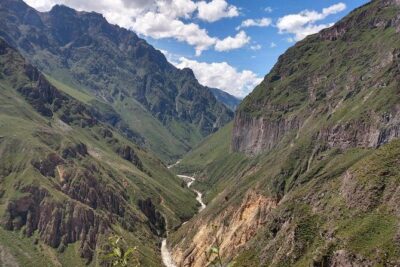
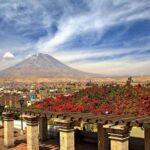
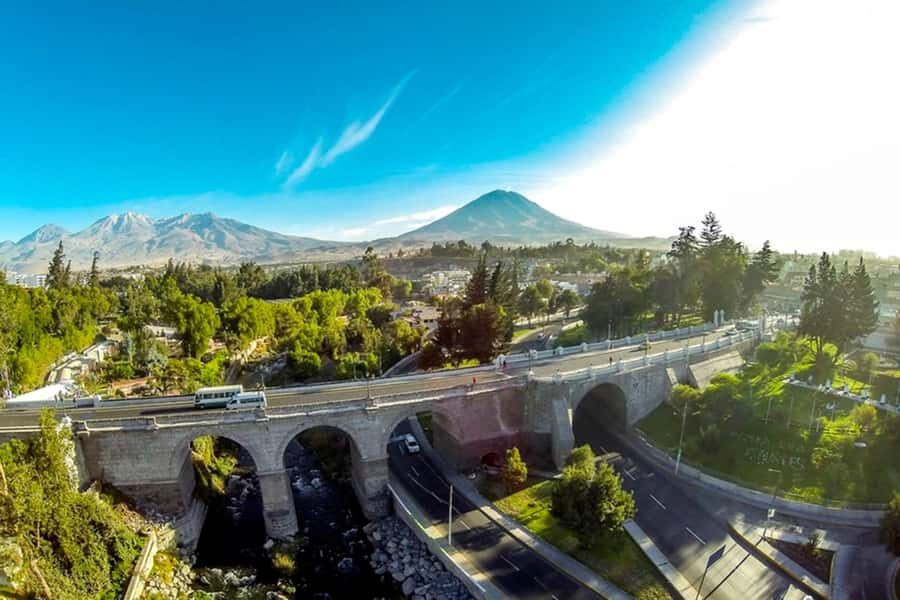
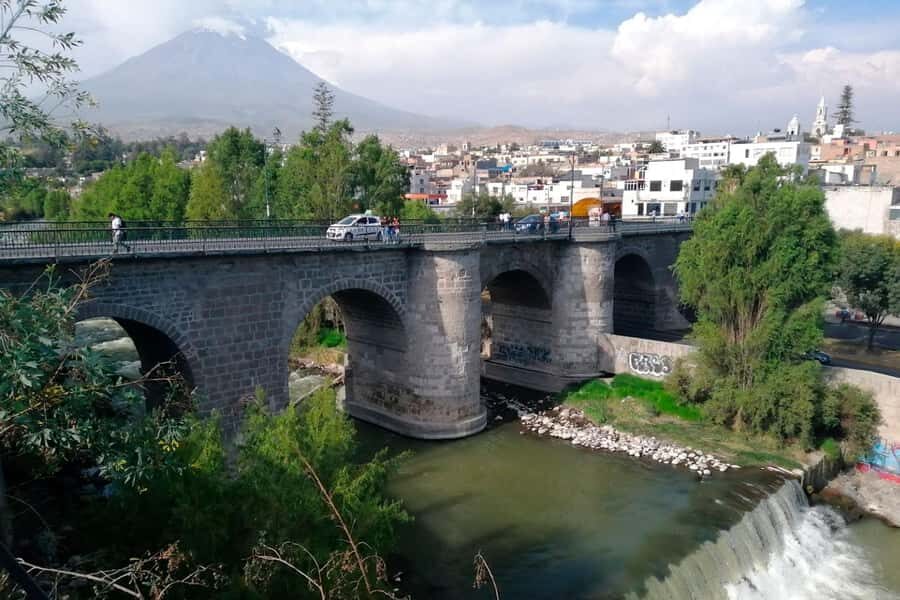
Then you reach a strategic viewpoint: El Puente Grau, where you can observe the volcanoes, including Misti, Chachani, and Pichu Pichu.
The best part of a viewpoint stop on a walking tour is timing and positioning. You’re not traveling in a vehicle to a single spot. Instead, you walk into the view from the city streets, so the volcanoes feel like part of daily life—not just scenery in the distance.
If the weather is clear, this is where the city suddenly clicks. Arequipa’s identity isn’t only buildings. It’s the way your eye keeps finding the mountains behind everything.
Mundo Alpaca (Alpaca World): Llamas, Alpacas, Suri, and Vicuñas
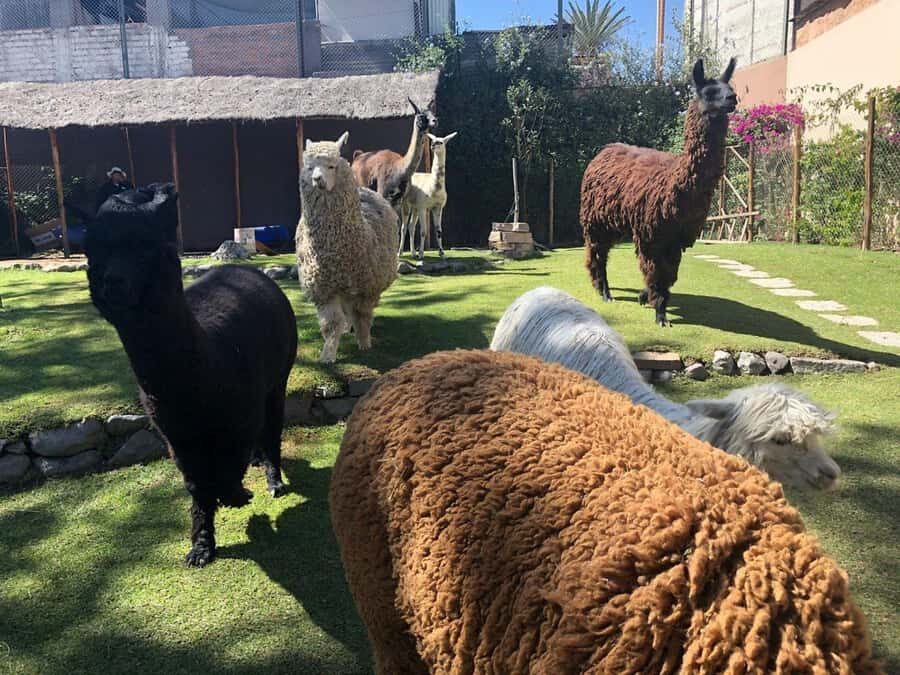
Now for a change of pace: Mundo Alpaca / Alpaca World. You’ll visit an older breeding farm setup for camelids, including llamas and alpacas, plus Suri and Vicuñas. It also includes a small zoo-style experience with camelids.
I really like this kind of stop because it breaks the “historic center loop.” After stone, arches, and courtyards, you get a hands-on, living animal moment. And it’s not just a quick pass-through. The tour experience is set up to let you see how these animals fit into Andean life.
There’s also an optional side benefit: you can buy fabrics made from the fiber at the same location. If you’re the type who likes practical souvenirs (not just magnets), this is a reasonable place to shop while the subject is still fresh in your mind.
San Lázaro Neighborhood: The White City’s Early Footprint
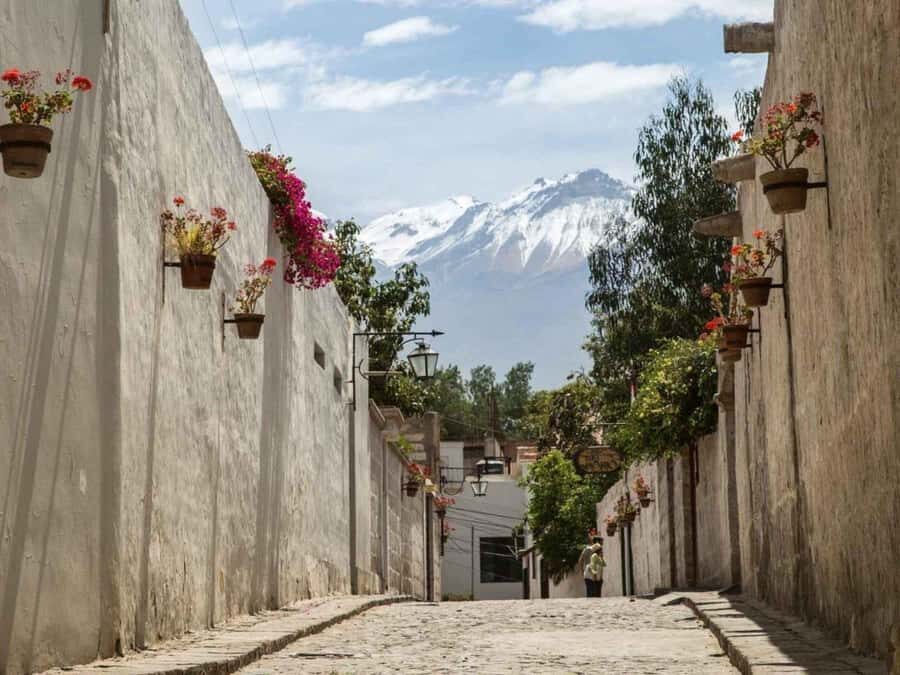
Next is the San Lázaro neighborhood, described as the first town where the White City was founded. That’s a big claim, and on the walk it helps you understand the direction of growth—how Arequipa expanded from early roots into the historic center you’re exploring.
This part of the tour is often valuable because it’s less about famous monuments and more about identity. You’ll be walking through an area that connects the city’s origin story to its present-day streets and character.
If you enjoy history but don’t want heavy museum time, this stop is a good balance. It’s guided, but it stays walkable.
Finishing Near Plaza de Armas and Optional Add-Ons

You finish back near the center, close to Plaza de Armas, so you can keep exploring on your own afterward.
During the tour, you can coordinate extra time and pay separate costs to enter places like the Santa Catalina Convent or the Juanita mummy (plus other representative museums in the city). Those internal entries require internal guides, handled separately.
This “on-foot plus optional ticket” approach is smart. If you feel museum-heavy that day, you can deepen your visit. If you’d rather keep your day light, you still get the full walking circuit.
Price and Value: How $10 Turns Into a Real Deal
The tour price is listed at $10 per person, and the key point is how it’s structured. You pay a low reservation amount, and then at the end you provide a voluntary tip to the guide to help cover operating costs and maintenance for the places you visit.
That can sound vague until you think about what you actually receive: a professional guide, walking time, and entrance access to the stops included in the route. When you add a tip, the total usually ends up still feeling like good value compared to paying for multiple separate attractions in the city.
One practical budgeting tip: plan to have cash on hand for tipping. Some participants have mentioned an expected range around 30–50 soles per person. You don’t have to follow any one number, but having that kind of amount ready keeps the ending of the tour stress-free.
Also remember: the tour already includes entrances for the scheduled stops. The optional parts (convent, Juanita mummy, and other museums) are where extra money might be needed.
Tour Pace, Languages, and Who This Walk Works For
This is a walking tour designed for a total duration of about 2 hours (some people note it can run a bit longer, like around 2.5 hours). You’re moving through the historic center, so expect comfort-level walking shoes.
Language options are English and Spanish with a live guide.
Who it fits best:
- First-time visitors who want a fast orientation in Arequipa.
- Travelers who like explanations tied to places they can see immediately.
- People who want both culture and a short animal encounter in the same outing.
- Anyone planning to explore more later, since you’ll end near Plaza de Armas with a clearer map in your head.
Should You Book This Historic Center Walk?
If you’re trying to make the most of limited time, I’d say yes. This tour is a strong fit because it mixes the city’s most iconic anchors (Plaza de Armas), quieter architecture (cloisters), a real nature payoff (volcano viewpoint), and a fun detour (alpacas and camelids). You get a guided framework for Arequipa that helps the next day’s wandering make sense.
I’d only hesitate if you prefer long museum stays or you hate walking with no real sitting breaks. The whole point here is motion and explanation over speed.
If you book, do two simple things: bring comfortable shoes, and plan a bit of extra cash for the end tip and any optional museum entries you want.
FAQ
Where do I meet for the tour?
Meet at Santa Catalina Street #204, located about one block from Plaza de Armas in Arequipa. The guide will be recognizable by an umbrella.
How long is the walking tour?
The tour duration is listed as about 2 hours total.
How much does the tour cost?
The price is $10 per person.
What does the $10 price include?
It includes a professional guide, a walking tour, and entrance to the places of visit included in the route. The guide also notes that you pay a reservation amount and then tip voluntarily at the end.
Do I need to pay extra for major museum entries?
Yes, for optional add-ons you’ll pay separate costs and use internal guides. Examples mentioned include the Santa Catalina Convent and the Juanita mummy, along with other representative museums.
What volcanoes can you see from the viewpoint?
The tour includes a view from El Puente Grau with the possibility of seeing Misti, Chachani, and Pichu Pichu.
What animals will I see at Mundo Alpaca?
You’ll visit Mundo Alpaca / Alpaca World, described as having a small zoo of camelids such as llama and alpaca, including Suri and Vicuñas.
Can I buy alpaca fabric on the tour?
Yes. The tour description says you can optionally buy fabrics made from the fiber at Mundo Alpaca.
What languages are available for the guide?
The live guide is available in English and Spanish.
What’s the cancellation policy?
There is free cancellation up to 24 hours in advance for a full refund.