REVIEW · AREQUIPA
Arequipa Walking Tour city center and drinks experience
Book on Viator →Operated by Paolo Corrales · Bookable on Viator
Tea, textiles, and a UNESCO stroll. This is a small-group walking tour of Arequipa’s center that pairs big-site sights with hands-on culture, all run from Plaza de Armas by Paolo Corrales. You start with an alpaca-focused stop where you learn why fiber still matters, and you can even pet and feed the animals.
I especially liked the way the tour mixes practical culture with simple breaks. At the UNESCO-listed historic core, you’ll walk through volcanic-stone religious and civilian architecture, then pause for tea and Peruvian chocolate to keep your energy up. The rooftop finish adds a payoff view over the city and volcanoes without turning the day into a marathon.
One thing to consider: you’ll be walking outdoors and time can feel warm in the sun, so plan for heat and sun. If you’re sensitive to glare, bring sun protection and expect some stretches with limited shade.
In This Review
- Key Takeaways
- Why This Arequipa Walk Feels Like a Real City Day
- Plaza de Armas Start Point: The Easiest Way to Begin
- Mundo Alpaca Arequipa: Fiber, Natural Dyes, and Animal Time
- Walking the UNESCO Historic Centre: Volcanic Stone and Why It Matters
- The chocolate and tea reset
- Fundo El Fierro: The Old Colonial Neighborhood With a Peculiar Street Pattern
- Plaza de Armas Rooftop Viewpoint: Sunset Over the City and Volcanoes
- Price and What You’re Really Getting for $10
- What to Bring for an Arequipa Walking Day
- Who This Tour Suits Best (and Who Might Skip It)
- Meet the Guides: Paolo Corrales and the Human Touch
- Should You Book This Arequipa Tour?
- FAQ
- How long is the Arequipa walking tour?
- How much does the tour cost?
- Where do I meet, and where does the tour end?
- What are the main stops during the tour?
- Is admission included for the stops?
- What snacks or drinks are included?
- What if I need to cancel?
Key Takeaways
- Alpaca time at Mundo Alpaca Arequipa with alpaca-fiber context and a chance to interact with the animals
- UNESCO historic center on foot through churches and civilian buildings made from volcanic materials
- Tea and Peruvian chocolate snack break built into the walk, not tacked on at the end
- Old colonial streets at Fundo El Fierro with a distinctive street layout and festival atmosphere
- Rooftop viewpoint sunset to see the city and surrounding volcanoes, with a short but scenic finale
- Max 10 travelers so your guide can adjust pace and answer questions
Why This Arequipa Walk Feels Like a Real City Day
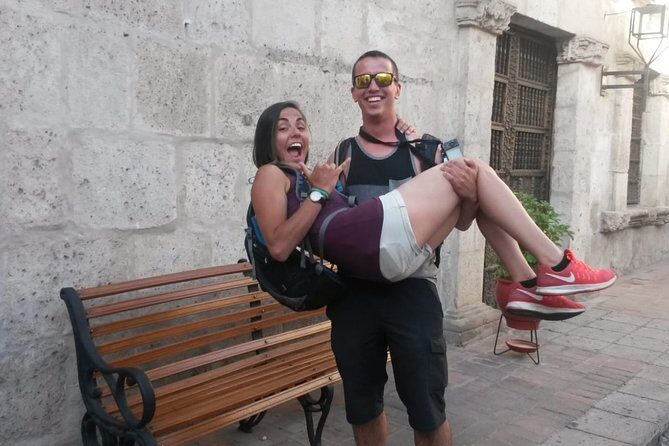
Arequipa’s center is compact, but it can still feel confusing the first day. This tour helps you stitch it together fast: you get landmarks in a logical route, plus the “why” behind what you’re seeing. And because the group stays small (up to 10 people), you’re not just marching behind a flag.
The best part is how it balances three different kinds of stops: animals and textiles, historic architecture, then a viewpoint payoff. That mix matters. It keeps the walking from becoming only stone-and-stairs, and it gives you a reason to keep looking at details instead of just rushing from one photo spot to the next.
I also like that it doesn’t treat food as an afterthought. You’re offered coffee and/or tea with chocolate snacks, and that break shows up right when you’d naturally need a reset during the long stretch in the historic area.
You can also read our reviews of more walking tours in Arequipa
Plaza de Armas Start Point: The Easiest Way to Begin
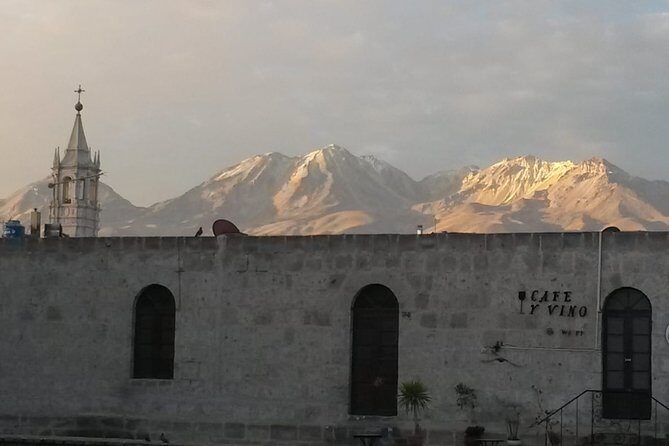
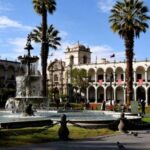
Your day begins and ends at Plaza de Armas Arequipa, the main square in the city center. That’s a smart choice for a walking tour because you’re not trying to track down some obscure pickup location. It also means you can easily plan your morning around it, then head back afterward for lunch or more exploring.
From the plaza, the route gradually “zooms in” on Arequipa. You’ll get a feel for how the historic core is laid out, then you’ll swing through neighborhoods that feel older and more local. Ending back at the same place is convenient too. After a couple of hours of walking, it helps to know you’re already near the restaurants, cafes, and taxis you’ll want next.
Because the tour is near public transportation, it’s also a good option even if you’re not staying right beside the square. You can usually connect to central routes without too much hassle.
Mundo Alpaca Arequipa: Fiber, Natural Dyes, and Animal Time
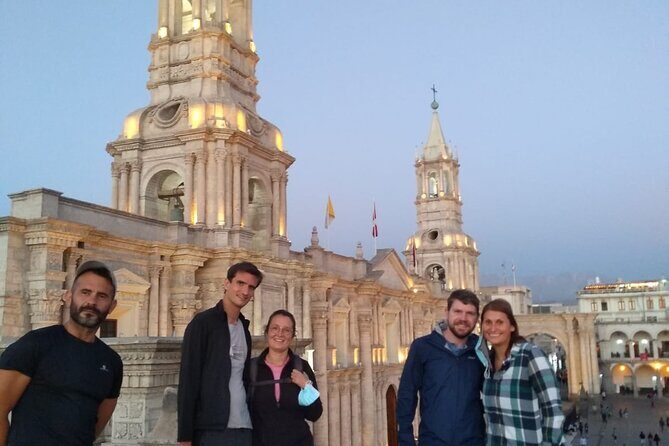
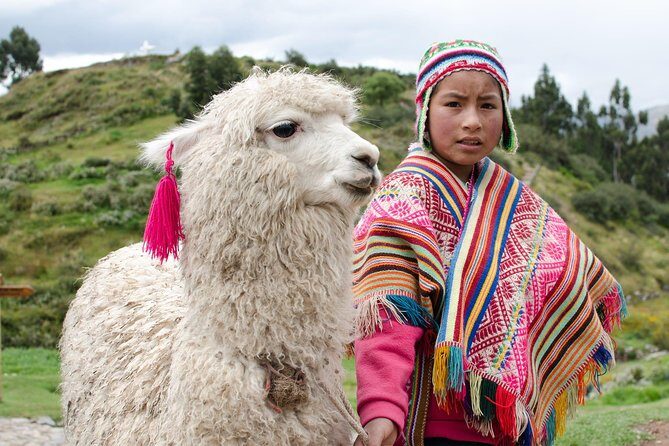
The first stop is Mundo Alpaca Arequipa. This is where the tour turns from “look at buildings” into “understand a living tradition.” You’ll learn why alpacas matter in South America, with a focus on Peru and the fibers that have been prized for generations.
What makes this stop especially fun is the tactile side. You’ll have a chance to see handmade textiles and learn about the use of natural dyes made by Andean communities. Then, if you enjoy animals, this is the part many people remember most. Expect time that includes petting and feeding the alpacas, which is a rare bonus in a city-center walking tour.
A small timing note: this part is about 20 minutes. That’s short enough to keep things snappy, but long enough to see the key ideas and interact. If you want a longer alpaca experience, you might add separate time on your own later—but as a first stop, it sets the tone without dragging.
If you’re sensitive to animal handling, just go at your own comfort level and watch how the staff and guide manage the interaction.
Walking the UNESCO Historic Centre: Volcanic Stone and Why It Matters
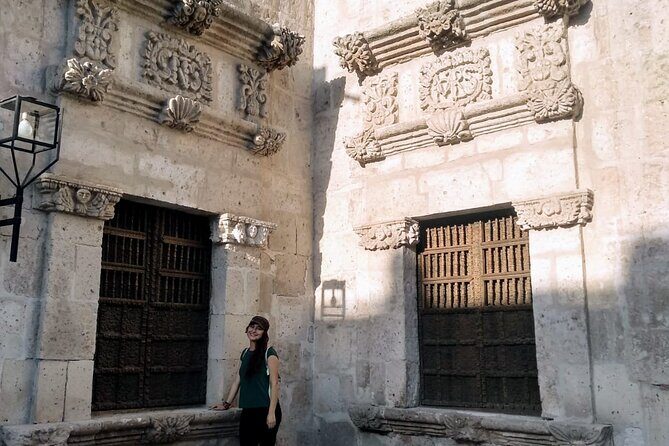
The heart of the tour is the Historical Centre of the City of Arequipa, a UNESCO World Heritage Site since 2000. You’ll spend about 1 hour 40 minutes here, which is a good amount of time to absorb the look and the logic of the area instead of just snapping pictures and moving on.
The guide focuses on religious and civilian architecture built from volcanic materials. That single detail changes how you view the whole city. Instead of seeing Arequipa as generic colonial-era buildings, you start to notice the consistency in materials and style, and how that shapes the look of streets and facades.
You’ll also get context for how past and present connect. That means the buildings feel less like museum objects and more like the backdrop of daily life. It’s the kind of explanation that helps you later when you walk through the center on your own.
The chocolate and tea reset
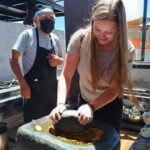
In the middle of this historic stretch, there’s a break for tea and delicious Peruvian chocolate. This matters more than it sounds. It keeps the tour from feeling like nonstop sightseeing, and it turns your time in the historic core into something you can actually enjoy, not just endure.
If you’re traveling with kids or if you’re arriving from a high-altitude morning, this snack-and-tea moment can make the rest of the walk much easier.
You can also read our reviews of more city tours in Arequipa

Fundo El Fierro: The Old Colonial Neighborhood With a Peculiar Street Pattern
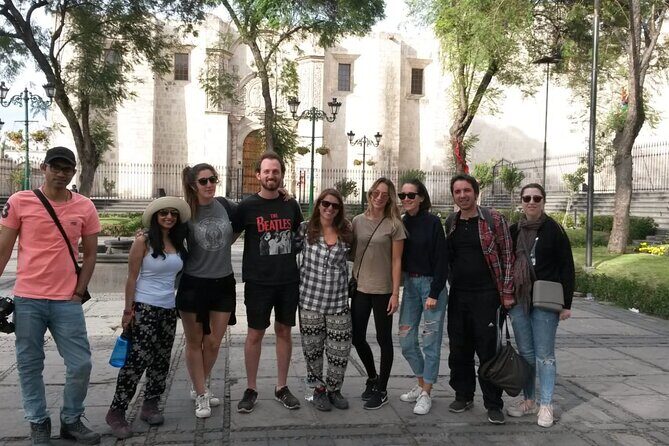
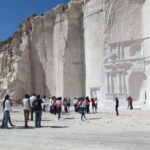
Next comes Fundo El Fierro, described as the oldest colonial neighborhood in the city. It’s about a 30-minute stop, and it’s centered on the neighborhood’s street design—said to be peculiar—and what that meant historically for Arequipa.
This is a good counterbalance after the longer historic center segment. The vibe shifts from major architecture viewpoints to something more “neighborhood-scale.” You get to see how older streets can feel different underfoot: tighter turns, older layouts, and a sense of why locals might spend time here.
The tour also mentions that important festivals are organized in this area. Even if you’re not visiting during a festival, that detail helps you understand why the neighborhood’s character sticks. It isn’t only about buildings; it’s about community rhythms.
Plaza de Armas Rooftop Viewpoint: Sunset Over the City and Volcanoes
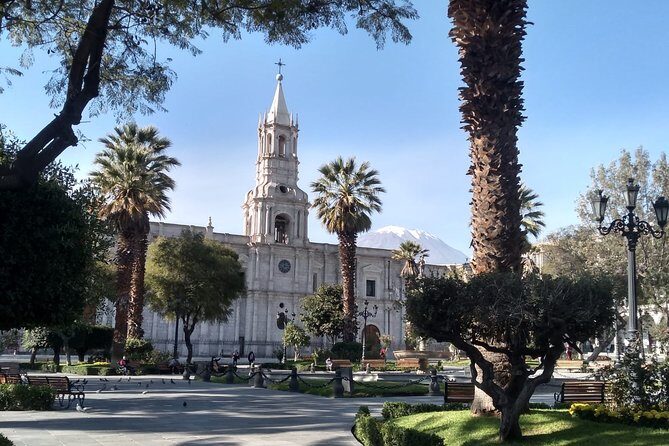
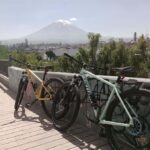
You finish with a rooftop viewpoint over the city and the surrounding volcanoes, with a sunset focus. The time here is brief (about 7 minutes), so this isn’t the place to expect a long, slow linger. Think of it as a final photo and a final breath before you head back to the square.
That short rooftop window is a smart trade. It gives a high payoff without turning the tour into a “wait around for sunset” situation. If the sky cooperates, you’ll walk away with that classic Arequipa look—warm light hitting volcanic-stone buildings and the volcano silhouettes framing the scene.
If you’re planning your own evening, use this moment to decide what you want to do next. After you see the city from above, it becomes easier to pick an area for dinner and an easy walking path back.
Price and What You’re Really Getting for $10
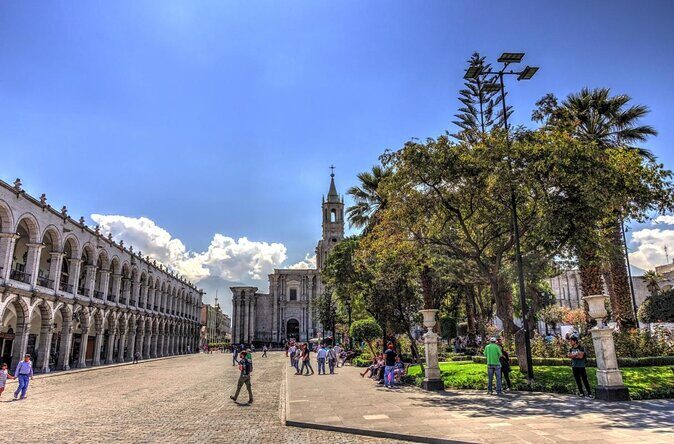
At $10 per person for around 2 hours 37 minutes, this tour is priced for value, not exclusivity. You’re paying for more than a walk. You get:
- Admission covered for the UNESCO historic center segment
- Admission included for the rooftop viewpoint segment
- A snack break with tea and Peruvian chocolate
- An alpaca-focused cultural stop with hands-on interaction opportunities
The key here is that the tour bundles several “worth paying for” pieces into one route. If you tried to assemble this yourself—guided explanations for UNESCO sites plus alpaca textile learning plus a coordinated snack break—you’d likely spend more and still struggle to connect the dots without local help.
Also, the guide group size (max 10) matters at this price. Smaller groups usually mean fewer awkward pauses and more chance to ask questions, especially in a city like Arequipa where details are part of the payoff.
What to Bring for an Arequipa Walking Day
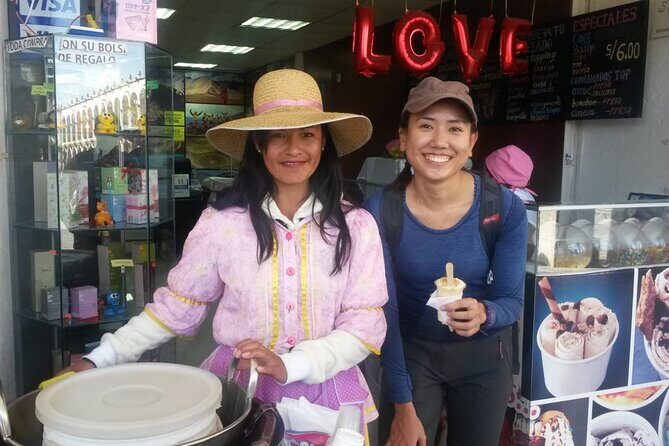
This tour stays in the city center and moves on foot, so comfort matters. You’ll want to be ready for sun and uneven urban walking surfaces.
Bring:
- A hat or cap and sunscreen (the sun can hit hard)
- Water, even if a snack break is included
- Comfortable shoes with grip
- A light layer if evenings cool off after sunset viewing
I’d also suggest having cash or card for your own drinks later. The tour includes tea and/or coffee with chocolate snacks, but it doesn’t list a full meal.
If you get hot easily, take advantage of any moments your guide offers for shade and pacing. One of the guide notes from past participants is that shade can be found when the sun gets intense, and it makes a noticeable difference.
Who This Tour Suits Best (and Who Might Skip It)
This tour is a strong fit for:
- First-time visitors who want an organized intro to Arequipa’s center
- People who like history explained in plain language, not just dates
- Travelers who enjoy animals and want more than a photo stop
- Anyone who wants a food break included in the schedule, not “figure it out later”
It may be less ideal if:
- You hate walking in heat or sun, since much of the day is outdoors
- You want a super long alpaca experience, because the alpaca/textile stop is short
- You prefer unhurried sightseeing, since the rooftop sunset is brief by design
If you’re the kind of traveler who likes to ask questions, this works well. Guides here tend to answer more than you expect and offer practical ideas for what to do next in Arequipa.
Meet the Guides: Paolo Corrales and the Human Touch
The tour is provided by Paolo Corrales. You’ll also see guide names like Paolo and Jorge mentioned in participant accounts, which is a clue that the experience is guided by real people who care about the city.
What stands out is how the tour style feels personal rather than scripted. People talk about guides as funny, enthusiastic, and attentive to pacing—especially when the sun gets harsh. That matters because the best tours aren’t only about where you go. They’re about whether you feel taken care of during the walk.
Should You Book This Arequipa Tour?
Book it if you want a fast, high-value introduction to Arequipa’s center: UNESCO architecture on foot, a culture-and-fiber stop at Mundo Alpaca, a tea-and-chocolate break, and a rooftop sunset finish. At $10 with a max of 10 travelers, you’re getting a lot of structure for the money.
Skip it (or pair it differently) if you’re extremely heat-sensitive or if you want long, slow stops. This is built for a moving itinerary and a short rooftop payoff—not for staying in one place for half a day.
If it’s your first day in Arequipa, this tour is the kind of grounding experience that makes the rest of your trip easier.
FAQ
How long is the Arequipa walking tour?
The tour is about 2 hours 37 minutes long (approx.), with time split across alpacas, the UNESCO historic center, Fundo El Fierro, and a short rooftop sunset viewpoint.
How much does the tour cost?
The price is $10.00 per person.
Where do I meet, and where does the tour end?
The tour starts and ends at Plaza de Armas Arequipa (the main square) in the central part of the city.
What are the main stops during the tour?
You’ll visit Mundo Alpaca Arequipa, the UNESCO Historical Centre of the City of Arequipa, Fundo El Fierro, and then finish at a rooftop viewpoint for sunset over the city and volcanoes.
Is admission included for the stops?
For Mundo Alpaca Arequipa and Fundo El Fierro, admission is listed as free. Admission is included for the UNESCO historic center portion and for the final rooftop viewpoint segment.
What snacks or drinks are included?
The tour includes coffee and/or tea plus chocolate snacks.
What if I need to cancel?
Free cancellation is offered up to 24 hours in advance for a full refund. If it’s canceled because of a minimum traveler requirement, you’ll be offered another date/experience or a full refund.