REVIEW · AREQUIPA
Colca Canyon Plus
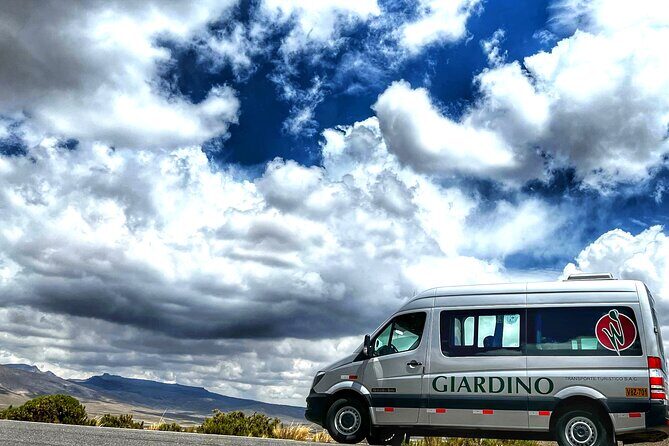
Book on Viator →Operated by Giardino Tour Operator · Bookable on Viator
If you love big views and tiny surprises, this Colca Canyon trip fits. It’s built around the Andes above Arequipa: wild vicuñas, volcanic panoramas, and the famous Cruz del Cóndor condor viewpoint, plus a culture-focused stop in Coporaque with activities at La Casa de Mamayacchi. I also like that the small-group feel (max 14) tends to make the day feel organized, and you may get guides like Antonio San Cristobal (with friendly driver Derly) who are praised for explaining what you’re seeing and keeping the ride smooth.
The only real drawback to flag is altitude. You’ll hit points around 4,400m and 4,910m, and the optional town walk in Coporaque is timed with altitude in mind, so pace yourself.
In This Review
- Key highlights you should care about
- Why this 2-day Colca Canyon Plus works for first-timers
- Day 1: Salinas y Aguada Blanca Reserve, vicuñas, and the Puruña stone forest
- The Andean plant and alpaca-fiber stop in a local restaurant
- Abra Patapampa and Pata Pampa (4,910m): the high-point viewpoint day
- Coporaque at 3,651m: terraces, La Casa de Mamayacchi, and optional walking
- Overnight in Chivay area: what you get and why timing helps
- Day 2: Cruz del Cóndor early start, short canyon walk, then terraces and models
- Price and entrances: what your $103.85 does and does not cover
- Logistics that matter: altitude, walking pace, and group size (max 14)
- Who this tour suits best (and who should think twice)
- Should you book Colca Canyon Plus?
- FAQ
- What is the duration of Colca Canyon Plus?
- Where does the tour take place?
- How much does it cost?
- What is included in the price?
- Are meals like lunch and dinner included?
- Is the Mirador Cruz del Cóndor entrance fee included?
- What is the maximum group size?
- How high does the itinerary go?
- Is there an optional activity in Coporaque?
- What happens if weather is bad?
- Can I arrange transport after the tour to Puno?
Key highlights you should care about
- Vicuñas in Salinas y Aguada Blanca: You stop often enough to spot them in their natural habitat.
- Puruña stone forest detour: Weird rock formations with extra panoramic photo angles.
- Abra Patapampa and Pata Pampa (4,910 m): High-point viewpoint with volcano sightings on clear days.
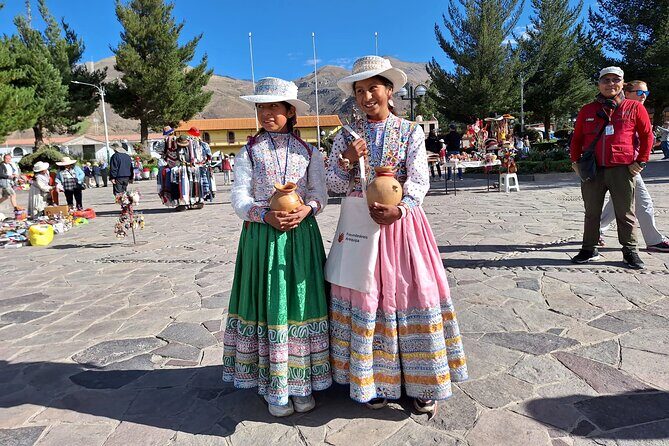
- Coporaque culture at La Casa de Mamayacchi: Try a typical dish prep and traditional costume time, plus an optional walk.
- Condors at Cruz del Cóndor: Early start, time for photos, then a short canyon-side walk.
- Hotel + breakfast included: You’re not scrambling for lodging in Chivay.
Why this 2-day Colca Canyon Plus works for first-timers
Colca Canyon is famous for condors, but the best trips don’t just rush to one viewpoint. This one strings together several altitude zones, so you’re not staring at the same scenery all day. Day 1 is about the high plain and wildlife—think vicuñas and huge sky. Day 2 shifts to the canyon and terraces, with that classic condor moment at Cruz del Cóndor.
Price-wise, it’s also structured well. You’re paying about $103.85 per person for roughly two days that include hotel lodging, breakfast, tourist transportation, and a professional guide. The main thing not covered is lunch and dinner, plus a specific entrance fee for Mirador Cruz del Cóndor ($22 per person). For many people, that makes the budget feel more predictable than tours that nickel-and-dime you at every stop.
And there’s a clear human element in the feedback. Guides are singled out for staying upbeat and explaining what you’re looking at, like the Mayan guide described as always smiling and in a good mood. Even if you don’t get the same team, it signals the operator’s focus: show up early, explain well, and keep things moving without feeling frantic.
You can also read our reviews of more tours and experiences in Arequipa.
Day 1: Salinas y Aguada Blanca Reserve, vicuñas, and the Puruña stone forest
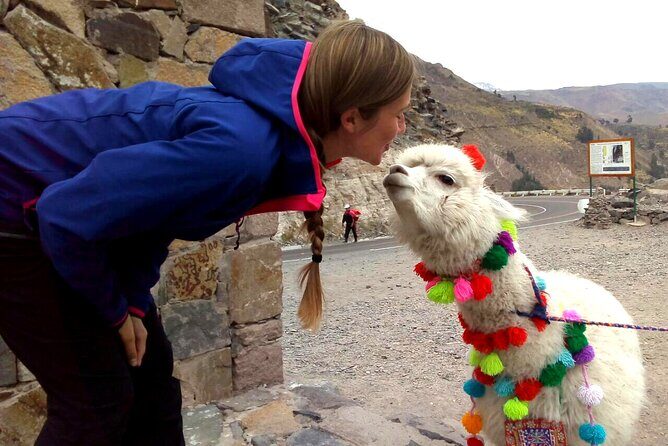
Your day starts with volcano views near Arequipa, before the route works its way toward the Salinas y Aguada Blanca National Reserve, specifically the Pampa Cañahuas area. At this stage you’re around 4,000m, and the point is simple: slow down and look for wild vicuñas. You don’t just pass by from the window. The plan includes several stops for observing them and taking photos.
Here’s why this stop is more than a wildlife checkbox. Vicuñas are one of the rare sights in Peru that feel genuinely wild, not “animal attraction” wild. If you’ve ever wondered what that looks like in real life, the reserve stops do the heavy lifting for you.
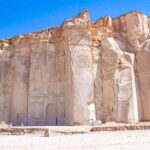
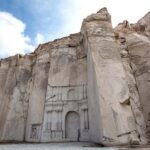
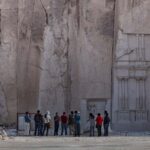
After that, you take a detour to Puruña, often described as a stone forest. You’ll spend time exploring the rock formations and get panoramic views from the reserve side. This is the kind of stop that adds variety: you’re not just watching scenery from one height. You’re changing vantage points and seeing the terrain’s textures.
Practical note: bring layers. Even when skies look calm, these elevations can feel sharp. Your guide can’t control the air, but you can control your comfort with a hat, gloves (if you run cold), and a wind layer.
The Andean plant and alpaca-fiber stop in a local restaurant
Between the viewpoints, the itinerary pauses at a local restaurant. You’ll get mate de coca and a presentation focused on how local women work with alpaca fiber and the use of Andean plants. It also includes restroom service, which matters more than it sounds at these altitudes.
This is a good “reset stop” in a travel day that otherwise could feel all-driving and all-looking. It also connects the dots between the reserve wildlife and the human economy around alpaca products. You don’t need to be a textile expert to appreciate the basics—watching the process explained on-site makes it more tangible than photos.
Abra Patapampa and Pata Pampa (4,910m): the high-point viewpoint day
Then comes the high plain. You’ll pass Tocra, noted as a high plateau above 4,400m, with lakes and wetlands where you might spot wild birds. From there you climb toward the tour’s highest point: Pata Pampa, also called a Viewpoint of the Andes, at 4,910m.
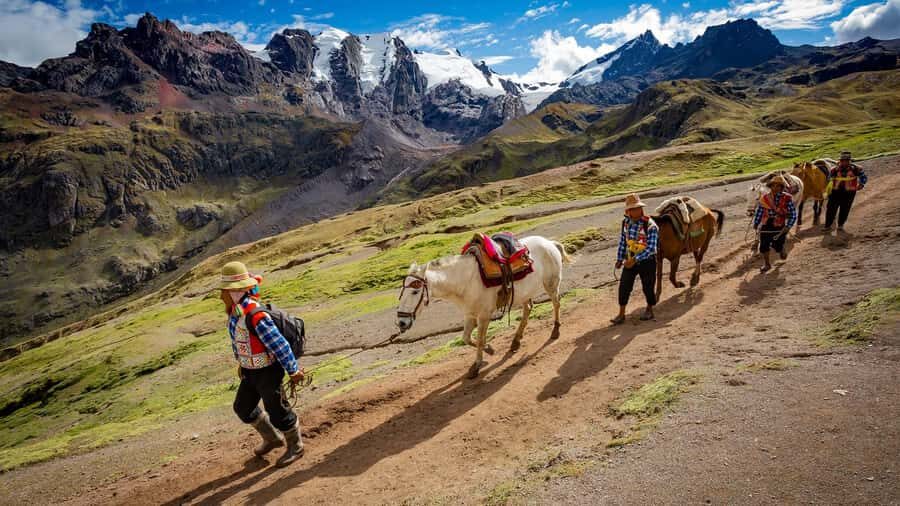
At Pata Pampa, you’ll see a big list of volcanoes (weather dependent, as always): Ampato, Sabancaya, Hualca-Hualca, Mismi, plus the Cordillera de Chila. Even if you can’t name every peak in the moment, the value is that you get an actual sense of scale—where everything sits, how far the ranges stretch, and why the canyon later looks so dramatic.
Two tips that help:
- Go slow when you get out of the vehicle. Short breaths beat heroic ones.
- Take photos early, then look with your eyes. Your brain needs a minute to adjust at this elevation.
Coporaque at 3,651m: terraces, La Casa de Mamayacchi, and optional walking
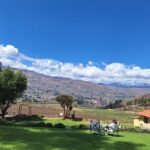
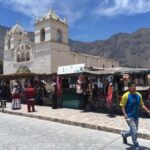
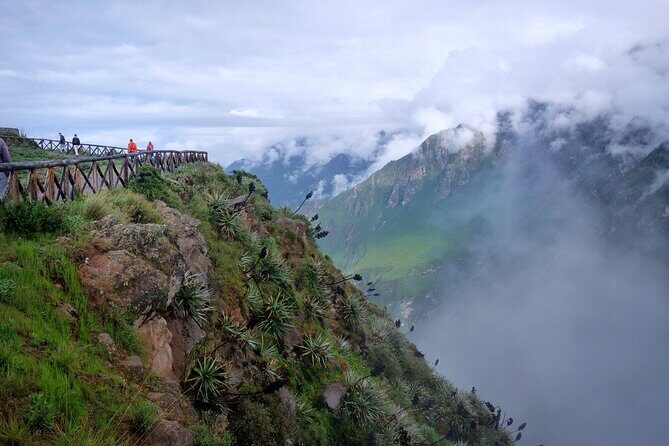
As you approach Chivay (3,651m), the mood shifts from high plain to canyon rhythms. You’ll start seeing the multicolor terraces of the Colca Valley, and you’ll pass through Chivay plaza briefly before continuing along the right bank of the canyon toward Coporaque.
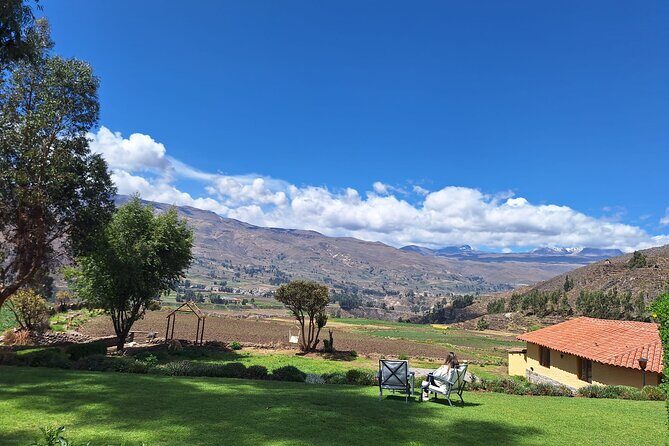
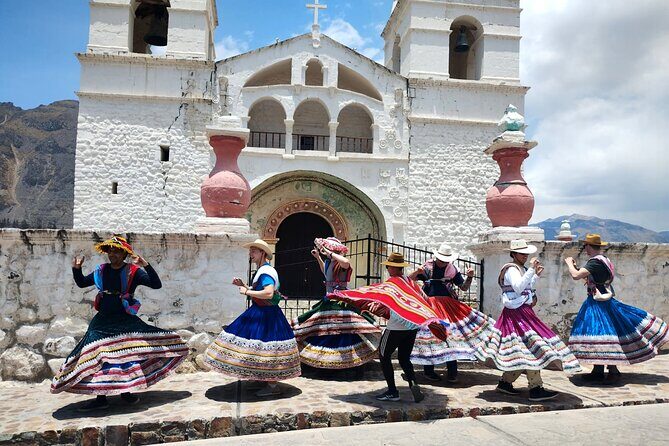
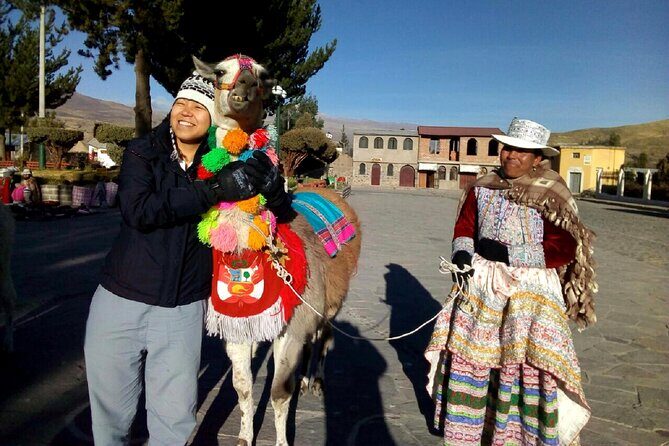
In Coporaque, you visit the lodge La Casa de Mamayacchi. You get free time for lunch there, and then the guide helps you with activities at the lodge—things like learning how to prepare a typical dish and trying on traditional costumes of the Colca Valley.
The optional part is the walk through Coporaque town and surroundings, about 1.5 hours, depending on how you feel about altitude. I like that this is explicitly framed as optional. It means you don’t have to “prove” anything to get your money’s worth. If you’re feeling heavy-headed, you can skip it and still enjoy the core cultural stop.
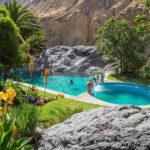
You can also request transport to thermal baths in town. That’s a real bonus for recovery at the end of Day 1—especially after spending so much time above 4,000m.
Overnight in Chivay area: what you get and why timing helps
The tour includes your hotel for the night, with double/twin room accommodation. That matters because Colca Canyon logistics can be messy if you have to arrange lodging yourself after a long day. Here, you arrive back to the hotel after Coporaque activities.
The other advantage is pacing. Day 1 ends with time to decompress. Day 2 starts early for condors, and you’ll want sleep before a sunrise-style schedule. If you’re traveling with limited vacation days, having the overnight built into the package is one less headache.
Day 2: Cruz del Cóndor early start, short canyon walk, then terraces and models
Day 2 begins with breakfast early, then the drive to Mirador Cruz del Cóndor. There’s usually a reason these trips go early: condors don’t show up on a strict tourist timetable, and you want the best chance when conditions are right.
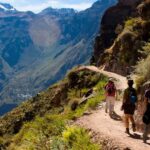
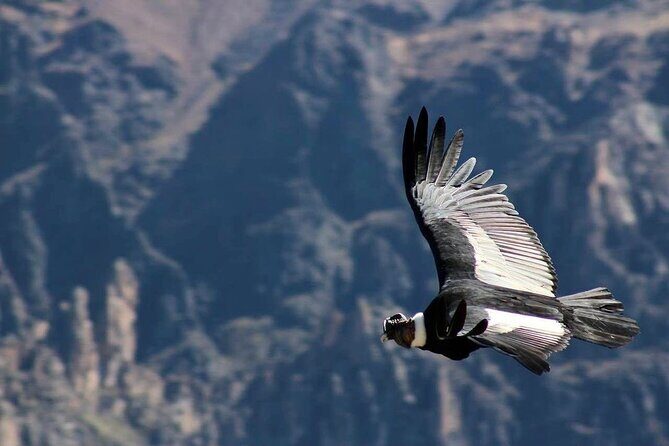
At Cruz del Cóndor, you’ll have time for canyon views and photos, including the chance to watch Andean condors gliding. After that, your guide leads a short walk near the canyon, about 1 hour. You’ll get more opportunities to appreciate the canyon and spot condors again from different angles.
Then the itinerary adds extra context beyond the main viewpoint. On the way back to Chivay, you visit:
- Pinchollo (a traditional village)
- Antahuilque viewpoint, where 1,500-year-old terraces can be observed
- Choquetico and a rock-carved model called the litomaqueta (a model of the canyon terraces carved in rock)
This is one of the smartest “plus” choices. The canyon is visually overwhelming. Adding terraces and a model helps your brain organize what you’re seeing, so you leave with more than just a highlight reel of dramatic cliffs.
Price and entrances: what your $103.85 does and does not cover
The headline number is attractive: $103.85 per person for a roughly two-day package. And for that you get:
- Breakfast
- Tourist transportation
- Professional guide
- Hotel (double/twin room)
Not included:
- Lunch and dinner
- Mirador Cruz del Cóndor entrance fee: $22 per person
So what should you budget? In practical terms:
- Plan for at least the $22 entrance.
- Plan meals on top (since lunch is explicitly not included, and the itinerary includes free time for lunch spots).
If you like simple budgeting, this tour is refreshing. You’re not paying multiple entry fees throughout the day—just the one noted canyon-view entrance.
Logistics that matter: altitude, walking pace, and group size (max 14)
This tour is listed for travelers with moderate physical fitness, and the route includes serious altitude points:
- Around 4,000m during the reserve stops
- Above 4,400m at Tocra
- The high point at 4,910m (Pata Pampa)
- Chivay at 3,651m
That altitude affects comfort more than your hiking ability, so plan your energy like it’s a marathon, not a sprint. If you’re the type who forgets to drink water, this is where you remember. Cold air and altitude can make you feel less thirsty while you’re actually drying out.
The group size is up to 14, which is a meaningful difference. With a small group, your guide can keep an eye on timing, adjust pace, and answer questions without a micromanage crowd-control vibe.
Restrooms are not guaranteed at every viewpoint, but you do have restroom service at the local restaurant during Day 1. For the rest of the day, treat bathroom breaks as a “when offered, take it” situation.
Who this tour suits best (and who should think twice)
This is a good match if you:
- Want a structured 2-day itinerary without having to coordinate transport between viewpoints
- Care about both wildlife and canyon scenery (not just condors)
- Like culture time in a village setting, including hands-on activities at La Casa de Mamayacchi
- Appreciate a small group experience
It might be a harder fit if you:
- React poorly to altitude (even if you’re not doing long hikes)
- Want a leisurely pace with zero walking, since there are timed walks near the canyon and an optional longer walk in Coporaque
One more note: this experience depends on good weather. If it gets canceled due to poor weather, you’ll be offered a different date or a full refund.
Should you book Colca Canyon Plus?
Book it if you want the best of Colca Canyon in two days: vicuñas and high viewpoints on Day 1, then condors, terraces, and layered canyon context on Day 2. The hotel + breakfast included package also makes it easier to manage your time and budget, especially with only one clearly noted entrance fee.
Skip it or be cautious if altitude is your biggest concern. The itinerary climbs to 4,910m, and while the walking options are built with that in mind, the air itself can still be the factor.
If you’re trying to decide between a bare-bones condor day and a fuller Colca experience, this one earns its “Plus.” You don’t just arrive, you learn the terrain—starting with wildlife in the reserve and ending with terraces and a rock model that explains the canyon’s design.
FAQ
What is the duration of Colca Canyon Plus?
The tour runs for about 2 days.
Where does the tour take place?
It’s in and around Arequipa, Peru, with time spent in the Colca Canyon area (including Chivay and Coporaque).
How much does it cost?
The price is $103.85 per person.
What is included in the price?
Included are breakfast, tourist transportation, a professional guide, and hotel lodging.
Are meals like lunch and dinner included?
No. Lunch and dinner are not included.
Is the Mirador Cruz del Cóndor entrance fee included?
No. The Mirador Cruz del Cóndor entrance fee is $22 per person, and it is not included.
What is the maximum group size?
This tour has a maximum of 14 travelers.
How high does the itinerary go?
You’ll reach high elevations, including about 4,000m, above 4,400m, and up to 4,910m at Pata Pampa.
Is there an optional activity in Coporaque?
Yes. There is an optional 1.5-hour walk in Coporaque and nearby areas depending on how you feel about altitude.
What happens if weather is bad?
The experience requires good weather. If it’s canceled due to poor weather, you’ll be offered a different date or a full refund.
Can I arrange transport after the tour to Puno?
The operator offers a transfer service from Chivay to Puno on Lake Titicaca, but you need to consult them to arrange it.