REVIEW · CUSCO
From Cusco: Uros Excursion to Uros Island – Taquile + Lunch.
Book on GetYourGuide →Operated by Viajeros a Peru · Bookable on GetYourGuide
Lake Titicaca is worth the long ride. I love the Lake Titicaca views from the boat and the Taquile lunch, but this tour is a serious time squeeze—plus the Uros experience can feel very staged for some people. Still, if you want to check off both islands fast, the format can work well.
You’ll be moving almost nonstop: night bus in both directions, a morning start from Puno, then a full day on the water and on Taquile. The day is guided in English or Spanish and capped at a small group size, but on the islands you may still be sharing space with other tour groups depending on the day’s schedule.
In This Review
- Key points before you go
- The Big Picture: Uros + Taquile in a One-Day Turnaround
- Cusco to Puno Overnight: Comfort, Timing, and Sleep Reality
- Morning in Puno and the Port Setup
- Uros Islands on Totora Reeds: What You’ll Actually See
- Taquile Island: The Walk, the Views, and the Lunch
- Getting Back to Puno: Ending Before the Evening Rush
- Price and Value: Is $150 Fair for This Setup?
- Group Size, Crowds, and the Taquile Hike Factor
- Tips to Make This Tour Feel Easier
- Who This Tour Fits Best
- Should You Book This Tour?
- FAQ
- FAQ
- How long is the tour?
- What time do you leave Cusco?
- When do you arrive in Puno?
- What happens in the morning after you arrive in Puno?
- What islands are included?
- Is lunch included?
- Is there a hike on Taquile?
- Are there any extra costs?
- Is pickup included in Puno and Cusco?
- What language is the guide?
Key points before you go
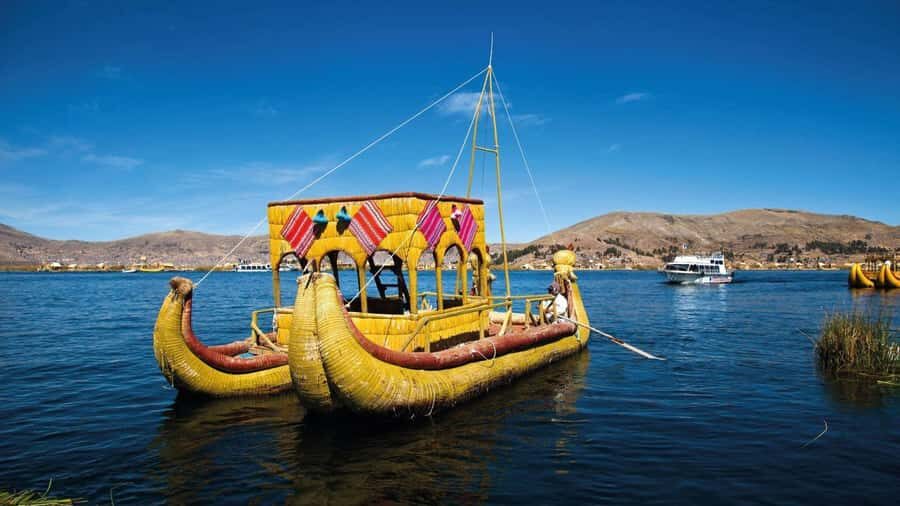
- Totora-made Uros life explained on site: You’ll learn how reeds support homes, boats, fuel, and even food.
- A real Taquile village walk: Expect about a 1-hour uphill walk before you reach the village area.
- Traditional lunch on Taquile: A proper island meal is included, not just a snack stop.
- Overnight bus transportation: The night travel helps you save daytime, but it also means you’re tired the next morning.
- Free time in Puno after the cruise: You get an afternoon to explore the city center before heading back to Cusco.
The Big Picture: Uros + Taquile in a One-Day Turnaround
This tour is sold as 1 day, but your body will experience it as much longer. You’ll leave Cusco in the evening, sleep on a night bus, spend the next day on Lake Titicaca, and then take another night bus back to Cusco. If you dislike long travel days, treat this as a “worth it if you’re motivated” option.
The core value is simple: you get boat time on Lake Titicaca plus two island experiences—Uros first, then Taquile—followed by a little time in Puno. That mix is ideal if you’re short on days, like the idea of guided interpretation, and don’t mind a packed schedule.
A few more Cusco tours and experiences worth a look

Cusco to Puno Overnight: Comfort, Timing, and Sleep Reality

The day starts with pickup from your Cusco hotel at 9:00 PM, then you transfer to the bus terminal. The bus departs around 10:00 PM and arrives in Puno at 5:30 AM the next morning.
Here’s the thing: overnight buses are always a gamble. The format does give you an easy way to “kill” travel hours, and one strong plus is that the beds were described as very comfortable on this route. That said, you should still plan for imperfect sleep, because you’ll be up early for breakfast and the port.
Practical tip: bring whatever you’d normally use for a long night (layers, earplugs if you like them, and something small for warmth). Cusco nights can feel sharp even when the day is mild, and you’ll also be outside soon after arriving.
Morning in Puno and the Port Setup
After arriving around 5:30 AM, you’ll be met at the bus station and taken for breakfast in Puno. Then you’ll get picked up again around 7:00 AM from near the main square area to head to the port.
This timing matters. It compresses your options, so you won’t have hours to wander Puno before your boat day begins. If you want to see Puno more than the quick city center moment later in the day, this schedule is not your friend.
Once you reach the port, you board for the day’s boat tour. From here on, the itinerary is all about pacing: guide explanations, island walking, lunch, and then sailing back in time for your afternoon in Puno.
Uros Islands on Totora Reeds: What You’ll Actually See

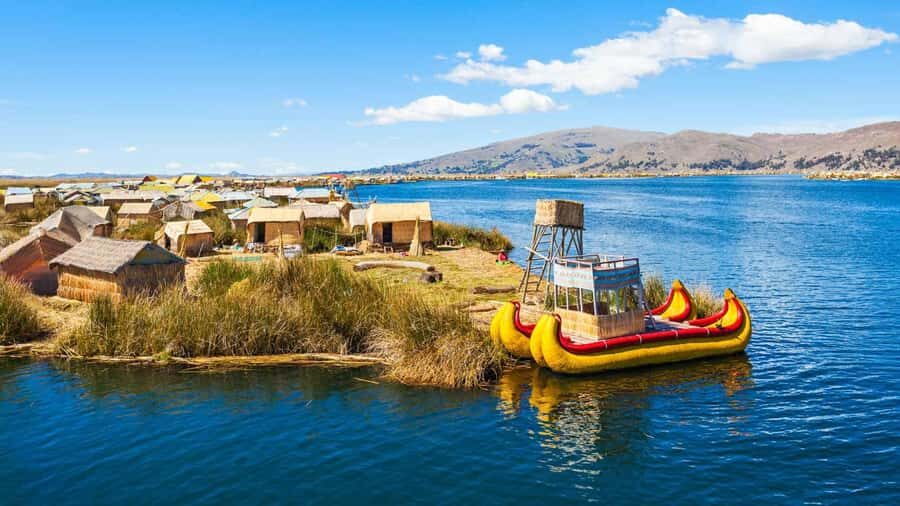
The first island stop is the Uros Islands, guided by someone who explains how the islands are built with totora reeds. You’ll learn the practical side of reed life: the reeds are used for homes, for boats (rafts), for fuel, and even for food.
This is the part that can make or break the experience. The “wow” factor is real because you’re on a lake-based world made from plant material. But it’s also an island that leans heavily into being visited, meaning you should expect lots of explanation and a tourist-friendly flow.
One important consideration: if you’re hoping to see everyday life without any performance for visitors, set your expectations accordingly. Some people feel the presentation can look more like an attraction than a fully lived tradition. On your side, the best way to enjoy Uros is to treat it like a guided lesson on reed engineering and lake adaptation—not like a window into an untouched culture.
Taquile Island: The Walk, the Views, and the Lunch
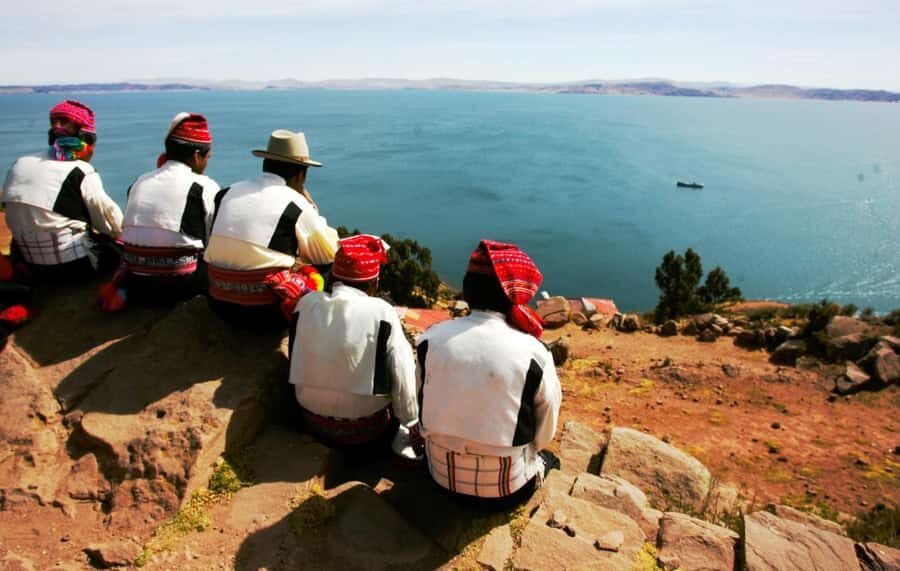
After the Uros stop, you continue to Taquile Island. The main activity here is a guided visit that includes a 1-hour walk to reach the village area, so put on shoes you trust. It’s described as a steep climb, so pacing matters more than speed.
Why this walk is worth it: once you reach the village area, you’re not stuck in a waiting room. You’re in a place where you can look around, understand local customs, and connect the community to the way people live. The route is part of the experience because the lake views and the sense of elevation make the setting feel dramatic.
Lunch is included here, described as a typical Taquile meal served in a local restaurant. That’s a key value point: you’re not just touring; you’re eating something that matches the island’s rhythm. After lunch, you’ll get free time to explore and meet inhabitants who show their life through weavings.
What to do with your free time: don’t rush. Spend a few minutes just watching how the weaving relates to daily life, then ask simple questions through your guide. You’ll get much more out of it when you slow down for conversation instead of only taking photos.




Getting Back to Puno: Ending Before the Evening Rush
You’ll return to Puno by boat and arrive around 5:00 PM (normal boat). After that, you have an afternoon free to explore the city center.
This is useful if you want a break from constant motion. You can wander at your own pace, grab a snack if you didn’t eat enough earlier, and enjoy Puno’s energy without the pressure of being back at the port every hour.
Then your evening ride starts again: transfer to the Puno land terminal around 9:00 PM, board the bus around 10:00 PM, and arrive in Cusco at about 5:30 AM the next day. So yes—this is two overnight buses in one itinerary.
Price and Value: Is $150 Fair for This Setup?
At $150 per person, you’re paying for a full chain of logistics: bus transfers (both directions), port transport, a guided boat tour, guided island time, and a traditional lunch in Taquile. You’re also getting a small-group style tour with an English/Spanish guide.
The value is strongest if you:
- don’t want to plan separate transport on your own,
- want guided interpretation for both islands,
- prefer to travel overnight to protect daylight,
- and want lunch handled for you.
The value drops a bit if you:
- feel travel fatigue quickly,
- want a deeper, slower feel on the islands,
- or strongly dislike walking uphill (because Taquile includes that 1-hour climb).
Also watch for extra costs. A traditional totora boat ride is listed as an additional option at 15 soles, and other food beyond what’s mentioned is not included. With those add-ons, your final total could creep up.
Group Size, Crowds, and the Taquile Hike Factor
The operator lists a small group limited to 15 participants. That’s a good sign because it usually means better chances for questions and less chaos in tight areas.
But lake tours and island stops can still feel crowded because you share space with other groups. One person described feeling the day was very busy, with around 40 people on the boat—so don’t assume your experience will feel quiet and private every minute.
Now add the Taquile walk into the mix. If you’re not a regular walker, that uphill segment can drain energy fast. In that case, you might enjoy the island more if you plan extra time for rest after lunch and don’t treat the climb like a race.
Tips to Make This Tour Feel Easier
A few small moves can make the difference between a fun day and a slog.
Pack for a long day: you’ll be on the water, outside during island time, and walking on Taquile. Bring layers, because lake breezes can change quickly. Wear grippy shoes for the climb, and consider bringing a light poncho in case of spray.
Hydrate, but manage your timing. With a morning start and a lunch stop on Taquile, you’ll be fine if you drink between segments, not all at once.
If you want the totora boat ride: it costs 15 soles, and it’s not included. Decide beforehand if that’s a must-do for your personal story. If you’re only into the concept and photos, you can skip it.
If you’re booking and coordinating pickup: enter your WhatsApp or contact number with the country code correctly. Pickup timing is tight, and you want messages to land fast.
Who This Tour Fits Best
This is a good fit if you want a fast, guided Lake Titicaca sampler.
I’d point you toward it if:
- you’re short on time and need Cusco-to-Puno to happen efficiently,
- you like structure (guided explanations plus scheduled stops),
- you’re okay with overnight buses,
- you’re willing to do the Taquile climb.
I’d skip it (or rethink your plan) if:
- you want a slower cultural experience without the feeling of a tourist circuit,
- you hate uphill walking,
- or you’re sensitive to being tired for 30+ hours.
A key lesson from people who didn’t love it is this: the lake itself is worth the effort, but the roundtrip timing can feel punishing. If you can, adding a night or two in Puno can turn the same route into something more relaxed.
Should You Book This Tour?
Book it if you’re motivated by the big highlights: Lake Titicaca views, the guided explanation of how Uros totora reeds support island life, and the included Taquile lunch with time to see weaving. It’s also a strong option when you need transport handled end-to-end.
Pass or modify your plan if you’re chasing a deeply quiet, everyday-feeling island experience. Uros may feel more like an attraction than a private look into living tradition, and the itinerary’s fatigue factor is real because you’ll do two overnight bus rides and a steep walk.
If you do book, your best strategy is simple: show up early, pace the climb, take the Uros portion for what it is (a guided reed-life lesson), and then give Taquile your full attention.
FAQ
FAQ
How long is the tour?
The activity is listed as 1 day, with overnight bus travel included on both ends.
What time do you leave Cusco?
You’re picked up around 9:00 PM, and the bus leaves the terminal at about 10:00 PM.
When do you arrive in Puno?
The bus arrives in Puno at about 5:30 AM the next day.
What happens in the morning after you arrive in Puno?
You’ll be taken for breakfast, then you’ll be picked up around 7:00 AM to go to the port.
What islands are included?
You visit the Uros Islands and then Taquile Island.
Is lunch included?
Yes. A traditional lunch on Taquile is included.
Is there a hike on Taquile?
Yes. You’ll do about a 1-hour walk to reach the village area on Taquile.
Are there any extra costs?
Additional expenses are not included. The traditional totora boat ride is listed as an extra cost of 15 soles, and other food beyond what’s mentioned is not included.
Is pickup included in Puno and Cusco?
Yes. Pickup from your Cusco hotel and pickup near the main square in Puno are included, plus transfers related to the bus terminals.
What language is the guide?
The live tour guide speaks English and Spanish.