REVIEW · CUSCO
Sacred Valley: Chinchero, Moray, Ollantaytambo & Pisac+Lunch
Book on GetYourGuide →Operated by Machupicchu Adventour · Bookable on GetYourGuide
Six Inca stops in one long day. I love the Chinchero textile stop with its community Textile Interpretation Center, and I love the Urubamba buffet lunch that gives you real fuel in the middle of a long itinerary. This is the kind of Sacred Valley route you do when you want structure: hotel pickup in Cusco, guided stops in the key towns, and plenty of viewpoints along the way.
The main catch is the pace. You’ll be moving from site to site all day, and while the guide keeps things flowing, you can feel some tight timing at larger stops like Ollantaytambo and Pisac if you want more wandering room. Also, many days run right up to the planned finish around 6:30–7:00 p.m., so keep your evening plans light.
In This Review
- Key things I’d bank on from this Sacred Valley combo tour
- The Sacred Valley route: what a “12-hour day” really feels like
- Chinchero’s Textile Interpretation Center: the most human start
- Moray: Inca Agricultural Laboratory and the “why it matters” explanation
- Maras Salt Mines: Salt shops, viewpoints, and the extra fee
- Urubamba lunch: where the tour earns its value
- Ollantaytambo: terraces, Temple of the Sun, and Princess Baths
- Pisac Archaeological Park and the artisan market: ruins plus real shopping time
- Price and tickets: why the $25 number isn’t the whole picture
- Guides and the small things that make or break the day
- Who should book this Sacred Valley tour (and who should skip it)
- Tips to enjoy the day more (even when it’s “packed”)
- Should you book this Sacred Valley: Chinchero, Moray, Ollantaytambo & Pisac day trip?
- FAQ
- What sites are included in the Sacred Valley itinerary?
- How long is the tour and what time do I get back to Cusco?
- Is hotel pickup included?
- Are entrance tickets included in the $25 price?
- What language will the guide speak?
- What is lunch like?
- What should I bring?
- Is the tour suitable for everyone?
- Are there any restrictions during the day?
Key things I’d bank on from this Sacred Valley combo tour
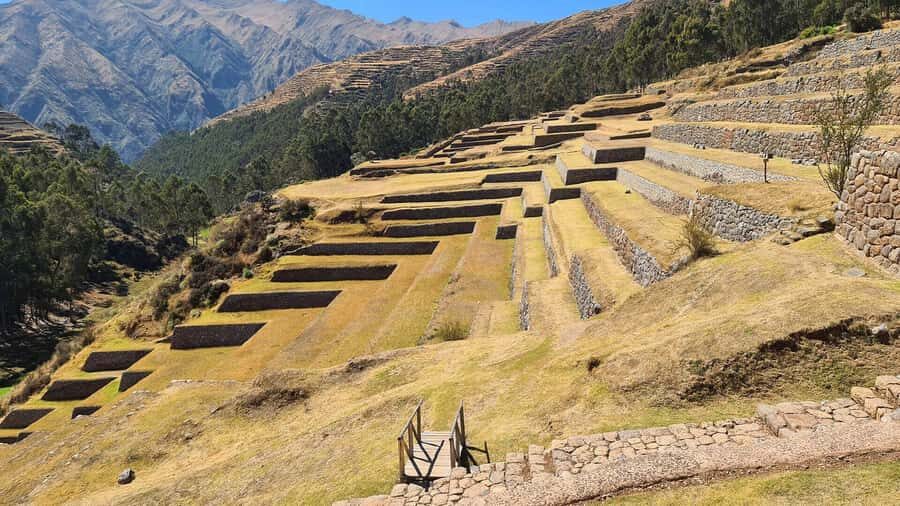
- Chinchero Textile Interpretation Center in a local community, not just a quick photo stop
- Moray’s Inca Agricultural Laboratory focus, with a guided walk and photo time
- Maras Salt Mines visit and guided explanation through the salt area
- Urubamba buffet lunch (big spread) that actually feels like a break, not a snack
- Ollantaytambo stone highlights like terraces plus the Temple of the Sun and Princess Baths fountain
- Pisac Archaeological Park + artisan market time for views and shopping in the town
The Sacred Valley route: what a “12-hour day” really feels like
This tour is built for maximum coverage. You start in Cusco with hotel pickup in the morning (they collect you about 30 minutes before departure), then you ride north through the Sacred Valley corridor. The total duration sits around 12 hours, and you usually end with drop-off around 6:30–7:00 p.m. at the Plaza Kusipata / Calle Plateros area.
What makes it interesting is how the itinerary connects “why” with “what.” You’re not only seeing stones and views; you’re also learning the Inca-era purpose behind each stop, from farming experiments at Moray to salt harvesting at Maras. It’s also a practical day if your Cusco time is tight or you don’t want to piece together transportation between towns.
One altitude note: you’ll climb quickly. Cusco is about 3,350 m. Chinchero and Moray both reach about 3,762 m, and Pisac hits around 3,300 m. You’ll drop lower at Urubamba and Ollantaytambo, but you’ll still be dealing with high-elevation stair-climbing and uneven ground.
A few more Cusco tours and experiences worth a look
Chinchero’s Textile Interpretation Center: the most human start
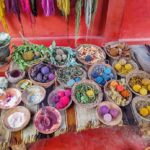
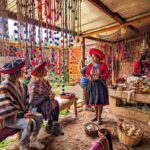
Chinchero is where the day turns from highway to culture. You’ll get a break and photo stop, then a visit and guided tour at the Textile Interpretation Center in the local community. After that, there’s free time for sightseeing and shopping.
I like this start because it sets the tone. Before you go chasing terraces and ruins, you get a hands-on connection to alpaca-related textiles and the role they play in Andean life. The best guides here keep it practical: they explain what you’re seeing in plain language, and they help you understand what’s “normal” in the process versus what might be marketing.
If you’re the kind of traveler who loves details (and not just selfies), this is usually a highlight. Several guides connected to this tour have a knack for making textiles fun and understandable, and many people call out this stop as one of the reasons they felt the day was worth it.
Practical tip: Chinchero is high. Wear layers, move slowly at the start, and plan to take breaks if your breathing feels heavy. The tour’s timeline is tight, but you can still pace yourself.
Moray: Inca Agricultural Laboratory and the “why it matters” explanation
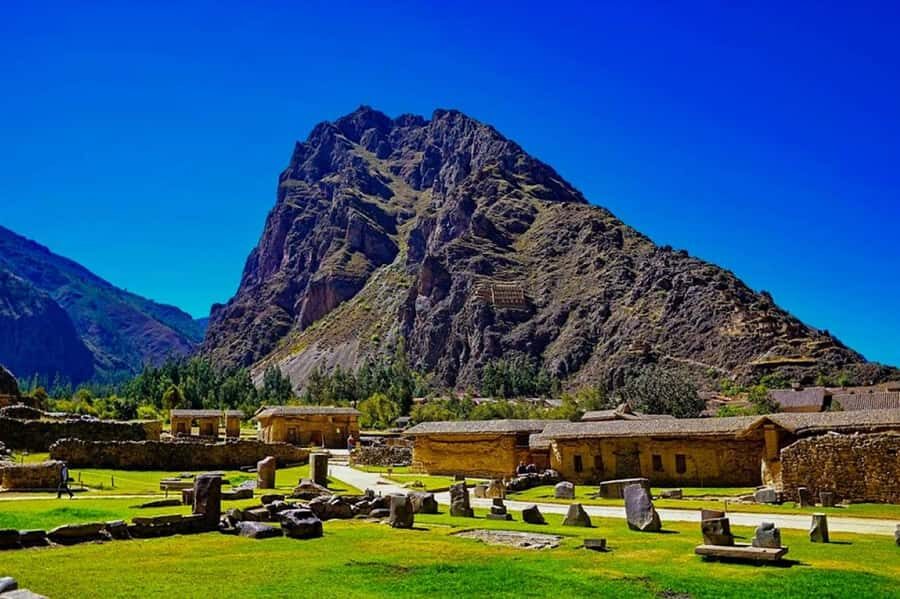
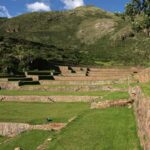
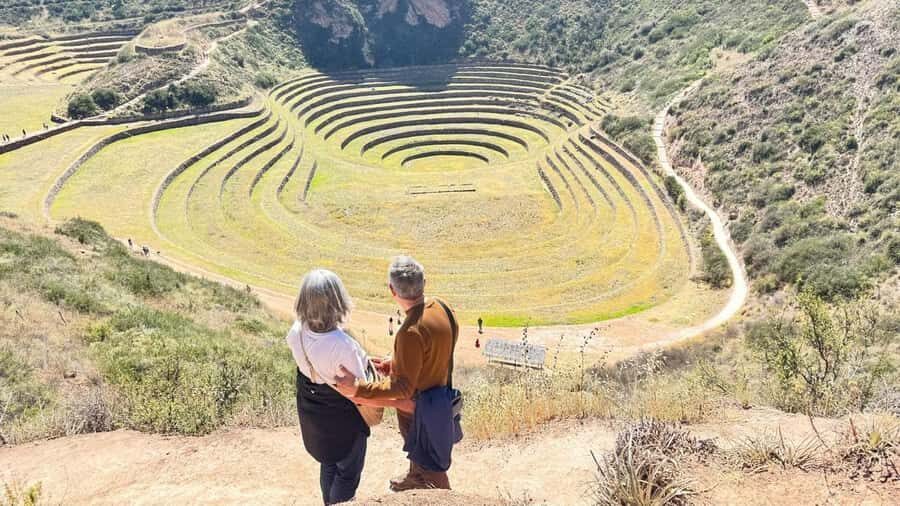
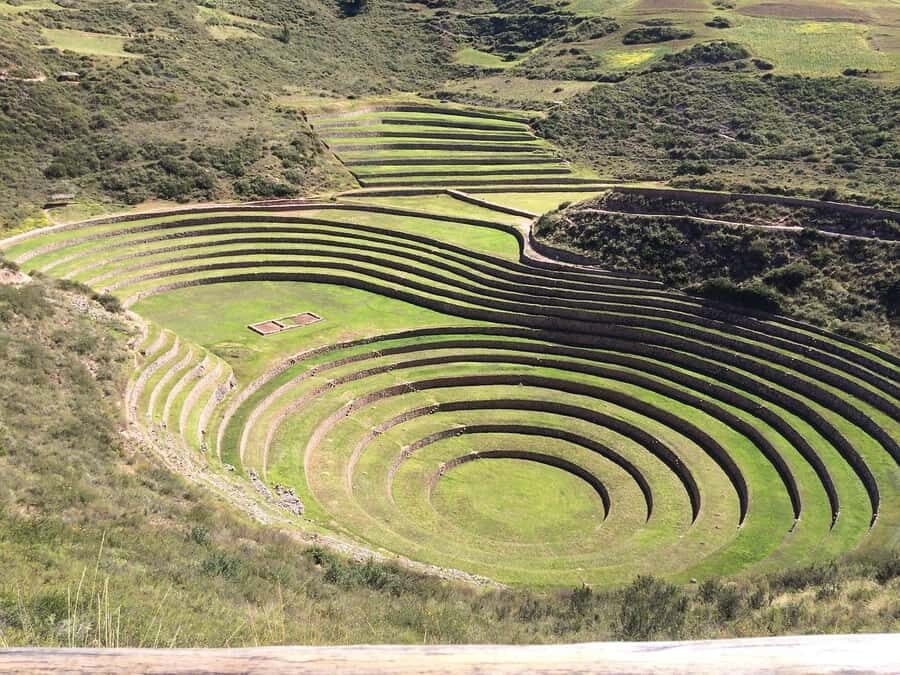
Moray is next. The itinerary calls it the Inca Agricultural Laboratory, and the visit includes a guided tour plus a walk and photo time. Even if you only get a shorter guided circuit, the key is that the guide frames Moray as an intentional experiment site, not just a scenic amphitheater of ruins.
What you’ll likely notice on-site is the way the terraces shape the view and guide your footsteps. It’s a place where “look at the stones” turns into “imagine the purpose,” especially when your guide is patient about pointing out what made the site useful.
Timing-wise, the tour keeps it efficient: you get a guided visit window and then move on. That’s good if you want to stack several Sacred Valley anchors in one day. If you prefer slow archaeology, this stop still works, but you’ll want to arrive with realistic expectations about time.
Maras Salt Mines: Salt shops, viewpoints, and the extra fee
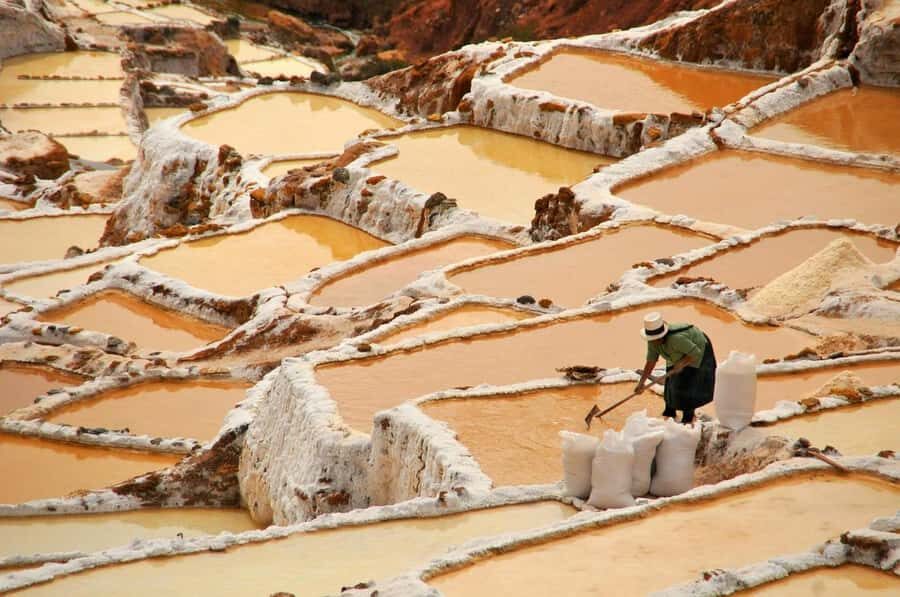
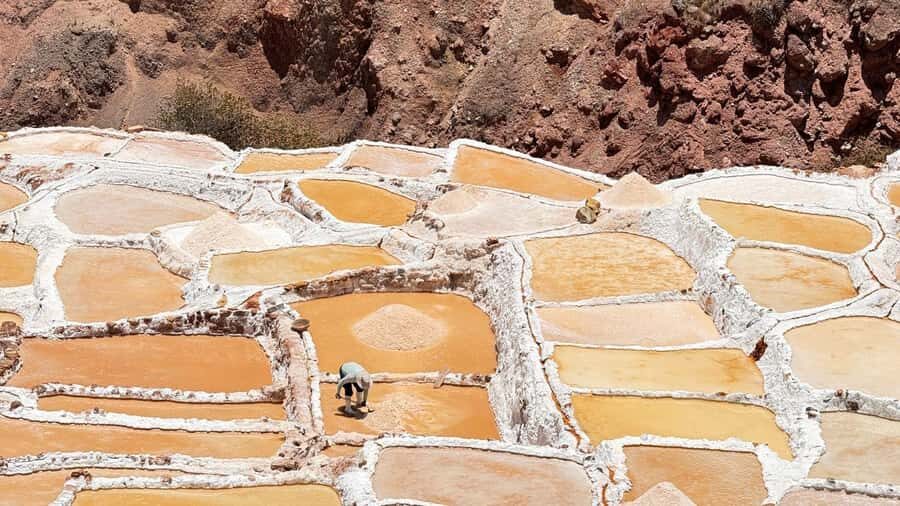
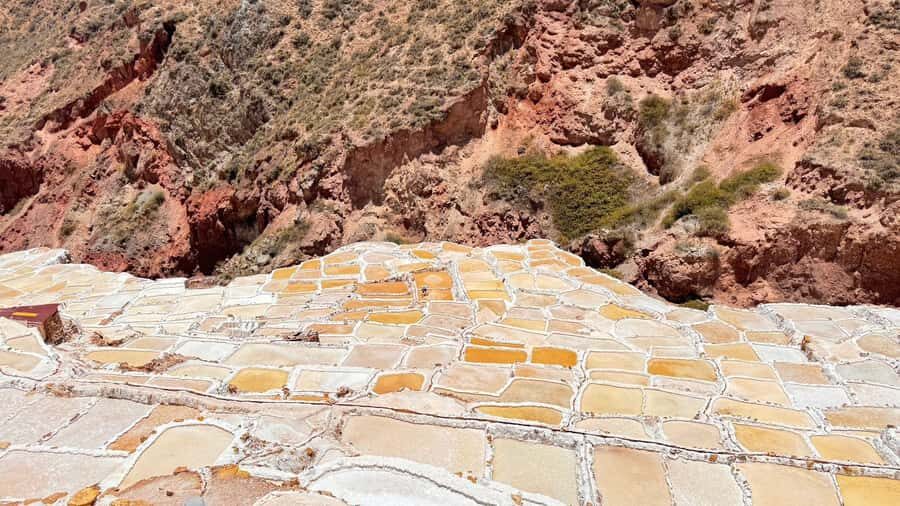
The next jump is to Maras Salt Mines. You’ll have a break, photo stop, and a guided visit at the salt area, with about 20 minutes scheduled there.
Two things matter for planning:
- The salt mines ticket is not included. Budget extra cash for the 20 soles salt mines ticket.
- Expect some extra shopping stops linked to the mines area. This is common in the route style here, so if you don’t care about salt products, focus on the salt views and use shopping time only if it’s actually useful to you.
What I like about including Maras in this itinerary is that it’s not only ruins. Salt harvesting is still tied to the local economy and landscape, so it gives the day a grounded, everyday feel alongside the Inca sites.
If you’re sensitive to cold mornings, Maras can feel brisk. Bring a daypack, and don’t rely on the bus ride for getting comfortable. Take a second to stand still for a minute and let your breathing settle before you start walking.
Urubamba lunch: where the tour earns its value
Midday is Urubamba, and this is a real reason many people like this tour. Lunch is a buffet served at a restaurant in Urubamba, described as Peruvian cuisine and a Novo Andean buffet lunch with Cusco-area flavors.
You get about 50 minutes for lunch. That time window is long enough to actually eat, not just pick at food. And it’s the kind of break that makes the rest of the day easier—especially after higher stops.
In a lot of multi-stop days, lunch can feel like an afterthought. Here, it’s treated like a centerpiece, and guides often make sure you have time to choose. If you’re traveling with dietary needs, the exact options aren’t guaranteed by the tour details alone, but the buffet format usually gives flexibility.
Bring cash for extras. The tour doesn’t mention drinks as included, and rules say no drinks in the vehicle, so plan to buy water when you can, and then hydrate properly at stops.
Ollantaytambo: terraces, Temple of the Sun, and Princess Baths
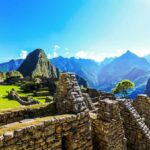
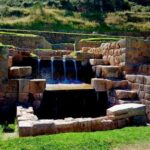
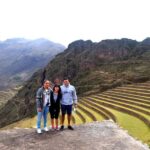
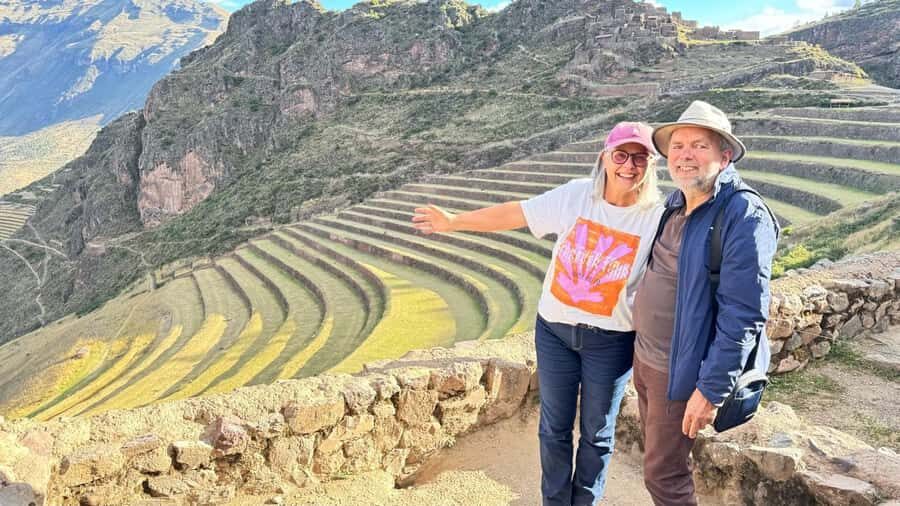
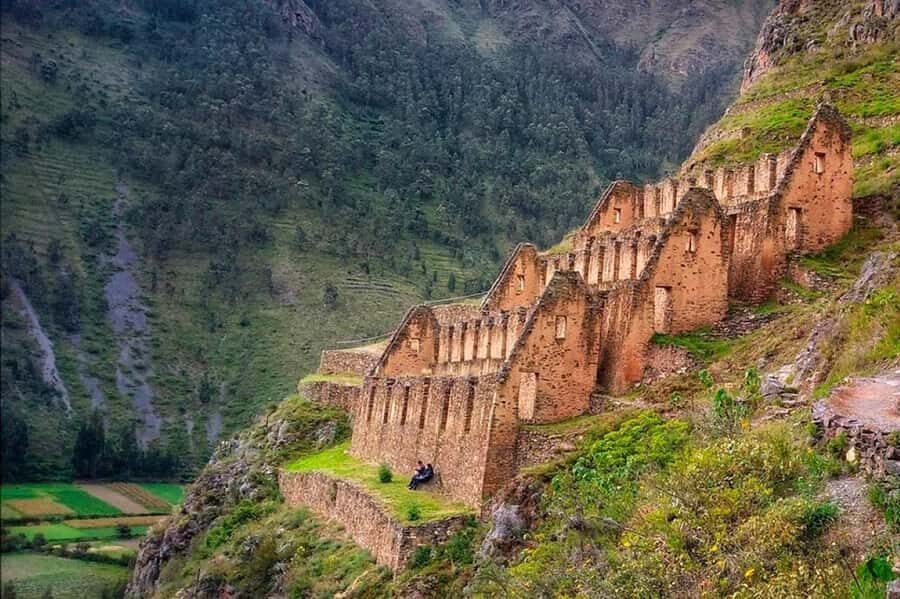
Ollantaytambo is one of the most impressive stops on the route because it’s visually “built.” The itinerary includes a photo stop and then a guided tour and walk at the Parque Arqueológico Ollantaytambo. The tour time here is about 50 minutes, which is enough for key buildings but not enough for endless wandering.
Expect the guided rundown of major stone features:
- Large stone terraces
- Temple of the Sun
- Princess Baths fountain
The starting-point element matters too. The day frames Ollantaytambo as a tambo (a place to rest in Inca times) and also as the starting area for reaching Machu Picchu routes. That context helps you connect why people still talk about it as a gateway.
One drawback to consider: because this is a full-day “stacked itinerary,” time can feel compressed at Ollantaytambo if you want to take it slow or if your group keeps clustering for photos. That said, if you’re visiting for structure and highlights, this is a strong stop.
Pisac Archaeological Park and the artisan market: ruins plus real shopping time
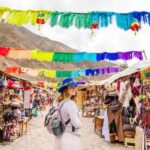
Pisac is your late-day anchor. You’ll ascend to the Pisaq Archaeological Park, with a guided tour plus photo time and free time. Then you’ll return to Pisac town for the artisan market, where local residents specialize in working with minerals.
This pairing is smart for two reasons. First, the archaeological site gives you the big visual payoff. Second, the market turns the visit into something you can take home—whether that’s a small purchase, a better understanding of what you’re looking at, or just the fun of watching people work.
Here’s the planning reality: Pisac is high too (around 3,300 m), and the itinerary includes a walk time plus market time. That can mean a lot of movement late in the day. Wear shoes with grip and keep water handy after you’ve climbed.
If you dislike shopping stops, you can still treat the market time as a browse window. If you do shop, keep your budget flexible and have some cash ready, since this route includes multiple shopping opportunities across the day.
Price and tickets: why the $25 number isn’t the whole picture
The headline price is listed as $25 per person, and at that level it can look like a bargain—mostly because the tour includes:
- Hotel pickup in Cusco
- Shared tourist mobility (coach/bus)
- A buffet lunch in Urubamba
- An English/Spanish professional guide
But you should treat archaeological ticket fees as extra. The tour details say:
- 70 soles tourist ticket is not included
- 20 soles salt mines ticket is not included
So the true cost is usually the $25 base plus site fees. Still, the value case is real for the right traveler: you get guided interpretation at multiple major sites plus lunch plus transportation in one day, without having to coordinate buses and timing yourself.
If your budget is tight, calculate the total before you commit. If your time is tight, this itinerary can actually be cheaper than a “do-it-yourself” day once you add taxis, entrance logistics, and the hassle factor.
Guides and the small things that make or break the day
This tour’s biggest quality lever is the guide. Different guides can make the same itinerary feel totally different. On this route, names like Victor, Rudy, William, and Guillian come up, and the consistent theme in the feedback is energy plus clear explanations in English and Spanish.
A few guide-related details that matter for you:
- The good ones help you get your bearings quickly at each stop.
- They keep you moving without ignoring questions.
- Some guides also help with photo timing, so you’re not stuck waiting for the rest of the group.
Also, the day depends on smooth driving. A comfortable bus ride can make the long day feel manageable, especially when you’re adapting to altitude.
One word of caution: this tour is often honest about being a “two days in one” style route. If you want relaxed pacing and lots of downtime at each ruin, you might feel some stops are too short. That’s not a failure; it’s how this itinerary is designed.
Who should book this Sacred Valley tour (and who should skip it)
Book it if you:
- Have limited time in Cusco and want Sacred Valley highlights in a single day
- Like guided interpretation and don’t want to manage transport between towns
- Want a reliable lunch stop in the middle (Urubamba buffet is a major selling point)
Skip it (or at least think hard) if you:
- Want slow, open-ended exploration at each archaeological site
- Are easily worn out by long days and lots of walking
- Struggle with altitude. The tour goes up to about 3,762 m at Chinchero and Moray, and it includes climbs and stair work.
There’s also clear suitability guidance from the tour: it is not suitable for pregnant women and not suitable for people over 220 lbs (100 kg).
Tips to enjoy the day more (even when it’s “packed”)
Altitude and timing are the two things you can control.
- Go slow at the first stops. Cusco is already high; Chinchero and Moray push higher.
- Bring a daypack and cash for tickets and for shopping opportunities.
- Bring a passport and a camera, since the itinerary includes photo stops at multiple points.
- Plan your clothing for cold mornings and warmer afternoons. Layers help.
- Keep your evening plans light. The tour ends around 6:30–7:00 p.m., so you may be tired.
And one small behavior trick: if you want better photos, don’t wait until the last 2 minutes of a stop. Position yourself early while the group is still walking in, then use the best light windows for your shots.
Should you book this Sacred Valley: Chinchero, Moray, Ollantaytambo & Pisac day trip?
If you’re traveling on a schedule and you want a guided day that hits the Sacred Valley big names—Chinchero, Moray, Maras, Ollantaytambo, and Pisac—this tour is a strong choice. The combo of guided stops + included Urubamba buffet lunch + hotel pickup makes it a practical value, especially if you don’t want to stitch together transportation and entrance timing.
I’d only hesitate if you’re the type who wants to linger. This route is designed for highlights, not long wander time. If you’d rather absorb one site deeply, you may prefer splitting the Sacred Valley into a slower plan.
If you do book, I’d plan on altitude-friendly pacing, bring cash for the entry fees (tourist ticket and salt mines ticket), and treat the day as a well-run “greatest hits” tour.
FAQ
What sites are included in the Sacred Valley itinerary?
You’ll visit Chinchero (including the Textile Interpretation Center), Moray, Maras Salt Mines, Urubamba for lunch, Ollantaytambo, and the Pisac Archaeological Park and artisan market in Pisac.
How long is the tour and what time do I get back to Cusco?
The duration is about 12 hours. The tour generally ends with drop-off around 6:30–7:00 p.m.
Is hotel pickup included?
Yes. The tour includes pickup from your hotel or accommodation in Cusco, with an anticipation of about 30 minutes before departure.
Are entrance tickets included in the $25 price?
No. The tourist ticket (70 soles) and the salt mines ticket (20 soles) are not included.
What language will the guide speak?
The guide provides interpretation in English and Spanish.
What is lunch like?
Lunch is a buffet served in Urubamba and described as Peruvian cuisine, including a Novo Andean buffet style.
What should I bring?
Bring your passport, camera, daypack, cash, and sportswear. The tour also advises bringing food and drinks.
Is the tour suitable for everyone?
It is not suitable for pregnant women and is not suitable for people over 220 lbs (100 kg).
Are there any restrictions during the day?
Drones are not allowed. Also, drinks are not allowed in the vehicle, and you should avoid littering or making fires.