REVIEW · CUSCO
Cusco: Scenic Route of the Sun to Puno with Buffet Lunch
Book on GetYourGuide →Operated by InkaExpress · Bookable on GetYourGuide
Early morning buses to Puno can feel like a chore. This one turns it into a guided day of Peru. You get four meaningful guided stops plus a buffer lunch rather than just watching the highway go by. One thing to plan for: you still start early, and entrance tickets are paid in person on arrival.
Two big reasons I like this route: the bus comfort and the way the timing is managed. The ride is run with professional bilingual guides, and the day includes practical perks like onboard hot drinks (including coca tea), A/C and heating, a clean onboard bathroom, and even an oxygen tank for peace of mind.
The main drawback is simple: it is a full day with early departure, and the pace is tight at some stops. If you’re hoping for long, slow time to wander on your own, you may wish you had a bit more free time, especially in the morning.
In This Review
- Key takeaways before you go
- A luxury Cusco–Puno day with real stops along the Route of the Sun
- Price and value: what $44 buys, and what costs extra
- Morning logistics: the 6:40 AM departure and staying comfortable
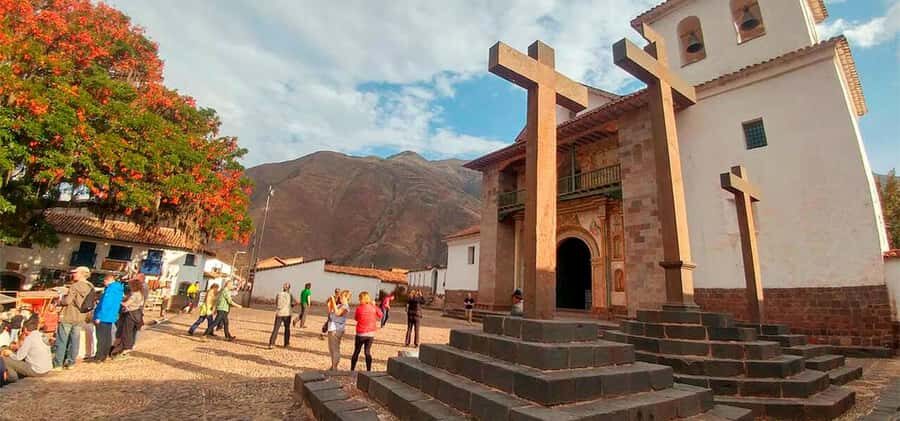
- Stop 1: Andahuaylillas and the Sistine Chapel of the Americas (7:40 AM)
- Stop 2: Raqchi’s Temple of Wiracocha and 15-meter walls (10:15 AM)
- Lunch: a buffet in Marangani–Sicuani (11:35 AM)
- Stop 3: Abra La Raya, the border viewpoint (2:15 PM)
- Stop 4: Pucará Museum / Lithic Museum (3:20 PM)
- Arrival in Puno by about 5:30 PM
- What the guides and drivers get right (and why it matters)
- Who this tour is for (and who should consider another option)
- Should you book the Cusco to Puno Scenic Route of the Sun?
- FAQ
- What time does the bus depart from Cusco?
- How long is the Cusco to Puno tour?
- What entrance tickets do I need to pay for on arrival?
- Is breakfast included?
- Is lunch included, and what’s it like?
- What’s provided on the bus during the ride?
- Are the tour guides bilingual?
Key takeaways before you go
- Luxury bus comfort with heating & A/C, clean bathroom, and onboard hot and cold drinks
- Guided Route of the Sun stops (Andahuaylillas, Raqchi, Abra La Raya, and Pucará) instead of a straight transfer
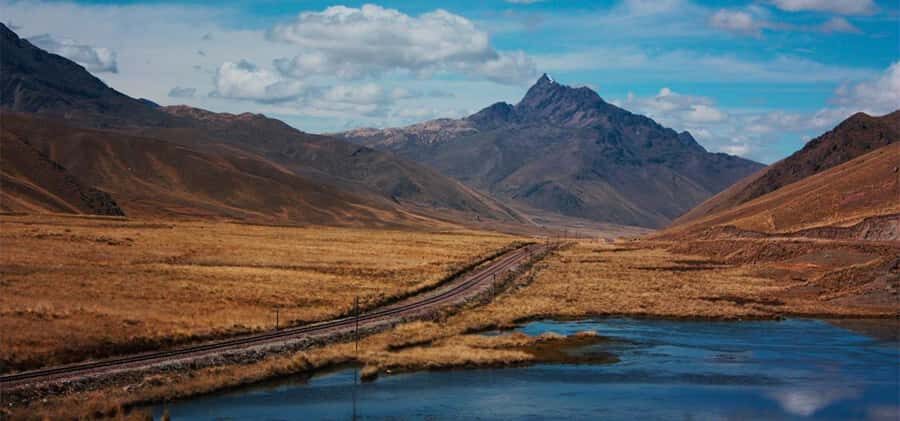
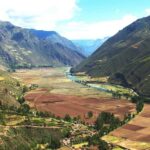
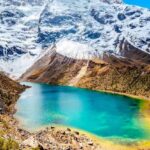
- Abra La Raya viewpoint time for high-Andes panoramas where regions meet
- Buffet lunch in Marangani–Sicuani with multiple meat, salad, dessert, and herbal infusion options
- Entrance tickets paid locally for key sites (you’ll hand over cash for soles)
- On-board support including oxygen tank and staff who keep the schedule moving
A luxury Cusco–Puno day with real stops along the Route of the Sun
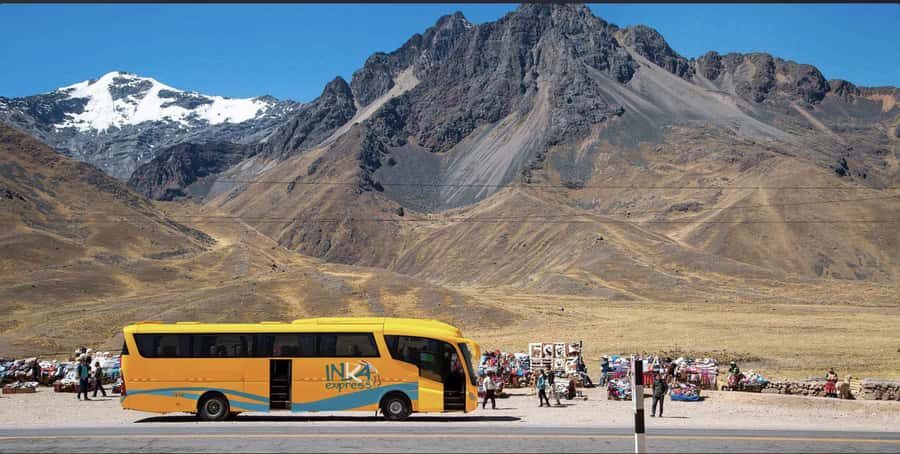
Cusco to Puno is usually treated like a commute. This tour treats it like a mini sightseeing circuit. You leave the Cusco area early, ride in a private luxury bus, and use the long transfer time for guided history stops and viewpoint breaks.
I like the structure: the day is built around places that explain how the Andes regions connected—Inca spiritual sites, colonial-era art, and a chance to see the pass at Abra La Raya. And I also like that it’s not just “walk, snap photos, leave.” You get short guided visits at each stop that help the sites make sense, even if you only have one day.
One more practical plus: the bus day includes service on board—hot drinks like tea, coffee, coca tea, and herbal infusions, plus cold drinks like Coca-Cola, Inca Kola, and mineral water. That matters on a long day where you don’t want your energy crashing right after breakfast.
A few more Cusco tours and experiences worth a look
Price and value: what $44 buys, and what costs extra
The published price is $44 per person, and it covers a lot of the expensive stuff that usually adds up. You’re paying for private bus transport, professional bilingual guiding, included lunch, and on-board amenities like A/C/heating and bathroom access.
What is not included is the part you’ll want to budget for before you go: entrance tickets for Andahuaylillas, the Raqchi complex, and Pucará. The total listed cost is 53 soles (about $13), paid in person when you arrive. If you’re traveling cash-light, plan ahead so you don’t feel stuck during ticket collection.
Also note that breakfast isn’t included. Since you’re starting early, you’ll want to eat before you board or grab something quickly on your own near the terminal.
Morning logistics: the 6:40 AM departure and staying comfortable
The day starts with a departure listed as 6:40 AM. You’re asked to be at the terminal 30 minutes before departure. The meeting point section shows a time that looks like it might be a typo (6:10 pm), while the daily schedule clearly points to a morning departure. I strongly recommend you confirm the exact pickup time with the provider before you sleep—timing errors are rare, but this is worth checking because it affects your whole day.
The comfort setup helps you handle the early start:
- Heating & A/C on board
- Clean bathroom onboard
- Hot and cold drinks throughout the trip
- Oxygen tank on the bus for added altitude comfort
And from real-world experience with long high-altitude routes, those basics reduce the “bus fatigue” that can ruin the afternoon stops.
Stop 1: Andahuaylillas and the Sistine Chapel of the Americas (7:40 AM)
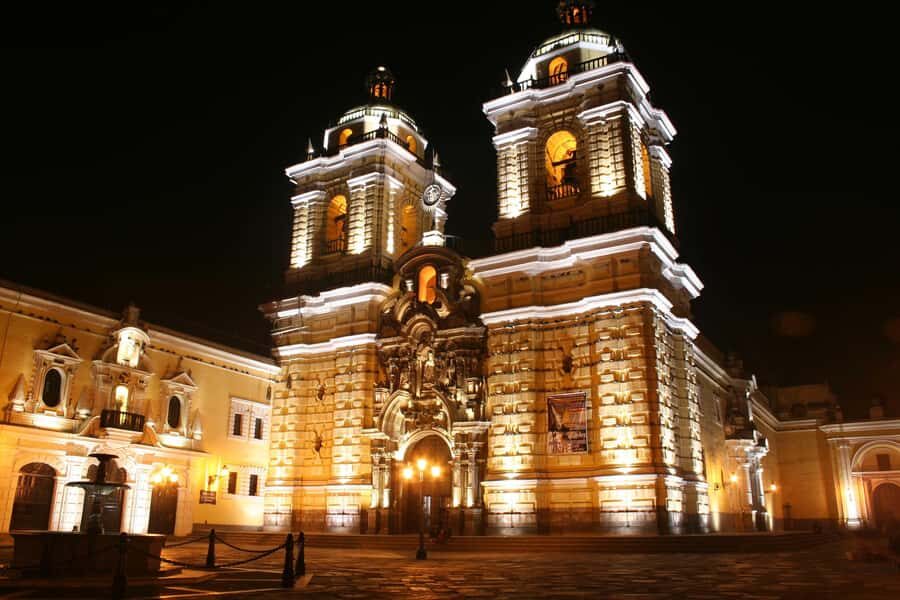
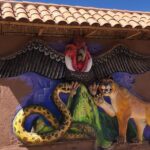
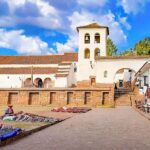
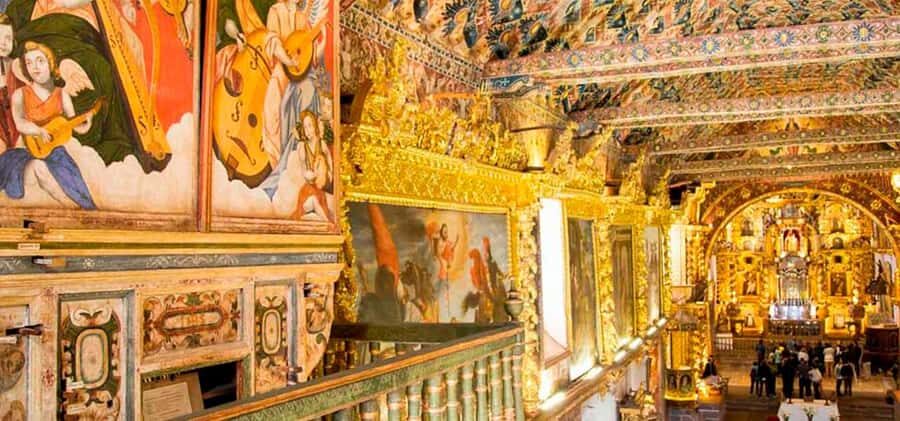
Your first guided stop is Andahuaylillas, at the Church of Saint Peter the Apostle. It’s famous because the church blends Jesuit-era decoration with an Inca sacred-site background. The effect is dramatic: vivid frescoes and detailed gold-leaf-style decoration that feels bigger than it first looks.
The tour window here is tight but worthwhile—about 45 minutes for photo stops and guided viewing. That’s enough time to take in the artwork, understand why it’s considered a standout, and still stay on schedule for the rest of the day.
If you care about colonial art in Peru, this stop is one of your best “value-per-minute” moments. It sets a tone for the day: the Andes aren’t just about ruins; they’re also about how later cultures built on older sacred spaces.
Tip I’d give you: bring something warm even if the sun is up. Morning Andean air can change fast, and church visits can mean you wait a bit while everyone regroups.
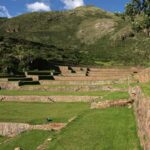
Stop 2: Raqchi’s Temple of Wiracocha and 15-meter walls (10:15 AM)
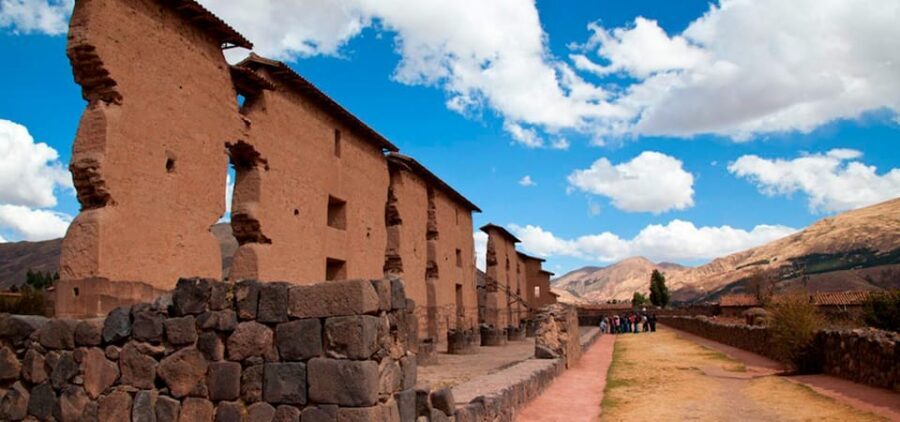
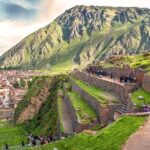
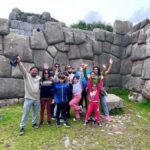
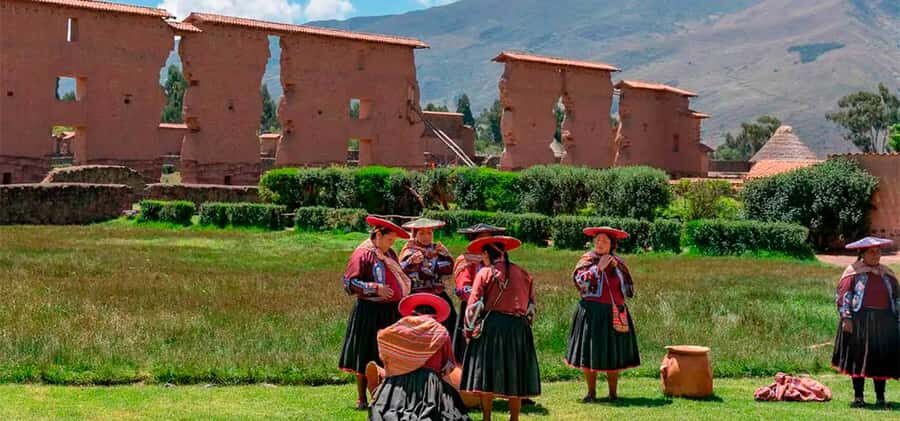
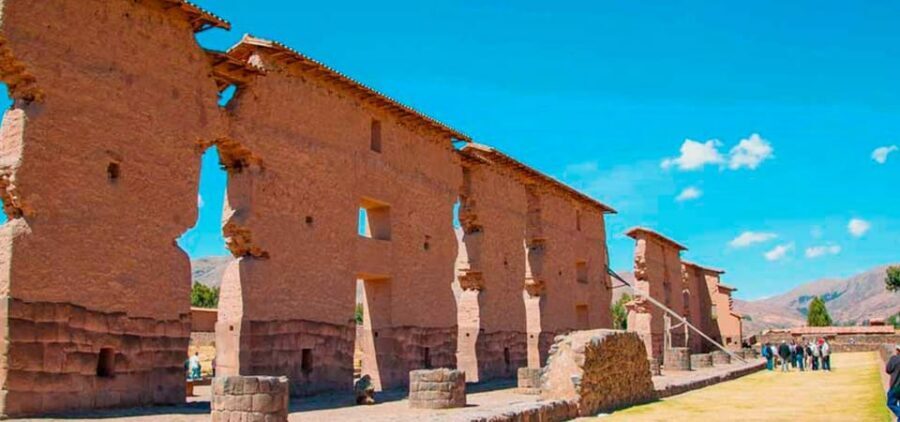
Next comes Raqchi, where you visit the Temple of Wiracocha. This site is known for colossal 15-meter-high walls and the sense of scale you only notice when you’re standing close. The tour framing is clear: this was built by an Inca emperor to honor the invisible superior god in Andean belief.
The value here is not just the architecture. It’s the way the guide connects the site to spiritual ideas—what the structure meant, and how it fits into the wider Inca world across the Andes. Reviews also point to Raqchi as a favorite stop, and I get why. When a site is built to last and you see it in person, it clicks fast.
Time is about 45 minutes for the guided stop and photo breaks, so again, you’re not roaming for hours. But you’re given enough structure to notice details instead of just walking by them.
If you’re the kind of traveler who likes your “history stops” with explanation, Raqchi is your payoff.
A few more Cusco tours and experiences worth a look
Lunch: a buffet in Marangani–Sicuani (11:35 AM)
At 11:35 AM, you get lunch with a full buffet setup in Marangani–Sicuani. This is a big part of why this tour is worth considering over a direct bus: you’re not left hunting for food at a random roadside place.
The buffet options are varied and practical for a long ride:
- beef and chicken
- fish
- warm and raw salads
- hearty sides
- desserts
- herbal infusions
A few reviews highlight the lunch as surprisingly good, not just “tour food.” That lines up with what I’d want on a day like this: you need enough calories to keep going through the afternoon drive and the late viewpoint stop.
My advice: eat a bit more than you think at lunch. After Raqchi you’ll climb and cross high points, and hunger hits faster at altitude. Also, if you drink tea or herbal infusions, it’s usually a gentle way to settle your stomach for the rest of the day.
Stop 3: Abra La Raya, the border viewpoint (2:15 PM)
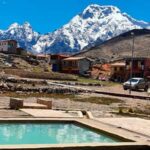
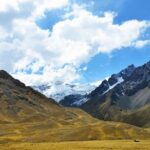
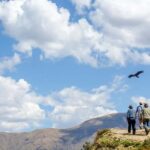
Then you reach Abra La Raya, described as the meeting point between the regions of Puno and Cusco. This is the high point moment of the day. You stop for photo time and a short guided window, about 10 minutes.
I like Abra La Raya for a specific reason: it’s a natural “breather” where the Andes show themselves all at once. Even if you’re not a geology nerd, the view teaches you how dramatic the elevation changes are along this route.
But be realistic about time. Ten minutes sounds short because it is short. You’ll want to be ready to move quickly once the bus stops. If you want photos, position yourself fast and don’t wait until the best moment has passed.
Stop 4: Pucará Museum / Lithic Museum (3:20 PM)
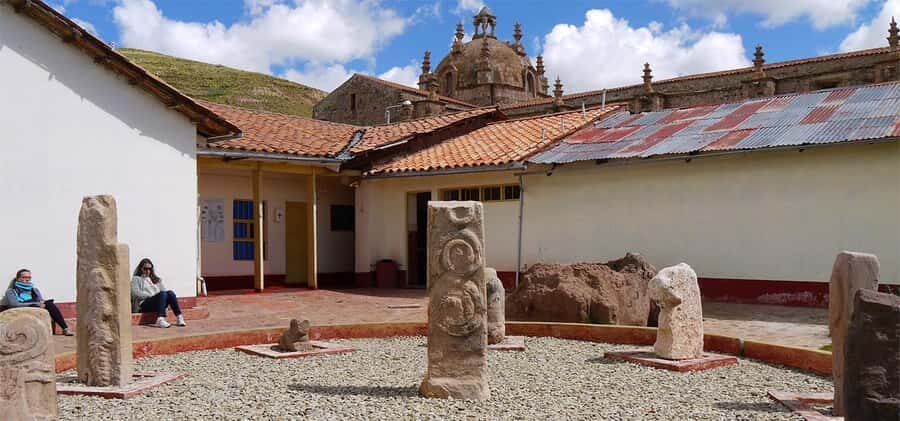
Finally, you end with Pucará, including a visit to the Pucará museum area and the Lithic Museum of Pucará. The tour highlights the origins of Andean civilization in the 500 BC to 200 AD window and focuses on artifacts and what daily life may have looked like for priests, artisans, and warriors.
This stop is about learning the “human scale” behind the bigger sites you saw earlier. The Inca temples are monumental, but the museum angle helps you understand how people lived and worked in these places.
You get about 45 minutes here for photo stops and guided viewing. It’s long enough to absorb the main points and read the most relevant pieces, but not so long that you start feeling trapped inside a building.
Also good to know: many people rush through museums at the end of tours. This one is timed well enough that you can still stay alert, especially since lunch already took the edge off your energy levels.
Arrival in Puno by about 5:30 PM
You arrive at the Puno bus terminal around 5:30 PM, perched near Lake Titicaca. The day ends back at the finish point, so you’re not left wondering where to go next.
What I like about finishing this way is that you still have early evening free. You can use it to stretch, find a meal, and start planning your next move on the Titicaca side without being wiped out by a late arrival.
What the guides and drivers get right (and why it matters)
This is one of those tours where the staff makes a difference, not just the schedule. Many reviews mention guides who kept English and Spanish moving smoothly through the day and managed the group carefully.
For example:
- Alfredo is named in connection with smooth timing and care on the trip.
- Mateo gets praise for enthusiasm and strong English, plus a standout Raqchi visit.
- Manuel is mentioned for keeping everything orderly and speaking both English and Spanish throughout.
- One review notes the guide split the group into English and Spanish so people could use facilities and get coffee while others toured—this is exactly the kind of small operational detail that makes the day feel comfortable, not chaotic.
On the driving side, reviews repeatedly point to safe, smooth driving and drivers who slow down for photos. That matters more than it sounds. If the bus rattles and everyone is tense, you lose the joy of the pass viewpoints.
Who this tour is for (and who should consider another option)
This Cusco to Puno day tour is a great fit if:
- you want a guided transfer, not a boring seat-and-go ride
- you like seeing a few major sites with context rather than dozens of quick selfies
- you appreciate comfort basics like onboard A/C/heating, bathroom access, and hot drinks
- you’d rather pay a single price that includes lunch than stop to hunt for food
You might want to think twice if:
- you hate early mornings and want a slower pace
- you want long free time at each site
- you’re very budget-focused and prefer paying less for a straight bus (though you’ll likely trade away lunch and guided stops)
Should you book the Cusco to Puno Scenic Route of the Sun?
I’d book it if you’re doing Cusco and Puno as a pair and want to use the drive day well. For $44, the combo of private luxury transport, guided stops, and lunch inclusion is strong value, especially because the alternative is often a direct bus where you lose the chance to see places like Andahuaylillas and Raqchi with proper explanation.
One last decision point: budget the 53 soles entrance tickets and plan for no breakfast. If that’s easy for you, this is a solid, well-structured way to get from Cusco to Puno while still feeling like you did something memorable along the way.
FAQ
What time does the bus depart from Cusco?
The schedule shows a departure at 6:40 AM.
How long is the Cusco to Puno tour?
The duration is listed as 11 hours.
What entrance tickets do I need to pay for on arrival?
Entrance tickets for Andahuaylillas, the Raqchi complex, and the Pucara Museum are not included. The total listed cost is 53 soles (paid in person).
Is breakfast included?
No, breakfast is not included.
Is lunch included, and what’s it like?
Yes. Lunch is a buffet with traditional Andean dishes, including options like beef, chicken, fish, sides, salads, desserts, and herbal infusions.
What’s provided on the bus during the ride?
Service includes hot drinks (tea, coffee, coca tea, and herbal infusions) and cold drinks (Coca-Cola, Inca Kola, and mineral water). The bus also has a clean bathroom onboard, heating & A/C, and an oxygen tank.
Are the tour guides bilingual?
Yes. The live tour guide provides Spanish and English.