REVIEW · CUSCO
Rainbow mountain horseback riding tour + Buffet Lunch
Book on GetYourGuide →Operated by Zarate Adventours · Bookable on GetYourGuide
Rainbow Mountain at dawn is a knockout. I like how this day blends horseback assistance with the thrill of reaching a mineral-colored viewpoint above 5,000 meters, plus a camelid-spotting stop. You’ll also get real food value with a buffet breakfast and a buffet lunch. The big consideration: the horses are only for the ascent one-way, so you’ll still do serious walking at high altitude.
This is a 6-hour guided outing in a small group (up to 15) that starts before sunrise and ends back near Plaza de Armas. Oxygen and a guide are included, which matters at this elevation. If you’re sensitive to altitude or have medical limits, this is not the kind of day to gamble on.
In This Review
- Key Highlights Worth Noting
- Rainbow Mountain at 5,200 m: why this day hits hard
- Cusipata before sunrise: the timing that makes or breaks it
- Cusipata buffet breakfast: fuel that actually counts
- Camelid spotting at the starting point
- Horseback ascent: how it works, and when you’ll walk anyway
- Reaching the colorful viewpoint: photo time with real altitude limits
- Cusipata buffet lunch: good enough to finish strong
- What’s included (and what to budget extra)
- Guide support: languages that matter at altitude
- Small group (15 max): why this pacing feels better
- Common pitfalls: the stuff that can ruin your morning
- What to bring (and what to skip)
- Who should do this, and who should not
- Should you book this Rainbow Mountain horseback day?
Key Highlights Worth Noting
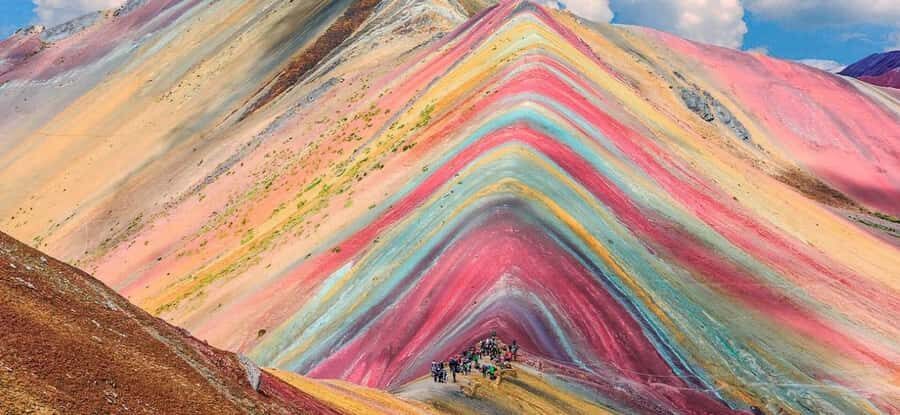
- 5,200 m altitude day plan with oxygen support built into the experience
- Camelid viewing at the start area before the main objective
- Horseback is ascent-only (you’re planning on riding up, not staying on the horse all day)
- Breakfast + buffet lunch at Cusipata to keep you fueled
- Small group (15 max) for easier pacing and smoother guidance
Rainbow Mountain at 5,200 m: why this day hits hard
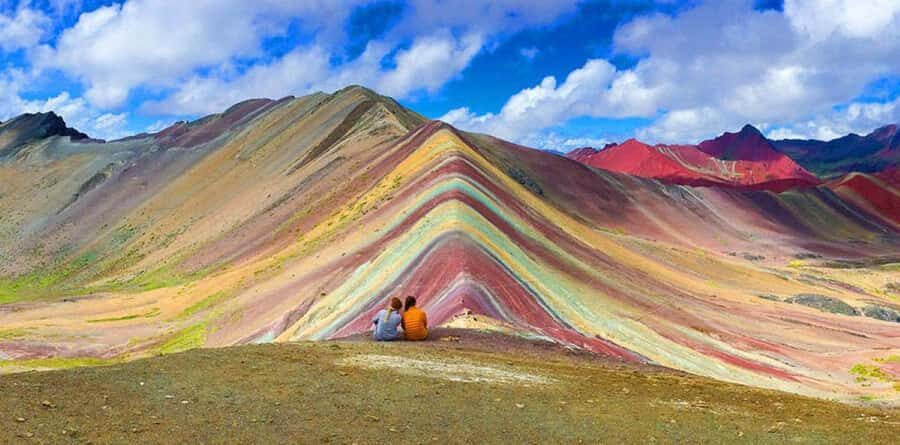
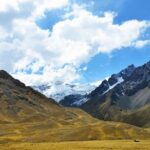
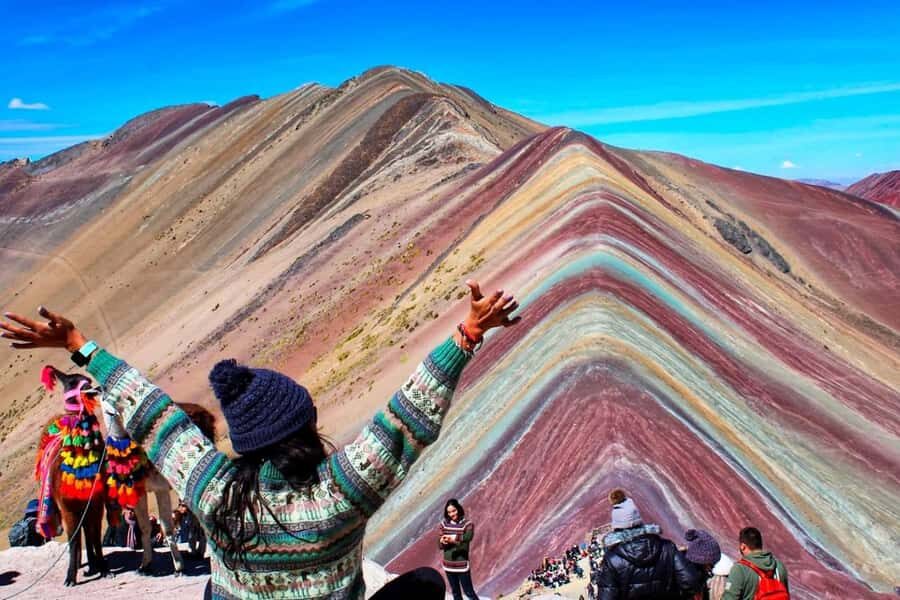
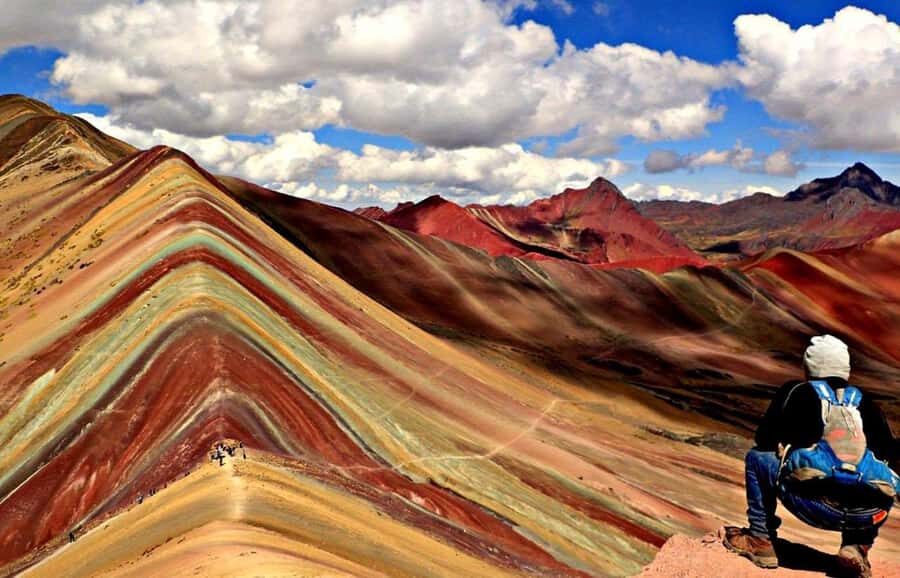
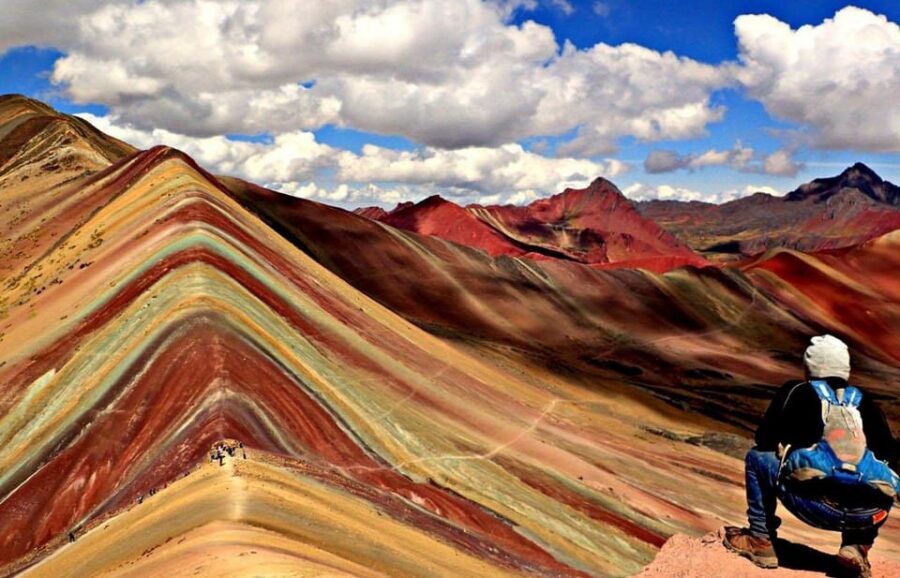
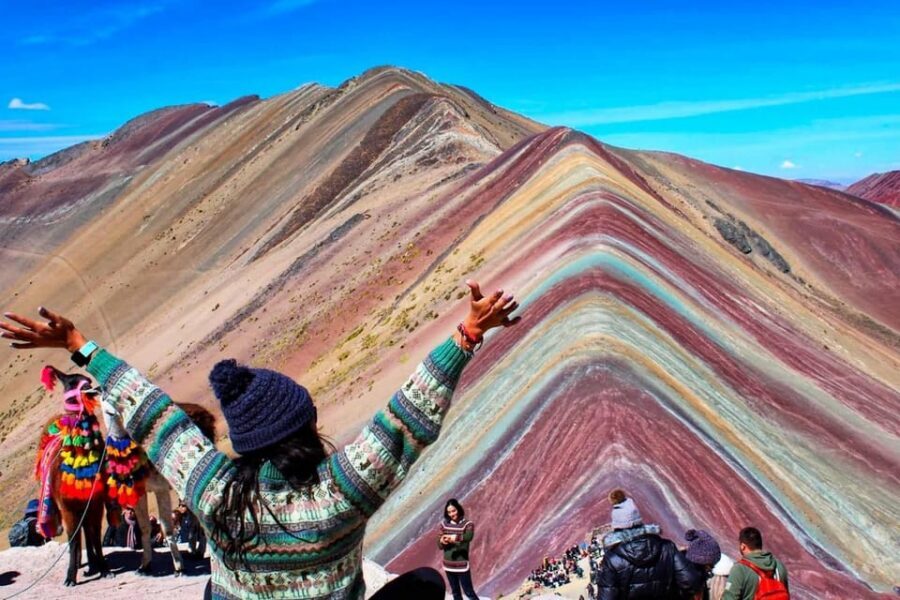
Rainbow Mountain gets its colors from mineral deposits, and the whole point of the trip is to get you up there early enough to see it clearly and comfortably. At around 5,200 meters, thin air turns normal walking into work. That’s why this tour includes oxygen and keeps the day structured, with a guide to manage the pace and timing.
I also like that the experience isn’t just a straight shot to a viewpoint. You get time to observe the area and spot animal life first, which makes the whole day feel like a mountain outing, not a rushed photo sprint. The altitude is the real star here: you’re moving through a place where your body feels the difference.
A few more Cusco tours and experiences worth a look
Cusipata before sunrise: the timing that makes or breaks it
Your day starts early—pickup from your hotel is roughly 4:00 am to 5:00 am, then you’re on the road heading toward Cusipata. This early start matters for two reasons.
First, it lets you reach the starting area and main objective while you’re still fresh and the sky conditions tend to be steadier. Second, it helps you avoid trying to do the hardest part of the day at the worst moment of fatigue.
A big practical detail: the tour ends back in Cusco around 5:00 pm to 5:30 pm near Plaza de Armas. So you’re not stuck out late, but you are committing to an all-day early wake-up.
Cusipata buffet breakfast: fuel that actually counts
Once you reach Cusipata, you’ll have a buffet breakfast. This isn’t a fancy sit-down meal. It’s there to solve a very real problem: you’re about to start moving in thin air, and you need calories and something steady in your stomach before you climb.
What I’d do with this meal: eat enough to feel satisfied, but don’t overstuff. The climb is physically demanding, and heavy food can make altitude feel worse. The tour includes food (not just one snack), so you’re not trying to improvise with what you have in your bag.
Camelid spotting at the starting point
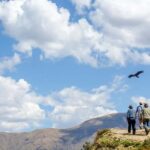
Before the main objective, you’ll spend time at the starting point for about 2 hours, with the chance to observe camelids. This part is more than a warm-up. It slows the whole experience down and gives you something to focus on besides your breathing.
At high altitude, animals that live here have adapted to the conditions. Seeing them in their environment helps you understand why the mountain area feels so different from lower valleys. If you’re the type who likes wildlife moments, this stop is one of the small pleasures that keeps the day from feeling like a grind.
Horseback ascent: how it works, and when you’ll walk anyway
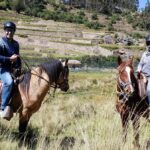
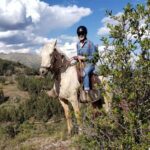
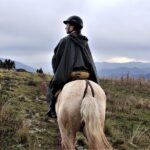
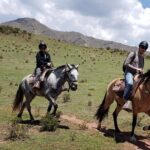
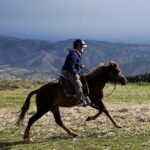
Here’s the key detail: horses are included only for the ascent and it’s one-way. That means the day is planned so you ride up to the climbing challenge, not so you avoid it entirely.
Also, the horses can’t be reserved in advance—this service is handled at the base by the same community—so you need to be ready when you arrive. If your plan is to stay seated the entire way, you’ll be disappointed. If you want a boost to reduce the hardest section while still getting the full mountain experience, this setup can be perfect.
A note from real-world experiences: the ride is often described as fun, but the ascent to the top can be very difficult. So expect a mix: riding plus real hiking effort.
Practical tip: wear hiking shoes and bring hiking pants. Even with a horse involved, you’ll be on uneven ground, and comfort matters when you’re already working against altitude.
A few more Cusco tours and experiences worth a look
Reaching the colorful viewpoint: photo time with real altitude limits
When you arrive at the main objective, you get time to enjoy the mountain marvel and take pictures. The colors come from different mineral shades, which can look different depending on sunlight and cloud cover. That’s why pacing and timing matter more than people expect.
You’ll likely feel the altitude most during the final approach and around stops. I recommend treating the photo time like a stamina budget: take some pictures, pause, breathe, then move again. Don’t turn it into a long standing session if you start feeling lightheaded.
This is also where you’ll notice how the day’s rhythm keeps you from rushing too fast. Since the tour has structured segments—breakfast, starting point camelid time, then the main objective—it’s easier to manage energy than if you were doing it independently with no plan.
Cusipata buffet lunch: good enough to finish strong
After you head back to Cusipata, you’ll enjoy a buffet lunch. For many people, lunch is what makes the whole day feel worthwhile because you’re coming down from altitude effort. In general, buffet meals tend to be simple: filling, not delicate.
That said, food quality can vary depending on expectations and the day’s setup. In one case, lunch was considered poor; in other cases, breakfast and lunch were described as good. My advice is to set your expectations correctly: this is included nourishment designed for function, not a culinary highlight.
Aim for something you can digest easily. If you’re stomach-sensitive, keep it conservative. Save heavier items for later if you’re unsure.
What’s included (and what to budget extra)
For $70 per person, you’re getting a lot of what makes a high-altitude tour easier:
Included:
- Hotel pick-up
- Food (breakfast and lunch)
- Mobility
- Horses to go (one-way) for the ascent
- Oxygen
- Tourist guide
- Duration totals about 6 hours
Not included:
- Tickets to the attraction
- Food not mentioned
- Souvenirs
This is where value comes from. You’re not paying just for a viewpoint. You’re paying for transport timing, a guide, oxygen support, and a horse assist for the hardest parts—plus you’re covered with breakfast and lunch. The one clear extra cost to plan for is the attraction ticket.
So if you’re comparing options, don’t just compare the base price. Check whether your alternative includes pickup, guide support, oxygen, and food.
Guide support: languages that matter at altitude
The tour includes a live guide, with Spanish and English available. That language support matters because at altitude, small explanations help: what pace to use, what to watch for on the ground, and how to manage time when your body is already stressed.
People have shared positive impressions of specific guides connected with the operator—Jonathan, Alex, and Wayra—described as friendly and professional in their approach. Even without a perfect language fit, the presence of a guide makes the day feel safer and more organized.
Small group (15 max): why this pacing feels better
A small group capped at 15 participants is a quiet quality upgrade. In practice, it helps with:
- keeping your pace closer to what you need
- easier regrouping during the climb segments
- fewer people trying to squeeze into the same photo spot at once
It also means the guide can actually manage the day instead of reacting to chaos.
Common pitfalls: the stuff that can ruin your morning
This day starts extremely early, and high-altitude tours punish mistakes fast. Two issues are worth watching:
1) Pickup clarity
The experience is built on hotel pick-up, and if you miss it, you can lose the entire day. Make sure your contact number is correct with your country code and that you have WhatsApp working. If you’re doing a last-minute booking, confirm by email with the supplier before you commit.
2) Assuming horses are guaranteed for your exact preferences
Since horses can’t be reserved, you should assume the horse support will happen when the group arrives at the base. Your best move is to show up on time, be flexible, and treat the ride as a boost—not a guarantee you’ll avoid walking.
What to bring (and what to skip)
Bring:
- Passport or ID card
- Sunglasses
- Sun hat
- Camera
- Hiking shoes
- Sunscreen
- Cash
- Hiking pants
Not allowed:
- Alcohol
- Drugs
Given the altitude and strong sun, sunglasses, sunscreen, and a hat aren’t optional for comfort. The mountain sun can feel intense even when air is thin.
Who should do this, and who should not
This tour is not suitable for:
- Pregnant women
- Wheelchair users
- Visually impaired people
- People with pre-existing medical conditions
- People over 95 years
If you have any medical concerns related to altitude, I’d treat this as a hard no unless a clinician clears you. Even with oxygen included, this is still a 5,200 m environment with a demanding climb.
This is best for you if you:
- can handle steep, high-altitude walking
- want a guided day with food included
- enjoy wildlife moments like camelid spotting
- like your photos, but not at the expense of pacing
Should you book this Rainbow Mountain horseback day?
If you want a high-altitude experience with real support—pickup, guide, oxygen, breakfast and lunch, and horseback help for the ascent—this tour makes strong sense for the price.
I’d skip it if you’re counting on staying on horseback the whole time, or if you’re dealing with altitude risk due to medical issues. Also, be disciplined about pickup readiness: early mornings are unforgiving.
My call: book it if you’re physically prepared for the hike portion and you’re comfortable with the idea that the horse is assistance, not a replacement for effort.