REVIEW · PUNO
Puno: Chucuito, Aramu Muru, and Juli Day Trip
Book on GetYourGuide →Operated by Viaja con Amaru Explorer · Bookable on GetYourGuide
Three Andean worlds in one day. This Puno day trip strings together hilltop Chucuito with the church streets of Juli, plus the legendary stone portal at Aramu Muru. I especially like the practical, on-the-ground way you learn archaeology—Temple of Fertility, Chullpas of Molloco, and Waru Waru—because it helps the big stories make sense. I also love Juli’s classic colonial look, with stops at churches like San Pedro, San Juan de Letrán, and Santo Domingo, plus big paintings by Cusco artists. The main drawback is timing: the Aramu Muru stop can feel like it has a lot going on, and you may have to choose between a viewpoint walk and a shaman-style ceremony.
With hotel pickup in Puno, a small group limited to 15, and a 9-hour pace, it’s a solid way to cover a lot without feeling like you’re constantly changing plans. The tour runs with live guidance in English or Spanish, so you’ll know what you’re seeing (and what to look for) instead of just moving from site to site. Just plan for cold weather and a bit of walking, since this route isn’t set up for wheelchair access.
In This Review
- Key highlights that make this day trip worth your time
- From Puno Pickup to Chucuito: start where the views hit hardest
- Chucuito’s Temple of Fertility: learning the symbols behind the site
- Chullpas of Molloco: funerary towers you can’t unsee
- Waru Waru Andinos: ancient irrigation that still has a job to do
- Aramu Muru, the Gate of the Gods: legend, viewpoint choices, and a spiritual tone
- Juli: the Rome of Latin America and a walk you can actually follow
- Lunch in Juli and the timing that shapes the day
- Price and logistics: is $40 a good deal?
- Who should book this Puno day trip (and who should skip it)
- Should you book the Puno: Chucuito, Aramu Muru, and Juli day trip?
- FAQ
- How long is the Puno Chucuito, Aramu Muru, and Juli day trip?
- Is hotel pickup included in Puno?
- What languages are the guided tours offered in?
- Are meals and entrance fees included?
- Can I cancel for free?
- Is this tour wheelchair accessible?
Key highlights that make this day trip worth your time
- Chucuito’s Lake Titicaca views: a hilltop start that makes the altiplano feel real, fast
- Temple of Fertility + Molloco chullpas: archaeology that goes beyond posters
- Waru Waru Andinos irrigation system: ancient engineering designed to protect crops from frost
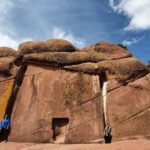
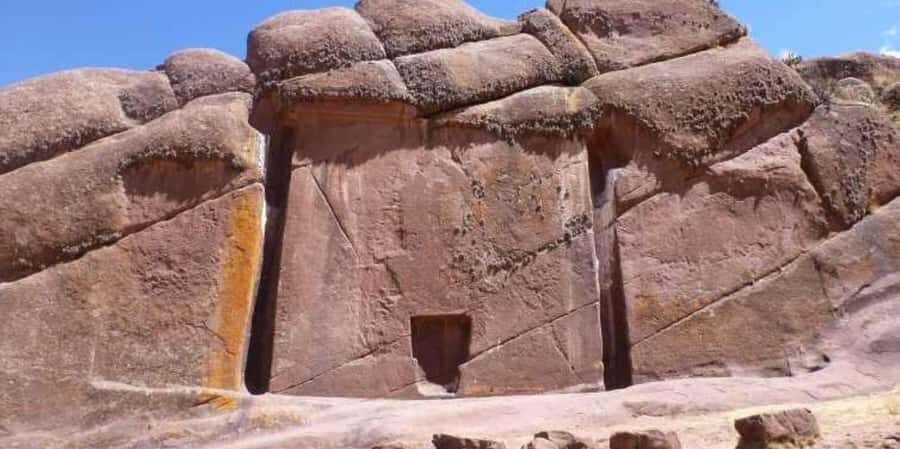
- Aramu Muru, the Gate of the Gods: a stone portal wrapped in local legend and spiritual storytelling
- Juli’s church circuit and Cusco paintings: colonial architecture paired with art you can actually see up close
- Small-group feel with a live guide: enough time for questions, not just a conveyor belt
From Puno Pickup to Chucuito: start where the views hit hardest
Your day begins with a pickup from either your hotel in Puno or Plaza Mayor de Puno, depending on what’s set for your booking. Either way, you’ll want to be ready in the lobby a little before the scheduled time, because the van doesn’t wait around once the group is formed. Then it’s off toward Chucuito, a town set up on a hill with wide looks over Lake Titicaca.
This opening matters more than you might think. When you first see the lake and the surrounding terrain, the rest of the tour clicks: you understand why farming had to be engineered for frost, why communities built on defensible or meaningful land, and why legends grew up around specific rock formations and spiritual sites.
You’ll also have a first chance to get your body ready for the weather. Puno’s altitude can turn a “short” stop into a chilly one if you come underdressed. Wear layers and plan for wind, especially if you’re stopping for photos.
A few more Puno tours and experiences worth a look
Chucuito’s Temple of Fertility: learning the symbols behind the site
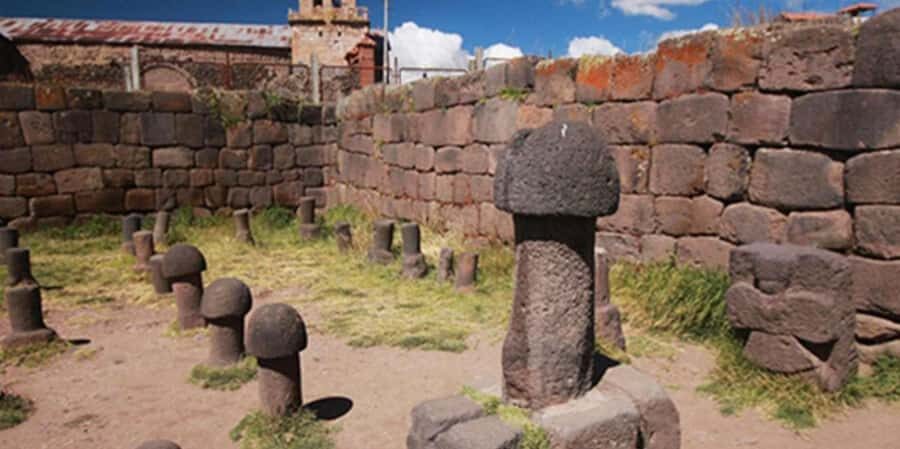
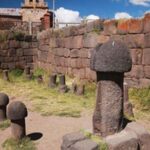
In Chucuito, the guided focus turns archaeological and symbolic. The Temple of Fertility isn’t just a stop you take a picture beside. It’s your anchor point for understanding how local communities explained life, land, and cycles long before modern labels for things like fertility and agriculture existed.
I like this kind of guided stop because it gives you a reading of what you’re seeing. Without context, you might treat the site as “ruins.” With context, you start noticing how the layout, location, and local storytelling all connect to a worldview tied to the land.
Chucuito is also where your guide’s pacing helps. If you’re traveling in the cold morning, you’ll likely feel grateful for the rhythm: a guided explanation, a bit of time to look, and then the next move before you get bored.
Tip for you: bring your warm layer and keep your camera hand-ready. The views can change quickly with light on Lake Titicaca.
Chullpas of Molloco: funerary towers you can’t unsee
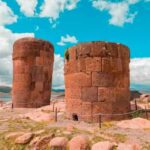
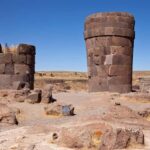
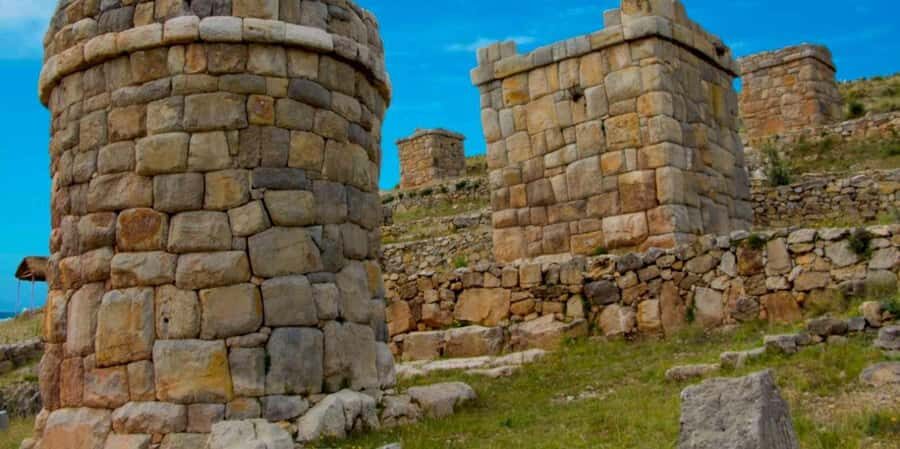
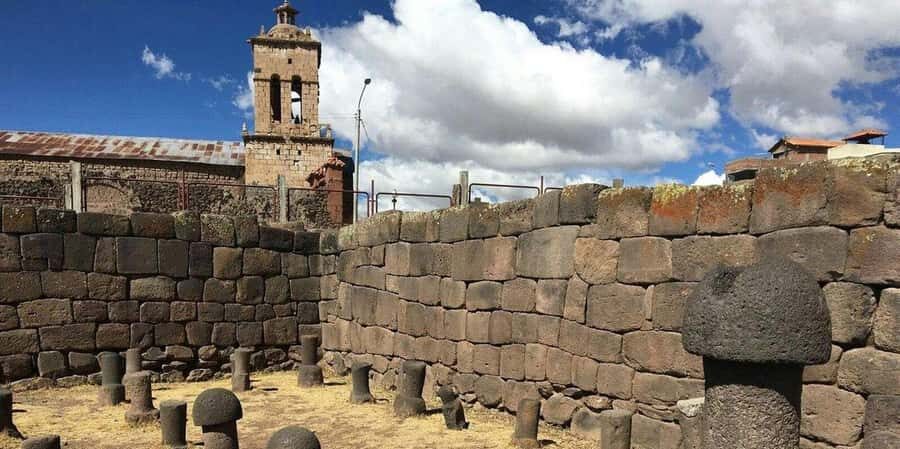
Next comes Chullpas of Molloco—pre-Columbian funerary towers. These are the stops that tend to stick in your mind, because they look both simple and unusual at the same time. You’re not visiting a museum replica. You’re looking at structures built for a specific purpose, in a landscape that still shapes how the site feels.
What I like here is that it turns history into something physical. You can see scale, materials, and the reason a guide’s description matters. If you’ve only ever read about Andean funerary practices in general terms, you’ll get a more concrete sense of what a chullpa is and why communities chose that kind of architecture.
The pacing also works. This isn’t a rushed “photo and run.” It’s a stop where the guide can explain what these towers represent, then you get time to take in details at your own speed.
Waru Waru Andinos: ancient irrigation that still has a job to do
After Molloco, you’ll stop at the Waru Waru Andinos, an ancient irrigation system designed to create a microclimate that helps protect crops from frost. Yes, it’s a mouthful of a name. But the concept is easy: this wasn’t random farming. It was engineering.
This is one of the most practical parts of the whole day trip, because it shows how people adapted to the environment instead of trying to fight it. You’re seeing a system that explains why agriculture could survive where frost is a real threat. It’s a reminder that “ancient” doesn’t mean “inefficient.” In many cases, it means tested over generations.
If you like thinking about how people solved problems with the tools they had, this stop delivers. And if you don’t usually care about irrigation history, the microclimate idea helps you connect dots quickly.
Aramu Muru, the Gate of the Gods: legend, viewpoint choices, and a spiritual tone
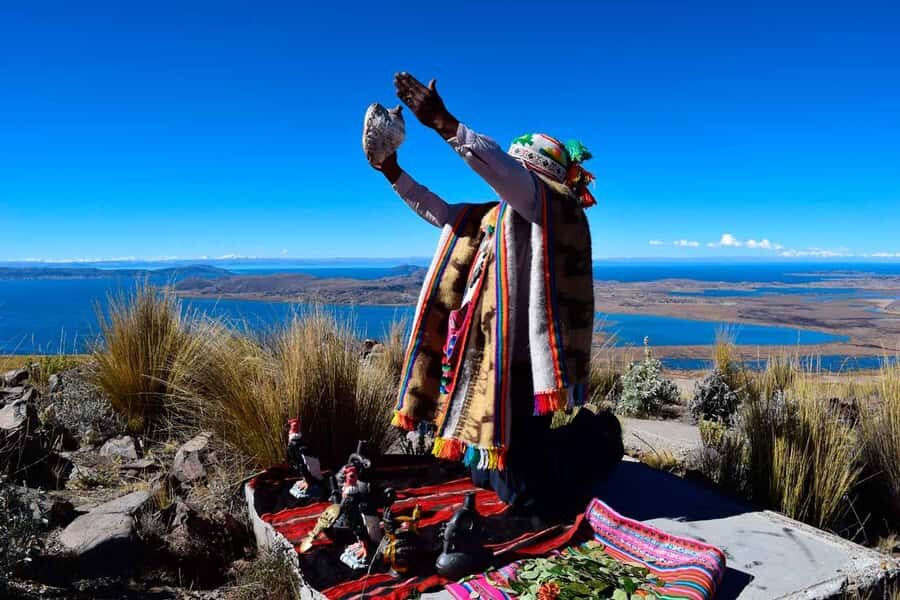
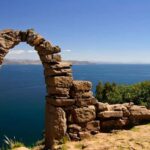
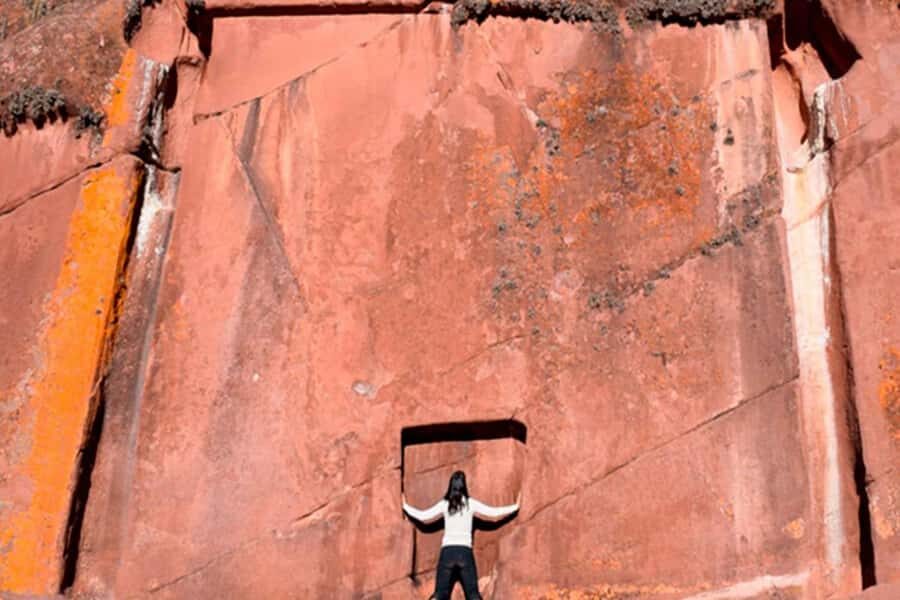
Then comes the Aramu Muru section, often called the Gate of the Gods. This stop leans hard into legend—stories about a mysterious stone portal and what it might mean for the arrival of deities to Earth. It’s a different flavor than the archaeological sites earlier in the day, and that contrast is part of the value.
You should know there can be a moment of choice here. Some versions of the experience include an option to walk up for views, while others include a shaman-style ceremony. The timing can make it hard to do both, so if you have strong preferences (scenery vs. ceremony), consider what you’d rather prioritize before you get there.
I also appreciate how many guides handle this moment: not just chanting the legend, but explaining it in a way that helps you understand why locals attach meaning to specific places. One of the best parts of this segment is the energy a guide can bring—along with references and context that make it feel grounded, not purely mystical.
Photo note: even if you’re not spending hours here, bring your camera settings ready. Stone portals and changing light can produce strong shots fast.

Juli: the Rome of Latin America and a walk you can actually follow
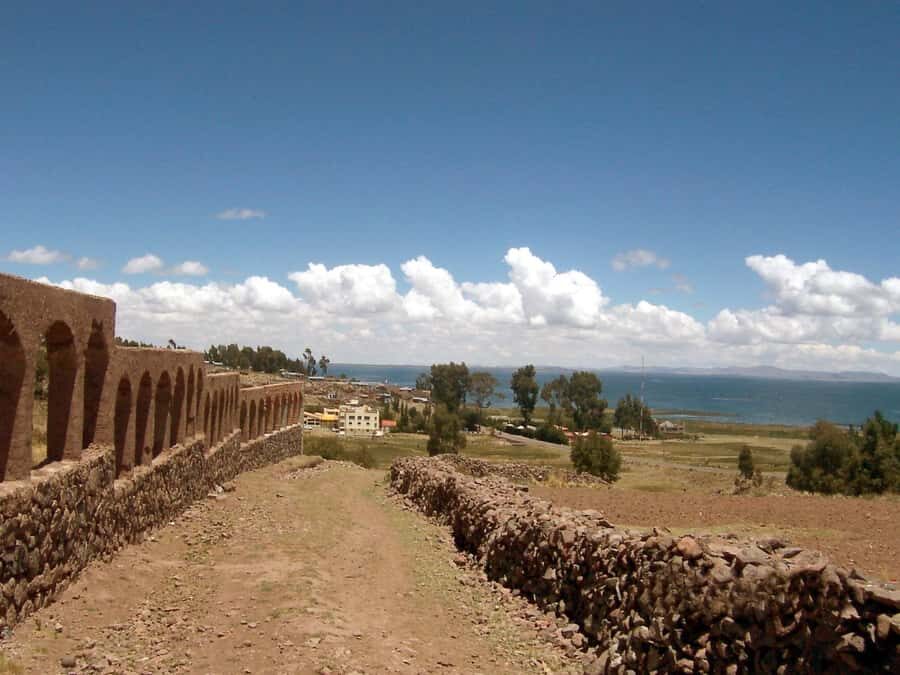
After the Aramu Muru area, the tour shifts into the urban side with Juli, a city known as the Rome of Latin America. That nickname is partly about the density and importance of churches, and you’ll see it during your guided stroll and church visits.
You’ll visit major churches including San Pedro, San Juan de Letrán, and Santo Domingo. The guide will point out what to look for, and the stops are timed so you don’t feel like you’re rushing through doorways. Juli also features large paintings by Cusco artists, and that art is a big reason the city feels more than just old walls. You get a chance to see how different regional styles and religious themes were expressed through painting.
If you’re the type of traveler who likes to slow down for detail, Juli rewards that. It’s easier to notice things when your guide gives you a few “look for this” cues instead of expecting you to decode everything on your own.
One practical consideration: church visits can mean more walking than you expect, plus cold air whenever doors open and people move in and out. Comfortable shoes are a genuine requirement, not a polite suggestion.
Lunch in Juli and the timing that shapes the day
Lunch happens in Juli at a local restaurant stop. Meals are listed as not included, so you’ll want to budget for it separately. The good news is that this format keeps you from having to plan food around the tour timing, and you can eat close to where you’ll be exploring.
From a value standpoint, I like scheduled lunch because it reduces decision fatigue. From a reality check standpoint, your meal will likely be simple and local rather than a fancy set menu. If you’re picky about timing, ask questions early through your guide about when lunch starts and what your options are.
If you want a smooth day: keep water with you (water is specifically recommended), and don’t underestimate the effect of altitude on appetite and energy levels. Snack ahead if you know you get hungry between stops.
Price and logistics: is $40 a good deal?
At around $40 per person for a full-day, guided small-group route, this tour is in the “reasonable value” category—if you use the guide time well.
Here’s how I think about it:
- You’re paying for live interpretation at multiple sites (not just transportation).
- You’re covering several distinct areas: Chucuito, chullpas, Waru Waru, Aramu Muru, and Juli’s churches.
- The tour includes pickup and drop-off in Puno and runs for about 9 hours, which usually costs more than a simple transfer when you add guide time.
What can change the value for you is what you add on top:
- Entrance fees are not included.
- Meals aren’t included.
- You may need cash or the right change on the day, because not every stop’s costs work neatly with card-only payment.
If you’re the kind of traveler who hates surprise expenses, it’s smart to carry some small bills and ask your guide about any likely entry costs early.
Who should book this Puno day trip (and who should skip it)
This day trip is a great fit if you want one guided day that mixes archaeology, Andean engineering, legend, and city wandering. I also think it’s ideal if you’re short on time in Puno but want more than lake views and a couple of ruins.
Book it if:
- You like learning what you’re seeing, not just taking photos
- You enjoy contrast: spiritual legend after concrete archaeology
- You want a small group experience capped at 15 people
Consider skipping or changing plans if:
- You need wheelchair accessibility (the tour is not suitable for wheelchair users)
- You dislike cold and don’t want to dress in layers for an outdoor-heavy route
- You want lots of uninterrupted time at a single site, since the day is built for multiple stops
Should you book the Puno: Chucuito, Aramu Muru, and Juli day trip?
If you’re trying to get maximum meaning out of a single day in the Puno region, I’d lean yes. The best reason is the structure: it pairs big ideas (fertility, death, frost protection, spiritual portals) with places you can stand in and look at. That combination makes the day feel coherent instead of scattered.
I’d book it particularly if you appreciate a strong guide and you’re happy to move at a steady pace. If you’re hoping for unlimited time at Aramu Muru, you’ll want to manage expectations and focus on what matters most to you—viewpoints, ceremony options, or just absorbing the stories in the moment.
If you do book: wear warm clothes, bring water, plan for entrance fees and lunch on your own, and keep your schedule flexible enough to enjoy the slow moments inside the rush.
FAQ
How long is the Puno Chucuito, Aramu Muru, and Juli day trip?
The tour lasts about 9 hours.
Is hotel pickup included in Puno?
Yes. Pickup is included from any hotel in Puno, and you should wait in the lobby about 10 minutes before your scheduled pickup time. Plaza Mayor de Puno can also be a pickup option.
What languages are the guided tours offered in?
The live tour guide speaks Spanish and English.
Are meals and entrance fees included?
Meals are not included, and entrance fees are also not included. Lunch is part of the day’s flow in Juli, but you’ll pay for it.
Can I cancel for free?
Yes. Free cancellation is available up to 24 hours in advance for a full refund.
Is this tour wheelchair accessible?
No. The tour is not suitable for wheelchair users.