Three sites, one story-filled day. I really like how this day ties archaeology to everyday human life through a guide who explains what you’re seeing and why it mattered. You also cover three major archaeological stops in one outing, so you get value in time without having to plan a patchwork route.
The second thing I love is the food: you’re not stuck buying snacks all day. Expect a traditional Peruvian lunch plus snacks during the tour. The main consideration is that the experience is weather dependent, and the day can shift if conditions aren’t right.
In This Review
- Key highlights
- A Quick Reality Check on the 8-Hour Lima Plan
- Getting to Huallamarca, Pucllana, and Pachacamac Without the Hassle
- Pachacamac: Where the Guide Helps You See the People, Not Just the Stones
- Huallamarca: A Thoughtful Stop That Keeps the Day From Feeling Repetitive
- Pucllana: Why the Second City-Stop Makes the Whole Route Click
- Lunch and Snacks: The Peruvian Break That Keeps the Pace Human
- What Makes the Guides Like Juan, Nacho, and Ignacio Worth It
- Price and Logistics: Is $200 Worth This Full-Day Route?
- Who This Tour Fits Best (and Who Might Skip It)
- Should You Book Full Day Pilgrims With Huaca Tours?
- FAQ
- How long is the Full Day Pilgrims tour?
- Which archaeological sites are included?
- Is lunch included?
- Does the tour include transportation?
- Do I receive a mobile ticket?
- Is free cancellation available?
- What happens if the weather is bad?
- Is the tour suitable for most people?
Key highlights
- Three sites in one day: Huallamarca, Pucllana, and Pachacamac without wasted transit planning
- Guide storytelling: names like Juan, Nacho, and Ignacio come up for a reason, they keep the explanations lively
- Traditional lunch and snacks: you keep energy up during an about-8-hour loop
- End-to-end transport: complimentary rides from the city center help you stay relaxed
- Mobile ticket: convenient for a day that already runs on a schedule
A Quick Reality Check on the 8-Hour Lima Plan
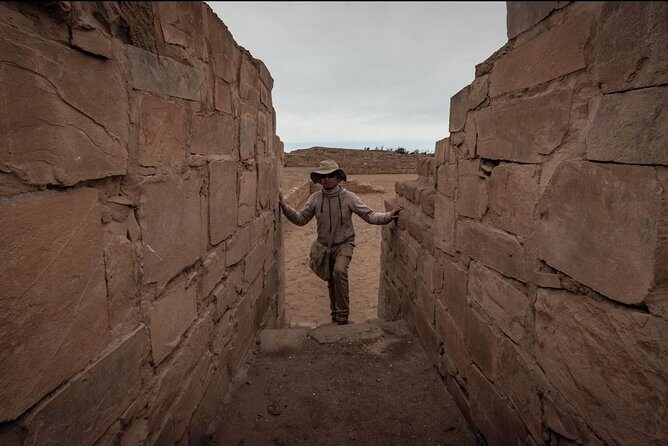
This is the kind of tour that works best when you’re ready for a full day, not a slow stroll. It runs about 8 hours, with traveling between three archaeological locations plus time to listen, look around, and ask questions.
What I like about this pacing is that it balances structure and interest. You’re not just dropped off. You’re guided from stop to stop, which matters when you want to understand what you’re seeing without guessing.
The one “watch out” item is weather. The tour specifically requires good weather, so plan with flexibility in mind. If the day gets adjusted or rerouted, you’ll at least know it’s because conditions matter here, not because of random chaos.
A few more Lima tours and experiences worth a look



Getting to Huallamarca, Pucllana, and Pachacamac Without the Hassle
A big part of the comfort is the ride plan. The tour includes complimentary transportation that takes you from Lima’s city center out to the three sites. That means you can spend your energy on the ruins and the guide’s talk, not on navigating public transport or haggling over taxis.
This matters in Lima because archaeology day trips can become tiring fast. When the logistics are handled, you don’t lose momentum between stops. You also get a cleaner flow of timing—important when you have a set schedule and multiple locations to cover.
One small practical plus: the sites are described as near public transportation, and most people can participate. So if you’re doing this as part of a busy itinerary, you’re less likely to feel stranded if you need to adjust your plans around other activities.
Pachacamac: Where the Guide Helps You See the People, Not Just the Stones
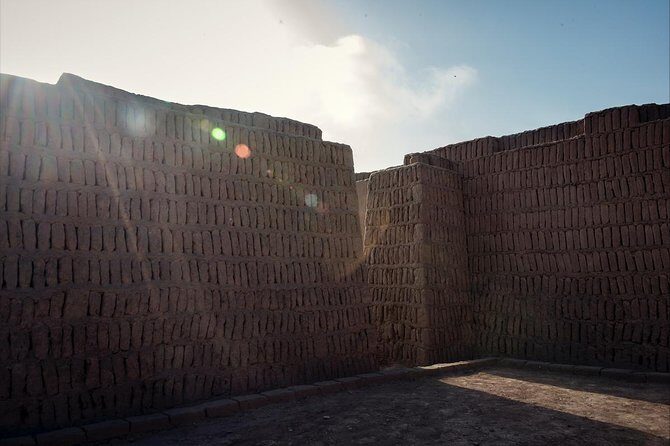
Pachacamac is the first stop on the route, and it’s a smart anchor for the day. You start there because it sets the tone for everything that follows: you’re learning how to read these places as more than scenery.
At Pachacamac, the key is the guide’s approach. You’ll get commentary that goes beyond the basic facts you might find on a sign. Expect explanations that connect the site to life as it was when it was active, with a storytelling style that helps the place feel human instead of distant.
If you want to get the most out of this stop, don’t just look around—ask follow-up questions. In the feedback for this tour, people repeatedly mention that questions get answered along the way. That turns your visit from a one-way lecture into a back-and-forth learning moment.
And yes, you should also plan on photo time. Several comments note opportunities for good pictures, which is helpful because you’ll want something to remember the day by, not just the memory.
Huallamarca: A Thoughtful Stop That Keeps the Day From Feeling Repetitive
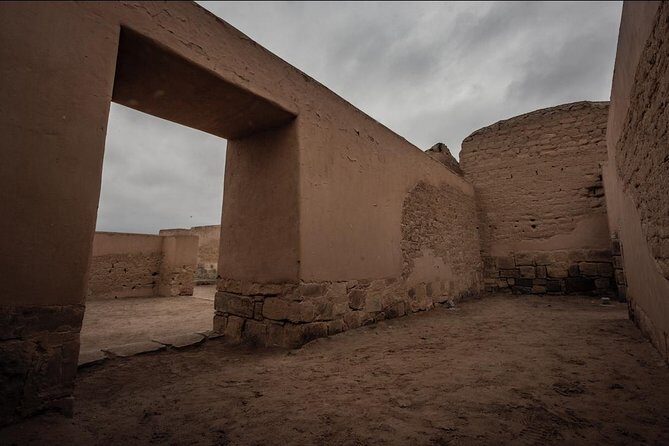
Huallamarca is one of the three locations on this itinerary, and the way it’s positioned helps prevent your brain from going on autopilot. After learning at Pachacamac, you move into a new setting with the guide guiding your attention rather than letting you wander without context.
What makes Huallamarca feel worthwhile is the same thing that makes the whole tour work: the explanations. The guide doesn’t treat the site like a checklist item. You’ll hear details that paint a picture of what life looked like during the period the site was important.
This stop is a good fit if you enjoy hearing cultural context. Even if you’ve visited ruins before, this kind of tour helps you refine how you interpret them—less like isolated ruins, more like parts of a larger story around Lima’s ancient past.
If you’re the type who likes to compare how different sites express culture through layout and setting, you’ll likely find Huallamarca energizing because it changes the visual and the meaning without forcing you into a completely new day plan.
Pucllana: Why the Second City-Stop Makes the Whole Route Click
Pucllana is the third stop in the day, and it’s more than a repeat of the same idea. By the time you reach Pucllana, you’ve already learned how your guide frames these archaeological places, so you can focus on what’s distinct about this location.
Just like at the others, you’ll listen as the guide connects the site to life in earlier times. You’re learning to read the site through explanation, rather than only through what your eyes can figure out alone.
Pucllana also benefits from the day’s built-in pacing. You’re not rushing straight from lunch into another information wall. The tour’s structure helps you reset mentally, so the last stop lands better.
If you want a simple strategy, use Pucllana as your moment to consolidate. Try to connect what you learned earlier to what you see here—what seems similar, what feels different, and what the guide emphasizes as important.





Lunch and Snacks: The Peruvian Break That Keeps the Pace Human
A full-day archaeology tour lives or dies by energy. This one helps with lunch and snacks included, and that’s a real value point.
You get a traditional Peruvian lunch during the tour plus snacks along the way. That matters because it prevents the classic problem of spending your best focus time thinking about what you’ll eat next, instead of listening.
It also helps for groups. When everyone isn’t scrambling for food, the schedule stays smoother. Several comments praise how organized and on-time things feel, and included meals are part of why that tends to work.
Practical tip: wear layers. Lima weather can change, and you’ll be outside during parts of the day. The tour’s schedule is fixed, so you’ll appreciate dressing for comfort while you’re waiting between walking sections and listening stops.
What Makes the Guides Like Juan, Nacho, and Ignacio Worth It
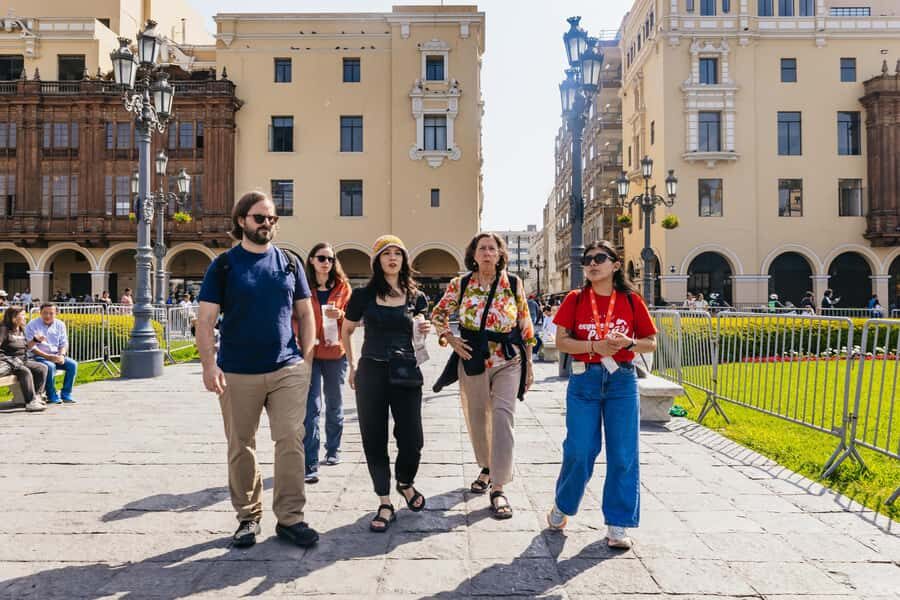
If you’re picking between tours, the guide is usually the difference between a forgettable day and a memorable one. This tour leans hard into storytelling, and the feedback is consistent about it.
People mention guides like Juan and Nacho for being super knowledgeable and for keeping explanations interesting. Another named guide, Ignacio, also gets credit for detailed explanations and a friendly, informative style.
What I find especially useful is that the guides are described as easy to communicate with—good English shows up in the comments, and Spanish and English are both mentioned as advantages. That means you’re more likely to understand the important details instead of nodding politely through half the talk.
The other standout theme is engagement. Some comments highlight that it was hard to get distracted because the guide kept things interesting. That’s a big deal on a day that stretches to about 8 hours.
If you want to make the guide’s work pay off, come with one or two questions you genuinely care about. For example: how did people live at places like these, what changed over time, and how should you interpret what’s visible now? When you do that, the answers can turn the tour into a conversation.
Price and Logistics: Is $200 Worth This Full-Day Route?
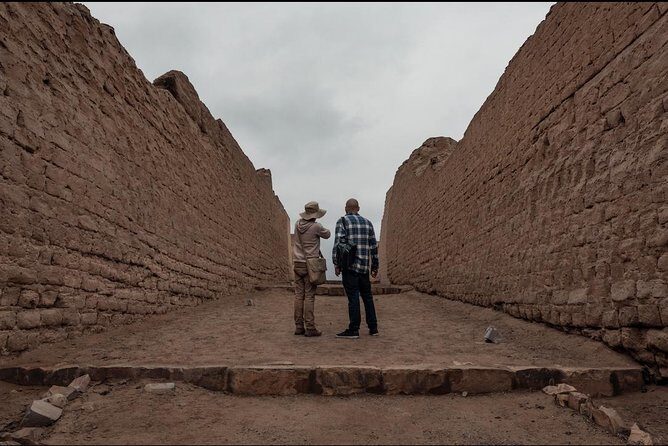
The price is $200 per person for an about-8-hour day. That sounds like a lot until you break down what you’re paying for.
You’re not just paying for transport and entry. You’re paying for:
- a guided route that hits three archaeological sights in one day
- commentary that goes beyond quick facts
- a traditional Peruvian lunch and snacks
- end-to-end complimentary transportation from the city center
- group discounts and a mobile ticket
So the value isn’t only the sites—it’s the time savings and the guide-led understanding. If you’ve ever tried to assemble multiple archaeology stops yourself, you know how quickly the day can turn expensive once you add rides, tickets, and the cost of getting lost or waiting.
Could you do it cheaper on your own? Maybe. But you’d trade away the structured learning and the included meals that keep the pace comfortable. At this price point, the best “fit” is someone who wants a guided full-day experience without the planning burden.
If you’re traveling as a group, the group discount is another reason the math can work better than it looks at first glance.
Who This Tour Fits Best (and Who Might Skip It)
This tour fits best if you:
- want to see three Lima-area archaeological sites in one outing
- like guided explanations that feel like stories, not just dates and names
- appreciate having lunch and snacks included
- want comfortable transport and a clear plan for the day
It may be less ideal if you prefer slow, independent exploring with lots of downtime. This isn’t a blank-schedule museum day. It’s a guided itinerary with a pace built around covering multiple locations.
It’s also worth remembering the weather requirement. If your Lima trip has limited flexibility and you’re traveling during a period when rain is common, keep that in mind. The good news is the tour is designed to run with weather in mind, so you’re not signing up for a random outdoor slog with no backup plan.
Should You Book Full Day Pilgrims With Huaca Tours?
I’d book this when you want a guided archaeology day that doesn’t require you to do the heavy lifting. The strongest reasons are practical and human: three stops, a guide who keeps the stories engaging, and the fact that your lunch and snacks are handled.
I’d also feel good booking if you value clear communication and like learning in a group setting. The repeated mentions of friendly, organized service and guides like Juan, Nacho, and Ignacio suggest the experience is designed to feel smooth.
If you can be flexible on weather and you’re ready for an about-8-hour day, this is a solid way to spend time in Lima when you want ancient history that you can actually understand, not just observe.
FAQ
How long is the Full Day Pilgrims tour?
It runs for approximately 8 hours.
Which archaeological sites are included?
The tour visits three Lima archaeological locations: Huallamarca, Pucllana, and Pachacamac.
Is lunch included?
Yes. You get a traditional Peruvian lunch, plus snacks during the tour.
Does the tour include transportation?
Yes. Complimentary transportation takes you from the city center to the tour’s archaeological stops and back through the day.
Do I receive a mobile ticket?
Yes. The tour offers a mobile ticket.
Is free cancellation available?
Yes. You can cancel for a full refund up to 24 hours in advance of the experience start time.
What happens if the weather is bad?
The tour requires good weather. If it’s canceled due to poor weather, you’ll be offered a different date or a full refund.
Is the tour suitable for most people?
It notes that most travelers can participate, and it’s near public transportation.