REVIEW · CUSCO
Cusco City Tour with Sacsayhuaman & Inca Sites – Small Group
Book on Viator →Operated by TreXperience · Bookable on Viator
If you want Cusco in a few hours, start here. This small-group tour strings together Inca masterworks and Spanish overlays, with a guide to keep it all from feeling like random stones. I especially like the small-group size (max 16) and the way the day balances big names—Coricancha, Sacsayhuaman—with lesser-seen stops like Qenqo, Puka Pukara, and Tambomachay. One thing to think about: cathedral entrance isn’t included, so you may need to skip it unless you buy tickets separately.
You’ll meet in the heart of Cusco at the Plaza de Armas and head out at 1:00 pm, with a choice of morning or afternoon departures depending on what you book. Expect a 4–5 hour outing with short site visits plus a few vehicle hops between locations.
Because this is an Inca-and-colonial sampler with some walking on uneven ancient surfaces, it’s best if you have moderate fitness and you’re fine moving at a steady pace for a half day.
In This Review
- Quick hits: what makes this Cusco tour click
- Cusco Plaza de Armas: your easy on-ramp to Inca and colonial Cusco
- Coricancha and Santo Domingo: the Sun Temple beneath the convent
- Sacsayhuaman: the zigzag stone walls and the view that makes it worth it
- Qenqo and its carved rock labyrinth: where ceremony hides in stone
- Puka Pucara: the Red Fortress and the sense of movement through the Andes
- Tambomachay: water worship, aqueducts, and a calmer finish
- Price and value: why $98 can be a smart half-day in Cusco
- Timing: why starting at 1:00 pm helps your Cusco plan
- Fitness, comfort, and how to get the most out of the walking parts
- The guide factor: what past guests consistently praise
- Should you book this Cusco City Tour with Sacsayhuaman and Inca Sites?
- FAQ
- What time does the tour start?
- How long is the experience?
- Where do I meet the tour?
- Does the price include hotel pickup and drop-off?
- What parts of the tour include admission tickets?
- What isn’t included in the ticket price?
- How big is the group?
- Is the tour physically demanding?
- Can I cancel for a full refund?
Quick hits: what makes this Cusco tour click
- Small group (max 16) means you get clearer answers and more time to look closely.
- Coricancha included lets you compare Inca stonework under the Santo Domingo convent.
- Partial Tourist Ticket, Circuit I covers Sacsayhuaman, Qenqo, Puka Pucara, and Tambomachay.
- Sacsayhuaman stops for panoramas and story time about ceremonies like Inti Raymi.
- Multiple sacred sites beyond the headline names so you don’t leave Cusco with only one Inca stop.
- Hotel pickup/drop-off in the Historic Center keeps the logistics simple.
Cusco Plaza de Armas: your easy on-ramp to Inca and colonial Cusco
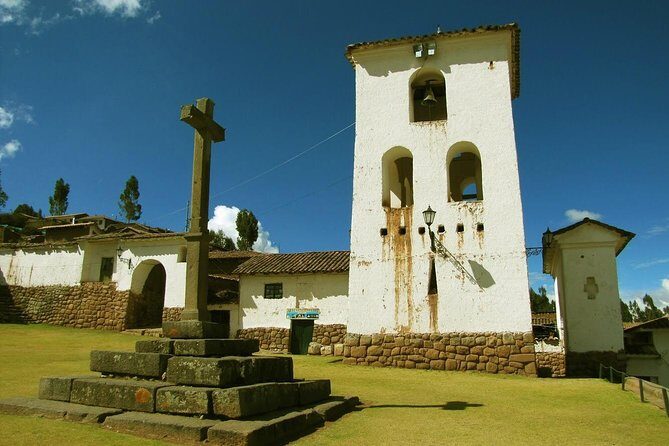
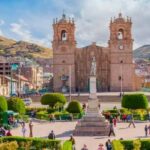
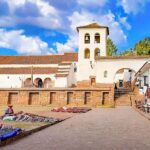
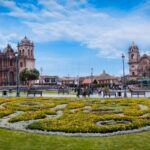
Cusco starts fast at the Plaza de Armas, and that’s the point. You begin right in the city’s core, where the guide puts the colonial buildings and Inca past into the same frame instead of treating them like separate worlds. This is also where the tour helps you orient: once you understand how this square worked as a ceremonial center, the rest of the city starts to make more sense.
A standout moment here is the walk past the 12 Angled Stone, set into an ancient Inca wall. It’s the kind of detail that would be easy to miss on your own, because from street level it’s just another chunk of wall—until your guide explains how perfectly it fits the larger Inca design. You also move along Loreto Street, known for classic Inca urban planning, with original stone walls on both sides. That’s a practical win: you get a feel for how Inca Cusco handled streets and walls before you jump to temple sites.
One consideration: this first stretch is a walking intro, so plan shoes that handle stone sidewalks and curb edges. If you’re hoping for a full sit-down museum style day, this part may feel a little brisk.
You can also read our reviews of more city tours in Cusco
Coricancha and Santo Domingo: the Sun Temple beneath the convent
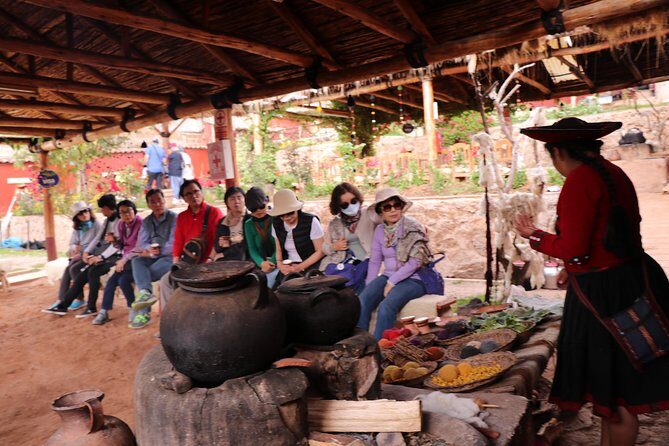
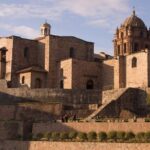
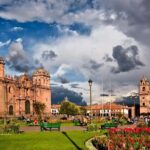
Coricancha is the kind of place where you can’t help but think about layers—literally. The tour takes you to what was once the most important Inca temple in the empire, dedicated to the Sun. Then it shows you the part many visitors miss: the Spanish built Santo Domingo right on top of the original Inca foundations.
What I like about this stop is the guided comparison. Inside the convent, you can see Inca stonework and colonial architecture in the same view, which makes the history feel real instead of abstract. Your guide also connects Coricancha to how the Incas used this space: it was tied to important ceremonies, astronomy, and worship, and it was once covered in gold. Even if you don’t walk away with a perfect mental model of Inca cosmology, you’ll leave understanding why this temple mattered so much.
This stop is also practical for ticketing. Coricancha entrance is included, so you don’t waste time or budget figuring out what you still need to buy. The visit length is about 30 minutes, which means you get enough time to look and ask questions without the rest of the day sliding.
Sacsayhuaman: the zigzag stone walls and the view that makes it worth it
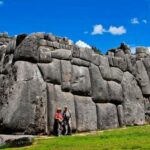
Sacsayhuaman is a “from far away, you get it” site. Even before you explain the stones, it’s obviously huge, and the fortress sits high enough to give you serious views over Cusco and the surrounding mountains. The tour includes a vehicle ride here, which helps you conserve energy for the walking part on site.
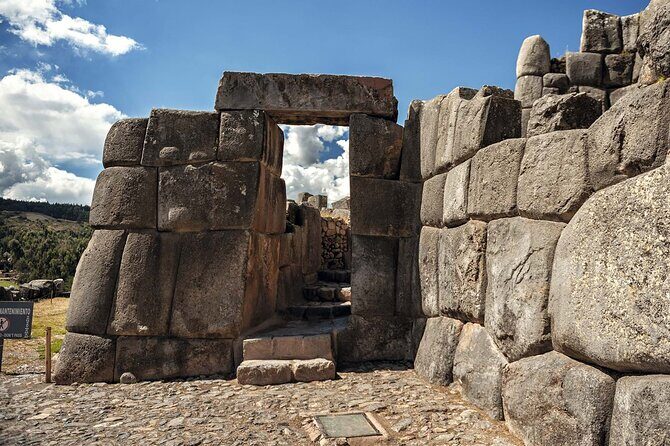
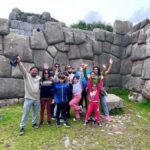
The defining feature is the giant zigzag stone walls. The guide focuses on how the blocks were fitted so precisely that even something as thin as paper can’t be slid between them. That’s a small detail, but it’s the kind that changes your whole reaction. You stop thinking about ruins as decoration and start seeing them as engineering.
Your guide also adds the human layer: stories about battles and ceremonies, plus how Sacsayhuaman still connects to modern Inca traditions through Inti Raymi. That gives the site more meaning than just its walls. You’re not only looking; you’re understanding what the Incas may have used these spaces for.
Ticketing here is built into the plan with the partial Tourist Ticket (Circuit I), so you’re set. One small caution: Sacsayhuaman is exposed in many spots, so bring what you need for sun or wind, and pace your photos so you’re not stuck at the top when the group moves on.
Qenqo and its carved rock labyrinth: where ceremony hides in stone
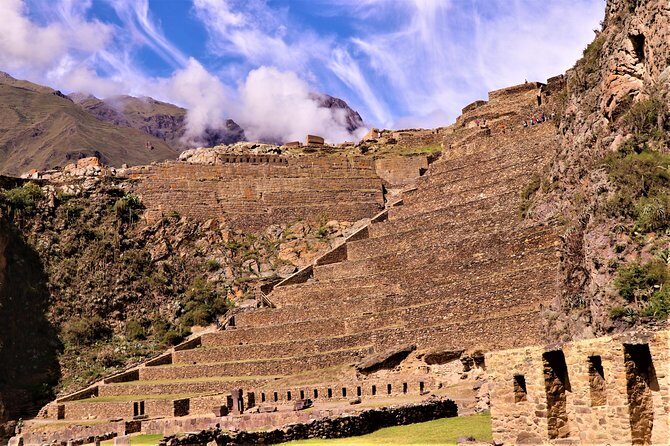
After Sacsayhuaman’s fortress feel, Qenqo shifts the mood. This is a ceremonial center carved almost entirely from rock, with winding passages, carved channels, and hidden altars. You’ll move through the space in a way that feels like exploring a spiritual machine—stone shapes built for ritual, not crowds.
The name matters. Qenqo means “zigzag” in Quechua, and once you’re inside, the form starts making sense. I like that your guide doesn’t just point at carvings; they also explain different theories about its use and what it may have meant spiritually. With sites like this, nobody has one perfect answer, but the best guides give you enough context to imagine how people might have experienced it.
This is included under the same Circuit I ticket. The visit time is about 30 minutes, so the goal isn’t to memorize everything. Instead, it’s to leave with a sense of how Inca ritual spaces could be sculpted and concealed within natural-looking rock.
Puka Pucara: the Red Fortress and the sense of movement through the Andes
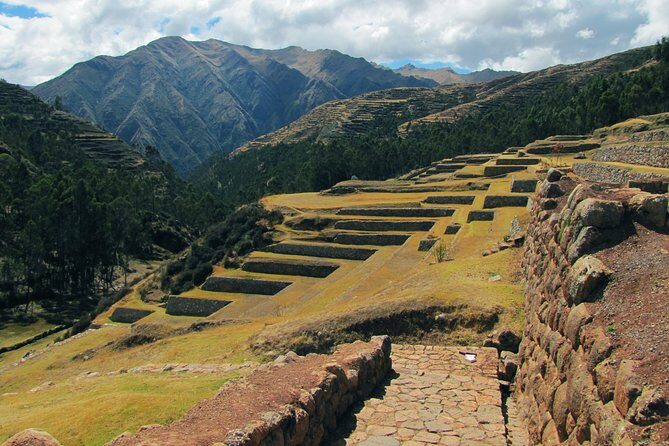
Then comes Puka Pucara, the “Red Fortress” (that name is Quechua: Puka Pukara). Here the tour zooms out from a single ceremonial site and connects the dots to routes—how Cusco linked to the Sacred Valley and even toward the jungle region.
This place is described as likely serving as a military checkpoint and resting place along that road network. On the terraces and stone walls, you get open views where you can imagine people arriving, resting, and moving again. A good guide helps you read the site as a system: guard posts, rooms, and walls as practical elements of control and protection, rather than random stone piles.
The visit is about 30 minutes, and admission is listed as free for this stop. That’s a nice bonus for value, since the day already includes several paid entrances. The main drawback is that this site can feel subtle if you’re rushing or if you arrive with only a checklist mindset. Slow down enough to notice the layout, and it clicks faster.
Tambomachay: water worship, aqueducts, and a calmer finish
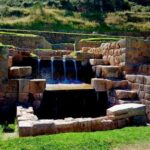
Tambomachay is the cool-down stop. It’s known for its clear water fountains and elegant stonework, often nicknamed the Inca Baths. The idea here isn’t just a pretty photo spot—it’s how the Incas engineered water and treated it as sacred.
You’ll see perfectly built aqueducts and canals that still carry water after hundreds of years. That’s not just impressive; it helps you understand how the Incas made daily life work with their spiritual world. Your guide ties this to rest and worship of water, which makes the site feel less like a leftover and more like a functioning relationship between people, stone, and water.
It’s also a good place to breathe. You get fresh air, open views, and a calmer vibe before heading back to Cusco. From a practical standpoint, this stop is included under Circuit I, so you’re not juggling tickets while the day is wrapping up.
Price and value: why $98 can be a smart half-day in Cusco
At $98 per person for about 4–5 hours, this tour isn’t trying to be the cheapest way to see Cusco. It’s aiming to be the smooth way. Here’s what you’re actually buying:
- Hotel pickup and drop-off in the Cusco Historic Center, which saves you time and hassle in a busy city.
- A professional guide to explain what you’re looking at, so you don’t just collect photos.
- Entrances and tickets: Coricancha entrance is included, plus the partial Tourist Ticket (Circuit I) for several of the biggest archaeological stops in the afternoon loop.
- A small group size (max 16), which makes the guide’s explanations more useful.
What’s not included is also clear: cathedral entrance and visit aren’t covered, and meals/snacks aren’t included. That means if you want to go inside the cathedral, you’ll need to budget time and tickets separately. If you’re doing this as part of a Cusco itinerary where you already plan meals and a cathedral visit on another day, this works nicely.
Also note a practical booking clue: the experience is commonly booked about 45 days in advance. Cusco tours can fill up, especially in high season, so if your dates are set, booking earlier is a good move.
Timing: why starting at 1:00 pm helps your Cusco plan
Starting at 1:00 pm is underrated. You get a slower morning to adjust to Cusco rhythms, catch up on shopping, or handle anything you missed the day before. Then you still get a full afternoon of major Inca sites, plus Coricancha and the Plaza de Armas context.
It also gives you a clean arc: orientation first (Plaza de Armas), then one big temple overlay story (Coricancha), then the fortress and ceremonial sites (Sacsayhuaman, Qenqo, Puka Pucara), and finally water engineering at Tambomachay. By the end, you’ve seen different “types” of sacred space—ceremonial worship, fortress defense, ritual carved stone, checkpoint routes, and water systems.
If you’re choosing between morning and afternoon departures, pick based on your energy. Afternoon tours tend to feel ideal if you like a later start and want to avoid rushing your mornings.
Fitness, comfort, and how to get the most out of the walking parts
This tour calls for moderate physical fitness. That doesn’t mean it’s a hike-fest. It means you should expect some walking and movement across sites with ancient stone surfaces. The time at each stop is about 30 minutes, but the day adds up.
I’d plan for:
- Comfortable walking shoes with grip.
- Sun protection, since some viewpoints (especially around Sacsayhuaman) can be exposed.
- A water plan. Meals aren’t included, so you’ll want your own strategy for staying comfortable during the half day.
If you’re traveling with someone who tires easily, the combination of vehicle transfers and short site visits helps. The small group size also tends to reduce the constant wait-around feeling you sometimes get on larger tours.
The guide factor: what past guests consistently praise
A big theme in the feedback for this provider is that the guide makes the difference. People highlight guides who explain Inca and Quechua culture with passion, patience, and lots of room for questions. Names that come up often in feedback include Katia and Jennifer, as well as guides like Frank, Leo, and Roger. The common thread is storytelling that connects stone, ritual, and everyday meaning.
That matters for this specific kind of tour because you’re seeing sites where the details aren’t obvious at first glance. Precision stonework at Sacsayhuaman, concealed ceremonial features at Qenqo, and water systems at Tambomachay all become far more interesting when someone gives you the right frame.
So yes, the sights are the headline. But the guide is what turns a checklist of places into understanding.
Should you book this Cusco City Tour with Sacsayhuaman and Inca Sites?
Book it if you want a smart, guided way to cover Cusco’s major Inca landmarks without getting lost in interpretation. It’s especially good when you:
- Have limited time and want a full Inca highlights loop in one afternoon.
- Prefer a small group (max 16) over crowded big buses.
- Care about how Inca and Spanish history overlap, not just where the ruins are.
Skip it or adjust your expectations if you must have a cathedral interior visit as part of this same trip, since cathedral entrance and visit aren’t included. Also, if you’re hoping for a very low-walking day, this still includes enough movement across multiple stops that you’ll want solid footwear and a calm pace.
If this matches your style, you’ll get a lot of meaning per hour—and you’ll leave Cusco feeling like you can read the city’s stones, not just photograph them.
FAQ
What time does the tour start?
The tour starts at 1:00 pm.
How long is the experience?
It lasts about 4 to 5 hours.
Where do I meet the tour?
You meet at the Plaza de Armas, Cusco (08000), Peru.
Does the price include hotel pickup and drop-off?
Yes. Pickup and drop-off are included for hotels in the Cusco Historic Center.
What parts of the tour include admission tickets?
Coricancha entrance is included. The partial Tourist Ticket (Circuit I) is included for Sacsayhuaman, Qenqo, Puca Pucara, and Tambomachay.
What isn’t included in the ticket price?
Cathedral entrance and visit aren’t included, and meals/snacks are not included either.
How big is the group?
The maximum group size is 16 travelers.
Is the tour physically demanding?
It’s listed as suitable for travelers with moderate physical fitness.
Can I cancel for a full refund?
Yes. You can cancel up to 24 hours in advance for a full refund.