REVIEW · CUSCO
Cusco: Half-Day Historic City Tour
Book on GetYourGuide →Operated by MPTC GETS · Bookable on GetYourGuide
Cusco’s ruins are layered, not random. This half-day tour knits together Cusco Cathedral art and Qoricancha Sun-temple ruins, then sweeps you to major archaeological stops by air-conditioned coach. I especially like how the itinerary is built for a tight schedule, and I like that you get a live English guide who can point out what to notice instead of just dropping you at a gate.
One thing to keep in mind: the group is small, but the experience can feel a bit rushed, and you should expect occasional sales-style interruptions during the ride or at the craft stop.
In This Review
- Key things to know before you go
- Cusco Cathedral first: art, carvings, and what to look for
- Qoricancha Museum: the Sun Temple story under later walls
- Sacsayhuaman by air-conditioned coach: the “how did they do that?” moment
- Qenqo: the sacred labyrinth and why ceremonies mattered
- Puca Pucara: military complex, storage spaces, and the logic of planning
- Tambomachay: the freshwater spring moment
- Craft center stop: textiles, vicuña wool, and the real-vs-fake lesson
- Group size and the pacing reality: what 7 hours feels like
- Price and ticket math: where the real cost lands
- Language and guide style: English is the goal, but heads up
- Who should book this Cusco city tour
- Should you book it?
- FAQ
- How long is the Cusco half-day historic city tour?
- Where does pickup happen?
- What’s included in the $18 price?
- Which tickets are not included?
- Is the guide available in English?
- Is the tour outdoors and weather-dependent?
- What should I bring and watch for?
Key things to know before you go
- Afternoon start, evening return: Pickup begins around 1:00 PM and the coach gets you back around 7:30 PM near Santa Catalina Street.
- Plan for tickets in cash: Cathedral, Qoricancha, and the tourist ticket are not included (25 soles, 15 soles, and 70 soles).
- A real Inca-and-colonial mix: Start in colonial Cusco, then shift to Inca ceremonial and military sites.
- Coach comfort for the climbs: Travel between the center and the outer ruins is done by air-conditioned coach.
- Bring hiking shoes and sun protection: Uneven ground and strong sun are part of the deal in Cusco.
- Textiles are a teach-and-sell moment: You’ll visit a craft center where you learn how to recognize traditional garments.
Cusco Cathedral first: art, carvings, and what to look for
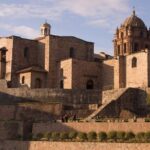
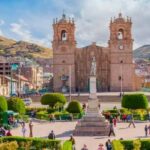
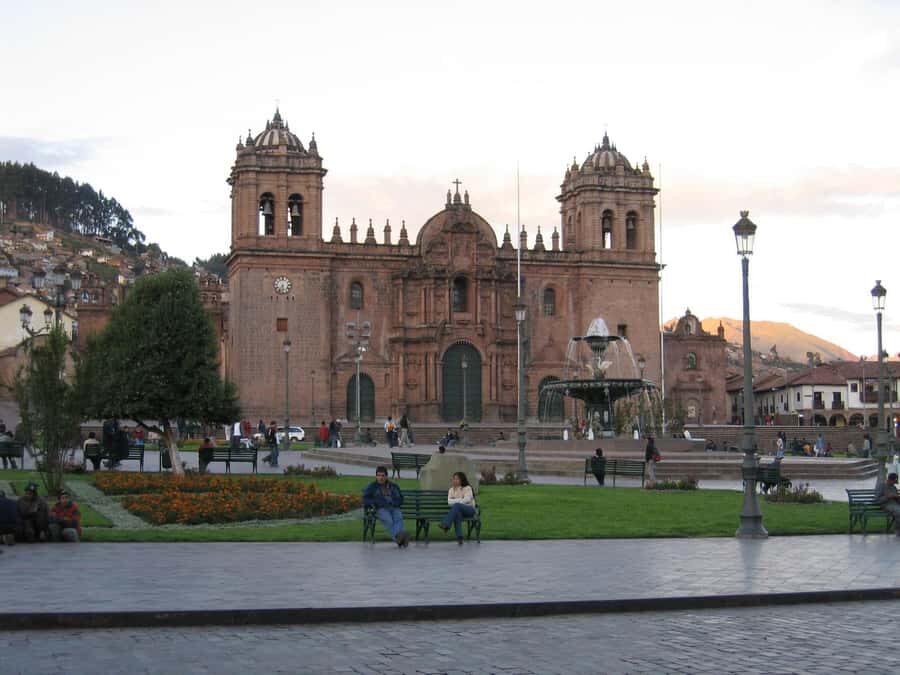
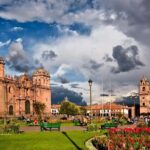
The tour starts with hotel pickup from Cusco’s city center at about 1:00 PM, then heads straight into Cusco Cathedral, a UNESCO site. If you’re only expecting a quick church stop, reset that idea. This is where you train your eyes: paintings, carvings, and sculptures inside give you a feel for how Cusco’s story got rewritten over time.
You’ll get guidance on the details that are easy to miss when you’re just looking for photo angles. The Cathedral stop is also a good warm-up for the rest of the afternoon, because it helps you understand the cultural shift you’re about to see when Inca space meets colonial-era building.
Practical note: entrance isn’t included, so you’ll need to pay the Cathedral ticket separately in local currency (25 soles). Bring cash and keep your wallet ready for ticket moments like this.
You can also read our reviews of more city tours in Cusco
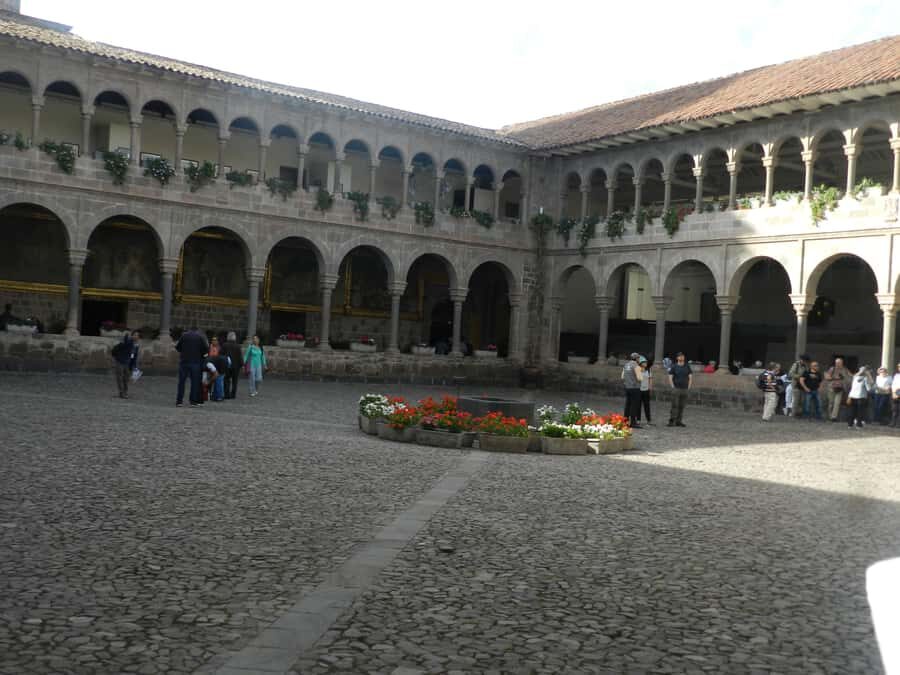
Qoricancha Museum: the Sun Temple story under later walls
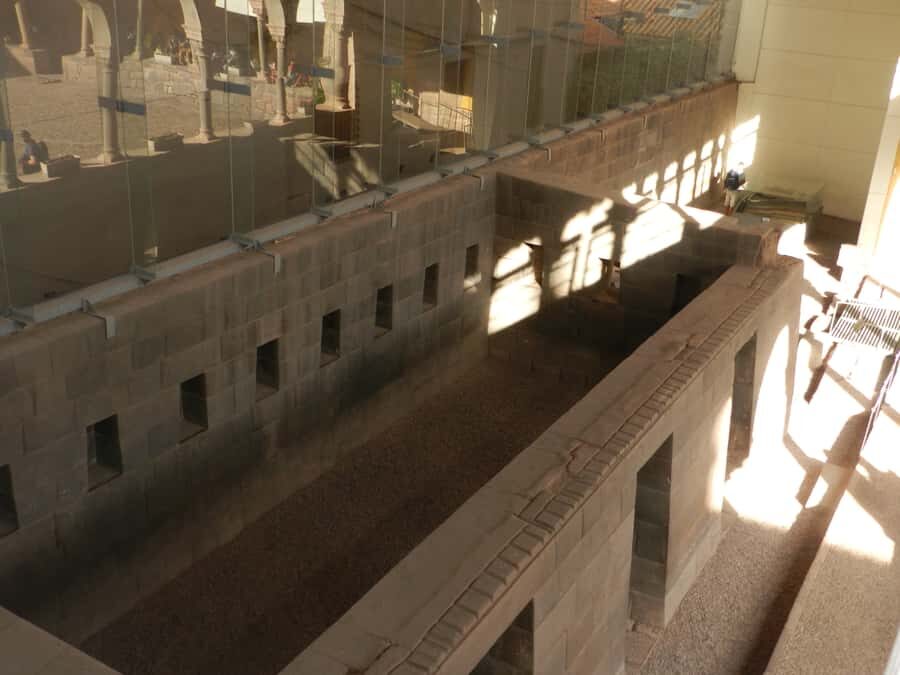
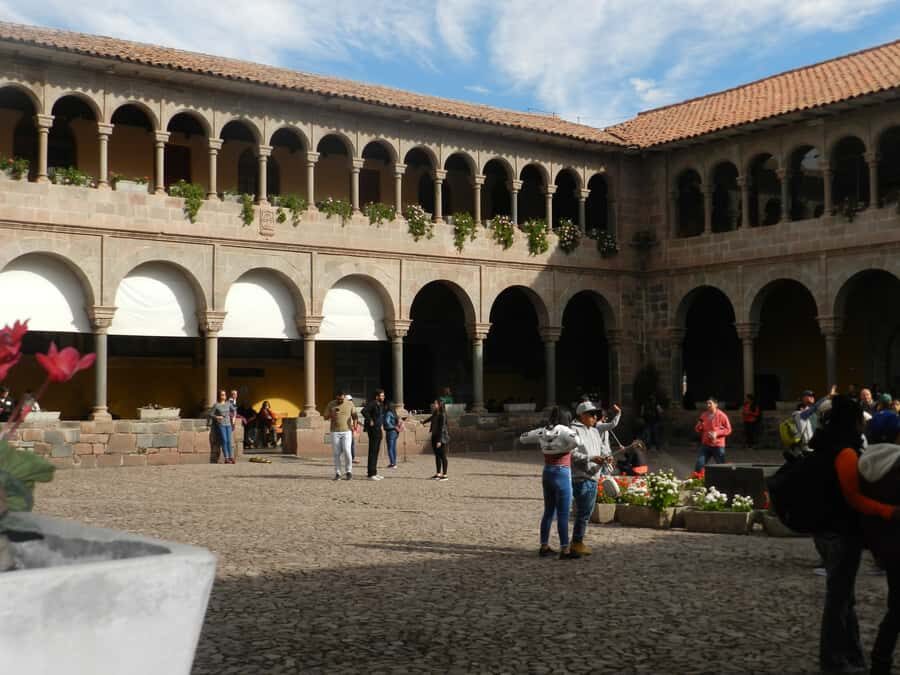
Next up is the Qoricancha Museum, originally an Inca-era temple built to worship the Sun. This stop matters because it shows you how Inca sacred architecture and later structures overlap in one place. It’s not just a ruin. It’s a layered site you can read like a timeline.
You’ll walk through museum space with context from your guide—what the site was for, and why it’s often treated as a centerpiece of Cusco’s ceremonial geography. Even if you’re not an archaeology nerd, the combination of museum information plus what you can still see around you makes it easier to connect the dots.
Again, entrance is ticketed separately (15 soles). If you like to avoid stress, pay early so you can focus on the experience, not on finding an ATM while the group is waiting.
Sacsayhuaman by air-conditioned coach: the “how did they do that?” moment
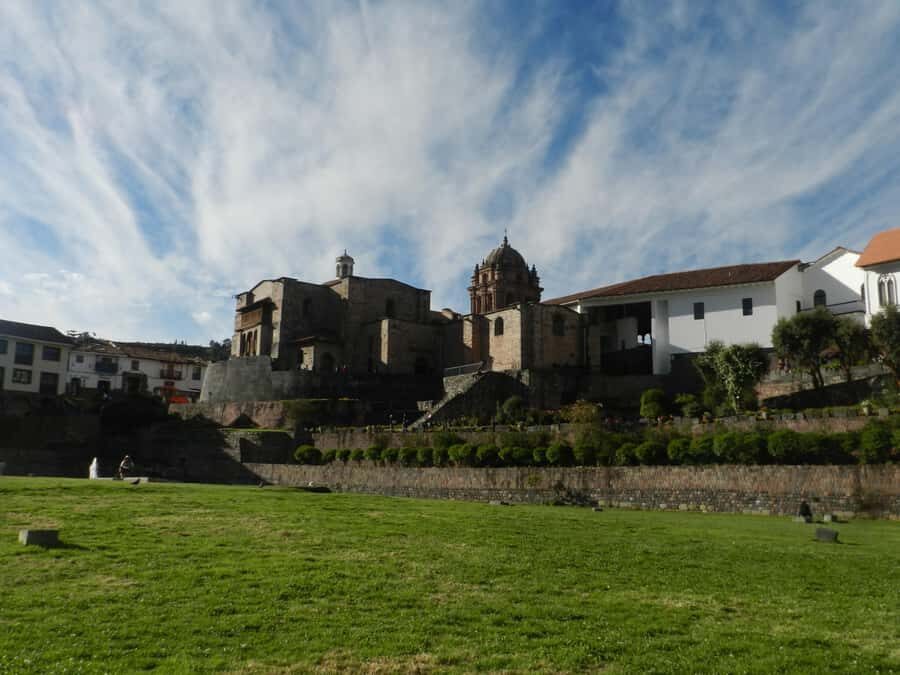
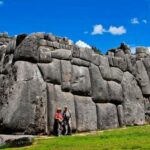
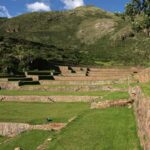
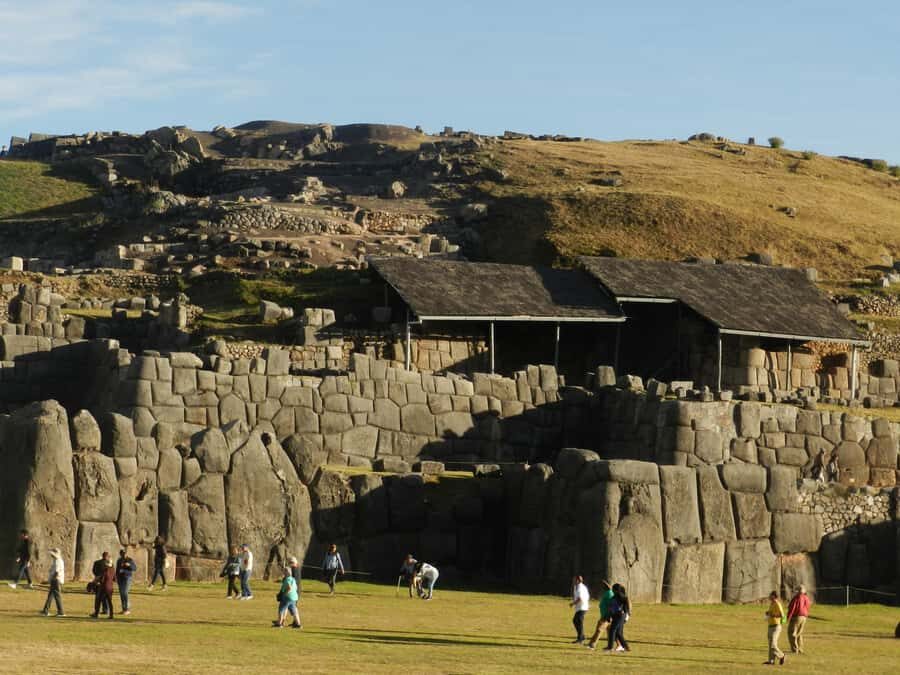
After the city-center stops, the tour moves out to Sacsayhuaman by air-conditioned coach, about 2 km from the center. This complex is massive, and it’s made of archaeological areas often associated with military purposes. You don’t need a technical background to sense the scale.
What I like about the Sacsayhuaman stop on this kind of tour is the way the guide frames it. You’re not only taking in stonework; you’re being told what people thought these spaces were used for. That turns a set of walls into a story about power, planning, and labor.
Keep expectations grounded: this is a half-day style format, so you’ll see major highlights rather than lingering like you would on a full-day archaeology tour. Comfortable coach time helps, but you’ll still be walking through open areas and getting in and out of vehicles.
Qenqo: the sacred labyrinth and why ceremonies mattered
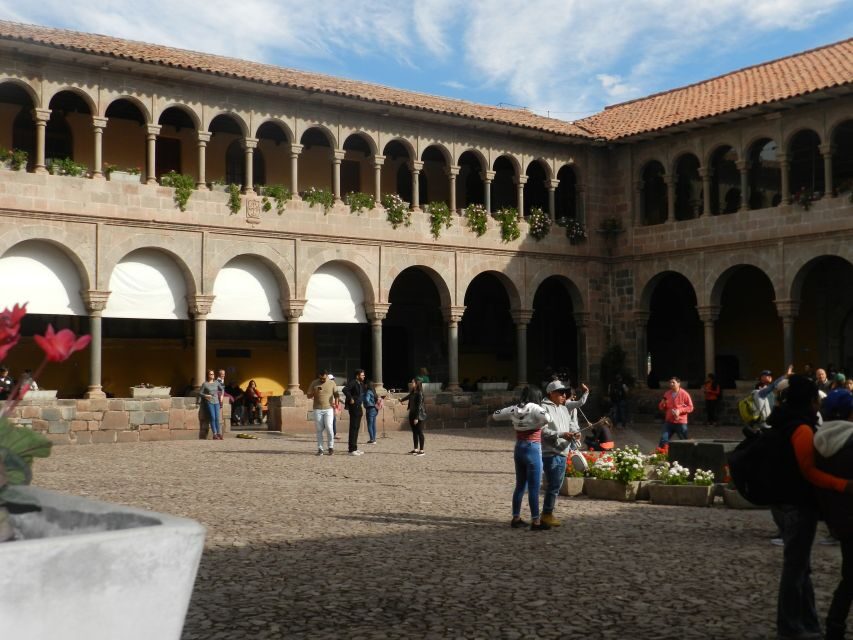
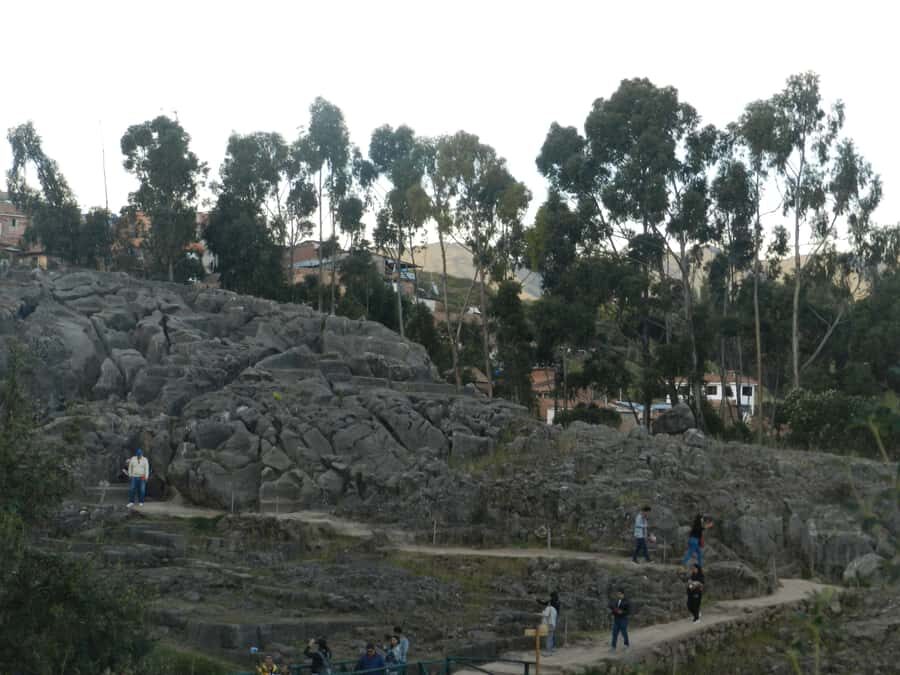
From Sacsayhuaman you go to Qenqo, a site often referred to as a labyrinth. It’s considered sacred and linked with ceremonies in honor of the Sun, the Moon, and the stars.
This stop is a good example of why a guide is worth it. If you just arrive and wander, it’s easy to think you’re looking at stones with no purpose. With explanation, you start seeing why people might have treated certain alignments and ritual spaces as meaningful.
You’ll have time to explore while your guide shares the context, but expect the pacing to stay tour-friendly rather than slow and detailed. The guide approach can make or break this part of the day, so if you prefer a more direct style, keep an eye on your guide’s pace early on.
Puca Pucara: military complex, storage spaces, and the logic of planning
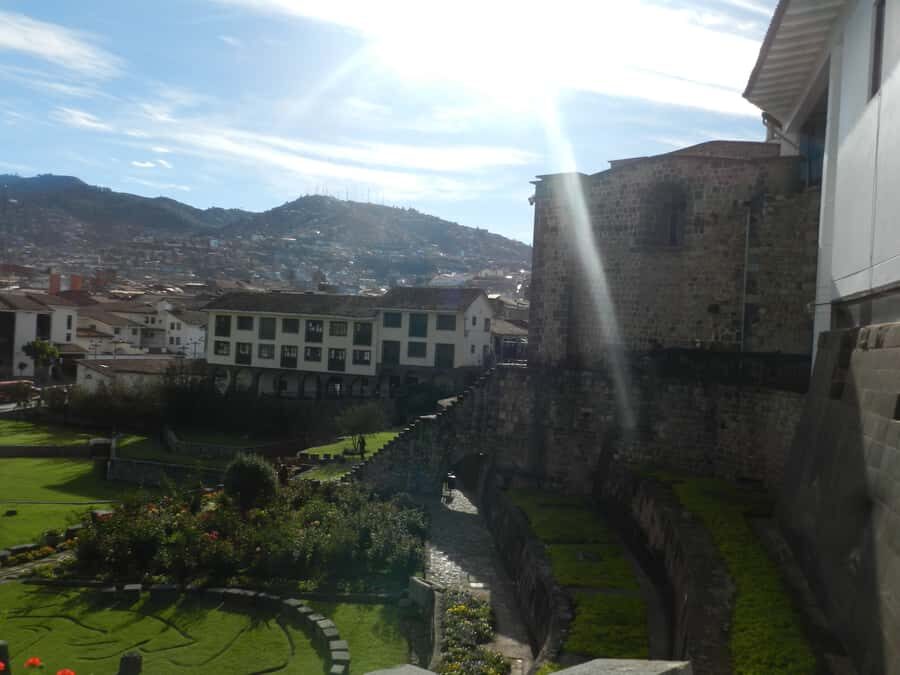
Next comes Puca Pucara, about 7 km from the city center. This complex includes halls, inner plazas, aqueducts, watchtowers, and paths. It’s believed to have functioned as a military complex and also as a place for food storage.
This is one of the stops where the tour’s structure works well. The afternoon is built to move you from sacred to practical, and Puca Pucara is where the practical story becomes visible. You get a sense of logistics—how a society might store and protect resources, not just build monuments for ceremony.
Comfort tip: wear supportive shoes. Even when the surface looks manageable, you’re dealing with uneven ground around archaeological zones. Also plan for sun, since you’ll spend time outdoors.
You can also read our reviews of more historical tours in Cusco

Tambomachay: the freshwater spring moment
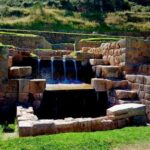
You’ll finish the archaeological run at Tambomachay, known for its fresh water spring. This part of the tour gives you a change of pace from the stone and views, and it’s a nice reminder that many sacred spaces were also connected to water and daily life.
If you’re the type who likes to take a few minutes and just watch how people move through a site, Tambomachay is one of the more relaxing stops. It’s also a good time to use the rest of your daylight for photos—because the tour ends in the city later, and the warm-up period is shorter than a full-day plan.
Craft center stop: textiles, vicuña wool, and the real-vs-fake lesson
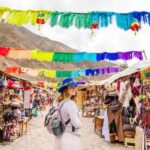
The tour concludes with a visit to a craft center, where you’ll hear the story of ancient Inca crafts and how to identify traditional garments made from vicuña wool. This is the point where many people decide whether they want to shop or just learn.
I like this stop when you treat it like a mini workshop rather than a sales detour. You’ll learn what to look for, which makes it easier to shop later in Cusco with more confidence. And if you’re not planning to buy, the garment-identification angle still gives you something useful.
That said, you should know this can turn into a sales moment. One common complaint in real-world experiences like this is extra pitch energy during the day. If you want to buy, go in with a calm head. If you don’t want to buy, stay polite, listen to what helps, and then move on when the pitch starts to drag.
Group size and the pacing reality: what 7 hours feels like
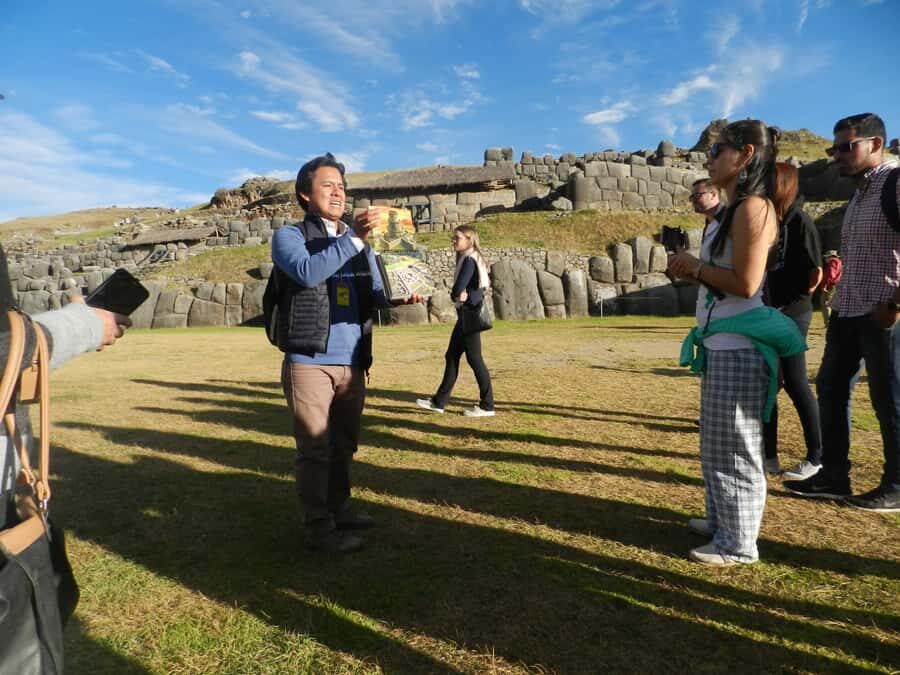
The tour is listed as 7 hours, which is why it can feel like both a half-day and also a full stretch. Pickup starts at 1:00 PM, and you’re back around 7:30 PM. That means you’re packing a lot of sites into a single afternoon-to-evening window.
Group size is described as limited (with one part of the info pointing to up to 12 participants, while another note references groups up to 20). Either way, you should expect a guided flow with time constraints at each stop.
In a short-schedule tour, pacing issues can show up as rushing at some places. If you’re someone who likes to linger in one spot, you might want a longer tour. If you want a strong overview and you’re okay with highlights, this format is a good fit.
Price and ticket math: where the real cost lands
The base price is $18 per person, which includes hotel pickup in the city center, transportation, and a local guide. That’s a decent value for a coach-and-guide package—especially if you’re staying near Santa Catalina Street or the main square area.
But three big entries are not included:
- Cathedral entrance: 25 soles
- Qoricancha entrance: 15 soles
- Tourist ticket: 70 soles
So plan your budget around the added ticket total, not the headline price. You’ll also want some extra cash if you decide to buy textiles at the craft center.
One practical tip: bring small bills if you can. You don’t want your day to turn into a currency hunt every time tickets come up.
Language and guide style: English is the goal, but heads up
The tour is listed with a live English guide. That’s the safest assumption for planning your understanding.
Still, one real-world issue that can affect comfort is group changes. If additional people join and the group’s language needs shift, you might notice different pacing or split attention. If you rely on clear English narration, it’s worth arriving ready to ask quick clarifying questions when something isn’t matching your expectations.
Also watch for guide delivery style. Some experiences with this itinerary can feel repetitive or long-winded, even when the sites themselves are worth the visit. On the flip side, when the guide keeps things focused, you’ll feel like every minute is paying off.
Who should book this Cusco city tour
This tour is best for you if:
- You want a high-visibility overview of major Cusco sites in one afternoon
- You like the mix of colonial Cusco (Cathedral) plus Inca sacred and military areas (Qoricancha, Sacsayhuaman, Qenqo, Puca Pucara, Tambomachay)
- You prefer coach transportation so you’re not constantly arranging taxis or long local transfers
- You enjoy guided context more than wandering alone through archaeological zones
This tour is probably not your best bet if:
- You need lots of quiet time in one place
- You dislike shopping-style stops or want a strictly non-sales itinerary
- You have mobility limits. The tour is not suitable for people with mobility impairments and wheelchair users, which is a clear sign that walking on uneven ground and getting in and out of vehicles is part of the experience.
Should you book it?
I’d book it if you’re in Cusco for a short stay and you want to tick off the biggest Inca landmarks plus the Cathedral and Qoricancha, all without building an itinerary from scratch. The air-conditioned coach makes the logistics easier, and the guide-led explanations help you get meaning out of the sites instead of just collecting stamps on a route.
I’d think twice if you’re very sensitive to sales pitches or you hate rushed schedules. The craft center is a legit learning opportunity, but it can also be where shopping pressure starts. And at this pace, you won’t have time to fully slow down.
If you do book: wear hiking shoes, bring sunscreen and a hat, and keep cash on hand for the tickets. Then you can spend your energy on the stones, the stories, and the parts of Cusco that don’t fit neatly into a single label.
FAQ
How long is the Cusco half-day historic city tour?
The tour lasts about 7 hours, starting with pickup around 1:00 PM and returning around 7:30 PM near Santa Catalina Street.
Where does pickup happen?
Pickup is included from hotels in Cusco’s city center. If your hotel is outside the city center, pickup is arranged from the Inka Ahy statue in the main square.
What’s included in the $18 price?
The price includes hotel pickup (city center), transportation by coach, and a local guide.
Which tickets are not included?
You need to pay separately for the Cathedral of Cusco entrance (25 soles), the Qoricancha Museum entrance (15 soles), and the tourist ticket (70 soles). You’ll pay in local currency.
Is the guide available in English?
Yes. The tour includes a live tour guide in English.
Is the tour outdoors and weather-dependent?
The tour runs rain or shine.
What should I bring and watch for?
Bring a passport or ID card, sun hat, hiking shoes, sunscreen, and cash. The tour does not allow pets (assistance dogs are allowed).