REVIEW · CUSCO
Open Bus Cusco City Tour
Book on Viator →Operated by Cusco Open Tour · Bookable on Viator
Double-decker views make Cusco feel instantly graspable. I love the upstairs panoramic riding and the bilingual guides who explain landmarks in plain, human terms. You also get a look at key archaeological spots outside the city center, not only the main square. One caution: plan buffer time, because delays can happen.
This is a simple, budget-friendly way to get oriented fast. The price is about $14.09 per person for roughly 3 hours of transport plus a bilingual guide, with stops that are either free (Plaza de Armas, Calle Saphy) or include the ticket at Cristo Cristo/Christ the statue.
I also like that you’re not stuck doing long walks in the altitude. The bus runs double-decker, and when rain hits, the rain gear helps upstairs—until it gets cold and you’ll move inside.
In This Review
- Key highlights to know before you go
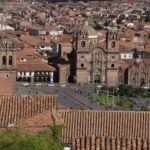
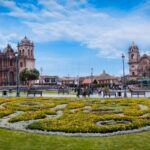
- Entering Cusco’s story from Plaza de Armas
- Double-decker riding: why the views are the point
- The Christ statue stop: quick photos, big payoff
- Paccha, the Great Mural, and the church built on Inca foundations
- Calle Saphy: where you hop off near the main square
- The ritual stop: spiritual, optional feeling, and what to expect
- Stops outside the city center (and why you might stay on the bus)
- Bilingual guides: when it works best (and how to protect your language needs)
- Price and value: what $14.09 gets you in Cusco time
- Small-group size: up to 24 people
- When this Cusco Open Bus tour makes sense
- Should you book this open bus tour?
- FAQ
- How long is the Cusco Open Bus City Tour?
- How much does the tour cost?
- Where does the tour start and end?
- Is this tour guided?
- Is the tour fully guided through the stops?
- Are meals included?
- Are admission tickets included?
- Is the bus suitable in rain?
- How big is the group?
- Is free cancellation available?
Key highlights to know before you go
- Double-decker panoramas from the top: built for photo angles in Cusco’s tight streets
- Plaza de Armas orientation: a quick cultural history intro right at the main square
- Cristo statue stop for big views: short, photo-friendly, and ticket included
- Inca-to-Spanish storytelling while driving: Paccha, murals, and a temple-to-church transformation moment
- Outside-the-center archaeological viewing: you’ll see more than just downtown Cusco
- A short cultural ritual stop may be part of the day: participation is often optional, and it can be moving
Entering Cusco’s story from Plaza de Armas
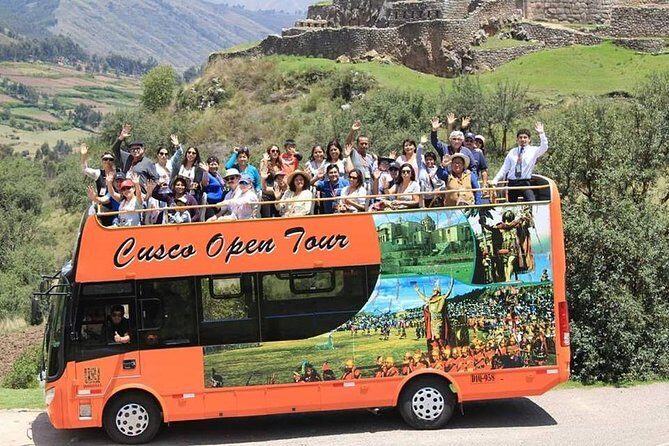
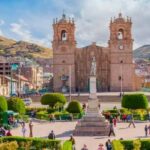
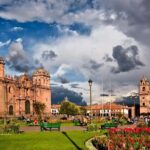
Your tour starts at Sta. Catalina Angosta 120, right by the action and not far from Plaza de Armas. From there, you get a brief introduction at the main square—about 10 minutes—with a guide who sets the tone: Cusco as an Inca city that later became a colonial hub.
This first stop matters because it helps you connect the dots fast. When you understand why Plaza de Armas sits where it does, the rest of the drive feels less random. You’re not just seeing buildings; you’re learning the logic behind the city.
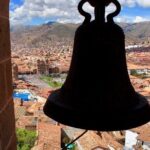
After the intro, you board the open bus. From the top, Cusco’s streets feel like a maze with views—the kind of geography you don’t grasp by walking alone.
You can also read our reviews of more city tours in Cusco
Double-decker riding: why the views are the point
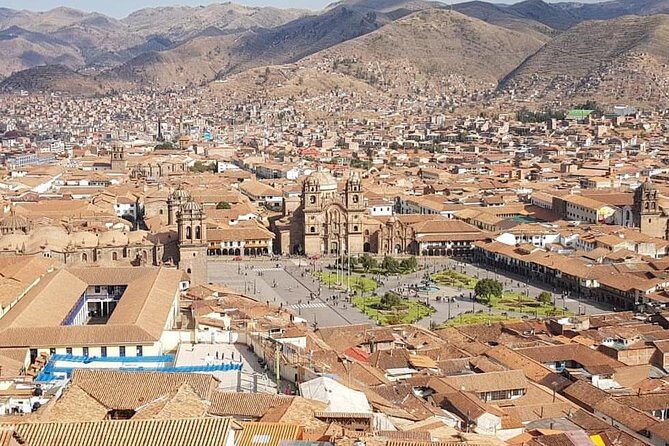
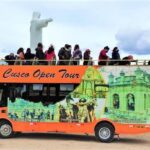
The bus is designed so you can sit upstairs for panoramas. The big advantage is obvious: Cusco’s highlights are spread out, and your stops are short. Riding on the upper deck lets you “preview” landmarks while the bus moves, which makes each brief stop more useful.
In rainy weather, one real-world tip: the bus can have rain gear, and you’ll likely benefit from it upstairs at first. But Cusco weather can flip quickly at altitude; you may end up moving inside if it gets chilly.
Also, keep your expectations tuned to how this type of tour works: you’re seeing a lot in a short span. That’s great for orientation, but it’s not the format for deep museum-style exploration.
The Christ statue stop: quick photos, big payoff
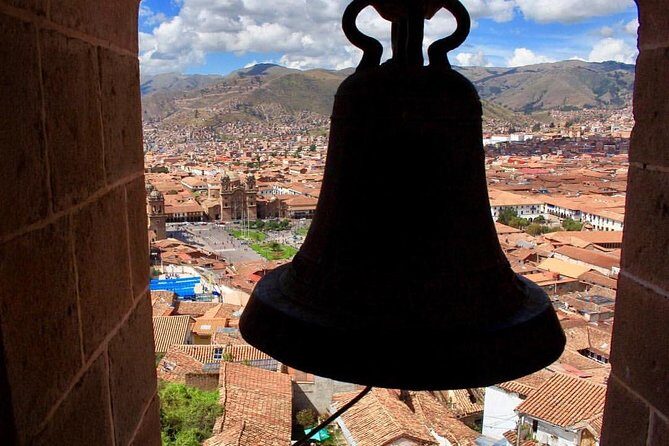
One of the cleanest moments on the itinerary is the stop at the Statue of Christ. You get about 10 minutes, and the ticket is included.
This stop works because it’s a classic Cusco view angle. You’ll have time to walk a bit, enjoy the sightlines over the city, and take photos. It’s short, but it’s the kind of short that fits a 3-hour loop—you’re not stuck standing around for ages.
If your goal is a “best views in limited time” day, this is the stop you’ll be happy you didn’t skip.
Paccha, the Great Mural, and the church built on Inca foundations
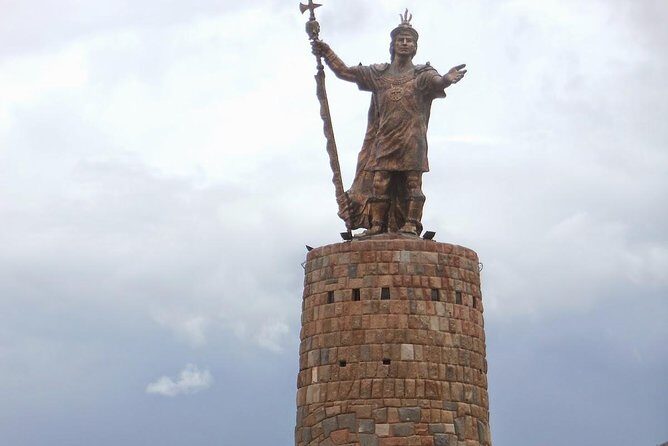
Between major photo moments, the drive includes the kind of context that turns sightseeing into understanding.
Here’s what you’ll experience along the route:
- Paccha: the bus passes through this important area in the city
- The Great Mural of Cusco: you’ll see a large painting that connects Inca history and the Spanish conquest
- A sacred Inca temple site transformed by the Spanish: the bus passes through a place where the Inca temple was demolished and a church built, using the older base
This is the section where the guide really earns their place. A bilingual guide can make the murals and the “why this matters” details click. You’re not just looking at walls—you’re learning how power changed and how architecture carries that story forward.
Practical note: you’re viewing these during the drive, so if you want to linger, this isn’t that kind of tour. But if you want the city story explained while you’re moving, it’s a strong fit.
Calle Saphy: where you hop off near the main square
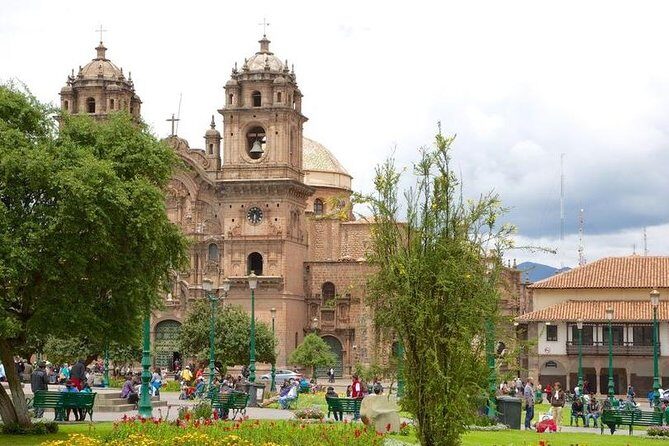
At the end, you get dropped at C. Saphy 661, about two blocks from Plaza de Armas. The stop is brief—about 10 minutes—and the admission is free.
I like this ending location because it keeps you close to where you’ll naturally want to be next: dinner, wandering, and grabbing viewpoints on your own terms. You’re not stranded on the edge of town. The tour is basically a springboard.
If you’re planning a second activity the same day, this is where you win: you’re returned to the core without paying for another transfer.
The ritual stop: spiritual, optional feeling, and what to expect
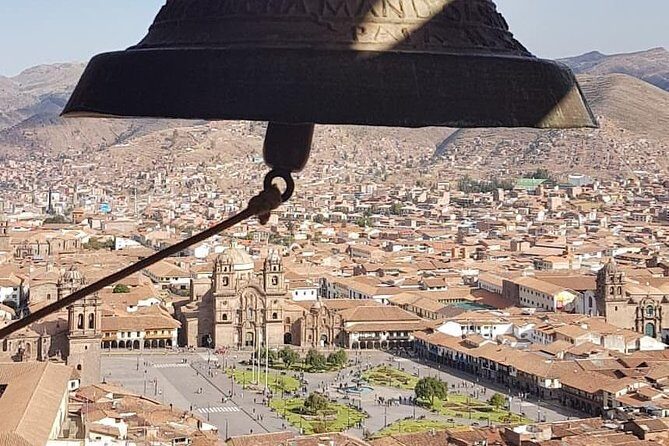
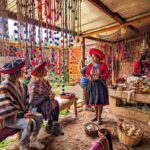
Some versions of this tour seem to include a cultural ritual moment. I saw this described as an Ica-style or traditional blessing/ceremony, sometimes connected with coca leaves, with participants having the option to join in. Reports also describe it as spiritual and sometimes surreal—but meaningful.
One honest way to approach this: treat it like a cultural performance that you may choose to participate in. You don’t need to treat it like a museum exhibit, and you shouldn’t feel pressured into anything. If you’re not comfortable, you can observe rather than join.
That said, there’s also a downside risk worth mentioning. A few experiences described pressure around donations and shopping at nearby stops. If you want a tour that stays strictly sightseeing-focused, go in with a calm, clear boundary.
Stops outside the city center (and why you might stay on the bus)
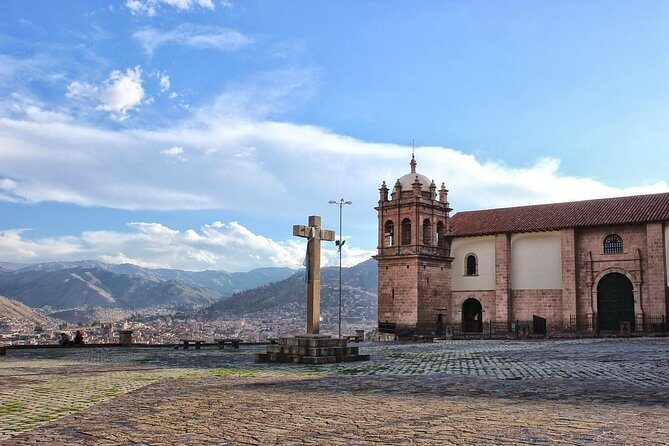
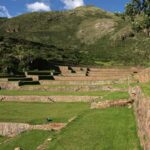
A key selling point is seeing archaeological sites outside the city center. You’ll also get at least one moment where you remain onboard for panoramic viewing of an Inca fortress—so you’re learning from the road while still getting motion and views.
This format is efficient. It’s ideal if you’re arriving from Machu Picchu or still adjusting to the altitude. You get exposure to sites without draining yourself with long hikes between them.
The tradeoff: some people feel the time is short and that the bus ride can feel like the main event. If you’re craving hands-on exploration—walking ruins, reading interpretive signs for an hour—this may feel too quick.
Bilingual guides: when it works best (and how to protect your language needs)
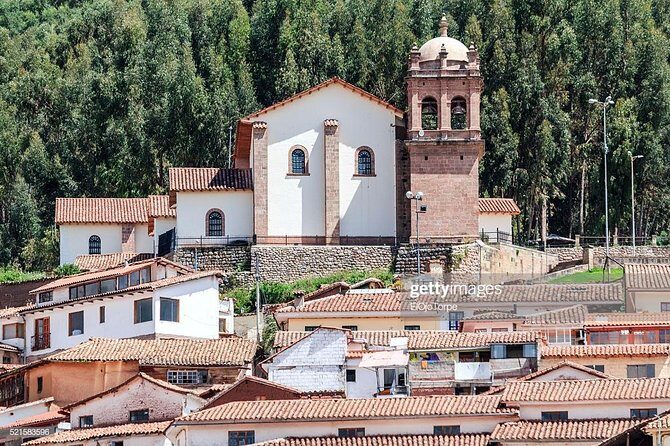
The tour includes a bilingual guide (English and Spanish). In the feedback you can clearly see this can be a strong point—examples include guides named Paulo and Victor, with reports of them translating quickly and keeping the tour engaging.
But language can still be tricky in real life. Some reports mention that English commentary can fade if the bus is noisy, or that the tour can tilt heavily toward Spanish when communication doesn’t flow well.
My practical advice: if English is a must, arrive a bit early at the meeting point and ask for confirmation about the language portion. Also, stand near the guide’s “listening zone” upstairs or at the appropriate place so you’re more likely to hear clearly.
Price and value: what $14.09 gets you in Cusco time
At around $14.09 per person, this tour is in the budget zone for Cusco. What makes it feel like decent value is that the price covers:
- Transport by open bus
- A bilingual guide
- Stops with free entry at Plaza de Armas and Calle Saphy
- Christ statue ticket included
So you’re not just paying for a ride. You’re paying for orientation, context, and a mix of viewpoints and cultural storytelling.
Where the value can feel weaker is timing and stop quality. If you hit delays, the tour can feel rushed or less satisfying—especially if you already had plans later that day. Also, if you dislike shopping or donation-style stops, you might feel like your time gets tugged away from pure sightseeing.
Small-group size: up to 24 people
The tour caps at 24 travelers. That’s not tiny, but it usually helps keep things from turning into chaos on narrow Cusco streets. In practice, that matters because your upstairs photos and your quick boarding moments can go smoother when fewer people are fighting for position.
If you’re sensitive to crowds, aim for a spot toward the middle/top so you’re not stuck at the most congested doorway area when traffic forces slowdowns.
When this Cusco Open Bus tour makes sense
You’ll probably love this if you want:
- A first-day or first-2-days overview to help you navigate Cusco
- A low-effort way to see multiple highlights without long walks
- A day after Machu Picchu when you still want movement but not a workout
- Big viewpoint time from the bus, especially upstairs
You might skip it if you want:
- Deep archaeological walking time with long stays
- A tour that avoids any donation or shopping moments
- A tight schedule where you can’t handle delays
Should you book this open bus tour?
I’d book it if you’re arriving in Cusco and want to get your bearings fast—especially because the route ties together Plaza de Armas, the Cristo statue views, and several meaningful drive-by cultural moments. It’s also a smart value play for a short, altitude-friendly day.
If your top priority is quiet, museum-level depth, choose a smaller walking-focused tour instead. And if you’re planning something later the same day, treat the bus tour like Cusco time—start with a cushion, not a stopwatch.
If you book, wear layers (Cusco changes fast), and keep your expectations realistic: this tour is built for seeing and understanding quickly, not for lingering at every stop.
FAQ
How long is the Cusco Open Bus City Tour?
It runs for about 3 hours.
How much does the tour cost?
The price is listed as $14.09 per person.
Where does the tour start and end?
It starts at Sta. Catalina Angosta 120, Cusco 08002 and ends at C. Saphy 661, Cusco 08002, a couple of blocks from the main square.
Is this tour guided?
Yes. It includes a bilingual guide.
Is the tour fully guided through the stops?
You’ll have guide information during the route and at key stops, but some viewpoints are meant to be enjoyed from the bus during short pauses.
Are meals included?
No. Meals and beverages are not included.
Are admission tickets included?
Plaza de Armas and Calle Saphy are listed as free, and the Cristo statue stop shows admission ticket included.
Is the bus suitable in rain?
The bus is described as having rain gear, which helps at first, but you may end up moving inside if it gets cold.
How big is the group?
The tour has a maximum of 24 travelers.
Is free cancellation available?
Yes. You can cancel up to 24 hours in advance for a full refund.