REVIEW · CUSCO
Cusco: City Tour | Half-Day Tour to 4 Archaeological Sites
Book on GetYourGuide →Operated by www.iziperu.com · Bookable on GetYourGuide
Five Inca stops in four hours. That’s the basic idea behind this Cusco half-day archaeological tour, with hotel pickup, transport, and a bilingual guide helping you connect the dots from Inca engineering to Spanish-era layers.
Two things I really like: the hotel pickup (you start without the hassle), and the way the route strings together major Cusco landmarks so the stories make sense.
One thing to consider: the tour price does not cover entrance fees. You’ll budget for the tourist ticket (S/70 to 120) and you’ll still need to pay for Qoricancha (20 soles) unless you already have the right pass.
Key highlights worth planning for
- Hotel pickup in Cusco Centro Historico so you don’t waste your morning getting to the meeting point
- Bilingual English and Spanish guide working in turns, so you get the same sites even if you’re one of the language groups
- Qoricancha (Temple of the Sun) with Santo Domingo-era layers and Inca engineering to spot up close
- Sacsayhuamán with massive stones (some about 9 m high, weighing over 350 tons) and the cultural context of Inti Raymi on June 24
- A tight route of five major complexes: Qoricancha, Sacsayhuamán, Q’enqo, Puca Pucara, and Tambomachay
- Express security check and an efficient half-day flow that gets you back in time for dinner
In This Review
- A half-day Cusco circuit that actually helps you orient
- Hotel pickup, transport, and the bilingual guide rhythm
- Qoricancha: the Temple of the Sun and the Santo Domingo overlay
- Sacsayhuamán: the stones, the angles, and why Inti Raymi matters
- Q’enqo: amphitheater energy and the story of ritual spaces
- Puca Pucara: the former surveillance post feel
- Tambomachay: the water temple and the idea of eternal youth
- Price and value: why $29 can still be a real deal
- Logistics that can make or break the day
- Bring soles and expect cash at entrances
- Dress for Cusco weather, especially near the end
- Crowds are part of the deal
- Watch for side stops and time drift
- Who this tour is best for
- Should you book this Cusco city tour?
- FAQ
- What does the Cusco City Tour include?
- How long is the tour?
- Is the entry ticket included?
- Does the tour visit Qoricancha, Sacsayhuamán, Q’enqo, Puca Pucara, and Tambomachay?
- Do I need cash for site entry?
- Is there a bilingual guide?
- Can I cancel for a refund?
A half-day Cusco circuit that actually helps you orient
Cusco can feel like a puzzle at first: stone streets, Andean rhythms, Spanish walls, and Inca foundations underneath it all. This tour is built for that moment when you want to understand where everything fits, without spending your whole day on logistics.
The pacing is designed for a short window. In about four hours, you cover the “big names” around Cusco and get enough context to make your later self-guided exploring easier. It’s not meant to be a slow archaeological seminar. It’s meant to help you get oriented fast and then choose what to revisit.
Hotel pickup, transport, and the bilingual guide rhythm
The start is simple: you’re picked up from your hotel in Cusco Centro Historico, then you roll into the day with tourist transport. That matters, because Cusco’s routes can be confusing when you’re new and your legs are still getting used to altitude.
This is a bilingual tour (English and Spanish). In practice, the guide covers the same content for both language groups, and you’ll usually hear the explanation twice in different ways. Some mixed-language tours can feel uneven, so my practical advice is this: if you have a question, ask it in your language clearly and then wait for the guide to address it for your group.
Also note the “half-day” label. A few schedules can run a bit long depending on the group flow and how quickly you move between sites. Build your evening plans with a small cushion.
You can also read our reviews of more city tours in Cusco
Qoricancha: the Temple of the Sun and the Santo Domingo overlay
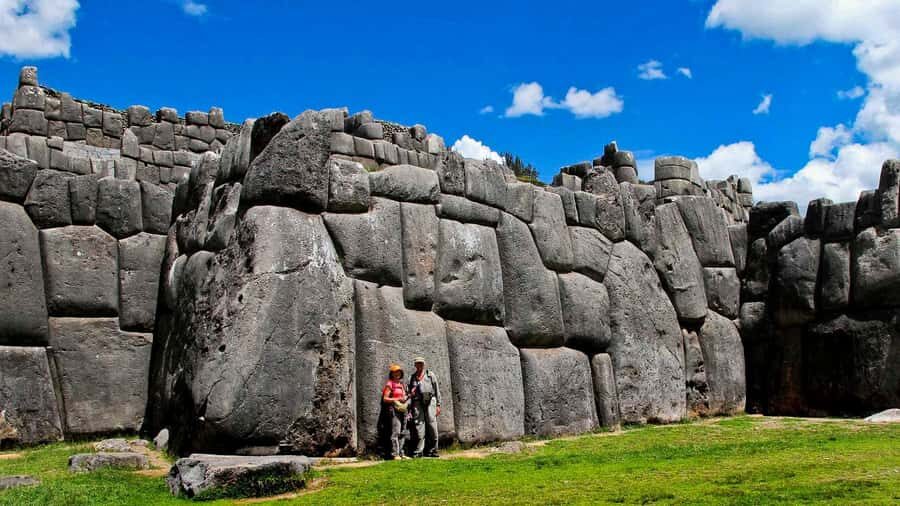
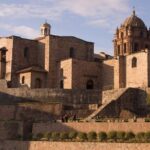
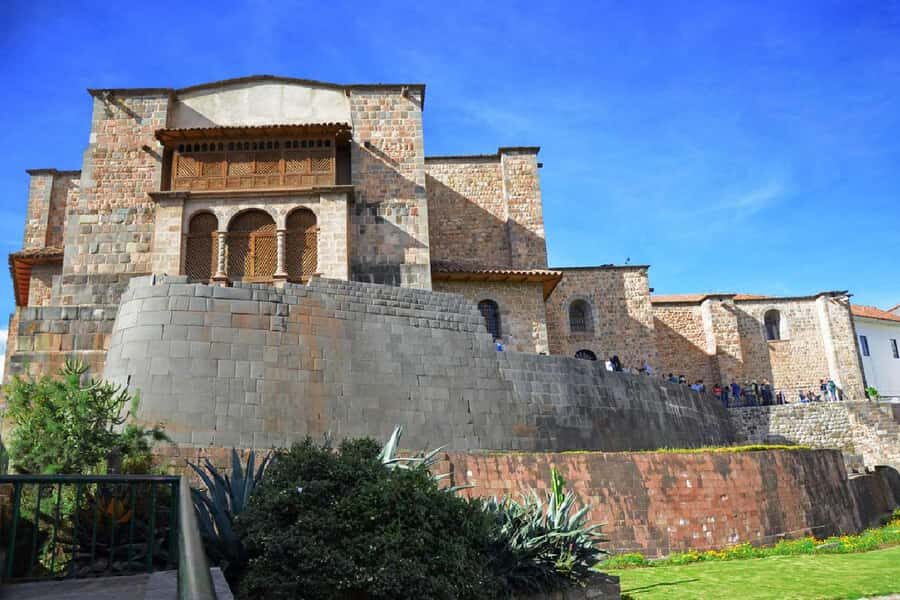
You begin at Qoricancha, also known as the Temple of the Sun. In Inca times it was the most important temple of its kind, and you’ll see why once you’re standing in the space and looking at how the architecture was engineered.
What I like about this stop is the mix of eras. You’re not just looking at Inca stonework; you’re also seeing the Santo Domingo connection, which adds a Spanish-era layer to a sacred Inca location. The tour also highlights what’s housed inside, including paintings linked to the Cusquenian School.
Practical note: entrance here isn’t included. The tour lists Qoricancha at 20 soles, and the broader tourist ticket (S/70 to 120) can also apply depending on what you already bought. Plan for cash payment if needed, and bring soles so you’re not scrambling.
Sacsayhuamán: the stones, the angles, and why Inti Raymi matters
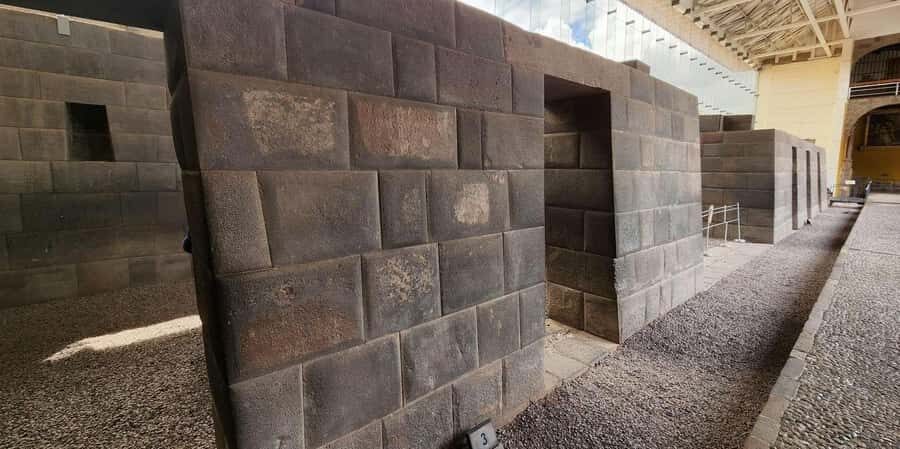
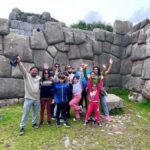
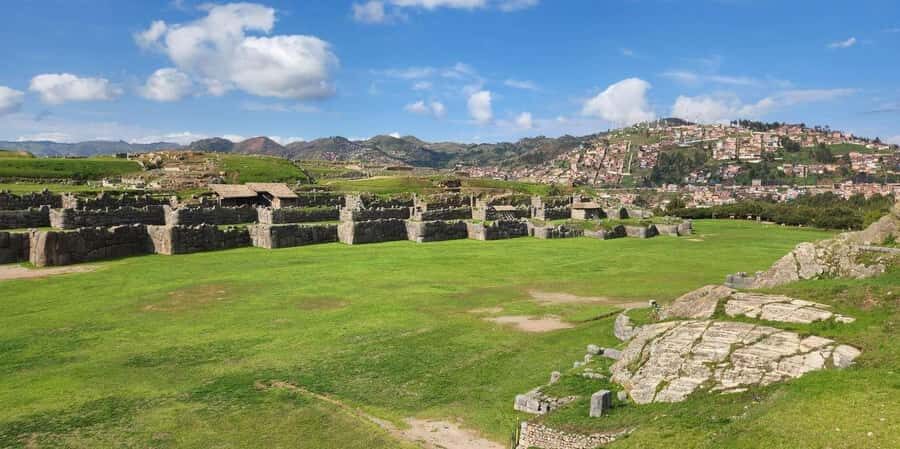
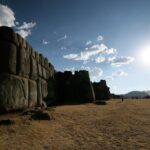
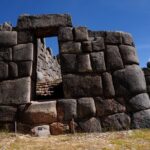
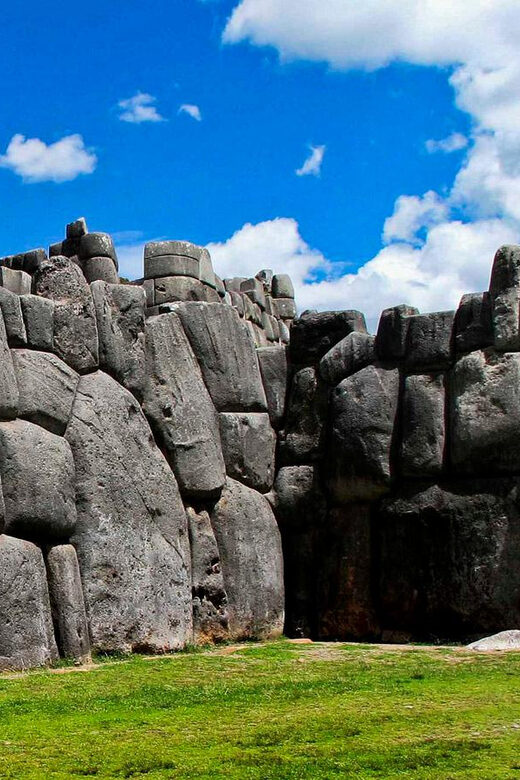
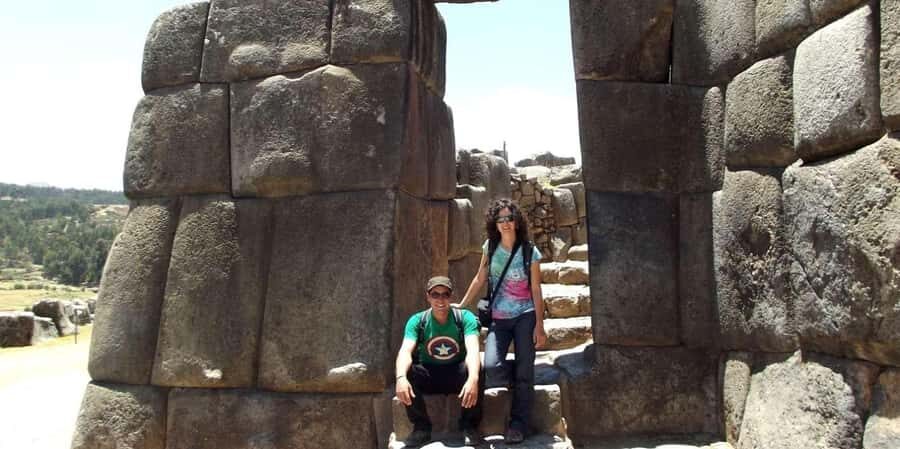
Next comes Sacsayhuamán, a ceremonial fortress famous for its Inca stonework—especially the massive blocks. You’ll hear (and then see) that some stones are about 9 meters high and can weigh over 350 tons. It’s hard to process until you’re there, looking at the scale and how the pieces lock together.
This stop also carries a living-culture angle. It’s tied to Inti Raymi, celebrated on June 24, which helps you remember that these places weren’t just ruins—they were part of a calendar of public life.
One possible drawback: this is a top-route site, so you may find it crowded at peak times. That doesn’t ruin the visit, but it does change how much quiet time you get. If you’re sensitive to crowds, arrive with a “snack first, then explore” mindset—grab a moment where you can step away from the busiest paths and just look at the masonry.
Q’enqo: amphitheater energy and the story of ritual spaces
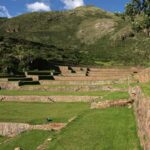
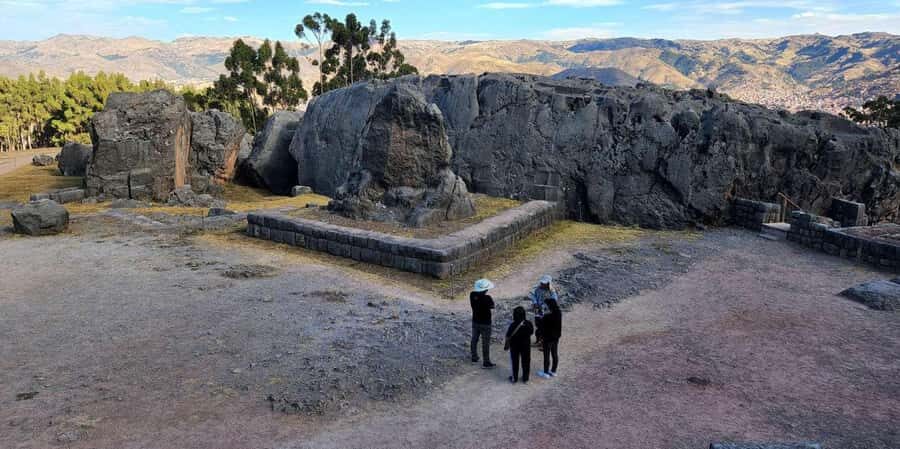
Then you head to Q’enqo, described as a ceremonial and religious center. The tour frames it as an amphitheater where sacrifices used to take place. Even if you don’t know the details of every debate around Inca ritual, the physical setup helps you understand why it felt like a space for collective events.
This is one of those stops where the guide’s explanation does a lot of work. Without context, you might walk past rock cuttings and think it’s just natural stone. With context, you see it as shaped space—designed, not accidental.
Time-wise, Q’enqo is usually a “look, then listen” moment. You want to take a few minutes to observe the shape of the area, then let the guide translate what you’re seeing into meaning. If you’re rushing, you’ll miss the reason this spot is worth including.
Puca Pucara: the former surveillance post feel
Next is Puca Pucara, historically linked to an Inca surveillance post and an entry control role for the capital. That’s a useful lens. You’re not just looking for temple vibes here; you’re reading the place as a control point—something that watches, guides movement, and protects the city.
The terrain and the arrangement of stonework help your brain understand the idea of monitoring routes. In a short tour, this stop is like a “strategic map in stone.” It changes your perspective on Cusco because it shows the Inca city as a managed system, not just a collection of monuments.
A few more Cusco tours and experiences worth a look
Tambomachay: the water temple and the idea of eternal youth
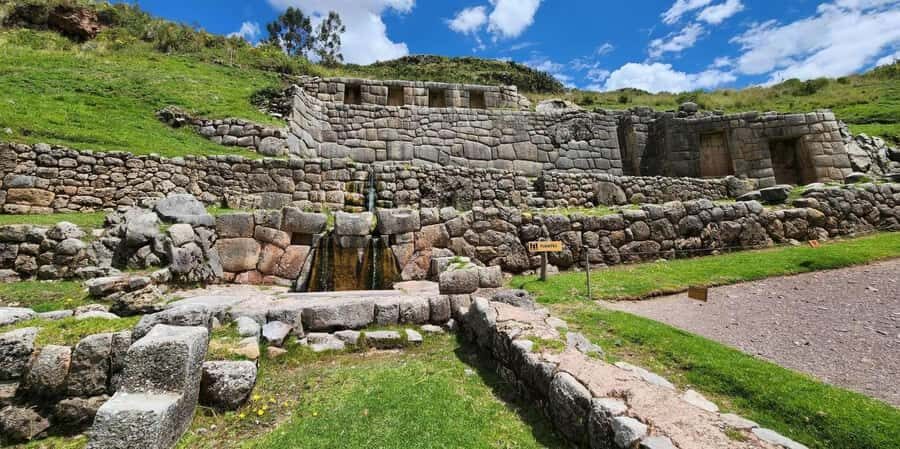
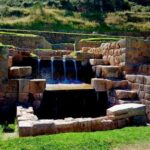
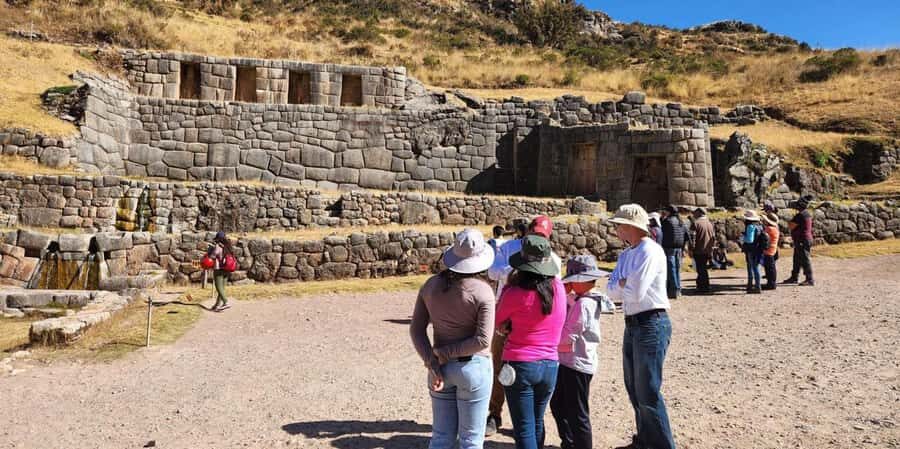
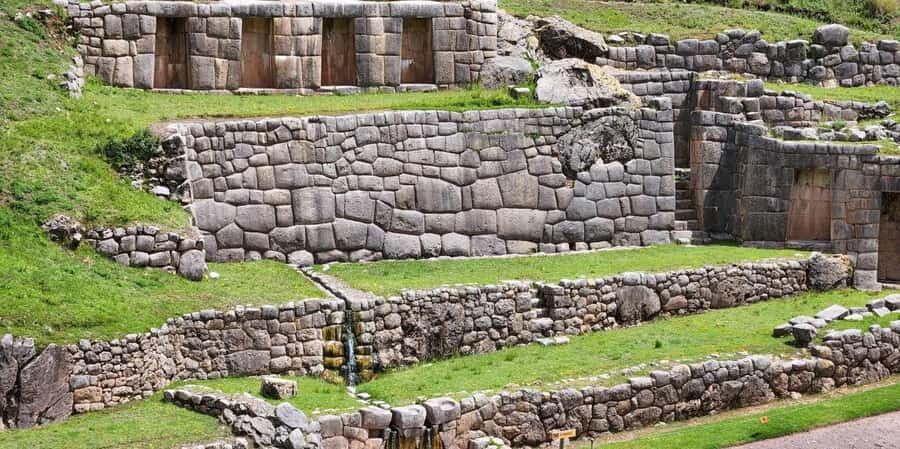
Your last stop is Tambomachay, described as a water temple where worship of water took place. It’s also associated with leisure and described as the place of the waters of eternal youth.
If you’re only chasing photos, don’t skip the explanation here. Water was central to how Andean societies thought about survival and renewal. Tambomachay’s layout and the way water was treated help you connect that cultural logic with the stone channels and built features you see.
And yes—this is often where the day finishes with a better payoff. Some guides and tours build in time to appreciate the view over Cusco. Even on a short schedule, that last moment can feel like a reward for sticking with the full circuit instead of leaving early.
Price and value: why $29 can still be a real deal
The stated price is $29 per person for about 4 hours, and it includes hotel pickup, tourist transport, and a bilingual guide. That is a strong value for the “how much you see” part, especially if it’s your first day in Cusco.
But the math matters: entrance fees are separate. The tour calls out:
- Qoricancha entrance: 20 soles
- Tourist ticket: S/70 to 120 (or showing a ticket you already purchased with another tour)
So what you pay is really: tour price + your entry needs. In other words, this tour can be a value if you already plan to enter multiple sites anyway. If you’re only interested in one or two, you might feel the extra costs more sharply.
A practical tip from experience on the ground: pick up your tourist ticket at the office near the Plaza de Armas area, before you start stacking site visits. One helpful review detail also points out that the tourist ticket can pay for itself when your route includes several covered stops.
Logistics that can make or break the day
A few real-world things to plan around:
Bring soles and expect cash at entrances
The tour doesn’t include entries, and one review specifically notes site entry being cash only. Even if that doesn’t happen at every stop every time, the safe move is simple: carry enough cash in soles for tickets and any add-ons.
Dress for Cusco weather, especially near the end
Cusco can turn chilly, and at least one review flagged that it gets cold toward the end. Bring layers. If you want a simple comfort boost, you can also pick up hot drinks from vendors along the way (one person recommended hot tea).
Crowds are part of the deal
Sacsayhuamán and Qoricancha are popular. If you travel during busier hours, expect lines and slower movement. This is why the tour’s express security check is handy—it helps you lose less time.
Watch for side stops and time drift
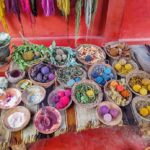
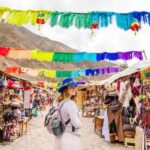
Some tours include extra stops that aren’t fully explained beforehand. One review mentioned a textile market stop that was not part of the plan. My advice is to ask your guide at the start what’s included and what is optional. If you didn’t come to shop, say so early and politely.
Also, if you’re the only English speaker or only Spanish speaker in a mixed group, stay alert for translation gaps. One review noted that questions asked by Spanish speakers weren’t always relayed in English. You can prevent confusion by waiting until the guide finishes the current language section before asking anything new.
Who this tour is best for
This is ideal if you:
- Want a first-day Cusco orientation that connects Inca sites in one loop
- Have limited time and want to hit Qoricancha, Sacsayhuamán, Q’enqo, Puca Pucara, and Tambomachay
- Appreciate a guide who ties sites to bigger themes like ceremonial space, city control, and water culture
It might be less ideal if you:
- Want a slow, museum-style explanation at one site (this is a short circuit)
- Get annoyed by crowds at Sacsayhuamán
- Prefer a pure “no detours, no extras” day (ask what’s optional before you go)
Should you book this Cusco city tour?
I’d book it if you want your first taste of Cusco to be structured, efficient, and history-linked. For $29, the included pickup, transport, and bilingual guidance are a practical way to cover the main archaeological complexes without spending hours arranging everything yourself.
Just go in with clear expectations: entrance fees are extra, and the tour is designed for momentum rather than deep site-by-site study. If you do that, you’ll leave with the kind of mental map that makes the rest of Cusco feel easier.
FAQ
What does the Cusco City Tour include?
It includes hotel pickup, tourist transport, and a bilingual guide in English and Spanish. The tour also includes an express security check.
How long is the tour?
The duration is listed as 4 hours. Starting times depend on availability.
Is the entry ticket included?
No. The tour does not include entrance tickets. Qoricancha is 20 soles, and you also need a tourist ticket (S/70 to 120) unless you already purchased one you can show.
Does the tour visit Qoricancha, Sacsayhuamán, Q’enqo, Puca Pucara, and Tambomachay?
Yes. The described route includes Qoricancha, Sacsayhuamán, Q’enqo, Puca Pucara, and Tambomachay.
Do I need cash for site entry?
Site entry is not included, and one review notes that entry can be cash only. It’s smart to bring soles for tickets.
Is there a bilingual guide?
Yes. The guide is listed as English and Spanish, and the tour is described as bilingual.
Can I cancel for a refund?
Yes. The tour offers free cancellation up to 24 hours in advance for a full refund.