REVIEW · CUSCO
Cusco: Half-Day City Tour
Book on GetYourGuide →Operated by Peru Andes Top · Bookable on GetYourGuide
Stonework and ritual sites in six hours. This half-day Cusco tour is a smart hit of Inca engineering and ceremonial places, with a bonus option to pair it with colonial Cusco at the Basilica Cathedral. I like that the tour is guided by real history-talkers, and guides such as Silvia and Clara are known for making the details click. One thing to think about: entrance fees are mostly extra, so you’ll want to budget cash and plan ahead for the cathedral, Coricancha, and the outside-city archaeological ticket.
The pacing works well if you’re short on time but still want a guided, order-in-the-chaos approach. You’ll ride in a van, stop for focused guided walks, and end at Plaza Mayor del Cusco—so you can still eat well afterward without feeling lost. If you’re the type who hates stop-and-go, you may find it a bit packed. But if you like structure and clear explanations, this is a solid way to get your bearings fast.
In This Review
- Key points that make this tour work
- The $17 Value: what you’re really buying
- Pickup in Centro Histórico and the ride rhythm you’ll feel
- Qenqo: where natural rock turns into ceremony
- Puka Pucara: military ruins, guard posts, and a different mood
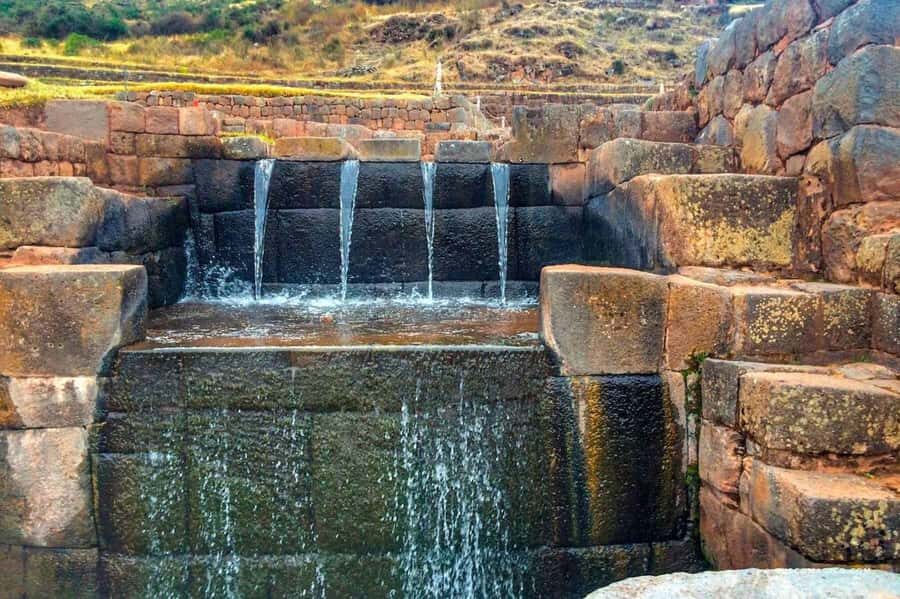
- Tambomachay (9 km out): the baths of the Incas
- Sacsayhuaman: limestone blocks meant to protect the city
- Coricancha and Cusco Cathedral: the afternoon version of the story
- Guides make the difference: Silvia, Clara, Janet, Wally, José
- What to budget: entrance fees and the cash reality
- Timing, weather, and what to wear so you don’t regret it
- The one thing I’d watch out for: extra stops and pace expectations
- Who this tour is best for (and who might choose differently)
- Should you book this half-day Cusco tour?
- FAQ
- What’s included in the $17 per person price?
- How long is the Cusco Half-Day City Tour?
- Which sites are visited on the morning tour?
- Do afternoon departures include Cusco Cathedral and Coricancha?
- What entrance fees should I expect to pay separately?
- What should I bring?
- Is video recording allowed?
Key points that make this tour work
- A tight route of major Inca sites: Qenqo, Puka Pucara, Tambomachay, and Sacsayhuaman in the morning format
- Bilingual guiding (English or Spanish), with guides praised for patience and lively storytelling like Silvia, Clara, Janet, Wally, and José
- Optional afternoon add-ons: Cusco Cathedral and Coricancha for the full “Inca meets colonial” picture
- Great value at $17, but you must budget for site entrance fees
- Outside-the-city Tambomachay: expect the extra archaeological ticket for sites beyond Cusco proper
The $17 Value: what you’re really buying
For about $17, you’re not paying for a museum ticket bundle. You’re paying for transport plus a professional bilingual guide who keeps the day moving and explains what you’re looking at. That matters in Cusco, where ruins can blur together if you’re just snapping photos and guessing.
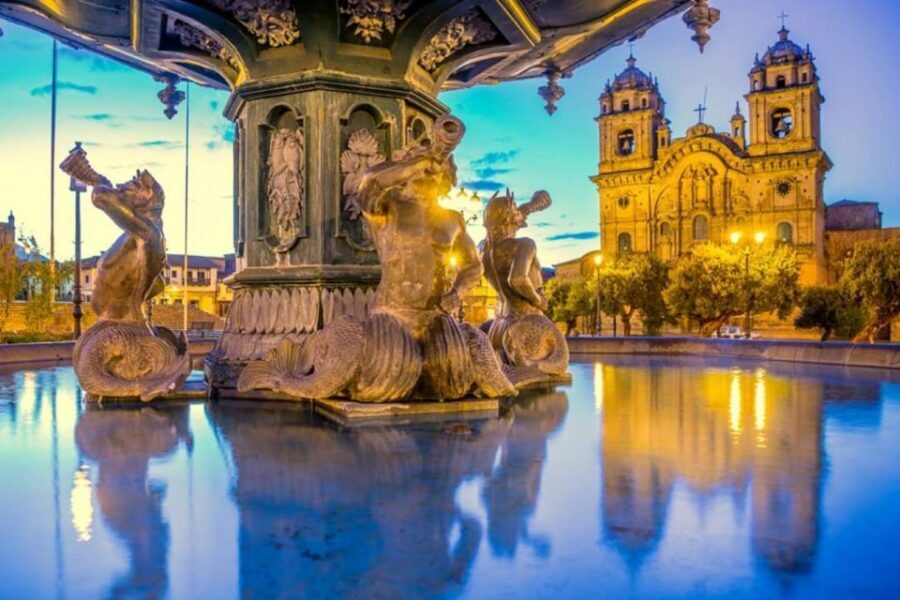
This tour’s value comes from a simple idea: in a half day, you get multiple major stops tied together with coherent explanations of Inca ceremonial and civic planning. And because you end in Plaza Mayor del Cusco, you’re positioned to turn the day into something useful—lunch, markets, or a relaxed stroll instead of another long transit day.
The one catch is cost transparency. Entrance fees for the cathedral, Coricancha, and the outside-city archaeological ticket are not included. If you arrive without cash or without understanding what’s separate, the day can feel a little more expensive than it looks on paper.
You can also read our reviews of more city tours in Cusco
Pickup in Centro Histórico and the ride rhythm you’ll feel
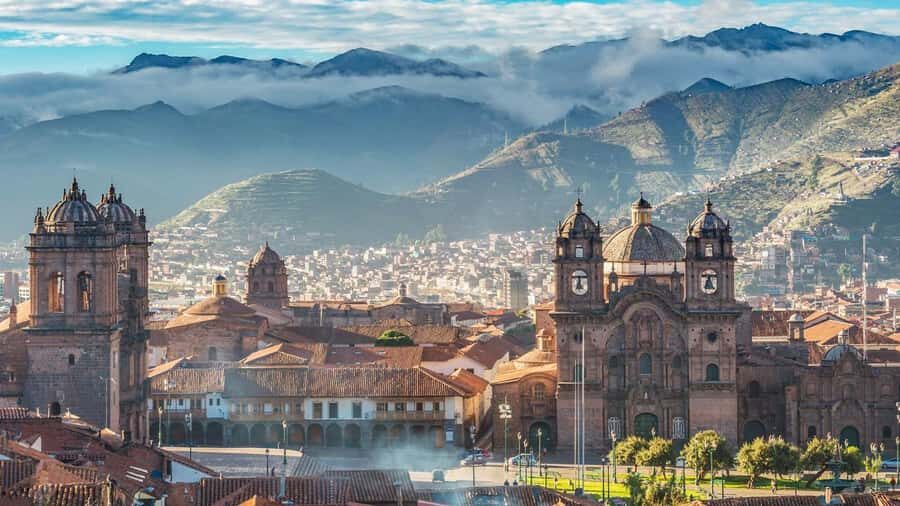
Your tour starts with pickup from your hotel in the historic center of Cusco (Centro Histórico). If your hotel can’t be reached by vehicle, you’ll meet at the nearest practical pickup point. Then you’ll load into a van for the transfer between stops.
You should expect a steady rhythm: van time between sites, then guided time on the ground. That’s useful at altitude because it keeps you from wandering too long. It also means you’ll get a sense of how the sites relate to each other across Cusco’s hills and valleys.
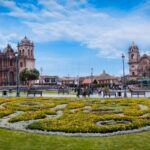
The end point is Plaza Mayor del Cusco, so you’re not stuck organizing your own return after walking around multiple archaeological areas.
Qenqo: where natural rock turns into ceremony
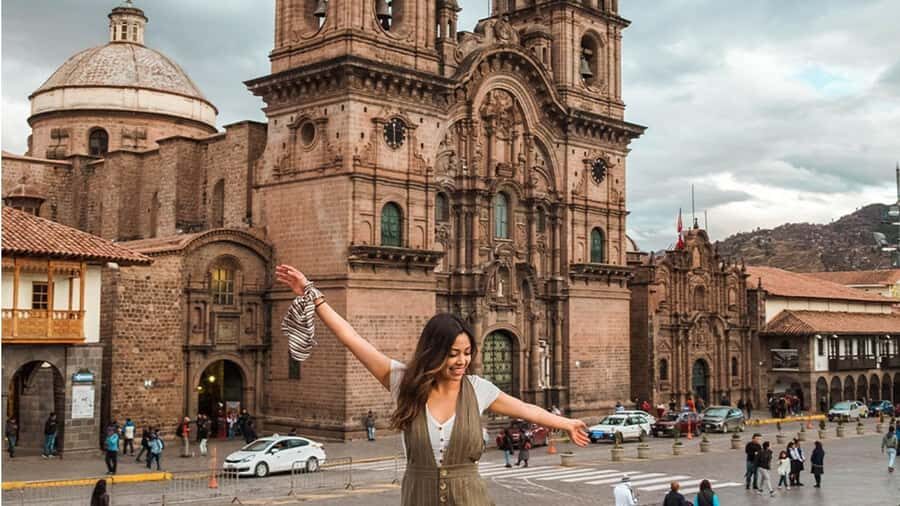
Qenqo (often spelled Q’enco) is the first stop, and it’s a great opener because it shows how the Incas worked with the terrain. This place uses a natural rock formation that became a ceremonial center. In plain terms: you’re looking at a site where nature wasn’t treated as “background.” It was part of the design.
The guided walk here is typically about 40 minutes, which is long enough to get your eyes oriented without turning into a lecture marathon. You’ll learn what the site may have meant to the people who used it, and you’ll start noticing the clues in the stone layout.
If you like when guides explain why a location mattered—not just what it is—this is the kind of stop where you’ll feel the guide’s value.
Puka Pucara: military ruins, guard posts, and a different mood
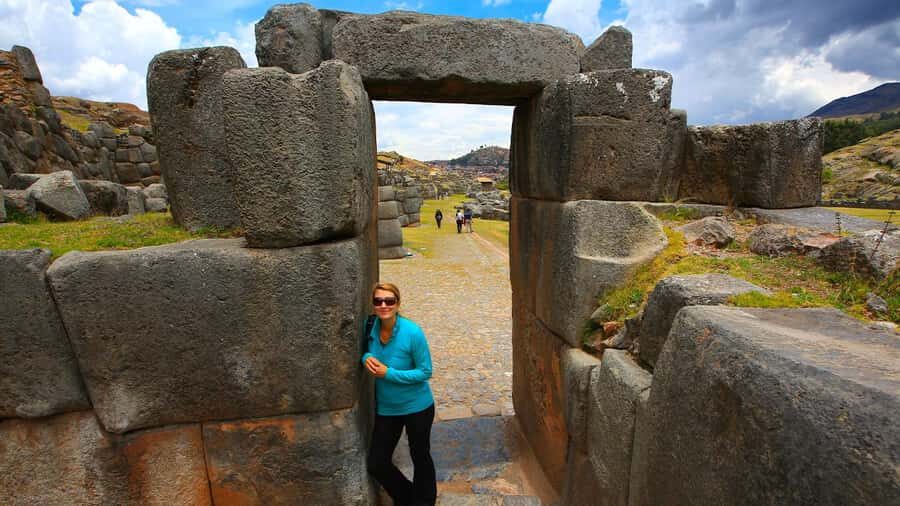
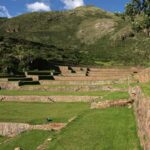
Next up is Puka Pucara, with another guided 40 minutes. This is a site of military ruins and the remains of guard posts, staircases, streets, houses, and courtyards.
That difference in mood is the whole point. After seeing ceremonial Qenqo, you shift into a more strategic view of Inca life—how control, defense, and movement were planned. Puka Pucara helps you understand Cusco wasn’t only temples and rituals. It was also a place built for security and organization.
One practical note: because there are ruins and stone paths, you’ll want comfortable shoes. Cusco days can be slippery if it’s wet, and you don’t want to spend the best parts of the tour focusing on your footing.
Tambomachay (9 km out): the baths of the Incas
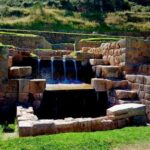
Tambomachay sits about 9 kilometers outside the city. It’s often described as the baths of the Incas because of the shape of the water source. There’s also a strong possibility it connected to a cult of water and purification, which gives the stop a spiritual feel even though the setting is pretty practical and water-focused.
Guided time here is also about 40 minutes. This stop can be a relief if you’ve been thinking about stone structures back-to-back. Water sites slow you down. They invite you to look closer at how the stone and water work together.
Since Tambomachay is outside the city, this is where the extra tourist ticket for archaeological sites outside the city (70 soles) is relevant. If you’re trying to keep the day smooth, bring cash and be ready to handle those tickets onsite.
Also, the tour info recommends long pants and sun protection. Tambomachay can feel exposed compared with tighter urban areas, so your water and sunscreen matter here.
A few more Cusco tours and experiences worth a look
Sacsayhuaman: limestone blocks meant to protect the city
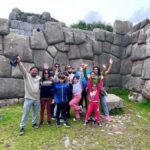
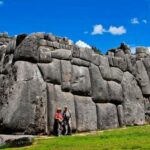
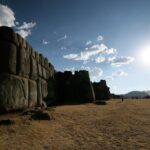
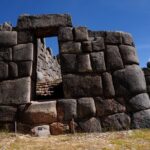
Then comes Sacsayhuaman, with guided time about 40 minutes. Chroniclers believed it was a solar shrine built by the last dynasties of the Incas. But the big visual lesson for most people is the engineering.
The site is known for large blocks of limestone, built in a way meant to help protect Cusco from attacks from the east (or Antis). Whether you take the historical claim literally or treat it as the best available explanation, the takeaway is clear: these weren’t casual constructions. This was serious city defense and serious ceremonial messaging—stone doing both jobs.
If you’ve seen photos online, this is where the photos make sense. Up close, you’ll notice how the blocks relate to each other and how the slope and positioning shape the whole experience. And because the tour runs it with guidance, you’re less likely to miss the details that make it impressive.
One thing to manage: this can be a challenging stop depending on your walking comfort. Wear shoes you trust and take small breaks when you need them. The tour is structured, so you’re not wandering alone—but you still control your pace.
Coricancha and Cusco Cathedral: the afternoon version of the story
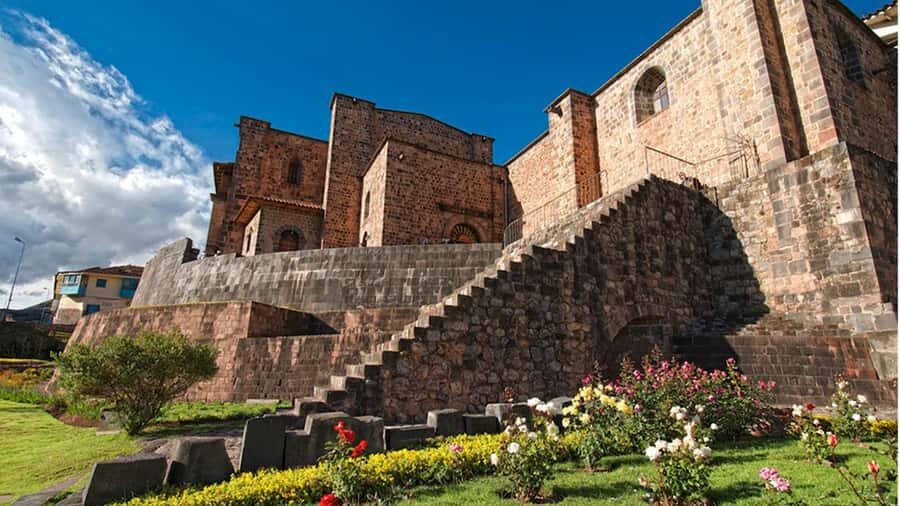
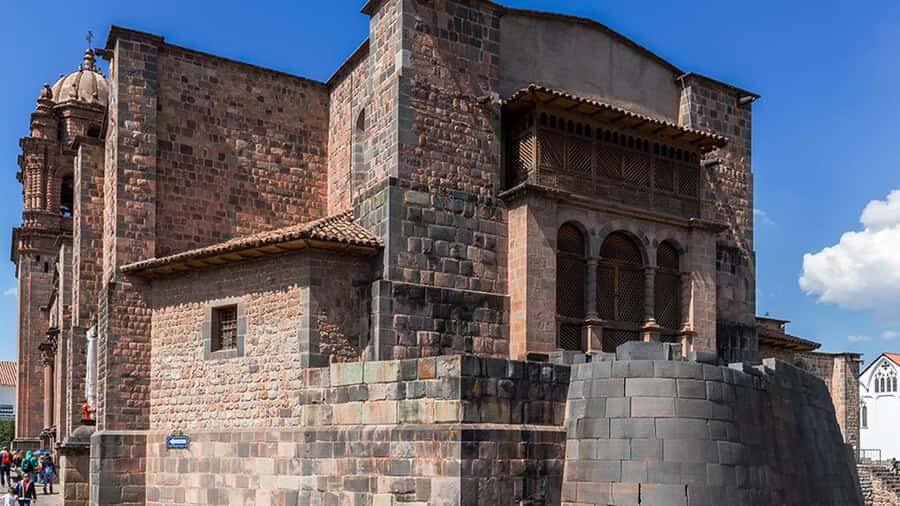
On afternoon departures, the tour can add UNESCO-listed stops: the Basilica Cathedral and the temple of Coricancha.
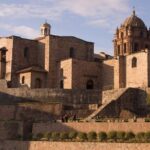
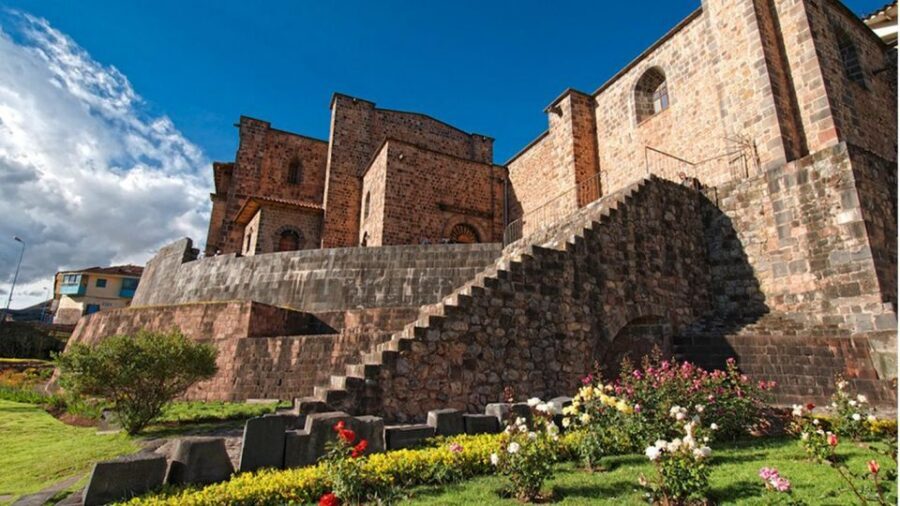
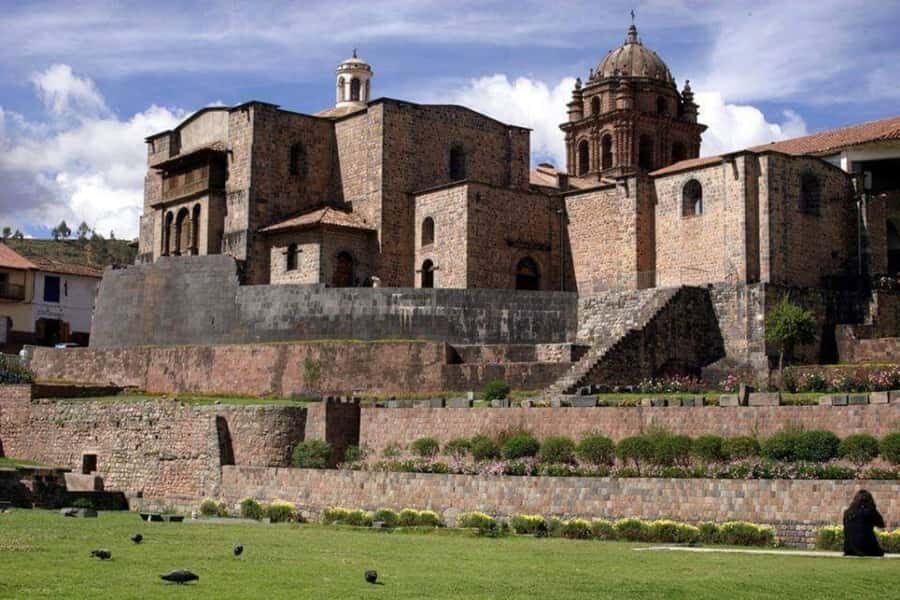
Coricancha is included for about 1 hour, which gives you time to slow down here and connect it to what you saw earlier. The Inca temple is described as having perfect architecture and stone construction, and it was the most important temple of the Inca empire. After that, you head to the Cusco Cathedral for about 40 minutes.
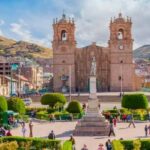
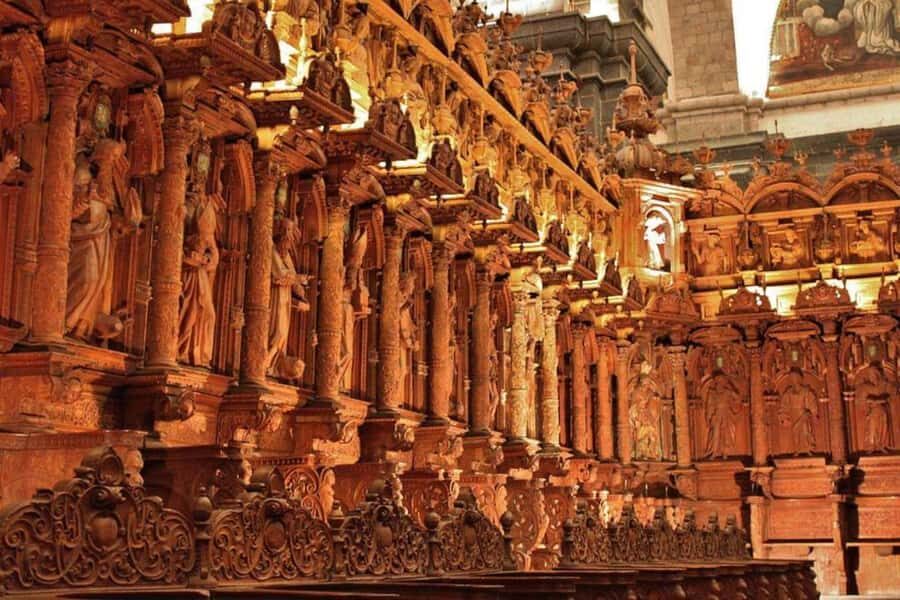
The Basilica Cathedral is built in 1560, and it’s the kind of place that helps you understand how the city’s meaning shifted over time. You’re not just moving between ruins. You’re seeing layers of belief, power, and architecture—Inca stone, then Spanish-era religious art and design.
One practical point: cathedral entrance fees are 40 soles, and Coricancha entrance fees are 15 soles. Plan on paying these separately.
Guides make the difference: Silvia, Clara, Janet, Wally, José
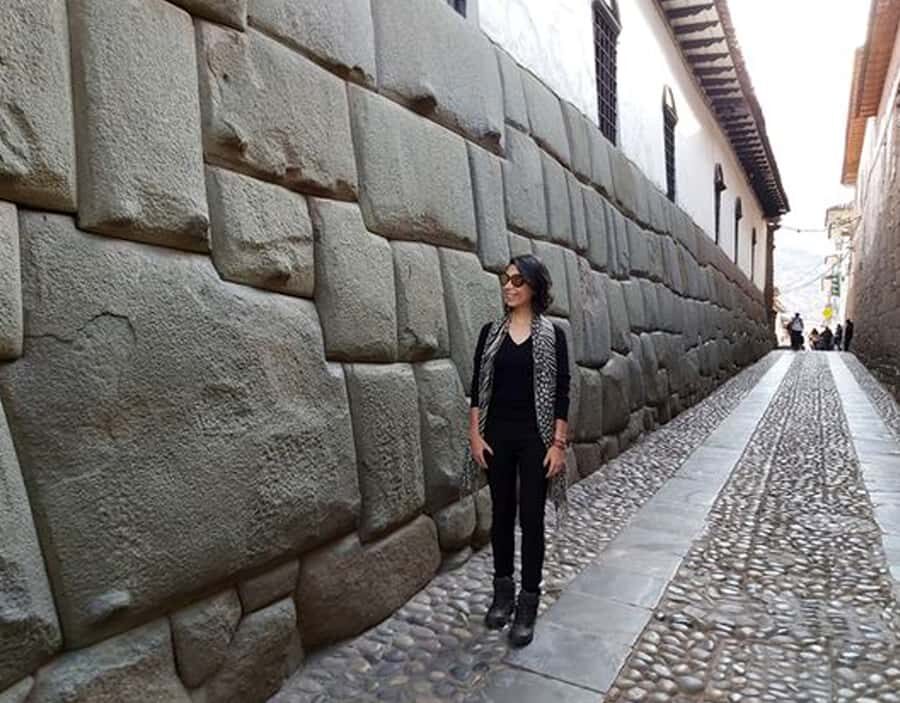
A tour like this lives or dies by the guide. The route is strong, but the explanations are what turn it into a real Cusco intro.
From recent experiences shared with the tour provider, guides such as Silvia are praised for patience with kids, which can matter if you’re traveling with a family. Clara is described as charming, attentive, and full of energy, with a knack for connecting you to Cisco and Inca life through details. Janet also shows up in feedback as a standout, with people calling out her ability to connect facts to the places. Wally and José are mentioned specifically for English-friendly guiding and making questions feel welcome.
So when I think about “who benefits most,” it’s people who like asking questions and listening for the stories behind the stone. If you’re the quiet type, you’ll still be fine—your guide’s job is to keep you oriented. But if you enjoy conversation, this is a good setup.
What to budget: entrance fees and the cash reality
Here’s the money part, plain and simple.
The tour includes transportation and the guide. It does not include:
- Cathedral entrance fee: 40 soles
- Coricancha entrance fee: 15 soles
- Tourist ticket for archaeological sites outside the city: 70 soles
On a morning format, the tour covers four archaeological sites: Sacsayhuaman, Qenqo, Puca Pucara, and Tambomachay. In that case, the outside-city ticket is the one to account for because Tambomachay is located 9 kilometers outside of Cusco.
If you do an afternoon departure, you should also budget for the cathedral and Coricancha entries.
If you hate surprises, do this: bring cash, carry your passport, and assume you’ll pay entrances onsite.
Timing, weather, and what to wear so you don’t regret it
Cusco can shift fast in the afternoon. The tour’s own packing advice is worth following:
- Comfortable shoes
- Water
- Long pants
- Sun hat and sunscreen SPF 30+
- Waterproof jacket or raincoat
That list isn’t just “nice to have.” It protects your day. You’ll be outside, you’ll walk stone paths, and you’ll likely move between brighter open areas and darker corners of archaeological zones.
Also, there are rules: no pets and no luggage or large bags, and video recording isn’t allowed. If you’re traveling with extra gear, pack light and keep your day-focused items ready.
The one thing I’d watch out for: extra stops and pace expectations
In practice, you’re paying for a short, guided route. That usually means there may be small detours that don’t feel like “ruins time.” One piece of feedback highlights a stop at a textiles store that felt unnecessary for some people, and another notes that Sacsayhuaman time could have been used to explore a bit more with the guide rather than a quick stop-and-exit.
So here’s my take: if you’re the kind of person who wants maximum site time, keep your expectations realistic about how tours use the time window. The upside is you still hit the big Inca names, and the guidance usually helps you make sense of what you’re seeing.
Who this tour is best for (and who might choose differently)
This tour is a great fit if:
- you have only half a day in Cusco but still want multiple Inca sites with guidance
- you like structure and want a guide to explain the significance
- you can appreciate both ceremonial places and defensive or civic spaces
It may be less ideal if:
- you want long, slow exploration at a single site
- you’re uncomfortable with a packed schedule
- you dislike time spent in non-ruins stops, like shopping-style stops
Because the afternoon option adds Coricancha and the cathedral, it’s also a good choice if you want the “before and after” of Cusco’s story—Inca stone paired with Spanish colonial religious architecture.
Should you book this half-day Cusco tour?
I’d book it if you’re trying to get a lot of Cusco meaning into a tight window. The mix of Qenqo, Puka Pucara, Tambomachay, and Sacsayhuaman gives you a broader picture of Inca life than most rushed self-guided plans. Add Coricancha and the cathedral on an afternoon departure, and you get that full city-layer effect without needing a whole second day.
Book it with one mindset: treat it as a guided introduction, not a slow archaeology marathon. Bring cash for the extra entrances, wear shoes you trust, and show up ready to walk and ask questions. If you do that, you’ll likely leave with a clear mental map of Cusco—and not just a phone full of similar-looking stones.
FAQ
What’s included in the $17 per person price?
The price includes tourist transportation and a professional, bilingual guided tour in Spanish/English.
How long is the Cusco Half-Day City Tour?
The tour runs for 6 hours.
Which sites are visited on the morning tour?
On morning tours, you’ll visit Sacsayhuaman, Qenqo, Puca Pucara, and Tambomachay. The cathedral and Coricancha are not included on morning departures.
Do afternoon departures include Cusco Cathedral and Coricancha?
Yes. On afternoon departures, you have the chance to visit Cusco Cathedral and Coricancha.
What entrance fees should I expect to pay separately?
You’ll pay separately for:
- Cusco Cathedral: 40 soles
- Coricancha: 15 soles
- Tourist ticket for archaeological sites outside the city: 70 soles
What should I bring?
Bring comfortable shoes, water, passport, and cash.
Is video recording allowed?
No. Video recording is not allowed on this tour.