REVIEW · CUSCO
1 day excursion to Qeswachaka bridge and the 4 lagoons
Book on GetYourGuide →Operated by Journey Peru SAC · Bookable on GetYourGuide
A bridge built like the Incas, still working. I love how the Queswachaka suspension bridge shows last Inca-style engineering in real life, and I love the calm, bird-focused four lagoons along the way. The main drawback is that the bridge can be temporarily cut if repairs are happening, so you may not be able to cross on your date.
You leave Cusco at 4:00 a.m., so yes, you’ll spend serious time in the vehicle before the viewpoints. It can also feel tight in a smaller van for taller folks, but the early start helps you reach the stops in quieter light and avoid the busiest feel.
When the group is in good hands, this becomes a genuinely satisfying day. Guides like Roland have a way of turning simple photo stops into clear explanations about plants, minerals, and what you’re actually looking at.
In This Review
- Key things to know
- Queswachaka Bridge: The Last Inca-Style Suspension You Can Still See
- The Morning Route: Cusipata Breakfast, En-Route Stops, Then Quehue
- Pomacanchi Lagoon: Birds First, Photos Always
- Acopia Lagoon: A Few Kilometers That Change the Mood
- Asnacocha Lagoon: Minerals and a Different Kind of Fascination
- Pampamarca Lagoon: Time to Breathe Before the Return to Quehue
- Lunch in Cusipata: A Real Meal Break, Not Just a Snack
- Guides, Van Comfort, and Language Reality (Roland Helps)
- Price and Logistics: Is $50 Worth Spending a Whole Day?
- The Main Risk: If the Bridge Is Cut Off
- Who This Tour Fits Best (And Who Should Think Twice)
- Should You Book This Qeswachaka and Four Lagoons Tour?
- FAQ
- What time do you get picked up in Cusco?
- How long is the excursion?
- How much does the tour cost?
- What meals are included?
- Which lagoons are visited on this trip?
- Is the Queswachaka bridge included, and do you get time to take photos?
- What should I bring, and what’s not allowed?
Key things to know
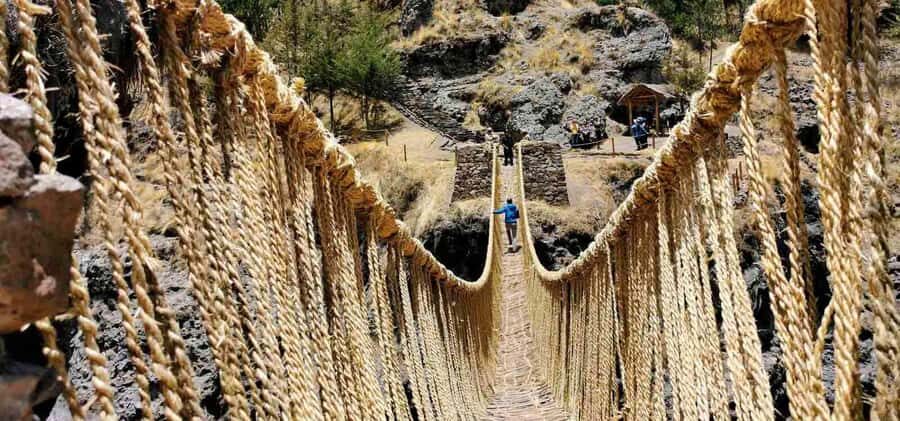
- Queswachaka bridge is the headline with time for photos and short guided context in Quehue
- Four lagoons, four different vibes including Pomacanchi for birdwatching and Asnacocha for mineral talk
- A long drive is part of the deal with a very early start and winding roads out of Cusco
- Food is handled for you with breakfast in Cusipata and lunch afterward
- Language can shift by day even with English and Spanish support, so basic Spanish helps
- Bridge access isn’t guaranteed if repairs are underway
Queswachaka Bridge: The Last Inca-Style Suspension You Can Still See
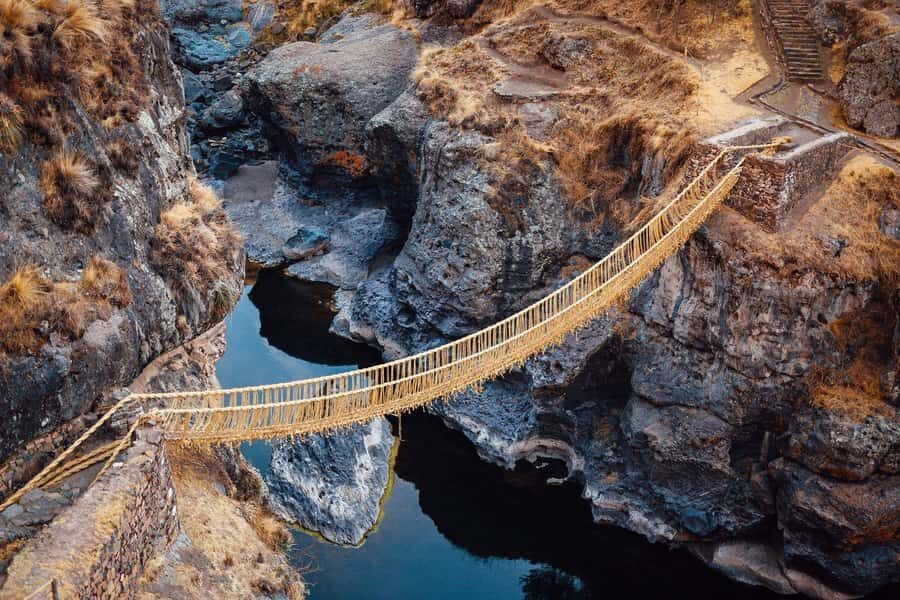
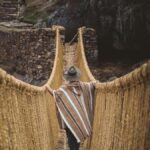
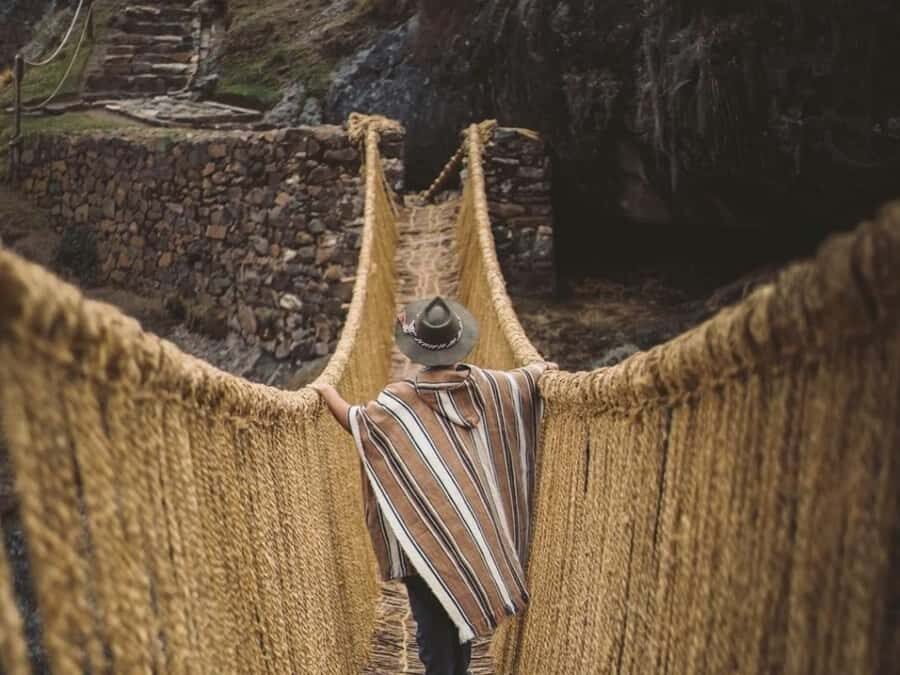
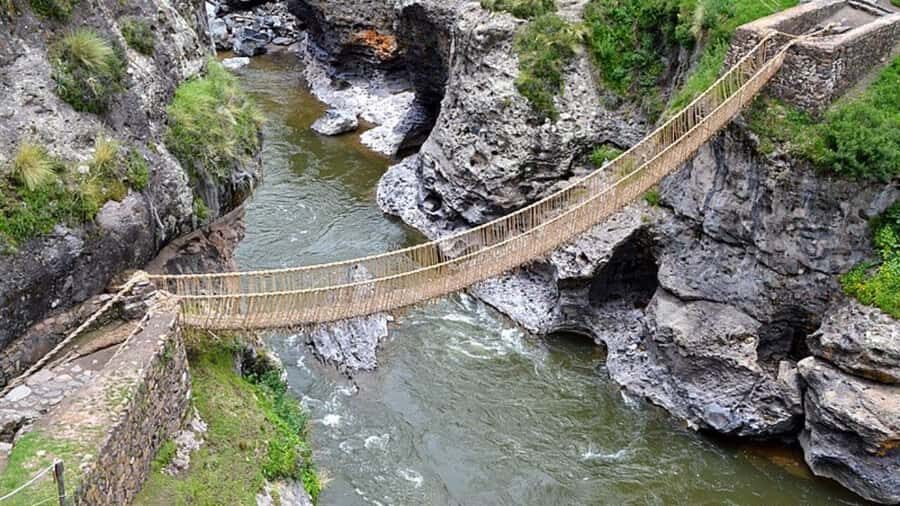
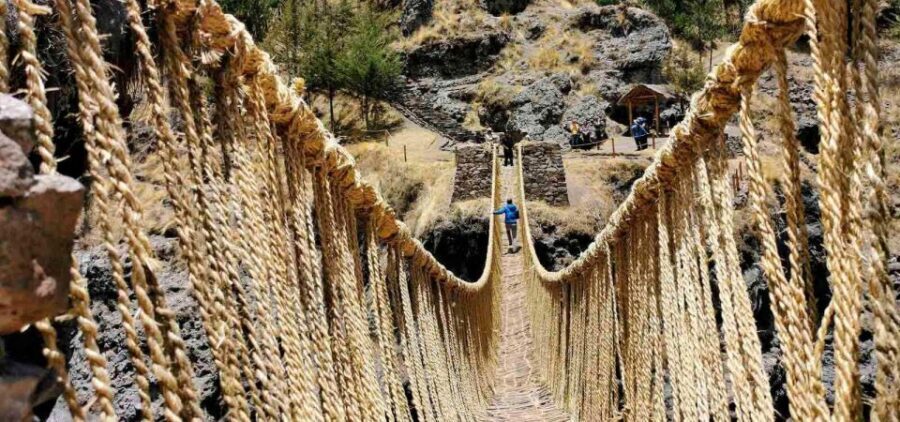
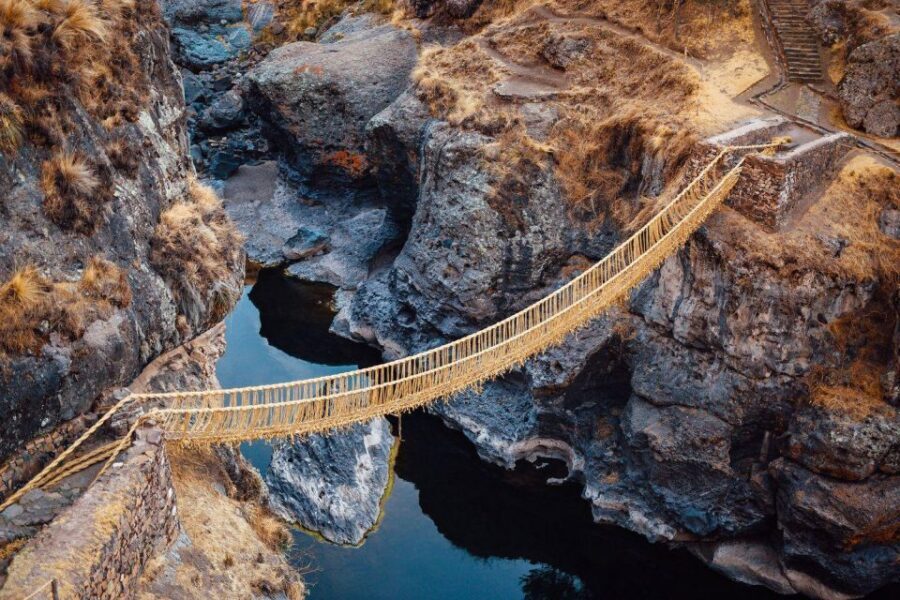
This trip centers on the Queswachaka suspension bridge, the last well-known bridge of its Inca origin style. The first reason I like this stop is practical: it’s not a museum. You’re standing there while the landscape does its thing, and the bridge feels like it still belongs to local life.
The second reason I like it is how much meaning you can squeeze from a quick visit. Your guide typically shares brief but useful context at the bridge, and you get time to take photos in both a morning/early-window moment and again later after the lagoons.
One key consideration: crossing may not always be possible. On at least one recent departure, the bridge was cut off, and people could only admire it from the side while construction continued (with a rebuild planned for the following month). If you’re the kind of traveler who really needs the bridge walk, build in mental flexibility.
A few more Cusco tours and experiences worth a look
The Morning Route: Cusipata Breakfast, En-Route Stops, Then Quehue
After pickup near the historical center of Cusco, you head south early and then stop in Cusipata for breakfast. This is a smart pause. It gets you fuel before the day gets long, and it breaks up the ride so the scenery starts to feel less like a blur.
Along the drive, you may also have short, quick explanation stops. One prior group noted small extras like a mini-volcano and mentions of an Inca path section plus plant talk. Even if those aren’t the main listed sights, this kind of roadside storytelling matters because it helps you connect names to what you’re seeing.
Eventually you arrive at Quehue to observe the bridge of Queswachaca. You’ll have time to take pictures, and your guide gives a brief explanation so you don’t just see a structure—you understand why it’s special.
Pomacanchi Lagoon: Birds First, Photos Always
The day then shifts from bridge engineering to lagoon life. The first lagoon stop is Pomacanchi Lagoon, described as the largest of the four, and it’s where birdwatching becomes the main event.
This is the part of the itinerary that feels most like a nature walk without demanding hiking. You stop, look, and watch for movement along the water and edges. If you like spotting wildlife with your own eyes (and not through a screen), Pomacanchi is a good match.
I’d treat this as a slow stop. You’ll get more out of it if you pause from photographing every second and instead scan for birds. A good guide makes a difference here too, since bird variety isn’t just luck—it’s more likely when someone points you toward what to watch for.
Acopia Lagoon: A Few Kilometers That Change the Mood
After Pomacanchi, you move a few kilometers to Acopia Lagoon. Acopia is a quieter contrast stop. You’re still in the same high Andean environment, but the change in water setting and surroundings keeps the day from feeling repetitive.
This lagoon is listed as one of the four core stops, so you can expect time to simply enjoy it rather than rush through. In practice, these are the moments when your camera roll starts to look like a story, not just a checklist.
If you tend to get impatient with “drive, stop, photos, repeat,” this is the kind of place where a little patience pays off. The best pictures often come from waiting for small shifts in light and bird movement.
Asnacocha Lagoon: Minerals and a Different Kind of Fascination
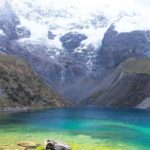
Next comes Asnacocha Lagoon, described as rich in mineral resources. That matters because it changes what the guide will likely emphasize while you’re there.
Instead of only talking about scenery, you’ll get interpretive points tied to the lagoon’s physical character—how minerals relate to color, edges, and what the ecosystem may be doing. This is one of the stops where I think a guided explanation adds real value, because it turns a view into something you can describe with more than adjectives.
If your Spanish is limited, don’t panic. Even when the tour leans more heavily toward Spanish on some departures, the physical cues are obvious enough to anchor your understanding: you can still connect the guide’s notes to what you see.

Pampamarca Lagoon: Time to Breathe Before the Return to Quehue
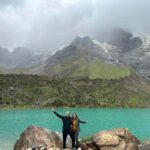
The final lagoon is Pampamarca Lagoon. It’s framed as the stop where you enjoy a beautiful natural environment through the lagoon visit.
I like placing this at the end because it functions like a reset button. By the time you reach Pampamarca, you’ve already trained your eyes on water and surroundings for hours, so you can finally let your brain slow down and enjoy rather than analyze.
This is also when you might notice how the day is shaping your body. Early altitude, early wake-up, and all that vehicle time add up. Pampamarca is often the point where people stop talking as much and start taking in the place for real.
Then you continue back toward Quehue for the second bridge viewpoint. The timing makes sense: you get another chance for photos, and you can watch the bridge again with clearer context after seeing the lagoons.
Lunch in Cusipata: A Real Meal Break, Not Just a Snack
After the guided lagoon visits, you return to Cusipata and enjoy lunch. This is one of the best parts of the “value package” for this tour because you’re not left hunting for food while you’re tired.
The itinerary mentions lunch as included, and one past participant specifically called the food very good. Even if your personal standards are picky, you should expect a proper sit-down meal rather than a rushed roadside bite.
I’d also treat lunch as your recovery moment. By then, you’ve been on the go since early morning, and Cusco days feel longer when you don’t manage energy.
Guides, Van Comfort, and Language Reality (Roland Helps)
A bilingual guide is included (English and Spanish), and the difference this makes is huge. When your guide is strong—like Roland, who was praised for lots of explanations at the bridge and stops—it turns the day from a transport service into a learning experience.
That said, language balance can shift. One reviewer noted that even though the guide was nice, a large portion of the trip was in Spanish, which left them feeling they missed some info. So if you rely on English for the details, ask how the guide will manage language for your group ahead of time.
Comfort is another reality check. The van ride can feel cramped for taller people, and roads are winding. One traveler who is 5’11” described feeling crunched, even though the guide tried to make adjustments. If you’re tall or sensitive to long drives, bring a travel pillow if you have one, and plan on taking the motion as part of the experience.
Price and Logistics: Is $50 Worth Spending a Whole Day?
At $50 per person for a one-day excursion, the value mostly comes from what’s included: hotel pickup near the historic center of Cusco, transportation, a bilingual guide, breakfast, and lunch.
If you were to DIY this route, the cost would likely balloon quickly once you price out transport plus guide time plus meals. Here, you’re paying to compress a long southward circuit into one managed day, with someone else doing the planning.
The tradeoff is time. You’re out from about 4:00 a.m. until around 18:00. That’s a full day where comfort and patience matter as much as the sights. If you want a short, low-effort experience, this one may feel like a lot. But if you’re chasing the bridge and the lagoons, the early push is the price you pay.
Also remember entrance fees are not included. If any fees apply on your day, you’ll cover them separately, so keep a little buffer in your budget.
The Main Risk: If the Bridge Is Cut Off
This is the one part you should think about before you fall in love with the idea of crossing the bridge. The tour experience is built around observing the bridge and taking photos, but there have been instances where the bridge was already cut and people couldn’t cross.
The practical takeaway: treat the bridge walk as a bonus, not a guarantee. If your date happens to line up with reconstruction, you’ll still see Queswachaka and get the guide’s context, but you might lose the crossing experience.
If crossing matters a lot to you, it’s worth confirming closer to departure. You can contact the operator via WhatsApp at +51902541038, and booking at least 24 hours in advance is recommended so you have time to check day-of conditions.
Who This Tour Fits Best (And Who Should Think Twice)
This excursion is a strong match if you want two things in one day: Inca-style engineering at Queswachaka and Andean lagoon scenery across four distinct stops. It also suits travelers who like short guided explanations and want their photos to come with names and context.
It may not be the best fit if you’re not comfortable with long vehicle time and an early morning start. People with heart problems and pregnant women aren’t recommended, and wheelchair users aren’t suited either. If you’re sensitive to altitude or travel strain, take that seriously.
If you’re traveling solo, the guide-led group dynamic can be helpful. One prior participant noted that the guide made sure solo travelers got enough photos and felt looked after, which can make a big difference when you’re not sharing camera duties.
Should You Book This Qeswachaka and Four Lagoons Tour?
I think you should book if you care about the bridge as a living tradition and you’re excited to spend the day outdoors watching lagoons and wildlife. The $50 price point becomes a good deal when you factor in breakfast, lunch, pickup, and a bilingual guide.
I’d hesitate if you need a guaranteed bridge crossing, hate tight rides, or can’t handle a very early start until early evening. In that case, look for alternatives or plan a more flexible day where delays and closures won’t feel like a deal-breaker.
If you do book, go in prepared: sunglasses, sun hat, sunscreen, water, a camera, and ID or passport. And skip alcohol and drugs—because the day is already long enough without adding complications.
FAQ
What time do you get picked up in Cusco?
Pickup is from your hotel near the historical center of Cusco at 4:00 a.m., and you return to Cusco at about 18:00.
How long is the excursion?
The duration is 1 day.
How much does the tour cost?
The price is $50 per person.
What meals are included?
Breakfast is included with a stop in Cusipata, and lunch is included after the guided visits when you return to Cusipata.
Which lagoons are visited on this trip?
You visit Pomacanchi Lagoon, Acopia Lagoon, Asnacocha Lagoon, and Pampamarca Lagoon.
Is the Queswachaka bridge included, and do you get time to take photos?
Yes. The itinerary includes observing the Queswachaka bridge in Quehue with time to take pictures and a brief guide explanation, and you see it again after the lagoon visits.
What should I bring, and what’s not allowed?
Bring your passport or ID card, sunglasses, a sun hat, a camera, sunscreen, and water. Alcohol and drugs are not allowed.