REVIEW · CUSCO
Cusco: Sacred Valley Day Trip with Maras & Moray Salt Mines
Book on GetYourGuide →Operated by explorer southamerica · Bookable on GetYourGuide
Maras salt wells feel unreal up close, and this Sacred Valley day trip strings together Maras salt wells and Inca sites with a food-focused story. I really like how the day stays on theme from start to finish, and I also love that the included Andean buffet lunch in Urubamba keeps you fueled for the long day. One catch to plan for: entrances at Maras and Moray cost extra on the day.
Pickup is early, between 6:00 and 7:00 AM, so you get a cleaner start and more time at each stop instead of rushing. In one recent booking, the guide was Christian, and his Inca history explanations came with real answers to follow-up questions, not just a script.
You’ll be on your feet at multiple archaeological centers and on uneven ground near Maras. This tour is not suitable for wheelchair users or visually impaired travelers, so I’d only book if you’re comfortable moving around for most of the day.
In This Review
- Key highlights that matter
- Sacred Valley day trip basics: what you’re really paying for
- Morning pickup (6:00–7:00 AM) and the first orientation stop
- Moray: the Inca agricultural laboratory you can actually see
- Maras Salt Mines: thousands of wells on mountain slopes
- Urubamba buffet lunch: where the day slows down for real
- Ollantaytambo: Temple of the Sun and the power center feeling
- Pisac archaeological center: finishing with another set of major ruins
- Return to Cusco (drop-off near Plaza de Armas, 6:30–7:00 PM)
- Price and logistics: is $35 a bargain or a bait-and-switch?
- What to bring and what to avoid for this Cusco route
- Who this tour suits best (and who should pass)
- Should you book this Sacred Valley day trip with Maras and Moray?
- FAQ
- How much does the Sacred Valley day trip cost?
- How long is the tour?
- What time is hotel pickup in Cusco?
- Is lunch included?
- Are entrance fees included for Maras and Moray?
- What’s included besides lunch?
- What languages are offered for the live guide?
- Where will you be dropped off at the end of the tour?
- Can I bring a drone?
- What should I bring with me?
Key highlights that matter
- Maras Salt Mines: thousands of small salt evaporation wells clinging to mountain slopes
- Moray’s agricultural terraces: the Incas’ experimental farming site and a great visual lesson
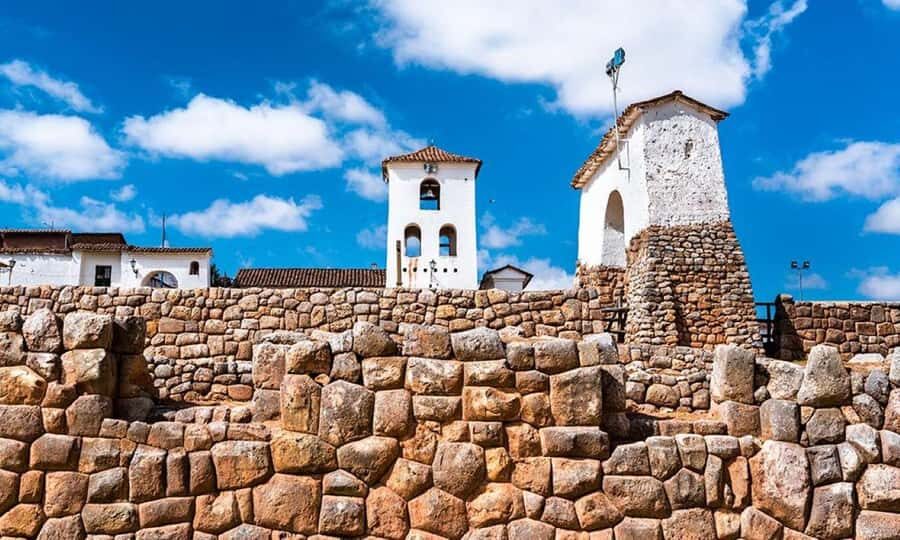
- Chinchero to Ollantaytambo to Pisac: a tight run of major Sacred Valley archaeological stops
- Urubamba buffet lunch: an included Andean meal that saves you money and decision fatigue
- Guide-led context: you’ll connect ruins to how the Incas actually lived and fed an empire
Sacred Valley day trip basics: what you’re really paying for
This is a one-day route built around three ideas: food, agriculture, and the political power that came from controlling both. The Sacred Valley is about 35 kilometers from Cusco, along the Urubamba River, which the Incas knew as Vilcanota. The reason it’s called sacred is practical, not just spiritual: this valley was a key food supplier for the Incan Empire.
So instead of doing ruins “because ruins,” you’ll see why these places mattered. That’s the best part of the day: your stops feel connected. You move from places that show how land and water were managed to major centers the Incas used to organize society.
At $35 per person, the headline price is low for a full-day guided circuit from Cusco. But the real value math is what’s included versus what’s not, and that brings me to the cost details later.
A few more Cusco tours and experiences worth a look
Morning pickup (6:00–7:00 AM) and the first orientation stop
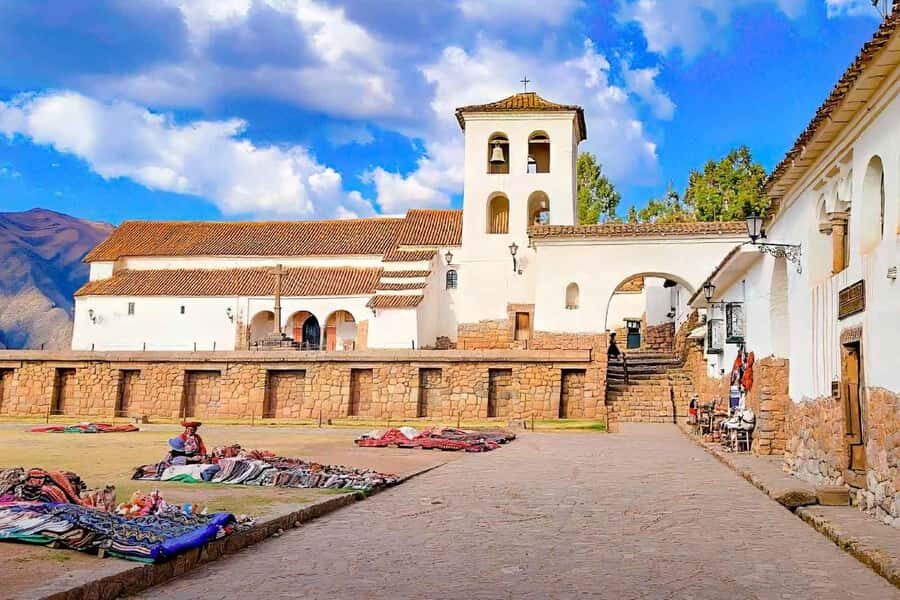
Your day starts with hotel pickup between 6:00 and 7:00 AM if you’re near or inside the historic center. That matters because Sacred Valley sites are spread out, and starting early helps you avoid losing hours to traffic and slower pacing.
Your first stop is Chinchero, where you’ll get a brief guided tour. This is a smart warm-up. You’re not being asked to “figure it out” right away; you get context early so Moray and the Inca ruins land with meaning later.
Practical note: if you’re someone who gets carsick, Peru mountain roads can be bumpy. You might want to be ready with fresh water and a steady snack plan before leaving Cusco.
Moray: the Inca agricultural laboratory you can actually see
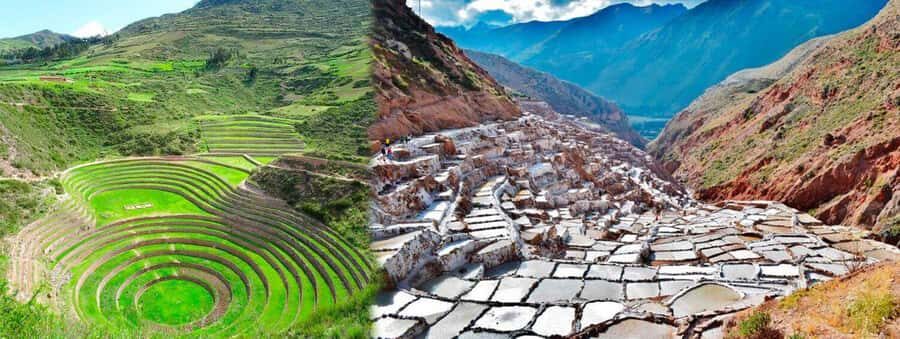
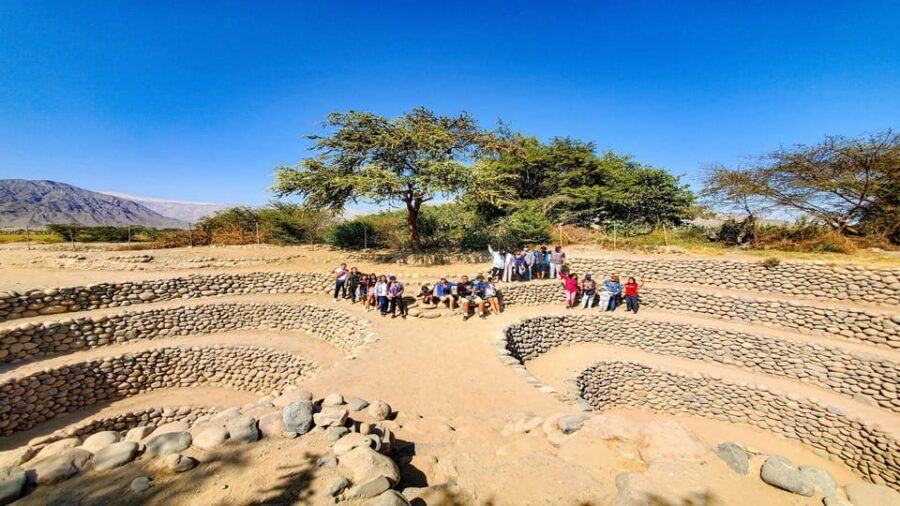
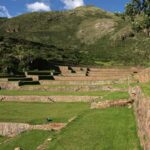
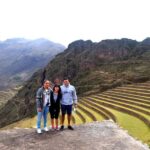
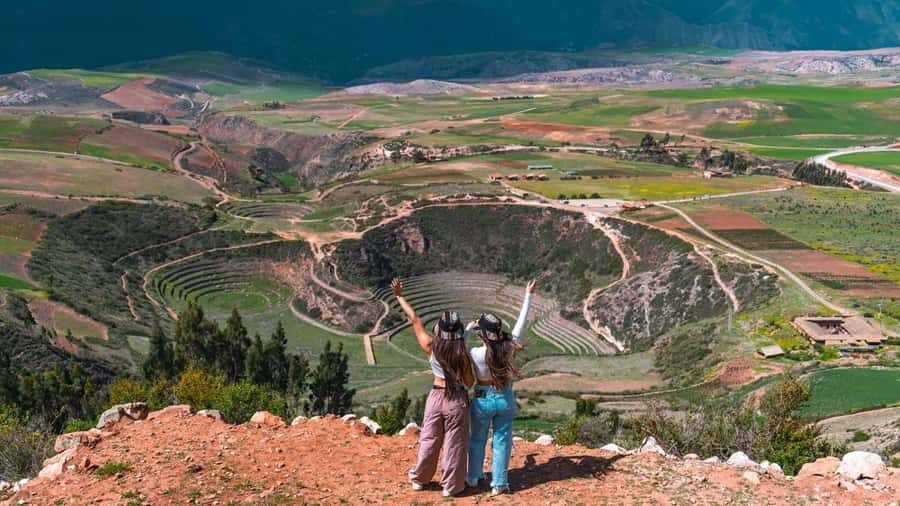
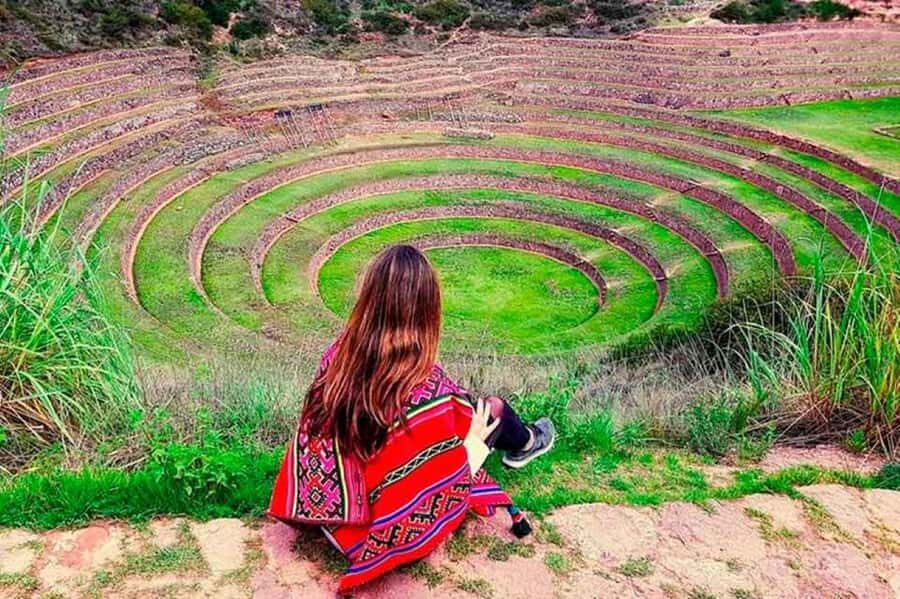
Next up is Moray, described as the Incas’ agricultural laboratory. Visually, Moray is memorable because the site is built as a set of circular terraces, like stacked bowls carved into the landscape. The big idea you should keep in mind is that this wasn’t only about farming in general—it was about testing conditions and learning how to grow crops more effectively.
Even with only part of a day, Moray works because it’s not a mystery-box ruin. You can look at the design and picture how temperature and microclimates could change across levels. The terraces act like a giant “field experiment,” and the guide’s job is to connect that design to the Incas’ need to feed a growing empire.
Entrance to Moray is not included in the base price (you’ll pay a partial tourist ticket on the day). If you’re the type who hates surprise costs, this is the moment to mentally budget ahead of time.
Maras Salt Mines: thousands of wells on mountain slopes
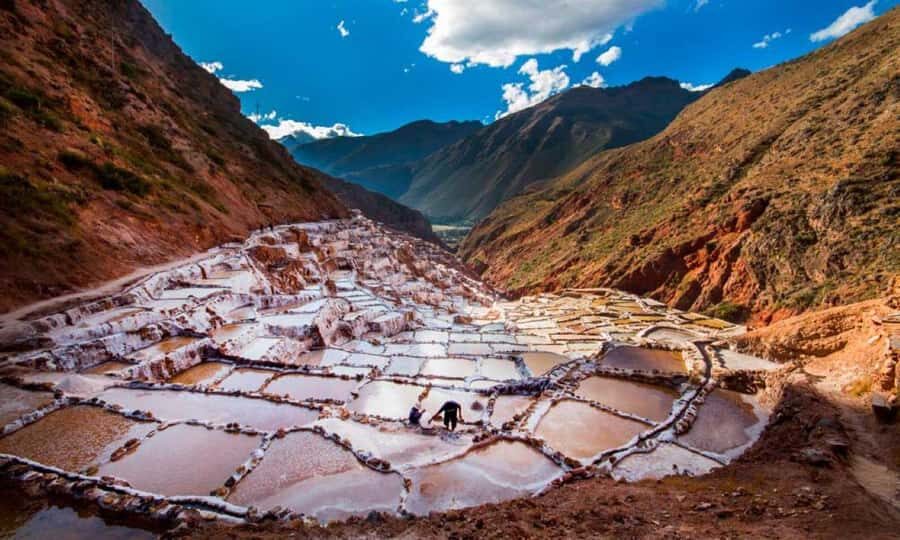
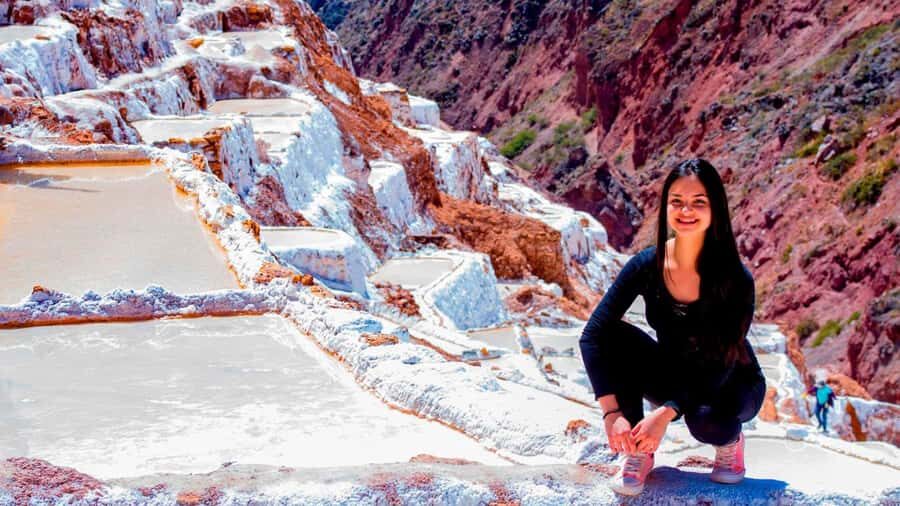
Then comes the star stop for many people: Maras Salt Mines. The salt wells are over 3,000 years old, and you’ll see them spread across the hillside in huge numbers. It’s not one dramatic single view—it’s thousands of small, human-made units, scaled across a slope like a living pattern.
What I like about this stop is how physical it feels. Salt mining is a real-world activity, not just a ceremonial site. The Incas and later communities needed resources that could be produced, stored, and transported. Watching the system from above helps you understand why this valley’s resources were so valuable.
You’ll visit from a viewpoint where you can take in the overall layout, and that matters because it’s the only way the full scale makes sense. If you take photos, do it quickly during the clearest moments and then spend a minute just looking. The contrast between engineered squares and the rugged mountains makes it easy to feel why this place survived as an active resource area for centuries.
Entrance to Maras is also extra on the day (S/15 or about $5).
Urubamba buffet lunch: where the day slows down for real
After Maras, you head into Urubamba for lunch. The tour includes a buffet lunch, which is one of those details that’s quietly valuable: you don’t have to hunt for a meal between major archaeological stops.
Why this matters: after mornings of driving and altitude air, you’ll want something you can eat without overthinking. A buffet format also tends to work well for mixed groups, since you can choose what fits your appetite.
Try to keep it practical. If you’re heading to Ollantaytambo and Pisac afterward, don’t go too heavy. A solid plate plus water will make the afternoon easier, especially if you’re walking uneven ground.
Ollantaytambo: Temple of the Sun and the power center feeling
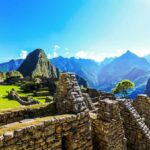
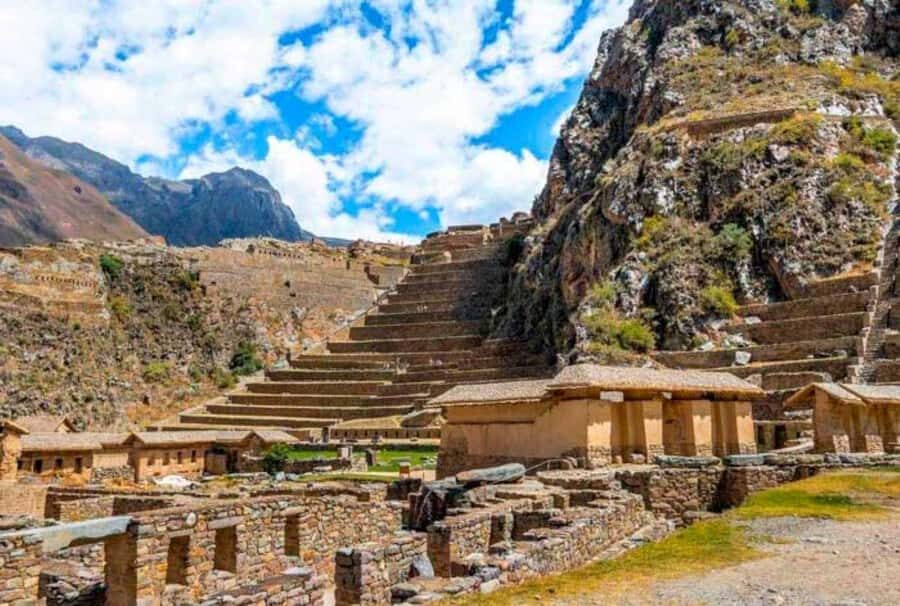
The next archaeological center is Ollantaytambo, one of the biggest Inca sites in the Sacred Valley route. You’ll visit the most important complexes, including the Temple of the Sun.
This stop works because it shifts from agriculture and production back into governance and belief. The Temple of the Sun is one of the anchor points for understanding why the Incas organized space in the way they did—religion, astronomy, and authority were linked.
Ollantaytambo also has a “place you can feel” quality. Even when you’re looking at stone walls and terraces, you can sense the role it played as a key center. The guide’s job is to help you read it: what you’re seeing, why it was built, and how it fit into the wider Sacred Valley network.
Some time here helps you avoid the common day-trip problem: seeing everything but remembering nothing. A strong guide and good pacing make it click.
Pisac archaeological center: finishing with another set of major ruins
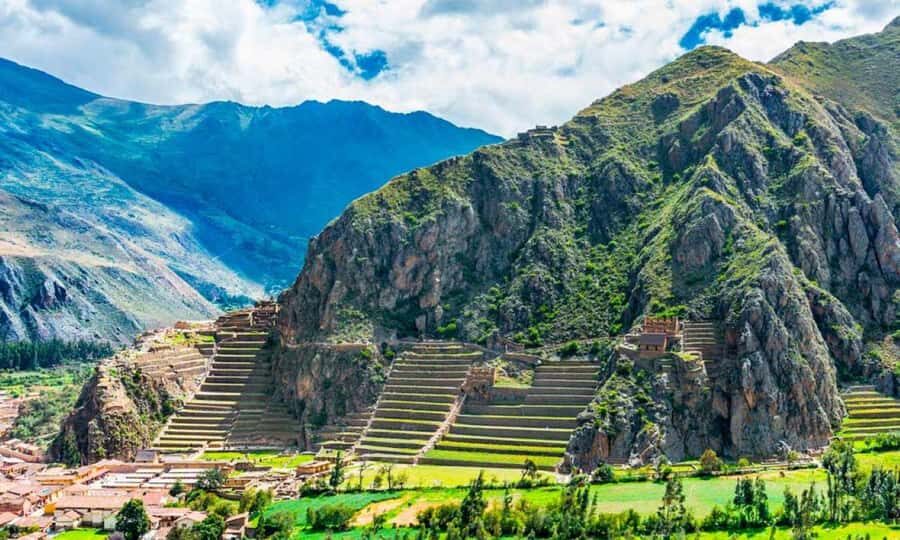
After lunch and Ollantaytambo, the last stop is Pisac. You’ll visit important complexes there as the final archaeological highlight of the day.
Pisac is a good closer because it adds another layer to the Sacred Valley story. You’ve already seen how the Incas managed resources (Maras, Moray) and how they built major power and sacred spaces (Ollantaytambo). Pisac rounds it out with more key structures and layouts that reinforce the valley’s long-term importance.
If you’re tired by this point, focus on the big picture. Walk slow, look at how the terraces and stonework relate to the hill contours, and let the guide tie it all back into Inca control of the valley.
By the time you leave Pisac, you’re working on the final “memory step”: making sure the day doesn’t blur together.
Return to Cusco (drop-off near Plaza de Armas, 6:30–7:00 PM)
You’ll return to Cusco and be dropped off near Plaza de Armas around 6:30 to 7:00 PM, depending on traffic and pacing.
This end time is important for planning your night. Don’t book a late dinner that requires a long walk up steep streets unless you’re sure you’ll still feel good. Many people want a decompress hour back in Cusco, especially after an early start.
Also, charge what you can before the day starts. If your phone camera eats battery, you’ll feel it on the final stretch.
Price and logistics: is $35 a bargain or a bait-and-switch?
At $35 per person, the tour price itself is appealing for a full day with hotel pickup, a professional guide, and an included buffet lunch.
But the cost picture isn’t complete without the entrances:
- Maras entrance: S/15 (about $5)
- Moray entrance: S/70 (about $20, partial tourist ticket)
So you should budget roughly $60 total per person once those are paid, plus any small extras you choose on your own. That’s still fairly reasonable for a guided, multi-site Inca route that starts in Cusco and covers several major stops in one day.
Where it can feel less “cheap” is if you hate extra payments on the day. If you’re the type who prefers a single all-in price, you’ll want to mentally plan for those two entrance fees early.
Value-wise, I think it’s strongest if you:
- want one guide-led day that connects the sites into a single story
- care about history explanations, not only photos
- are okay paying a couple of entrances directly at stops
What to bring and what to avoid for this Cusco route
Bring:
- Passport
- Camera
- Cash (useful for entrances and small purchases)
- Power bank
Know what’s not allowed:
- Drones
- Smoking in the vehicle
- Alcohol and drugs
- Littering
And one small practical tip: the tour provider asks you to share a WhatsApp number with the correct country code. That’s not busywork. It’s how they coordinate smoothly on pickup and updates, especially in a city where meeting points can be tricky.
Who this tour suits best (and who should pass)
This Sacred Valley day trip is a strong fit if you want a guided run through major Cusco-area Inca sites without the stress of arranging everything yourself. It’s also a good choice for history-minded travelers who enjoy explanations tied to real themes: food supply, agriculture, and how resources shaped power.
You should think twice if:
- you can’t handle a full day of walking on uneven ground
- you need wheelchair-friendly routes or you rely on accommodations for visual impairment
- you’re sensitive to early mornings and long car transfers
Also, keep expectations realistic: this is one day with several sites. It won’t feel like a slow museum visit. It’s built for momentum with guide context, not for lingering all day.
Should you book this Sacred Valley day trip with Maras and Moray?
I’d book it if you want the easiest way to see multiple Sacred Valley highlights in one guided day, with an included buffet lunch and a guide who explains what you’re seeing. The best reason to choose it is the theme: you’re not just ticking off ruins; you’re learning how the Incas used the valley to feed and organize an empire.
I’d pause before booking if you strongly dislike paying entrance fees on the day or if your mobility needs make long, uneven walking a problem. For everyone else, this kind of tour is a smart use of time from Cusco.
If you can, go into the day ready to ask questions. In at least one recent experience with Christian as the guide, the Q&A attitude made the history feel personal, not rehearsed.
FAQ
How much does the Sacred Valley day trip cost?
The price is $35 per person.
How long is the tour?
It’s a 1-day experience.
What time is hotel pickup in Cusco?
Pickup is typically between 6:00 and 7:00 AM for hotels near or within the historic center.
Is lunch included?
Yes. You get an included Andean buffet lunch in Urubamba.
Are entrance fees included for Maras and Moray?
No. Maras entrance is S/15 (or about $5), and Moray entrance is a partial tourist ticket of S/70 (or about $20).
What’s included besides lunch?
Hotel pickup (near or within the Historic Center), a professional guide, and drop-off near Plaza de Armas in Cusco.
What languages are offered for the live guide?
The guide is available in Spanish and English.
Where will you be dropped off at the end of the tour?
You’ll be dropped off near Plaza de Armas in Cusco at approximately 6:30 to 7:00 PM.
Can I bring a drone?
No. Drones are not allowed.
What should I bring with me?
Bring your passport, camera, cash, and a power bank.