REVIEW · CUSCO
From Cusco: South Valley Villages and Archaeology Tour
Book on GetYourGuide →Operated by Peru & U · Bookable on GetYourGuide
South Valley ruins can feel like a puzzle with answers. This 5-hour Cusco tour ties together Inca engineering, Huari adobe history, and a jaw-dropping chapel in Andahuaylillas.
I like how the day moves at a relaxed pace with a bilingual guide, so you actually understand what you’re looking at. I also love the variety: Tipón’s waterworks by the sacred Pachatusan mountain, then Pikillacta’s very different Huari city feel. The main catch: lunch isn’t included, so you’ll want to plan for food on your own.
In This Review
- Key points you’ll care about
- From Cusco to Valle Sur with a bilingual guide
- Tipón: Inca terraces, the aqueduct, and the Viracocha connection
- What to consider at Tipón
- Pikillacta: Huari adobe city from 700 to 900 AD
- Andahuaylillas: the Sistine Chapel of Peru and Escuela Cuzqueña art
- A practical note for the chapel stop
- The Saylla food stop on the return ride
- What you’re really paying for: $29 for a 5-hour cultural loop
- Who this South Valley tour suits best
- Quick FAQs for planning your day
- FAQ
- How long is the Cusco South Valley Villages and Archaeology Tour?
- How much does the tour cost?
- Is hotel pick-up and drop-off included?
- What language options do you get with the guide?
- Which major sites are included?
- Are entrance fees included?
- Is lunch included in the price?
- What food options are available in Saylla?
- Is the tour refundable if plans change?
- Are pets allowed on this tour?
- Should you book this tour?
Key points you’ll care about
- Tipón’s terraces and irrigation explain how the Incas grew food on steep land
- Pachatusan and an aqueduct system give real context to the scenery
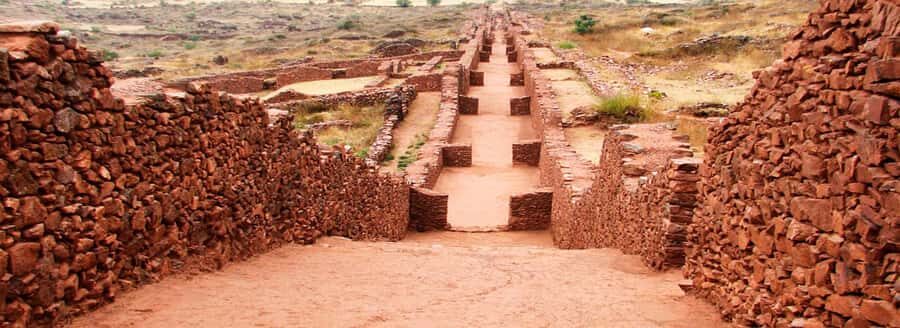
- Pikillacta shows what the Huari built about 700 to 900 AD
- Andahuaylillas’ Sistine Chapel of Peru features Escuela Cuzqueña religious art
- Saylla is a fun food stop back near Cusco, with pork chicharrones or roasted guinea pig
From Cusco to Valle Sur with a bilingual guide
This is a classic short-and-sweet South Valley outing, designed for the first-time visitor who wants more than one site without losing the whole day. You get hotel pick-up and drop-off in Cusco, then you ride out in shared transportation with an English and Spanish-speaking guide.
The big value here is the “translator effect.” Archaeology and church art can turn into random stopping points fast, unless someone explains what matters. Here, the guide helps you connect details like terraces, water channels, and architecture to the people who built them. I think that’s why this tour tends to feel calmer and more instructive than DIY hopping.
Also, at just 5 hours, it’s an easy fit if you’re saving time for Cusco walking, acclimatizing, or another morning plan. The tour focuses on key stops rather than trying to cram in everything.
You can also read our reviews of more tours and experiences in Cusco.
Tipón: Inca terraces, the aqueduct, and the Viracocha connection
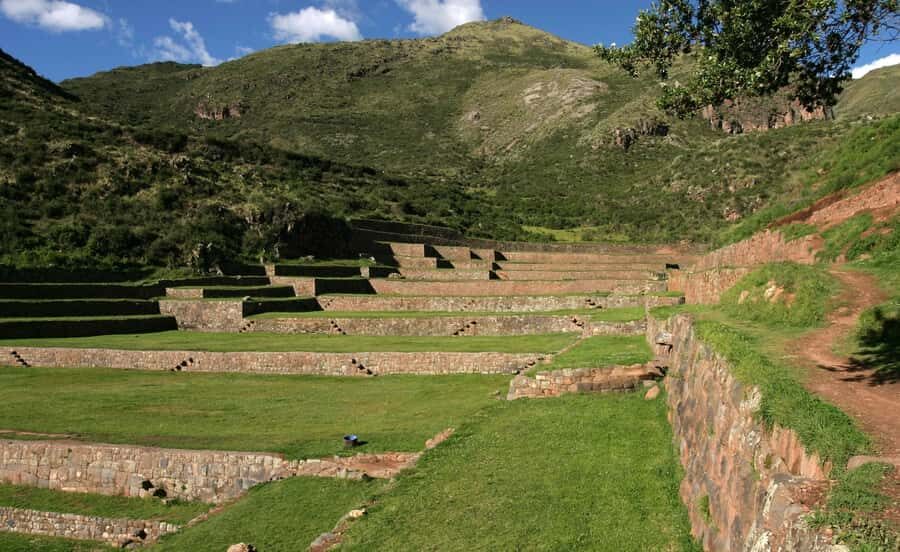
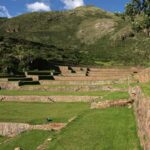
The day starts in the Valle Sur area with Tipón, an archaeological site known for its Inca agricultural design. Tipón is often described as a royal garden linked to the Inca god Viracocha. Even if you’re not religious-history-focused, that framing helps you see the site as more than ruins—it’s a planned landscape for power, food, and belief.
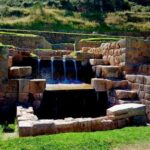
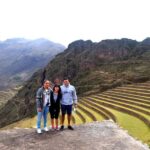
What I love about Tipón is how the place answers a practical question: how do you farm on difficult terrain? You’ll learn about agricultural terraces created by the Incas and the way they were irrigated by an aqueduct from the sacred Pachatusan mountain. That’s the kind of detail that makes the scenery click. You’re not just looking at steps; you’re seeing a system.
As you move around, you also get a better sense of Inca life through other structures, including baths and a temple complex. Those pieces matter because they show different uses of water and stone work, not just farming. It’s a reminder that Inca engineering served daily routines, community life, and spiritual needs.
What to consider at Tipón
This stop is one of the most architecture-and-water oriented parts of the tour, so it helps if you enjoy learning how infrastructure creates daily life. If you’re only into big monuments or museums, you might want to mentally shift your expectations to “systems and design” rather than only dramatic sculptures.
Pikillacta: Huari adobe city from 700 to 900 AD
After Tipón’s Inca focus, the tour shifts to a pre-Inca site: Pikillacta. This is where the South Valley story widens. Pikillacta is associated with the Huari people and is described as an adobe complex built around 700 to 900 AD.
Instead of terraces and aqueducts, Pikillacta gives you a different architectural language. The use of adobe and the complex’s layout help you understand how earlier cultures shaped the region long before the Incas. It’s a useful comparison stop because it makes the later Inca era feel less like the beginning of everything—and more like one major chapter in a longer timeline.
Even if you’re not a hardcore history buff, this stop can still be rewarding. Pikillacta helps you notice how “civilization” doesn’t just show up as stone temples. It can look like planned compounds built with the materials and know-how of the time.
Andahuaylillas: the Sistine Chapel of Peru and Escuela Cuzqueña art
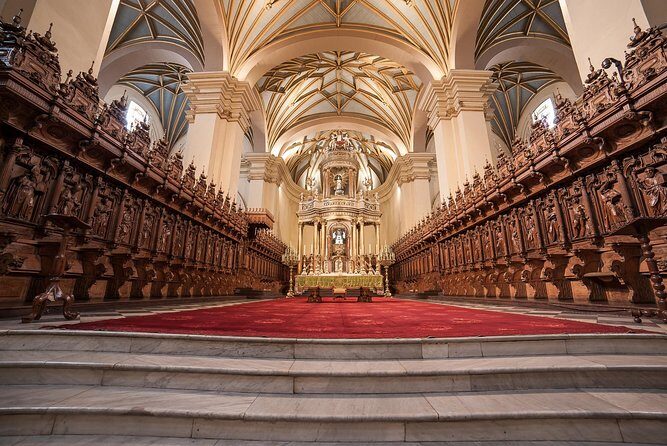
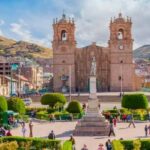
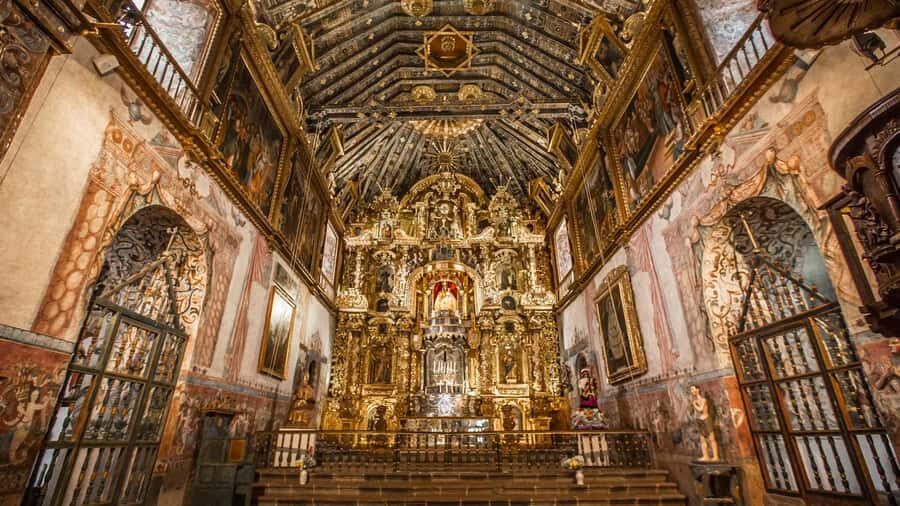
Next comes Andahuaylillas and its famous Sistine Chapel of Peru. This is the “wow” moment for many people on the route, and for good reason. You’ll see elaborate interior artwork, including paintings connected to the Escuela Cuzqueña (Cusco School).
What makes this stop feel special is the contrast. Tipón and Pikillacta are about built environments tied to work and settlement. Andahuaylillas is a religious interior where art is doing the talking. The guide’s explanations help you connect style and symbolism to the broader Andean blend of influences that became visible in colonial-era church art.
If you like religious art, you’ll likely slow down here to take it in. If you’re less into art, you can still enjoy the architecture and the sense that this chapel was made to be seen as much as experienced quietly.
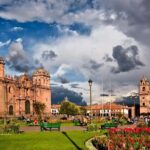
A practical note for the chapel stop
Because this is a church interior experience, you’ll want to be ready for a more structured setting than an outdoor ruin walk. Entrance fees aren’t included, so if the chapel requires payment, you’ll need to budget separately.
The Saylla food stop on the return ride
Heading back toward Cusco, the itinerary includes Saylla—a place where you can try local food. The tour specifically mentions pork chicharrones or roasted guinea pig.
This is a good moment to taste something that feels local without turning the day into a restaurant hunt. It also balances the archaeology-heavy hours with a hands-on cultural stop. Even if you don’t end up ordering guinea pig, seeing what’s served—and how people eat it—adds flavor to the day.
Because lunch isn’t included, this food stop can be a lifesaver for your afternoon energy. Just remember: it’s still an extra spend if you choose to eat there.
What you’re really paying for: $29 for a 5-hour cultural loop
At $29 per person for a 5-hour tour, the value is strongest in three places: hotel pick-up/drop-off, shared transportation, and a bilingual guide.
In practical terms, the guide is the difference between “I visited Tipón” and “I understood why Tipón matters.” You’re paying for interpretation—especially for the irrigation system at Tipón and the art context at Andahuaylillas.
Two costs to plan for up front:
- Lunch isn’t included
- Entrance fees aren’t included
So the day can cost a bit more than $29 depending on what you choose to eat and how much site entry costs. If you’re the type who likes to pay for fewer meals and see more, this tour still works well. If you prefer full meals included, you may want to bring snacks or plan a separate lunch outside the tour.
Who this South Valley tour suits best
This tour fits best if you want a balanced hit of Cusco-region culture in a short window. I’d especially recommend it for:
- First-timers who feel overwhelmed by “too many options” and want a clean route
- People who enjoy explanations of how Inca systems worked, not just pretty ruins
- Anyone who wants both archaeology and art in one outing
- Travelers who like a calmer pace and don’t want to be out all day
If you’re chasing only the biggest single landmark, you might find the stops feel “varied” rather than “one-track.” But that variety is also the point. This route helps you see the region as layered, not one era at a time.
Quick FAQs for planning your day
FAQ
How long is the Cusco South Valley Villages and Archaeology Tour?
The tour lasts 5 hours.
How much does the tour cost?
The price is $29 per person.
Is hotel pick-up and drop-off included?
Yes. Hotel pick-up and drop-off in Cusco are included.
What language options do you get with the guide?
The tour includes a bilingual guide who speaks both English and Spanish.
Which major sites are included?
You visit Tipón, Pikillacta, and Andahuaylillas (the Sistine Chapel of Peru), with return travel via Saylla.
Are entrance fees included?
No. Entrance fees are not included.
Is lunch included in the price?
No. Lunch is not included.
What food options are available in Saylla?
In Saylla, you can enjoy local options like pork chicharrones or roasted guinea pig.
Is the tour refundable if plans change?
No. This activity is non-refundable.
Are pets allowed on this tour?
No. Pets are not allowed.
Should you book this tour?
If you want a short, guided route that connects Tipón’s Inca irrigation with Pikillacta’s Huari setting and then tops it off with Andahuaylillas chapel art, this is a smart booking. The price is hard to beat for the mix of transport + hotel convenience + bilingual guidance.
Just go in knowing two things: lunch and entrance fees aren’t included, and it’s a compact schedule. If that fits your style, you’ll come away with more than photos—you’ll understand what you saw and why it mattered.