REVIEW · CUSCO
Cusco:Chinchero,Moray & Salt Mines drop-off in Ollantaytambo
Book on GetYourGuide →Operated by Apu Ausangate Trek EIRL · Bookable on GetYourGuide
Four Sacred Valley stops, one smooth flow. This is a long but well-organized day that strings together Chinchero textile traditions, dramatic Inca-built sites, and a practical drop-off in Ollantaytambo so you can keep going toward Machu Picchu. I like how the tour gives you real context at each stop, not just quick photo angles.
My favorite part is the pairing: Moray for Inca farming logic, then Maras for the salt-mining story that shaped how people preserved food. The day also includes a Urubamba buffet lunch, plus comfortable van time between sites, which matters when you’re balancing altitude and schedules.
One thing to plan for: it’s not a lazy day. You’ll be on the move for 8–9 hours, you have to handle on-site entrance tickets with cash, and Ollantaytambo involves a climb of 200+ steps. Also, you finish around 15:30, so train timing matters.
In This Review
- Key highlights I’d bet you’ll care about
- Chinchero: textiles first, before the big ruins
- Moray terraces: why the Inca built in circles
- Maras salt mines: 5,000 ponds and a food-preservation lesson
- Urubamba lunch: a buffet break that stops the day from melting
- Ollantaytambo: the fortress climb and the view over town
- Timing and train drop-off: how to not miss your Machu Picchu connection
- Price and tickets: where the real value shows up
- Guides, pacing, and small-group feel
- What to bring (and what to skip) for a smoother day
- Should you book this Cusco to Ollantaytambo day trip?
- FAQ
- Where does this tour start and where does it end?
- Is hotel pickup included?
- Are tickets included for Chinchero, Moray, Ollantaytambo, and Maras?
- Is lunch included?
- Can I use this as a one-way trip toward Machu Picchu?
- What should I bring, and is anything not allowed?
Key highlights I’d bet you’ll care about
- Chinchero textile weaving in a small town setting, with guided explanations and shopping time
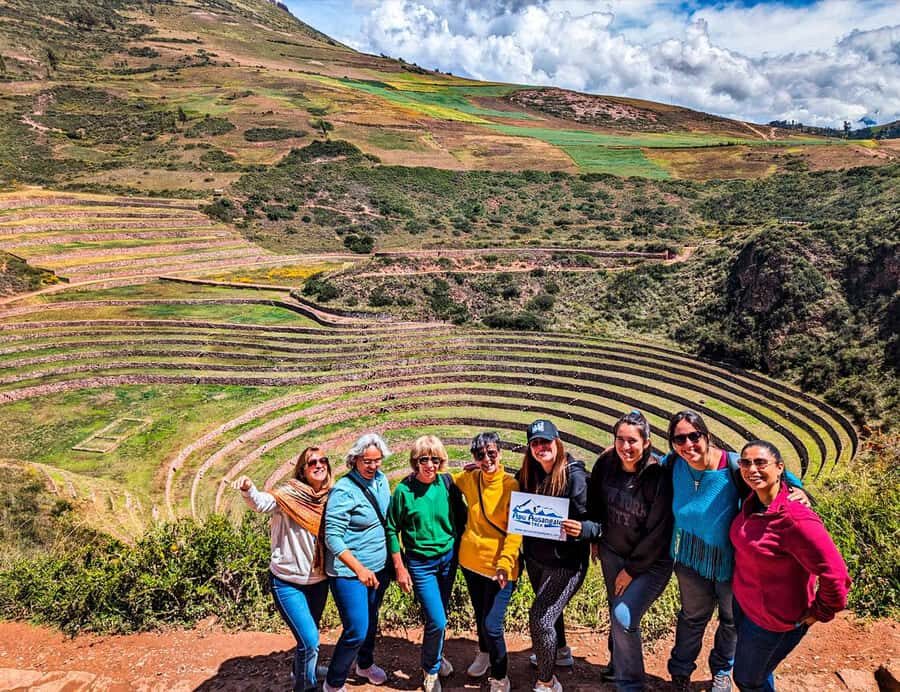
- Moray’s hillside terraces built to grow crops where mountain terrain is tough
- Maras salt mines with 5,000+ salt ponds and a clear preservation-history angle
- Urubamba buffet lunch included, with a midday break that actually helps
- Ollantaytambo ruins + 200+ steps and an end point that works for onward train travel
- Bilingual guides (Spanish/English) who keep timing and questions moving
Chinchero: textiles first, before the big ruins
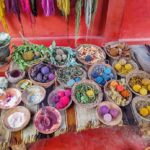
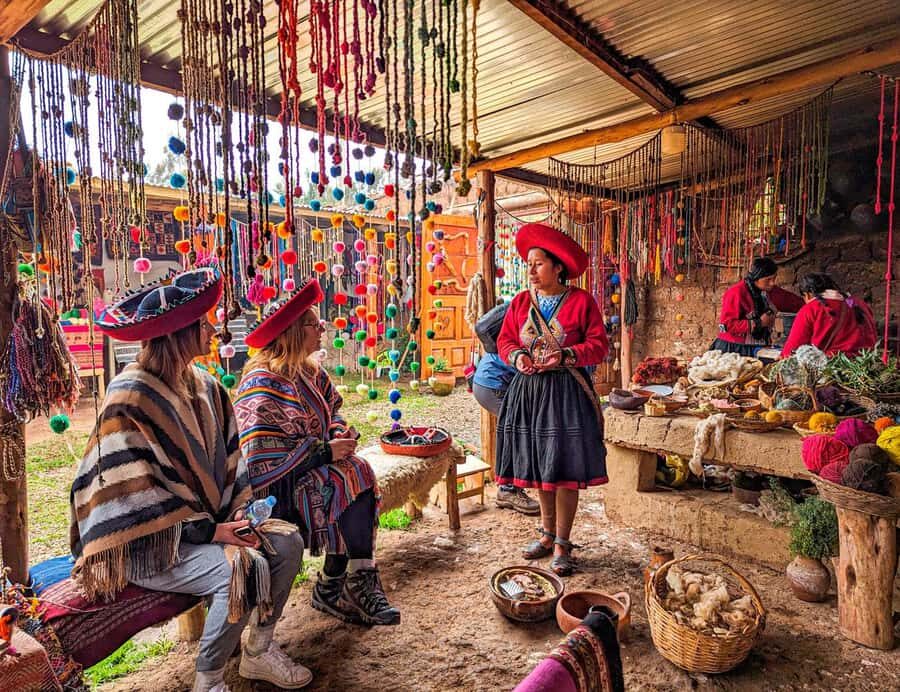
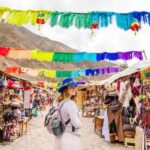
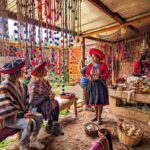
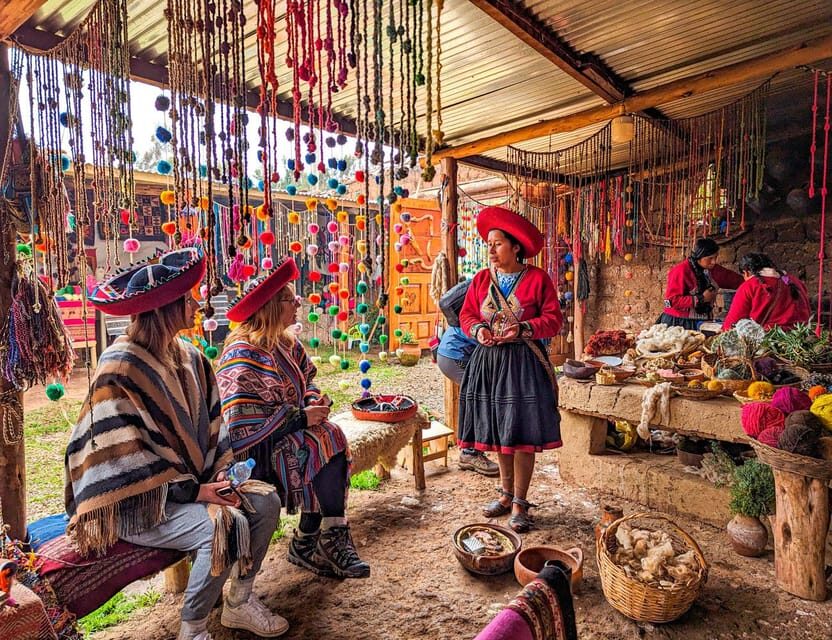
Chinchero is where the day earns its name Sacred Valley. You start with pickup in Cusco, then ride out by van, arriving in this smaller, rustic district where weaving is part of daily life and heritage. The tour focuses on textiles woven using traditional Incan techniques, and you get a guided walk through the kinds of fabrics and items people make and sell.
I like this order. Starting with textiles helps you understand what you’re seeing later in the day. When you reach Ollantaytambo and the other Inca sites, you’re not just looking at stones. You’re also seeing how these communities organized their work, food, and identity.
There’s also shopping time (short, but real). Don’t treat it like a trap. If you’re interested in alpaca wool scarves or other small souvenirs, this is one of your best moments. If you’re not a shopper, use the time for photos and questions, and then move on before your group gets antsy.
A practical note: this stop can include a “photo stop + guided tour + short shopping window” rhythm. If you hate rushed shopping, decide up front what you want to look for, then stick to it.
You can also read our reviews of more tours and experiences in Cusco.
Moray terraces: why the Inca built in circles
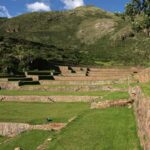
Next comes Moray, with a photo stop and then guided exploration. The terraces here are built along hillsides, designed by the Incas to grow crops on less-than-ideal mountain terrain. That one idea matters: the Inca weren’t just building monuments. They were solving food problems.
In Moray, you’ll see the shape and the engineering at work. Even if you don’t know a lot of history going in, the terrace layout gives you something concrete to think about. Your guide should connect the geometry to the practical goal: making agriculture work where conditions are tougher.
One caution: the time on-site is limited. Expect guided talking, a walkthrough, and then you’re back into the van. If you want to linger for quiet photos, you might not have much margin. A private service can help if you’re the type who likes to read every stone slowly (but the standard group version is built for an all-in-one-day overview).
Also, this part of the day is active but not punishing. You’ll do short walks and breaks, and the pace is usually steady enough to stay comfortable.
Maras salt mines: 5,000 ponds and a food-preservation lesson
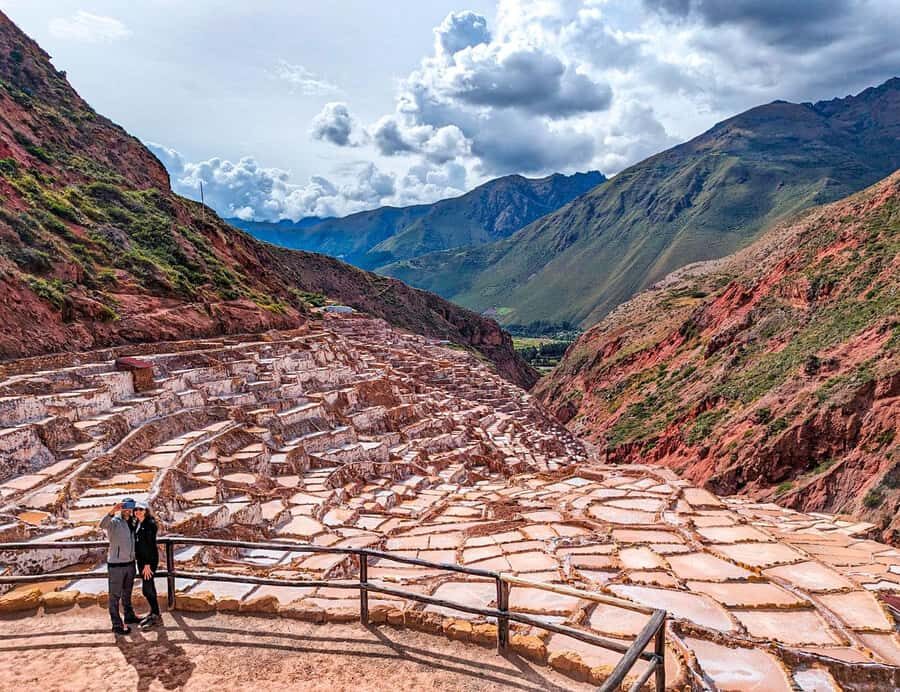
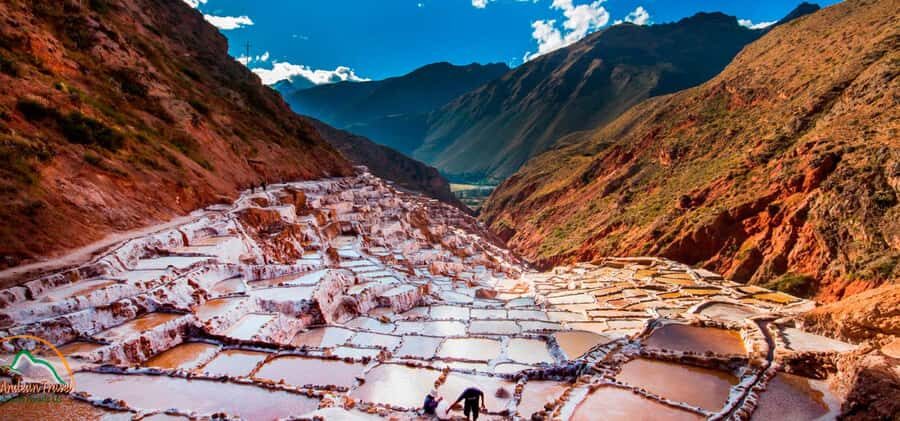
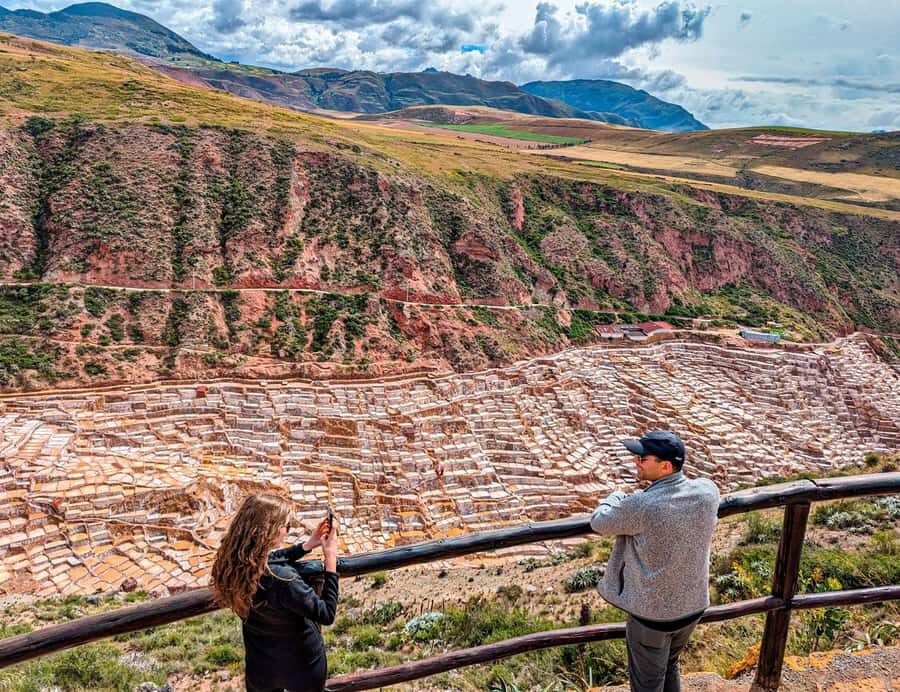
Maras is the dramatic change of pace. After Moray, you head to the salt mines area—another photo stop, then guided learning and time to walk around the salt ponds. You’ll get the big fact: there are over 5,000 salt ponds, and they were used for a long time by local ancestors to preserve food for long periods.
This is one of those stops where the explanation turns the visuals into something meaningful. Salt isn’t just a seasoning here. It’s a preservation method, and that link helps you understand why people built, managed, and protected these systems over time.
The tour includes guidance, but you’ll still need to plan for the entrance ticket to the salt mine. It’s purchased on site (20 PEN). Bring cash. And when you’re deciding what to buy or photograph, keep your guide’s timing in mind—this is one stop where the photos can easily steal 10 extra minutes if you let them.
Also, the Maras area is an outdoor experience. Wear sunscreen, bring sunglasses, and keep water handy. You’ll feel it more than you expect, especially when the day runs long.
Urubamba lunch: a buffet break that stops the day from melting
Then you shift to Urubamba, the capital of the Sacred Valley of Urubamba. Lunch is a buffet lunch in Urubamba, and it’s one of the most appreciated parts of the day. The format matters: buffet means you can actually customize based on what your stomach wants, and it makes dietary flexibility easier than a fixed plate.
You’ll typically have about 45 minutes for lunch. That isn’t a long time, but it’s enough to eat without feeling like you’re rushing through a checkpoint. It also gives you energy for the final push into Ollantaytambo, where you’ll do stairs and a more hands-on ruin walk.
If you’re continuing by train after the tour, I’d treat lunch like part of your train prep. Eat something filling, drink water, and avoid anything that feels risky for a stomach at altitude. You’ll be happier later when you’re waiting for departure.
Ollantaytambo: the fortress climb and the view over town
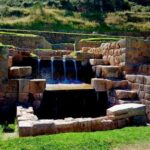
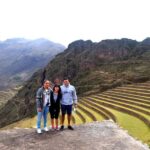
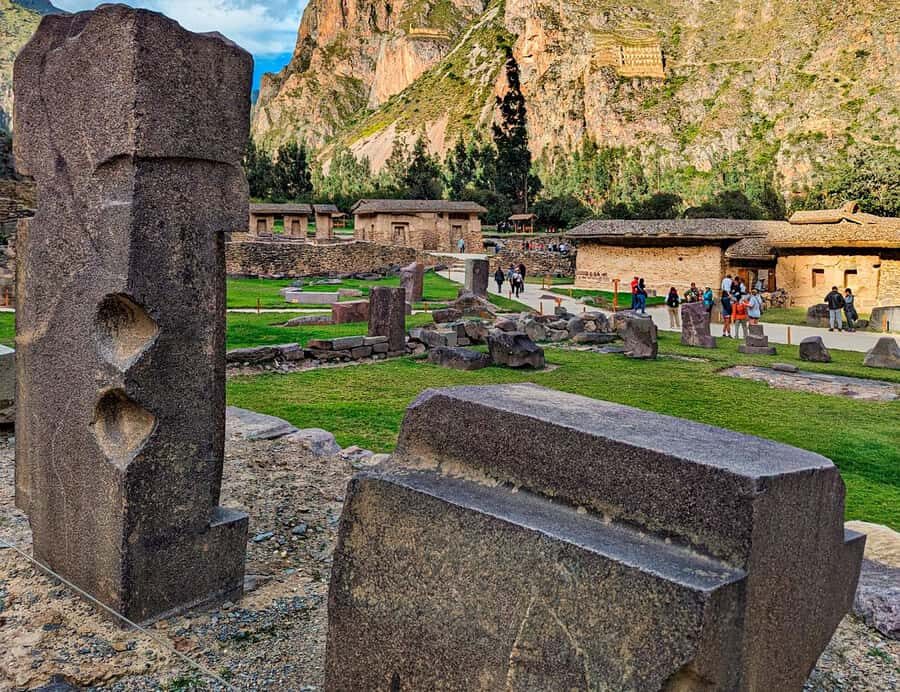
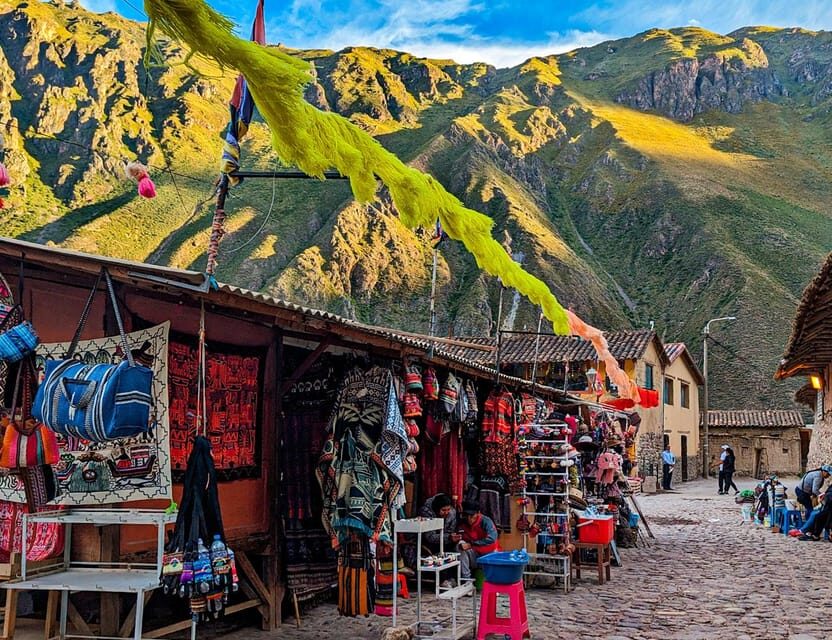
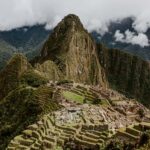
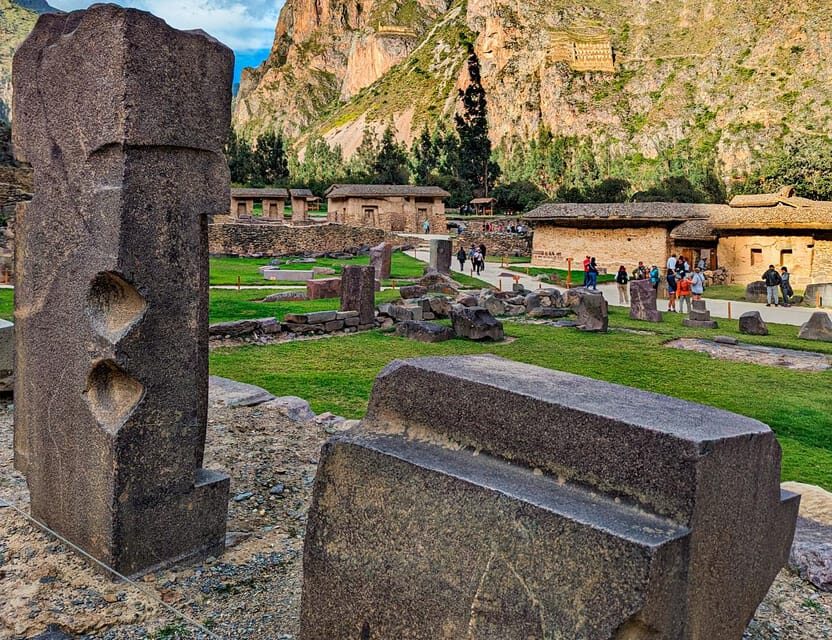
Ollantaytambo is the big finale. You arrive for photo stops and a guided visit, then you’ll climb over 200 steps to reach the top of an ancient terraced fortress overlooking the town.
This is where the megalithic feel hits. The site is described as one of the most important cities in Inca times, with terraced fortress structures that served as a defensive location. When you get up high, you understand why this kind of placement mattered—control the lines of movement, see what’s coming, and make the terrain work for you.
The climb is real. If steps are an issue, you’ll want to factor that in. Even if you can manage the stairs, it’s smart to pace yourself, take short breaks, and keep an eye on your guide’s meeting point.
Once the ruin time is done, the guide drops you off at the Ollantaytambo train station or the main square. That drop-off is a big part of the value of this tour for Machu Picchu planning, because it saves you the headache of returning all the way back to Cusco just to turn around later.
Timing and train drop-off: how to not miss your Machu Picchu connection
This tour finishes around 15:30 in Ollantaytambo (main square or train station). The practical advice is straightforward: if you’re planning to take a train, book after 16:00.
That buffer matters because you’ll be moving as a group and because Ollantaytambo can require a bit of walking from ruins to the station area. If your schedule is tight, this is where you want to give yourself breathing room.
Also, this is a one-way day. Return transportation to Cusco is not included. That’s fine, and it’s often the point. You’re using the Sacred Valley day as your on-the-way transfer, not as a separate sightseeing loop.
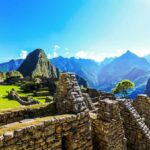
If you’re doing Machu Picchu soon after, this tour is a good way to get your bearings. You’ll see multiple Inca systems (agriculture, food preservation, defensive architecture) before you tackle one of the Andes’ biggest icons.
Price and tickets: where the real value shows up
The price is $27 per person for an 8–9 hour guided experience, including hotel pickup in Cusco, a bilingual guide (Spanish/English), transportation, buffet lunch in Urubamba, and drop-off in Ollantaytambo.
That is solid value because the cost is doing more than “guiding.” You’re also buying a practical transfer out of Cusco and into your next leg. For many people, that one-way drop-off is worth as much as the sightseeing itself, especially when you’re trying to reduce wasted time.
Just know what’s not included:
- Tickets for Chinchero, Moray, and Ollantaytambo (sold together as a partial tourist ticket for 70 PEN)
- The salt mine entrance ticket (20 PEN on site)
- Drinks
- Return transport to Cusco
So your total day cost depends on how quickly you pull out cash for those tickets. The good news: you can buy the partial tourist ticket at the first site, and the salt mine ticket is on site. Plan ahead so it doesn’t turn into a last-minute scramble.
One more cost-smart tip: skip buying drinks “because you’re thirsty” at every stop. Save water refills for where it’s easy, and keep snacks optional. This keeps your budget stable, and you’ll avoid the trap of paying extra for convenience when the day gets busy.
Guides, pacing, and small-group feel
What repeatedly makes this day work is the way the guide manages the group. Guides such as Julio, Felipe, Nora, Ricardo, Manuel, Diego, and John show up in different language pairings and energy styles, but the pattern is similar: clear explanations, a calm grip on timing, and enough flexibility to handle normal day friction.
The pacing is described as not rushed, yet packed. That balance is the sweet spot for people who want “the whole Sacred Valley overview” without spending multiple days in transit. If you join a group that’s smaller, you often get more listening time and a better chance to ask questions about textiles, farming, and how these sites fit together.
If you prefer more time in each place, private service is available. The trade-off is cost and fewer chances to learn from other people’s questions. Still, if stairs and walking slow you down, private can make the experience feel more relaxed.
The van ride itself is part of the experience: comfortable for a day like this, with travel segments that are typically under an hour between most major stops. That helps you stay focused instead of feeling drained too early.
What to bring (and what to skip) for a smoother day
You’ll have a long outdoor stretch, plus stairs at Ollantaytambo. Pack to match that.
Bring:
- Sunglasses
- Sun hat
- Camera
- Sunscreen
- Water
- Cash
Skip:
- Drones (not allowed)
- Alcohol and drugs
And plan your footwear for uneven ground. Even if the guided walks are short, you don’t want to be testing new shoes on a day that includes 200+ steps and salt-mines terrain.
If you’re sensitive to altitude or you’re arriving fresh from Cusco, take the first part of the day easy. Hydrate, and don’t assume you’ll be fine because the van rides feel short.
Should you book this Cusco to Ollantaytambo day trip?
Book it if you want a high-impact Sacred Valley sampler in one day, with a practical end point in Ollantaytambo. It’s especially worth it if you’re heading to Machu Picchu soon and you like the idea of using the day as your one-way transfer.
I’d also recommend it if you enjoy learning patterns: textiles in Chinchero, agricultural systems in Moray, food preservation in Maras, and defensive planning in Ollantaytambo. That storyline is what turns the day from a checklist into something that makes sense.
Skip it or choose private if you strongly dislike stairs, if your train schedule is too tight to accommodate a finish around 15:30, or if you hate paying on-site tickets and cashing out for entrances.
If plans change, you can also take advantage of flexible booking with free cancellation up to 24 hours in advance and a reserve now, pay later option.
FAQ
Where does this tour start and where does it end?
It starts with pickup from your hotel in Cusco and ends in Ollantaytambo at either the train station or the main square.
Is hotel pickup included?
Yes. Pickup from your Cusco hotel is included, and you should wait at your hotel reception desk.
Are tickets included for Chinchero, Moray, Ollantaytambo, and Maras?
No. You’ll buy a partial tourist ticket for Chinchero, Moray, and Ollantaytambo (70 PEN) at the first site, and you’ll buy the salt mine entrance ticket on site (20 PEN).
Is lunch included?
Yes. You get a buffet lunch in Urubamba.
Can I use this as a one-way trip toward Machu Picchu?
Yes. The tour drops you in Ollantaytambo, and if you plan to take the train, it’s recommended to book after 16:00 since the group service ends around 15:30.
What should I bring, and is anything not allowed?
Bring sunglasses, a sun hat, camera, sunscreen, water, and cash. Drones are not allowed, and alcohol and drugs are not allowed.