REVIEW · CUSCO
Cusco: Sacsayhuaman Guided Tour and 1-Hour Horseback Ride
Book on GetYourGuide →Operated by Andina Expeditions · Bookable on GetYourGuide
Four stops and one hour on horseback.
This Cusco tour mixes Inca engineering, a focused huaca lesson at Qenqo, and then real time in the saddle with wide views and a chance to see llamas or alpacas. I especially like how the route strings together big ideas—holy places, royal mummification, and water/fortress sites—without making it feel like a lecture. My second favorite part is the small-group feel (max 10) with the safety basics handled for the ride. The main drawback to keep in mind: entrance fees and the Cusco Tourist Ticket Site Pass aren’t included, so your final cost can be a bit higher than $90.
After pickup in central Cusco, you’ll get bilingual guidance (English and Spanish), helmets and saddles for the ride, plus snacks and water. The whole day runs about 4 hours, and the horse time can shift a bit depending on riding skill and confidence. It’s a tight schedule, but the mix makes it a smart value if you want ruins and an active Peruvian change of pace in one go.
In This Review
- Key things I’d pay attention to
- Entering Cusco’s Inca heart at Sacsayhuaman
- Qenqo huaca lesson: mummification in a cave
- From ruins to the ranch: how horseback riding gets made safe
- The 1-hour ride in the Sacsayhuaman area: what you might see
- Tambomachay and Puka Pukara: water temple to fortress
- Price and value: what $90 really buys in 4 hours
- Who this tour suits best (and who should skip the saddle)
- Booking call: should you choose this Cusco combo?
- FAQ
- What sites are included in the tour?
- How long is the horseback ride?
- What’s included in the price?
- Are entrance fees or site passes included?
- What should I wear or bring?
- Is the tour suitable for everyone?
Key things I’d pay attention to
- Guided time at Sacsayhuaman and Qenqo: short, clear tours where you get the story behind the stones
- Qenqo is more than a viewpoint: you’ll learn about a huaca and the mummification of ancient royal people in a cave
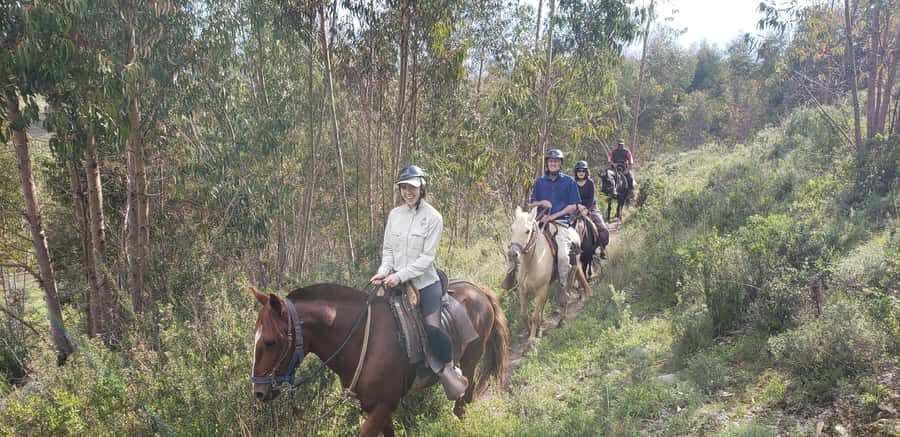
- Horse riding setup is included: saddle, safety helmet, and help from muleteers
- You ride in the Sacsayhuaman area (National Park): 6000 acres, with potato farms and possible local animals
- Tambomachay and Puka Pukara add variety: a water temple plus an Inca fortress to close the loop
- Small group (10 max): it tends to feel personal, not rushed and crowded
Entering Cusco’s Inca heart at Sacsayhuaman
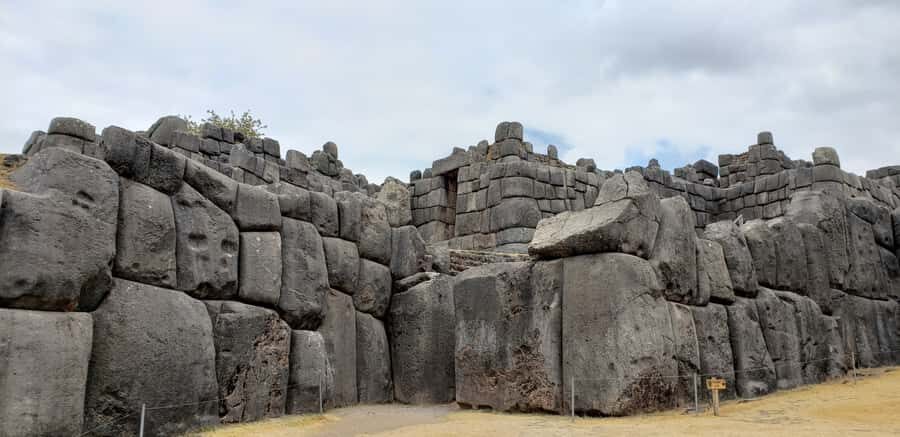
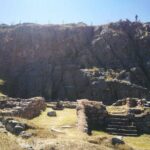
Your day starts with a hotel pickup in central Cusco, then a drive to Sacsayhuaman, the Inca site perched on the outskirts of town. You’ll get about 25 minutes of guided time at the archaeological complex—enough to understand the “why,” even if you don’t have hours to spare.
Sacsayhuaman is often described as the old heart of the Incan Empire, and what makes it interesting on a short tour is that you don’t just look; you learn the architecture, function, and importance of the city-level complex. The guide’s job is to connect the massive stonework to Inca engineering choices—how they built, what it was for, and why it matters in Cusco’s bigger story. If you’re visiting for the first time, this is a solid anchor stop because it gives you context before the tour shifts to Qenqo.
One practical note: 25 minutes can feel quick. That’s not a problem if you’re okay with a “guided overview” style day. If you crave unhurried wandering, you may want to return later on your own.
You can also read our reviews of more guided tours in Cusco
Qenqo huaca lesson: mummification in a cave
Next you head to Q’enqo (spelled Qenqo on the tour info), a huaca—an Incan designated holy place. This stop is guided for about 25 minutes, and it’s built around a specific theme: how the ancient royal people were mummified, including that it took place in a cave on the site.
That topic changes how you look at Qenqo. Instead of seeing a ruin as scenery, you start seeing it as a sacred space with ritual use. It also helps that the tour frames huacas as more than random spiritual labels. You learn that these were meaningful places in the Inca world—places where beliefs and ceremonies were anchored to the landscape around Cusco.
A plus for curious travelers: a good guide will connect the lesson to what you can actually see at the complex. With limited time, the tour works best if you treat it like a guided primer. Then, if you want to go deeper later, you’ll know what to look for.
From ruins to the ranch: how horseback riding gets made safe
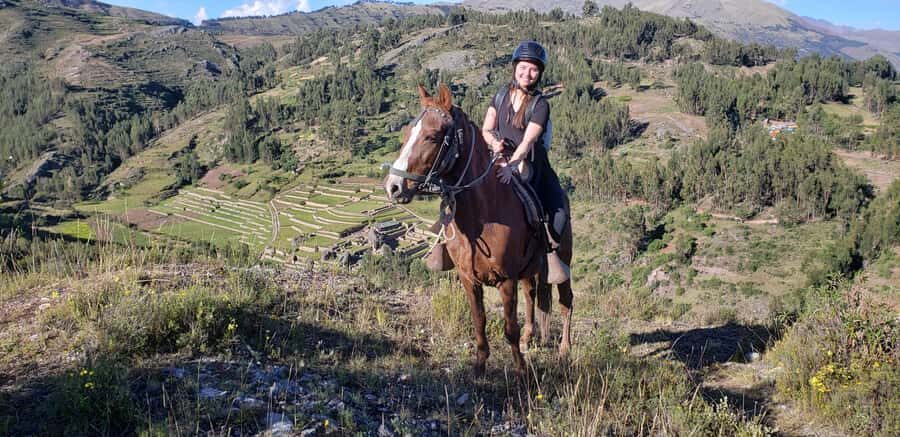
After Qenqo, the vibe shifts. You’ll transfer to a ranch near Sacsayhuaman, where you meet your horses and muleteers. Before you ride, your guide gives a brief induction on horse handling and leading safely. You’re not left guessing, and that’s the key difference between a casual ride and a guided experience.
Saddles and safety helmets are included, and a muleteer is part of the team. That matters because in real life, horses are living animals, and you ride with people who manage the practical side of the day. The tour also selects horses based on your experience and mood, which is a sensible approach for keeping riders comfortable.
If you’re wondering about quality of the animals: one rider highlighted that the horses looked well taken care of and were very well behaved. Another praised the guide for English skills and for answering questions willingly. Even if every day isn’t identical, that’s a good sign that the operation takes the basics seriously.
The 1-hour ride in the Sacsayhuaman area: what you might see
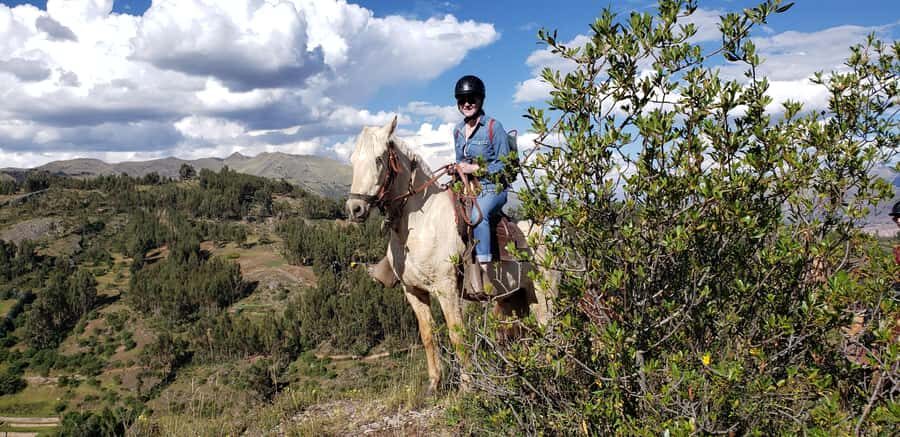
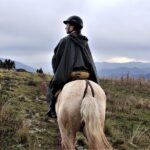
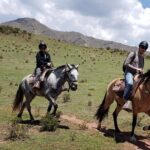
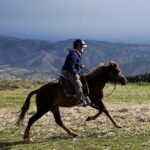
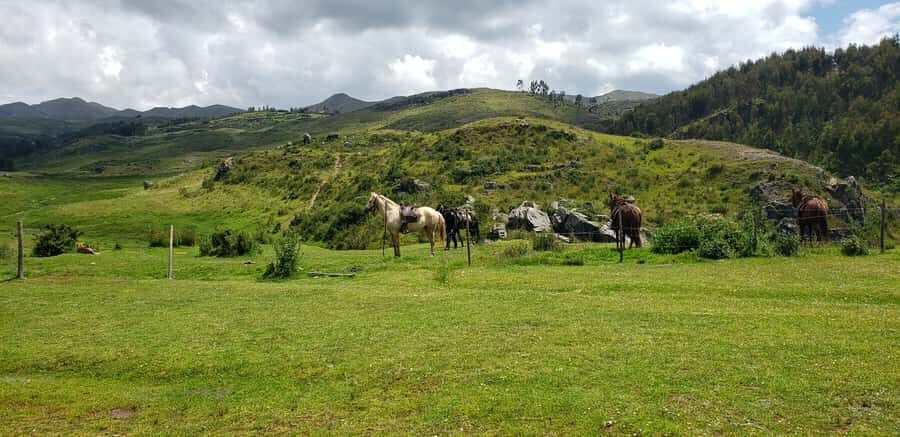
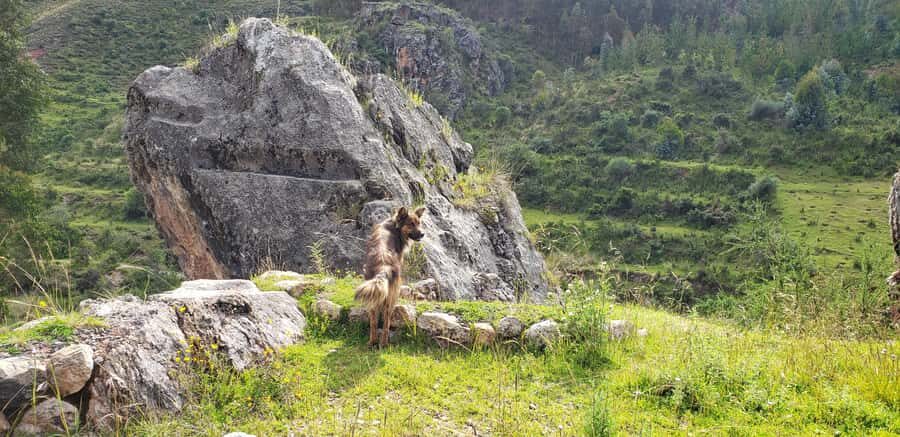
The ride itself lasts about 1 hour and takes place in the National Park of Sacsayhuaman, a large area of 6000 acres. You’ll start riding toward the views and out into the countryside around Cusco rather than staying right next to town.
Along the route, you may pass potato farms and you might also see new excavations. That combination is a nice reminder that this region isn’t frozen in time. Inca sites sit side-by-side with working farmland and ongoing archaeological work.
You also have a decent chance of spotting local animals, like llamas and alpacas. One review specifically mentioned llama/alpaca opportunities, plus the chance to trot and even galop if you want. Of course, that’s not guaranteed every minute, but the fact that riders can express their comfort level is encouraging.
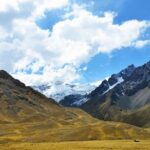
Altitude matters too. One rider described the mountains around about 3800 meters, which helps explain why breathing might feel different and why you’ll want to take it steady at first. Don’t force speed. Get used to the rhythm of the horse and enjoy the time in the saddle.
Tambomachay and Puka Pukara: water temple to fortress
After you ride, the tour doesn’t stall out. You’ll squeeze in two more guided archaeological stops, each about 25 minutes: Tambomachay and Puka Pukara.
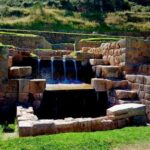
Tambomachay is an ancient temple dedicated to water. For a lot of people, this is a favorite kind of Inca site because it feels practical and functional—water and rituals tied together. It also complements what you learned earlier, since the Inca world in Cusco wasn’t only about cities and battle-ready walls. It was also about water systems, sacred springs, and places designed around the natural resource that keeps people alive.
Then you go to Puka Pukara (listed as Puka Pukara / Pucapukara on the tour info), an ancient Incan fortress. This is where the tour shifts from water symbolism to strategic architecture and defense-style design. Even with only 25 minutes, you get a clearer sense of the range of what the Inca built around Cusco.
Together, these two stops help the day feel like a complete arc: holy spaces and royal ritual earlier, then water and fortification to close.
A few more Cusco tours and experiences worth a look
Price and value: what $90 really buys in 4 hours
At $90 per person for about 4 hours, the value comes from what’s wrapped into the experience rather than the ruins alone.
You’re getting hotel pickup and drop-off from central Cusco, a bilingual guide, and the included ride gear: saddle and safety helmets. You also get snacks and water, plus a muleteer on hand. Those details make a difference because they reduce the guesswork you’d otherwise handle yourself: where to rent gear, who manages safety, and how to coordinate transport between sites and a ranch.
Two things can affect your final budget. First, entrance fees are not included, so you’ll likely pay extra on top of the tour price. Second, the Cusco Tourist Ticket Site Pass is also not included. If you’re traveling in a group or already plan to buy the pass, this may be easier. If you haven’t planned for it, it can catch you off guard.
Still, if you want one guided day that includes Sacsayhuaman, Qenqo’s huaca context, and horseback riding without extra logistics, $90 is a fair deal.
Who this tour suits best (and who should skip the saddle)
This works best for travelers who want variety in one half-day: archaeology plus a physical outdoor activity.
You’ll likely love it if you:
- enjoy guided context more than self-guided wandering
- want to learn specific themes like huacas and mummification in a cave
- feel comfortable riding a horse for about an hour and following instructions
You should think twice if you fall into the tour’s listed limits: it’s not suitable for pregnant women, people with mobility impairments, and people over 200 lbs (91 kg). Also, the ride duration depends on participants’ riding skills and experience, so if you’re a complete beginner you might move more slowly (which may be exactly what you want).
Booking call: should you choose this Cusco combo?
I’d book this tour if you want a practical mix of Inca sites and horseback riding, with safety taken care of and a guide steering the day. The biggest reason to say yes is the way the tour ties together themes: Sacsayhuaman’s engineering, Qenqo’s huaca role and royal mummification lesson, and then water and fortress sites at the end. You leave with a clearer mental map of Cusco’s Inca world, not just a list of ruins.
I’d pass or plan differently if you:
- hate added costs for entrances and site passes
- want more time at each ruin than a 25-minute overview
- aren’t comfortable with an hour of horseback riding on uneven ground
If that sounds like you, this is a strong value day—especially in a small group setting where guides can actually answer questions.
FAQ
What sites are included in the tour?
You’ll visit Sacsayhuaman, Qenqo, Tambomachay, and Puka Pukara. You also ride at a ranch near Sacsayhuaman and spend about an hour horseback riding in the Sacsayhuaman National Park area.
How long is the horseback ride?
The horseback ride is 1 hour. The exact timing can vary depending on your riding skills and experience.
What’s included in the price?
The tour includes hotel pickup and drop-off from central Cusco, a bilingual guide, saddle, safety helmets, muleteer support, and snacks and water.
Are entrance fees or site passes included?
No. Entrance fees and the Cusco Tourist Ticket Site Pass are not included in the tour price.
What should I wear or bring?
Wear long pants and closed-toe shoes. You’ll also be provided a safety helmet and saddle for the ride.
Is the tour suitable for everyone?
It is not suitable for pregnant women, people with mobility impairments, or people over 200 lbs (91 kg). The ride duration also depends on your riding skills and experience.