REVIEW · CUSCO
Cusco: Historical Guided City Tour with 4 Inca Ruins
Book on GetYourGuide →Operated by MACHUPICCHU TC · Bookable on GetYourGuide
Inca Cusco hits hard in six hours. This guided route pulls you from the religious heart of the empire to the military, ceremonial, and water sites around Cusco, with transportation so you spend your energy looking instead of walking the whole day.
I especially like the way you get big-name ruins—Sacsayhuamán, Qenqo, Puka Pukara, and Tambomachay—in one tight loop, plus time at Qoricancha (Temple of the Sun). It’s a great way to build a clear picture of how the Inca organized worship, control, and ceremonies in the same region.
One thing to plan for: access to the Inca sites depends on the Cusco Tourist Card, and several entrance fees are not included, so your total cost will be more than the $23 ticket price.
In This Review
- Key highlights you should care about
- How this half-day Cusco circuit really works
- Starting at Qoricancha (Temple of the Sun) before the ruins get loud
- Sacsayhuamán: the military fortress with puma-head energy
- Qenqo and the eucalyptus forest: where ceremony and nature meet
- Puka Pukara (Red Fortress): surveillance views with a dramatic name
- Tambomachay: Temple of Water and the pleasure of not guessing
- Optional Cusco Cathedral stop: what you get and what it costs
- Pickup and drop-off: make this day easy on yourself
- Price value: what $23 includes and what you should budget for
- What I’d do on the day you take this tour
- Who this tour suits best (and who might want to think twice)
- Should you book this Cusco historical tour?
- FAQ
- How long is the Cusco Historical Guided City Tour with 4 Inca Ruins?
- What places are included in the tour?
- Is hotel pickup available?
- What time does the tour end?
- What languages are the guides?
- Do I need the Cusco Tourist Card or entrance tickets?
- What should I bring for the tour?
Key highlights you should care about
- Qoricancha first, so you start with the Inca religious center before the ruins get bigger and louder
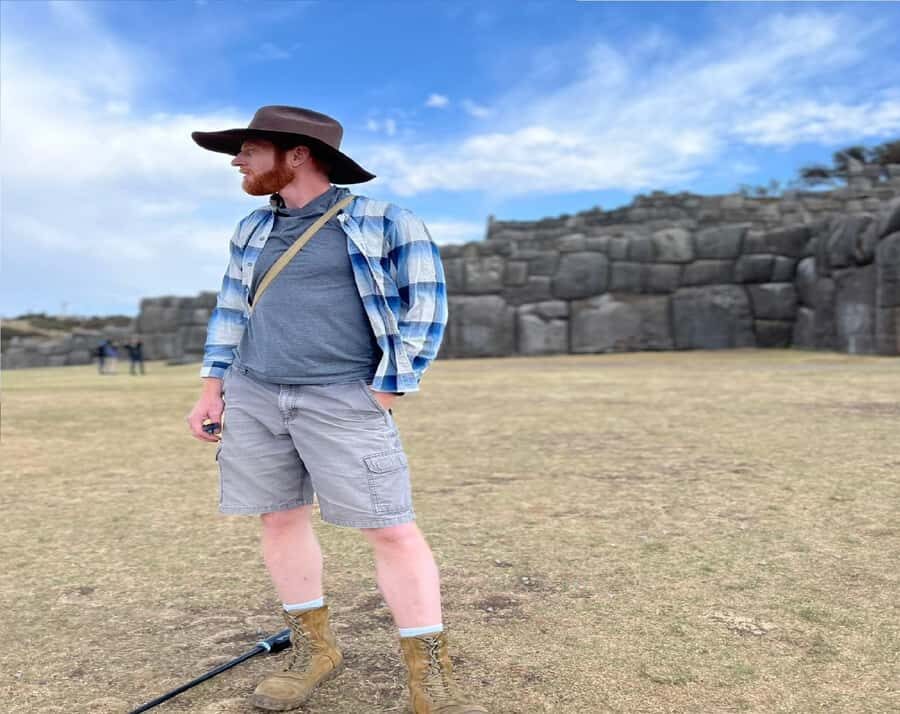
- Sacsayhuamán’s massive stones—some blocks are described as reaching 100 tons—making scale hard to forget
- Qenqo + eucalyptus forest photos, mixing archaeology with a scenic break
- Puka Pukara (Red Fortress) viewpoints that let you see the Andean setting from above
- Tambomachay’s water fountains, often described as the Temple of Water
- Bilingual guides (English/Spanish), with examples like Luis, Alfredo, Hyame, and Romulo
How this half-day Cusco circuit really works
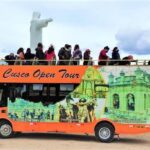
You’re signing up for a practical Cusco sampler with real depth: five major Inca stops, plus an optional cathedral visit on certain departures. The tour runs about 6 hours, and there are different start times depending on whether you want a morning, afternoon, or evening slot. The big idea is simple: you see a lot, you move efficiently by bus, and the guide keeps the story grounded in what each place was used for.
The tour style is also helpful if Cusco altitude (or just travel fatigue) is already in the mix. One of the smartest values here is that the route is built to get you to sites that would otherwise take too much effort—especially if you’re trying to adjust your pace.
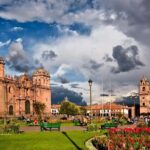
Also, timing matters in Cusco. Most morning tours wind up around 2:30 pm near the Plaza de Armas (often around Calle Plateros), which is ideal if you want a long lunch afterward or you’ve got another plan later that day. Evening options end around 6:00–6:30 pm, so you still get back before dinner gets complicated.
You can also read our reviews of more guided tours in Cusco
Starting at Qoricancha (Temple of the Sun) before the ruins get loud
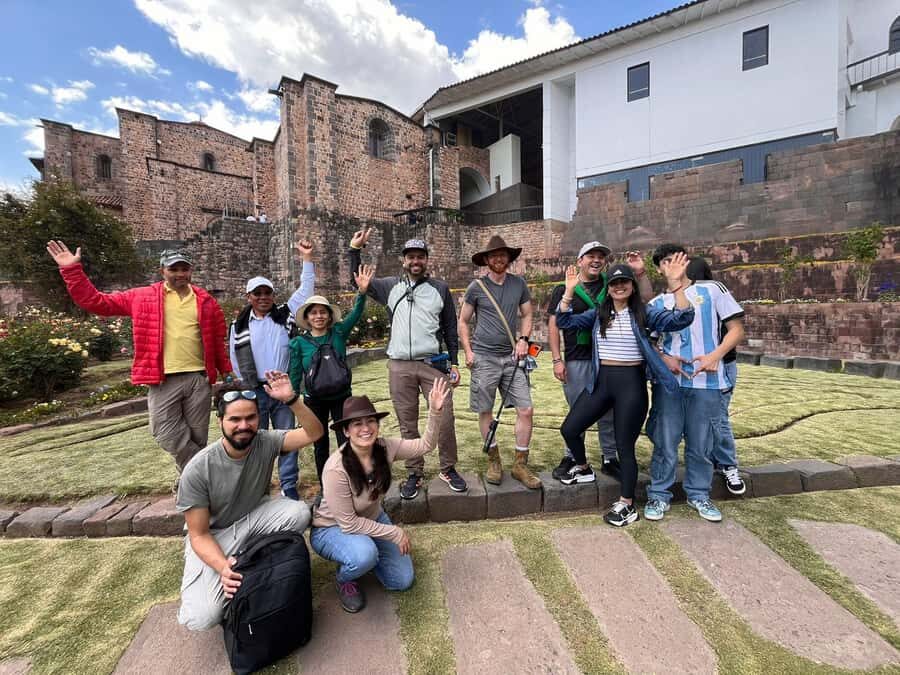
The tour commonly begins at Qoricancha at about 8:55 am on the morning option, or after hotel pickup on the other morning departures. Qoricancha matters because it sets the tone. You’re starting with the Inca’s most important religious construction, the kind of place that tells you the empire wasn’t only about buildings—it was about sacred space, ritual, and power.
If you’re wondering why tours start here: it’s the best way to make the later sites make sense. When you move from Qoricancha into Sacsayhuamán and Qenqo, the guide can connect the dots between worship, state power, and ceremony.
Practical note: Qoricancha has an entrance fee (listed as 15 soles) and you also need the Cusco Tourist Card for access to Inca sites. So if you want a smooth start, have your paperwork and cash ready before you step in.
Sacsayhuamán: the military fortress with puma-head energy
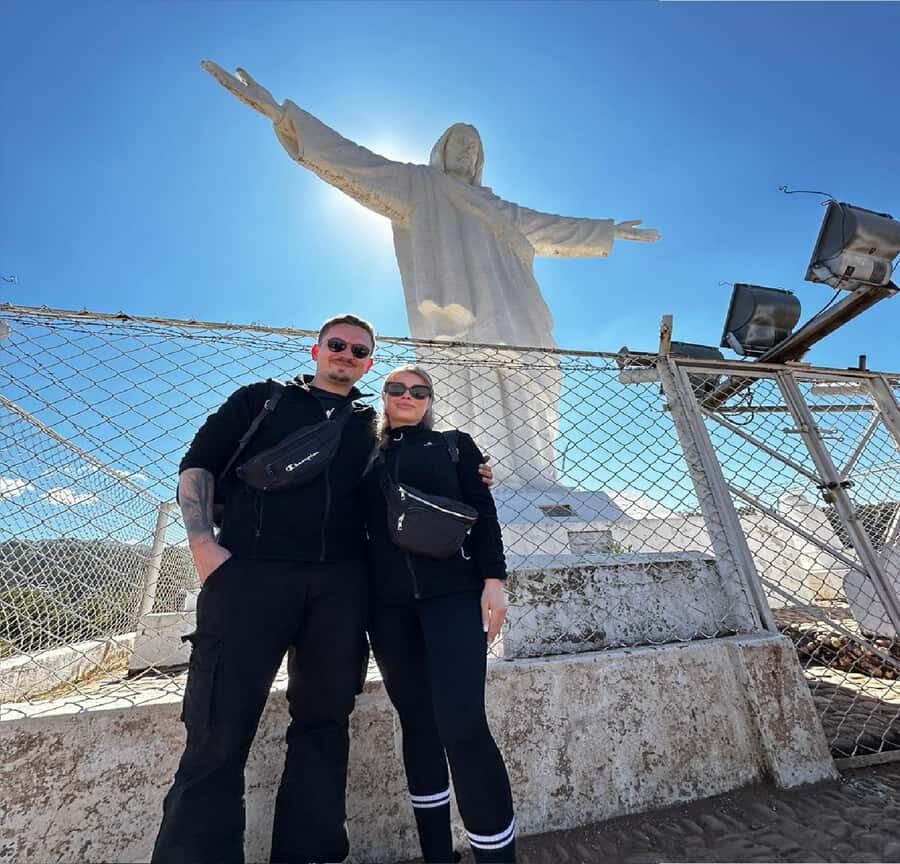
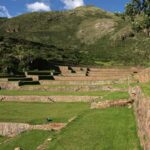
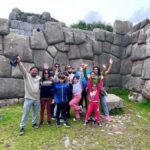
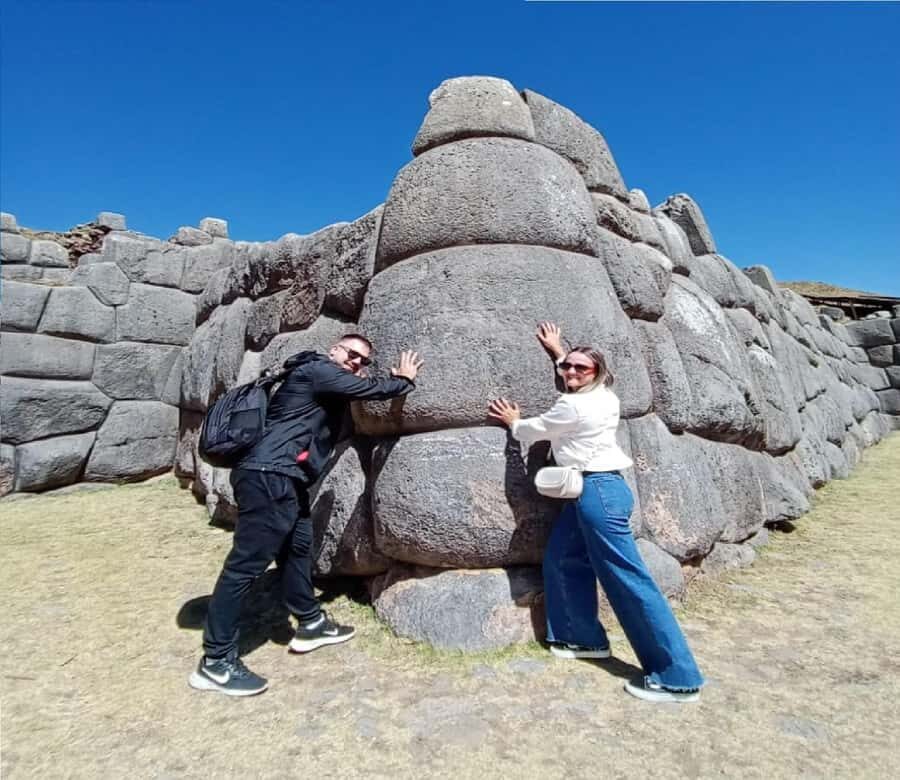
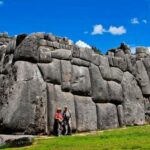
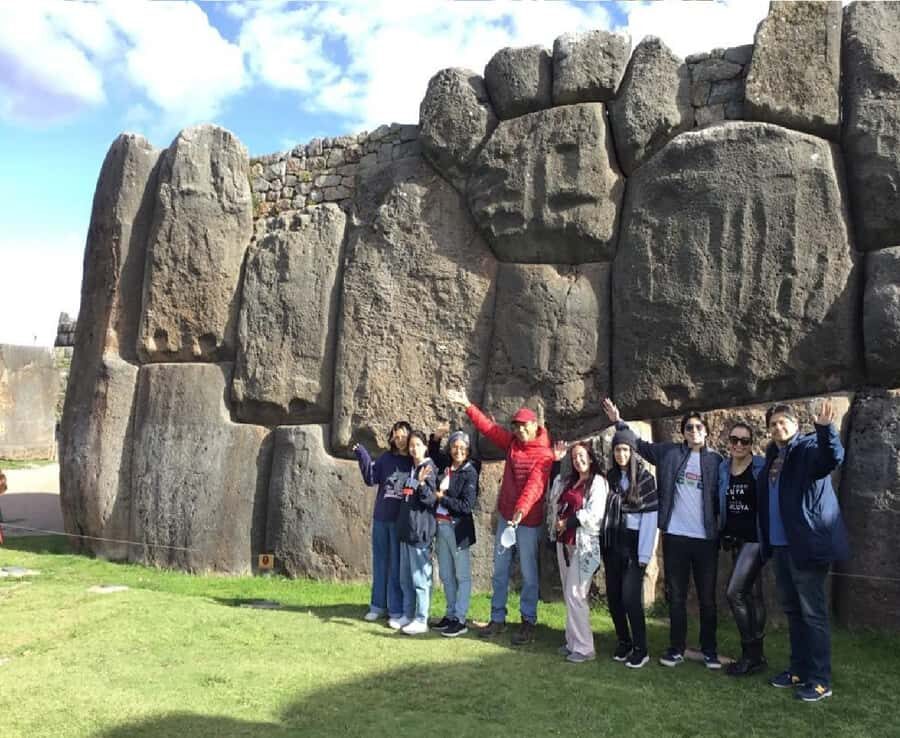
Next comes Sacsayhuamán, often reached after the short bus ride. Translated as puma head (as the tour info puts it), this is described as the largest archaeological site within Cusco itself. The headline detail is the stonework: constructions with rocks said to measure 4 to 6 meters high, and gigantic stone blocks that in some cases are described as over 100 tons.
What I like about this stop is that it’s not just a photo wall. It’s a place where scale helps you understand logistics and labor. Massive blocks aren’t a detail—they’re the message. This was built to dominate the landscape and control movement, which helps explain why the next sites feel connected even though they’re different functions.
If you’re the type who reads the signs fast and then wonders what you missed, this is where a good guide earns their pay. The guide role here is more than explanation—it’s making sure you notice the right details: why the site looks the way it does, and what that likely meant for the Inca.
Qenqo and the eucalyptus forest: where ceremony and nature meet
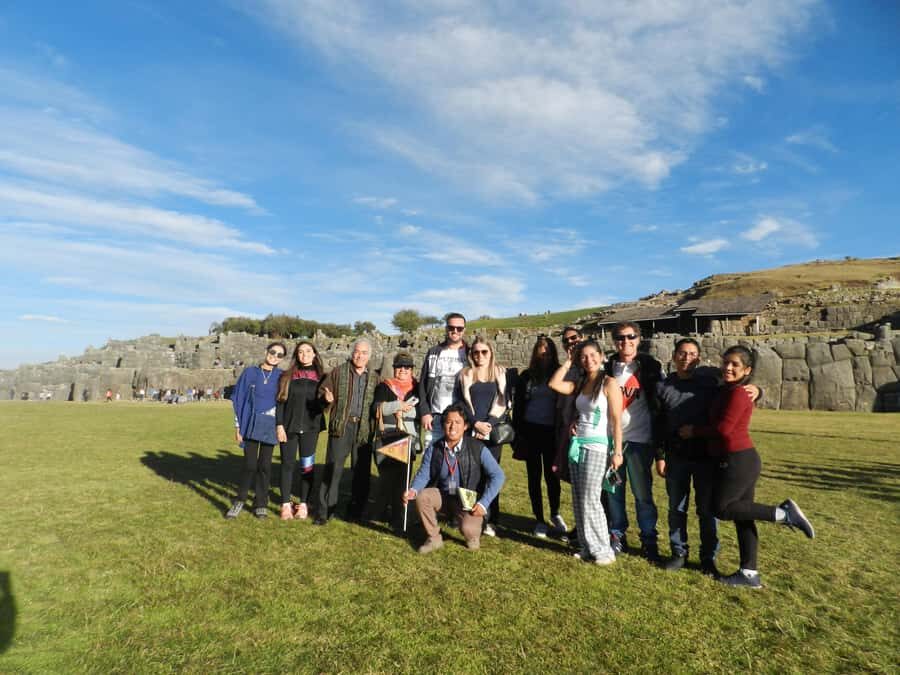
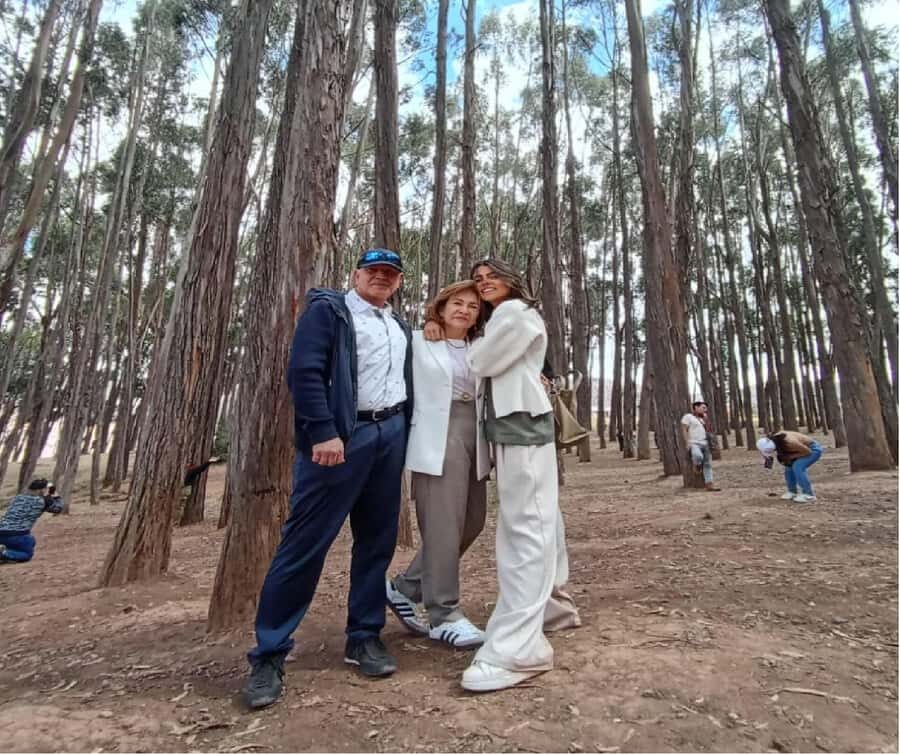
Then the route moves into Qenqo, an Inca ceremonial center. The tour describes Qenqo as a place where sacrifices to the Sun God were carried out. Even if you don’t remember every fact, the stop gives you a sense of the Inca’s spiritual engineering—where geography, design, and ritual were linked.
You’ll also spend time in the Qenqo eucalyptus forest area for photos. That matters because it’s a break in pace. After you’ve just faced big stone engineering at Sacsayhuamán, a calmer stretch helps you breathe, step back, and actually look at how the area feels.
A small planning tip: wear comfortable shoes. Even when a guide keeps things organized, these sites aren’t flat city sidewalks. A tour this efficient still involves walking, uneven ground, and quick photo moments.
Qenqo is also part of the archaeological zone fees (the tour info lists 70 soles for archaeological zones). So, again, budget ahead so the day doesn’t end with surprise math.
Puka Pukara (Red Fortress): surveillance views with a dramatic name
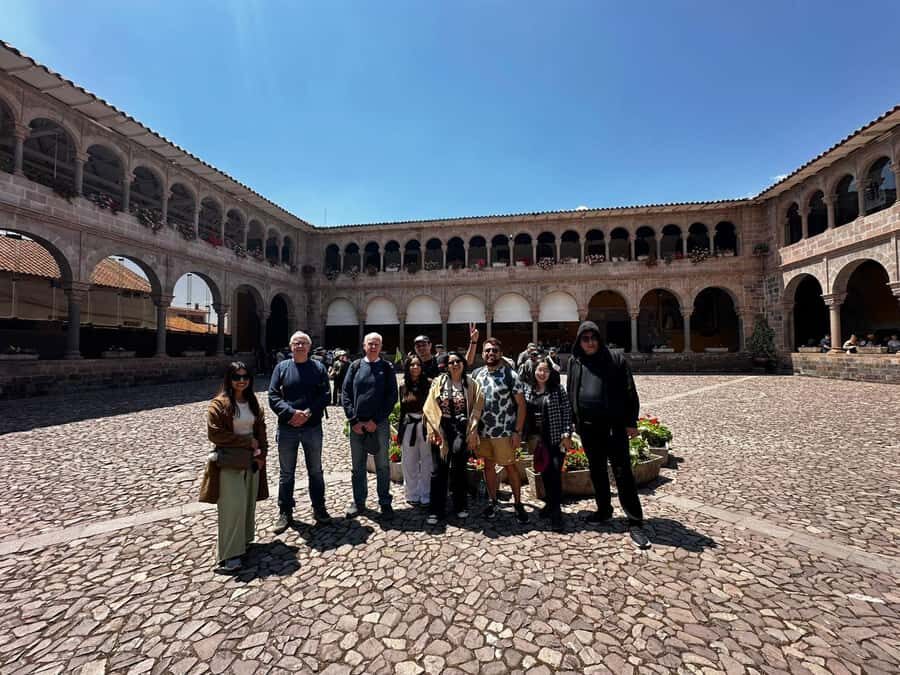
From Qenqo you head to Puka Pukara, popularly known as the Red Fortress because of the pigmentation of the rocks used to build it. That “red” detail isn’t just a nickname—it’s one of the easiest ways to visually grasp how this site was designed to be seen and understood at a distance.
The tour positions Puka Pukara as an Inca surveillance center built on higher ground to control access to the Inca city. That makes the viewpoint component more meaningful. It’s not only about the view; it’s about why the Inca cared about controlling who could enter the city and when.
If you’re visiting in the afternoon slot, you still get the same core stops. The main difference is how the light and crowds feel. When you’re choosing between morning and evening, pick what fits your energy and what you want from photos.
You can also read our reviews of more city tours in Cusco
Tambomachay: Temple of Water and the pleasure of not guessing
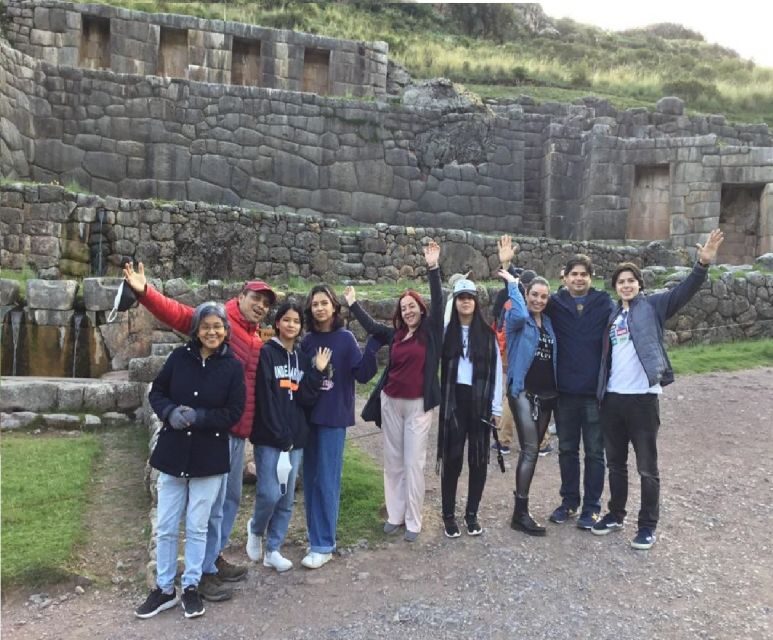
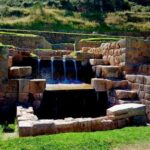
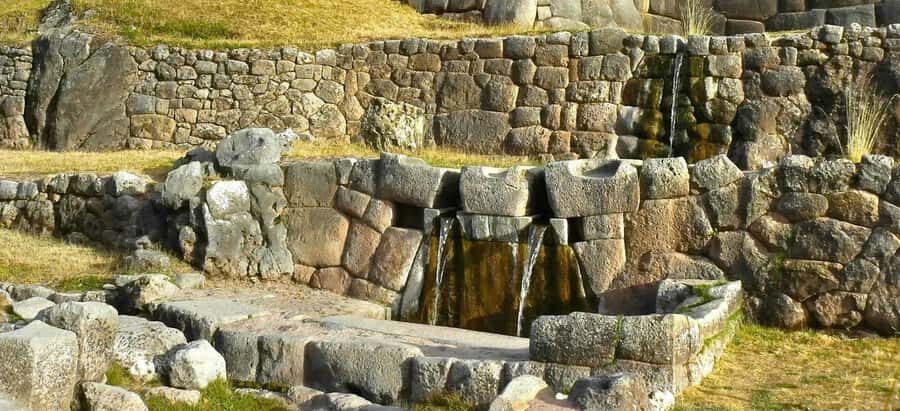
Next is Tambomachay, commonly described as the Temple of Water. The standout element here is practical and easy to enjoy: water fountains distributed throughout the site.
This stop is a nice shift in mood. Earlier sites can feel heavy with stone and ceremony, and Tambomachay brings in sound and movement. It also helps you remember the Inca weren’t only building monuments. They were managing resources and ritual meaning in day-to-day systems.
Like the other Inca sites, Tambomachay requires the Cusco Tourist Card for access, and it sits within the archaeological zone fee structure (again, 70 soles listed for archaeological zones).
Optional Cusco Cathedral stop: what you get and what it costs
Some versions of the tour include the Cusco Cathedral, typically with a start window around 11:50 pm to 12:00 pm for the afternoon option. This isn’t an Inca site; it’s a different layer of Cusco’s religious story.
The tour info specifically calls out impressive paintings of the Cusco school. If you like religious art (and you enjoy seeing how Spanish-era culture layered over earlier sacred spaces), this cathedral add-on can be a satisfying last chapter.
One important catch: the cathedral entrance ticket is 50 soles, and the tour info says you must ask for availability. So if you care about this stop, confirm it with the provider the moment you lock in your departure choice.
Pickup and drop-off: make this day easy on yourself
The tour offers hotel pickup options for hotels close to the main square area. Pickup is commonly between 8:35 am to 9 am for the morning option, depending on where you’re staying and which pickup list applies.
Most tours end near Plaza de Armas, frequently around Calle Plateros. That matters because you can plan your next step right away—lunch, shopping for snacks, or heading back to your hotel without hunting across town for a ride.
One more practical detail: you need to bring a passport or ID card, and you’ll want comfortable shoes plus sunscreen, water, and rain gear. Cusco weather can be moody, and even on a short outing, getting caught without cover is annoying.
Price value: what $23 includes and what you should budget for
The headline price is $23 per person for a tour length of about 6 hours. That’s not bad for a guided, bus-assisted itinerary because you’re getting professional accredited guiding, transport between the sites, and guided visits at multiple locations.
But here’s the real value calculation: several key parts of the experience depend on entrance fees and the tourist card. The tour info lists:
- Cathedral entrance ticket: 50 soles (if your option includes it)
- Qoricancha (Temple of the Sun): 15 soles
- Archaeological zones: 70 soles (for sites like Sacsayhuamán, Qenqo, Puka Pukara, Tambomachay)
On top of that, access to Inca sites requires the Cusco Tourist Card, available in person and requiring showing your passport. The card is free for children under 9 (passport required).
So the bargain isn’t only in the $23. The bargain is that you’re buying organization: the guide keeps you on track, you’re not coordinating buses yourself, and you’re getting a coherent story across multiple sites.
If you’re traveling on a tight timeline—say, just a short stop in Cusco before heading toward other plans—this kind of half-day structure is often the difference between seeing a little and understanding a lot.
What I’d do on the day you take this tour
I’d prep like this:
- Wear shoes you can move in fast. These sites reward quick attention, not slow limping.
- Bring a camera and expect you’ll use it. The tour includes time for photos at Qenqo and regular photo moments at each stop.
- Carry cash for entrance fees you choose to pay on the spot.
- Keep your ID with you for the tourist card requirement.
And because this is Cusco, I’d also plan a slower pace for the rest of the day. The tour is short, but it’s packed. If you’re already feeling altitude or travel fatigue, treat the afternoon after the tour as recovery time.
Who this tour suits best (and who might want to think twice)
This tour is a strong fit if you:
- Want a concentrated overview of Inca Cusco without doing a full-day hiking plan
- Like guided context that turns ruins into a story (not just a list of stone names)
- Need transportation and efficiency because distances and altitude can make self-guided exploring harder
The tour info also says it isn’t suitable for people over 95 years. Beyond that, if you have mobility limits, it’s worth checking how the walking and uneven ground feel for you—this is a “half day,” but it still involves multiple sites.
If you’re the type who prefers deep solitude at one place, this might feel busy. But if you want a balanced hit of worship sites, military architecture, ceremony, and water engineering, it’s built for you.
Should you book this Cusco historical tour?
Yes—if your goal is to make the most of limited time in Cusco and you want a guided connection between Qoricancha and the major Inca ruins around town. The $23 price is attractive when you consider that you’re not just paying for bus rides; you’re paying for a guide who can connect what you see to what the sites were used for.
Just do the smart prep first: plan for the Cusco Tourist Card and the listed entrance fees, confirm whether your chosen departure includes the Cusco Cathedral, and wear shoes that can handle uneven ground. If you do that, you’ll walk away with a clear mental map of how the Inca built power into religion, surveillance, ceremony, and water.
FAQ
How long is the Cusco Historical Guided City Tour with 4 Inca Ruins?
The tour duration is 6 hours.
What places are included in the tour?
The core stops are Qoricancha (Temple of the Sun), Sacsayhuamán, Qenqo, Puka Pukara, and Tambomachay. Some options also include a visit to the Cusco Cathedral.
Is hotel pickup available?
Yes. Hotel pickup is available in the two pickup options listed, and pickup is typically for hotels close to the main square area.
What time does the tour end?
Morning options typically finish around 2:30 pm near Plaza de Armas (often near Calle Plateros). Afternoon/evening options end between 6:00 pm and 6:30 pm.
What languages are the guides?
The live tour guide is available in English and Spanish.
Do I need the Cusco Tourist Card or entrance tickets?
Yes. Access to Inca sites requires the Cusco Tourist Card, which is available in person and requires showing your passport. The tour also lists entrance fees that are not included: Qoricancha (15 soles), archaeological zones (70 soles), and the Cusco Cathedral (50 soles) if included.
What should I bring for the tour?
Bring passport or ID, comfortable shoes, a camera, sunscreen, water, rain gear, and cash.