REVIEW · CUSCO
2 Day Sacred Valley and Machu Picchu Guided Tour from Cusco
Book on Viator →Operated by Machu Picchu Peru Tours · Bookable on Viator
Machu Picchu, but with the build-up first. This 2-day plan strings together Cusco’s Sacred Valley highlights, a train ride to Aguas Calientes, and a guided walk through Machu Picchu’s main points, with time to explore on your own. It’s built for people who want the big-ticket sights without spending your entire trip figuring out logistics.
I love how the day-one schedule balances markets, ruins, and viewpoints instead of only driving past places. I also like that Machu Picchu has a proper guided segment (so you know what you’re looking at) before you get hours to roam.
One thing to consider: the mornings are early, and you’re moving a lot in just two days—so if you hate long bus/train days or you’re not feeling great with altitude, it may feel like a sprint.
In This Review
- Key highlights to look for
- How this 2-day route links Cusco to Machu Picchu
- Day 1 morning in the Sacred Valley: textiles, viewpoints, and Pisac
- Q’orao: textiles and ceramics you can touch with your eyes
- Taray viewpoint: a quick lesson in geography
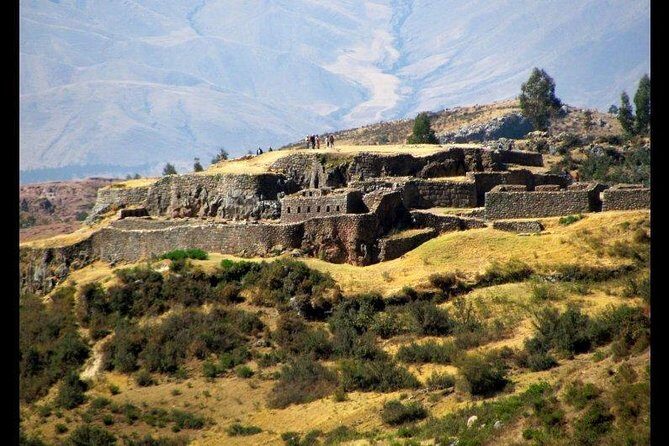
- Pisac: markets, handicrafts, and archaeological remains
- Urubamba lunch and Ollantaytambo: where the Inca planned for life
- Urubamba: a real midday reset
- Ollantaytambo: terraces, temples, and irrigation
- The train to Aguas Calientes and your night there
- Hotel transfer and a quick planning handoff
- One night in Aguas Calientes: worth it
- Day 2 early shuttle to Machu Picchu: guided highlights first
- The Machu Picchu guided tour (2 hours) plus several hours to roam
- Evening train back to Cusco: the last push
- Logistics and timing: where most value is hiding
- Price and value: what you pay $679 for
- What’s included
- What’s not included (the budget you must plan for)
- Why the price can still feel fair
- Which guide style fits this tour best
- Who should book this Sacred Valley and Machu Picchu package
- Should you book this tour?
- FAQ
- What time does the tour start in Cusco?
- Do you get hotel pickup in Cusco?
- Are meals included?
- Is the Sacred Valley entrance ticket included?
- Is Machu Picchu admission included?
- How long is the guided tour inside Machu Picchu?
- How much time do I have to explore Machu Picchu on my own?
- What train do you take and what class?
- Is there accommodation included in Aguas Calientes?
- What’s the cancellation window?
Key highlights to look for
- Sacred Valley stops that actually explain the Inca world: Q’orao, Pisac, Urubamba, and Ollantaytambo each add a different piece.
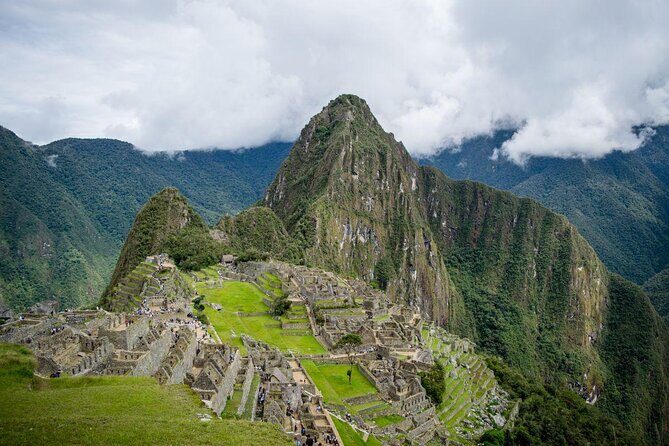
- A guide-led Machu Picchu walk plus real free time: you get the main story, then time to linger for photos and views.
- Comfort-focused transport choices: van transfers and tourist-class trains keep things simple once you’re on the move.
- One night in Aguas Calientes helps you beat the clock: you’re not trying to rush from Cusco the same day.
- Past guides have been praised for passion and help with details: guides like Alex, Jorge, and Jessica Sotero show up in the feedback.
How this 2-day route links Cusco to Machu Picchu
This tour is built around a clean rhythm: morning van touring in the Sacred Valley, a train to Aguas Calientes for your overnight, then an early start to Machu Picchu the next day. That structure matters because Machu Picchu is controlled by timed entry and bus schedules—so having the schedule handled for you reduces stress.
You’re also not just doing “one long day.” Day 1 is about setting context: textiles, craft traditions, agricultural terraces, and the kind of planning the Inca did across the valley. Day 2 shifts from context to experience—Machu Picchu with a guided orientation and then space to wander.
The small-group cap is meaningful here. The tour runs up to 12 travelers, and that tends to keep van transfers and guided pacing from turning chaotic.
You can also read our reviews of more guided tours in Cusco
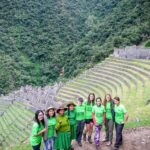

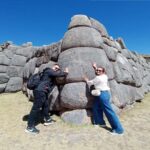
Day 1 morning in the Sacred Valley: textiles, viewpoints, and Pisac
The day begins fast. Expect a very early start in Cusco—this is reflected in the listed start time of 4:00 am, plus hotel pickup in the historic center around 6:30 am (with the main tour starting around 8:30 am). Even if you’re used to early mornings, Cusco mornings can be a little extra bright and cold, so dress in layers.
Q’orao: textiles and ceramics you can touch with your eyes
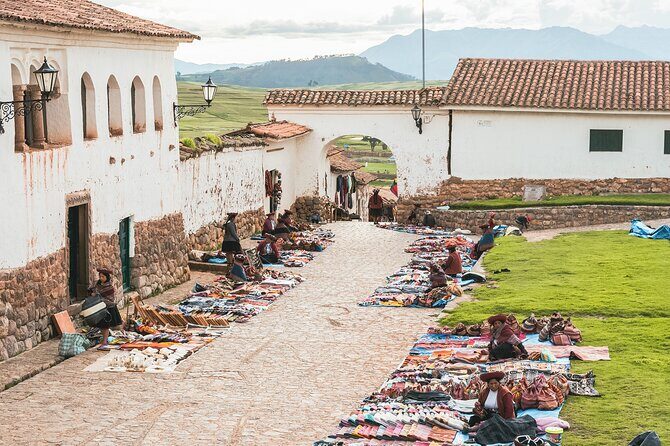
One of the nicest moments on the Sacred Valley portion is Q’orao, where you stop to see textile art and ceramics. The value here isn’t only the objects—it’s understanding the craft tradition and how it connects to daily life in the region. If you like photography, this kind of stop gives you close-up detail without the pressure of a massive crowd.
Taray viewpoint: a quick lesson in geography
Then you reach Taray, a viewpoint over the Sacred Valley. This stop is short but useful. After years of reading about the Andes, it’s great to see how the valley stretches and why the Inca built where they did. You’ll also get a sense of where you’re heading later—places like Pisac and Ollantaytambo feel more connected once you’ve seen the valley layout.
Pisac: markets, handicrafts, and archaeological remains
Pisac is the big cultural and craft stop. Here you can move through craft fairs, typical markets, and archaeological remains. This is a “do you like to browse?” moment. If shopping isn’t your thing, aim for the archaeological areas and use the market time for a quick snack and people-watching.
One practical note: the mix of market activity and archaeological walking means you’ll want comfortable shoes. Also, bring small bills if you plan to buy. You’ll be in and out of stalls, and it’s easier when you’re not searching for change.
A few more Cusco tours and experiences worth a look
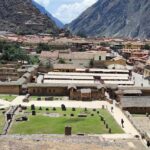


Urubamba lunch and Ollantaytambo: where the Inca planned for life
After Pisac, the tour heads to Urubamba, where you’ll enjoy a delicious buffet lunch. Food breaks are not a luxury on this kind of schedule—they keep the day from collapsing under fatigue. It also gives you a chance to rehydrate before the next stretch of walking and photo stops.
Urubamba: a real midday reset
The Urubamba meal is one of the tour’s most practical inclusions. You’re included for breakfast and lunch, and the lunch timing helps you keep energy through the afternoon.
Ollantaytambo: terraces, temples, and irrigation
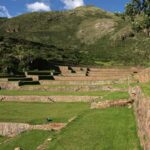
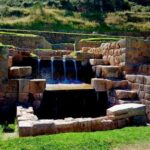
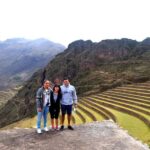
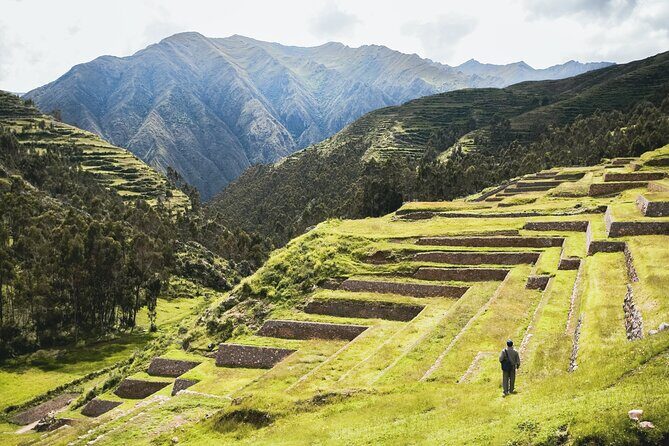
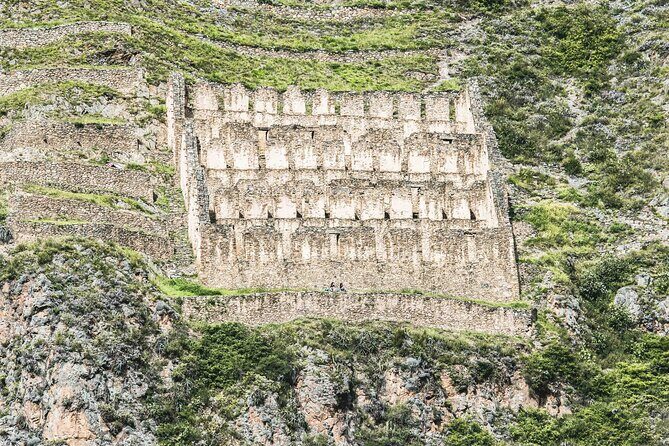
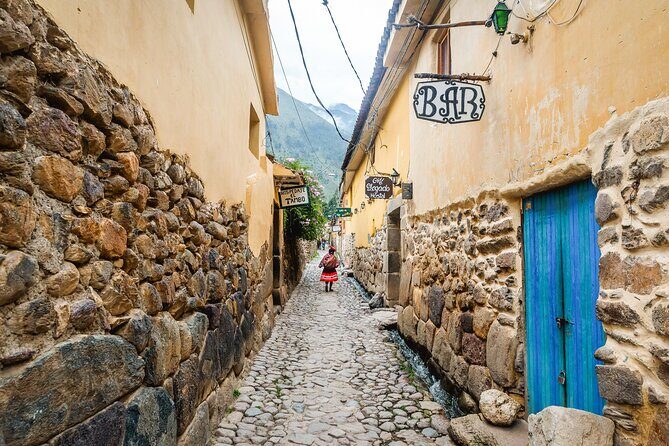
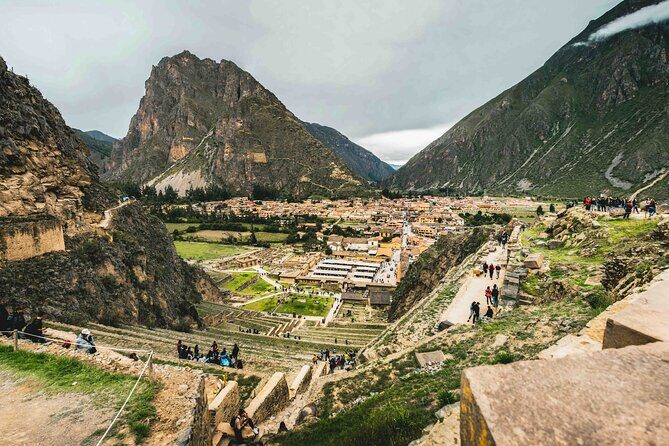
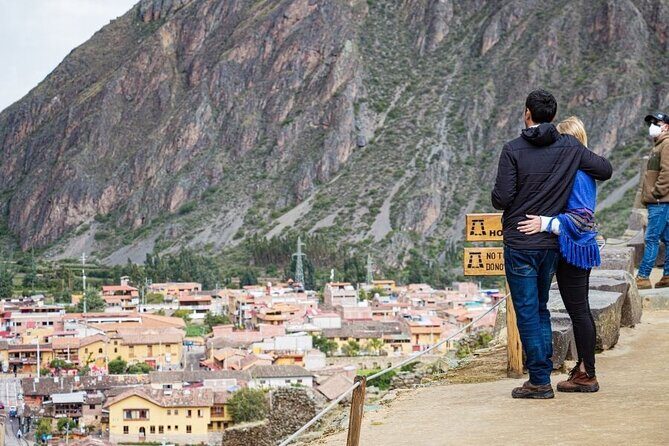
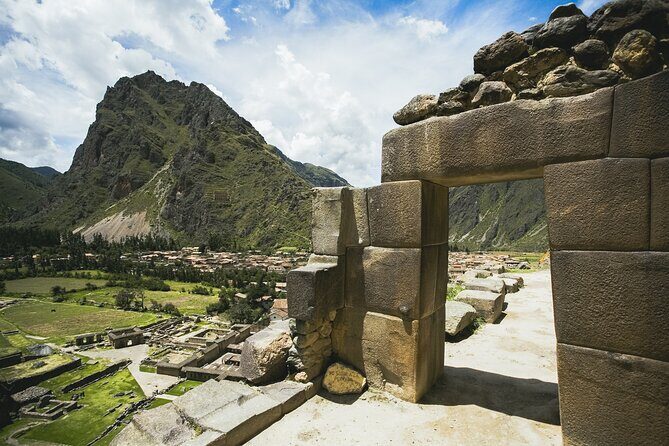
Ollantaytambo is the kind of place where your brain clicks into place. This Inca center served agricultural, administrative, religious, and military purposes, and it’s built with temples, terraces, and irrigation canals.
Even if you don’t catch every detail in one visit, the architecture tells a story: water management plus stepped farming equals long-term food planning. It also helps explain why Ollantaytambo still matters today. When the stonework and canals are visible, the Inca weren’t just building monuments—they were building systems.
You get guided time here, and the stop is long enough to feel like more than a quick photo-op. Just remember the day is already moving. If you want to linger, do it in short bursts so you still make the train segment on time.
The train to Aguas Calientes and your night there
By evening, the tour shifts modes. At 19:00, you board the train from Ollantaytambo to Aguas Calientes. The train arrives at about 20:40. This matters because Aguas Calientes is where you’ll be based for Machu Picchu the next day.
Hotel transfer and a quick planning handoff
Once you arrive, a hotel transfer is waiting with a sign showing your names. After check-in, you’ll have a guide visit around 21:30 to share the information you need for the next day’s Machu Picchu timing. I like this approach. Machu Picchu days have enough moving parts without you trying to interpret schedules at midnight.
One night in Aguas Calientes: worth it
The tour includes one night accommodation in Aguas Calientes. That one night is a big part of the value. Without it, you’d be fighting long travel days and timed entry constraints. With it, you can sleep, eat, and wake up ready for an early start.
If you’re sensitive to motion sickness, trains can be fine, but you may want to prepare just in case. The itinerary doesn’t mention a choice of seating, so plan like it’s an unavoidable part of the journey.
Day 2 early shuttle to Machu Picchu: guided highlights first
Breakfast comes first, then you’re picked up at 6:30 am from your hotel in Aguas Calientes. The plan is to drive to the bus station and then head toward the Inca citadel, passing through controls along the way.
Getting to Machu Picchu early is key for two reasons. First, you’re more likely to enjoy the site with fewer distractions. Second, you have time to follow a guide’s pacing and still get your own moments afterward.
The Machu Picchu guided tour (2 hours) plus several hours to roam
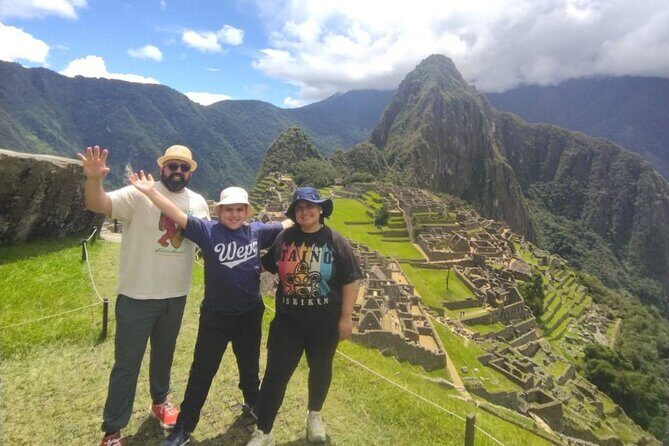
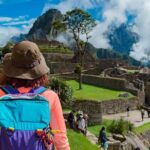
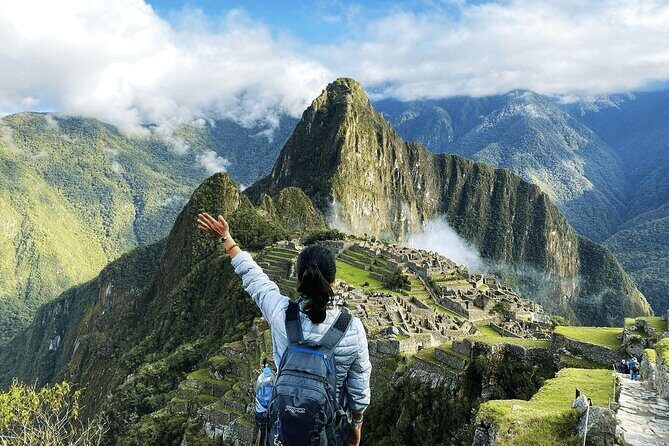
Once inside, you’ll start with a guided tour lasting about 2 hours covering the main points. This is exactly what you want on a first visit: someone explains what you’re seeing—so your photos have meaning, not just scenery.
After the guided portion, you get free time for a few hours to explore on your own. This is where you decide your style:
- want wide viewpoint shots?
- want slower wandering and fewer stops?
- want to return to a favorite structure twice?
Then you’ll head back to Aguas Calientes at 13:00 for free time and lunch, plus time to explore the town.
Evening train back to Cusco: the last push
At 18:30, the group is at the station. The train leaves 19:00 and arrives back in Ollantaytambo around 20:45. From there, you transfer by minivan back to Cusco, taking about 1 hour and 45 minutes, arriving around 22:00 at Plaza San Francisco.
This is a long final day, but it’s also efficient. You’re not paying for extra nights in Cusco, and the tour ends at a clear city drop-off point.
Logistics and timing: where most value is hiding
This is the kind of trip where timing details decide whether it feels smooth or stressful. Here are the practical pieces that matter most:
- Very early starts: day one has a very early meeting and early pickup in Cusco’s historic center; day two starts at 6:30 am in Aguas Calientes. Pack mentally for mornings.
- Tickets are split between Sacred Valley and Machu Picchu: Machu Picchu entrance is included; Sacred Valley requires a separate ticket (more on that next).
- Your overnight location is chosen for Machu Picchu: Aguas Calientes keeps day two efficient.
- Train and transfers are included: you don’t have to coordinate train times, seats, or shuttle connections yourself.
One small caution: the itinerary includes many “arrive, walk, photo, move on” moments. If you’re traveling with someone who needs lots of stops or hates stairs, pace yourself. The guide can help, but you’ll still be doing walking between sites.
Price and value: what you pay $679 for
At $679 per person, this isn’t a budget day tour. It’s also not a luxury private tour price. The value comes from what’s included versus what isn’t.
What’s included
From what’s listed, you get:
- Breakfast and lunch
- Tourist transportation in the Sacred Valley portion
- A local tour guide
- Bus ticket and entrance to Machu Picchu
- Train ticket from Ollantaytambo to Aguas Calientes (tourist class)
- One night accommodation in Aguas Calientes
- Train and included elements cover the core route so you don’t piece it together
What’s not included (the budget you must plan for)
Two big extras:
- BTC (Tourist Ticket – Sacred Valley) for 130 soles is not included.
- Meals beyond what’s listed, plus any extra expenses.
That BTC item is the main “surprise cost” people run into. If you want to avoid stress, budget for it and plan to buy it before you reach the Sacred Valley stops.
Why the price can still feel fair
You’re getting a lot of logistics bundled: guide time across multiple sites, transportation, overnight lodging in Aguas Calientes, and Machu Picchu entry. The big cost of Machu Picchu isn’t just the ticket—it’s the whole system around buses, entry controls, and time. This tour takes that work off your plate.
If you’re the type who hates organizing trains and timed entries, the $679 can actually be a bargain compared with piecing it all together on your own.
Which guide style fits this tour best
One of the strongest signals from the program is about guides. People have specifically praised guides such as Alex, Jorge, and Jessica Sotero for passionate, patient explanations and for helping with practical details like photos.
Even without naming every guide, the pattern is clear: the tour works best when your guide can connect structures to stories—Inca planning, irrigation, terrace agriculture, and why Machu Picchu looks the way it does.
If you care about interpretation (not just ticking off sites), this type of guided format is a good match. If you’d rather read everything on your phone without talking to anyone, you might feel like you’re paying extra for guidance.
Who should book this Sacred Valley and Machu Picchu package
This is a great fit if you:
- want one guided plan that connects Cusco, Sacred Valley, and Machu Picchu
- like structured days with built-in meals and included logistics
- are okay with early mornings and a full two days of movement
- value having context during the Machu Picchu walk
It may not be ideal if:
- you want a slow, flexible vacation pace
- you dislike early starts and long transit windows
- you’re traveling on a tight budget that can’t handle add-on tickets like BTC
Also, if you’re planning Machu Picchu as a once-in-a-lifetime visit, a guided first pass plus free time is a good balance. You don’t have to choose between learning and wandering.
Should you book this tour?
I’d book it if you want the simplest path to Sacred Valley plus Machu Picchu in two days, with Machu Picchu entry and bus included and a real overnight base in Aguas Calientes. The schedule is efficient, the guide time is built into the important moments, and the included logistics remove the headache that makes Machu Picchu feel harder than it should.
I’d think twice if early starts and dense schedules will wear you down fast. And if you haven’t budgeted for the Sacred Valley BTC ticket, do that before you commit—because that’s the one extra you’ll need to plan.
FAQ
What time does the tour start in Cusco?
The listed start time is 4:00 am, and hotel pickup in the historic center is scheduled around 6:30 am, with the tour starting around 8:30 am.
Do you get hotel pickup in Cusco?
Yes, pickup is provided for hotels within the historic center of Cusco.
Are meals included?
Yes. Breakfast is included, and lunch is included (with lunch in the Sacred Valley portion). Other meals are not included unless stated during free time.
Is the Sacred Valley entrance ticket included?
No. You’ll need to purchase the BTC (Tourist Ticket – Sacred Valley) for 130 soles.
Is Machu Picchu admission included?
Yes. Entrance Ticket to Machu Picchu is included, and the bus ticket to Machu Picchu is also included.
How long is the guided tour inside Machu Picchu?
The guided tour inside Machu Picchu lasts about 2 hours.
How much time do I have to explore Machu Picchu on my own?
After the guided portion, you’ll have a few hours of free time to visit Machu Picchu independently.
What train do you take and what class?
You take the train from Ollantaytambo to Aguas Calientes and back to Ollantaytambo. The train ticket included is tourist class.
Is there accommodation included in Aguas Calientes?
Yes. The tour includes 01 night accommodation in Aguas Calientes.
What’s the cancellation window?
You can cancel for a full refund up to 24 hours before the experience’s start time.