REVIEW · CUSCO
From Cuzco: Sacred Valley, Moray Terraces, and Salt Mines
Book on GetYourGuide →Operated by MPTC GETS · Bookable on GetYourGuide
Few places show Inca science this clearly.
I like how Moray’s circular terraces explain Andean agriculture without fancy theory, and I also love the hands-on feeling of the Maras salt mines walk, where you can actually see how salt is harvested. The main drawback is simple: this is mostly uphill walking and long road time, so you’ll want solid shoes and patience with early pickups.
You’ll leave Cusco for the Urubamba Valley and spend the day watching the Incas read the land—temperature, water, and crop height—then you’ll see their mining know-how in Maras. A good guide makes the difference here, and in past bookings the bilingual guiding has been singled out for professionalism.
One practical heads-up: the drive can feel rough on winding roads, so if you’re prone to motion sickness, plan for it. Also, having a bit of Spanish can help if your group has more Spanish speakers, since the guide may switch more often depending on the mix.
In This Review
- Key highlights worth knowing
- Moray Terraces: the Inca experiment that still works
- Maras salt mines: watching salt production in action
- Sacred Valley road time: pick-up windows and how to prepare
- Chinchero stop: Inca walls and a royal hacienda vibe
- Ollantaytambo: a fortress town at the valley entrance
- Pisac: platforms scattered up the slopes
- Price and value: what you really get for about $25
- Best-fit for your travel style
- Logistics that can make or break the day
- Timing options: half-day versus full-day Sacred Valley
- Should you book this Cusco Sacred Valley trip?
- FAQ
- Is Moray admission included in the tour price?
- Do I need to pay an entrance fee for the Maras salt mines?
- What are the pick-up times from Cusco?
- How long is the tour?
- What languages does the guide speak?
- What’s included in the tour besides the guide?
- Is lunch included?
- What should I bring?
- Who shouldn’t take this tour?
Key highlights worth knowing
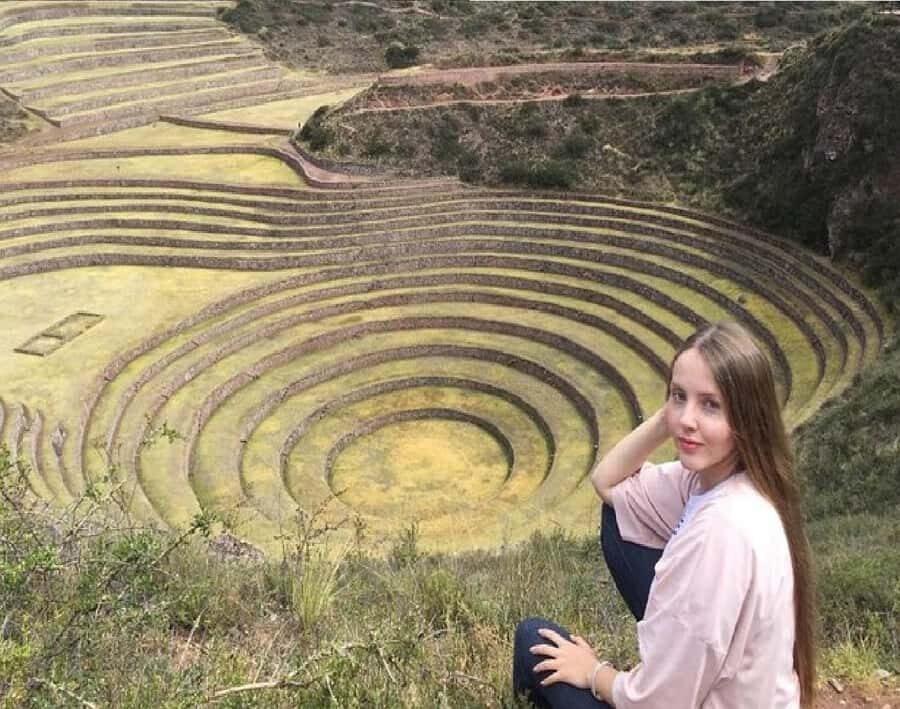
- Moray’s circular terrace design shows how the Incas managed different growing conditions by terrace height.
- Maras salt flats with a guided visit lets you see active salt wells up close and understand the system.
- Multiple route options let you go half-day (Moray + salt) or full-day (Chinchero + Moray + salt + lunch + Ollantaytambo + Pisac).
- A professional bilingual guide in English and Spanish helps you connect the dots between agriculture, religion, and engineering.
- Photo breaks are built in, including time reserved at Moray and Maras for snapshots.
- You pay site fees separately, with Moray needing a tourist ticket and Maras requiring an entrance fee.
Moray Terraces: the Inca experiment that still works
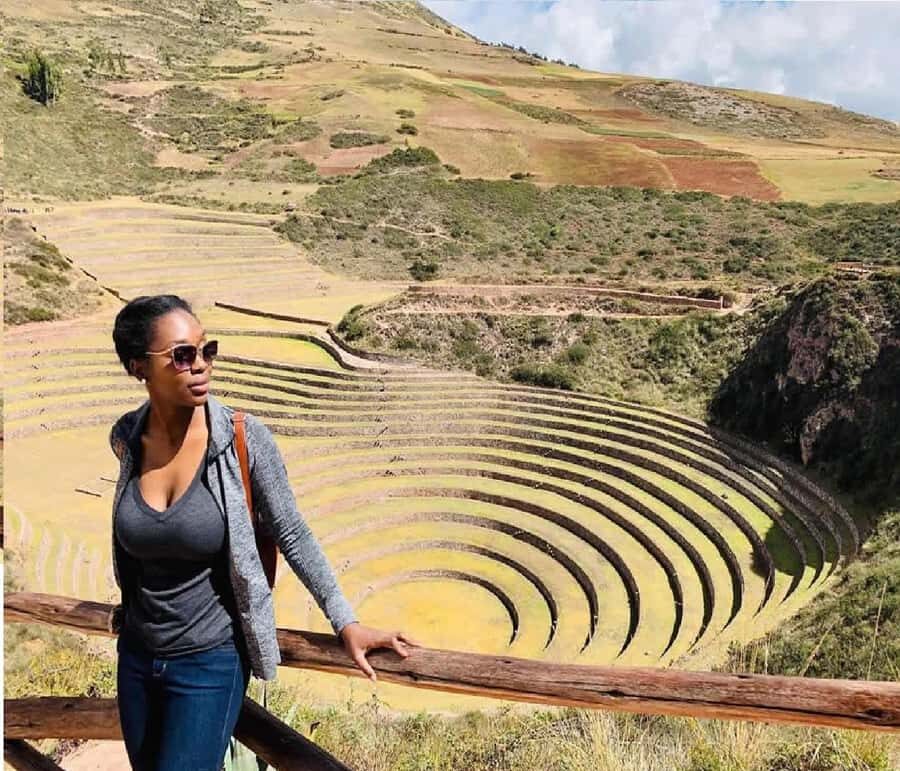
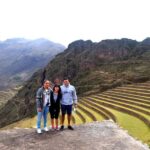
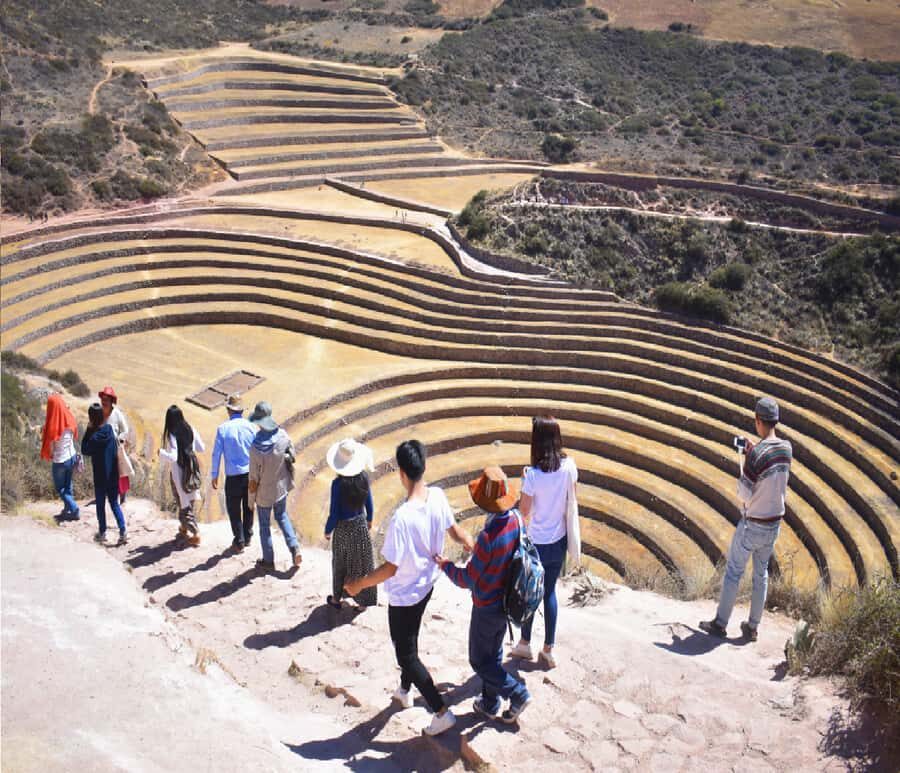
Moray is one of those Sacred Valley stops where your brain clicks. The star attraction is the circular complex—terraces built in a bowl shape, with different levels that create different microclimates. The guide’s job is to translate what you’re seeing into something you can understand fast: different terrace heights helped the Incas sow and grow Andean products using temperature and exposure.
Even if you’ve read about Moray, it’s different in person. You get the sense that this wasn’t just decoration or a monument for ceremonies—it was a working idea. And because you can walk around and look across the terraces, you’ll be able to connect the geometry to the function.
Timing matters here. You get photo stops and a guided visit, plus a block of free time (about 50 minutes) at Moray on the common route. That free time is useful because Moray can be crowded at certain hours, and you’ll want a moment to step away from the group, take your time with photos, and re-read what the guide explained.
You can also read our reviews of more tours and experiences in Cusco.
Maras salt mines: watching salt production in action
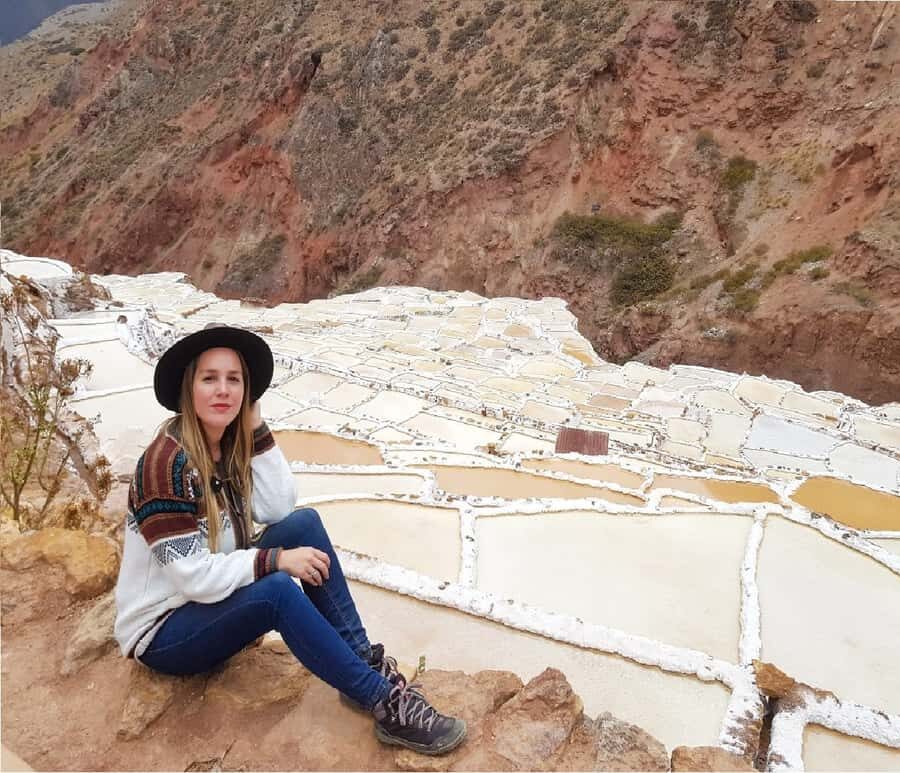
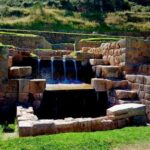
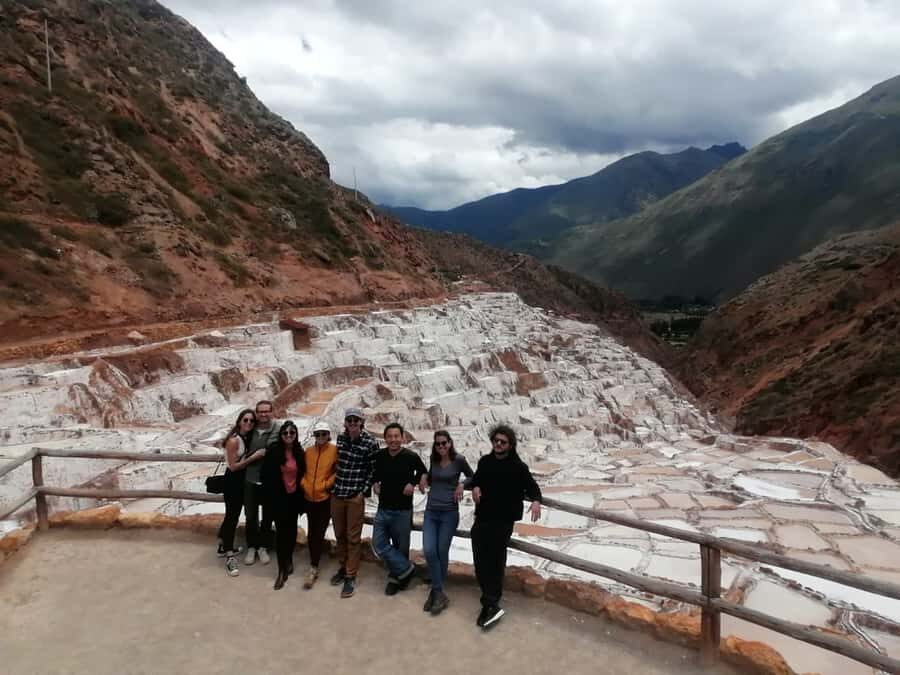
After Moray, the day shifts from agriculture to extraction. The Maras salt mines are famous for the salt wells—dozens of them carved into the hillside, fed by mineral-rich water that brings salt to the surface as the water evaporates.
The value here isn’t just the scenery (you’ll see a lot of it). It’s the clarity of the process once your guide points out what’s happening. The salt is not “mysterious Peruvian stuff”—it’s a repeatable method tied to the water source and evaporation.
On the typical route, you’ll have photo stops and a guided visit of around 50 minutes in Maras. That’s enough time to understand how the wells work and still walk around for angles that make the hillside look layered and patterned.
Sacred Valley road time: pick-up windows and how to prepare
This tour runs on early departures, because the Sacred Valley stops are spaced out and you’ll want daylight. Depending on which option you choose, pick-up can be around 6:35–6:55 a.m., 7:40 a.m., or you’ll be picked up in the general 7:30–8:00 a.m. window.
That means your day starts before you feel fully awake. The practical answer: eat a light breakfast if you can, bring water, and wear shoes you trust. Comfortable footwear is a must because even the “guided” portions still involve walking on uneven ground. Breathable clothing helps too, since you’ll bounce between sun and cooler air as you travel.
Also consider how you handle rides. One verified booking described a rough driving style that left them feeling unwell after the trip. I can’t promise every day feels the same, but it’s enough that I’d plan conservatively—pack something for motion sickness if you need it, and sit where you feel most comfortable.
Chinchero stop: Inca walls and a royal hacienda vibe
If you pick the full-day Sacred Valley route, Chinchero is the first big archaeological touchpoint. You’ll see remains of the royal hacienda associated with Túpac Inca Yupanqui, and you’ll also be shown a well-preserved Inca wall in the main square.
Chinchero works as a warm-up to the bigger engineering sites. Moray and Maras show technical thinking. Chinchero shows how Inca power and estate life were built into the landscape, with stonework that still looks sharp.
You’ll likely have a photo stop here too. Use it. Early photos from Chinchero give you a sense of how the valley town centers sit against the higher terrain.
Ollantaytambo: a fortress town at the valley entrance
Ollantaytambo is more than a view stop. The tour frames it as a place designed to guard the valley entrance and protect inhabitants from invasions coming from the jungle direction. That “why it was built” helps you understand what you’re looking at as you move through the town.
You’ll walk through small streets, which makes the stop feel like a lived-in place rather than just an open-air museum. It also helps that you’re getting this after lunch (in the full-day version). By then, you’ll usually have enough energy to do some actual wandering.
If you like places where military, religious, and everyday life overlap, this is the part that tends to click. The walls and layout make sense once you focus on control of the route in and out of the valley.
Pisac: platforms scattered up the slopes
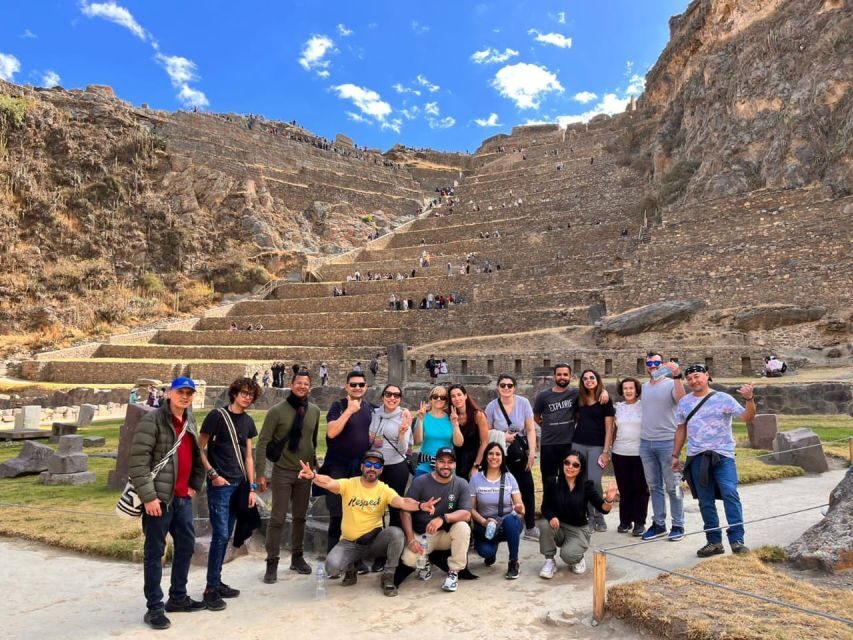
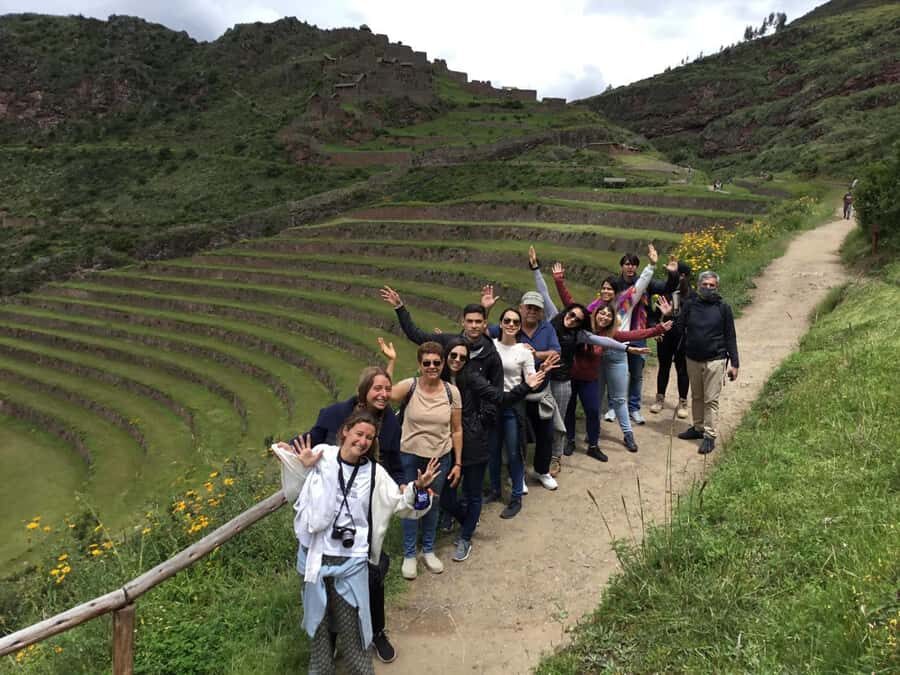
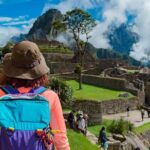
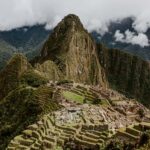
Pisac is a dramatic end to the day in the full-day itinerary. You’ll see architectural structures and platform groups spread across slopes and up toward the top of the mountain.
What makes Pisac feel special on a guided route is the contrast: your guide connects the stone structures to the way people adapted to steep terrain. You also get to enjoy the combination of construction details and the mountain setting without having to hike for hours.
If the group pace allows it, grab a slow moment at Pisac. It’s one of those stops where quick photos miss the scale. Spend a minute looking across the slopes and you’ll start to understand how the site reads as a whole.
Price and value: what you really get for about $25
At roughly $25 per person, this can be excellent value because you’re paying for more than “admission.” You’re also getting:
- hotel pickup and round-trip shared transportation
- a professional bilingual guide (English/Spanish)
- guided time at multiple sites (Moray and Maras at minimum)
The catch is that site fees are separate. Moray requires the BTC tourist ticket listed at 70 soles, and Maras salt mines have an entrance fee listed at 20 soles in one section—and also noted as 10 pen in another practical note. Translation: bring cash and expect to pay on the day.
For me, the value question is simple: if you want Moray + salt mines in one efficient day from Cusco with a guide, this price range makes sense. If you only want one site, you might question the cost once you add the separate tickets and the fact you’re spending lots of time in transit.
Best-fit for your travel style
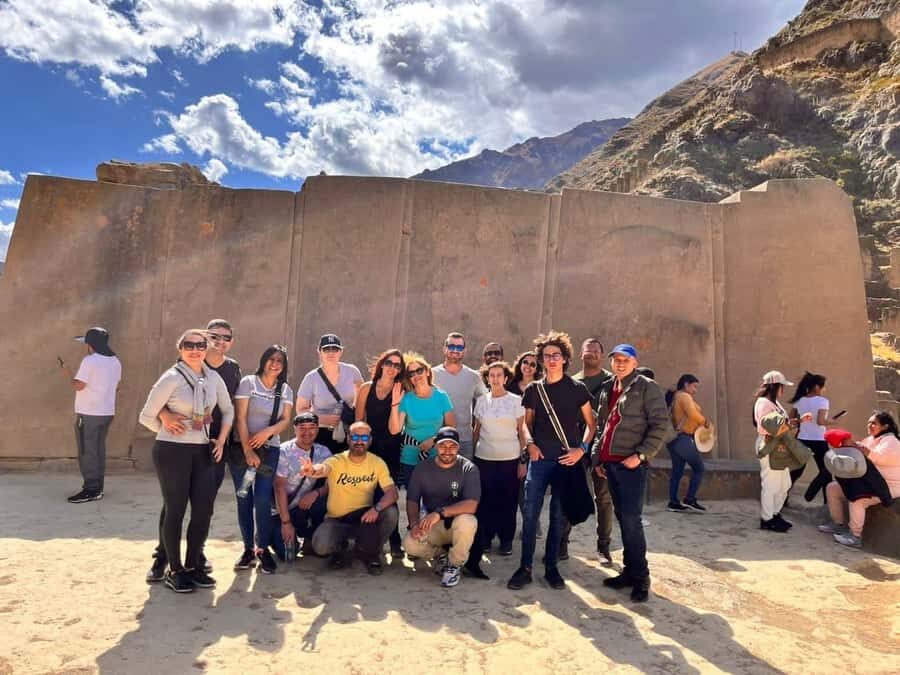
This works well if you want:
- engineering-minded archaeology (Moray is basically a science lesson you can walk around)
- a classic pairing of Sacred Valley agriculture + salt extraction
- a guide who can explain the Incas in practical terms
It’s less ideal if:
- you have mobility limitations (this tour isn’t suitable for people with mobility impairments)
- you’re booking for someone over 95 years, since it’s noted as not suitable
If you’re traveling with kids or you’re on a tight schedule, choose the half-day option when you can. If you want the full “Greatest Hits” of the Urubamba Valley, choose the all-day route and plan for a long day.
Logistics that can make or break the day
Here’s what I’d watch before you go:
- Meeting time accuracy: one booking mentioned a late pick-up by about an hour. That can happen with shared transport, traffic, or timing changes, so don’t plan anything right after the tour return.
- Language mix: Spanish may dominate in some groups, so if you want maximum understanding, having at least basic Spanish helps.
- Walking shoes matter: Moray and Maras both involve uneven terrain.
- Bring cash: you’ll pay separate entrance/ticket fees on site.
- Avoid alcohol/drugs: they’re listed as not allowed, and it’s a practical choice anyway when you’re getting up early.
The upside is that the tour is built for clarity. You’re not doing a self-guided maze. You have professional bilingual guidance, set visiting blocks, and photo breaks.
Timing options: half-day versus full-day Sacred Valley
You’ll choose between route styles depending on how much time you have.
Half-day style (Moray + salt mines):
This version focuses on the core engineering story—Moray terraces plus Maras salt flats. It starts later (pickup around 7:40 a.m.) and is a good option if you’re already tired of early mornings or you just want the two must-sees.
Full-day Urubamba Valley loop (Chinchero + Moray + salt + lunch + Ollantaytambo + Pisac):
This is the one with the most stops. Pickup starts early (about 6:35–6:55 a.m.), you’ll hit Chinchero first, then Moray and the salt mines, then lunch in Urubamba. The lunch note is generous—more than 30 varieties of typical dishes are included on this full-day option. After lunch, you continue to Ollantaytambo and Pisac, finishing around 7:00 p.m. at Plateros Street or Calle Saphy.
Flexible photo-stop style:
There’s also an option where you travel through the valley with the guide, focusing on Moray and salt mines, with the ability to stop at places you want for photos.
Should you book this Cusco Sacred Valley trip?
Book it if:
- you want Moray and Maras in one day without organizing transport yourself
- you appreciate explanations that connect stonework to agriculture and extraction
- you like efficient itineraries with real guided time at the key sites
Skip it (or choose a shorter/other option) if:
- you hate early mornings and long drives
- you’re uncomfortable walking on uneven terrain
- you’d rather spend your day in Cusco relaxing instead of touring the Urubamba Valley
If you go, I’d plan for cash on arrival, wear comfortable shoes, and treat the ride as part of the experience. When it’s run smoothly, this is one of the best ways to see how Inca engineering shows up in everyday systems: growing food, managing conditions, and harvesting salt.
FAQ
Is Moray admission included in the tour price?
No. Moray requires a separate BTC tourist ticket, listed at 70 soles.
Do I need to pay an entrance fee for the Maras salt mines?
Yes. Maras has a separate entrance fee listed as 20 soles in one place, and 10 pen in another practical note, so bring cash.
What are the pick-up times from Cusco?
Pick-up depends on the route. It’s listed as around 7:30–8:00 a.m. overall, and specific options mention pick-up around 6:35–6:55 a.m. or 7:40 a.m.
How long is the tour?
The duration is listed as 6 to 12 hours, depending on which route you choose.
What languages does the guide speak?
The guide provides live interpretation in English and Spanish.
What’s included in the tour besides the guide?
Included are hotel pickup, round-trip shared transportation, and a professional bilingual guide.
Is lunch included?
Lunch is included only for the full-day Sacred Valley option (option 2), in Urubamba, with more than 30 varieties of typical dishes.
What should I bring?
Bring a passport (or ID card), comfortable shoes, breathable clothing, and cash.
Who shouldn’t take this tour?
It’s not suitable for people with mobility impairments, and it’s also noted as not suitable for people over 95 years.