REVIEW · CUSCO
Historic/music Cusco FreeWalkingTour “free drink” Group Tour
Book on GetYourGuide →Operated by Real Cusco Walking tour · Bookable on GetYourGuide
Cusco hits different on foot. This Qoricancha-to-Pisco Sour walking tour strings together the big sights and the small details, with a guide (Erick was great in our case) who explains what you’re actually looking at. I love the way the route turns crowded streets into a clear story of Inca and colonial Cusco, point by point. I also like the food-and-music stops, especially the Pisco Sour tasting that fits the vibe of the day.
One possible drawback: the sound system isn’t always great. If the loudspeaker is crackly or quiet, you’ll want to stand closer to your guide so you don’t miss details.
In This Review
- Key things to know before you go
- Price and logistics: what the $2 really means
- Starting at Plaza de Armas: set your bearings fast
- Qoricancha Sun Temple: the story under the church
- Cathedral-side details: the balcony, the angled stones, and meaning
- San Blas streets: art charm plus real local crafts
- 7 Borreguitos Street: photos, but also a nice pause
- Ending at Manco Capac: closing the loop in one thoughtful stop
- The drink stops: Pisco Sour and Chicha Morada
- Group size and pace: why it feels intimate
- What to do (and not do) to enjoy it fully
- Who this tour is best for
- Should you book this Cusco free walking tour?
- FAQ
- How long is the Cusco Historic/Music FreeWalkingTour?
- Where do we meet for the tour?
- What languages is the guide available in?
- Is Pisco Sour included?
- Do I need to tip the guide?
- Is water included in the tour price?
- Who is this tour not suitable for?
- What’s the cancellation policy?
Key things to know before you go
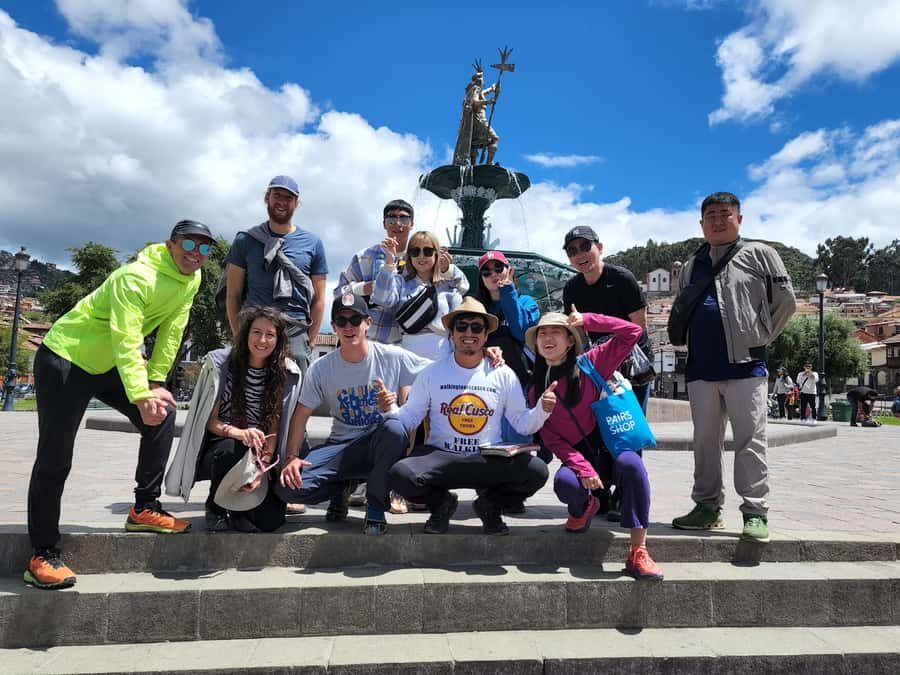
- Meet at Plaza de Armas, Inca Fountain: the starting point is right in the center, making it easy to orient.
- About 10 people per group: small enough to feel personal, not a megatour.
- 2 hours of walking: brisk, but built around major stops and short explanations.
- Pisco Sour plus a drink choice at the end: you’ll taste Pisco Sour along the way and later choose between Pisco Sour or Chicha Morada.
- San Blas includes music with a luthier: you’re not just looking at views; you’re hearing traditional instruments too.
- Tips are required for the guide: plan on about 30 soles (around 10 USD) for guide service.
Price and logistics: what the $2 really means
This tour is priced low on paper, around $2 per person, and it’s framed as a free-style walking experience. What you’re really paying for is the guide service and the structure: you get a planned route, historical commentary in English or Spanish, and a couple of drink moments.
The important part is that the guide service depends on tips. You should budget about 30 soles or 10 USD for the guide, and don’t treat the $2 as the real cost of the experience.
Also note what’s not included: water. Cusco walking is easier when you’re not hunting for hydration every 10 minutes, so I suggest bringing water with you.
You can also read our reviews of more historical tours in Cusco

Starting at Plaza de Armas: set your bearings fast
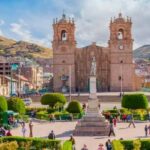
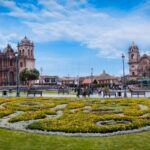
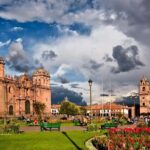
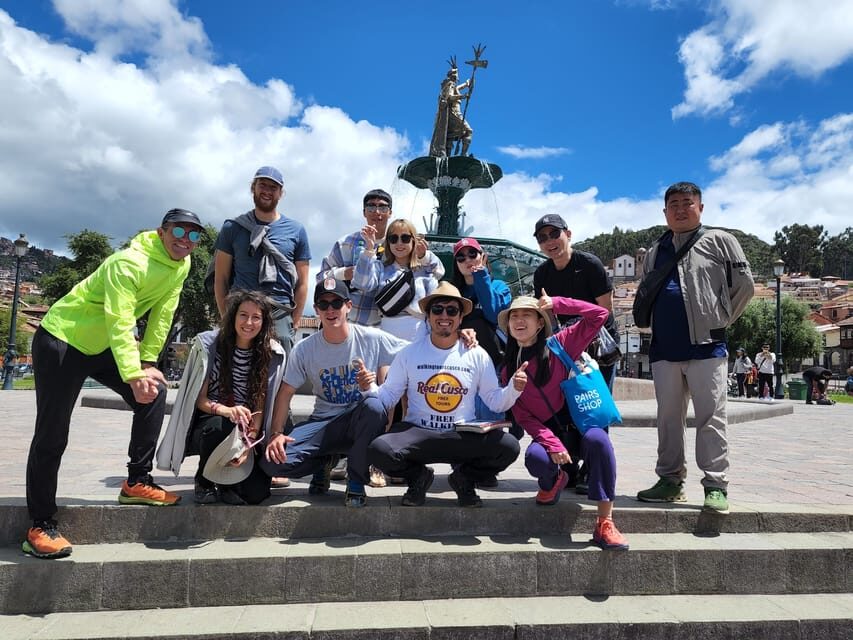
You begin at the Inca Fountain in Cusco Main Square (Plaza de Armas). This is a smart place to start because you get context immediately: Cusco’s layout makes more sense once you’re standing in the center and looking outward.
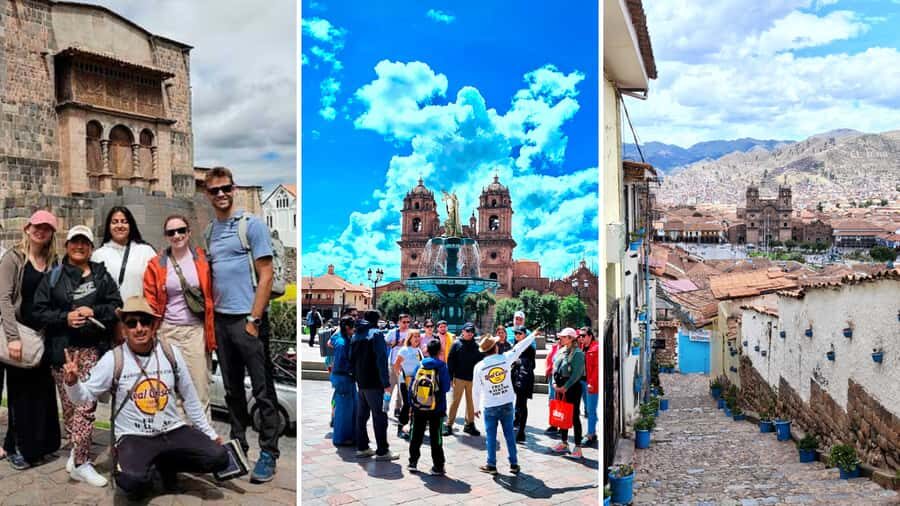
From there, your guide points out key architecture you’ll otherwise just glance at. You’ll see the Cathedral and the Company of Jesus buildings early, which helps you understand how the city’s Inca past and colonial era sit side by side instead of feeling like two separate worlds.
Even if you think you know Cusco already, this opening is about orientation. You’ll leave with a mental map, so later stops like Qoricancha and San Blas don’t feel random.
Qoricancha Sun Temple: the story under the church
The tour’s big anchor stop is Qoricancha, the Inca Sun Temple. This is one of those places where your guide’s job matters, because the real power is in what you learn to notice.
You’re typically looking at layered history: Inca stonework and later structures that took over sacred space. Your guide explains the historical significance of Qoricancha so it isn’t just a pretty stop with photos. It becomes a lesson in how Cusco’s spiritual importance shifted over time, without losing the sense of place.
I love that the tour doesn’t rush this moment. It gives you time to connect the architecture to the explanations, then keeps moving while your brain is already tuned in.
Cathedral-side details: the balcony, the angled stones, and meaning
After the big temple stop, the route continues through quieter streets and small-but-memorable Cusco details. One highlight is a beautiful balcony you’ll hear about in context, not just as a landmark. Your guide helps you understand why it matters in the broader story of Cusco’s city life and design.
Then you’ll reach the famed 12 and 13 angled stones. These stones are famous because of how they fit together, and your guide’s commentary helps you connect the technical skill to why Inca builders are so respected. It’s the kind of stop where, without explanation, you might just think: cool stones. With explanation, you see craftsmanship as engineering.
Finally, you get the Andean Trilogy carved into an ancient Inca wall: Condor, Puma, and Snake. This part is especially worth paying attention to, because it’s visual symbolism tied to how Andean cultures described the world. Don’t just look for the animals; listen to how your guide explains what they represent.
San Blas streets: art charm plus real local crafts
Next comes San Blas, known for its artistic character and cobblestone charm. This stretch works well because it slows the pace slightly and gives you a sense of Cusco as a working city, not just a museum.
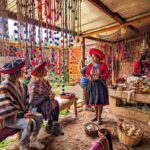
You’ll visit a skilled luthier (instrument maker), where the tour turns from history into living culture. This is one of the best “why guided tours matter” moments: you’re not just hearing that instruments exist, you’re seeing how they’re made and why that craft is still valued.
After that, you’ll hear an Andean musical performance with panoramic views of the city. This is more than background music. The guide’s explanation helps you place the instruments and styles in the cultural context, and the setting gives it a sense of occasion. It’s a strong payoff after walking through architecture and stonework.
7 Borreguitos Street: photos, but also a nice pause
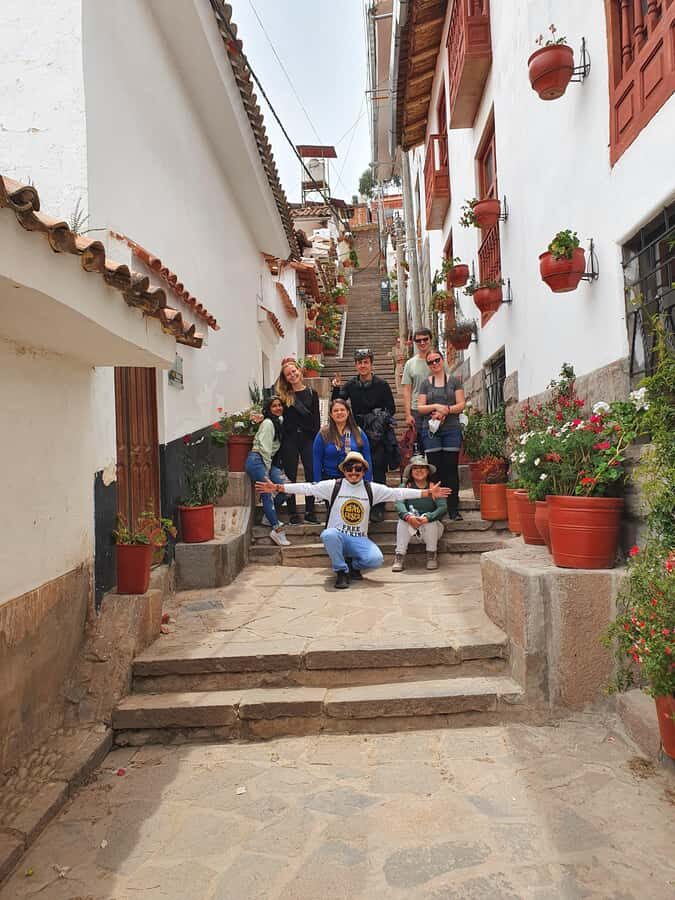
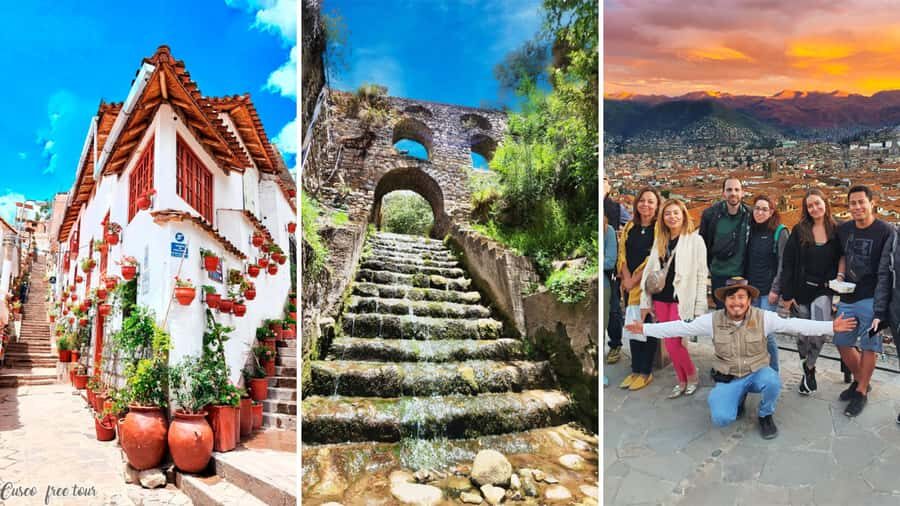
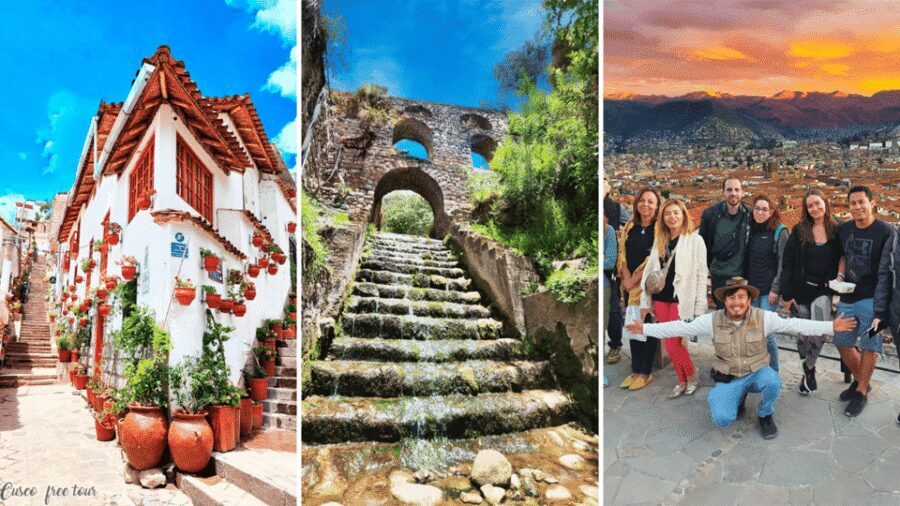
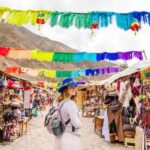
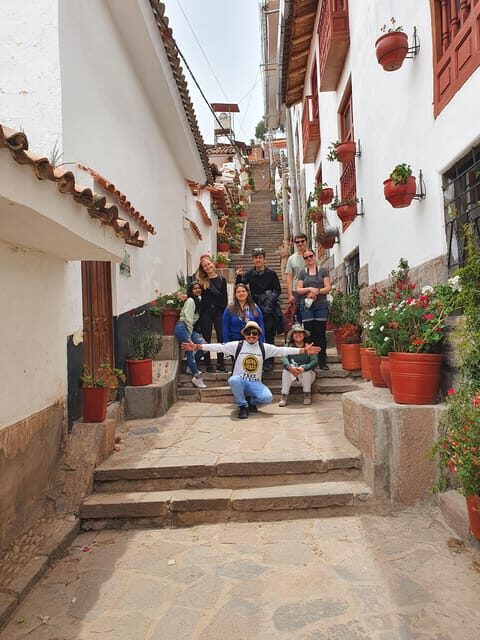
Then you’ll hit 7 Borreguitos Street, widely known as one of Cusco’s most picturesque lanes. Yes, you’ll take photos. But the real value here is how it functions in the tour: it’s a visual breather between heavier historical stops.
This is where Cusco’s atmosphere becomes tangible. You’re surrounded by the kind of street texture that makes you understand why people fall for the city after just a few hours. Your guide keeps things moving, but you get enough time to enjoy the scene, not just sprint to the next corner.
If you’re traveling with camera gear, this is a good time to slow down and frame shots properly, because you’re in the most photogenic stretch of the walk.
Ending at Manco Capac: closing the loop in one thoughtful stop
The tour wraps at the Temple of the First Inca Ruler, Manco Capac. Ending here is a nice thematic close. Earlier stops covered Inca sacred sites and symbols. This last stop anchors the story in the founding myth and leadership theme that ties Cusco’s identity together.
Your guide also connects this final temple to what you’ve learned along the way, so it doesn’t feel like a random ending. It’s like the tour finishes by telling you what all those details add up to.
If you still feel curious after the tour, this ending point also makes it easy to continue exploring nearby streets on your own while your questions are still fresh.
The drink stops: Pisco Sour and Chicha Morada
The tour includes complimentary Pisco Sour tastings, and you’ll also get a choice at the end: Pisco Sour or Chicha Morada.
I like this setup because it’s practical. You don’t have to spend money searching for your first taste of Peruvian drinks while you’re already navigating Cusco’s streets. The guide’s timing also matters: you get the drink when you’re ready to pause, not when you’re still trying to understand every stone.
Also, if you’d rather skip alcohol, Chicha Morada gives you a non-alcoholic option that’s still deeply local. Either way, it’s a cultural stop that fits the walking pace and keeps the experience grounded in everyday Cusco.
Group size and pace: why it feels intimate
This is designed for a group of around 10 participants, which is a sweet spot. Large groups can turn landmarks into a queue. Here, the guide can actually steer your attention and answer questions without the tour feeling like a conveyor belt.
The timing is also pretty focused: it’s a 2-hour walk that targets the essentials plus a few well-chosen “only in Cusco” moments, like the luthier and the Andean music performance. It’s long enough to feel like you achieved something, short enough that you’re not wiped out afterward.
If you’re arriving in Cusco for the first time, this tour is an especially good use of time because it helps you understand where you are and what matters before you choose your next day’s plan.
What to do (and not do) to enjoy it fully
Wear shoes you trust. Cusco walking is real walking, with cobblestones and uneven surfaces. I’d also plan to move a little closer to the guide at key points, especially if you notice sound issues.
Bring water anyway since it’s not included. Even if the tour gives you drink options, that’s not hydration for the whole walk.
If you want the most from the history stops, don’t just look for the famous names. Watch how your guide points out small details like symbols on walls, fitting stone patterns, and architectural transitions. Those are the moments that turn a sightseeing circuit into actual understanding.
And bring a realistic attitude about alcohol. You’re getting tastings, not a party. If you’re sensitive to it, take your time and choose Chicha Morada at the end.
Who this tour is best for
This is a good fit if you want a structured Cusco intro without getting stuck in museums all day. You’ll enjoy it most if you like your sightseeing with explanations: Qoricancha, Inca stone details, Andean symbolism, then craft and music.
It’s also a strong choice for couples, solo travelers, and small groups because the size keeps the experience personal. If you prefer quiet, self-paced wandering, this might feel a bit guided for you. But if you want to get oriented fast, it’s a smart first move.
One note on suitability: it’s not set up for wheelchair users, and it’s not intended for people over 95 years old.
Should you book this Cusco free walking tour?
Yes, I’d book it if you want an efficient, story-driven introduction to Cusco that includes both major landmarks and a real cultural moment. The best reason is the mix: Qoricancha and Inca stone details paired with San Blas crafts and an Andean music performance you can actually enjoy, not just observe from a distance.
Book it especially if you care about context. The guide’s explanations (and the fact that sound can be an issue, so standing closer helps) are part of how the tour works. If you’re the type who likes to understand what you’re seeing, this is excellent value even with the required tip.
If you want a purely independent day with no guidance at all, you might find it better to walk the route on your own. But for most first-timers, this is the kind of tour that pays back quickly—by the time it’s over, Cusco feels less like an overwhelming maze and more like a place with a clear story.
FAQ
How long is the Cusco Historic/Music FreeWalkingTour?
It runs for 2 hours.
Where do we meet for the tour?
You meet at the Inca Fountain in Cusco Main Square (Plaza de armas).
What languages is the guide available in?
The tour guide speaks English and Spanish.
Is Pisco Sour included?
Yes. You get complimentary Pisco Sour tastings, and at the end you can choose between Pisco Sour or Chicha Morada.
Do I need to tip the guide?
Yes. A gratuity of around 30 soles or 10 USD for the guide service is required.
Is water included in the tour price?
No. Water is not included.
Who is this tour not suitable for?
It’s not suitable for wheelchair users, and it’s not intended for people over 95 years.
What’s the cancellation policy?
Free cancellation is available up to 24 hours in advance for a full refund.