REVIEW · LIMA
8-Days Best of The Inca Empire from Lima
Book on Viator →Operated by VIPAC Travel · Bookable on Viator
Machu Picchu is the headline, but the build-up matters. I like that this trip pairs guided tours at every key site with smooth airport/hotel transfers, so you spend less time figuring things out. I also like the small-group feel (max 12) and the fact that the pace leaves room to catch your breath after Cusco. The one thing to watch: you’re committing to a lot of sites in a short time, and altitude can make “a lot” feel like “a lot more.”
From Lima’s coastal past to the Sacred Valley’s everyday Inca science and finally the big ruins day, you get a clear story arc. If you’re a first-timer to Peru, or you want structure without rushing, this fits. If you hate group schedules, you may find yourself wishing for more solo time.
In This Review
- Key things I’d pay attention to
- From Miraflores to Plaza Mayor: a smart start in Lima
- Huaca Pucllana and Larco Museum: ancient Lima on two different levels
- Pachacamac: pilgrimage archaeology with ocean views
- Circuito Mágico del Agua and Pueblo Libre: evening fun, local flavor
- Cusco orientation: markets, temples, and a guided walking route
- Sacsayhuamán and the Inca sites around Cusco: seeing the “why”
- Sacred Valley day: alpacas, weaving, Pisac, and the Inkarri Museum
- Moray and Maras: Inca experimentation and salt farms
- Ollantaytambo and the route to Machu Picchu
- Machu Picchu day: bus timing, guided ruins, and lunch
- Price and value: what $1,454 covers, and what it doesn’t
- Who this tour suits best
- Should you book it?
- FAQ
- What’s included in the tour price?
- Is airfare included?
- How many meals are included?
- What’s the Machu Picchu ticket policy?
- What’s the group size?
- Do I need to bring altitude sickness medicine?
- Are entrance fees included?
- What cancellation options are listed?
Key things I’d pay attention to
- Small group (up to 12), which makes the day feel more human and less like cattle
- Guided visits everywhere that matters, so you learn while you look
- Lima-to-Cusco flights and ground transfers handled, with airfare left out
- Machu Picchu ticket rules are strict, so lock in your date early
- Plenty of included admissions and a couple of included lunches, which helps budget accuracy
- Altitude is taken seriously in how the days are paced, but you still need your own plan
From Miraflores to Plaza Mayor: a smart start in Lima
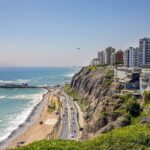
Lima can feel like two cities at once: ocean air in Miraflores, and deep history in the old center. This tour starts you where you can orient fast, with a view at Love Park and the Pacific stretched out in front of you. You then move into the historic heart to get your bearings.
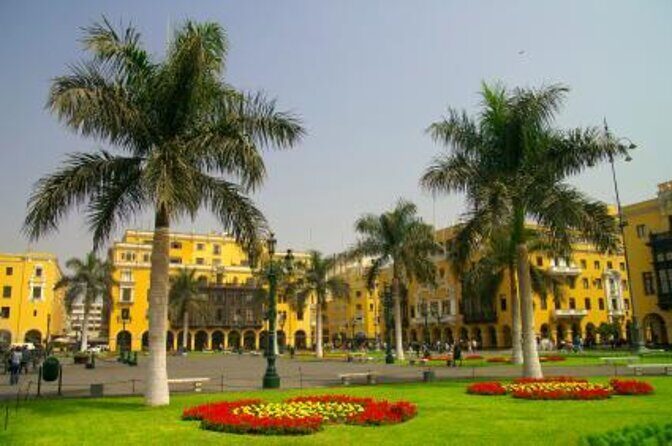
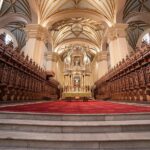
You’ll visit Plaza Mayor (the Main Square), where the Government Palace and Town Hall sit side by side. The Cathedral is part of the experience, and you also spend time at the Santo Domingo Convent, tied to the 17th century figures San Martin de Porras and Santa Rosa de Lima. If you enjoy travel that mixes art, religion, and real street life, this is a solid first day.
A practical note: Lima afternoons can run on a “warm but changeable” rhythm. Build in layers so you’re comfortable when the day shifts from bright to breezy.
You can also read our reviews of more tours and experiences in Lima.


Huaca Pucllana and Larco Museum: ancient Lima on two different levels
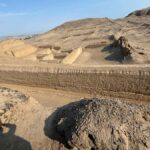
Later, you’ll head to Huaca Pucllana, a ceremonial center tied to Lima culture. What I like about this stop is that it isn’t just “ruins in the distance.” It’s close enough to make you feel the presence of daily ceremonial life, and it gives you context for why coastal Peru mattered so much.
Then comes Museo Larco, which is a great counterweight to outside ruins. It’s known for its ceramics and for showing everyday details from ancient Peru—faces, objects, fruits, birds, and more. Even if you’re not a museum person, the sheer variety of the collections helps you see how normal life and ritual life overlapped.
If you’re trying to choose between museums vs. ruins on a Lima stop, this pairing works well: one is built into the modern city, the other is built for slow looking.
Pachacamac: pilgrimage archaeology with ocean views
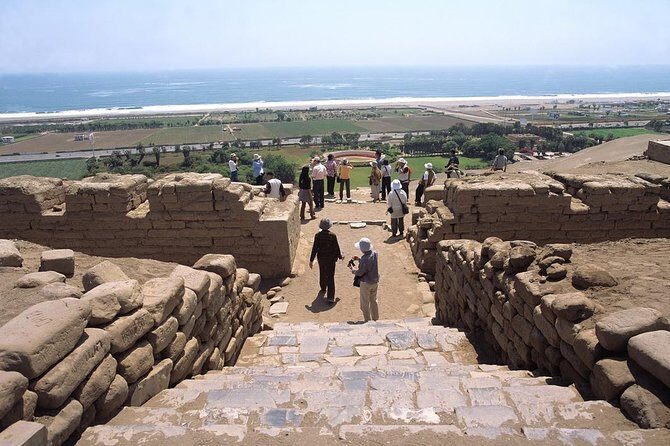
Pachacamac is the kind of place that makes time feel messy—in a good way. The sanctuary is about 30 km south of Lima, and it sits overlooking the ocean and the Lurin River Valley. That setting matters. When a site already has a built-in view, it’s easier to understand why people treated it like a destination.
You’ll see major parts of the complex, including the Temple of the Sun, the Acllahuasi, the Taurichumbi Palace, and the Pilgrims Plaza. When the Incas arrived, they adapted the complex as an administrative center while respecting local constructions, and that layering is a big part of the story.
Plan for walking. Even with a guided pace, you’ll want comfortable shoes because archaeological sites tend to mean uneven surfaces.
Circuito Mágico del Agua and Pueblo Libre: evening fun, local flavor
Not every ancient trip should end in ancient mode. Near dusk, you’ll go to Circuito Mágico del Agua, a big mix of fountains and lights in a public park. It has a Guinness World Record connection for the scale of fountains and the highest water source in a public park, which helps explain why it draws crowds.
Then you’ll make a quick stop in Pueblo Libre, including a tasting of sandwiches paired with a drink made with pisco. This is one of those small inclusions that can make the whole day feel more grounded. You’re not just checking boxes—you’re also tasting the country you’re learning about.
If you’re the type who likes photos, this is the easiest evening for great shots without long travel.
Cusco orientation: markets, temples, and a guided walking route
Flying to Cusco is a turning point. The city sits at altitude, and even if you’re feeling fine, your body will remind you it’s higher. This tour’s Cusco intro is designed to help you settle in without going full speed.
You’ll visit the Cusco Cathedral and take in the old-city core. You’ll also make stops that connect history to daily life: the San Pedro Market is where you can soak up local flavors and learn about products grown in the region.
Korikancha (the Gold Enclosure) is one of the highlights on any Cusco-focused trip, and this itinerary gives it time. You’ll also see Santo Domingo Church, plus a walking portion that includes San Blas and Hatun Rumiyoc Street, with stops tied to the Inca Roca Palace area and the famous Twelve Angle Stone. That walking route helps you see Cusco as more than a backdrop for one ruin day.



Sacsayhuamán and the Inca sites around Cusco: seeing the “why”
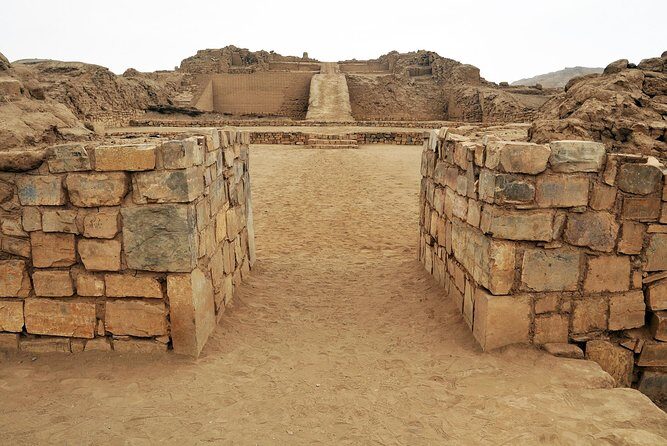
One of the smartest choices on this trip is spending a morning around the Cusco fortress area. You’ll visit Sacsayhuamán, described as a huge fortress of colossal constructions with big views around it. The point isn’t just the stones—it’s the feeling of scale and planning.
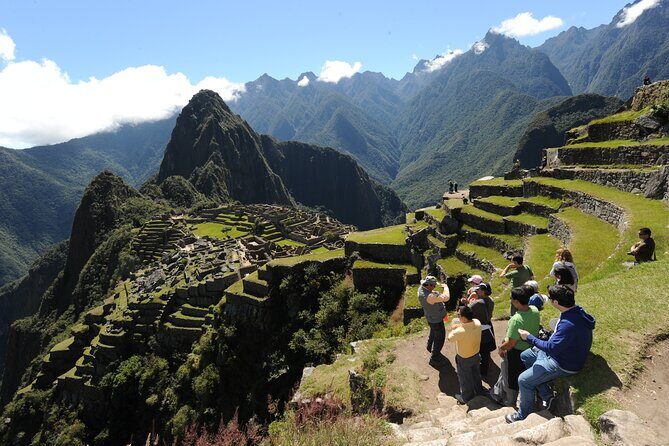
You’ll also visit Qenqo, including a sacrificial altar embedded inside a rock cave. Then the day continues to Puca Pucara viewpoint and Tambomachay, known for impressive Inca architectural knowledge connected to Andean cosmology.
This is where you’ll start noticing patterns in Inca design: use of terrain, alignment, and how structures relate to movement and ceremony. If you’ve ever wondered why Inca ruins look so deliberate, this part helps answer it in plain sight.
Sacred Valley day: alpacas, weaving, Pisac, and the Inkarri Museum
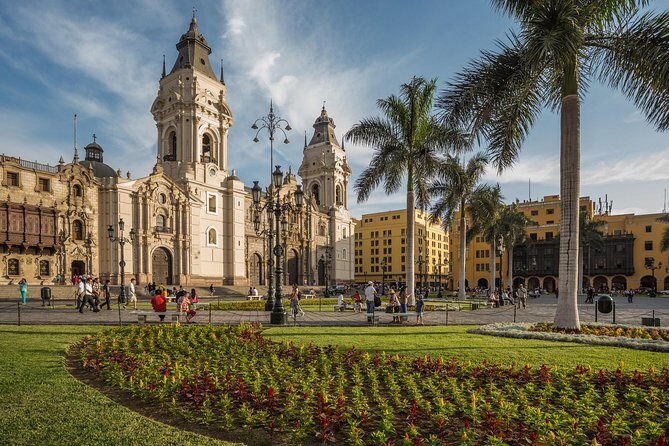
The Sacred Valley is where the trip slows just enough to feel like a place, not a checklist. You start with Awanacancha, where you can see and feed Andean camelids like llamas and alpacas. You’ll also learn about weaving and dyeing techniques from local weavers, which turns the textiles from souvenir noise into real craft.
Then you head to Pisac, including time at the archaeological area and a walking tour through the colonial town. Pisac is popular for a reason: the view and the mix of Inca-and-colonial layers makes it easier to picture how power shifted over time.
After that, you visit the Inkarri Museum for a guided tour. It’s focused on rooms featuring cultural representations of pre-Hispanic civilizations. You’ll also have lunch there, which helps keep the day flowing instead of searching for food once you’re tired.
The drawback with Sacred Valley days is that you can feel “on” for hours. If you get tired easily, bring a small personal buffer—water, snacks if allowed, and a photo plan so you don’t spend mental energy deciding what to shoot.
Moray and Maras: Inca experimentation and salt farms
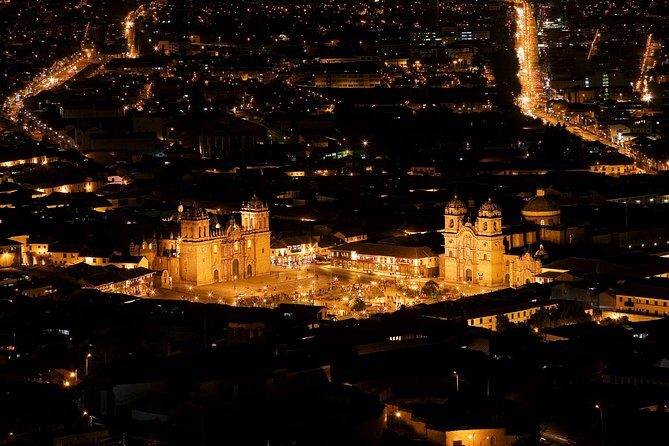
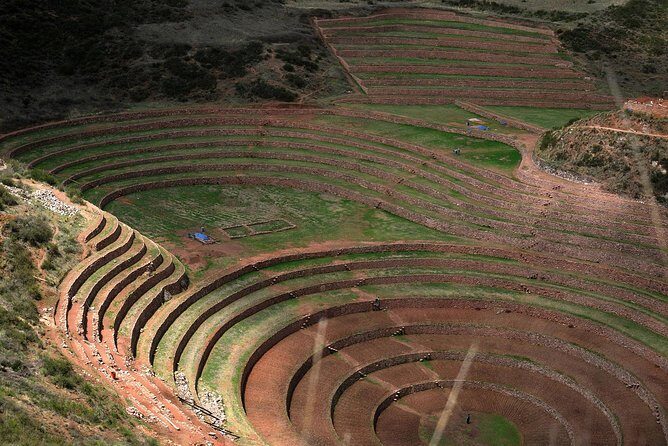
The next day in the valley is heavy on visuals, but it also has a clear theme: experimentation and adaptation. Moray is known for its concentric terraces that simulate microclimates, tied to agricultural production. The itinerary notes there were purposes for around 20 types of microclimates, which is a wild number when you think about how precise the terraces look.
Then you head to Maras, the famous and millenary salt mines from colonial times. Seeing the contrast of white salt wells against the green valley is one of those “instant wow” moments. This is also a stop where photos are easy, because the layout gives the eye a natural way to frame the scene.
You’ll have a buffet lunch included, and then the day continues onward toward Ollantaytambo.
Ollantaytambo and the route to Machu Picchu
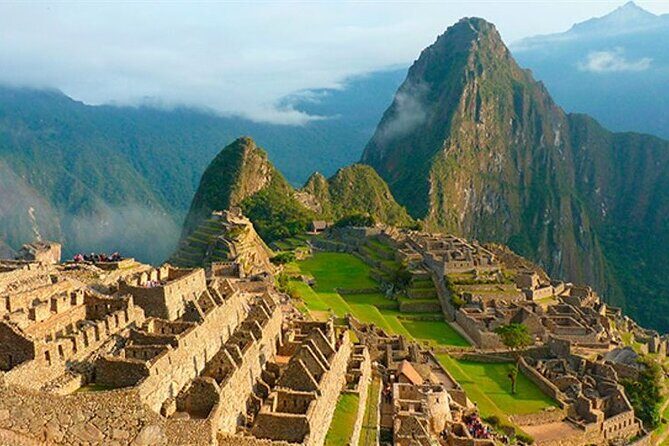
Ollantaytambo is a key piece of the puzzle: it’s both Inca and alive with modern streets. You’ll learn about how the Incas worked the stones, which matters here because Machu Picchu’s ruins aren’t random—they’re connected to the same building logic.
Then you take the train to Machu Picchu. Once you arrive, the itinerary includes assistance for lodging in your hotel. That’s useful because Machu Picchu area logistics can be confusing when you’re tired. Having someone handle the handoff saves energy for what you came for.
Machu Picchu day: bus timing, guided ruins, and lunch
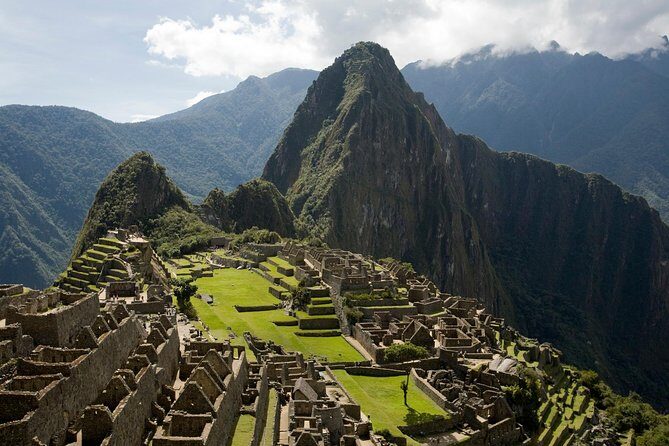
The morning starts with breakfast, then a bus ride up to Machu Picchu along winding roads with views over the Urubamba River and its canyon. Even before you reach the ruins, you get that sense of scale: the setting is dramatic and you can feel why people built something here.
You’ll have a guided visit, with time to see terraces, ceremonial shrines, steps, and urban areas. A guide is a big deal on Machu Picchu because it’s easy to look and miss the story. With guidance, you’re more likely to notice how spaces connect and why the town is arranged the way it is.
Lunch is included at one of the restaurants in the area. The itinerary then returns you to Cusco and transfers you to your hotel.
One practical warning: Machu Picchu mornings can be long and physically demanding even if the visit itself is structured. I recommend planning your day like a sprinter, not like a tourist on casual stroll time.
Price and value: what $1,454 covers, and what it doesn’t
At $1,454 per person, this is not a budget trip. Still, the value comes from what’s bundled: 7 nights of accommodations (matching the route), breakfast almost every morning (7), two included lunches, guided tours at listed sites, and entrance fees. Most transport is included too—just not the airfare.
Airfare Lima–Cusco–Lima is not included, and that matters when you’re budgeting the full trip. The upside is that transfers are handled: airports, hotels, and train/bus stations are included in the plan. That reduces hassle and makes the schedule more realistic.
Also, Machu Picchu entrance is included as an admission ticket in the plan, but it carries strict rules. The itinerary notes it’s not refundable and date changes aren’t accepted. That means you should only book if your travel dates are stable.
So is it good value? If you want guided context, included admissions, and less logistics stress, yes. If you’re the kind of traveler who hates group schedules and would rather build the route on your own, you might find cheaper options—but you’ll also be taking on more planning work.
Who this tour suits best
This tour fits best if you want a first Peru experience with clear structure: Lima’s historic core, Cusco’s orientation, then the Sacred Valley before the big Machu Picchu day. It also looks like it’s designed for people who may need extra breathing room at altitude—this kind of pacing is a big deal when you’re moving up into thin air.
It’s less ideal if you want lots of free time each day, or if you prefer to wander without a schedule. Also, if you’re traveling with very specific interests (only art museums, only Inca engineering, only hiking), you might find some days feel broad.
One more point: a guide named Gabriela was highlighted as exceptional for professionalism and helpfulness. While you can’t guarantee the same guide, that’s a nice sign that the guiding team can be strong.
Should you book it?
If you want a smooth, guided route that connects Lima, Cusco, the Sacred Valley, and Machu Picchu into one story, I’d consider booking. The best reasons are practical: small group size, major entrance fees handled, and a schedule that’s paced enough to make altitude more manageable.
Before you book, check two things. First, your flight timing needs to work, since the itinerary specifies that the Lima to Cusco flight should be in the morning and arrival by noon is too late. Second, be sure your Machu Picchu date is locked—since that ticket is not refundable and date changes aren’t accepted, you’ll want travel plans you trust.
FAQ
What’s included in the tour price?
The tour includes 7 nights of accommodation (based on the itinerary and hotel class options), breakfast (7), and tours/excursions listed in the program with entrance fees. Transfers are also included between airports, hotels, and train/bus stations, plus lunch is included twice.
Is airfare included?
No. Airfare for Lima–Cusco–Lima is not included. The tour includes transfers, and it assists with connection flights at the airports.
How many meals are included?
Breakfast is included 7 times, and lunch is included 2 times. Food and drinks are otherwise not included unless specifically stated.
What’s the Machu Picchu ticket policy?
The admission ticket for Machu Picchu is not refundable, and date changes or amendments are not accepted. If you need to change your visit date, you need a new entrance ticket.
What’s the group size?
This tour has a maximum of 12 travelers.
Do I need to bring altitude sickness medicine?
The tour info recommends bringing medicine or asking your doctor for advice before you depart if you suffer from altitude sickness.
Are entrance fees included?
Yes. All entrance fees in each tour and excursion are included.
What cancellation options are listed?
The info provides a couple of refund windows: you can get a 90% refund if you cancel 15 days before departure, and you can also cancel for a full refund if you cancel at least 24 hours before the experience start time.