REVIEW · CUSCO
Sacred Valley of the Incas Tour with Moray & the Salt Mines
Book on Viator →Operated by Machu Picchu Tours · Bookable on Viator
Seven stops. One Inca story. This Sacred Valley tour strings together Moray’s circular terraces, Maras salt farming, and the hilltop views of Pisac with a licensed bilingual guide who helps the ruins make sense. I like the way the salt mines and agricultural terraces are explained as working systems, not just photo backdrops, and I like the included Urubamba buffet lunch that breaks up the day. The catch: the schedule is full, and you may feel rushed at some points, with extra time built in for local shop stops.
You start at 7:00 AM in Cusco and end back near Plaza Regocijo, so you’re not stuck solving transit after a long day. With a max of 9 people, roundtrip transport, and a driver like Luis who keeps things moving safely, it’s easier to ask questions and actually hear the guide.
At $99 per person, the value is strong because transport, a bilingual local tour guide, and lunch are included. But entrance fees are not included—so budget extra for archaeological tickets and Maras entrance.
In This Review
- Key Points You Should Know Before You Go
- Cusco to the Sacred Valley: Why Small-Group Time Matters
- Pisac Hilltop Ruins and the Taray Viewpoint
- Urubamba Buffet Lunch: The Included Break You’ll Appreciate
- Ollantaytambo Town Planning and the Train Connection
- Moray’s Circular Terraces: Inca Agricultural Testing
- Maras Salt Mines: Solar Evaporation and a Living Tradition
- Chinchero: Andean Textiles, Pachacutec’s Church, and Terraces
- Price and Tickets: What the $99 Covers (and What Doesn’t)
- Timing and Pacing: A Packed Day With a Few Shop Stops
- Guide Experience: When the Person Matters More Than the Script
- Who This Tour Fits Best (and Who Should Rethink It)
- Should You Book This Sacred Valley Day?
- FAQ
- FAQ
- What time does the tour start?
- Where does the tour meet and where does it end?
- How long is the Sacred Valley tour?
- Is lunch included?
- Does the tour include a guide?
- What group size should I expect?
- Are entrance tickets included in the $99 price?
- Where is the tour’s ticket redemption point?
- Can I cancel for free?
- Who is this tour best for?
Key Points You Should Know Before You Go
- Small group size (up to 9 people) means less waiting and more conversation time with the guide
- 7:00 AM pickup in Cusco and return to Plaza Regocijo keeps the day organized
- Urubamba buffet lunch included gives you a real break halfway through
- Moray’s terraces explained by temperature bands (Inca-style agricultural testing)
- Maras salt mines use solar evaporation, passed down through generations
- Chinchero textile traditions plus Inca-era terraces and water channels
Cusco to the Sacred Valley: Why Small-Group Time Matters
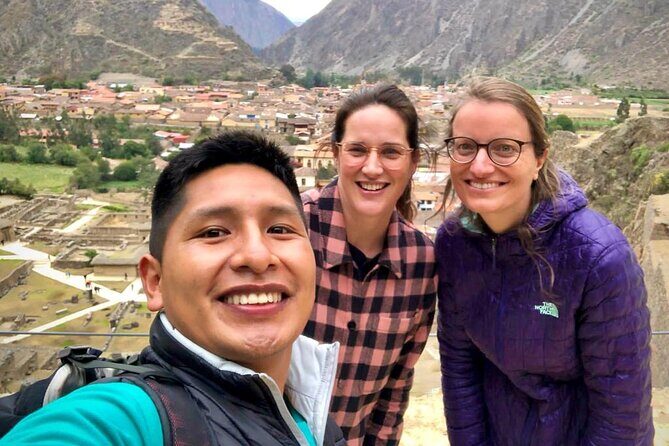
The day runs like a well-timed loop. You’re picked up from Plaza Regocijo around 7:00 AM, then transported to the Sacred Valley sites in a private vehicle for the day. At the end, you’re dropped back at Plaza Regocijo near Cusco’s main square, Plaza de Armas.
I like small groups for one simple reason: you can stay engaged instead of tuning out. With up to 9 people, the guide can pace explanations based on questions, and you’re less likely to lose track of the group at busy sites.
Also, a good driver matters here. One guide-and-driver pairing that stands out from feedback is Luis, described as “on the ball” and focused on safety—exactly what you want when roads curve and the schedule is tight.
You can also read our reviews of more tours and experiences in Cusco.

Pisac Hilltop Ruins and the Taray Viewpoint
Pisac is the first big emotional hit of the day, and the morning setup helps. Before you even reach the main ruins, there’s a quick stop at a viewpoint in Taray. From there, you can look down into the valley and spot the Urubamba River snaking through the villages below.
Then you head up to Pisac, where you’ll drive to the main entrance and get a guided tour of the hilltop complex. This is one of the classic Sacred Valley ruins: the views are dramatic, but the real payoff is learning how the site relates to the valley communities.
After the ruins, you descend to Pisac’s main plaza. On weekends, the narrow cobblestone streets can fill with local vendors and handicrafts. This can be great if you like browsing and people-watching, but if you prefer pure ruins time, it’s smart to have a quick plan so you don’t get stuck in a shopping shuffle.
Urubamba Buffet Lunch: The Included Break You’ll Appreciate
Once you’ve worked your way through Pisac, the tour shifts to a practical rhythm: lunch in Urubamba. The plan includes a buffet meal at a local restaurant, with about an hour set aside.
I like this kind of included lunch for two reasons. First, it reduces decision fatigue on a packed day. Second, you get a predictable pause before the schedule ramps up again for Ollantaytambo and the later sites.
When the day starts early and involves altitude and lots of walking, a solid meal is not a luxury. It’s what keeps you curious instead of just surviving the clock.
Ollantaytambo Town Planning and the Train Connection
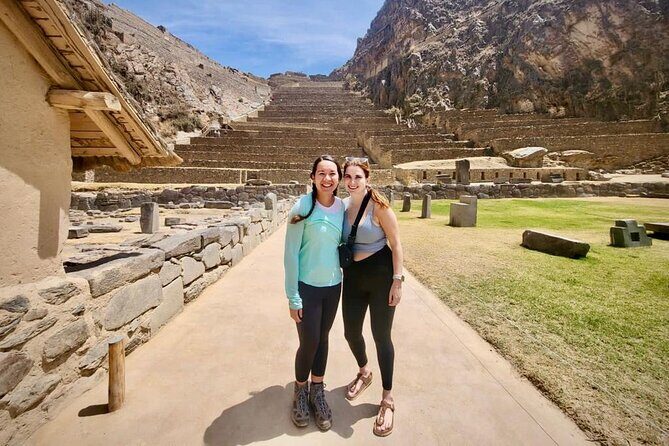
Ollantaytambo comes next, and it’s more than ruins-with-a-view. It’s tied to how the Inca built and lived: the stop focuses on town planning and the way the village and surrounding Inca ruins sit together.
You’ll spend about 1 hour 30 minutes here, including time for a guided visit. The village is described as one of the oldest continuously inhabited places from the Inca era, and it’s often framed as a strong example of Inca urban design.
One practical detail you’ll likely care about: Ollantaytambo is also where you board the train to Machu Picchu—and it’s connected to the Inca Trail departure as well. Even if your plans aren’t for the next day, understanding this connection helps you see Ollantaytambo as an active hub, not just a stop on the way.
Moray’s Circular Terraces: Inca Agricultural Testing
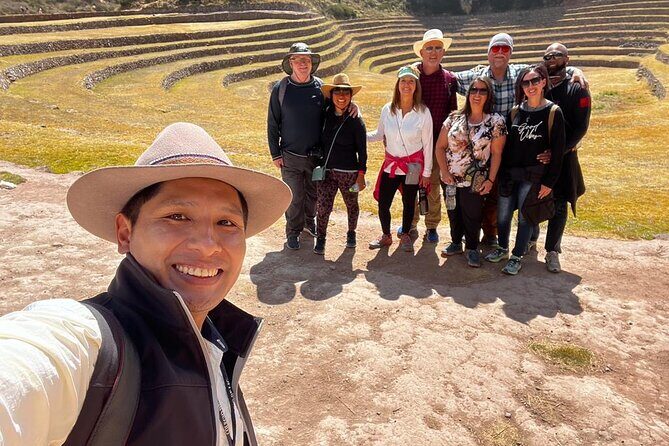
Moray is where the tour turns from “place you visit” to “system you understand.” You’ll get about 1 hour here, and entrance is not included in the base price.
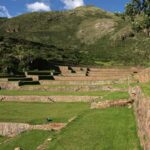
What you’re looking at are circular agricultural terraces. The idea, explained through the guide’s commentary, is that Moray worked like an agricultural laboratory for the Incas. Each level had a different temperature, letting them test which growing conditions fit which crops.
If you like history that explains cause-and-effect—how people solved problems with climate and experimentation—Moray is a highlight. It’s not just the geometry; it’s the thinking behind it.
Tip for your expectations: Moray’s time is set, so don’t plan on long lingering. Go with a few focused questions in mind, and you’ll get more out of the hour.
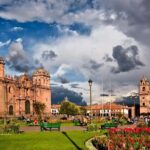
Maras Salt Mines: Solar Evaporation and a Living Tradition
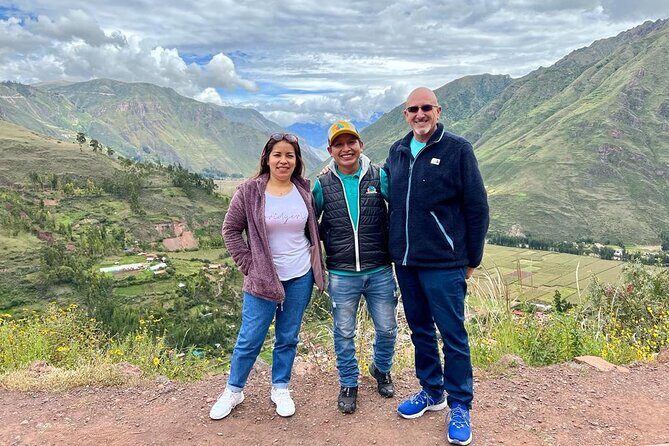
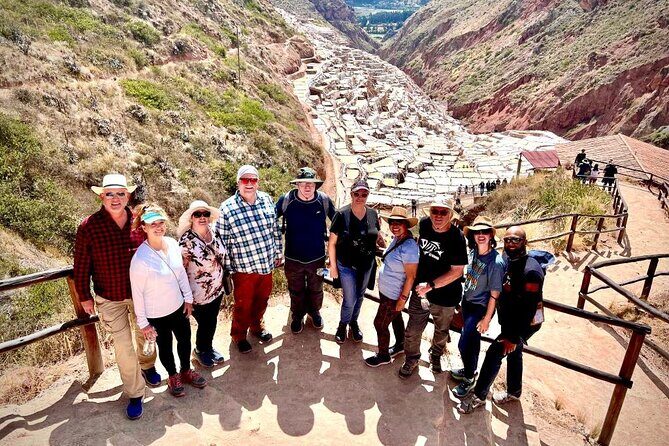
Then comes the Salt Mines at Maras. This stop is about 1 hour, and there’s a specific additional entrance cost listed for Maras.
Maras is famous for its salt production using the traditional solar evaporation method. The tour emphasizes that the practice has been passed down through generations, and local knowledge still plays a big role in how salt farming works today.
This is the kind of place that makes you slow down—not because it’s complicated, but because it’s visually hypnotic. The “lab” idea from Moray has a cousin here: both show how people learned from the environment and then built a repeatable system.
If you’re sensitive to crowds, it’s worth knowing that Maras can be active during the day. The upside is that the guide’s explanation helps you move beyond sightseeing to understanding how the operation works.
Chinchero: Andean Textiles, Pachacutec’s Church, and Terraces
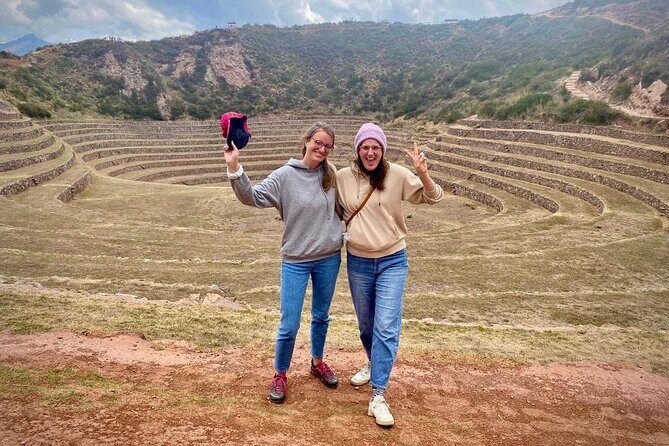
Chinchero is the calmer ending you’re looking for. It’s known for Andean textile work, and the village is described as serene and often overlooked compared to the big-name ruins.
You’ll spend about 1 hour here, and the focus is cultural as much as architectural. Chinchero has a white-washed church that was once a royal palace connected with Inca emperor Pachacutec. Seeing that transition from royal residence to church helps you connect Inca influence with later colonial-era changes.
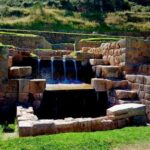
Chinchero also includes farming terraces and water channels. The tour frames this as proof of Inca engineering, especially since the area is described as having fertile soil. If you were paying attention at Moray to how climate mattered, Chinchero offers the next layer: how Inca agriculture shaped daily life in different valleys.
Price and Tickets: What the $99 Covers (and What Doesn’t)
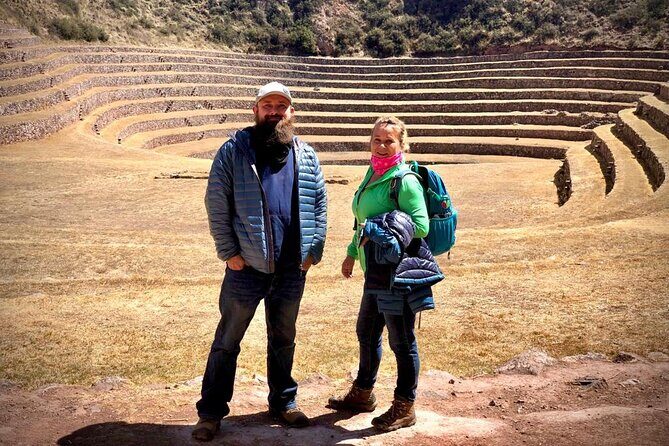
Here’s the practical math. The tour price is $99.00 per person and includes:
- Roundtrip transport
- A bilingual local tour guide
- Buffet lunch in Urubamba
Entrance tickets are not included. The details call out roughly USD 20 (70 Soles per person) for archaeological sites, plus Maras entrance at PEN 10.
So is $99 good value? For a first Sacred Valley day from Cusco, yes—because transport and guide time are real costs, and lunch saves you from scrambling for food halfway through. But you should treat the headline price as the starting point, not the final total.
My advice: budget for entrance fees before you go and carry some cash. Even if some individual stops are listed as not charging, the overall booking info still clearly expects entrance payments at sites.
Timing and Pacing: A Packed Day With a Few Shop Stops
This is one of those “all hits, all day” tours. It totals about 9 hours, and the stops stack up: Pisac, Urubamba lunch, Ollantaytambo, Moray, Maras, Chinchero, then the return to Cusco.
The benefit of this approach is momentum. You see a lot of Sacred Valley in one go, and the guide can connect themes across sites—agriculture, water use, settlement, and how the Incas organized daily life.
The trade-off is time at each place. There’s limited room for slow wandering, especially if you like reading every sign and getting off the beaten path for a moment. Also, some of the day can include local shop stops selling items like silver and alpaca clothing, plus snacks. If you don’t want that, you’ll still have a role—just treat it as optional browsing, not part of the main sightseeing.
A helpful mindset: go in knowing it’s a guided day with set stops, not a flexible “stay as long as you want” style outing.
Guide Experience: When the Person Matters More Than the Script
This tour lives or dies by the guide’s delivery. The best feedback patterns point to guides who explain with patience and energy.
For example, Julio is mentioned as kind and patient, taking time to answer questions. Adolfo is praised for energy and spirit, helping make the experience feel fantastic even for someone who was physically exhausted after weeks of travel and multiple high-elevation hikes. And Luis, the driver, is repeatedly described as careful and safety-focused.
That’s not a small detail. When you’re moving through places like Moray and Maras—where you could easily see “cool ruins” without understanding the why—the guide’s ability to translate the Inca logic into plain talk makes the day click.
Who This Tour Fits Best (and Who Should Rethink It)
This Sacred Valley tour is a strong match for:
- First-time visitors who want a guided overview of the main sites without planning every leg
- People who like cultural context tied directly to what they’re seeing
- Anyone who values a small group size and an included lunch
It may be less ideal if:
- You want long, quiet time at each archaeological site
- You strongly prefer a tour with no shop stops at all
- You’re easily frustrated by tight schedules and short transitions
If you’re unsure, ask yourself what you want most: breadth and a guided storyline, or lots of time and freedom.
Should You Book This Sacred Valley Day?
If you’re aiming for an efficient, guided first taste of the Sacred Valley—Pisac, Ollantaytambo, Moray, the Maras salt mines, and Chinchero—this tour is worth it. The combination of licensed bilingual guiding, included Urubamba lunch, and a small group makes it feel more personal than the big bus style days.
Book it if you can handle a packed schedule and you’re okay treating shop stops as optional. Skip it (or look for a slower alternative) if your ideal day is long pauses, minimal distractions, and maximum time per site.
FAQ
FAQ
What time does the tour start?
Pickup is scheduled for 7:00 AM from Plaza Regocijo in Cusco.
Where does the tour meet and where does it end?
You start at Plaza Regocijo and the tour ends back at the same meeting point.
How long is the Sacred Valley tour?
The duration is about 9 hours.
Is lunch included?
Yes. Lunch is a complimentary buffet provided in Urubamba.
Does the tour include a guide?
Yes. You’ll travel with a bilingual local tour guide.
What group size should I expect?
The maximum group size is 9 travelers.
Are entrance tickets included in the $99 price?
No. Entrance tickets to archaeological sites are listed as not included (about USD 20 / 70 Soles per person), and Maras entrance is listed separately at PEN 10.
Where is the tour’s ticket redemption point?
Ticket redemption is at Pisac, Peru.
Can I cancel for free?
Yes, you can cancel for a full refund if you cancel at least 24 hours before the experience start time.
Who is this tour best for?
It’s best for people who want a guided Sacred Valley day from Cusco, especially those who appreciate cultural explanations and value a small group experience.