REVIEW · AREQUIPA
Sillar Route in Arequipa and viewpoint of the Volcanoes
Book on Viator →Operated by phaway viajes peru · Bookable on Viator
Sillar stone has a way of making Arequipa feel built out of volcano dust. This route is fun because it pairs small-group quarry visits with photo stops that feel more cinematic than you expect. I also like how the drive adds context about the nearby volcanoes, so the geology makes sense. One thing to consider: pick-up can be a bit loose, and you’ll want to plan for flies and dust at the canyon.
The vibe is family-friendly and low-pressure. You’ll ride comfortably round-trip, get a professional guide, and choose either a morning or afternoon start—handy when your Arequipa days are already packed. And because the tour ends a couple blocks from Plaza de Armas (cars can’t enter the square), it’s easy to fold back into your own plans.
For best results, think practical: wear shoes for uneven ground and bring insect repellent. The sites are scenic and protected, but you’re still outside in a working, dry, windy environment where your comfort depends on what you bring.
In This Review
- Key highlights worth aiming for
- Arequipa’s Sillar Route: a geology tour with real photo payoff
- Small-group timing and the “end near Plaza de Armas” trick
- Stop 1: Canteras de sillar Añashuayco murals and the pink ashlar cannon
- Stop 2: Canteras de Sillar Las quarries for the volcanic stone origin story
- Stop 3: Ruta del Sillar and the Culebrillas canyon walk
- Price and logistics: $11 plus a small entrance fee
- Guides, languages, and what to expect if you want English
- What to bring: shoes, bug spray, sunscreen, and a dust plan
- Who this tour is best for (and who might want something else)
- Should you book the Sillar Route and volcano viewpoints?
- FAQ
- How long is the Sillar Route tour?
- What does the tour cost?
- How many people are in the group?
- Is pickup included, and where does the tour end?
- What’s included in the price?
- Are entrance fees included?
- What time does it run?
- Is good weather required?
- Is the tour offered in English?
- What should I bring for the canyon walk?
Key highlights worth aiming for
- Small group size up to 15 for a more personal feel
- Sillar craftsmanship stops where volcanic stone becomes art and architecture
- Las Quimbres/Quarries area: protected volcanic origin views with free entry
- Ruta del Sillar and the Culebrillas walk: a petroglyph canyon built for photos
- Route context about volcanoes during the drive, not just at the stops
Arequipa’s Sillar Route: a geology tour with real photo payoff
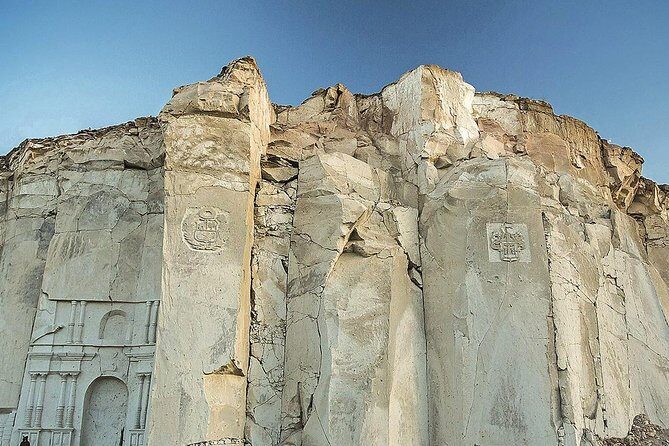
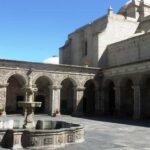
If you like the idea of learning why a city looks the way it does, this tour hits the sweet spot. Arequipa’s signature stone—sillar, a volcanic rock—shows up everywhere in the historic center. On this route, you see where that material came from and how it gets carved, so the city’s famous facades stop being just pretty buildings.
The other part I like is that you’re not just staring at rocks. While you ride between stops, you get explanations tied to the volcanoes nearby. That makes the whole day click: Arequipa’s architecture isn’t random. It’s built from the landscape that created the stone in the first place.
This is also a smart fit for limited time. It’s only 3 to 4 hours, so it works even if you want to see the sights without turning your day into a marathon.
You can also read our reviews of more tours and experiences in Arequipa.
Small-group timing and the “end near Plaza de Armas” trick
The tour runs with an easy rhythm: pick up, three stops, then back toward the city center. You can choose a morning or afternoon start time, which matters in Arequipa because conditions can shift quickly.
A small detail with big impact: the tour ends at Templo de San Agustín, about two or three blocks from Plaza de Armas. The reason is straightforward—vehicles don’t enter the Plaza de Armas area. In practice, that’s fine. You’ll still be close enough to hop right back onto your usual walk routes and restaurant plans.
You’re also capped at 15 travelers. That’s the difference between a tour where you feel like cargo and a tour where you can actually hear the guide and take photos without constantly stopping for a crowd.
Stop 1: Canteras de sillar Añashuayco murals and the pink ashlar cannon
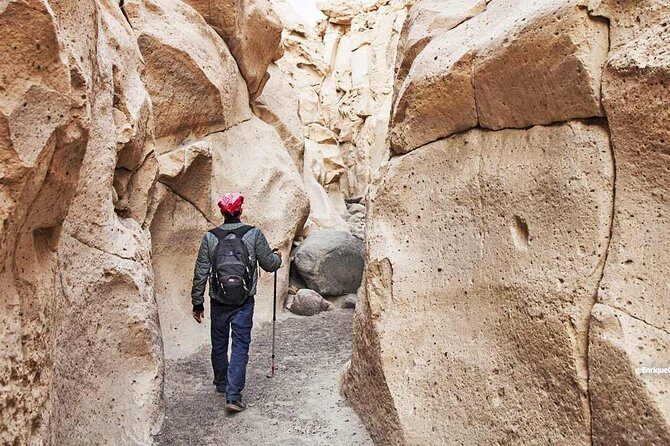
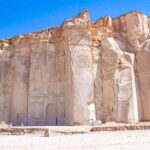
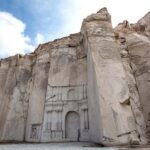
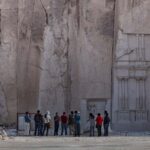
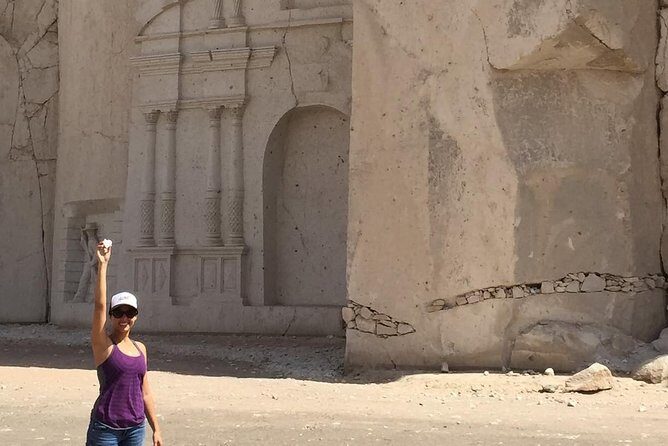
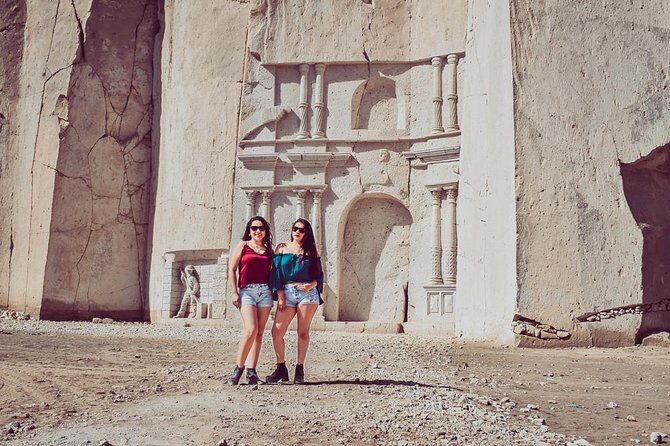
This first stop sets the tone. You’ll visit Canteras de sillar Añashuayco, where you can see murals tied to artisanal carving—the kind of visual storytelling that makes the stone feel human, not just geological.
You also get a peek at the daily routine of the workers in the area, which helps you understand that this isn’t a museum set. It’s a living practice around the stone.
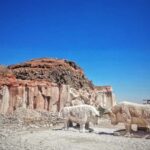
One detail people tend to remember: the small pink ashlar cannon formed naturally. Whether you’re into unusual natural shapes or you just want a striking photo, it gives the tour that moment of surprise.
Practical note on fees: the entrance ticket for this portion is not included, and the tour lists an entrance cost of about $3. If you’re tight on cash, plan ahead so you’re not scrambling at the gate.
How long you’ll be here: around 50 minutes. That’s enough time to see the main carving displays and still enjoy the walk without feeling rushed.
Stop 2: Canteras de Sillar Las quarries for the volcanic stone origin story
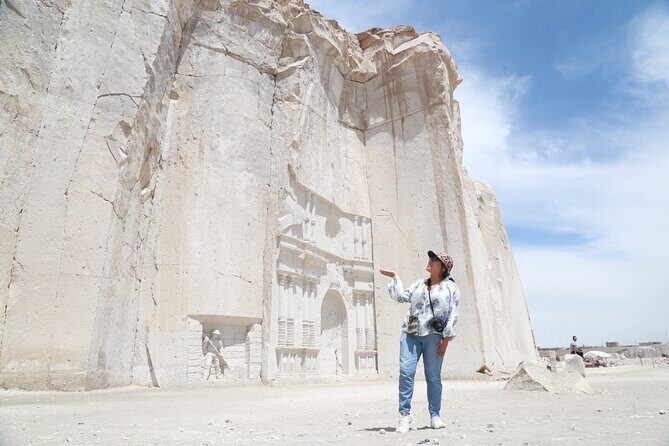
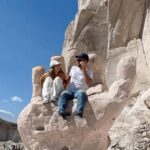
Next comes Canteras de Sillar in the Las quarries area. This site is described as a protected natural area, which changes the feel from stop to stop. Instead of only focusing on people carving stone, you get a clearer look at the raw volcanic source.
This is where the origin story becomes real. You’ll see why the stone behaves the way it does and why it was so useful for building in Arequipa. If you’ve ever wondered how a city got its signature look without imported materials, this is the answer.
Good news for budgeting: admission here is free. So you can focus on enjoying the setting rather than counting money mid-tour.
Time here: around 40 minutes.
Stop 3: Ruta del Sillar and the Culebrillas canyon walk
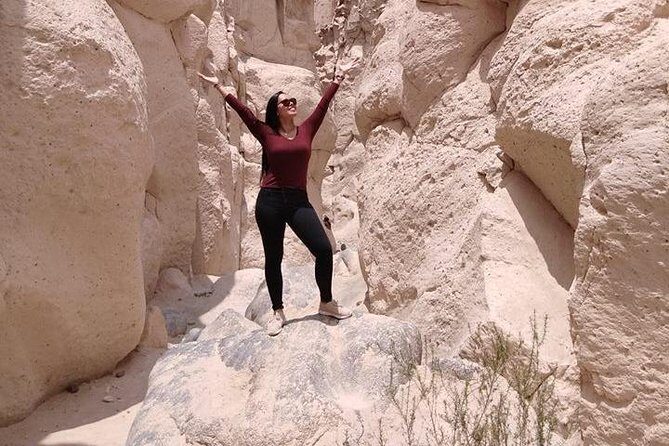
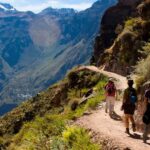
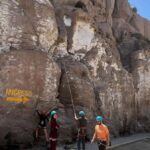
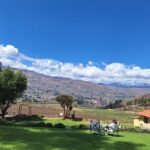
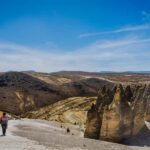
This is the highlight for a lot of people for one reason: you get a real walk in a dry canyon setting with big visual payoff. The Ruta del Sillar area is presented as virgin and protected—meaning it’s treated as an area where you don’t have the usual heavy manipulation around the environment. It’s built for viewing and photos.
The tour description also mentions the shingles road effect, where a small pink ashlar canyon forms naturally. On top of that, there’s a walk to a canyon with petroglyphs—the kind of cultural add-on that makes the trip feel more than a quick quarry stop.
You’ll likely spend about 40 minutes here. That’s enough to walk to the petroglyph area and still return without feeling exhausted.
Now the reality check: this is outdoors, and it can mean:
- dust in the air
- sun and wind changing fast
- more insects around exposed walking areas
Some guides close windows at the right times; sometimes they don’t. If you’re prone to reacting to bugs, go prepared. I’d treat insect repellent as required gear, not optional.
Also consider dust. If you wear a mask normally or you get irritated in dry air, bring one. You’ll thank yourself when the canyon path gets windy.
Price and logistics: $11 plus a small entrance fee
At $11 per person, this tour is priced for value. You’re getting round-trip transportation and a professional guide, and the time investment is reasonable: 3 to 4 hours.
The only cost wrinkle is that entrance is not fully included. The tour notes an entrance ticket of about $3, and the first stop’s ticket is listed as not included. If you hate surprise expenses, plan to carry the small amount so you’re not stuck deciding on the spot.
Cash can be a hassle in Peru. If you’re nervous, withdraw earlier the same day or make sure you’ll have small notes ready.
Transport note: the van or bus is usually comfortable and sometimes has AC. But Arequipa weather outside is the main factor. Pack for the shift between sun and shade and you’ll stay comfortable.
Guides, languages, and what to expect if you want English
This trip leans heavily on explanation. The best ones don’t just list facts; they tie the stone to the city and to the volcano setting.
From the guide names that show up in people’s experiences, you’ll see tour leaders like Alonso, Betsey, Christina, and Jose Jose. Across these experiences, the common theme is that the guide brings stories and history around the region and the volcanoes.
One caution for English speakers: the tour can be multilingual, and your experience may depend on who’s in the group. If you’re the only English speaker, the guide may still do their best, but the flow can shift toward the dominant group language. It’s not a deal-breaker for everyone, but it’s worth knowing so you don’t walk in expecting perfectly timed English at every moment.
The upside: even if the narration shifts, the sites themselves do most of the work. The stone, the canyon, and the petroglyph walk are the main event.
What to bring: shoes, bug spray, sunscreen, and a dust plan
This is an outdoor walking tour in a dry area, so pack like you’re going to walk more than you think you will.
Bring:
- Bug repellent (lots of people mention flies, especially around doors/windows during walks)
- Sunscreen (sun can be strong, even when it feels breezy)
- Good walking shoes for uneven ground (the canyon path can be rough)
- A light mask if dust irritates you
- Layers (Arequipa conditions can move from warm to cool with wind)
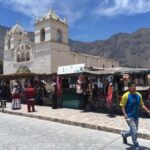
Also, keep an eye on hawkers. They’re common near popular stops. You can be firm, smile, and keep moving—most of the time, they’re just trying to sell, not stopping you from enjoying the place.
Who this tour is best for (and who might want something else)
This is a great choice if:
- you want a short, structured experience in Arequipa
- you like architecture and want the geology behind it
- you want easy canyon walking with strong photo potential
- you’re traveling with family and want a manageable time commitment
It’s less ideal if:
- you only want a deep, long-form explanation (this is brief by design)
- you’re very sensitive to bugs and dust and you forgot repellent
- you need fully guaranteed English-only narration
For most people with a day to spare, it’s a solid way to connect the dots between Arequipa’s buildings and the volcanic landscape around it.
Should you book the Sillar Route and volcano viewpoints?
I’d book it if you want real value: small-group transportation, a guide, and three stops that show sillar from carving to origin to canyon walk. The petroglyph canyon is a strong motivator, and the whole tour fits neatly into a half-day plan.
If you’re on the fence, use this quick checklist:
- You have 3 to 4 hours and want something active but not exhausting
- You can carry a small entrance fee (around $3)
- You’ll pack bug spray, sunscreen, and shoes for uneven ground
If those boxes are checked, this is an easy yes.
FAQ
How long is the Sillar Route tour?
It lasts about 3 to 4 hours, depending on timing at the stops.
What does the tour cost?
The price is $11.00 per person.
How many people are in the group?
The tour has a maximum of 15 travelers.
Is pickup included, and where does the tour end?
Round-trip transport is included. The tour starts at C. San Agustín 102, Arequipa and ends at Templo de San Agustín a couple blocks from Plaza de Armas (vehicles don’t enter the Plaza area).
What’s included in the price?
You get touristic transport and a professional guide.
Are entrance fees included?
No. The tour notes an entrance ticket of about $3 that is not included.
What time does it run?
There are morning or afternoon start times available.
Is good weather required?
Yes. The experience requires good weather. If it’s canceled due to poor weather, you’ll be offered another date or a full refund.
Is the tour offered in English?
You may hear more than one language during the tour, depending on the group. The site descriptions can shift with who’s in the van.
What should I bring for the canyon walk?
Bring insect repellent and comfortable shoes. Also consider sunscreen and a mask for dust; layers can help because conditions can change quickly.