REVIEW · AREQUIPA
Cooking Class Typical Food in Arequipa
Book on GetYourGuide →Operated by Inspires Viagens · Bookable on GetYourGuide
Cooking in Arequipa is fast and practical. In this hands-on class, you’ll learn to make classic Peruvian dishes using local ingredients, in a safe kitchen with a big garden feel. It’s the kind of experience that turns food memories into real cooking skills.
I especially like the typical Peruvian flavors you learn side by side, not just one dish. I also like that you actively prepare a full menu—starter, main, and dessert—so you come away with a complete idea of how Peru eats.
One thing to consider: at this price point, the cooking may still include a fair amount of prep work like chopping vegetables. If you were expecting every minute to be nonstop stove time, you might feel the class is light on that.
In This Review
- Key things to know before you cook in Arequipa
- Why an Arequipa Cooking Class Works Better Than a Food Tour
- The Menus You Might Cook: From Causa to Rocoto Relleno
- Traditional Peruvian Menu
- Traditional Arequipeño Menu
- Marine Menu
- What Happens During the 2 Hours in the Kitchen
- 1) Starter prep: get moving right away
- 2) Main course: where the technique shows
- 3) Dessert: the sweet proof you can repeat at home
- 4) Tasting: you get to judge your own results
- Drinks included
- Instructor Support in English and/or Spanish
- The Value Question: Is $57 Fair for an Arequipa Class?
- Photos, Sharing, and the Garden Kitchen Setup
- Who Should Book This Cooking Class in Arequipa
- Should You Book This Arequipa Cooking Class?
- FAQ
- How long is the cooking class?
- What time does the class run in Arequipa?
- How much does it cost?
- What languages are the instructions offered in?
- What will I cook during the class?
- What menus are available?
- Do I get to taste what I cook?
- Are drinks included?
- Is cancellation free?
- Is there a way to book without paying right away?
Key things to know before you cook in Arequipa
- You cook a full menu: starter, main course, and dessert, not a single recipe
- The menu changes by availability across Peruvian, Arequipeño, and marine options
- You get to taste what you make as part of the experience
- Instructor-led practice in English and/or Spanish, in a safe kitchen
- A garden-kitchen setting gives you room to relax and take photos
- $57 per person can feel fair if you want a hands-on meal you can repeat at home
Why an Arequipa Cooking Class Works Better Than a Food Tour
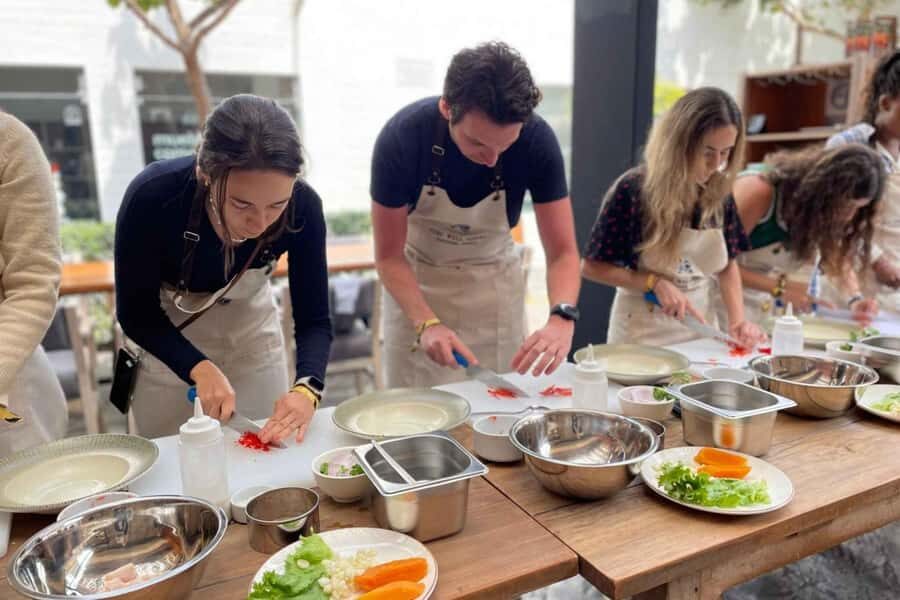
An Arequipa cooking class is a good fit if you like food but hate the “watch and hope” style of experience. Here, you’re not just learning facts. You’re doing the steps—mixing, preparing, and cooking typical dishes—using local ingredients and traditional methods.
What I like most is the way it compresses a lot of Peru into two hours. You won’t leave thinking, that’s one dish I tried. You’ll leave thinking, I get the whole menu flow. That matters, because Peruvian food isn’t only about flavor. It’s also about pacing: starter, main, dessert, then you’re done and ready to talk about it.
The other big advantage is the kitchen environment. The class happens in a large and safe kitchen in a garden setting. Even if you come alone, it tends to feel social without being chaotic. You can share techniques, trade small cooking notes, and take photos without feeling like you’re in someone’s cramped home.
You can also read our reviews of more food & drink experiences in Arequipa


The Menus You Might Cook: From Causa to Rocoto Relleno
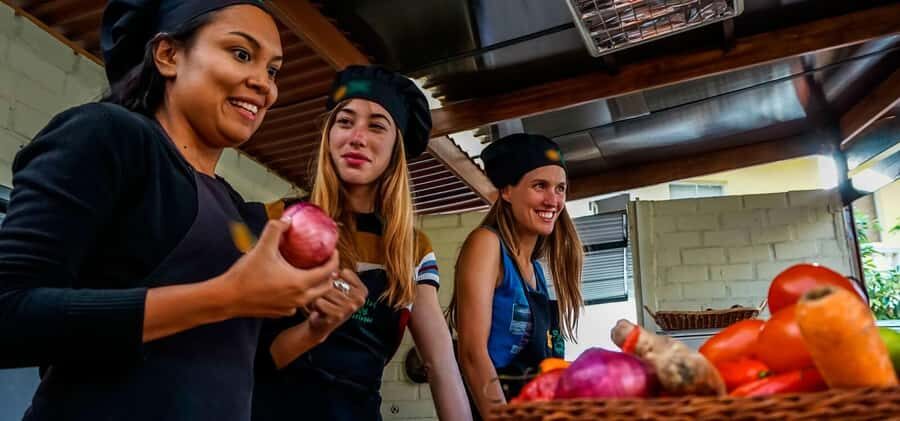
This class builds around a practical goal: cook a Peruvian menu from scratch, following the instructor’s guidance. The exact menu depends on what’s available, but you can choose the spirit of the meal based on the option you get.
Traditional Peruvian Menu
You may cook:
- Causa
- Lomo Saltado
- Dessert
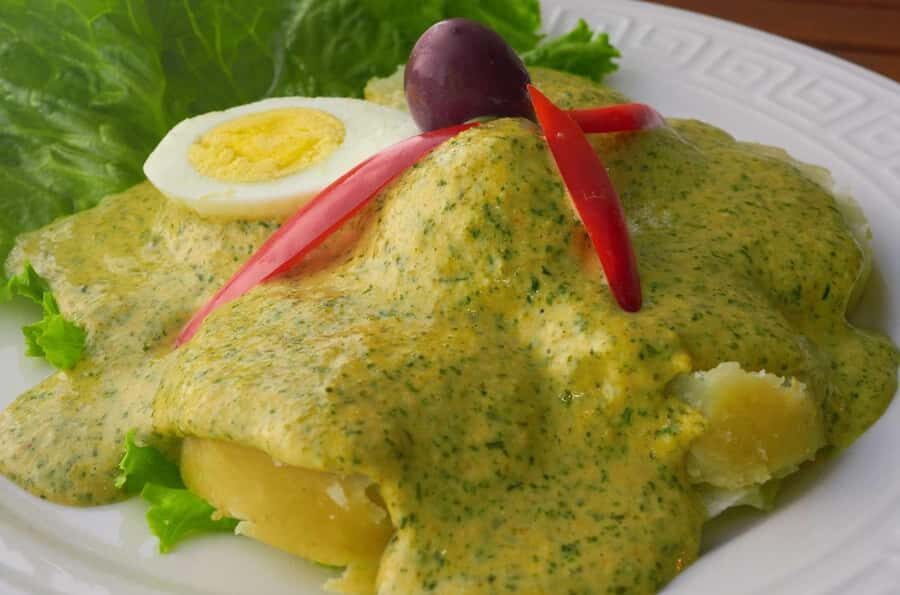
This combo gives you a nice snapshot of classic Peruvian eating. Lomo saltado is the kind of dish that instantly tells you Peru can be bold and savory without being complicated. Paired with causa, it helps you see how the flavors and textures shift across courses. And because dessert is part of the same menu, you don’t end with only a savory high note.
Traditional Arequipeño Menu
You may cook:
- Queso soltero
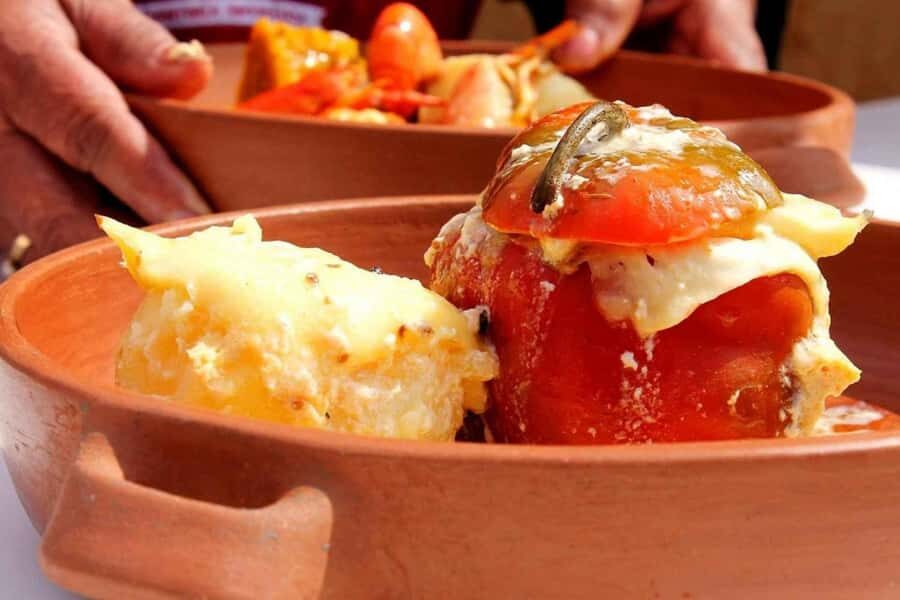
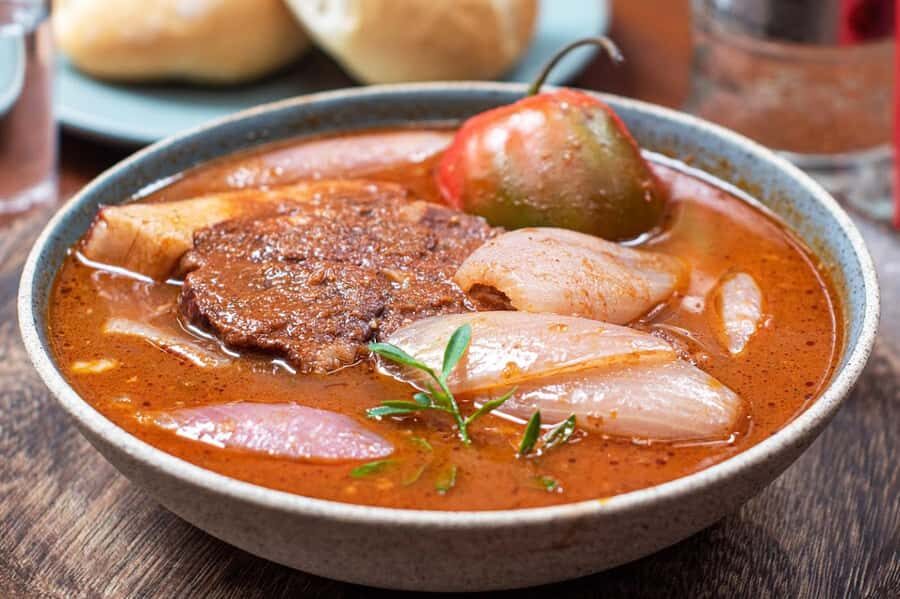
- Rocoto relleno
- Dessert
If you want something that feels specifically rooted in Arequipa, this is the menu to look for. Rocoto relleno brings a distinctive, strong profile, and it’s the type of dish where technique matters. The instructor’s step-by-step approach is especially useful here, because you want your final result to look right, not just taste acceptable.
Marine Menu
You may cook:
- Ceviche
- Pescado a la chorrillana
- Dessert
This menu is for you if you prefer a lighter finish or you want to understand Peru’s seafood side. Ceviche is often a favorite because it’s recognizable, but it still requires careful preparation. Then pescado a la chorrillana adds a second seafood course so the menu doesn’t feel like one-note sightseeing.
One practical tip: because the menu is based on availability, go in with flexibility. Decide what you want to learn overall—hands-on Peruvian cooking—and let the specific dishes be part of the fun.






What Happens During the 2 Hours in the Kitchen
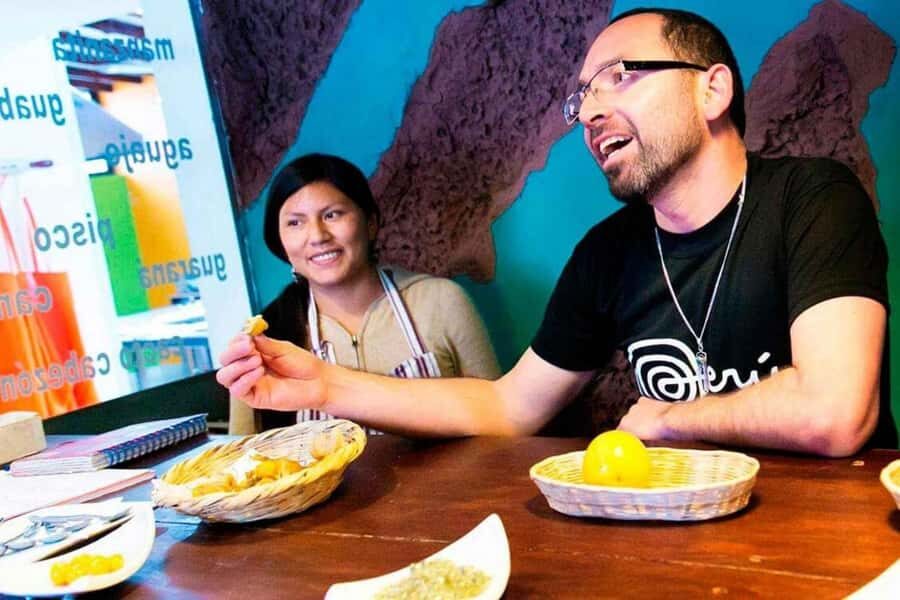
The class is listed as about 2 hours, with a schedule of 1 hour and 45 minutes. It runs Monday to Saturday at 11 a.m. and 4 p.m. So you’re not signing up for an all-day food adventure. This is a focused, instruction-led cooking session designed to get you producing real food fast.
1) Starter prep: get moving right away
You start with ingredients for a starter, then follow practical instructions to prepare it. The point isn’t only taste—it’s learning the steps. You’ll be using ingredients included in the price, and you’ll work in a kitchen space designed for safety and active cooking.
2) Main course: where the technique shows
Next comes the main course. This is where you’ll feel the difference between reading about food and actually doing it. If the menu includes lomo saltado, rocoto relleno, ceviche, or pescado a la chorrillana, the main course steps are likely where you’ll spend the most time—mixing, cooking, and assembling.
3) Dessert: the sweet proof you can repeat at home
Dessert completes the menu. It’s included, which I like, because it makes the class feel like a full meal rather than a cooking demo with a token sweet finish. It also gives you an extra recipe you can practice after your trip—useful when you want to share Peru with friends.
4) Tasting: you get to judge your own results
At the end, you taste what you made. That’s a big part of the value. It closes the loop: you learn the method, you follow the steps, and then you taste the outcome while it’s still fresh.
Drinks included
Soft drinks and water are included. That’s a small thing, but it removes one more decision so you can focus on the cooking.
Instructor Support in English and/or Spanish
This is an instructor-led class with an instructor available in English and/or Spanish. That matters because typical dishes have specific techniques, not just generic instructions. When you can ask questions, you’re less likely to end up with a meal that looks off or tastes bland.
You’re also not stuck alone with your cutting board. The learning style is practical: you follow the instructor’s guidance while preparing your menu. That’s what turns it from a hands-on activity into actual skill-building.
I’d think of it as cooking with training wheels. You do the work, but you also get corrections and real-time tips so you can finish confidently.
The Value Question: Is $57 Fair for an Arequipa Class?
$57 per person is not a budget impulse buy, so you should judge it based on what you want out of the experience. Here’s how I’d weigh it.
You’re paying for:
- ingredients for starter, main, and dessert
- use of a large, safe kitchen
- live instruction in English and/or Spanish
- tasting of what you prepare
- soft drinks and water
- a setting that supports sharing and photos
If your goal is to learn a complete Peruvian meal you can recreate, the value can make sense. You’re not just paying for a recipe. You’re paying for a structured cooking lesson plus the ingredients and tasting.
But there’s a warning sign to consider: one negative experience flagged the class as expensive for what felt like mostly chopping vegetables. So if you personally dislike prep-heavy cooking, or you expected nonstop stovetop action, temper expectations. In any cooking class, some prep is part of the deal—but the balance between prep and cooking is what determines whether it feels worth it.
My practical advice: when you book, make sure the class description clearly matches what you want—active cooking, not just basic prep. And go in hungry. You’re going to taste everything you make, and that’s part of the point.
Photos, Sharing, and the Garden Kitchen Setup
This class isn’t just about food; it’s also about atmosphere. The cooking happens in a large kitchen space in a garden environment. That likely helps the experience feel more relaxed and less stressful than a cramped indoor setup.
You also have opportunities to share with other visitors—exchanging experiences and taking photos. Even if you’re not a talkative person, having a shared task (a menu coming together) makes conversation natural. You can pick up little tips just by watching how someone else approaches the same steps.
And the garden-kitchen vibe is practical too. It gives you room to move and less chance of feeling like you’re bumping elbows constantly.
Who Should Book This Cooking Class in Arequipa
This experience is a strong match for:
- people who want hands-on cooking rather than a food walk
- travelers who like classic Peruvian cuisine and want a “menu” learning experience
- couples or solo travelers who want structure plus social conversation
- anyone who likes the idea of bringing home cooking skills, not only photos
It might be less ideal if:
- you’re very sensitive to prep time and expected it to be mostly cooking
- you’re looking for a super-deep, technical culinary workshop (the format is a short menu lesson)
- you’re on a tight budget and want to keep costs low
If you’re the type who loves lomo saltado, ceviche, or Arequipa-style flavors like rocoto relleno, this is also a great way to go beyond eating and start understanding how the food comes together.
Should You Book This Arequipa Cooking Class?
If you want a practical, structured way to learn typical Peruvian and Arequipeño cooking in a safe kitchen setting, I’d say yes—especially if you like the idea of cooking a full starter-main-dessert menu. The big strengths are the hands-on approach, the included ingredients, and the fact you get to taste what you make.
Just book with eyes open. The class may include prep work like cutting vegetables, and at $57 you should expect a real learning experience, not a minimal effort activity. If you’re the type who needs lots of active cooking time, you may want to manage expectations and aim for a menu that excites you.
Overall: this is the kind of experience that turns a Peru trip into something you can repeat later. And when you can cook a dish again at home, that’s where travel memories stop being only photos.
FAQ
How long is the cooking class?
The class is listed as about 2 hours, with a typical duration of 1 hour and 45 minutes.
What time does the class run in Arequipa?
It runs Monday to Saturday at 11 a.m. and 4 p.m.
How much does it cost?
The price is $57 per person.
What languages are the instructions offered in?
The instructor provides support in English and/or Spanish.
What will I cook during the class?
You’ll prepare ingredients for a starter, a main course, and a dessert.
What menus are available?
Menus depend on availability and include a Traditional Peruvian menu, a Traditional Arequipeño menu, or a Marine menu.
Do I get to taste what I cook?
Yes. Tasting of the prepared food is included.
Are drinks included?
Soft drinks and water are included.
Is cancellation free?
There is free cancellation up to 24 hours in advance for a full refund.
Is there a way to book without paying right away?
Yes. There’s a reserve now and pay later option.