REVIEW · AREQUIPA
Tour to the Salinas Lagoon and National Reserve in Arequipa
Book on GetYourGuide →Operated by AREQUIPA EXPLORER Y ACTIVIDADES TURISTICAS · Bookable on GetYourGuide
Early mornings are the price of admission here, because the best views show up fast. This tour brings you from Arequipa to Chiguata for big volcano viewpoints, then on to the Salinas Lagoon for that mirror-like calm on the water. I love how the day mixes salt-flat photo power with real wildlife time, including camelids and high Andean birds; and I also like that the pacing gives you breaks, not just nonstop driving. One thing to plan for: the roads are rough and the altitude can hit, so go in ready for a long, bumpy start.
The overall vibe is straightforward and outdoorsy: you’re leaving at 6:00 am, you’re up high, and you’re spending your time looking, walking a bit, and taking photos. You’ll get a Spanish/English guide, plus pickup from central hotels. If your stomach flips easily in cars, or you’re not acclimatized yet, you’ll want to take that seriously before you book.
In This Review
- Key points before you go
- Early Pickup and the 8-Hour Rhythm from Arequipa
- Chiguata Viewpoint and the Volcano Stop That Sets the Tone
- Salt Flats and Saltpeter Atmosphere at the Salinas Reserve
- Laguna de Salinas: Water Mirrors, Reflections, and Photo Time
- Camelid and Bird Reserve: Your Wildlife Stop Beyond the Photos
- Optional Mini Thermal Wells, ATV Extras, and Practical On-Site Choices
- Guides, Timing, and Why the Whole Day Feels Worth It
- Price and What You Actually Pay for (Including Cash Tips)
- Should You Book This Salinas Lagoon and National Reserve Tour?
- FAQ
- What time does the tour depart from Arequipa?
- How long is the tour?
- Is breakfast included?
- What languages are the guides?
- Is hotel pickup included?
- What ticket cost is not included?
Key points before you go
- Chiguata viewpoint time gives you the volcano scale without rushing
- Salt flats behind PichuPichu are made for wide-angle photos and weirdly cool atmosphere
- Laguna de Salinas is the main event for water-mirror reflections
- Camelid and bird reserve means you’re not just watching landscapes—you’re watching animals
- Optional mini thermal wells can add a fun stop if you’re feeling good at altitude
- Cash helps: the tour ticket isn’t included, and some stops cost extra on-site
Early Pickup and the 8-Hour Rhythm from Arequipa
You start early—6:00 am departure from Arequipa—because you’re crossing into the high Andes where light and conditions change quickly. Plan on a full 8-hour day, and don’t treat it like a quick excursion; there’s real travel time in between the main stops.
The tour includes pickup from central hotels and a short safety briefing before you head out. That matters because this is a day of altitude, long roads, and outdoor walking—small reminders early on help you feel less rushed later.
Also, keep your expectations realistic: some of the beauty is “situational.” If the lagoon doesn’t cooperate with reflections (weather and temperature can play a role), you still get the dramatic color and the wide reserve views. You’re there for the full salt-and-altitude experience, not just one perfect photo moment.
You can also read our reviews of more tours and experiences in Arequipa.
Chiguata Viewpoint and the Volcano Stop That Sets the Tone
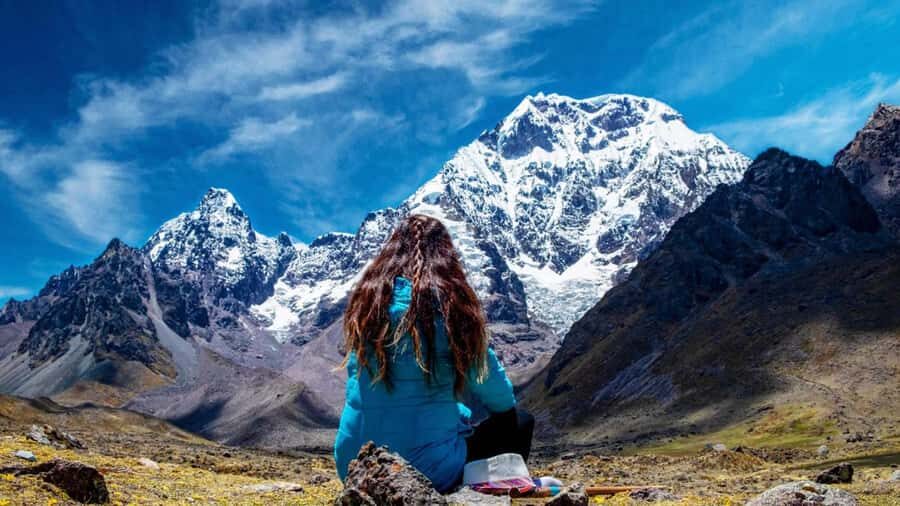
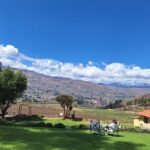
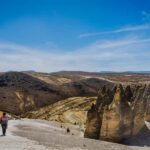
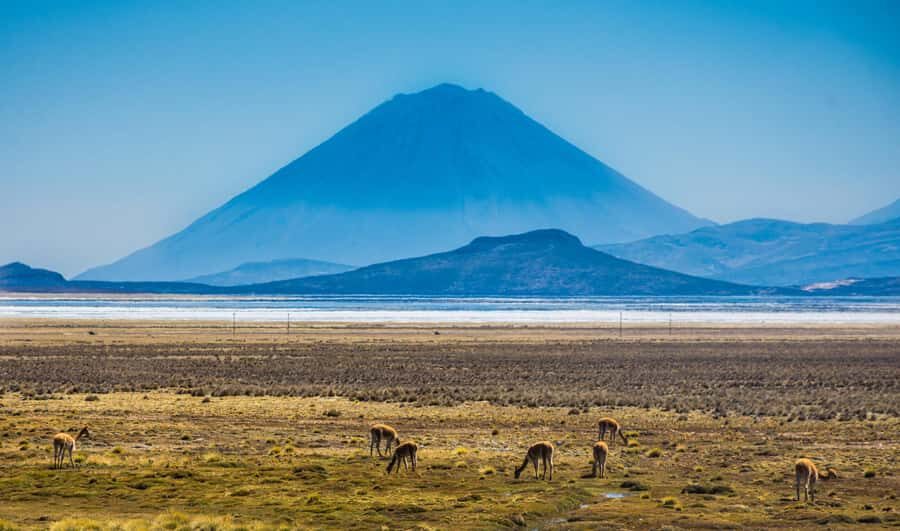
The day’s first big wow is the approach into Chiguata and the viewpoint stop at Mirador de los Volcanes (around 9:00 am). This is when the Andes start feeling less like a backdrop and more like the main character. You get a guided photo-friendly break where volcanoes spread out in a way that feels instantly memorable.
Breakfast comes after your arrival in the area (around 7:30 am), so you’re not starting the climb and walking totally empty. Breakfast isn’t listed as included food, so if you want a meal, you may need to pay at the stop—bring cash just in case.
One more practical note: the drive toward these viewpoints is on curvy dirt/gravel roads. Several people mention the ride can feel intense if you get car sick. If that’s you, pack motion-sickness basics and sit where you can keep your eyes on the horizon.
Salt Flats and Saltpeter Atmosphere at the Salinas Reserve
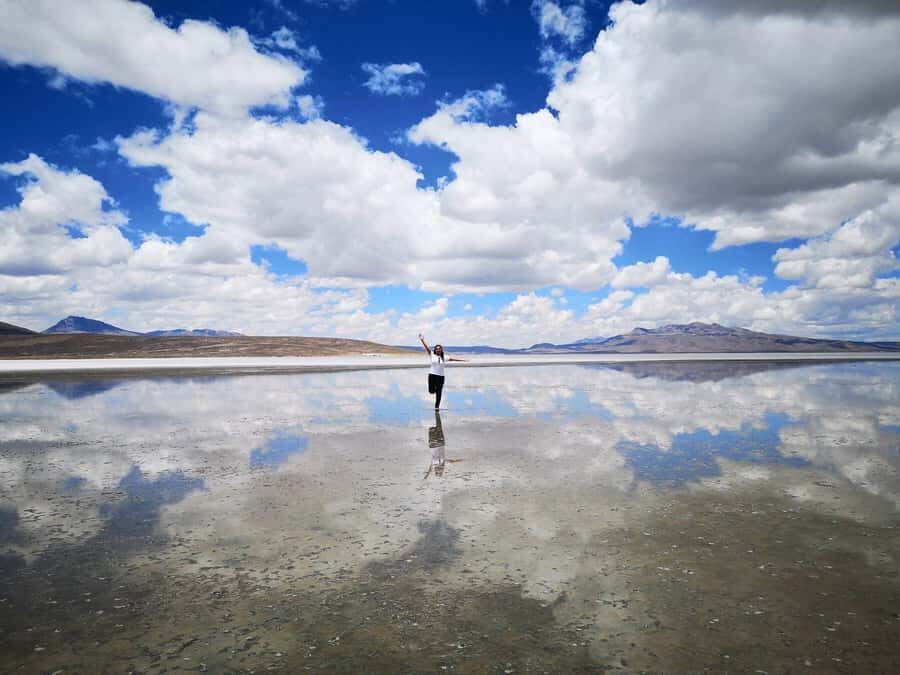
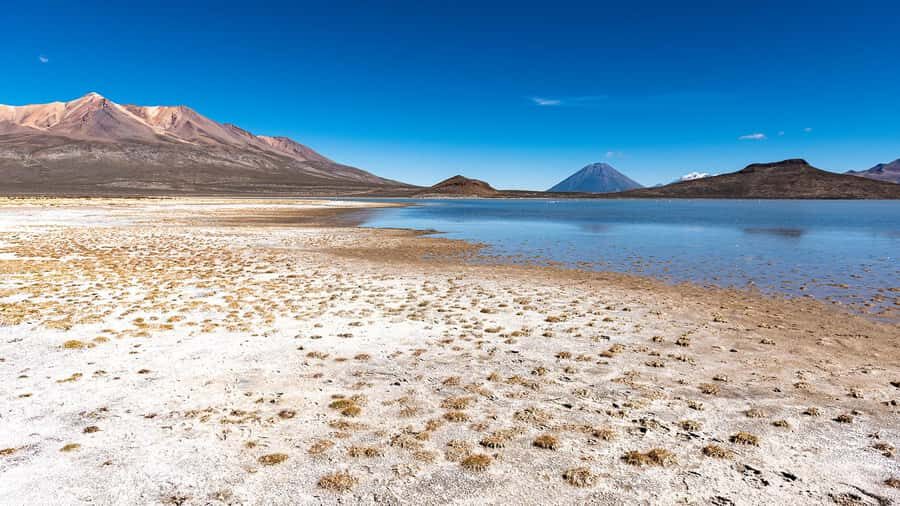
Next you reach the heart of the Salinas reserve, arriving at the extensive salt flat area (around 10:00 am). This is the part that makes the tour feel different from a standard scenic drive. You’re not just seeing salt—you’re seeing the scale and atmosphere of production, with a dramatic, almost otherworldly surface that’s great for photos.
This is also where the day becomes very “hands-on” for your camera. The salt flats can create strong color contrasts and reflection effects depending on conditions, so you can keep shooting from different angles without the need for long hikes.
Behind PichuPichu, the salt flat feels endless. And yes, that’s a challenge for time planning: it’s tempting to keep wandering for one more angle, but you’re on a schedule. Use your free moments intentionally—look first, then shoot.
If you’re sensitive to altitude, keep it easy here. Even if you’re not doing a hard climb, being above 4,000 meters can still make exertion feel harder than it should. One review mentioned altitude concerns around the 4,800 m range, so don’t push through feeling bad.
Laguna de Salinas: Water Mirrors, Reflections, and Photo Time
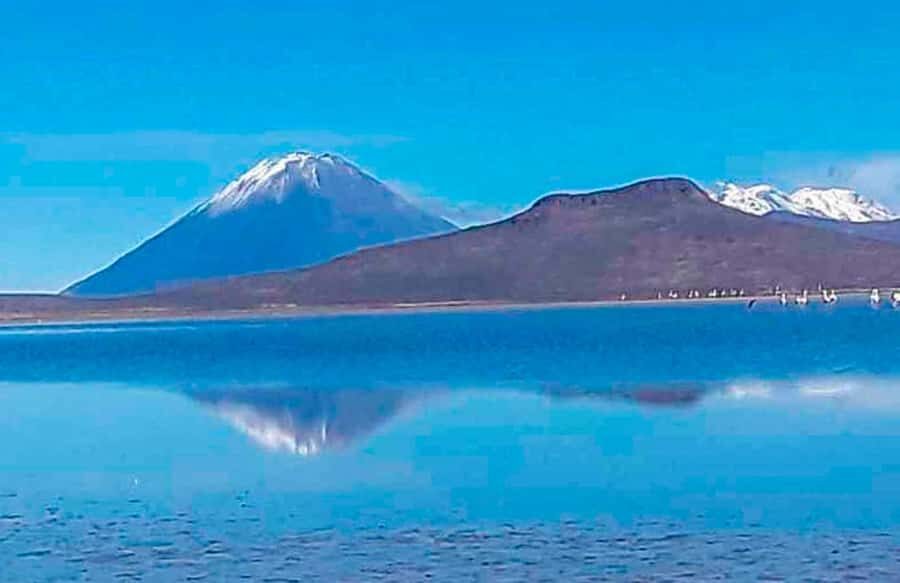
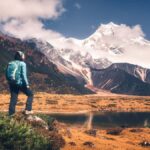
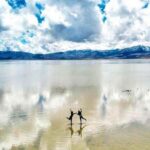
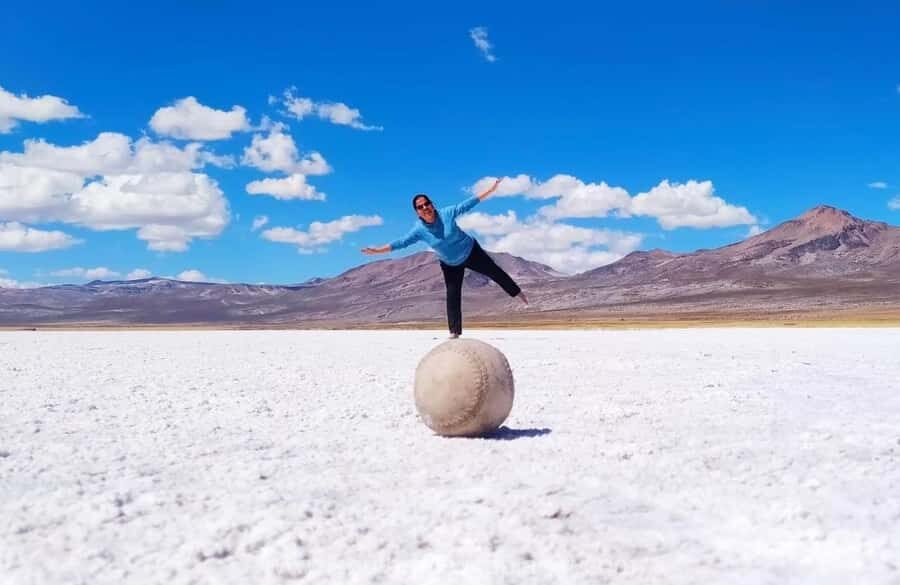
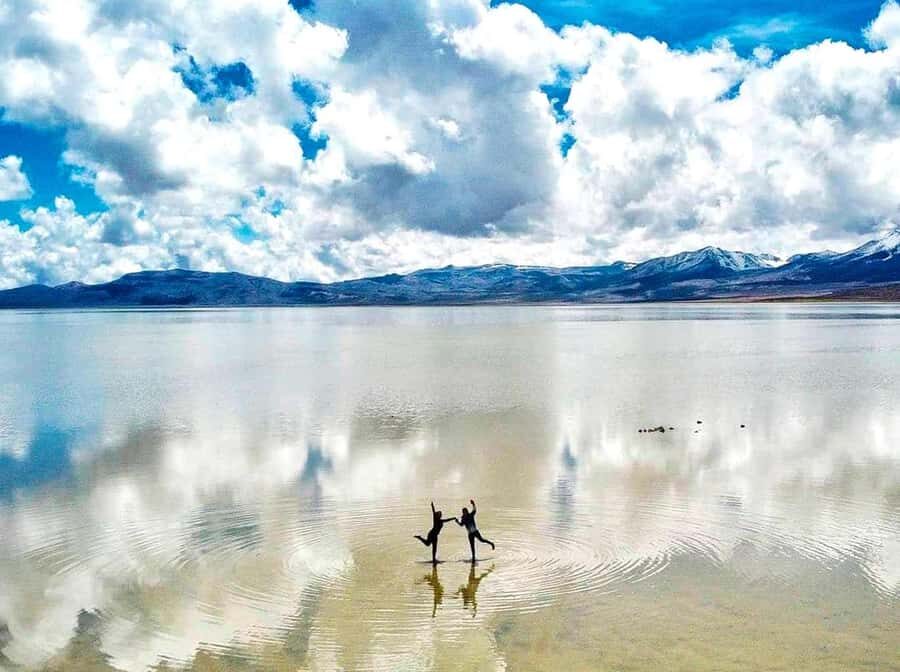
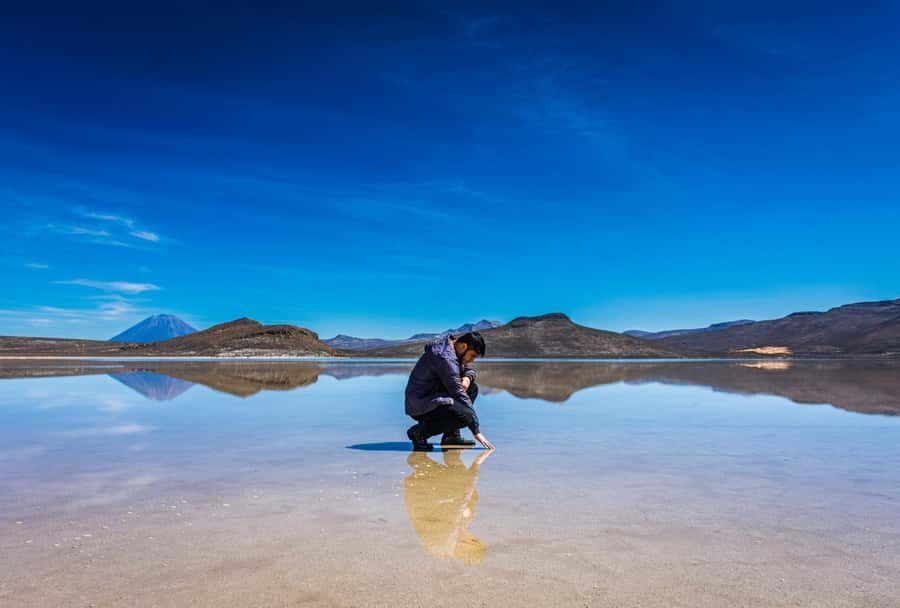
At about 10:30 am, you’re at Laguna de Salinas, the stop most people plan the whole day for. You’ll get the classic water-mirror look when conditions allow, including that reflection effect that makes volcano views look doubled.
This is also the part where you’ll feel the difference between a casual glance and a deliberate photo moment. If the surface is calm, you can get stunning symmetry. If it’s not, you still get the lagoon’s color and the surreal setting of the reserve.
Several people recommend packing patience here. You’ll have time for guided moments and free time, plus walking on-site (your schedule includes a walk segment around 2 hours in this area). Use that time to move slowly—walking helps you find better angles without feeling like you’re sprinting between viewpoints.
One important “real world” caution: in colder conditions, the lagoon may be frozen. A review noted that when it was frozen, reflections weren’t possible, though the scenery was still beautiful. So if you’re chasing mirror-perfect results, understand you’re working with weather.
Camelid and Bird Reserve: Your Wildlife Stop Beyond the Photos
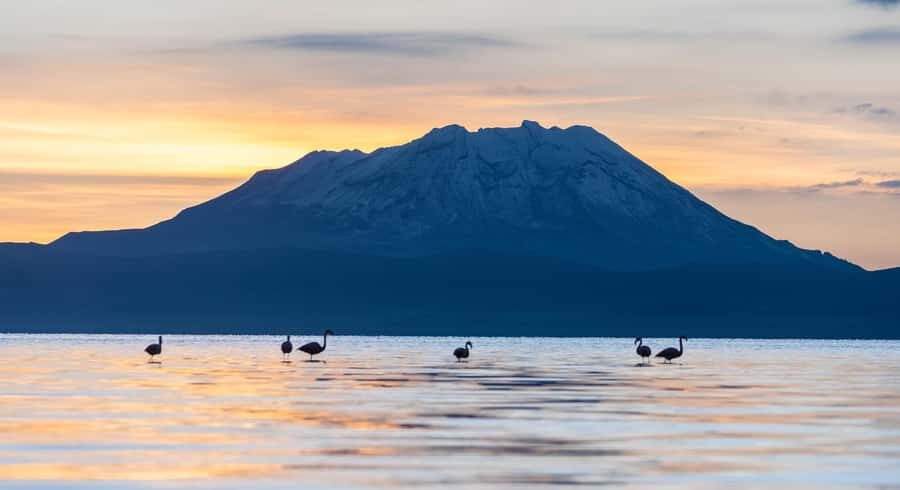
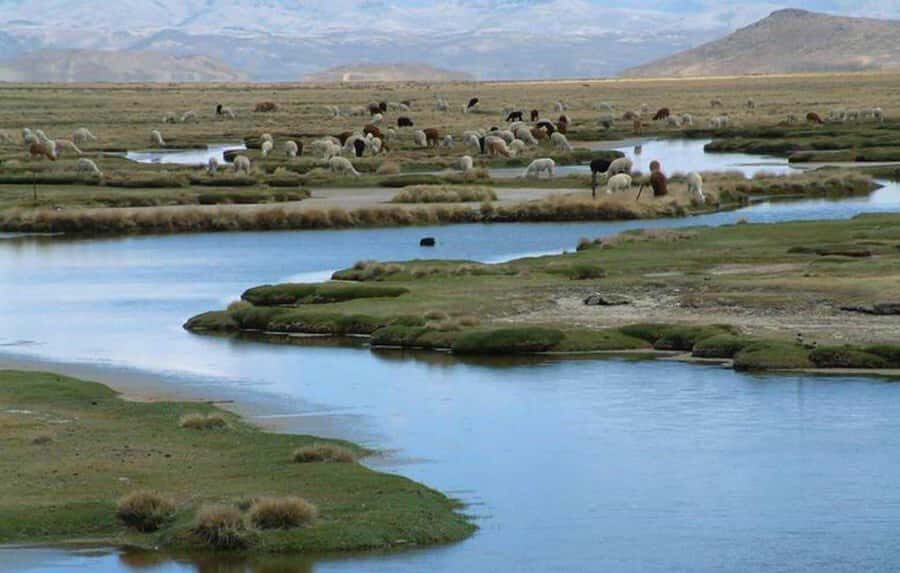
Around 11:00 am, the tour shifts from water and salt to wildlife: a High Andean camelid and bird reserve. This is where the day feels more alive. You’re not just looking at scenery; you’re watching animals in their environment.
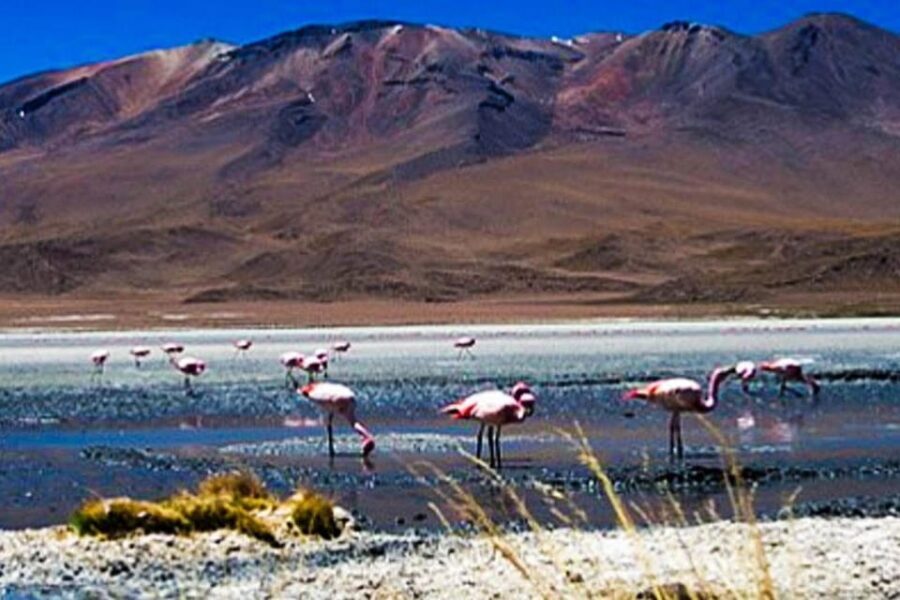
Camelids are the obvious highlight—people specifically mention seeing llamas and alpacas in the reserve area. There’s also time to spot high Andean birds, and one review mentioned seeing flamingos on the lake. That’s not guaranteed, but it’s a good reminder that wildlife can show up when you slow down and look carefully.
This stop also tends to be a good reset if you’ve been photographing for a while. It gives your eyes a break from wide horizons and brings you closer to detail—fur, posture, and how the animals move across the reserve.
Optional Mini Thermal Wells, ATV Extras, and Practical On-Site Choices
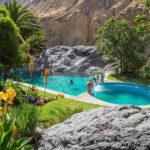
After your main lagoon and reserve time, the itinerary includes optional time for mini thermal wells (around 11:30 pm in the schedule). Because it’s optional, you can choose based on how you feel at altitude and how much you want to sit and soak.
Some reviews say the thermal pool area is small and not everyone loves it. That means you should treat it as a bonus, not a core reason to book. If you’re feeling great and want one last sensory experience, it can be a fun add-on.
For on-site extras, a review mentioned renting an ATV for around 30 soles to drive around the Salinas area. That’s the kind of decision that can make a good photo day even better if you like action—just confirm what’s available in the moment and bring cash.
Also, keep an eye on small optional costs. One review said there were separate payments for breakfast (10 soles), entering the lagoon area (6 soles), and even feeding llamas (5 soles). Even though the tour lists a tourist ticket of 10 soles as not included, on-the-ground expenses can pop up. I strongly recommend bringing some cash so you’re not stuck deciding between photos and snacks.
Guides, Timing, and Why the Whole Day Feels Worth It
A big part of the tour’s value is the guidance quality. Multiple reviews mention guides who are energetic and helpful with photos. Names that come up include Sonny, Uriel, Toni, Roni, Francisco, Mateo, Fernando, Mario, and Hanss. The thread is consistent: they’re friendly, they explain what you’re seeing, and they help people get better pictures.
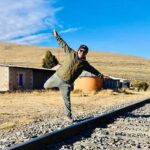
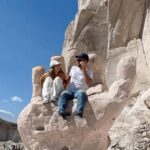
If you care about photos, you’ll likely appreciate the guided photo moments. One review described classic tourist-style perspective photos with props at the Salt Flats/Lagoon area—exactly the kind of fun, slightly goofy memory that fits well with this surreal setting.
Timing is also a quiet strength. You get to Chiguata early, you reach the salt flats in the late morning, and you’re at the lagoon with a reasonable window for reflections (when possible). The schedule isn’t overly rushed, but it does keep you moving—so you shouldn’t expect to linger for hours like a self-guided hike day.
On transport: the ride is often described as long and bumpy, with roads that can feel scary for people not used to mountain driving. A comfortable van helps, but the key is mindset: treat this as a planned road day to reach a unique high-altitude reserve.
Price and What You Actually Pay for (Including Cash Tips)
At $27 per person, the headline price is solid for an 8-hour day that includes a guide, transport, and hotel pickup. The value is in the access: you’re getting a structured route to multiple distinct stops—volcano viewpoint, salt flat production area, lagoon reflections, and a camelid/bird reserve.
But the real budgeting comes from what’s not included:
- A tourist ticket (listed as 10 soles)
- Food (breakfast is a stop, but not listed as included)
Add to that the reality of small optional payments. Reviews mention paying separately for breakfast and other optional experiences. So when you judge value, don’t just compare $27 to lunch money—compare it to a private day with multiple reserve stops, guide support, and pickup.
If you go with a cash buffer—especially for the 10 soles ticket and any breakfast choice—you’ll have a smoother day and fewer decisions under stress.
Should You Book This Salinas Lagoon and National Reserve Tour?
Book it if you want a one-day Arequipa hit that’s genuinely different from city sightseeing. This tour is a strong fit if you like big views, salt-flat photo moments, and wildlife time with camelids and high Andean birds. It’s also a good choice if you prefer organized timing and a guide who can help you get photos rather than struggling with the route alone.
Skip—or rethink—if you know you’re sensitive to rough roads, car sickness, or altitude. The day is long, the drive can be intense, and you’re operating at high elevation. If the lagoon reflections are your only goal, understand conditions can vary, including chances the water may not give mirror effects.
My take: for most people, this is a fair deal with memorable scenery, animal time, and guide support that makes a big difference. Just come prepared with cash, an attitude for bumpy roads, and patience for what the lagoon decides to do that day.
FAQ
What time does the tour depart from Arequipa?
The departure is scheduled for 6:00 am.
How long is the tour?
The duration is 8 hours.
Is breakfast included?
No. Food is not included in the tour price, even though the itinerary includes a breakfast stop.
What languages are the guides?
The guide provides English and Spanish.
Is hotel pickup included?
Yes. Pick up from central hotels is included, and pickup details vary for hotels vs apartments.
What ticket cost is not included?
A tourist ticket of 10 soles is listed as not included.