REVIEW · CUSCO
Pisaq, Ollantaytambo, Chinchero – Sacred Valley Experience
Book on GetYourGuide →Operated by INCA SOUL TOURS · Bookable on GetYourGuide
A day in the Sacred Valley moves fast. You’ll pair Inca stonework at Pisac and Ollantaytambo with real-life Andean culture at the markets and a Chinchero weaving stop that includes a natural-dye demonstration. It’s a strong mix for one day, but it’s also an active day with stairs and short uphill walks on the sites.
I like that this tour is built for variety: ruins, shopping, and food all in one loop from Cusco, with a guide in English or Spanish plus an English audio guide. In reviews tied to this experience, guides such as Nora, Junior, and Freddy (the owner) get specific praise for clear explanations and Inca stories. One thing to plan for: the order of stops can vary by guide and group preference, and the timing can matter if you’re trying to catch a Machu Picchu train.
In This Review
- Key reasons this Sacred Valley tour is worth your time
- Why Pisac, Ollantaytambo, and Chinchero fit together in one day
- Pickup logistics in Cusco: what to expect before the first stop
- The pre-Pisac viewpoint stop: quick photos and early shopping time
- Pisac ruins and terraces: what you’ll notice when you’re up there
- Pisac market: the best place to shop without losing the day
- Lunch break: buffet lunch and what to order when the day is moving
- Ollantaytambo: walking the fortress and seeing why it mattered
- Chinchero: weaving cooperative, natural dye demo, and buying with confidence
- Price and value: does $119 make sense for 9 hours?
- Guide quality and group pace: what to look for on the day
- Rain or shine, walking included: comfort and who this tour fits best
- Should you book this Sacred Valley experience?
- FAQ
- What’s the duration of the Pisac, Ollantaytambo, and Chinchero tour?
- How long do I spend at Pisac Market and the Pisac Archaeological Park?
- Are entrance tickets included for the Inca sites?
- What language is the guide, and is an audio guide provided?
- What’s included in the price?
- What should I bring?
- Does the tour operate in bad weather?
- Is the tour suitable for everyone?
Key reasons this Sacred Valley tour is worth your time
- Pisac Ruins + Pisac Market in the same morning, so you get both the archaeology and the local craft scene.
- Ollantaytambo Fortress feels like a living museum, with massive stone terraces you can actually walk around.
- Chinchero weaving cooperative includes a free demonstration using techniques tied to natural dyes.
- Real guide explanations in English or Spanish, with strong feedback on clarity and memorable stories.
- One-day convenience from Cusco (pickup and drop-off included), with a full schedule at a price that stays reasonable for four major stops.
Why Pisac, Ollantaytambo, and Chinchero fit together in one day
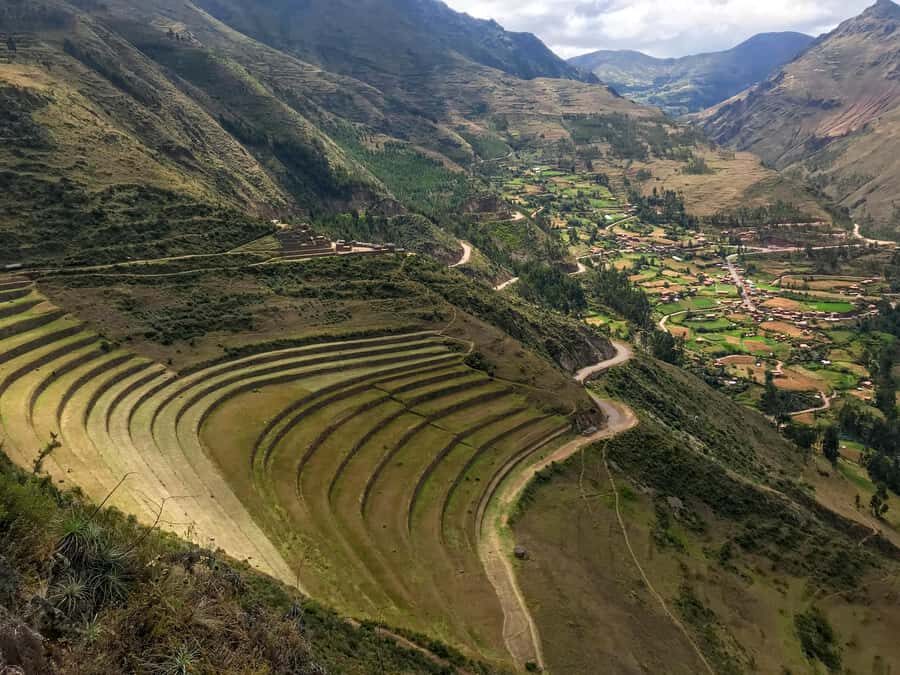
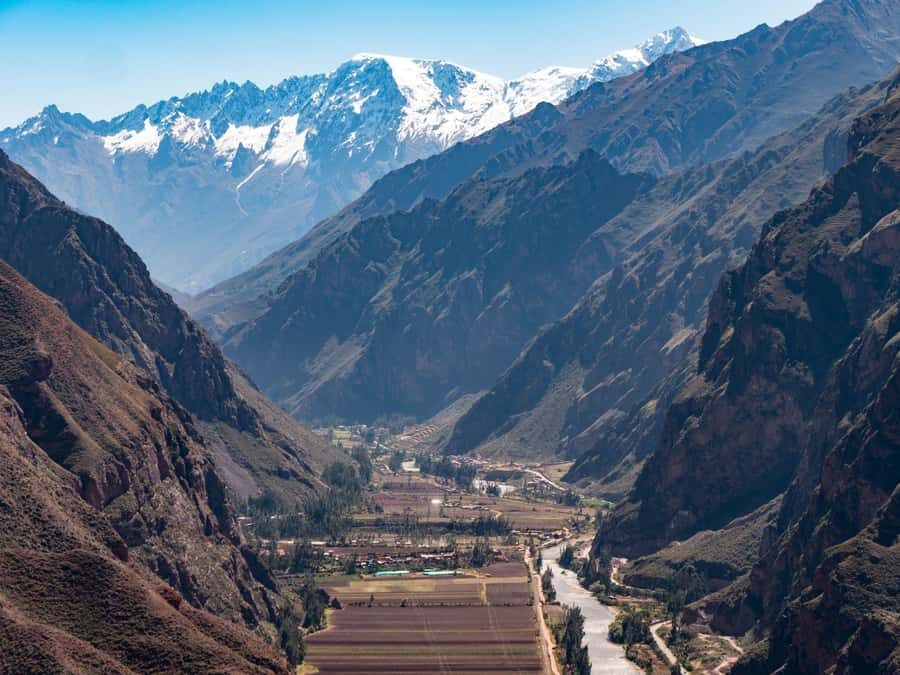
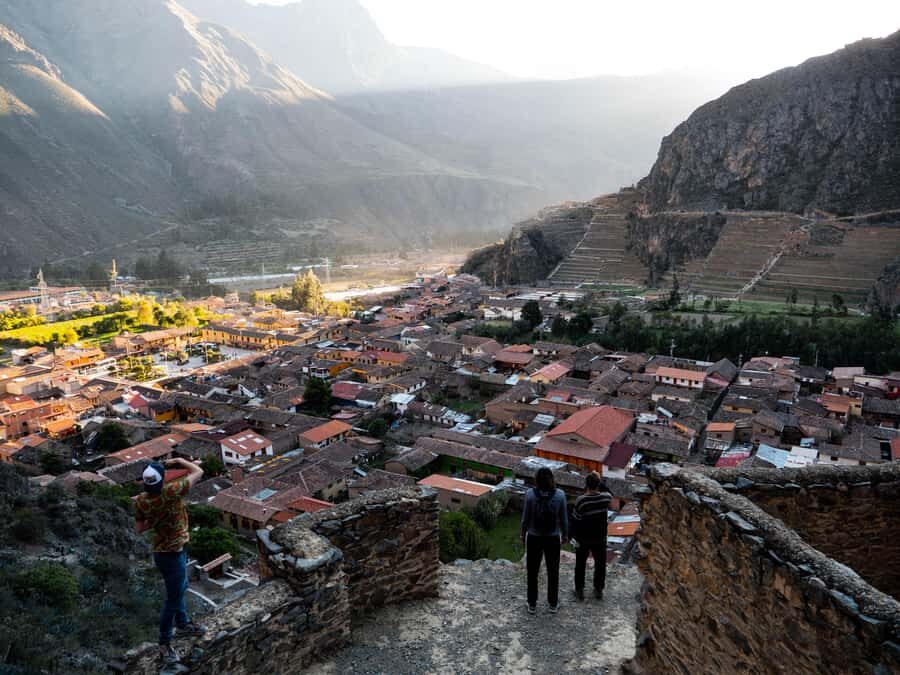
This is the kind of day trip that works because it covers the Sacred Valley in different ways. Pisac gives you the Inca view of the world: terraced farming, tight stone-cutting, and a commanding position above the valley. Ollantaytambo shifts the vibe from agriculture to defense and city planning, with fort-like walls and steep terraces that show how seriously the Incas designed movement through space.
Then Chinchero adds a modern cultural layer. Instead of only looking backward at ruins, you also see craft knowledge still being used—especially the weaving side, including what natural dyes look like in practice and how symbols show up in textiles.
The result is a day that feels balanced: you’ll spend time learning, time walking, and time seeing what people still do today with traditional skills.
You can also read our reviews of more tours and experiences in Cusco.


Pickup logistics in Cusco: what to expect before the first stop
You get hotel pickup and drop-off, with two pickup location options listed: Plaza de Armas (Av. Velasco Astete f5 is also given as a pickup point). Your guide or driver will meet you at your hotel, and you’re expected to wait about 10 minutes before pickup.
The group setup matters. It’s a group activity, so you’ll be sharing time and van space with other people, and the order of activities can change depending on guide criteria and group preference. That’s not a deal-breaker, but it does mean you shouldn’t assume you’ll hit every specific stop at an identical minute on your phone.
Duration is 9 hours, rain or shine. If you’re the type who wants a perfectly relaxed pace, plan for a day that’s more structured than spontaneous.
The pre-Pisac viewpoint stop: quick photos and early shopping time
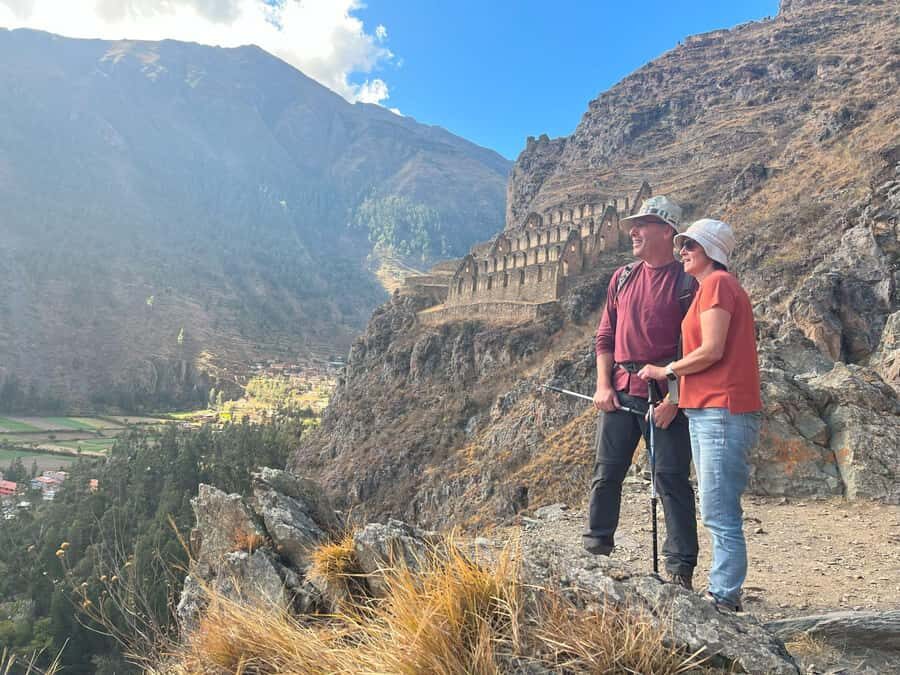
Before Pisac, there’s a photo stop and a short shopping window (about 15 minutes). Think of this as a warm-up: you’ll grab a few valley angles, stretch your legs, and decide whether you want any small purchases early.
If you tend to buy souvenirs impulsively, this is where you’ll feel it most. The best move is to treat this stop as optional browsing, not your main craft hunt. Your real shopping opportunities are later at the Pisac Market and in Chinchero.
Pisac ruins and terraces: what you’ll notice when you’re up there

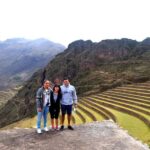
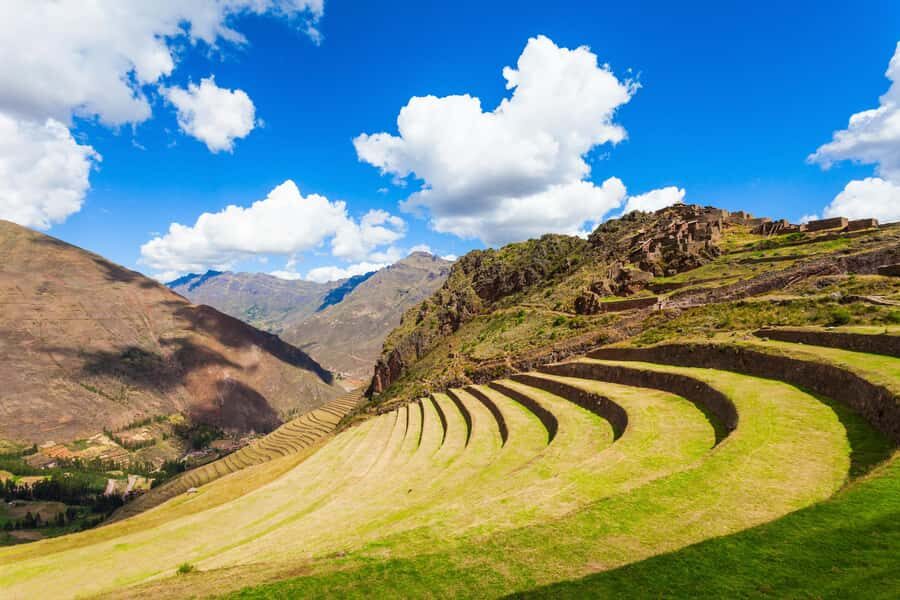
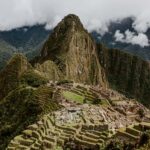
Pisac Archaeological Park is the first major Inca site on the schedule, with guided time plus free time to explore. Plan on about an hour at the site, with a guided walkthrough, photo stops, and time to wander at your own pace.
Here’s what makes Pisac stand out for most visitors:
- Terraces: You can still read the logic of how the land was farmed and managed.
- Stonework: The precision of the cuts is hard to ignore when you can walk near the structures.
- Views: From the right spots, you get a strong sense of why the site is placed where it is.
This tour notes you’ll climb and do small walks on the Inca sites. That matters at Pisac because parts of the ground can feel uneven and you’ll likely move uphill at least in short bursts. If you don’t love stairs, bring a mindset of careful steps rather than speed.
Entrance tickets for the Inca sites are not included, so you’ll want to have that figured out before you arrive. You’ll feel the time pressure less if you’re not scrambling at the gate.
Pisac market: the best place to shop without losing the day
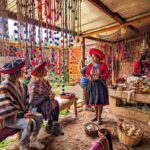
Pisac Market is built into the schedule with a guided visit and time to browse and shop (about 45 minutes). This is where you’ll see textiles, jewelry, and handicrafts in a dense, local setting.
What I like about doing the market on the same day as the ruins is that it makes your shopping smarter. You’re more aware of what you’re buying when you’ve already seen the culture behind it. A textile or alpaca item feels less like a random souvenir and more like something tied to living skill.
Practical tip: set a small budget before you go. The market offers a lot of choice in a short time window, and 45 minutes disappears faster than you expect—especially if you stop to ask questions or compare materials.
Also, bring cash. The tour info specifically lists cash and passport as what to bring, so don’t rely on card payments for everything.
Lunch break: buffet lunch and what to order when the day is moving
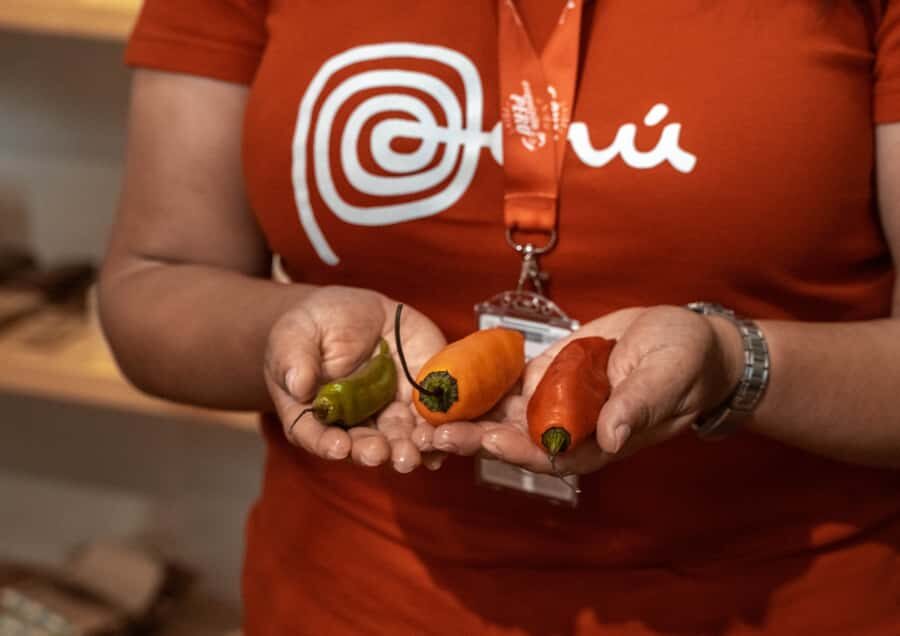
Lunch is included as a buffet (about 75 minutes). The tour’s description calls out Andean options such as rocoto relleno (stuffed spicy pepper), ceviche, and quinoa soup.
If you’re unsure what to try, start with the local comfort classics rather than the most adventurous-sounding item. Quinoa soup is an easy win, and rocoto relleno is a memorable choice if you handle spicy food.
A buffet also works well in a group setting because you’re not stuck waiting for one single dish. That keeps the day on track for the remaining stops.
Ollantaytambo: walking the fortress and seeing why it mattered

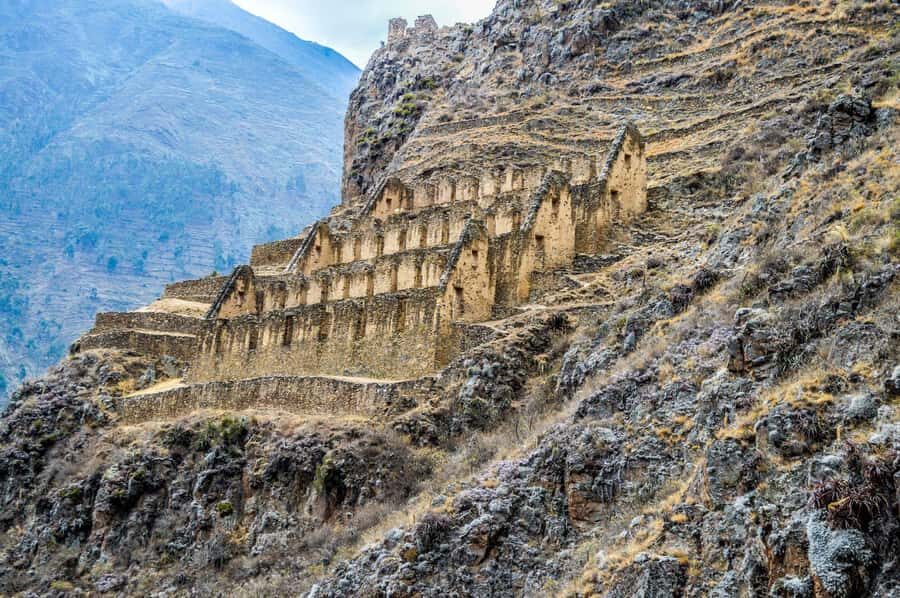
Ollantaytambo is the big “time travel” stop on this route, and the schedule gives it guided time plus walking (about 1 hour). This is an Inca fortress area, and you’ll notice the design immediately: big stone walls, terrace levels, and a sense that this was built to control access and movement.
What’s special here is that you’re not just looking from a distance. You can move through parts of the complex and understand it as a system. That’s why this stop tends to be the highlight for many people.
One key practical note for your planning: there can be a decision point for travelers heading to Machu Picchu. In one set of feedback connected with this experience, the operator offered to leave some people in Ollantaytambo so they could catch their train, and that meant skipping the last town stop on the schedule. If Machu Picchu timing is tight for you, ask early whether your tour can support a train connection—or whether you should consider a different day plan.
Chinchero: weaving cooperative, natural dye demo, and buying with confidence
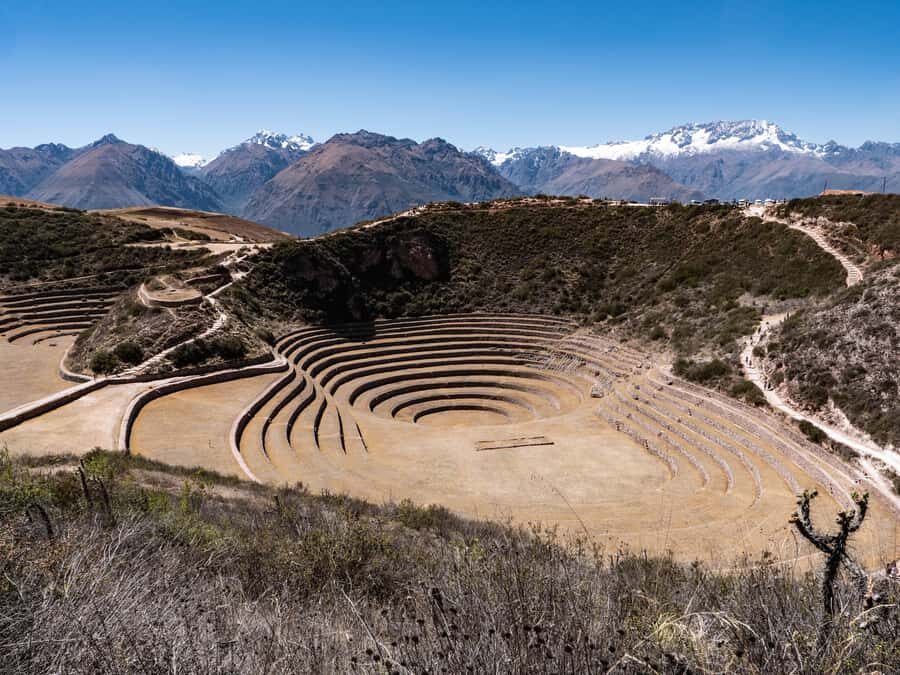
Chinchero is a cultural stop with photo time, a guided visit, and walking (about 1 hour). It’s known for textile traditions, and this tour includes a weaving cooperative visit where you’ll see a demonstration of Andean weaving techniques and natural dyes.
This is where the day shifts from “looking” to “watching process.” If you pay attention, you’ll start noticing the choices that go into a finished textile: symbols, technique, and how dye preparation affects the final color.
You also typically get the chance to purchase handcrafted textiles directly during or after the demonstration. My advice: don’t rush. Compare a few items, ask what the dye source is in simple terms, and check the quality closely rather than just the design. If you buy something, you’ll enjoy it more later when you understand how it was made.
Price and value: does $119 make sense for 9 hours?
At $119 per person for a 9-hour, guided group day with hotel pickup/drop-off and transportation, the value is mainly in logistics and time. You’re paying for a whole route that strings together four major experiences: Pisac ruins, Pisac market, Ollantaytambo, and Chinchero.
What’s not included is also important: entrance tickets for Inca sites. That’s a common extra cost, but it changes the final number you’ll spend. If you want a clean budget, plan for the entrances in addition to the tour price.
Given the structure, this price works best if you want:
- a pre-planned route (less decision fatigue),
- a guide to explain what you’re seeing,
- and a single day that hits multiple Sacred Valley anchors.
If you’re the type who loves slow independent exploration, you might feel a bit rushed. But for many first-timers in the Cusco area, this kind of day trip is the fastest way to get oriented.
Guide quality and group pace: what to look for on the day
Good guides change a Sacred Valley day from photos to understanding. In feedback tied to this experience, Nora, Junior, and Freddy are specifically mentioned for strong English explanations and for Inca stories that made stops feel more personal and clear.
What you can do to get more out of it:
- Ask questions when you have them. Guides here seem comfortable explaining not just what you’re seeing, but why it mattered.
- Use your free time at Pisac Archaeological Park to ask for 2 or 3 pointers, like where stone-cutting is easiest to spot.
- Keep your energy for the climbs. The day is scheduled tightly, so don’t waste your best stamina on unnecessary detours.
Since the tour is group-based, the pace will be set by the slowest realistic movement through sites. That’s normal, but it’s also why comfortable shoes matter.
Rain or shine, walking included: comfort and who this tour fits best
This tour runs rain or shine, so pack for changing weather. The bigger practical point is that you should be ready for small climbs and short walks on the Inca sites. Even if you’re not doing long hikes, the uneven ground and steps can still be tiring over a 9-hour day.
It’s listed as wheelchair accessible, but because there are climbs and walks, I’d treat that as “possible with planning” rather than “easy the whole way.” If you use a wheelchair, confirm with the operator how they handle routes within the sites.
Also, the tour isn’t suitable for people over 331 lbs (150 kg) or over 95 years, according to the provided info.
If you’re generally mobile and you enjoy guided sites and markets, you’ll likely have a good time. If you’re dealing with mobility limitations or you hate stairs, you may find parts of the itinerary demanding.
Should you book this Sacred Valley experience?
Book it if you want a well-paced, first-time-friendly Sacred Valley day that covers the main highlights: Pisac, Ollantaytambo, and Chinchero weaving. At $119, the value is in not having to coordinate transport, guides, and timing yourself—plus you get a full cultural and craft stop, not only ruins.
Consider skipping or switching to a different format if you:
- need a slower day with fewer site climbs,
- strongly prefer to buy souvenirs without time pressure,
- or have tight Machu Picchu train timing and need a plan that locks in those hours.
If you do book, do this before you go: bring cash, your passport, comfortable shoes, and a bit of patience for group pacing. Then focus on one thing at each stop—terraces at Pisac, the fortress layout at Ollantaytambo, and the weaving process at Chinchero—and the day will feel coherent, not rushed.
FAQ
What’s the duration of the Pisac, Ollantaytambo, and Chinchero tour?
The tour runs for 9 hours.
How long do I spend at Pisac Market and the Pisac Archaeological Park?
Pisac Market is about 45 minutes, and the Pisac Archaeological Park stop is about 1 hour (with guided time and free time).
Are entrance tickets included for the Inca sites?
No. Entrance tickets for the Inca sites are not included.
What language is the guide, and is an audio guide provided?
The live guide is offered in English or Spanish, and an English audio guide is included.
What’s included in the price?
Included are hotel pickup and drop-off, private transportation, a buffet lunch, and a guide (English or Spanish).
What should I bring?
Bring cash and your passport.
Does the tour operate in bad weather?
Yes. The tour takes place rain or shine.
Is the tour suitable for everyone?
It’s not suitable for people over 331 lbs (150 kg) or over 95 years, and it’s listed as wheelchair accessible, though the day includes small climbs and short walks on the sites.