REVIEW · CUSCO
From Cusco: Full-Day Touristic Bus to Puno with Guided Tours
Book on GetYourGuide →Operated by PVTravel · Bookable on GetYourGuide
You can turn a transfer day into real sightseeing. This full-day Cusco to Puno bus tour strings together Andahuaylillas, Raqchi, and the sacred Route of the Sun, then finishes with the Pukara Lithic Museum and big Andes views from Raya Pass. Two things I like a lot are the guided time at each major site (enough to ask questions, not just rush photos) and the included Sicuani lunch that feels like a genuine pit stop. The main drawback to plan around is the long day at altitude, especially at 4,335 meters at Raya Pass, even with medicated oxygen on board.
You’ll depart Cusco early, settle into a modern bus with reclining seats, and spend 10 hours crossing the southern Altiplano corridor. You get bilingual guidance in English and Spanish, entrances at the stops, hot and cold drinks on board, and an included buffet lunch. If you’re the kind of traveler who likes clear pickup details, do a quick follow-up before departure, since some communication about ticketing can arrive late.
In This Review
- Quick highlights
- Cusco to Puno by bus: a 10-hour day with real purpose
- Andahuaylillas: the Andes Sistine Chapel for murals and gold
- Raqchi: the Inka temple and the Route of the Sun
- Sicuani lunch: buffet comfort between big sights
- Raya Pass at 4,335 m: Andes views with altitude in mind
- Pukara Lithic Museum: artifacts and the archaeological site
- Price and comfort: what $130 really buys you
- Who this tour fits best (and who should think twice)
- Before you go: what to bring and what to watch for
- Should you book this Cusco to Puno tour?
Quick highlights
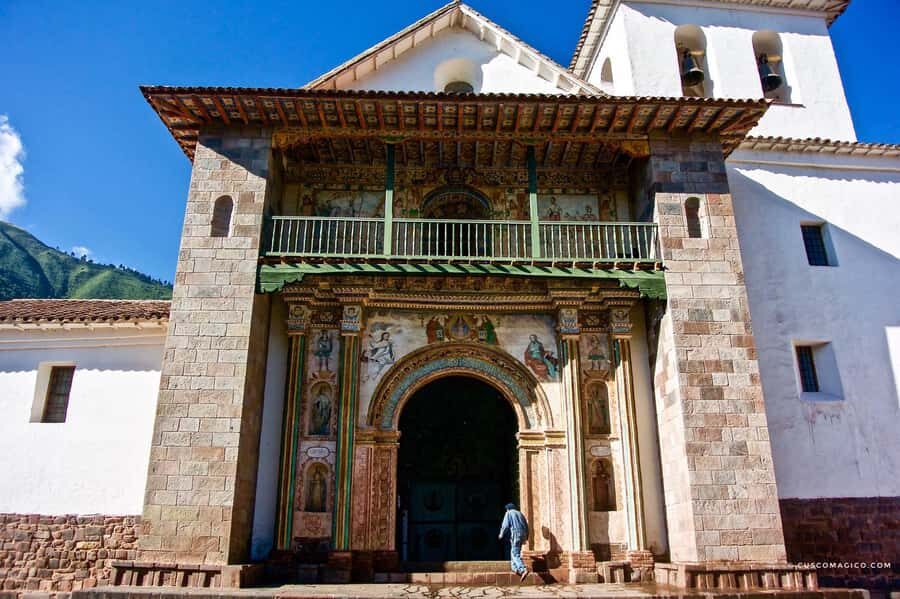
- Andahuaylillas, the Andes Sistine Chapel: gold-and-mural artistry in a 16th-century church
- Raqchi Inka temple grounds: a strong sense of sun-worship traditions
- Sicuani buffet lunch: a simple break in a small town between major stops
- Raya Pass viewpoint at 4,335 m: panoramic Andes views plus souvenir vendors
- Pukara Lithic Museum: Inkan and Aymaran culture through artifacts and the archaeological site
Cusco to Puno by bus: a 10-hour day with real purpose
Taking the road from Cusco to Puno is usually a trade-off: you either go fast and see nothing, or you go slow and soak up the Andes. This tour lands in the better middle ground. It’s designed for transfer, but it treats the drive like part of the experience, not dead time.
Expect an early departure from Cusco and a steady flow of stops along the southern Altiplano. Each main visit is short enough to keep energy up—usually 20 to 40 minutes—but long enough to get the story behind what you’re looking at. That matters on a day like this, because you’ll be bouncing between different eras of Peruvian history without getting bored.
The bus part is also thought through. You’re in modern buses with comfortable reclining seats, and there are hot and cold drinks available onboard. That sounds minor until you’re spending hours on the road and don’t want to waste energy hunting for something to drink.
Value check: At $130 per person, you’re paying for transport plus multiple guided site visits and entrance fees. That’s why it can be cheaper than doing the same stops on your own day by day, especially if you’d otherwise need separate tickets and guiding.
You can also read our reviews of more guided tours in Cusco
Andahuaylillas: the Andes Sistine Chapel for murals and gold
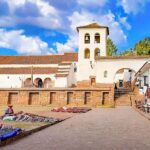
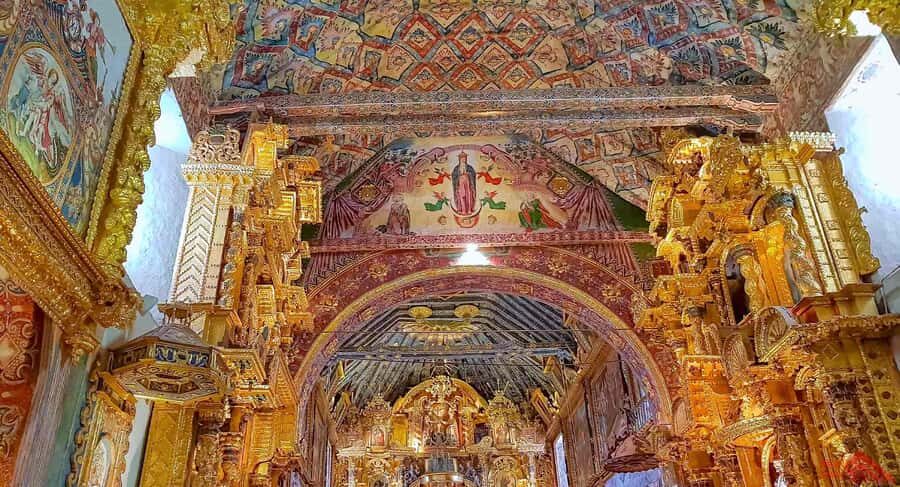
Your first guided stop is St. Peter the Apostle of Andahuaylillas, often called the Sistine Chapel of the Andes. It’s a 16th-century church known for elaborate murals and gold embellishments, and it’s the kind of place where your eyes keep finding new details after you think you’ve already seen the main features.
Here’s why this stop works so well in a Cusco-to-Puno route: it sets the tone for Peru’s layered history. You’ll be looking at artwork and decorative elements tied to the colonial era, but the feel of the church also reflects how different cultural worlds met in the region. If you like learning to read a place—why a church looks the way it does, and what people wanted to communicate—this is a strong start.
Timing is part of the experience. You only have about 20 to 40 minutes there, so go in with a plan: take a few minutes to look upward and across the main mural areas first, then circle back to the details near the gold ornamentation. And yes, bring your camera, but also spend a minute just watching how the murals catch the light.
Possible drawback: if your tour group hits the site during a busier moment, you might feel the clock a little. The upside is that the guidance helps you prioritize what’s most important to see in the time you have.
Raqchi: the Inka temple and the Route of the Sun
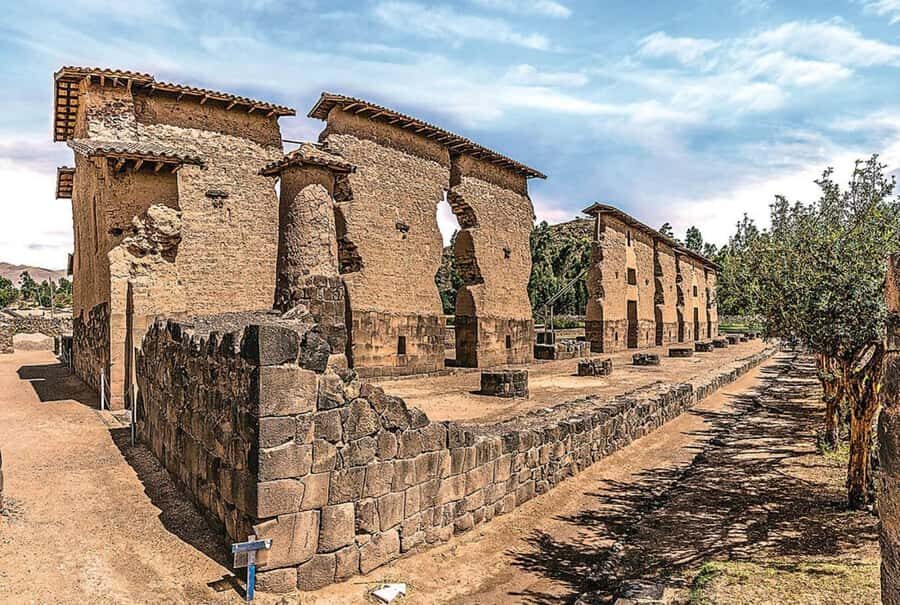
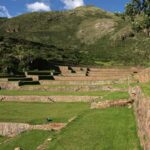
After Andahuaylillas, you head to Raqchi, a major Inka temple site. This is where the story shifts back toward the Inkan Empire. Raqchi is an “open grounds” kind of stop, and it’s designed for you to look outward as much as inward—because in places like this, the setting is part of the meaning.
The guided visit focuses on everyday life for worshippers of the sun and how the site functioned in sacred traditions. Even if you’re not an archaeology expert, you can leave with a clearer sense of why the Route of the Sun has drawn travelers for generations. It isn’t just a name. It’s a pattern of sacred geography across the high Andes, built around how people understood the sky, light, and seasons.
A practical tip: when you arrive, don’t rush straight to the most obvious structure. Spend a minute letting your guide explain the layout and what the major features relate to. Then you’ll get more out of the photos, because you’re capturing context, not just a pretty view.
Why it’s worth the stop: Raqchi gives you contrast. The day begins with colonial-era artistry. Here you feel the earlier Inkan worldview at work—through temple architecture and the sacred emphasis on the sun.
Sicuani lunch: buffet comfort between big sights
You’ll break for buffet lunch in Sicuani, a quaint town that functions like a reset button mid-route. This stop is strategically valuable: it breaks up a long day of driving and high-altitude movement with a more human rhythm—locals, street life, and a chance to eat something that’s been prepared for travelers and visitors.
What I like about this arrangement is that lunch isn’t tacked on as an afterthought. It’s planned right after the Raqchi stop, so you’re not trying to refuel at a viewpoint. You’re seated, served, and ready to continue south.
Keep expectations simple. It’s a buffet, so you’ll usually find familiar options, plus some Peruvian flavors. Eat at a comfortable pace, drink water, and don’t treat lunch as an opportunity to overdo it before Raya Pass.
Small reality check: This is a long day. If you’re prone to feeling heavy or sleepy after meals, go lighter and save your energy for the high viewpoint later.
Raya Pass at 4,335 m: Andes views with altitude in mind
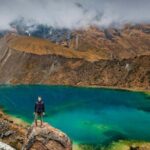
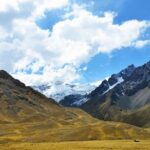
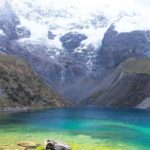
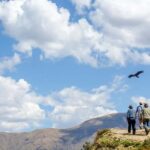
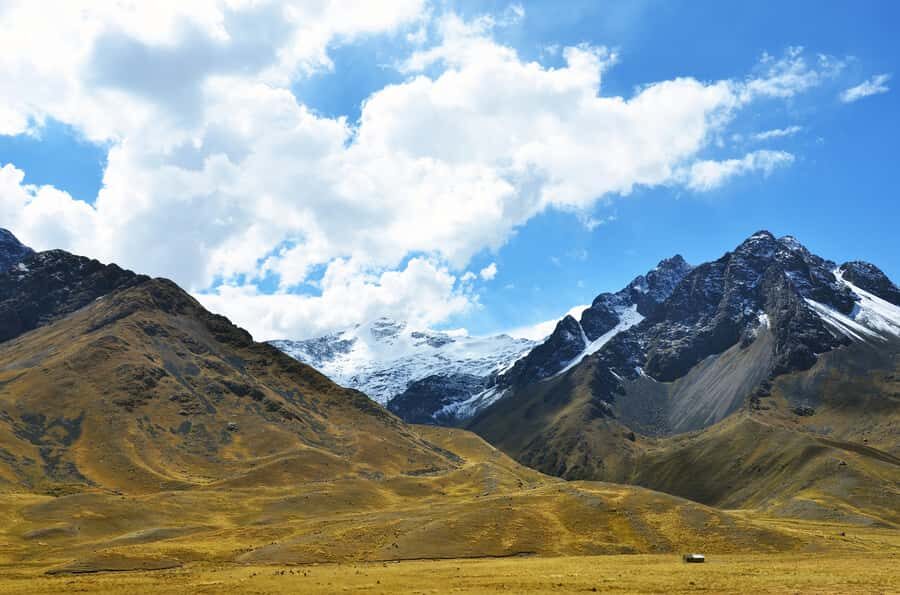
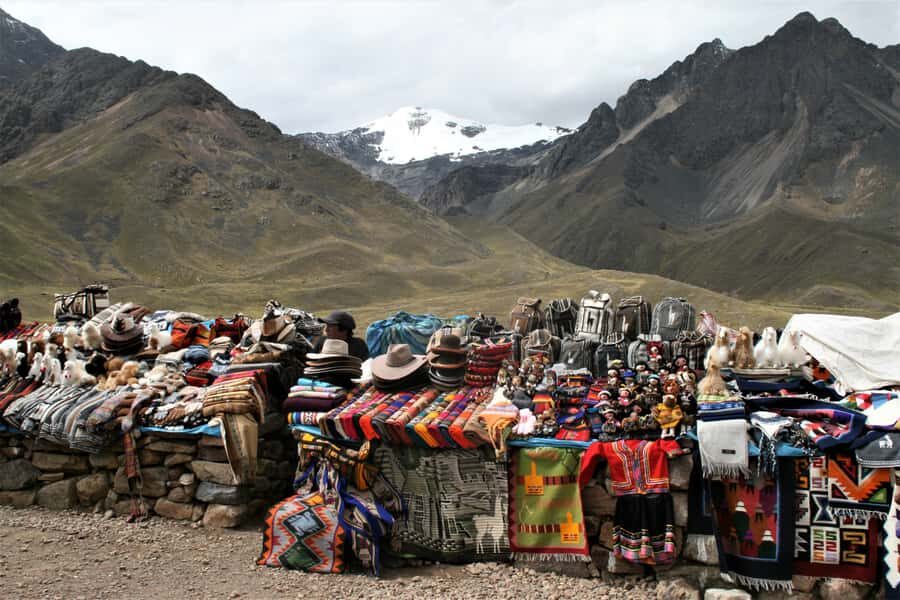
The drive continues until you reach Raya Pass at 4,335 meters. This is the “peak moment” stop—panoramic Andes views, freshwater pools nearby, snow-capped mountains in the distance, and vendors selling traditional souvenirs along the route.
This is the part of the day that can feel both beautiful and serious. High altitude changes how you breathe and how long you feel like you can walk comfortably, especially if you’re arriving from Cusco (already high, but still different once you hit passes). The tour includes medicated oxygen and a first aid kit, which is exactly what you want to hear on a day with a defined altitude highlight.
If you get even slightly winded, slow down immediately. Don’t “push through” just because other people are walking. Your goal here is to enjoy the view and the moment, not to prove anything to yourself.
How to make the most of the viewpoint time:
- Dress in layers you can adjust fast; conditions can shift quickly at altitude.
- Spend the first few minutes standing still. Let your breathing settle.
- Then take your photos. After that, browse slowly if you want souvenirs.
Possible drawback: the vendors can be persistent. You can keep it easy by browsing only if you’re already comfortable standing and walking at altitude.
A few more Cusco tours and experiences worth a look

Pukara Lithic Museum: artifacts and the archaeological site
Your final major guided stop is the Lithic Museum in Pukara. This place focuses on both Inkan and Aymaran culture, using rare artifacts and guided interpretation to help you understand what you’re seeing.
The standout here is that you don’t just look at objects inside. You can also wander through the archaeological site area associated with the museum. That combination matters because it connects items to a physical setting, which is often where museums become more memorable.
During the guided visit, you’ll likely hear how stone tools, ceremonial or everyday objects, and cultural practices connect across time. Even with limited time on site, the structure of the visit is designed to make you feel like you’re learning something specific, not just checking a box.
Why I’d recommend this ending: after hours of religious and sacred sites, Raqchi and Andahuaylillas, the museum brings you back to tangible culture—materials, technologies, and regional identity.
Price and comfort: what $130 really buys you
Let’s talk value in practical terms, because $130 isn’t a bargain if the tour is mostly driving. Here, it’s more justified because the package includes a lot that costs money separately.
You’re getting:
- Hotel pickup in Cusco and drop-off at your accommodation in Puno
- Guided tours at Andahuaylillas, Raqchi, and Pukara
- Entrances to the places visited
- Bilingual guidance in English and Spanish
- Buffet lunch in Sicuani
- Transport in modern buses with comfortable reclining seats
- Hot and cold drinks onboard
- Medicated oxygen plus a first aid kit
If you were to try to copy this on your own, you’d pay for separate transport, entrance fees, and the cost of a guide (or you’d give up guidance entirely). The included oxygen/first aid isn’t just a nice-to-have either. Raya Pass is a hard number: 4,335 meters. That’s why this kind of support matters.
Comfort note: The bus ride is long, so your best friend is your personal setup—layers, water (as needed beyond the included drinks), and a light snack if you tend to get hungry between stops. The tour includes lunch, but it doesn’t promise extra meals.
Who this tour fits best (and who should think twice)
This tour is a great fit if you want:
- A real day of sightseeing while traveling between Cusco and Puno
- Guided explanations in English or Spanish
- A route focused on Peru’s major historical layers, from the Inka period to colonial-era artistry
- A high-altitude viewpoint experience with support onboard
You might think twice if:
- You want long, unhurried time at each site. Here, visits are designed to move.
- You’re very sensitive to altitude. The tour includes oxygen support, but Raya Pass still sits at 4,335 meters.
If you’re planning your Puno arrival day, this tour can also be efficient. It gets you to your accommodation in Puno after the final stop, so you’re not scrambling to find transport late in the day.
Before you go: what to bring and what to watch for
Bring your passport as the tour requires it. Beyond that, pack for cold and height. Even if the sun is out, high Andes air can feel sharp, especially around pass elevations and viewpoints.
Also, plan your expectations for communication. I’d treat this like a real-day operation: confirm your pickup details and make sure you have whatever you need to board well ahead of departure. One practical lesson from similar operations in Peru is that ticket-style information can sometimes show up late. If that happens, it’s often solved quickly by contacting the operator (in this case, PVTravel) and getting the details directly.
My advice: keep your phone charged, have the pickup address you expect saved offline, and arrive ready for an early start.
Should you book this Cusco to Puno tour?
I’d book it if you want to turn a transfer day into a story of Peru: colonial church artistry at Andahuaylillas, Inka sacred architecture at Raqchi, a pause with local food in Sicuani, a high pass moment at Raya Pass (4,335 m), then a culture-focused finish at the Pukara Lithic Museum.
Skip it if your priority is maximum rest, because this is a full 10-hour push with multiple short guided stops and a real altitude highlight. If you can handle that, the combination of included entrances, bilingual guiding, lunch, and onboard oxygen makes the $130 price feel fair for what you actually get.
If you want a single day that connects Cusco to Puno without losing the plot, this is one of the better ways to do it.