REVIEW · CUSCO
Machu Picchu: Inca Trail 2-Day Overnight Guided Tour
Book on GetYourGuide →Operated by Alpaca Expeditions · Bookable on GetYourGuide
Two days, and Machu Picchu hits twice. This is a short Inca Trail style adventure that takes you to Wiñay Wayna, then returns you for an early sunrise arrival, with a guided walk through Machu Picchu via the Sun Gate and Circuit 3.
I love how the hard part (the hike) is matched with real support: you get a hot, freshly cooked lunch on the trail and a pleasant night in Aguas Calientes with a proper hotel bed. I also like the small-group setup (limited to 16) and the storytelling from guides such as Walter, Jose, Victor, and Luz, who help you understand what you’re seeing as you walk.
One drawback to plan for: the first day is still tough, and if your pace is slower, you may end up waiting for the rest of the group.
In This Review
- Key highlights that make this tour work
- Why this 2-day Inca Trail option feels like the smart play for Machu Picchu
- Day 1: Cusco pickup, train to Ollantaytambo, then straight to KM 104
- Wiñay Wayna: the Inca plumbing, terraces, and temple walk that makes the hike worth it
- The lunch break that saves your legs (and your mood)
- Aguas Calientes: the night before Machu Picchu’s early alarm
- Day 2: sunrise at Machu Picchu and a guided Circuit 3 walk
- Free time after the tour: explore on your terms or climb Huayna Picchu
- More Machu Picchu time: getting the lower views and a less frantic pace
- Return to Cusco via Ollantaytambo: smooth end, tired legs
- Vistadome train, duffel service, and the small comforts that add up
- Price and value: $585 isn’t cheap, so here’s what you’re really paying for
- Who this tour fits best (and who should skip it)
- Should you book this 2-day overnight Inca Trail to Machu Picchu?
- FAQ
- What’s included in the tour price?
- Where do I sleep overnight?
- How do you handle transportation to Machu Picchu for sunrise?
- Is Huayna Picchu included?
- What Machu Picchu experience do I get?
- What food is provided during the trek?
- Is this tour refundable?
Key highlights that make this tour work
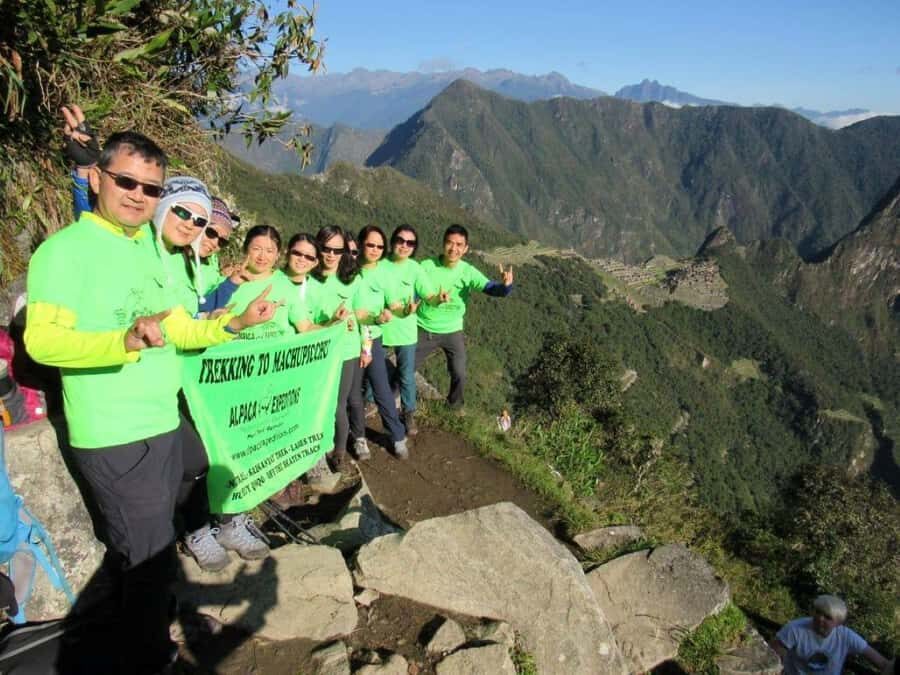
- Sunrise arrival through the Sun Gate for that classic Machu Picchu wow factor
- Wiñay Wayna ruins plus water fountains, temples, and agricultural terraces
- Chef-cooked lunch on the hike (not a sad sandwich situation)
- Guided Circuit 3 walk so you get meaning, not just photos
- Two passes at Machu Picchu: the dramatic top entrance day and the slower second-day exploring
Why this 2-day Inca Trail option feels like the smart play for Machu Picchu
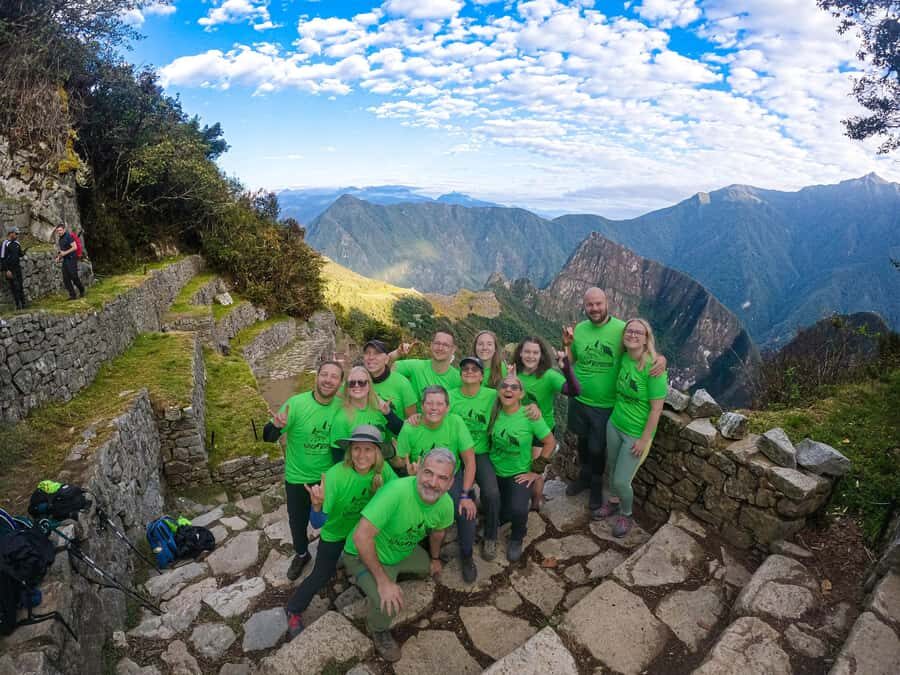
If Machu Picchu is on your bucket list, this tour gives you two different ways to experience it instead of doing just one quick pass. Day 1 brings you in through the Sun Gate at the end of the hike, and Day 2 gives you time to see the lower parts with a guided walking tour.
I also like the pacing philosophy here: you’re getting the Inca Trail spirit (ruins, terraces, steady uphill) without the full-length endurance test that many people aren’t ready for. The result is a trip that still feels like an adventure, but you’re not totally wiped out by the time you reach the Machu Picchu site.
One more practical win: you’re not doing this as a confusing DIY puzzle. You get hotel pickup and drop-off in Cusco, train and bus transfers, permits, and a guide. You show up, follow the plan, and spend your energy on the views.
You can also read our reviews of more guided tours in Cusco
Day 1: Cusco pickup, train to Ollantaytambo, then straight to KM 104
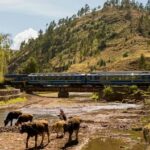
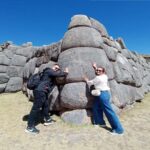
Day 1 starts with pickup from your Cusco hotel (or another address close to the center). Then you head to the train station and ride toward Ollantaytambo, following the Urubamba River through farmlands and past snow-capped mountains. If your booking includes it (the Vistadome train experience is listed for bookings from March 2026), you’ll get extra scenic value from the train itself.
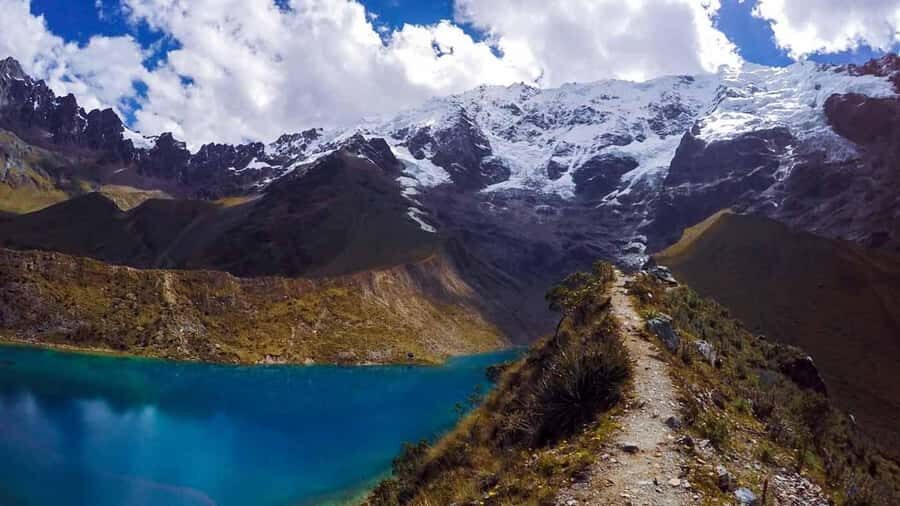
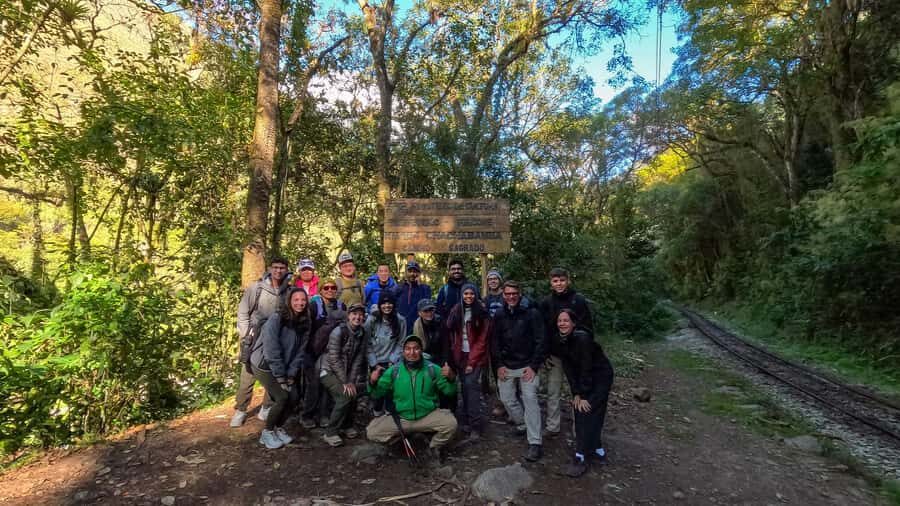
After you disembark at KM 104, you begin the hike. This is a good moment to do a reality check: you’re at altitude, you’re starting uphill, and you’ll feel it even if you consider yourself “not that out of shape.” The point isn’t to race. The guides set the pace and build in breaks, which is a big deal for groups of different abilities.
You’ll hike until you reach Wiñay Wayna in roughly three hours (the ruins sit around 2,600 m / 8,500 ft). That time window matters because it keeps the day adventurous without turning it into a full all-day death march.
Wiñay Wayna: the Inca plumbing, terraces, and temple walk that makes the hike worth it
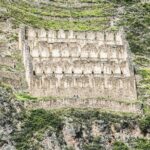
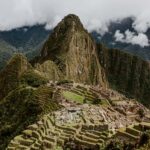
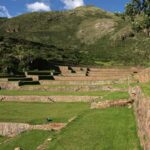
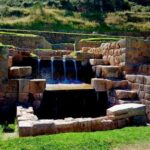
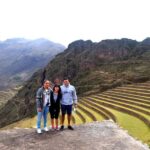
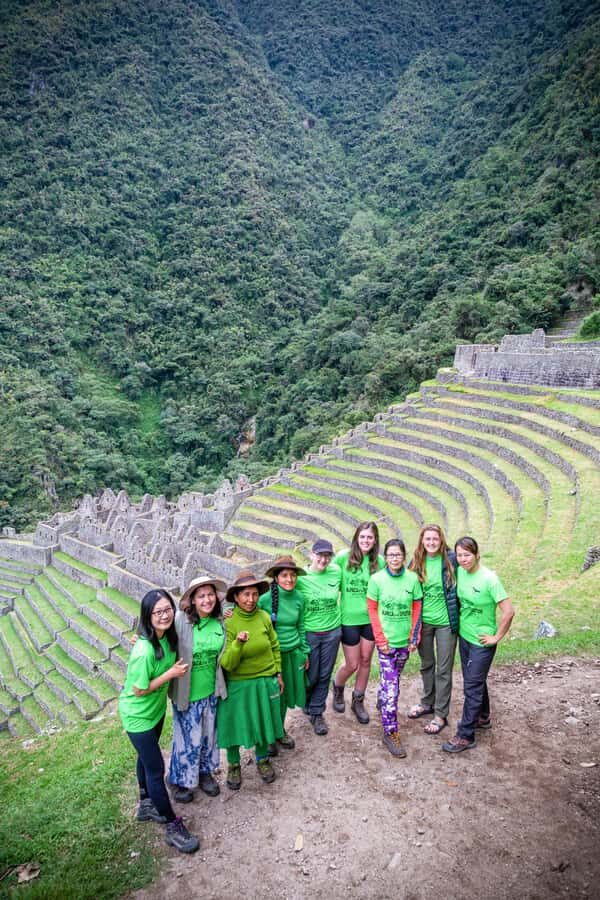
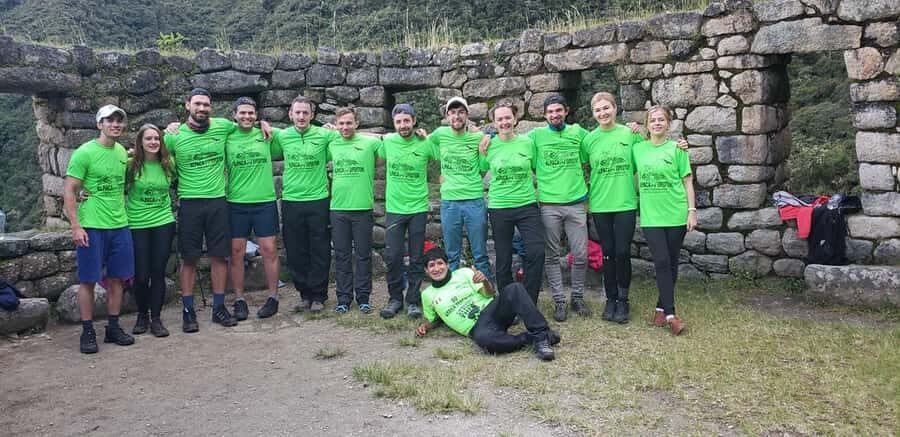
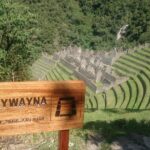
Wiñay Wayna (Forever Young) is where the trip turns from walking into “wait, this is real” mode. You’re looking at the remains of fountains and temple spaces tied to how the Inca managed water and agriculture. And because it’s not just one ruin you stare at from a distance, you actually get to move through the area and take in how the terraces were built to work.
From a photography standpoint, this stop is also gold. You can shoot wide views of the terraces and close details of the stonework, and it doesn’t feel like you’re being rushed through a postcard. One of the strongest recurring themes from guides and groups here is interpretation—your guide isn’t just naming places, they connect the structures to daily life and the way the Incas shaped the land.
Caution for your comfort: this is also where insects can be annoying in certain sections. Bring repellent, and don’t assume you’ll be perfectly covered just because you’re outdoors “in the Andes.”
The lunch break that saves your legs (and your mood)
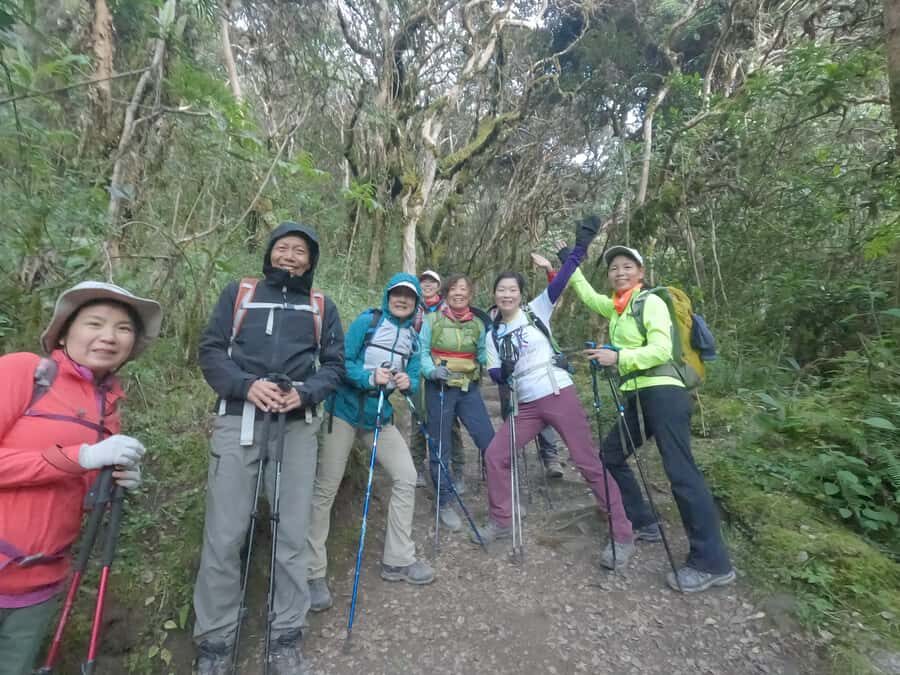
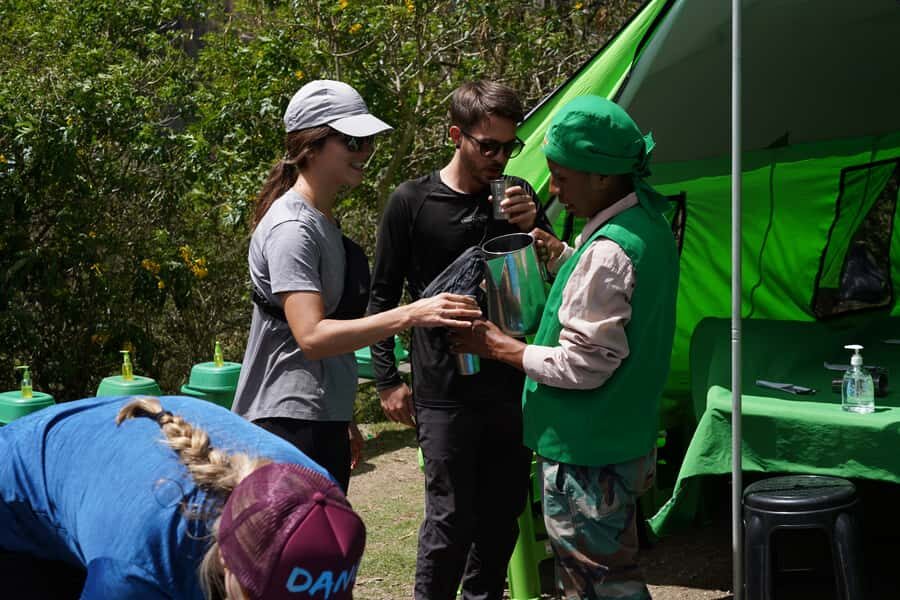
After Wiñay Wayna, you get a break for lunch that’s freshly cooked by the chefs. Multiple guides and groups praise the amount and quality here, including stories of an eight-course meal served on the trail and lunches described as a feast rather than a snack.
This lunch matters more than people think. On an altitude hike, food and hydration keep your pace steady and help you avoid the crash that can turn the rest of the hike into pure survival. Water is also included in the morning and at lunchtime, which helps you stay on track without constantly hunting for bottles.
Then you continue the trek toward the Sun Gate. The hike is hard in the way that feels physical (uphill, altitude, uneven steps), but it’s also structured so you’re not lost or guessing.
Aguas Calientes: the night before Machu Picchu’s early alarm
Once you reach the end of the hike, you head down by bus to Aguas Calientes (Machu Picchu town) and check into your 3-star hotel. Dinner is included at a local restaurant on Day 1, and you’re set up for an early night.
I like this overnight step because it’s the difference between a rushed sunrise scramble and a controlled morning. You’re not trying to squeeze all the logistics into the last possible minute. You’re also giving your body time to reset after the first-day climb.
That said, hotels in Aguas Calientes can vary, and one set of feedback mentioned issues like hot water and room feel not matching expectations. So if hotel comfort matters a lot to you, read carefully for recent notes about the property your date uses. Still, the overall trend is that many people find the lodging in this itinerary comfortable and a good base.
A few more Cusco tours and experiences worth a look
Day 2: sunrise at Machu Picchu and a guided Circuit 3 walk
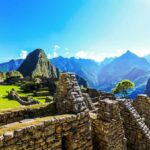
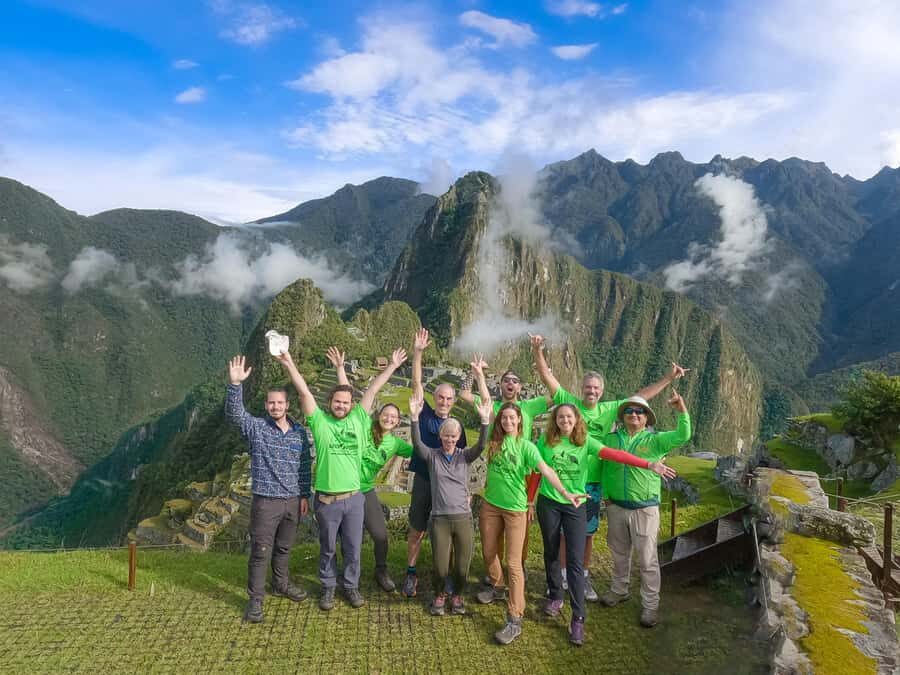
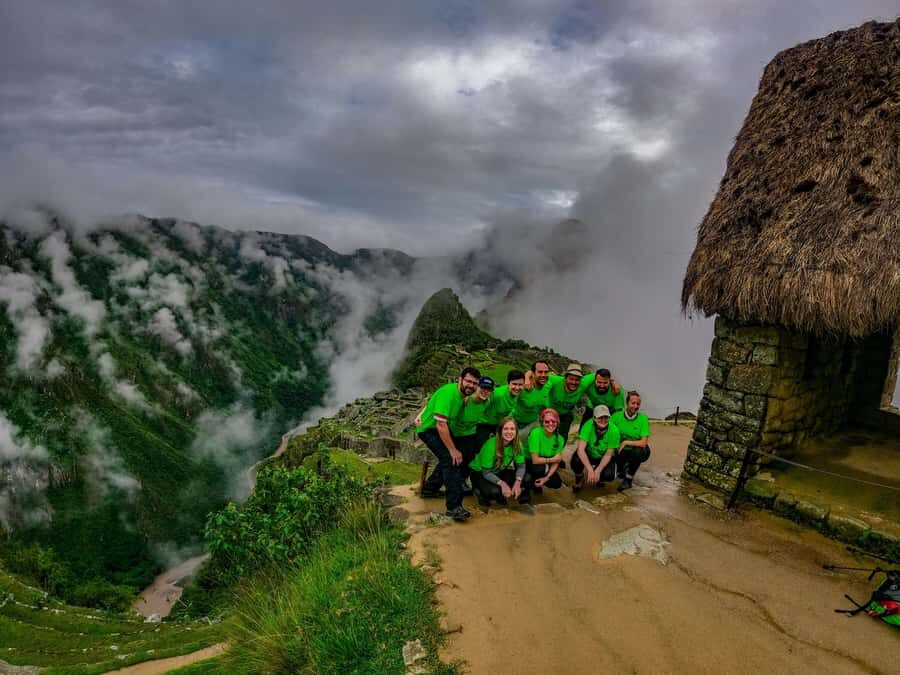
Day 2 begins early with a bus to Machu Picchu. You’re aiming to arrive when the first buses roll in, and the big payoff is watching the sunrise over the ruins. It’s the moment that makes everyone stop moving and just look, because the site is so iconic it almost feels unreal from that angle.
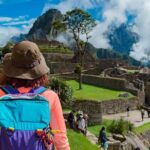
Then comes the guided portion: a roughly 2-hour walking tour of Machu Picchu focused on Circuit 3. This is where the guide time earns its keep. You’ll learn what features meant to the Incas and why certain buildings, terraces, and sight lines matter.
One of the most praised parts of this tour is how guides tell the story. Names that popped up often include Walter, Jose, Victor, and Luz. People describe the guides as patient with the pace, good with group timing, and strong at helping you connect “what I’m seeing” with “why it’s there.”
Free time after the tour: explore on your terms or climb Huayna Picchu
After the guided walking tour, you get free time. This matters because Machu Picchu is one of those places where the second you loosen the schedule, you start seeing details you missed earlier.
You can also choose to climb Huayna Picchu if you pre-reserve tickets (listed add-on cost: $75 per person, subject to availability). The total hike time is about 1.5 hours, and it can add a big thrill if your legs are still willing after the first day.
Practical tip: Huayna Picchu isn’t just a “nice option.” It’s a commitment that costs energy and time. If you’re arriving from a tough Day 1, decide based on your recovery, not your ambition.
More Machu Picchu time: getting the lower views and a less frantic pace
Once you finish exploring, you head back down to Aguas Calientes either by bus or by walking (both are mentioned as options). You get the rest of the afternoon at leisure, which is a real gift after two days of tight timing.
This “less frantic” stretch is one reason people like the 2-day design. You’re not being pushed out of the site the second you’ve taken the big photos. You get time to linger, reset, and turn the trip from a checkpoint into an experience.
Return to Cusco via Ollantaytambo: smooth end, tired legs
Later in the afternoon you board the return train to Ollantaytambo. From there, the team meets you and drives you back to Cusco, dropping you off at your hotel.
This transportation flow is underrated. After two days of walking and stairs, a smooth transfer is the difference between “what a trip” and “next time I’ll do something easier.” The setup here aims for stress-free movement so you can focus on the final souvenir question: what photo will you actually keep.
Vistadome train, duffel service, and the small comforts that add up
A nice part of this package is the way it reduces “what now?” moments. You get hotel pickup/drop-off, permits for the Inca Trail, an entry ticket for Machu Picchu Citadel (Circuit 3), and all transportation during the hike.
You also get personal duffle bag service (up to 5 kg per person). That means you can keep your essentials with you and avoid dragging extra weight through the toughest parts.
If you’re booking from March 2026, the itinerary includes the Vistadome Train Experience for the train portion. Even if you’re not a train person, those panoramic views make the commute more than just transit.
Finally, there’s safety gear listed: a first aid kit and oxygen tank. It’s not something you want to use, but it’s the kind of detail that helps you feel like the operators planned for real life.
Price and value: $585 isn’t cheap, so here’s what you’re really paying for
At $585 per person for a 2-day overnight trip, the cost will feel high compared with DIY travel. But what you’re buying is timing, permits, and hard-to-manage logistics.
You’re paying for:
- guided time inside Machu Picchu (Circuit 3)
- the Inca Trail permits
- transfers that connect Cusco, train stations, trail access points like KM 104, and Aguas Calientes
- a hotel night and included meals (lunch and dinner on Day 1, breakfast on Day 2)
- a small group structure (up to 16) with a live English-speaking guide
Is it worth it? If you want Machu Picchu to feel organized and meaningful (not chaotic), this price buys you a lot of “someone else handled that” relief. If you’re only chasing the basic photo spot and you hate guided walks, you might question the value.
Also note: the booking is non-refundable. That makes planning and health decisions extra important, since you’re committing to a trek with real physical demands.
Who this tour fits best (and who should skip it)
This tour fits best if you want classic Machu Picchu with an Inca Trail flavor, but you want to keep the duration to two days. The small-group size helps, and the guides’ pace-setting makes it workable even for people who say they’re not super fit, as long as you’re willing to push through the climb.
It’s not suitable if you have specific medical constraints. The tour data lists it as not suitable for pregnant women, people with back problems, people with mobility impairments, wheelchair users, and people with heart problems or pre-existing medical conditions. If any of those apply, it’s smart to pass.
Fitness-wise, plan for a tough first day. Expect hard uphill segments and altitude. One review also flagged the combo of high altitude, heat, and humidity as a real factor, so bring the right mindset: slow and steady beats heroic.
Should you book this 2-day overnight Inca Trail to Machu Picchu?
I’d book if you want:
- a sunrise arrival and a guided Circuit 3 experience
- Machu Picchu on two different days (the view from Sun Gate plus your second day exploring)
- a tour that handles permits, transfers, and food for you
- a small-group feel with guides who explain what you’re seeing, not just where you’re standing
I’d think twice if you’re extremely sensitive to physical strain, hate waiting on group pacing, or hotel comfort is a dealbreaker. One downside that popped up in feedback is that the group can sometimes wait if the hike pace doesn’t match everyone. That’s not a surprise on a mixed-fitness trail, so set expectations.
If you’re deciding, here’s my simple rule: if you want Machu Picchu to feel like an experience with context, not just a checklist, this tour is a strong bet.
FAQ
What’s included in the tour price?
The tour includes hotel pickup and drop-off, lunch and dinner on Day 1, breakfast on Day 2, water in the morning and at lunchtime, a live English tour guide, Inca Trail permits, Machu Picchu entry ticket for Circuit 3, transportation during the hike, an overnight stay in Aguas Calientes at a 3-star hotel, a first aid kit and oxygen tank, and personal duffle bag service up to 5 kg per person. It also includes an in-person briefing the day before at 6:00 PM.
Where do I sleep overnight?
You sleep in a 3-star hotel in Aguas Calientes (Machu Picchu town).
How do you handle transportation to Machu Picchu for sunrise?
You take one of the first buses to Machu Picchu early in the morning so you can arrive in time for sunrise, then return later after exploring.
Is Huayna Picchu included?
No. Huayna Picchu entry is an optional add-on at $75 per person, subject to availability. You need to pre-reserve tickets in advance.
What Machu Picchu experience do I get?
You get an entry ticket for Machu Picchu Citadel (Circuit 3) and a 2-hour guided walking tour of the site. After that, you have free time to explore, and you can optionally climb Huayna Picchu.
What food is provided during the trek?
Day 1 includes lunch and dinner, and Day 2 includes breakfast. Lunch on the hike is freshly cooked by the chefs.
Is this tour refundable?
No. The activity is listed as non-refundable.