REVIEW · URUBAMBA
Classic Sacred Valley full day
Book on GetYourGuide →Operated by ADVENTURES BY BEETLE · Bookable on GetYourGuide
Sacred Valley hits different when it’s planned well. I like that this tour is built around destination know-how and smooth English/Spanish bilingual guiding, so you actually understand what you’re seeing instead of just walking around. It also focuses on tourist service and assistance, which matters when your day is long and you’re moving fast between sites.
The main drawback is simple: it’s a full day with a lot of driving and walking, plus some stairs at archaeological sites. If you’re sensitive to altitude or you have mobility or heart concerns, you’ll want to think twice and maybe pick something shorter.
In This Review
- Key Points Worth Knowing Before You Go
- Cusco Pickup Morning: How This One-Day Sacred Valley Trip Runs
- Taray Viewpoint Stop: Getting the Big Picture Fast
- Pisac Ruins Plus Artisan Market: Two Different Sides of One Town
- Urubamba Lunch by the Vilcanota River: A Break That Still Feeds the Plan
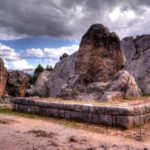
- Ollantaytambo Stonework: Temple of the Sun and Princess Baths
- Chinchero Textiles and Community Archaeological Sites
- Price and Value: What $20 Covers (and What You’ll Pay Separately)
- Getting Ready: Sunscreen, Goggles, and the No-Alcohol Rule
- Who This Classic Sacred Valley Day Trip Suits Best
- Should You Book This Classic Sacred Valley Full Day Tour?
- FAQ
- What time does pickup start in Cusco?
- When does the tour end?
- How long is the tour?
- Is the tour guided in English and Spanish?
- How much does the tour cost?
- What does the price include?
- Is lunch included?
- Do I need a tourist ticket?
- Is water included?
- Is alcohol allowed on this tour?
- Who might not be a good fit for this experience?
Key Points Worth Knowing Before You Go
- Bilingual, accredited guidance in English or Spanish to keep explanations clear
- A smart route through the Sacred Valley highlights in one go
- Taray viewpoint stop for quick panoramic context
- Pisac artisan market time to browse local mineral crafts
- Ollantaytambo focus on key stone features like the Temple of the Sun and Princess Baths
- Hotel pickup and city drop-off that keeps your day from getting messy
Cusco Pickup Morning: How This One-Day Sacred Valley Trip Runs
You’ll start with a 07:30 AM pickup from your Cusco hotel (only if you’re in the city center), so plan for an early morning. The operator asks you to wait in the lobby 10 minutes before pickup, which is one of those small details that saves time when mornings are hectic.
Your day is structured around a single loop: bus out of Cusco, multiple stops across the Sacred Valley, then back to the city by around 6:00–6:30 PM near Plaza de San Francisco. That timing is ideal if you want the big names without turning your vacation into a logistics project.
The tour is guided by a professional, government-accredited leader, in English or Spanish. And because you’re on an organized route with transportation (an authorized mobile unit), you’re not stuck figuring out connections between Pisac, Ollantaytambo, and Chinchero on your own.
A few more Urubamba tours and experiences worth a look
Taray Viewpoint Stop: Getting the Big Picture Fast
Early in the ride you’ll make a stop in Taray, described as a scenic tourist viewpoint with panoramic views over the Sacred Valley. This is a great “orientation moment” because it helps you understand where everything sits relative to the valley.
Why this matters for your day: when you later see terracing, ruins, and river bends, it’s easier to connect the dots if your brain already has a rough map. Taray is also a low-pressure stop compared to archaeological sites. You can take photos, look around, and let the scale of the valley sink in before you start climbing.
The consideration here is time. Viewpoint stops are short by nature, so don’t expect long hangs. If you’re the type who wants hours for photos, you might want to treat this as your quick framing shot and save your deeper photo time for Pisac and Ollantaytambo.
Pisac Ruins Plus Artisan Market: Two Different Sides of One Town
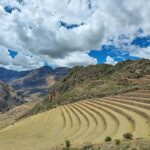
Once you reach the town of Pisac, the tour heads upward to the Archaeological Site of Pisac, built on a mountain. This is where the day starts to feel more physical, because the site is elevated and you’ll be walking on uneven terrain.
What you’ll get out of Pisac ruins is the feeling of how Inca-era planning used geography. Your guide helps translate what you’re looking at, and that’s especially valuable here. A pile of stones becomes a story when someone can explain the purpose of terraces, alignments, or the way the complex wraps the hillside.
After returning to town, you’ll get time for Pisac’s artisan market. This stop is built for browsing, and it’s not just souvenir clutter. The tour notes that local residents are experts in working with minerals, so you’ll likely see the kind of stone-based crafts that Peru is known for.
Tip for your market time: treat it like a slow pause, not a dash. If you rush, you miss the chance to compare quality and prices. And if you’re sensitive to crowds, understand that Pisac market energy can feel busy, especially during peak travel hours.
Urubamba Lunch by the Vilcanota River: A Break That Still Feeds the Plan
At noon, you’ll continue your trip toward Urubamba, crossing through the Vilcanota River area. Then you’ll stop for a restaurant lunch described as a nutritious Peruvian buffet.
Here’s the practical part: the itinerary clearly includes a lunch stop in Urubamba, but the listed inclusions say food and buffet lunch are not included. That means you should budget for lunch as an extra cost, and keep some cash or a card ready just in case. This is common on day tours: the timing is part of the schedule, but the actual meal price is separate.
Why I think this lunch break works: Urubamba is far enough into the day that you genuinely need the reset. It’s also a chance to refuel before the more demanding stop at Ollantaytambo later.
What to watch: water is also listed as not included, so if you want steady hydration for altitude and sun, consider buying water before or during the meal stop. The guide won’t magically fix thirst later.
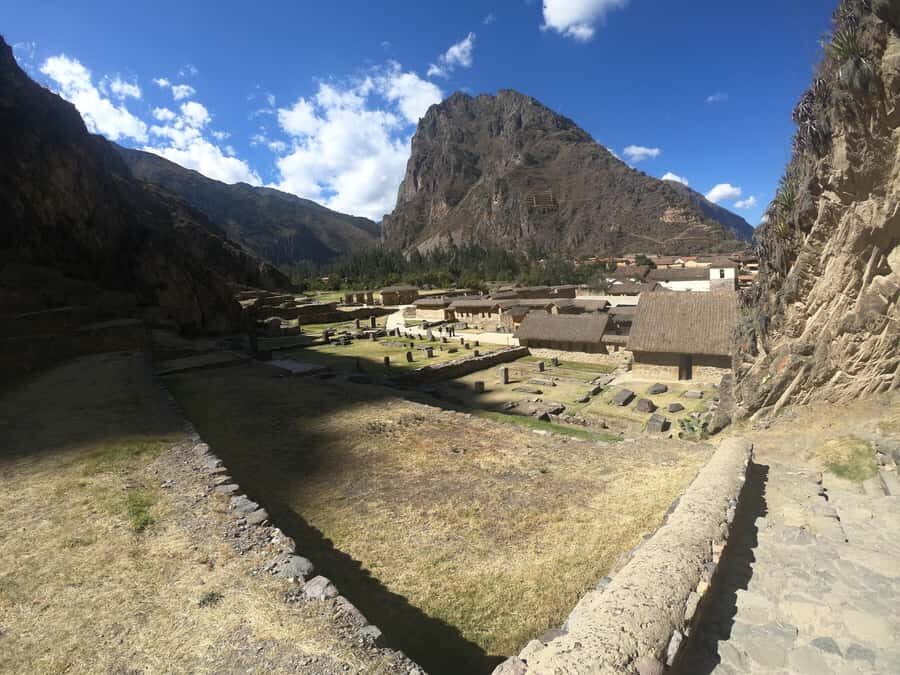
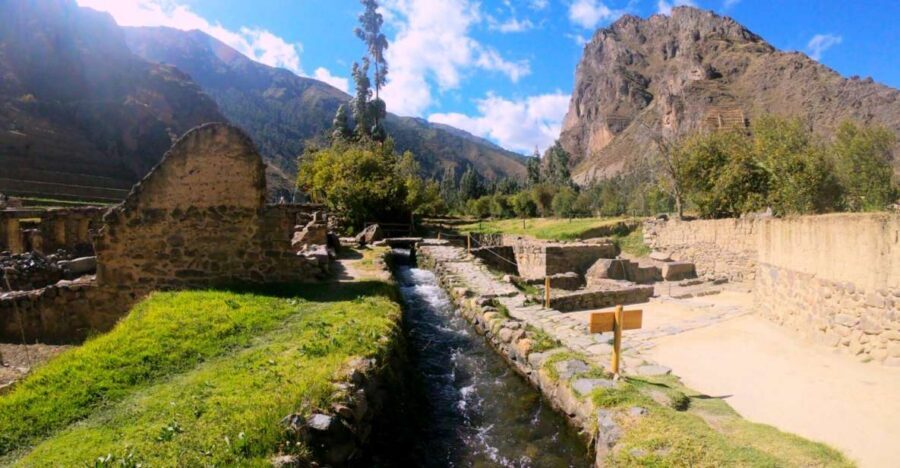
Ollantaytambo Stonework: Temple of the Sun and Princess Baths
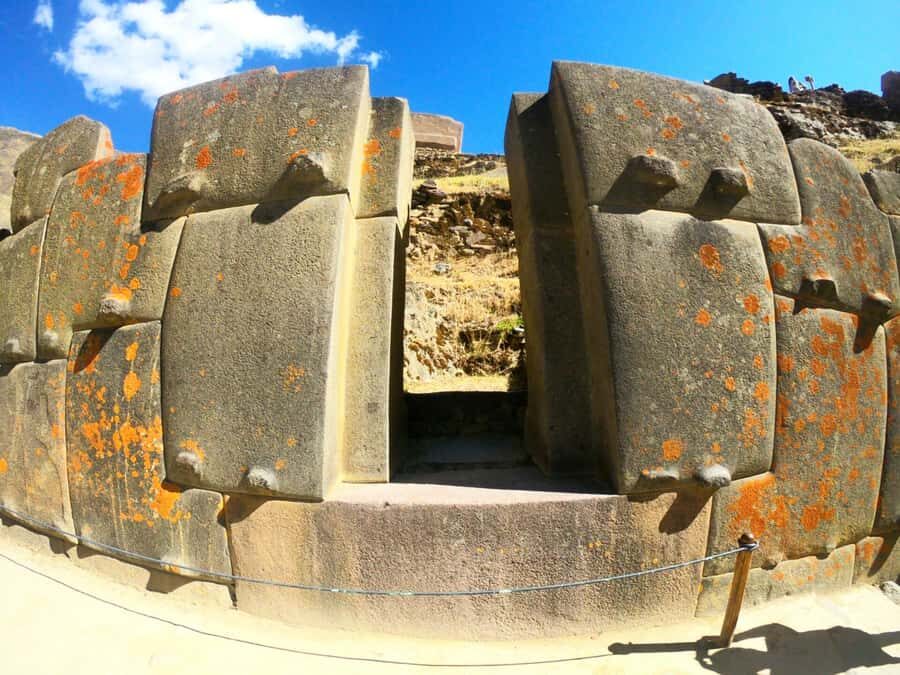
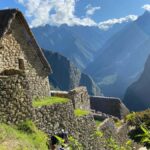
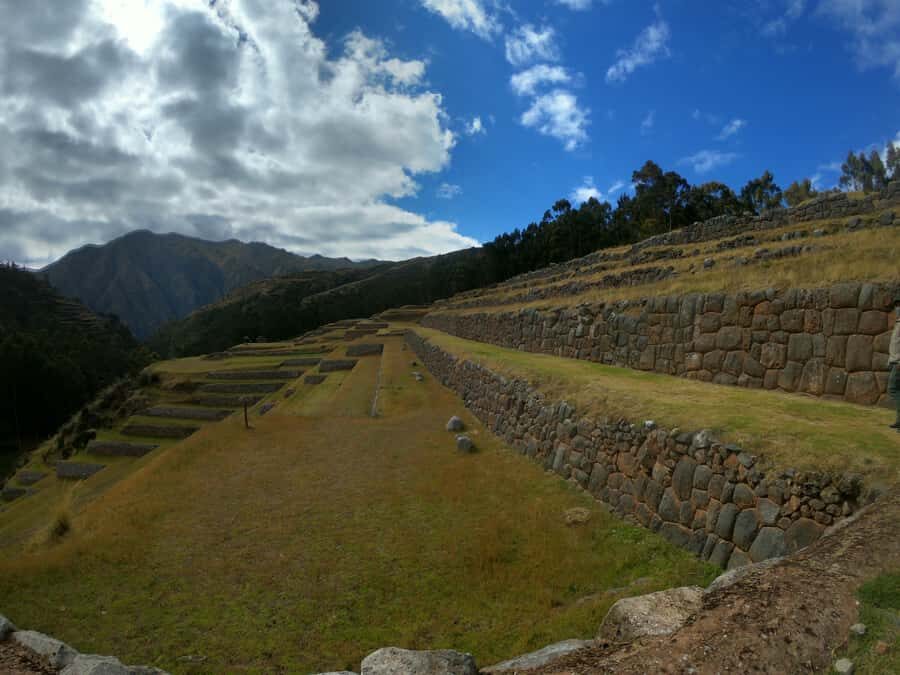
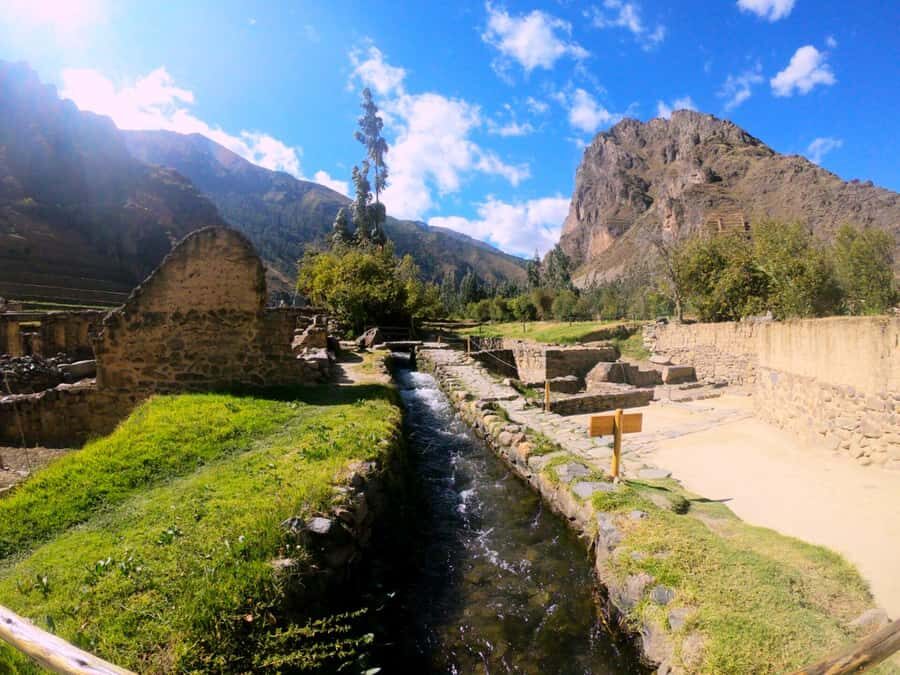
Next up is Ollantaytambo, described as a tambo in Inca times—a place for resting—and also a starting point to reach the Sanctuary of Machu Picchu. That context helps you understand why Ollantaytambo feels like more than a random ruin stop. It’s tied to movement through the region, like a hub on the route.
You’ll explore the most important stone buildings, including:
- large stone terraces
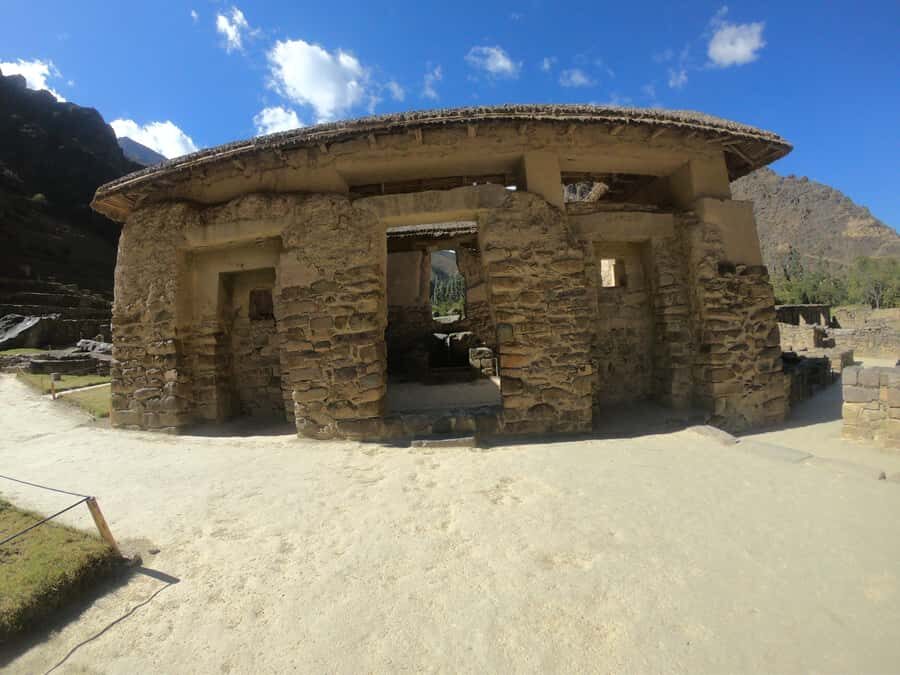
- the Temple of the Sun
- the fountain of the Princess Baths
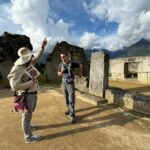
This is one of the most satisfying parts of the day because the structures are visually clear. Even if you’re not an archaeology buff, you can usually make sense of terraces and major temple forms. And with a bilingual, accredited guide, you’re not guessing what terms like Temple of the Sun refer to.
Two considerations. First, you’ll likely spend more time on your feet here than you expect, since terraces and key features invite repeated walking. Second, if your energy is low after lunch, take it slow at your own pace. There’s no prize for sprinting through stonework.
When you finish Ollantaytambo, you’ll start heading back toward Cusco, which keeps the day from dragging too late.

Chinchero Textiles and Community Archaeological Sites
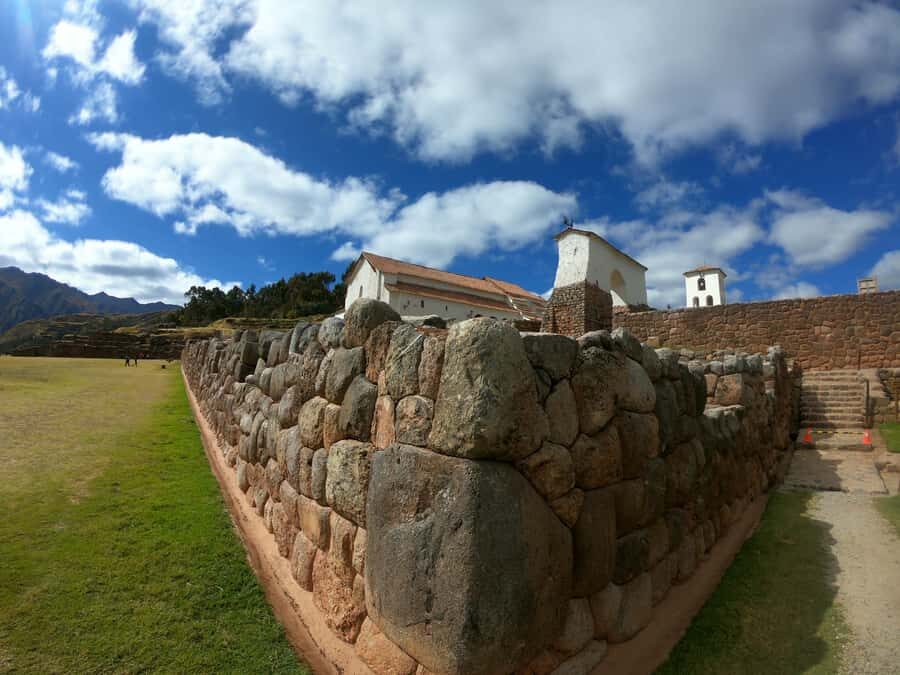
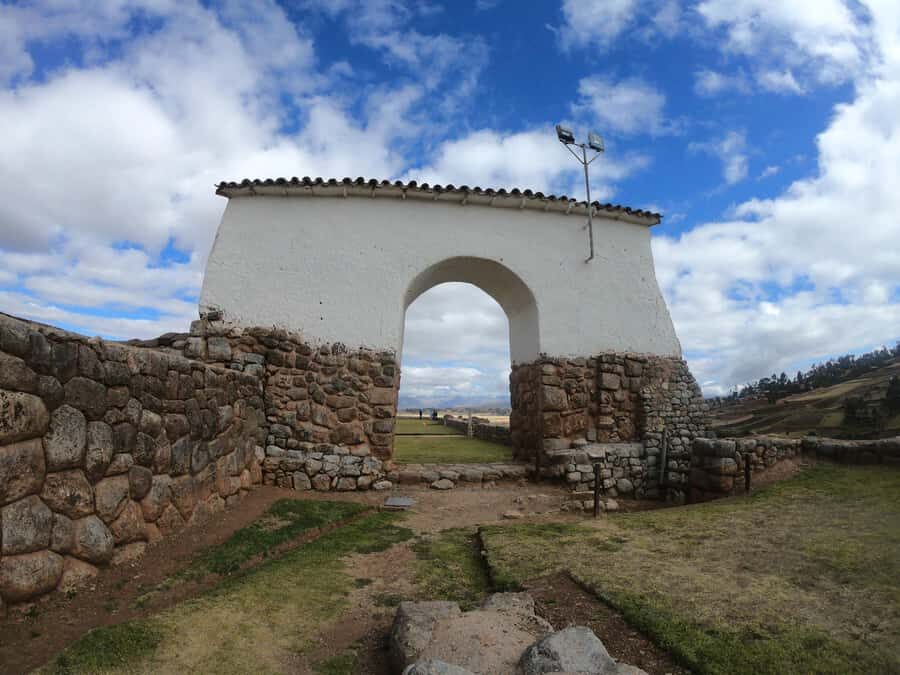
On the return to Cusco, the route includes Chinchero. The plan here has two layers: a community visit with a Textile Interpretation Center, and also time at the Archaeological Center of the place.
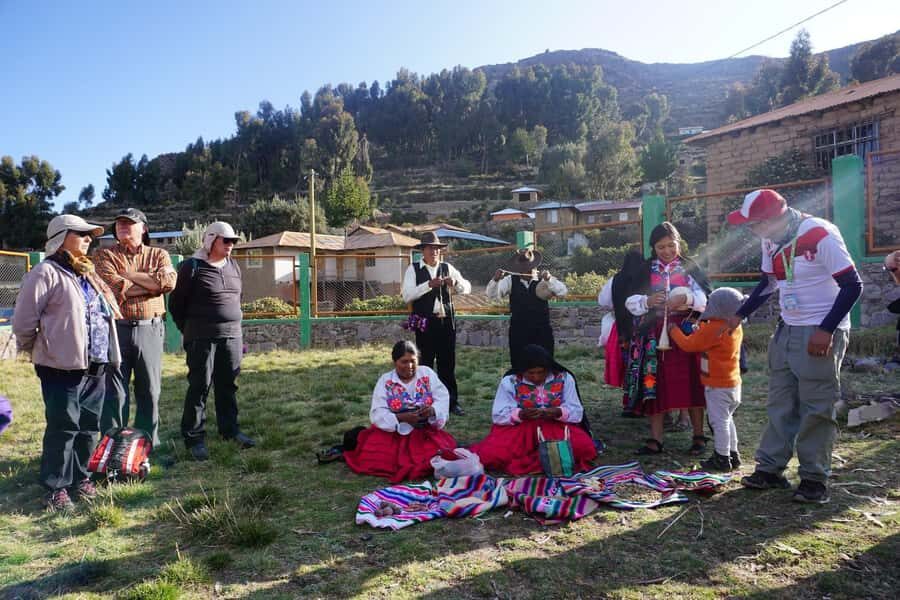
The textile stop is useful for a different kind of learning. Ruins tell one story; textiles tell another—craft, tradition, and how people shaped daily life. Even if you’re not planning to buy anything, interpretation centers help you understand what you’re seeing in the patterns, dyes, or weaving methods.
Then the tour shifts back to stone and layout at the archaeological area. This gives you variety in a day that might otherwise feel like “same pattern, different ruins.” You’ll end with a stronger sense that the Sacred Valley isn’t just dramatic scenery. It’s a living region with human skills and built spaces that still connect to the past.
Price and Value: What $20 Covers (and What You’ll Pay Separately)
At $20 per person, this tour is priced for value, especially because it includes transportation, a government-accredited guide, and pickup plus drop-off in central Cusco. In other words, you’re paying for organization: the bus out, the route plan, and the guide who makes the stops understandable.
Just be realistic about the extras listed:
- Lunch is listed as not included, even though lunch is scheduled in Urubamba.
- Partial Boleto Turístico (S/.70.00) is listed and described as used for a single tourist circuit.
- Water and alcoholic beverages are not included.
So the real cost isn’t just $20. It’s $20 plus whatever you spend on lunch, ticket coverage, and water. Still, for a full day hitting Pisac, Ollantaytambo, and Chinchero, it can be a good deal if you want structure and a bilingual guide without hiring separate tickets or private transport.
Getting Ready: Sunscreen, Goggles, and the No-Alcohol Rule
The tour provides clear “bring” guidance: pack biodegradable sunscreen and goggles. That’s not random. Sun can hit hard in this altitude region, and dust or glare can be real around viewpoints and outdoor sites.
Also note what’s not allowed: alcohol and drugs are not permitted. If you’re imagining this as a relaxed day with drinks, this is not that kind of tour.
Practical packing advice from the route itself:
- Wear shoes you trust on uneven ground.
- Bring layers. Even on a sunny day, temperatures can shift as you travel.
- Keep your day bag light so you’re not juggling it on terraces and stairs.
And one more important “health fit” note: it’s not suitable for pregnant women or people with heart problems. That’s a meaningful constraint for a reason: you’ll be walking and spending time at elevated sites.
Who This Classic Sacred Valley Day Trip Suits Best
This is a strong choice if you want a one-day Cusco day trip that hits the headline Sacred Valley stops without breaking your head on logistics. If you like having a guide who can explain what you’re looking at in either English or Spanish, this format helps a lot.
It’s also a good fit if you care about tourist support. The highlights mention servicio y asistencia al turista, and in a day like this, that kind of help usually means smoother transitions and fewer moments where you’re wondering what happens next.
You might want to skip or reconsider if:
- You prefer slower travel with long free time in one place.
- You’re sensitive to stairs, rough ground, or long walking sessions.
- You’re pregnant or have heart-related concerns (explicitly listed as not suitable).
Should You Book This Classic Sacred Valley Full Day Tour?
I’d book it if your goal is a clean, organized Sacred Valley highlights day with a bilingual, accredited guide, plus pickup and drop-off that keep your schedule simple. The $20 price point becomes attractive once you factor in transport and guidance, not just entry sites.
But I’d think twice if you need a gentler day. This route is active, and the schedule moves. Also, check your budget for lunch and the S/.70 partial tourist ticket, since those costs aren’t included in the base price.
If you want one day that covers Pisac, Ollantaytambo, and Chinchero without stress, this tour is built for that.
FAQ
What time does pickup start in Cusco?
Pickup is at 07:30 AM from your hotel in central Cusco. You should wait in the lobby about 10 minutes before.
When does the tour end?
The tour ends around 18:00 (about 6:30 PM) with a drop-off in the center of Cusco near Plaza de San Francisco.
How long is the tour?
It runs for 1 day.
Is the tour guided in English and Spanish?
Yes. The guide provides the tour in English or Spanish.
How much does the tour cost?
The price is $20 per person.
What does the price include?
It includes hotel pickup (for hotels in the city center), authorized transportation, a professional accredited guide, guided tour in English/Spanish, and drop-off back in central Cusco.
Is lunch included?
Lunch is scheduled in Urubamba, but food and the buffet lunch are listed as not included, so you should plan to pay for it.
Do I need a tourist ticket?
A Partial Tourist Ticket (Boleto Turístico Parcial) is listed as S/.70.00 for a single tourist circuit.
Is water included?
No. Water is not included.
Is alcohol allowed on this tour?
No. Alcohol and drugs are not allowed.
Who might not be a good fit for this experience?
It is listed as not suitable for pregnant women and for people with heart problems.