REVIEW · URUBAMBA
Salkantay Trek 4Days/3Nights Domes
Book on GetYourGuide →Operated by Exploor Trip E.R.L · Bookable on GetYourGuide
Salkantay to Machu Picchu is a long, cold miracle. You’ll hike alongside the Salkantay glacier and then roll into Aguas Calientes for an early Machu Picchu visit, when the site feels quieter and more magical. I also like the way this route mixes big mountain effort with real variety—high passes, cloud-forest valleys, and train-track walking.
On the ground, the big practical win is the dome setup. You sleep in domes with 4 people per dome (cabins for 2), you get a mat, and there’s a dining tent plus a kitchen team. It’s a trek with support: luggage and camp gear move by pack animals days 1 to 4, and your personal equipment is limited to 5 kg per person days 1 to 3, so you’re not carrying everything on your back.
One thing to watch closely is logistics and on-the-ground coordination. This trip includes Machu Picchu entry and a train back to Ollantaytambo, but there’s at least one hard lesson from real operations: confirm your Machu Picchu ticket status in writing and make sure your group won’t get split up without clear guidance, especially for the return timing to Cusco.
In This Review
- Key Points Before You Go
- Why Salkantay 4 Days/3 Nights Feels Like a Peru Best-Of Route
- Dome Camps, Mats, and the Real Comfort Trade
- Day 1: Cusco to Mollepata to Soraypampa, Then Humantay Lagoon
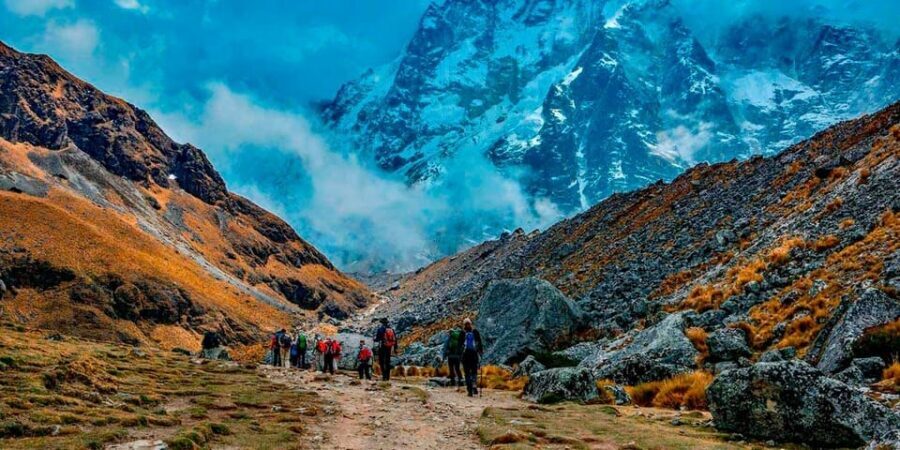
- Day 2: Salkantay Pass (6,264m), Lunch at Huayracmachay, and the Descent to Chaullay
- Day 3: Santa Teresa Valley to La Playa, Hydrohelectric Transfer, and the Train-Track Walk
- Day 4: Early Machu Picchu Entry, Guided Time, and Optional Mountain Tickets
- Price ($450) and the Value Math You Should Do
- What’s Included vs. What You’ll Need to Handle
- Who This Salkantay Trek Suits Best (And Who Should Think Twice)
- Should You Book This 4D/3N Domes Salkantay Trek?
- FAQ
- What altitude will I reach on the Salkantay trek?
- Are the nights fully camping, or do I sleep in tents or huts?
- What sleeping gear is included?
- Is breakfast on the first day included?
- Is Machu Picchu entrance included?
- What kind of food options are available?
- How large is the group?
Key Points Before You Go
- Salkantay glacier walking plus a real pass at 6,264 meters makes this a true altitude trek, not a gentle walk.
- Dome nights (plus mats and camp dining) reduce the amount of gear stress compared with fully minimalist camping.
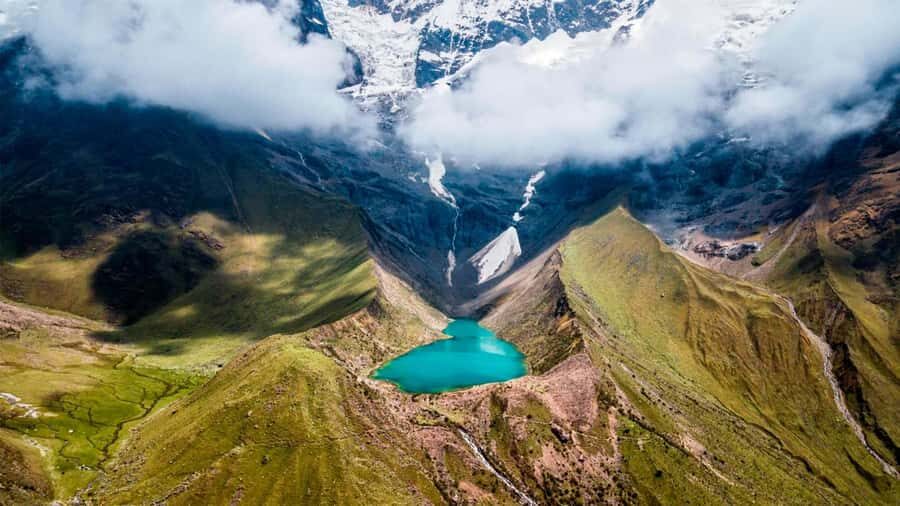
- Humantay Lagoon day add-on at 4,200 meters is a high-altitude outing with big views for the effort.
- Day 3 includes the hydroelectric transfer and train-track walk to Aguas Calientes, which changes the pace fast.
- Machu Picchu early access is timed for that soft morning light, but optional mountain tickets require advance planning.
Why Salkantay 4 Days/3 Nights Feels Like a Peru Best-Of Route
This is one of those trips that hits multiple Peru highlights without bouncing you from place to place all day. Your walking days start high and stay high long enough to feel the altitude in your lungs, then the route drops into warmer valleys before you end at a world-famous site.
I like that the itinerary has clear “chapters.” Day 1 builds you up (Soraypampa and Humantay). Day 2 is the signature challenge (Salkantay Pass up, then a long descent). Day 3 shifts the vibe (Santa Teresa valley, then hydroelectric and train tracks). Day 4 is pure payoff (Machu Picchu in the early light).
The tradeoff is that the rhythm is intense. Even the “lighter” days include major travel steps—especially Day 3, when you switch from walking to transportation and then walk along railway tracks to Aguas Calientes.
You can also read our reviews of more hiking tours in Urubamba
Dome Camps, Mats, and the Real Comfort Trade
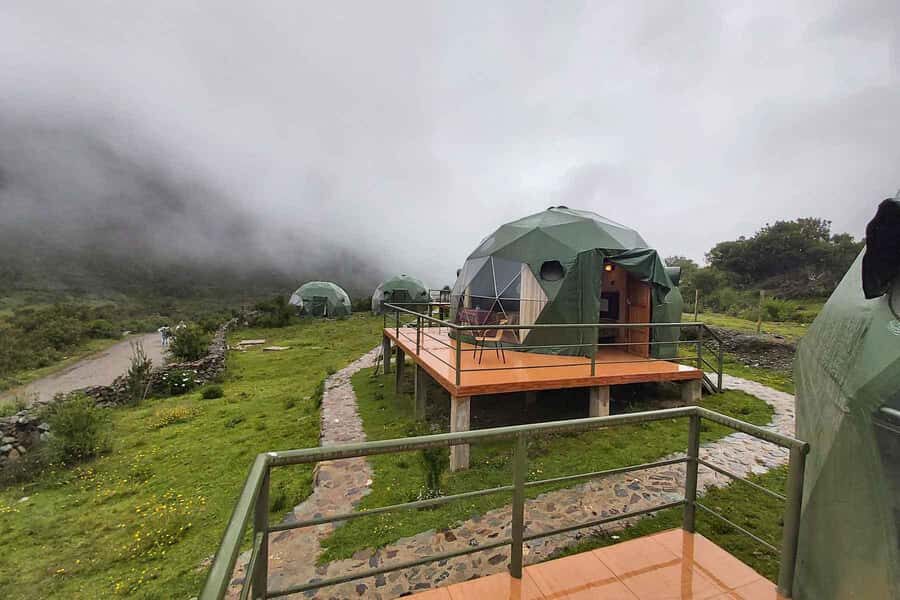
The dome part of this tour matters. You’re not sleeping under open sky or hauling heavy cold-weather gear everywhere, at least not in the classic way. The domes are set for 4 people per dome, and the design includes cabins for 2, which helps a lot when you’re trying to get some sleep after long walking days.
You also get a mat per person, plus a dining tent with tables and chairs, and a kitchen team running meals. That’s the difference between feeling like the trek owns you and feeling like you can still eat, warm up, and reset.
A key detail: a sleeping bag is not included. The tour offers sleeping bags with -10ºC comfort (0ºF). They’re cleaned after each use, and there’s a maximum of 30 trips, with a $20 USD cost for the entire trip. If you’re coming from a warm climate, don’t assume you can wing it with thin bedding—nights at altitude can get cold fast.
Day 1: Cusco to Mollepata to Soraypampa, Then Humantay Lagoon
Day 1 starts with a very early pickup in Cusco. You’ll be met at your hotel between 4:45 and 5:30 a.m., then you take the bus to Mollepata (about two hours). There’s a breakfast stop in Mollepata, but breakfast is not included, so plan to budget for that meal.
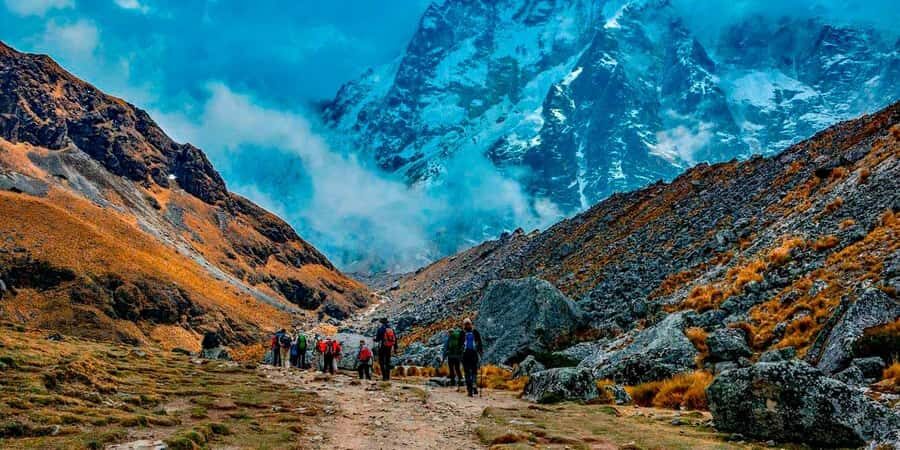
After that, the route continues toward Cahllacancha, where you meet the support team. This is where you feel the structure of the trip: the support team loads luggage onto horses and mules. Around 9:30 a.m., the walking begins toward Soraypampa (3,900 meters). The estimate is about 4 hours with a constant pace.
In the afternoon, you visit Humantay Lagoon (4,200 meters). The walk is listed as a 3-hour round trip from camp. That’s a big deal because it’s happening after an already-physical morning at altitude. Still, the payoff is that you get a glacial-lagoon experience that many Salkantay hikers use as their visual signature of the day.
Practical note: entrance to Lake Salkantay and Humantay is not included. So while the tour includes the hike to the lagoon, you should expect to pay the specific site entry separately.
Day 2: Salkantay Pass (6,264m), Lunch at Huayracmachay, and the Descent to Chaullay
Day 2 is the tough one. You’re woken up early with coca tea, then you eat breakfast around 5:00 a.m. From there, you climb 6 kilometers uphill through rocky mountains until you reach the highest point of the trek. The top is listed at 6,264 meters, so this is where you feel the altitude most strongly.
The schedule suggests about 2 hours of descent after reaching the high point. Then, around 1:00 p.m., you stop for lunch in Huayracmachay. That matters because it gives you a clear fueling break mid-day, which is important for a long afternoon descent.
From there, you continue toward Chaullay. The itinerary calls for about a 3-hour descent to camp around 2,900 meters above sea level. That’s a long downhill effort, and it’s the kind of day where your knees will remember you. The included dinner at 6:00 p.m. helps you regain strength, especially after you’ve spent hours adjusting to steep grades.
Another comfort element: you sleep in indigenous huts on this night. That’s different from the dome style, but it also means you’re not expecting “camping luxury” in the same way. You’re trading consistency of sleeping style for a faster shift in altitude and scenery.
Day 3: Santa Teresa Valley to La Playa, Hydrohelectric Transfer, and the Train-Track Walk
Day 3 changes pace quickly. You start at 6:00 a.m. walking toward La Playa through the Santa Teresa valley. The time estimate is about 6 hours of walking, with a stop at Colpapampa, described as the eyebrow of the cloud forest.
That phrase is a clue to what you’ll likely notice: shifts in temperature and air feel as you move lower and more toward forested terrain. Even if the exact flora isn’t guaranteed, the route is clearly designed to move you from high, cold trekking to a greener, calmer vibe.
You eat lunch in La Playa, then you switch modes. Transportation takes you to the hydroelectric plant (about 1.5 hours). After that, you walk 10 kilometers along the train tracks for about 3 hours to Aguas Calientes, where you stay in a hotel.
This train-track section is the point where you stop feeling like you’re in a classic mountain pass trek and start feeling like you’re on the approach to the Machu Picchu corridor. It’s not technically difficult in the way the pass is, but it’s long. If you’re the type who needs frequent breaks, build your pace around that.
Also, the tour info says the third day takes everything to Aguas Calientes. So expect your “movement time” to be packed—walking plus transfers.
Day 4: Early Machu Picchu Entry, Guided Time, and Optional Mountain Tickets
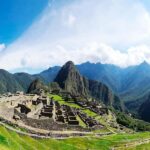
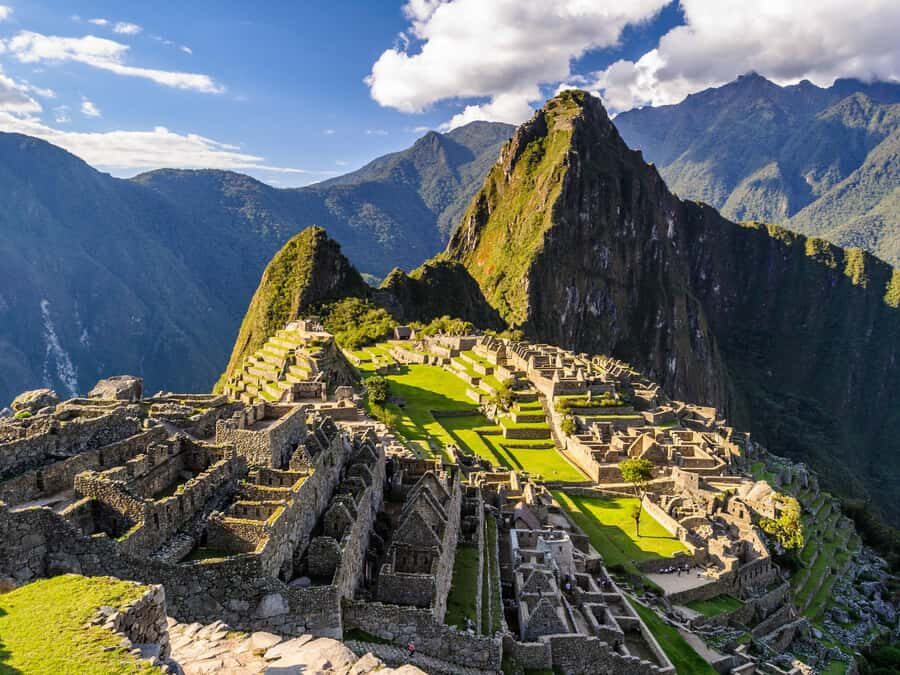
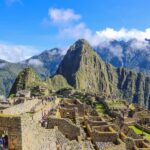
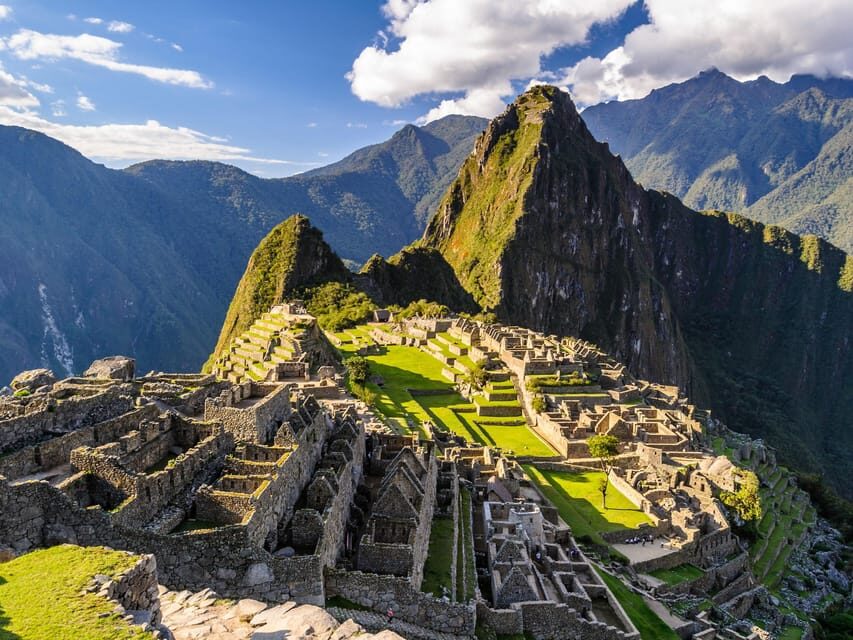
Day 4 is where people come alive again. You wake early in Aguas Calientes for an early arrival to Machu Picchu. The entry point opens from 6:00 a.m. to 3:00 p.m., and the tour’s plan is built around being there early for the softer morning light and a calmer feel.
From there, you can take an optional bus to Machu Picchu and join a 2-hour guided tour. Then there’s the optional climb: you can choose Huayna Picchu or Machu Picchu Mountain, but tickets are required in advance. Each mountain climb is estimated at about 3 hours between ascent and descent.
That’s a big decision day. If you pick the mountain, you’ll likely want to conserve energy earlier in the morning because your guided tour time and your climb time overlap in terms of overall energy needs.
When your Machu Picchu time wraps, you return to Aguas Calientes and catch the train at either 4:22 p.m. or 6:20 p.m. (subject to availability) to Ollantaytambo. Then you travel back to Cusco via a group minivan to Plaza San Francisco.
Here’s the practical caution that matters: even though this tour states Machu Picchu entrance is included, there’s been a real breakdown in at least one situation where the entrance ticket ended up being paid separately. So make sure your exact Machu Picchu entry is confirmed before you line up.
Price ($450) and the Value Math You Should Do
At $450 per person for a 4-day trek with domes, a guide team, meals, and the Machu Picchu connection, the value looks solid on paper. The big contributors are: the support systems (domes, kitchen team, mats), the logistics (pack animals days 1 to 4 for camp gear and food), and the end-game transport (train ticket from Aguas Calientes to Ollantaytambo and the return minivan to Cusco).
But value depends on what’s actually smooth during your dates. Two details deserve your attention because they can turn “good deal” into “stress deal” fast:
1) Machupicchu entry
The included list says it’s covered. Still, the hard lesson is that entry can become a mess if your ticket isn’t correctly aligned with your group timing. Confirm what you receive and what you’ll show at the entrance.
2) Transfers and guide coverage
This route has multiple handoffs: Cusco pickup to Mollepata, then the trek day support, then hydroelectric and train. If your group gets mixed with longer itineraries, you might risk mismatched guide attention. The goal for your booking is not just to have a guide on paper, but to have a guide when decisions happen.
One more planning point: meals are included during the trek days, but breakfast on day 1 is not included. Also, drinking water is described as purchasable during the trip or filter-friendly. If you want to carry less, plan on buying some water. If you want to avoid buying frequently, bring filters.
What’s Included vs. What You’ll Need to Handle
Here’s the practical separation that helps you pack and budget without guessing.
Included essentials:
- Pre-departure briefing
- Hotel pickup in Cusco and transfer to Mollepata
- Domes (4 people per dome, cabins 2)
- Mat per person
- Dining tent and kitchen
- Official English-speaking tour guide (with 2 guides if group is over 10)
- Pack animals for tents/food/kitchen utensils days 1 to 4
- Pack animals for personal equipment up to 5 kg days 1 to 3
- Foods with vegetarian or special menus at no extra cost
- One night accommodation at Aguas Calientes Hostel
- Biodegradable hand soaps and dishwashing detergents
- First aid kit
- Machu Picchu entrance
- Train ticket Aguas Calientes to Ollantaytambo (service selected upon request)
- Bus to Cusco after train, or minivan back from hydroelectric
- 24-hour customer service with an emergency number
Not included items you’ll want to plan for:
- Breakfast on day 1
- Entrance to Lake Salkantay and Humantay
- Drinking water (buy or filter)
- Transportation from Playa Sahuayaco to hidroelectrica
- Lunch on the last day after Machu Picchu guided tour
- Canes
- Sleeping bag (optional rental offered)
One internal note to double-check: the tour data says the live tour guide language is Spanish, while the included details say an English-speaking guide. That’s not automatically a problem, but it is a detail worth clarifying with the provider so you know what to expect.
Who This Salkantay Trek Suits Best (And Who Should Think Twice)
This trek suits hikers who want a serious mountain challenge but also want support. If you’re comfortable with long uphill effort, steep descents, and altitude at 6,264 meters, this is a classic Peru adventure.
It also suits people who like structure. You get consistent camp support, meal planning, and a defined schedule for Machu Picchu timing. You’re not improvising your way across the Sacred Valley.
I’d think twice if you’re the kind of traveler who needs tight control over every handoff. This route has multiple moving parts: train timing, early Machu Picchu entry, and a route that includes walking along tracks. If your schedule after the trek is strict—like a second early-morning activity—you should confirm the expected return timing to Cusco.
Should You Book This 4D/3N Domes Salkantay Trek?
I’d book it if you want a high-impact Salkantay trek with dome comfort, a guided Machu Picchu morning, and a route that delivers variety beyond the pass itself. The value line is strong, especially with vegetarian meals included and the camp infrastructure handled.
I wouldn’t book it blindly. Before paying, do a quick checklist:
- Confirm your Machu Picchu entrance is included for your specific dates and how you’ll get entry.
- Confirm who your guide is and what happens if groups overlap with different itinerary lengths.
- Make sure you understand what you’re responsible for: day-1 breakfast, lagoon entrance, and optional sleeping bag or canes.
If those boxes look clean, this is the kind of trek that can earn a spot in your Peru story fast.
FAQ
What altitude will I reach on the Salkantay trek?
You’ll start around 3,900 meters at Soraypampa (Day 1). Humantay Lagoon is at 4,200 meters. The highest point on Day 2 is Salkantay Pass at 6,264 meters, and Chaullay camp is about 2,900 meters.
Are the nights fully camping, or do I sleep in tents or huts?
You sleep in dome tents during the trek setup (domes are included). On Day 2 night, you stay in indigenous huts in Chaullay. On Day 3 night, you stay in a hotel in Aguas Calientes.
What sleeping gear is included?
You get one mat per person. A sleeping bag is not included, but a -10ºC comfort sleeping bag rental is available for $20 USD for the entire trip.
Is breakfast on the first day included?
No. Breakfast on the first day is not included.
Is Machu Picchu entrance included?
Yes. Machu Picchu entrance is listed as included, and you also get a guided tour once you arrive.
What kind of food options are available?
Foods are included during the trek, and vegetarian or special menus are available at no additional cost.
How large is the group?
The tour is limited to 15 participants.