REVIEW · URUBAMBA
Cusco:Sacred Valley Pisaq,Ollantaytambo,Chinchero with Lunch
Book on GetYourGuide →Operated by Apu Ausangate Trek EIRL · Bookable on GetYourGuide
Inca stones, markets, and weaving in one long day. This trip is interesting because you hit three of the Cusco region’s best stops with a bilingual guide telling the stories in a way you can actually follow, and because the timing is built around real sightseeing—not just bus-window photos. I especially like the Pisac market + ruins combo, and the way Ollantaytambo shows the Inca world still standing. One consideration: it is a full-day circuit with plenty of driving, so you’ll want patience (and good shoes).
You start with a Cusco hotel pickup and a mountain ride into the Sacred Valley. If time allows, you pause at Mirador de Taray for quick, high-reward valley views and photos. Then it’s straight into the history at Pisac and the classic Inca town energy at Ollantaytambo.
Most people come away praising the guides by name—Julio, Nora, Eddie, Manuel, and Eddy come up often—and that matters, because you’ll be covering a lot of ground. You should also plan on bringing cash for site entrance fees (70 soles for the Cusco Partial Tourist ticket), since archaeological entrances are not included.
In This Review
- The best bits, in plain terms
- Sacred Valley in One Day: Why This Route Works
- Cusco Pickup to Mirador de Taray: The Morning Momentum
- Pisac: Artisan Market Energy Meets Intiwatana and the Inca Cemetery
- Urubamba Lunch: A Real Break That Makes the Day Tour Feel Fair
- Ollantaytambo: One of the Last Inca Towns Standing
- Optional 3:00 pm drop-off for connections
- Chinchero: Textiles, Natural Dyes, and a Colonial Church Backdrop
- Price and Logistics: What $28 Buys in Real Terms
- Who Should Book This Sacred Valley Day Tour (and Who Should Skip)
- Should You Book This Tour? My Practical Recommendation
- FAQ
- How long is the Cusco: Sacred Valley Pisac, Ollantaytambo, Chinchero with Lunch tour?
- What does the tour cost?
- What’s included in the price?
- Are archaeological site entrance fees included?
- What places will I visit during the day?
- Is there an optional drop-off in Ollantaytambo?
- What languages are offered by the tour guide?
- Can I cancel and get a full refund?
The best bits, in plain terms
- Guides who switch languages smoothly and keep explanations clear in both English and Spanish
- Pisac’s market plus Inca archaeology in the same stop, so you get culture and ruins back-to-back
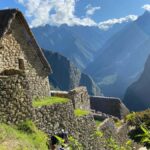
- Ollantaytambo as a rare, intact Inca town with terraces, steps, and the Sun Temple
- Chinchero textile learning you can see with your hands via a weaving workshop and natural dye demos
- Lunch in Urubamba that punches above the average day-tour buffet, with reports of live music
- Optional Ollantaytambo drop-off around 3:00 pm, useful if you’re connecting onward by train
Sacred Valley in One Day: Why This Route Works
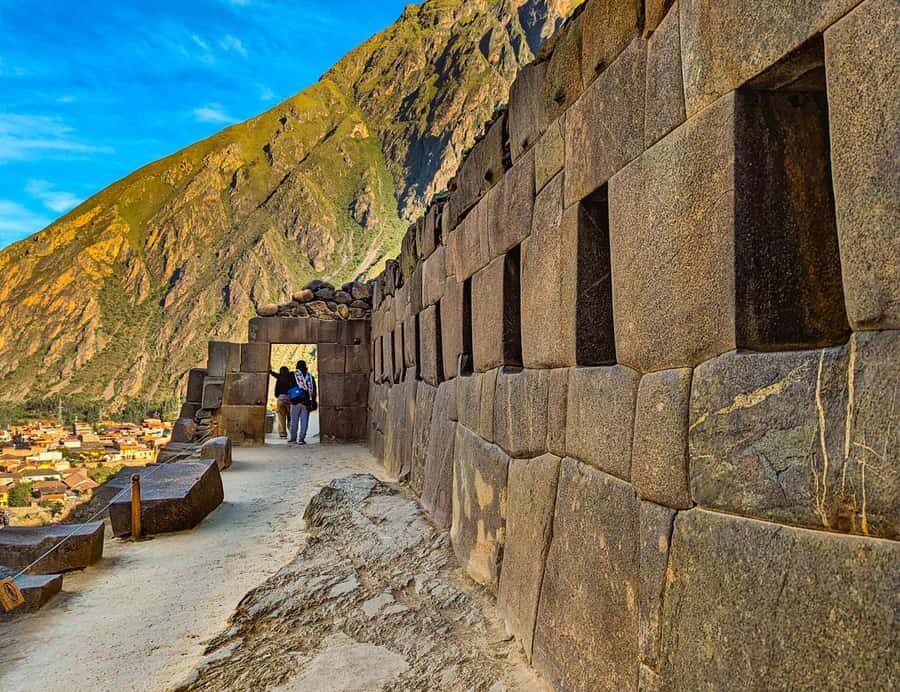
This is the kind of day tour I like for Cusco, because it targets big Sacred Valley highlights without pretending you’ll have unlimited time. You’re trading depth in one place for a broader snapshot across Pisac, Ollantaytambo, and Chinchero. If you’re short on days, that trade is usually worth it.
The structure also keeps you moving logically. You go from mountain viewpoints to Inca sites (Pisac), then to a real lunch break, then to Ollantaytambo’s town-and-temple feel, and finally to Chinchero’s textiles and colonial church context. By the end, you don’t just see ruins—you see how living traditions still connect to the same Andean landscape and materials.
There’s a reason a lot of people love this format: it’s built around a full-day flow that feels “complete,” not random. And the bilingual guiding is a big part of that. Several guides—Julio and Nora are standout names—are praised for storytelling and clear communication.
A few more Urubamba tours and experiences worth a look
Cusco Pickup to Mirador de Taray: The Morning Momentum
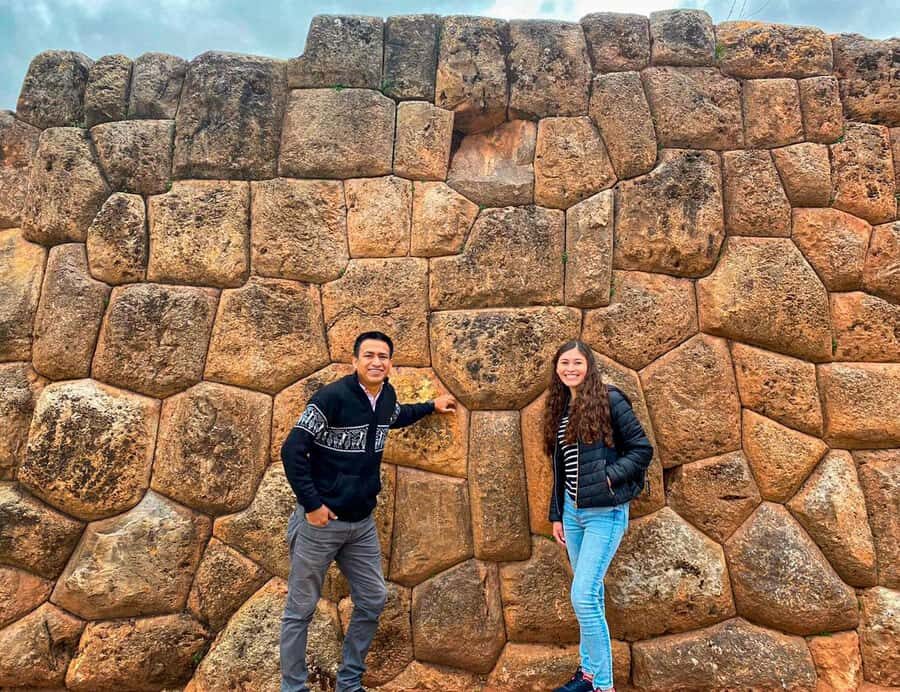
Your day starts with a hotel pickup in Cusco’s Centro Histórico area. Then you hop onto a comfortable bus/coach for the mountain drive, including a 45-minute stretch that helps you adjust to the altitude rhythm (slow start, then the day takes off).
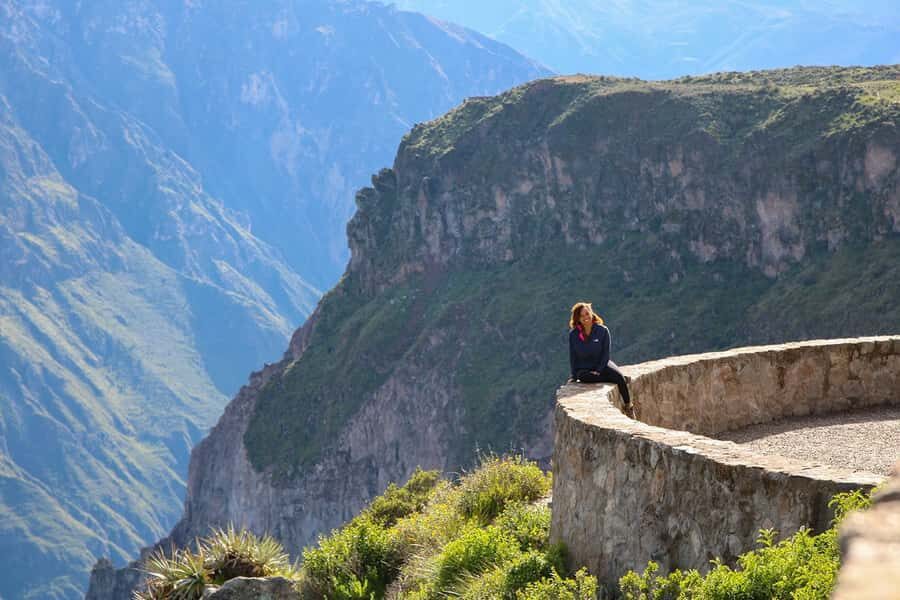
If the timing lines up, you stop at Mirador de Taray. This is a classic “quick photo, big payoff” viewpoint. You get a short break—about 10 minutes to soak in the valley from above—before you continue.
Here’s the practical side: viewpoints can feel optional until you’re standing there. That first panorama makes the rest of the day easier to understand, because you’ll recognize why the Incas and later locals settled and built where they did. Just bring sunscreen and a hat, since the sun can feel intense even when you’re not sweating much.
Pisac: Artisan Market Energy Meets Intiwatana and the Inca Cemetery
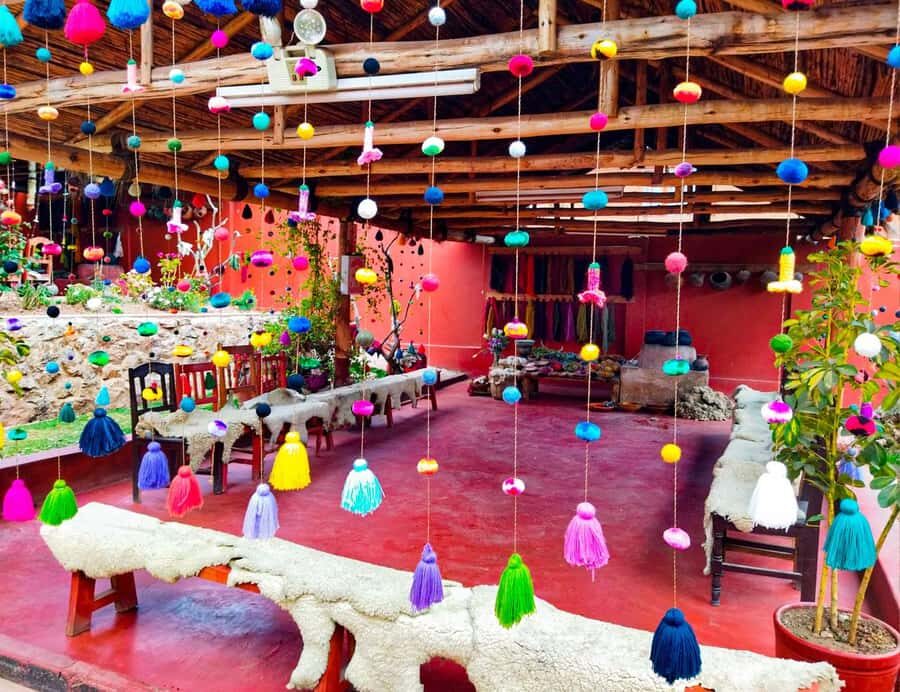
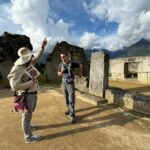
Pisac is often the heart of the route, because it combines three things people want: a marketplace you can browse, a major archaeological site, and guided context that helps it make sense. You’ll do a photo stop and then move into the ruins with a guided tour plus time to explore.
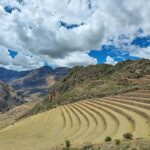
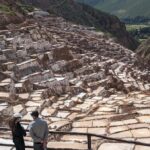
At Pisac, you’ll see the kinds of structures the Incas were famous for: temples and residences, altars, intricate channels, and carvings. You’ll also be on the lookout for the Intiwatana, a sun-dialing stone that ties into how the culture tracked the sky and seasons. The scale feels impressive in person—less like a single monument and more like a whole engineered system.
One detail worth knowing before you go: Pisac is described as having the largest known Inca cemetery, with over 2,000 tombs. That changes the tone of the visit. You’re not just looking at architecture—you’re seeing a place tied to ritual and memory.
Then there’s the market. The best use of time here is to browse without rushing—look for textiles, ceramics, and small handmade items, and ask questions about materials if your guide encourages it. Even if you don’t buy, the market gives you a human layer to the stonework.
A quick caution: some days feel busy in Pisac because the stop is about an hour for guided time plus photos. If you love ruins and could happily spend a few hours on one terrace line, you may wish the stop were longer. Still, if you’re doing a one-day circuit, this is a strong “bang for time” stop.
Urubamba Lunch: A Real Break That Makes the Day Tour Feel Fair
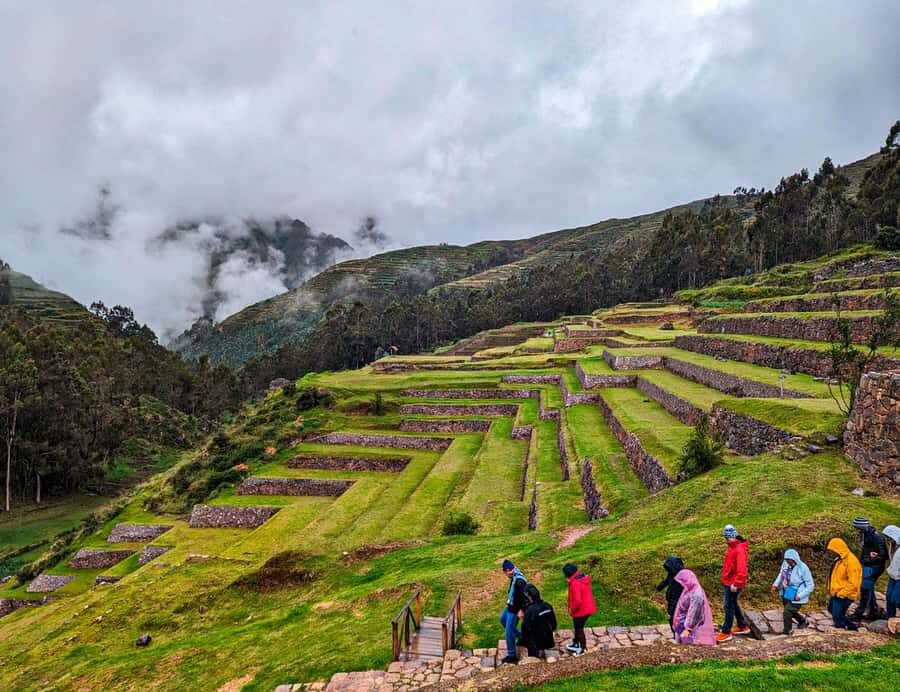
After Pisac, you drive to Urubamba for lunch, with about an hour for the meal. This is one of the reasons the tour feels civilized. You get time to sit down, eat properly, and reset before the late-day climbing and stone steps.
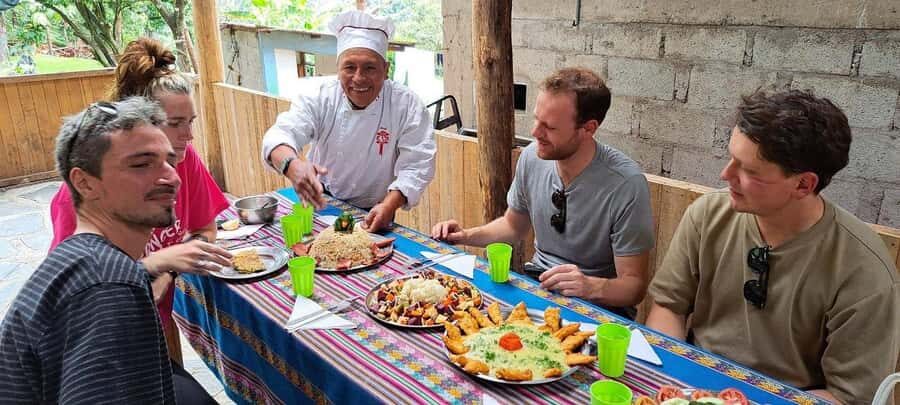
The lunch is a buffet, and multiple people call out that it exceeded expectations. Some mention live music during lunch and even extra touches at the buffet line. It’s not just about filling up; it helps you avoid the classic day-tour problem where you’re stuffed on snacks but mentally drained.
If you’re sensitive to heavy food at altitude, choose one plate you actually enjoy and build from there. Then give yourself a few minutes afterward to slow your breathing and let your body catch up.
Also remember: you’ll still want water. Even though lunch gives you a break, the day isn’t over.
Ollantaytambo: One of the Last Inca Towns Standing
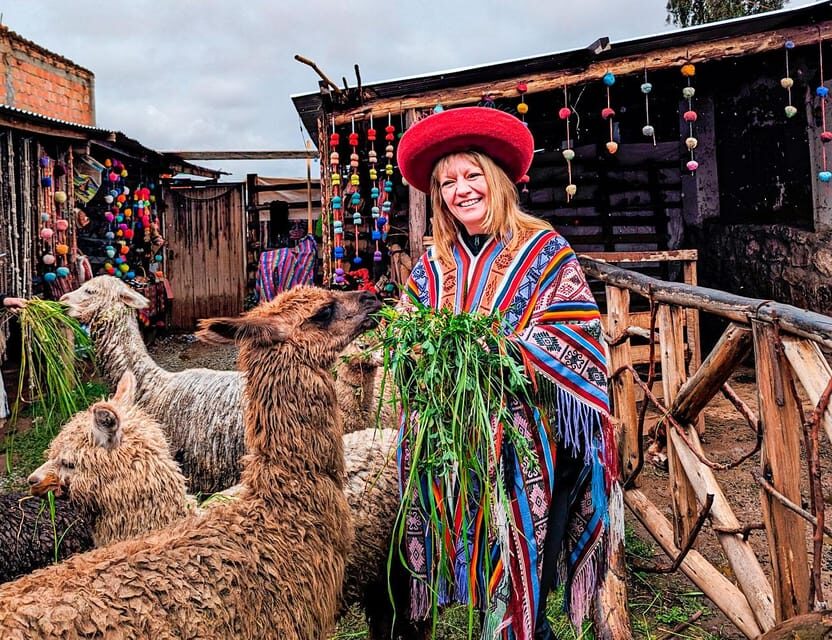
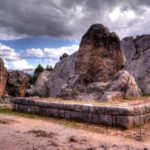
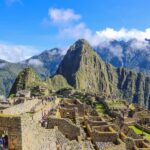
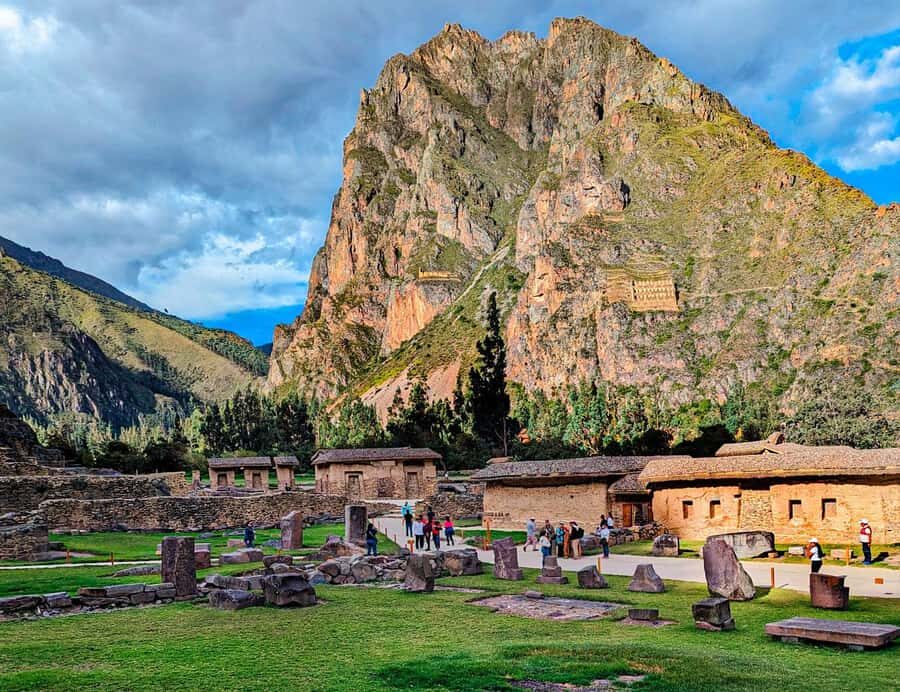
Ollantaytambo is where the day turns from ruins-as-attractions into town-as-legacy. This stop is surrounded by sacred mountains, and it served multiple roles—military, agricultural, and religious—so the site doesn’t feel one-dimensional.
You’ll visit the town’s main highlights with a guided tour and time for photos and walking. A key structure is the Sun Temple, perched high and built with impressive architecture, carvings, farming terraces, and interconnected stone steps. The scale and the layout help you understand how people lived and worked here, not just how they worshiped.
There’s also a history tidbit that your guide may mention: this is one of the few places where Spanish forces reportedly lost a battle during the conquest. That story gives the stonework a sharper edge—less postcard, more resistance and survival.
Practical tip: wear shoes you can trust on uneven stone. Even when you’re not scrambling, you’ll be moving across steps and terraces. Some guests felt the time in Ollantaytambo could be tight—just enough to see the main areas—so if you’re a slow walker or you want extra photos from multiple angles, plan to move a bit faster than you normally would.


Optional 3:00 pm drop-off for connections
Around 3:00 pm, you may be able to get dropped off in Ollantaytambo at either the train station or near the main square. That can be a smart time-saver if you’re connecting onward and want to avoid one more late journey back into Cusco. Even if you stay with the full tour, it’s a nice flexibility option.
Chinchero: Textiles, Natural Dyes, and a Colonial Church Backdrop
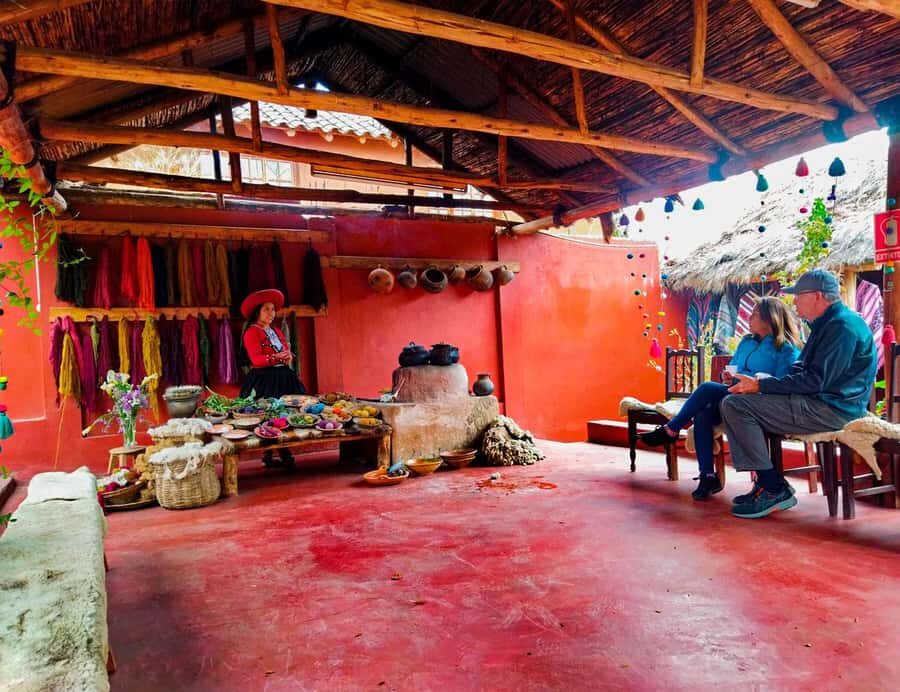
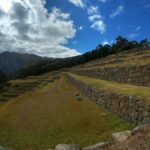
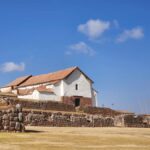
The last major stop is Chinchero, and it’s a great choice for ending the day because it moves from stone monuments to living craft. You’ll see impressive terraces and altars tied to the local Inca legacy, plus a colonial church stop that changes the visual story of the area.
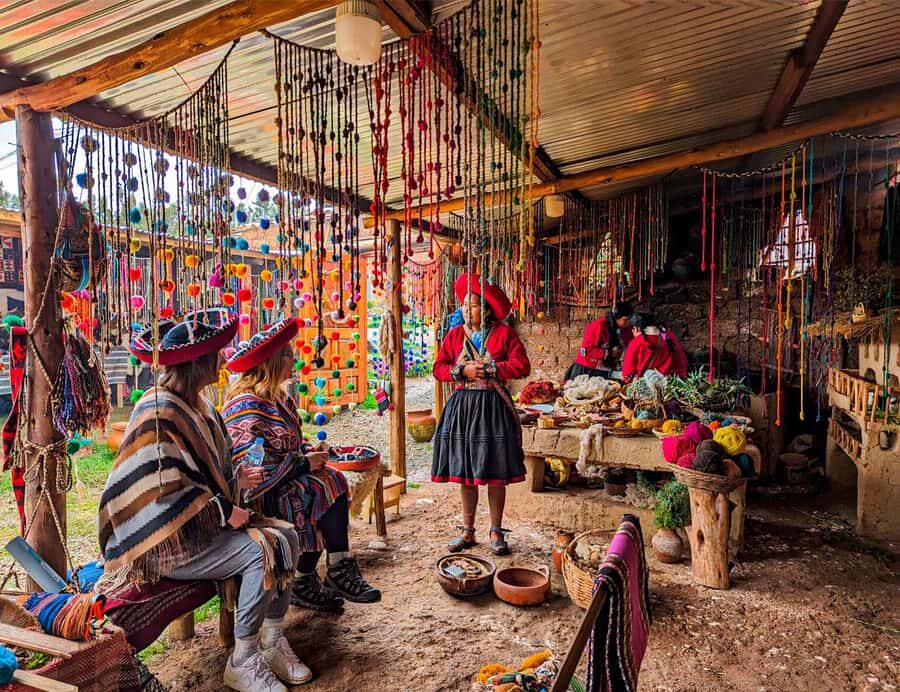
What makes Chinchero especially valuable is the weaving workshop component. Local people continue practicing Quechua traditions, and you’ll get to watch how natural dyes are obtained from plants. That matters because it turns textiles from a product into a process you can understand.
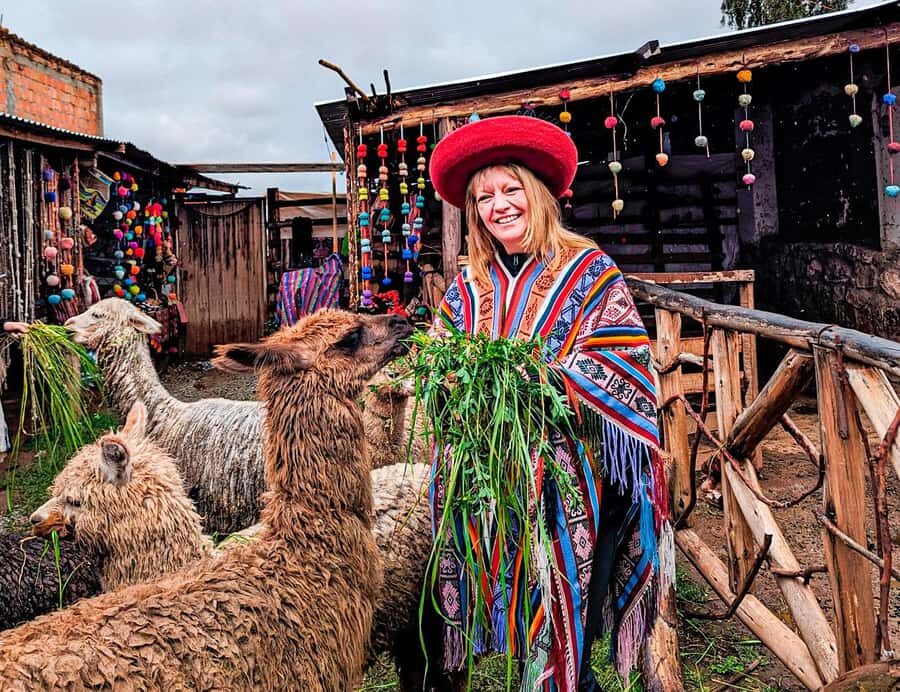
Expect some walking here too—plus time for photos. Some guests also mention the chance to take pictures dressed in traditional Andean clothing. It’s a fun extra, and it also helps you notice patterns and design logic once you’ve seen how dyes and weaving techniques connect to daily life.
If you’re the type who likes to learn, Chinchero is usually the most satisfying end point. It gives you something you can carry home in your brain: not just what people built, but how they made meaning through material.
One more note: some tours in this area include optional shop-style stops, and you may get demonstrations related to craftsmanship or materials. If you don’t want to shop, you can still take value from the explanations and skip purchases without drama.
Price and Logistics: What $28 Buys in Real Terms
At about $28 per person for a roughly 10.5-hour day, the value is the combination: pickup, transport, a bilingual guide, and lunch. Most costs you’ll have to watch are on the side of archaeological entrances.
Entrance fees are not included. You’ll likely need the Cusco Partial Tourist ticket (70 soles) for the sites. The best approach is to bring cash in Peruvian soles ahead of time, so you’re not scrambling at ticket counters while the bus is waiting.
Also factor in the driving time. This is not a slow, strolling half-day. It’s a full loop. If you handle long days well, you’ll feel good about squeezing multiple Sacred Valley highlights into one visit. If you hate being in transit, you’ll feel that more than you’d like.
The good news: multiple reviews mention comfortable transportation and smooth driving. Guides like Julio, Nora, and Eddie are praised for keeping schedules and giving the right balance of explanation and time to explore on your own.
Who Should Book This Sacred Valley Day Tour (and Who Should Skip)
I think this tour is a strong fit if you:
- have limited time in Cusco and want Pisac + Ollantaytambo + Chinchero without planning a full route yourself
- want a bilingual guide who explains what you’re seeing (not just where to stand for a photo)
- care about both Inca sites and living traditions, especially textiles in Chinchero
- appreciate a structured day with a proper Urubamba buffet lunch break
I’d consider skipping or swapping if you:
- want deep, slow time inside one archaeological zone (some stops are about an hour for the guided component)
- hate long driving days and would rather do fewer places
- have a schedule constraint that makes a full-day return to Cusco stressful (the optional 3:00 pm Ollantaytambo drop-off can help, though)
If you’re doing Machu Picchu later, this Sacred Valley day is a great way to understand the wider Inca setting—because the stone, the terraces, and the agricultural logic show up again and again.
Should You Book This Tour? My Practical Recommendation
If you want the Sacred Valley highlights in one day, this is a sensible pick. The route hits the big names—Pisac, Ollantaytambo, Chinchero—and the guiding quality (with standout people like Julio and Nora) seems to make the difference between seeing places and actually understanding them.
Book it if your priority is value and variety. Don’t book it if your priority is leisurely pacing and extended time in only one site. In that case, you’ll end up feeling slightly rushed, especially in Pisac and Ollantaytambo.
Either way, go prepared: comfortable shoes, water, sunscreen, and cash soles for entrance fees. The day is long, but it’s also well set up to feel worth it.
FAQ
How long is the Cusco: Sacred Valley Pisac, Ollantaytambo, Chinchero with Lunch tour?
The duration is listed as 630 minutes, which is about 10.5 hours.
What does the tour cost?
The price is listed as $28 per person.
What’s included in the price?
It includes hotel pickup, a bilingual tour guide (Spanish/English), transportation to all stops, and a buffet lunch in Urubamba.
Are archaeological site entrance fees included?
No. Entrance to the archaeological sites is not included. A Cusco Partial Tourist ticket is mentioned as 70 soles.
What places will I visit during the day?
You’ll visit Mirador de Taray (optional depending on time), Pisac, Ollantaytambo, and Chinchero, plus lunch in Urubamba and a colonial church and weaving workshop in Chinchero.
Is there an optional drop-off in Ollantaytambo?
Yes. There’s an optional drop-off around 3:00 pm at either the train station or the main square.
What languages are offered by the tour guide?
The tour guide is bilingual, offering Spanish and English.
Can I cancel and get a full refund?
Free cancellation is offered up to 24 hours in advance for a full refund.