REVIEW · URUBAMBA
From Cusco:Chinchero, Moray, Maras, Ollantaytambo with lunch
Book on GetYourGuide →Operated by MACHU PICCHU JUNGLE · Bookable on GetYourGuide
Early starts can be worth it.
This day trip strings together some of the most unforgettable Sacred Valley stops—Moray’s circular farming terraces, plus Ollantaytambo as an active window into Inca life. You start around dawn, move by van between sites, and keep the day focused on “see it, learn it, eat, then climb” rather than wandering endlessly.
I really like the hands-on feeling of the itinerary. The textile lesson in Chinchero turns what could be a quick photo stop into an actual skill and culture story, and the buffet lunch in Urubamba gives you a solid reset before the afternoon walking. The one drawback to plan for is timing and walking pace: it’s a full day with several site visits and some steps, plus altitude changes in the mix.
In This Review
- Key highlights to look forward to
- A 9-hour Sacred Valley sampler: Chinchero to Ollantaytambo
- Morning pickup and the pace: what 6:10am actually feels like
- Chinchero: Inca walls, a colonial church, and the textile lesson
- Moray’s circular terraces: why the Incas built farming like engineering
- Maras salt mines: 3,000 wells, plus the chocolate stop you didn’t see coming
- Urubamba buffet lunch: fuel up before the Ollantaytambo climb
- Ollantaytambo: the last living Inca city and Temple of the Sun views
- Price and extras: where the $32 value really comes from
- Practical tips that make a full-day circuit easier
- Should you book this tour?
- FAQ
- How long is the tour, and when do pickups start?
- Is hotel or Airbnb pickup included?
- What’s included for lunch?
- Do I need tickets for the salt mines and other sites?
- Where does the tour end?
- Is there free time at Ollantaytambo?
- What should I bring, and is it suitable for everyone?
Key highlights to look forward to
- Chinchero textiles at a family home: free explanation of the Andean textile process in a real household setting
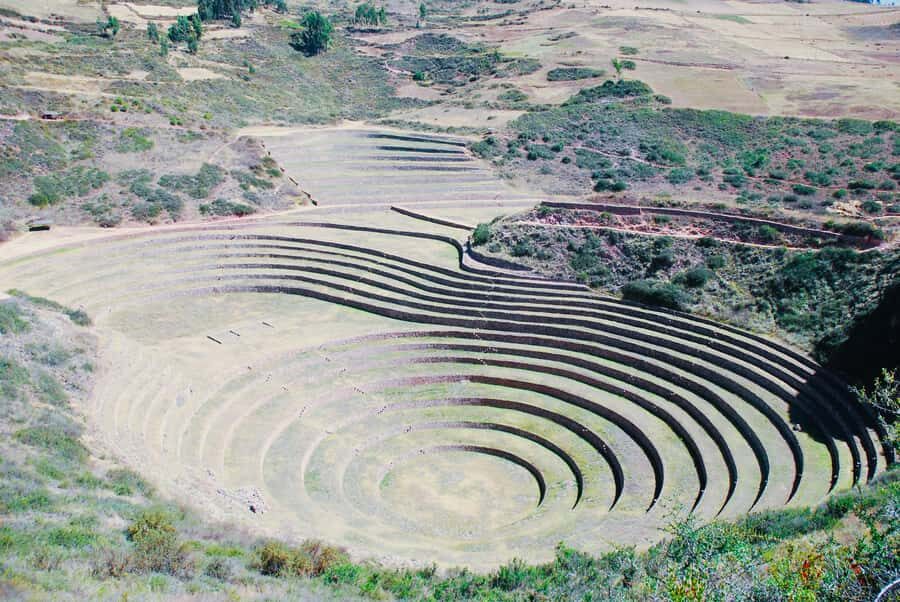
- Moray’s circular terraces: a classic Inca agricultural site where farming was engineered with precision
- Maras salt wells (3,000+): the striking sight of thousands of salt pans still used in the salt-mining tradition
- Chocolate tasting in Maras: a fun, unexpected break that keeps the morning from feeling too heavy
- Urubamba buffet lunch: typical Peruvian dishes to fuel you for the afternoon
- Ollantaytambo Temple of the Sun: climb Inca steps and get a view over town
A 9-hour Sacred Valley sampler: Chinchero to Ollantaytambo
This is the kind of tour that works when you want a lot of “best hits” without spending multiple days. In about 9 hours, you cover Chinchero, Moray, Maras, Urubamba, and finish at Ollantaytambo—right where many people connect onward toward Aguas Calientes.
The big value isn’t only the number of stops. It’s how the stops connect to each other: Andean textiles and colonial-era layering in Chinchero, agricultural experimentation at Moray, salt production at Maras, and then an Inca-built city at Ollantaytambo. It’s a practical route through how people lived and worked in the Sacred Valley.
A few more Urubamba tours and experiences worth a look
Morning pickup and the pace: what 6:10am actually feels like
Pickup runs from about 6:10am to 7:00am, depending on where you’re staying. If you’re staying near Plaza de Armas or in central Cusco, you’ll likely get picked earlier rather than later.
Here’s the deal: the early start matters because it protects your daylight at each stop. You’ll be out while the sites are calmer and before heat really ramps up. But you should also know the tradeoff—this isn’t a slow morning coffee-and-photos tour. Expect to walk, climb stairs at Ollantaytambo, and keep moving through the day.
Practical tip: bring a full water bottle. The tour advises water and you’ll feel better if you sip throughout rather than waiting until you’re thirsty.
Chinchero: Inca walls, a colonial church, and the textile lesson
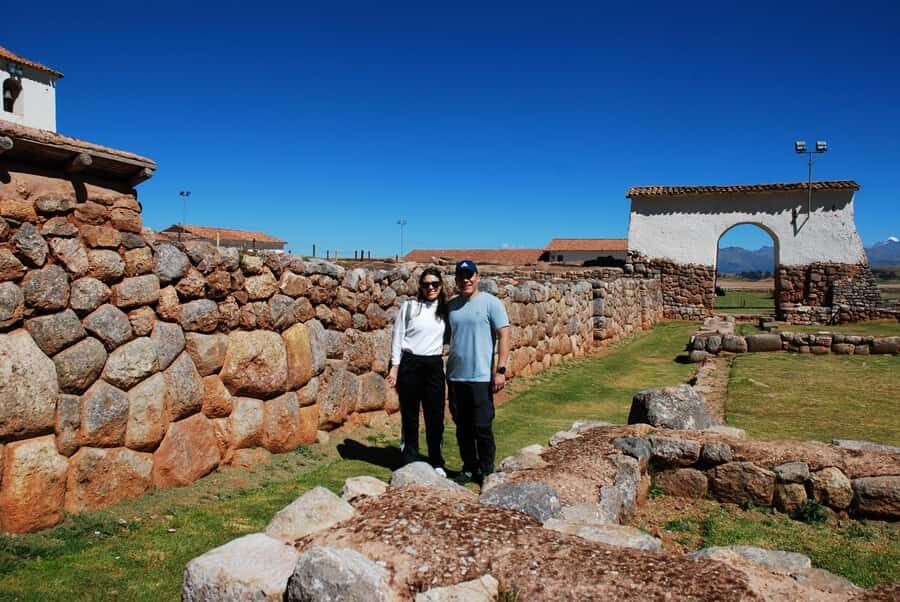
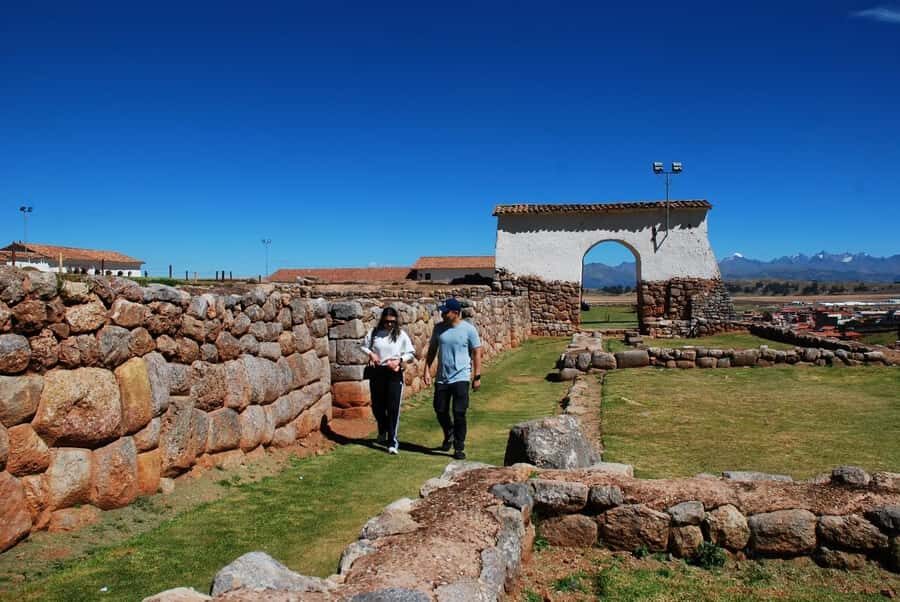
Chinchero is two experiences stacked back-to-back: a local family textile explanation and a historic site with Inca wall constructions plus a colonial church.
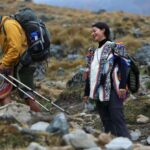
First you’ll go to a family home where you get a free explanation of Andean textiles. Even if you’ve seen weaving before, this is the kind of stop where you start noticing how textiles function beyond decoration. You’ll get context for the materials and the process, and you’ll also get the human side—people living with these traditions now, not just displaying them for tourists.
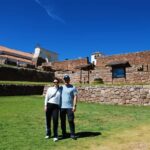
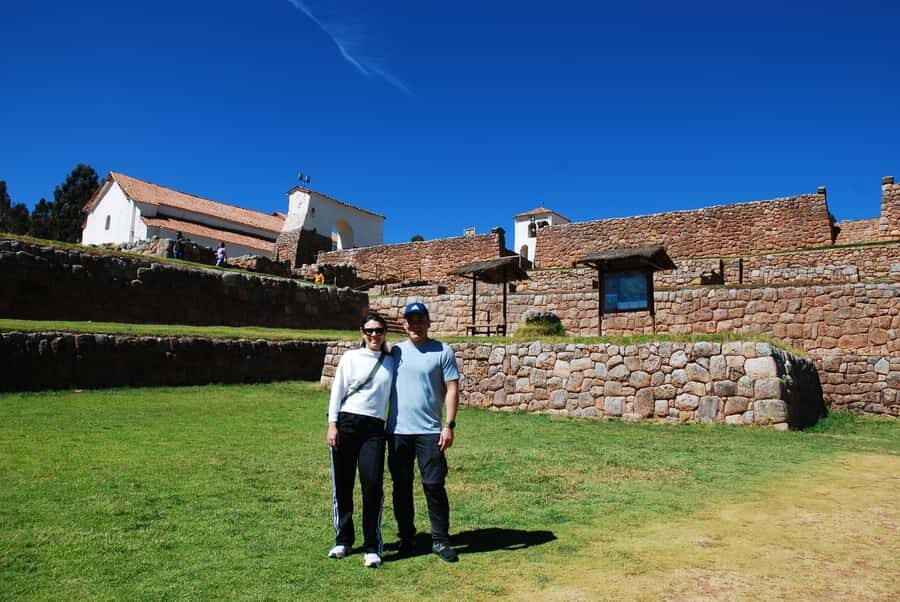
Then you’ll continue to the archaeological site of Chinchero. This is where you can slow down for photos: the Inca masonry is the star, and the colonial church adds the layered story of what came later. You’ll have time for souvenir photos, so it’s not strictly “stand-and-go.”
Good to know: you’ll likely want comfortable shoes here, because even short “historic-site” walks can add up when you’re doing them back-to-back.
Moray’s circular terraces: why the Incas built farming like engineering
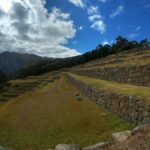
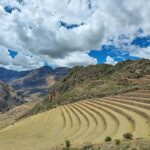
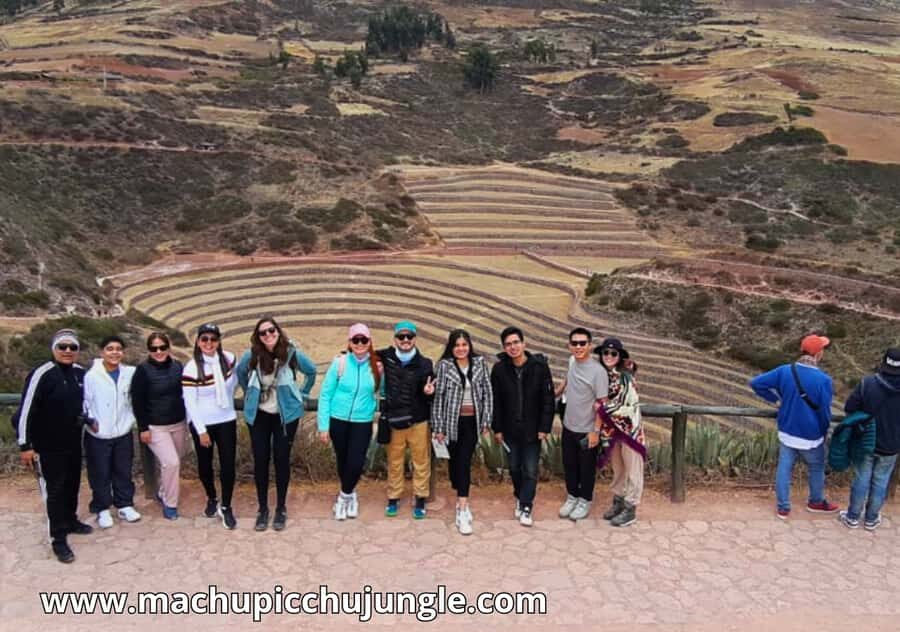
Moray is one of those places that feels instantly weird—in a good way. The circular cultivation terraces look like something designed for a science experiment, and that’s exactly why they matter. In Inca times, this site was important in agriculture, and the structure suggests deliberate control over growing conditions.
When you’re standing near the terraces, you can almost see the thinking: different levels can create different micro-conditions, so farming could be tested or adapted. It’s a reminder that Inca agriculture wasn’t only about surviving—it was about experimenting, optimizing, and learning.
The visit is timed so you get a proper look rather than a quick pass. You’ll spend about 45 minutes there, which is usually enough to take photos, absorb the guide’s explanation, and walk around without feeling rushed.
Maras salt mines: 3,000 wells, plus the chocolate stop you didn’t see coming
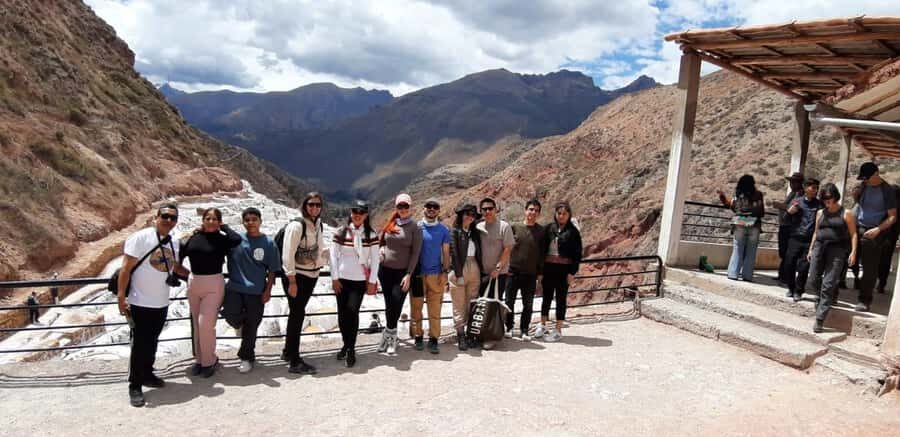
Maras has two parts in this tour, and the contrast is fun. First you’ll visit the chocolate houses in Maras and get free chocolate tasting. It’s a small break, but it helps break up the heavier topic of salt production. Also, it’s just enjoyable to taste something local before heading into a more visually intense site.
Then you descend to the salt mines of Maras, a picturesque area known for the view of the pans stacked across the hills. Here you’ll visit more than 3,000 salt wells, with salt historically used by the Incas for consumption. The number is part of the wow factor—when you see the grid of wells, you stop thinking of it as a single attraction and start thinking of it as a whole system.
One practical point: the salt mines include extra costs. The tour notes entrance to the salt mines is PEN 20.00 per person. Plan this in your budget so there’s no surprise at the gate.
If you want photos, bring your camera ready. This is the kind of place where even casual angles look good.
Urubamba buffet lunch: fuel up before the Ollantaytambo climb
After Maras, you’ll reach Urubamba for lunch. You’ll have about 45 minutes for a buffet lunch with a variety of typical Peruvian dishes.
Why lunch timing matters here: the afternoon includes Ollantaytambo, which is known for its stairs and Inca stonework. If you skip or go light, you’ll feel it later. A buffet is useful on a tour like this because you can choose what agrees with your stomach and energy level.
Try to eat before you’re starving. Early-morning energy plus altitude can make you hungry in waves, but don’t wait until you’re shaky. Eat, drink a bit of water, and keep your pace easy as you transition to the next stop.
Ollantaytambo: the last living Inca city and Temple of the Sun views
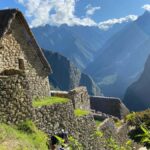
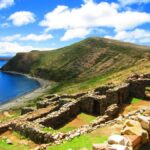
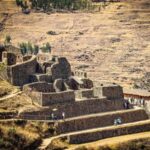
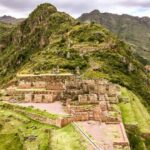
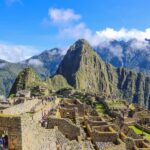
The day finishes at Ollantaytambo, described as the last living Inca city. That phrase isn’t just marketing—Ollantaytambo is built around an Inca layout, and it feels like the past didn’t get erased.
Your time includes:
- a guided tour
- a photo stop
- break time
- and free time (about 45 minutes)
The headline moment is climbing the Inca steps to the Temple of the Sun, which the tour highlights as the most important part. From up there, you get a spectacular view over Ollantaytambo.
This is where you’ll appreciate the pacing of the whole tour. Chinchero and Moray give you culture and agriculture context. Maras gives you production and trade-adjacent history through salt. Then Ollantaytambo wraps it up with stone architecture and a living town feel.
If you have a train onward to Aguas Calientes, you can continue from here. If not, the tour notes that staying one night in Ollantaytambo can be a good option—it’s described as charming and welcoming.
Price and extras: where the $32 value really comes from
At about $32 per person, this tour is priced as a budget-friendly “Sacred Valley highlights” day. For the money, you get a lot of structure: pickup coordination, a guide who works in English and Spanish, and transportation between multiple major sites.
What’s included:
- pickup from your hotel or Airbnb
- professional guide in English and Spanish
- one-way transportation
- buffet lunch in Urubamba
- family home visit in Chinchero for free textile explanation
- chocolate tasting in Maras
What costs extra:
- Salt mines entrance: PEN 20.00 per person
- Partial Tourist Ticket (S/. 70.00) used for this tourist circuit
- breakfast and dinner (not included)
- travel insurance (not mentioned as included)
So is it a deal? For most people, yes—especially because you’re paying once for a coordinated route rather than figuring out buses and entrance logistics. But do keep your budget honest by adding the salt-mines entrance and the ticket required for the circuit. If you’re already planning to pay for site entry anyway, the $32 becomes more of a “guided transport and timing” value.
Practical tips that make a full-day circuit easier
This day trip hits several walking-heavy areas, so your comfort matters more than usual.
Bring:
- comfortable shoes
- a hat
- sunscreen
- camera
- water
Wear:
- clothing you can move in. The tour specifically warns you about comfortable shoes and clothing suitable for walking.
Altitude reality check:
- the tour notes varying altitudes throughout the day. Don’t race. Take small breath breaks, drink water, and avoid going hard on the stairs if you feel lightheaded.
Other notes:
- no smoking
- it’s not suitable for pregnant women
Also, if you’re picking up outside the very center, pickup coordination happens through WhatsApp. The tour asks you to send your hotel name and address for pickup, so do that early to avoid last-minute confusion.
Should you book this tour?
Book it if you want one day that covers Chinchero + Moray + Maras + Urubamba + Ollantaytambo without planning transport between each stop. It’s a good fit for first-timers who like context—textiles, agriculture, salt production, and Inca city planning—rather than only wandering for views.
Skip it (or consider a different option) if you hate early mornings, dislike walking, or want a slower rhythm with fewer transitions. Also, factor in the extra site costs like the partial ticket and the salt mine entrance.
If you’re the type who likes to learn while you look—this route is set up for that. You finish in a place that’s also useful for onward travel, especially if your train timing connects to Aguas Calientes.
FAQ
How long is the tour, and when do pickups start?
The tour runs for about 9 hours, and hotel or Airbnb pickup typically happens between 6:10am and 7:00am.
Is hotel or Airbnb pickup included?
Yes. Pickup from your hotel or Airbnb is included, and coordination is done via WhatsApp. You’ll need to send your hotel name and address.
What’s included for lunch?
Lunch is a buffet in Urubamba with a variety of typical Peruvian dishes.
Do I need tickets for the salt mines and other sites?
Yes. The tour lists an extra salt mines entrance fee of PEN 20.00 per person and a Partial Tourist Ticket of S/. 70.00 per person used for this tourist circuit.
Where does the tour end?
The tour ends at about 3:00pm in Ollantaytambo, with drop-off at Plaza de Armas de Ollantaytambo or Plaza Regocijo.
Is there free time at Ollantaytambo?
Yes. The schedule includes free time at Ollantaytambo (about 45 minutes), plus a guided tour and photo stops.
What should I bring, and is it suitable for everyone?
Bring comfortable shoes, a hat, sunscreen, camera, and water. It’s not suitable for pregnant women, and you should dress for walking with attention to changing altitude.