REVIEW · URUBAMBA
Sun and Moon Tour
Book on GetYourGuide →Operated by Todo Turismo · Bookable on GetYourGuide
Lake Titicaca has a way of making every stop feel bigger than it should. I like that this tour pairs iconic island sights with Inca-era details you can actually picture, from Pikokaina to the Yumani stairs. I also love that you get both Sun Island and Moon Island in a single day, so you don’t spend your precious time picking one. The only real drawback is the pace: it’s a full day with lots of moving between sites and piers, and the tour aims to cover many highlights before returning to Copacabana around 17:00.
You start with a convenient hotel pickup in Copacabana at 08:00, then you’re out on the lake and onto the islands without wasting time. If you’re the type who enjoys learning the stories behind places—like myths tied to the founding of Andean culture—this tour gives you context, not just photos. If you’re expecting a slow, lounging day, you may find it a bit tight.
In This Review
- Key Points You Should Know Before You Go
- Copacabana Pickup to the Pier: A Day Starts Moving
- Crossing Lake Titicaca: Fast Transit, Big Atmosphere
- Sun Island Highlights: Pikokaina and the Temple of the Sun
- Yumani Stairs and the Inca Garden: Where the Walking Feels Purposeful
- Back to the Pier: Challapampa and the Sacred Rock Stories
- Moon Island: Temple of the Moon and the House of the Virgins
- The Guide Makes It Work: Clear Explanations in Two Languages
- Price Value: Is $120 Worth It for One Day?
- Who This Tour Suits Best (and Who Might Prefer Something Else)
- Practical Tips to Make the Most of Your Day
- Should You Book the Sun and Moon Island Tour?
- FAQ
- What time does the tour pick you up in Copacabana?
- How long is the Sun and Moon Island Tour?
- What places will I visit during the tour?
- What time will I be back in Copacabana?
- Is transportation included?
- What’s included with the price?
- What languages does the guide speak?
- How much does the tour cost?
- Is there free cancellation?
- Can I reserve without paying right away?
Key Points You Should Know Before You Go
- 08:00 Copacabana pickup and return at about 17:00, so plan your day around it
- Shared speedboat on Lake Titicaca makes the crossings efficient
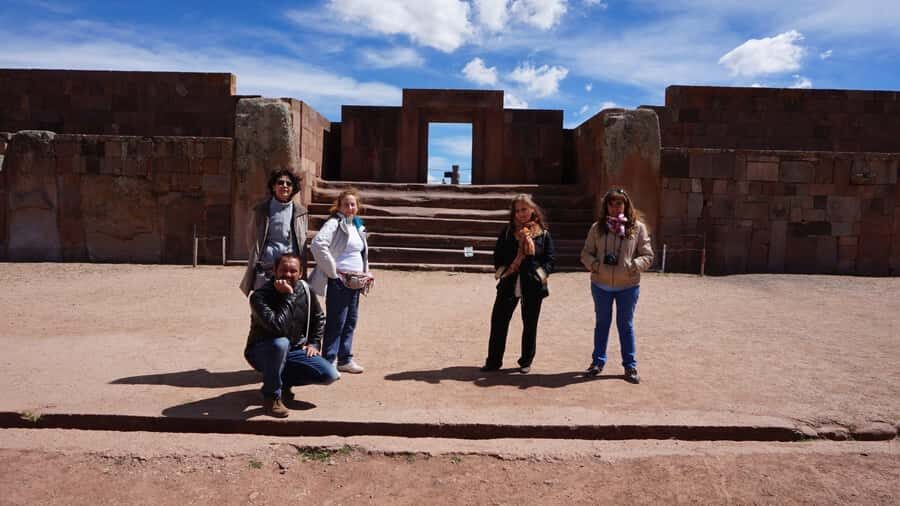
- Pikokaina (Temple of the Sun) plus the Yumani stairs and Inca garden create a strong Inca-focused route
- Challapampa stop includes the Chinkana and the Sacred Rock tied to origin myths
- Moon Island sites cover both the Temple of the Moon and the House of the Virgins of the Sun
- English-Spanish professional guide keeps the day moving and the explanations clear
Copacabana Pickup to the Pier: A Day Starts Moving
Your tour begins with pickup in Copacabana at 08:00. From there, you head to the pier where you start the lake crossing that links the islands. This part matters because it sets the tempo: the tour is built to maximize daylight on Lake Titicaca.
Once you’re on track, the day feels organized rather than rushed-chaotic. Even better, you have a professional guide working in English and Spanish, which helps when you want the names of places and the meaning of what you’re seeing to land clearly.
You can also read our reviews of more tours and experiences in Urubamba.

Crossing Lake Titicaca: Fast Transit, Big Atmosphere
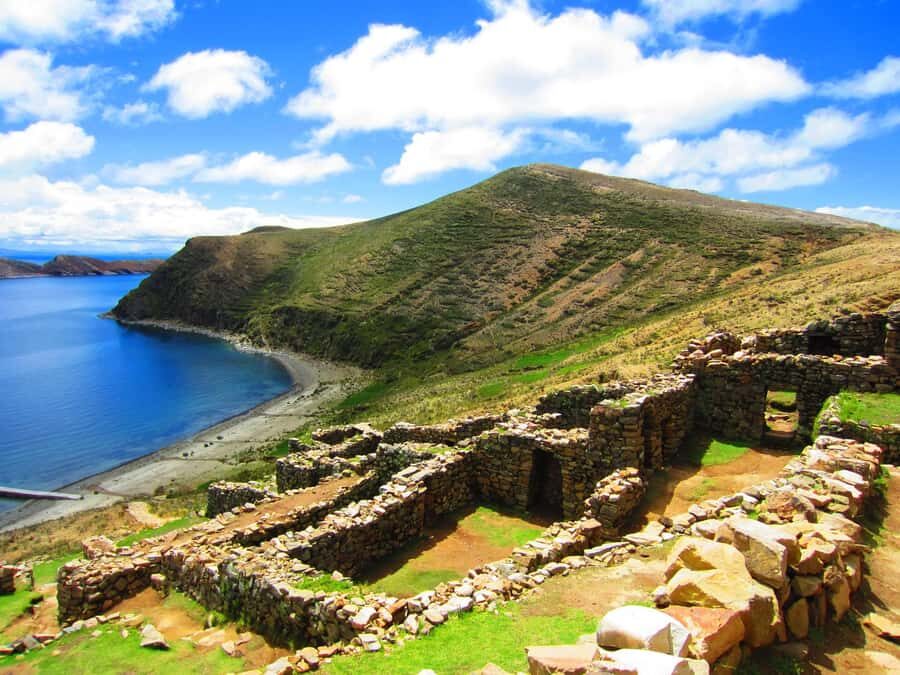
The tour crosses Lake Titicaca to reach the southern part of the Sun Island first. That sequence is practical: you arrive, start with the major sacred stop, then work through the island before heading back for the second island.
A speedboat is a key part of the value here. It keeps this to one full day rather than turning it into a half-day ferry slog. You’ll still want to dress for lake conditions, because wind off the water is common and the weather can shift.
Sun Island Highlights: Pikokaina and the Temple of the Sun
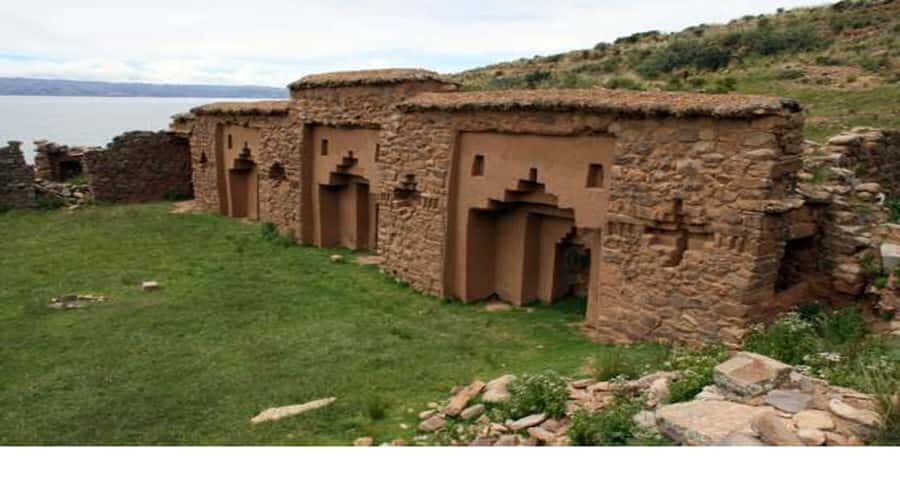
Your first major island stop is the archaeological site of Pikokaina, also called the Temple of the Sun. This is where the tour earns its name, because you’re not just looking at an island—you’re stepping into a sacred space tied to Sun worship traditions.
What I like about starting here is how it gives you a framework for the rest of the day. Once you understand what the Sun Island represented, the later sights—stairs, fountains, gardens, and myths—feel less like random photo points and more like a connected story.
Pikokaina also gives you a clear sense of scale and structure. The value isn’t only the stones; it’s how your guide helps you connect the site to the broader Andean worldview.
Yumani Stairs and the Inca Garden: Where the Walking Feels Purposeful
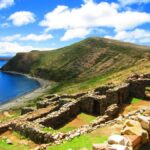
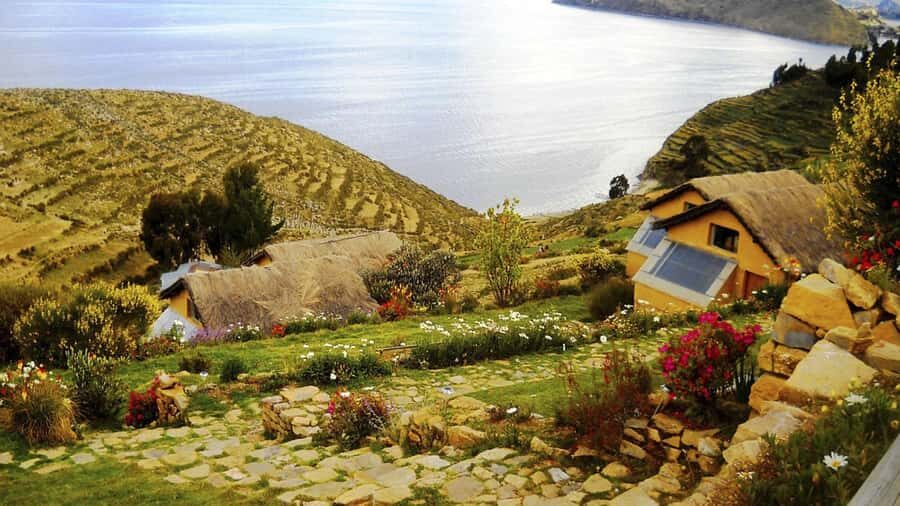
After visiting the south part of the island, you tour the southern side and then descend the Yumani stairs, described as dating back to the Inca era. At the end of these stairs, you reach the fountain of eternal youth and the Inca garden.
This stop is a great example of what makes the itinerary worth it. The stairs aren’t just a “walk downhill”; they’re part of an entire pathway concept, where arrival points are named and meaningfully placed. And because the tour moves with guidance, you can follow why each location matters.
The only consideration: if you’re not comfortable with downhill walking, take it slow. The day already includes multiple transitions, so your best move is to pace yourself and keep water on hand.
Back to the Pier: Challapampa and the Sacred Rock Stories
After the Sun Island section, you descend back to the pier and board the boat to Challapampa. This is your next archaeological and myth-focused chapter, and it changes the tone a bit from what you’ve just experienced.
At Challapampa, you visit the Chinkana and the Sacred Rock. The Sacred Rock is presented through mythological stories as a place where the sun star and the founders of the Andean culture were born. Even if you take myths as cultural truth rather than literal history, the way stories are anchored to specific sites is powerful—and it’s exactly the kind of connection your guide helps you make.
This part also helps you avoid the common problem of “we saw temples, now what?” You’re given a why, not only a what.

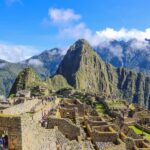
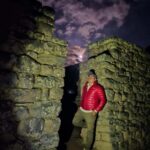


Moon Island: Temple of the Moon and the House of the Virgins
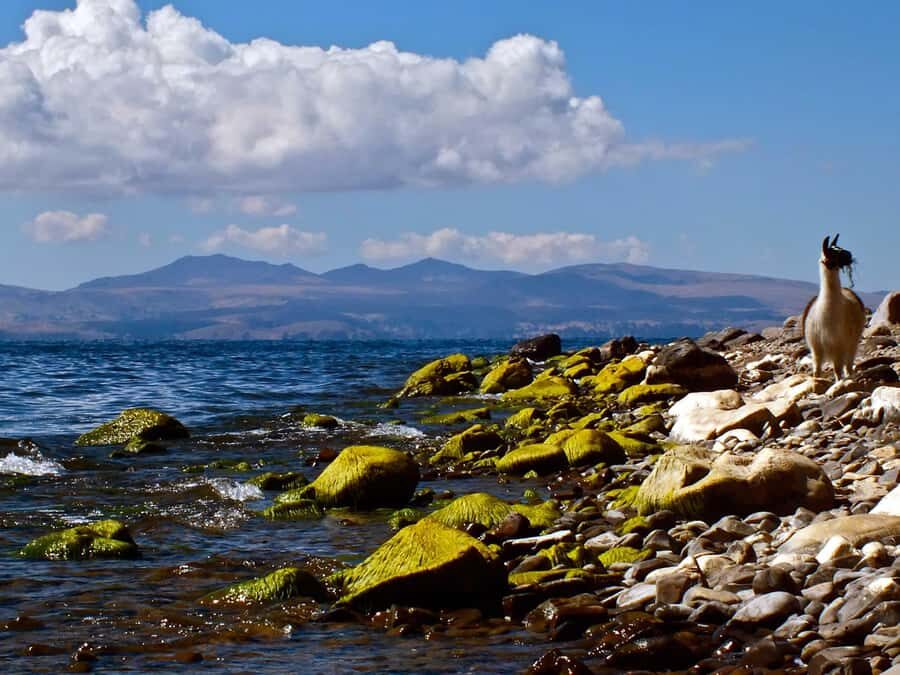
Then it’s back to the pier and onward to the Moon Island. Here, the tour visits the archaeological remains of the Temple of the Moon and the house of the Virgins of the Sun.
I like this pairing because it completes the theme of duality: Sun-related sacred concepts on one island, and Moon-related sacred spaces on the other. It also creates a satisfying arc to the day. You start with the Sun’s sacred site, you move through Inca-era pathways and origin myths, and then you shift into the Moon Island remains that close the loop.
The Moon Island portion can feel more solemn, because you’re focusing on remains and ritual spaces rather than viewpoints alone. If you like archaeology that comes with interpretation, this is a strong fit.
The Guide Makes It Work: Clear Explanations in Two Languages
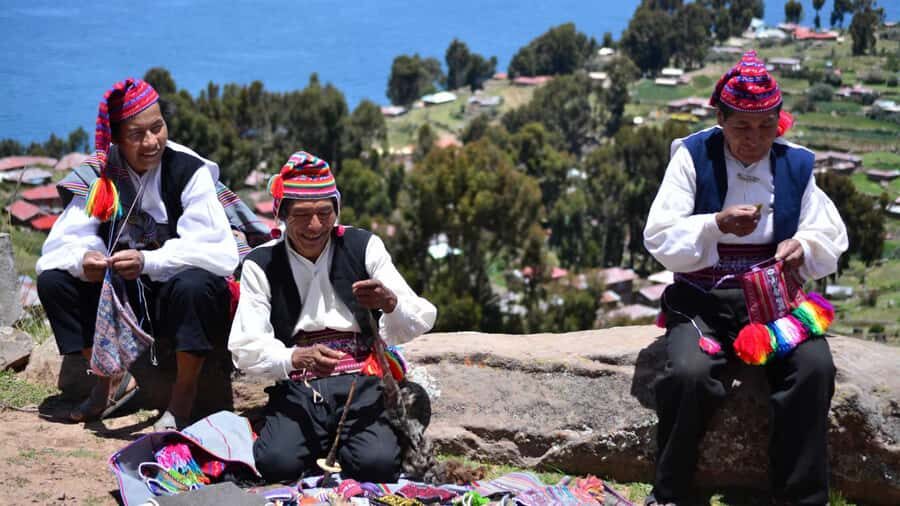
The experience runs with a professional English-Spanish guide, and that human piece is not small. The tour is packed with named locations—Pikokaina, Yumani stairs, Inca garden, Chinkana, Sacred Rock, Temple of the Moon, and the House of the Virgins of the Sun—so having a guide who can keep the story straight is what turns the day into something you’ll remember.
One verified booking noted the guide was kind, well informed, and eager to share knowledge about Inca culture. That matches what you want on a structured one-day route: not just facts, but explanations that make the stones feel connected.
Price Value: Is $120 Worth It for One Day?
For $120 per person for a one-day tour, you’re paying for a bundle: a guided circuit, entrance tickets, and a shared speedboat for the lake crossings between Copacabana, the Sun Island route, Challapampa, Moon Island, and back.
Here’s how I’d judge the value. This itinerary saves you the effort of organizing transportation to multiple island areas and coordinating entry to several archaeological stops in a single day. If you’re visiting Cusco Region without a spare day to manage logistics, the cost often feels justified because it turns Titicaca into a guided, time-efficient experience.
If you’re traveling ultra-budget and you prefer doing everything independently, this might feel steep. But if your goal is clear interpretation at the places that matter most, the guide plus entrances plus boat transport is where the price starts to make sense.
Who This Tour Suits Best (and Who Might Prefer Something Else)
This is a strong choice if you want an all-in-one day on Lake Titicaca that covers both islands and the key archaeological sites tied to Sun and Moon symbolism. It’s also ideal if you like learning stories alongside ruins—especially when origin myths, sacred spaces, and Inca-era elements are part of the explanation.
It’s less ideal if you want flexibility to linger at fewer spots. The schedule is built to fit many stops into one day, and the constant movement between piers and islands means you won’t have much time to slow down.
Practical Tips to Make the Most of Your Day
This route is all about timing and comfort. Wear shoes you trust on uneven ground, especially for the Yumani stairs descent. Dress in layers so you can handle lake breeze during the boat crossings and warmer sun when you’re walking.
Also, keep your expectations aligned with a one-day circuit. You’ll see major sites and learn their meaning, but you won’t get a long, slow archaeology session at each one. If you’re okay with that trade-off, you’ll likely enjoy the day even more because it feels efficient and focused.
Should You Book the Sun and Moon Island Tour?
If you want a guided, one-day introduction to both Sun and Moon Islands, this tour is a solid pick. The combination of Pikokaina, the Yumani stairs and Inca garden, plus Challapampa’s Chinkana and Sacred Rock stories, then ending with Temple of the Moon and the House of the Virgins of the Sun makes the day feel complete.
Book it if you value interpretation and want someone to explain the connections between sites while you focus on enjoying the experience. Consider something else if you’re sensitive to a busy schedule or you prefer spending more time at fewer places. In most cases, though, $120 for a full-day guide-led route with speedboat transport and entrance tickets is a fair way to tackle Lake Titicaca without turning your trip into logistics.
FAQ
What time does the tour pick you up in Copacabana?
Pickup is at 08:00 in Copacabana.
How long is the Sun and Moon Island Tour?
The duration is 1 day.
What places will I visit during the tour?
You’ll visit the Sun Island (including Pikokaina / Temple of the Sun and the Yumani stairs), Challapampa (including Chinkana and the Sacred Rock), and the Moon Island (including the Temple of the Moon and the House of the Virgins of the Sun).
What time will I be back in Copacabana?
The approximate arrival time back in Copacabana is 17:00.
Is transportation included?
Yes. The tour includes a speedboat (shared boat) for the crossings between the islands and back to Copacabana.
What’s included with the price?
The tour includes a professional English-Spanish guide, entrance tickets to each place visited, and the excursion to the Sun and Moon Islands.
What languages does the guide speak?
The guide speaks English and Spanish.
How much does the tour cost?
The price is $120 per person.
Is there free cancellation?
Yes, free cancellation is available if you cancel up to 24 hours in advance for a full refund.
Can I reserve without paying right away?
Yes. The tour offers reserve now & pay later, where you can book your spot and pay nothing today.