REVIEW · URUBAMBA
4 days/3 nights: Inka Jungle Trek to Machu Picchu
Book on GetYourGuide →Operated by Libertrek Peru Travel Agency · Bookable on GetYourGuide
Some treks feel like a transfer. This one feels alive.
This Inka Jungle route mixes altitude, jungle edge, and old Inca paths on the way to Machu Picchu, so you’re not just watching scenery through a bus window. I especially like the way the program builds in variety: a long, scenic bicycle descent the first day and then river-and-rainforest walking days that keep your body moving.
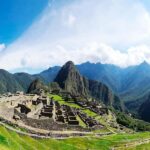
The other thing I love is the payoff on Day 4. You walk up from Aguas Calientes early enough to try for a sunrise entry vibe, then get a guided circuit through major Machu Picchu sights like the Inti Watana and Temple of the Condor. One possible drawback to keep in mind: some activities are weather-dependent (especially rafting) and optional add-ons at Machu Picchu cost extra.
In This Review
- Key things to know before you go
- Cusco to the jungle edge: why this trek works
- Day 1: Cusco → Abra Málaga → Santa María, then optional rafting
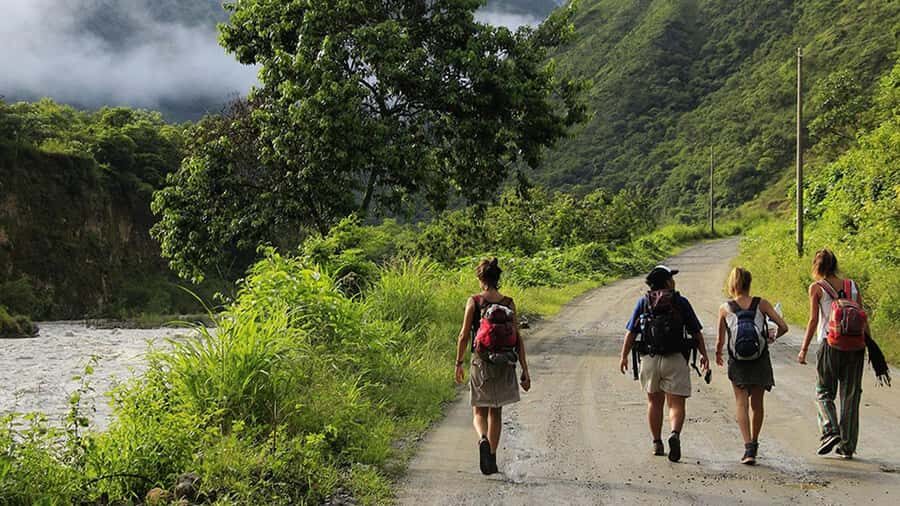
- Day 2: The Urubamba River walk, Inca road sections, and Cocalmayo hot springs
- Day 3: Cola de Mono zip line, Hidroeléctrica lunch, and the track-walk to Aguas Calientes
- Day 4: Sunrise-timed Machu Picchu entry and a guided highlights circuit
- Food, hostels, and how the small group affects your day
- Price and logistics: what $420 covers and what can add up
- What to bring so you don’t suffer (and so you can move well)
- Who this trek is best for
- Should you book the Inka Jungle trek to Machu Picchu?
- FAQ
- How long is the Inka Jungle Trek to Machu Picchu?
- What group size is this tour?
- What languages does the guide speak?
- Is the rafting activity guaranteed?
- Is the zip line included?
- Are the Santa Teresa hot springs entry fees included?
- Do I need to pay extra for Wayna Picchu?
- Are bus tickets to Machu Picchu included?
- What meals are included, and what are not?
- What is the cancellation policy?
Key things to know before you go
- Small-group pace (up to 15): more conversation with your adventure guide and less feeling like a cattle line.
- Day 1 bike descent: 3 to 4 hours of downhill biking after the Cusco-to-Malaga transfer.
- River walking on Inca roads: you’ll cover stretches of an ancient route along the Urubamba River area.
- Cocalmayo hot springs access: you reach the hot springs area on Day 2, but entry fees aren’t included.
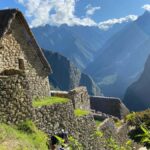
- Machu Picchu with guided highlights: Inti Watana, Temple of the Condor, Sacred Rock, plus sunrise-timed access.
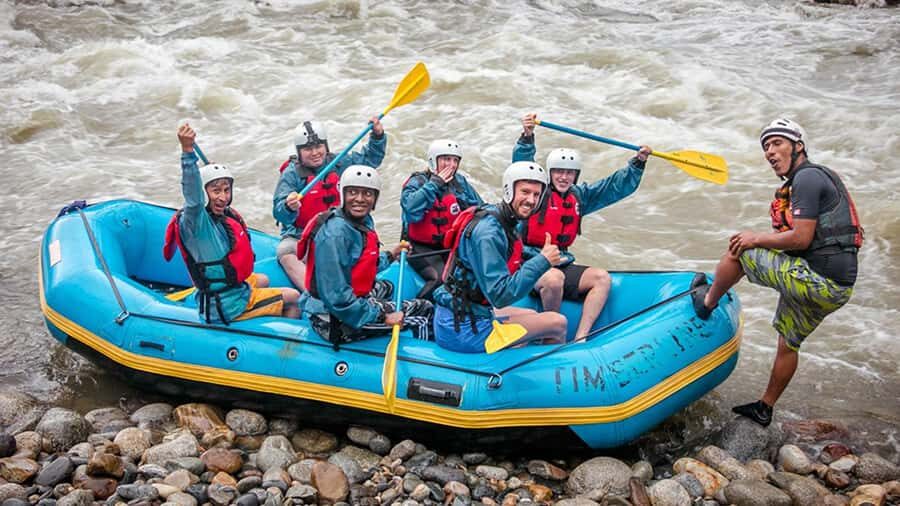
- Rafting is not guaranteed: if water levels are high in the Jan 1–Mar 31 window, rafting may not run and there’s no refund.
Cusco to the jungle edge: why this trek works
If you’ve done the classic “fly in, take a train, arrive” version of Machu Picchu, you already know the ruins are the headline. What you’re paying for here is the build-up.
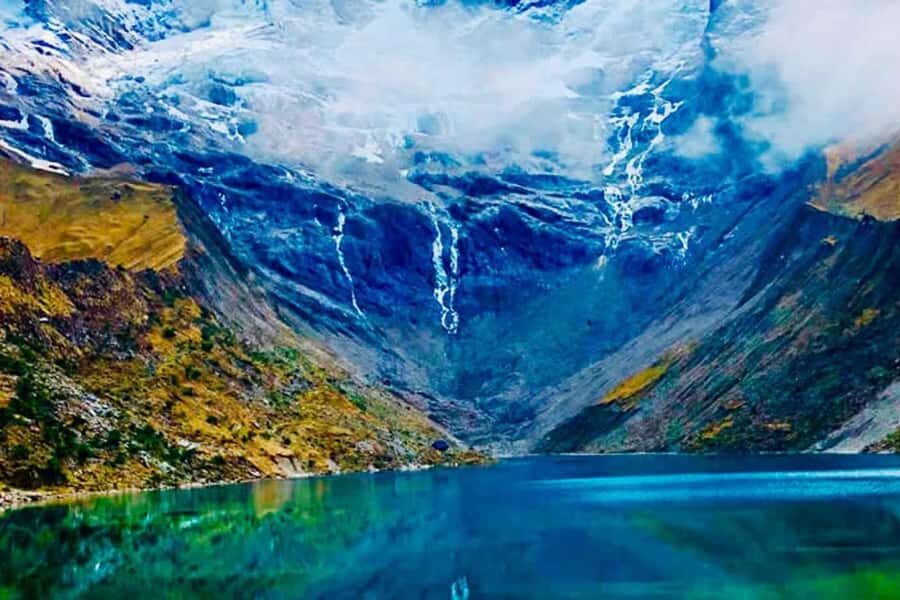
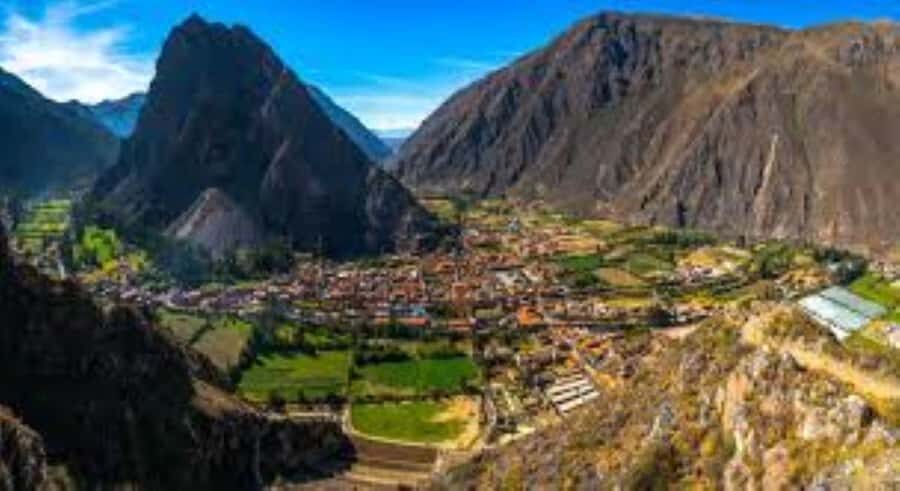
The first days shift you from Cusco’s high-altitude rhythm into a warmer, greener zone. You bike, hike, cross rivers, and spend nights in basic hostels in the Inka Jungle area. That combination matters because it changes how Machu Picchu lands in your mind. By the time you reach the citadel, it feels less like a day trip and more like the final chapter of a journey.
Also, you’re walking parts of an ancient Inca route (you’ll hear about fruit and medicinal plants used by local communities, and you’ll spot wildlife and birds along the way). Even when the days are hard, you’re busy—your attention stays on the path, not on waiting.
You can also read our reviews of more hiking tours in Urubamba
Day 1: Cusco → Abra Málaga → Santa María, then optional rafting
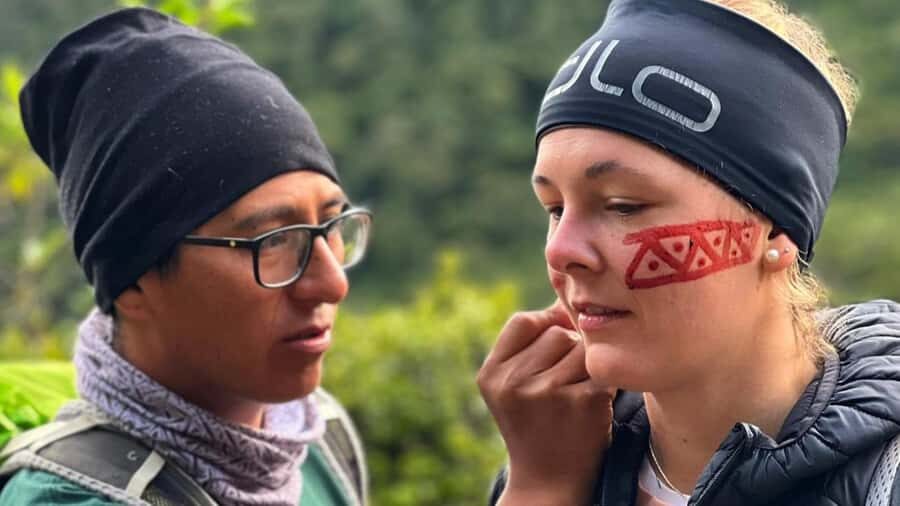
You start early—hotel pickup is at 06:30—then you ride for about 4 hours over the Malaga pass. This is one of those days where the transport is part of the experience. The altitude changes slowly, and you feel your body adjust as you move from mountains toward the jungle zone.
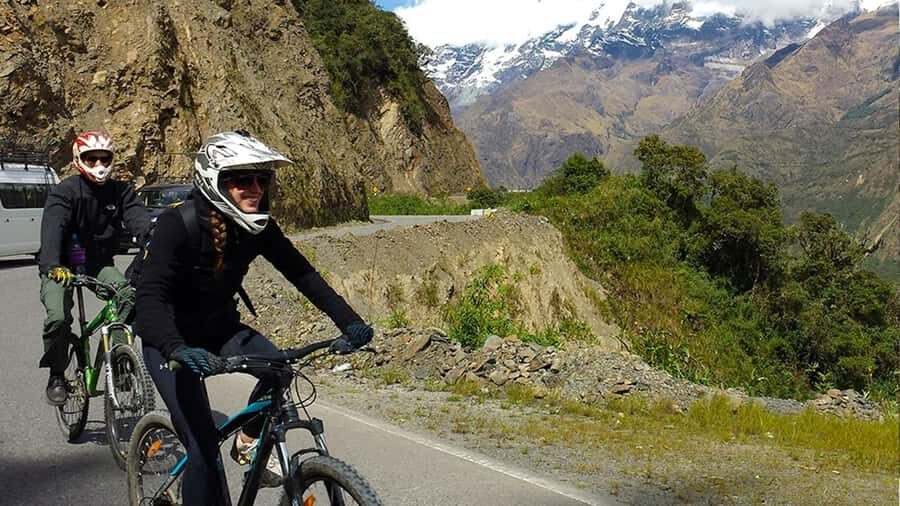
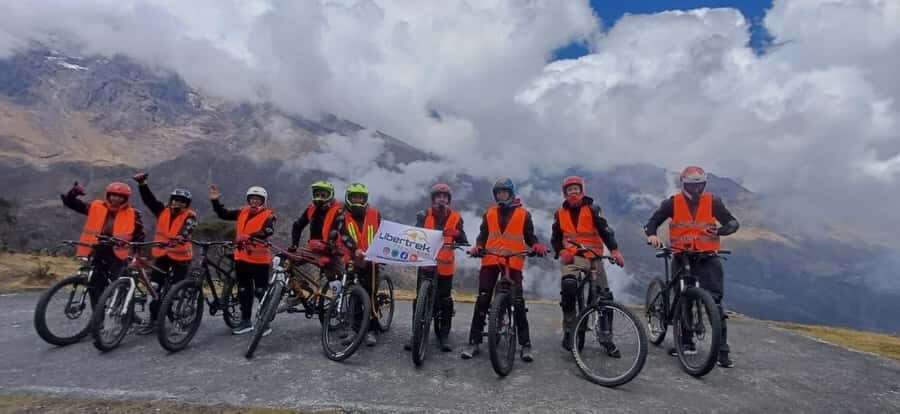
Once you reach the start point near San Luis, the action begins with a long bicycle descent. The day describes roughly 3 to 4 hours of downhill biking until Santa María. If you’ve ever worried that “trek tours” just mean walking and more walking, this is a nice break. It’s also a reminder that this is an adventure format: you’ll want comfortable clothing, proper shoes, and the bike gear provided.
There’s also time to connect history to place. You’ll visit the archaeological center of Huamanmarca and get a sense of how the region’s older routes and settlements sit in the terrain.
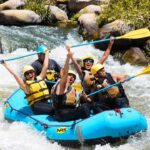
In the afternoon, you may have the chance for white-water rafting on the Urubamba River area (described with rapids around Class III to IV). Here’s the key practical note: rafting is optional and weather-dependent between January 1 and March 31. If the river level is too high that day, rafting won’t take place and there’s no refund. One day of planning should be flexible, not rigid.
You finish by sleeping in a hostel in Santa María for the night.
Day 2: The Urubamba River walk, Inca road sections, and Cocalmayo hot springs
Day 2 is the long hiking day—built to stretch your legs and your patience a bit (in a good way).
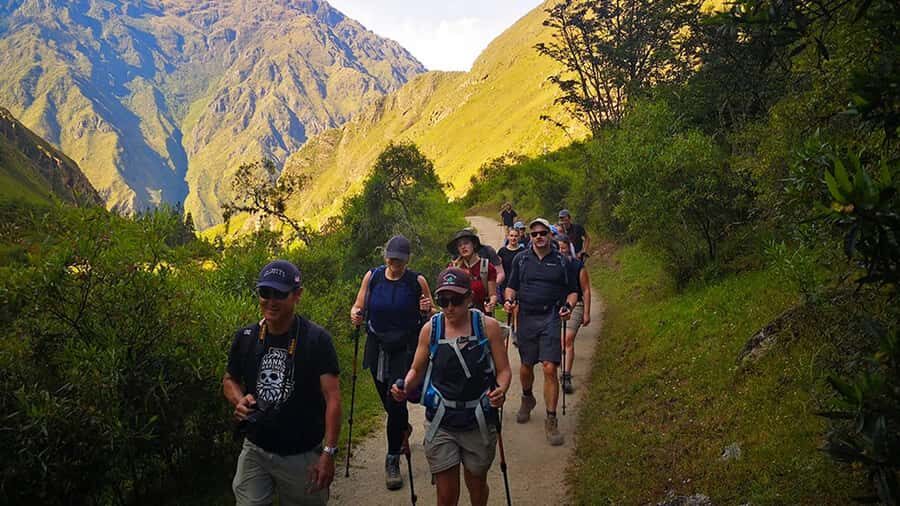
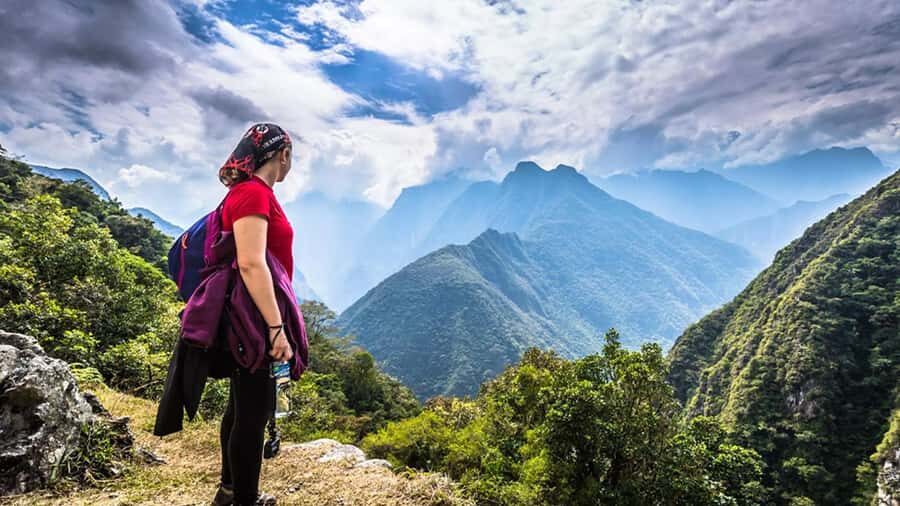
After an early breakfast, you walk along the banks of the Urubamba River for about 7 to 8 hours. The route includes ascents and descents, so expect steady effort rather than flat cruising. This is also where the trek earns its “Inka” part beyond branding: you’ll walk along a stretch of an ancient Inca road that’s described as well preserved.
This day also leans into nature in a very practical way. You’re told you’ll observe fruit and medicinal plants used by locals, and you’ll likely see birds and other wildlife. It’s not a museum moment. It’s “look up, keep walking, and notice what’s around you.”
Later you cross the Urubamba River and continue toward Oroya, then onward to the Cocalmayo hot springs in Santa Teresa. This is your reset button: warm water after a big walking day helps you keep your motivation for Day 3.
Important money note: the itinerary reaches the hot springs, but entrance to the Santa Teresa hot springs is not included.
You sleep night #2 in Santa Teresa.
Day 3: Cola de Mono zip line, Hidroeléctrica lunch, and the track-walk to Aguas Calientes
Day 3 has a classic trek rhythm: one “fun hit,” then a long but satisfying transition toward Machu Picchu territory.
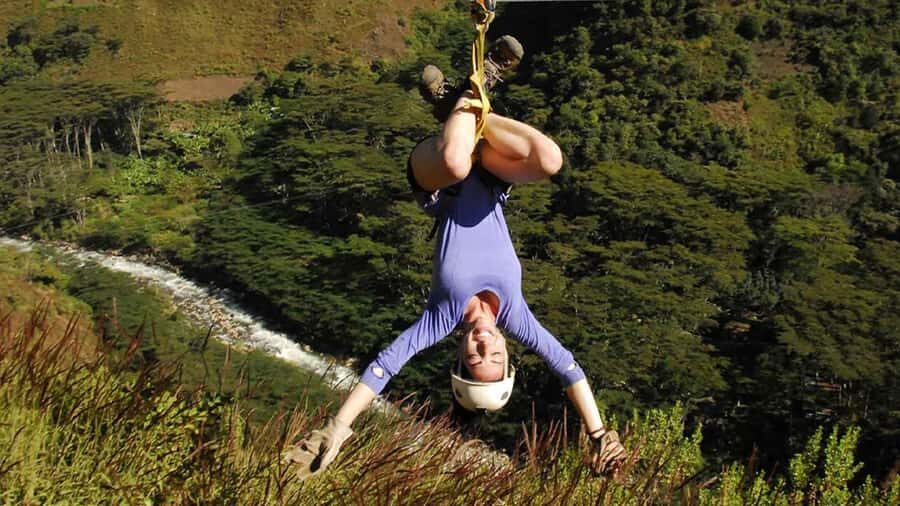
In the morning, you have the option of a zip line at Cola de Mono. Zip lines are one of those activities that can be a highlight if you like quick adrenaline, and a pass if you’d rather save energy for the walking. Since it’s an option, you can play it your way.
After breakfast, you start walking to Hidroeléctrica. The route passes through a narrow canyon, and the day notes the climate feels pleasant there. Then you get a big visual clue: you’ll be able to see the mountain of Machu Picchu.
Lunch happens at Hidroeléctrica. From there, the plan becomes very “Machu Picchu logistics, but on foot.” You continue along the train tracks for about 3 hours until you reach Aguas Calientes.
You’ll probably feel a mix of tired and excited. That’s normal. Aguas Calientes is where the trek turns into the Machu Picchu machine, and you’re arriving after the hard-earned approach.
Night #3 is in Aguas Calientes.
Day 4: Sunrise-timed Machu Picchu entry and a guided highlights circuit
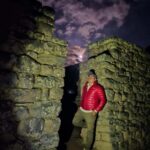
The best part of Day 4 is that you don’t sleep in and show up like it’s a theme park. You start in the morning with a walk from Aguas Calientes up to Machu Picchu.
The program is designed so you can be among the first groups inside to help you catch a sunrise-style experience. If you’ve ever seen Machu Picchu in the early light, you know why this matters: the ruins look calmer, and the views feel more intentional than crowded.
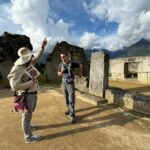
Once inside, you get a guided tour focusing on key sites, including:
- Inti Watana
- Temple of the Condor
- Sacred Rock
…and other important highlights depending on timing.
Then you’ll head back down to Aguas Calientes to catch the train to Ollantaytambo. A tourist bus meets you at Ollantaytambo and takes you back toward Cusco (described as to your hotel).
One more practical detail: the tour includes Machu Picchu entrance, but if you want Wayna Picchu, that’s optional and listed at USD 65.
Food, hostels, and how the small group affects your day
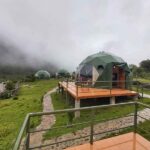
This trip is set up for comfort-within-reality. You’re not in a luxury lodge. You’re in Inka Jungle hostels each night, and the main goal is to keep you fueled, moving, and safe.
Meal coverage is solid for a multi-activity trek:
- Included: 3 breakfasts / 3 lunches / 3 dinners
- Not included: breakfast on Day 1 and lunch in Aguas Calientes
So you’ll want a plan for that Day 1 morning and that Day 3–4 transition time when you arrive.
The small-group size (limited to 15) is more than a comfort perk. It helps your guide manage the pace across biking, river crossings, and long walks. It also increases the odds you’ll get real answers to questions along the way—especially if your guide is the kind who explains the route like a story, not a checklist.
A recurring name in the feedback you shared is Gustavo. Several comments praise his attention and guiding style. That’s a good sign because this kind of trek relies on a guide who can handle the day’s surprises.
Price and logistics: what $420 covers and what can add up
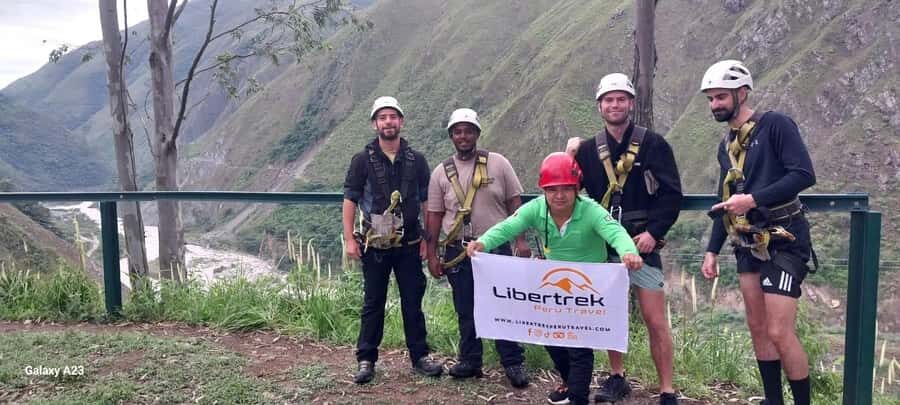
At $420 per person, you’re not just paying for the hiking. You’re paying for the package that stitches everything together: hotel pickups and transfers, qualified adventure guiding, biking equipment, Machu Picchu entrance, train transport from Aguas Calientes to Ollantaytambo, and return transfer to Cusco, plus meals and accommodations.
Still, the budget has a few “watch this” items:
- Hot springs entrance in Santa Teresa: not included
- Bus tickets up and down to Machu Picchu: not included (listed as USD 24 optional)
- Wayna Picchu: optional (listed as USD 65)
- Day 1 breakfast and lunch in Aguas Calientes: not included
Also, remember the big weather variable: rafting is described as subject to conditions between Jan 1 and Mar 31. If rafting doesn’t run due to high water, the program notes no refund.
So I’d treat this as a “value is high if you enjoy variety” trek. If you’re only chasing one highlight, you may feel differently.
What to bring so you don’t suffer (and so you can move well)
For this trek, your packing strategy should be simple: prioritize comfort, protect against sun, and be ready for water + insects.
From the provided checklist, bring:
- Passport
- Comfortable clothes and hiking pants
- Hiking shoes (and comfortable shoes)
- Sunscreen, sunglasses, and a hat
- Insect repellent
- Swimwear, towel (you’ll visit hot springs)
- Camera
- Personal medication
- Cash
My practical advice: if your day includes both hiking and activities near water, treat drying off and sun protection as part of the plan, not an afterthought.
And don’t underestimate the importance of good footwear. The trek mixes ascents/descents and long walking hours, so you want shoes that feel stable from Day 1 to Day 4.
Who this trek is best for
This works best if you:
- Want an active route to Machu Picchu, not just a transfer day
- Like variety (bike descent, long river hikes, optional zip line)
- Are okay with basic accommodations and getting your comfort from pacing, hydration, and good gear
- Prefer a small group format
It may not be your best match if you:
- Can’t be flexible with weather-dependent activities (especially rafting in the Jan–Mar period)
- Expect a fully hands-on, always-front-of-the-line experience without any “rough edges” during remote travel days
Should you book the Inka Jungle trek to Machu Picchu?
I’d book this trek if you want Machu Picchu with a backstory you actually live through. The mix of biking, ancient road walking, hot springs, and a sunrise-timed Machu Picchu entry makes the journey feel earned. The included meals, guiding, and Machu access are also a strong value for a four-day format.
I’d pause before booking if your budget is tight and you plan to add extras like Wayna Picchu, since those costs stack. And if your travel dates fall in the January 1–March 31 rafting window, go in knowing rafting may not happen and there’s no refund.
If you like active travel and you want the ruins to feel like a finish line, this is one of the better ways to get there.
FAQ
How long is the Inka Jungle Trek to Machu Picchu?
It’s 4 days with 3 nights.
What group size is this tour?
It’s a small group limited to 15 participants.
What languages does the guide speak?
The live tour guide provides English and Spanish.
Is the rafting activity guaranteed?
No. The river rafting activity is subject to weather conditions between January 1st and March 31st. If the river is high on your activity day, rafting will not take place and there is no refund.
Is the zip line included?
Yes, a zip line is included, and the day’s option is at Cola de Mono.
Are the Santa Teresa hot springs entry fees included?
No. Entrance to the hot springs of Santa Teresa is not included.
Do I need to pay extra for Wayna Picchu?
Yes. Wayna Picchu is an optional add-on listed at USD 65.
Are bus tickets to Machu Picchu included?
Bus tickets up and down to Machu Picchu are not included. They’re listed as USD 24 optional.
What meals are included, and what are not?
The tour includes 3 breakfasts, 3 lunches, and 3 dinners, but breakfast on the first day and lunch in Aguas Calientes are not included.
What is the cancellation policy?
You can cancel up to 24 hours in advance for a full refund.