REVIEW · URUBAMBA
from Urubamba & Ollantaytambo:Sacred Valley Full-Day Private
Book on GetYourGuide →Operated by Apu Ausangate Trek EIRL · Bookable on GetYourGuide
Picture a day that moves at your pace. This private Sacred Valley tour strings together the big hitters—Ollantaytambo, Moray, Maras salt pools, and Chinchero—with a local guide who knows what you’re looking at and why it mattered. I like that it’s built around real walking time at the sites (not endless bus herding), and I also like that it avoids the usual commission-style stop scene so you can keep your head in the valley.
In my experience, the strongest part is the human one: guides like Ricardo, Felipe, Pablo, and Julio keep the day lively with clear explanations and real stories, and you get time for questions without feeling rushed. A possible drawback is budget math: the price covers the private transport and guide, but you still need to pay the Sacred Valley ticket (PEN 70 per person) plus Maras salt mine entry (PEN 20 per person), and lunch is optional.
In This Review
- Key highlights worth your attention
- A private Sacred Valley day that skips the usual shop-stops
- Pickup in Urubamba and your 10-hour van day (with time to breathe)
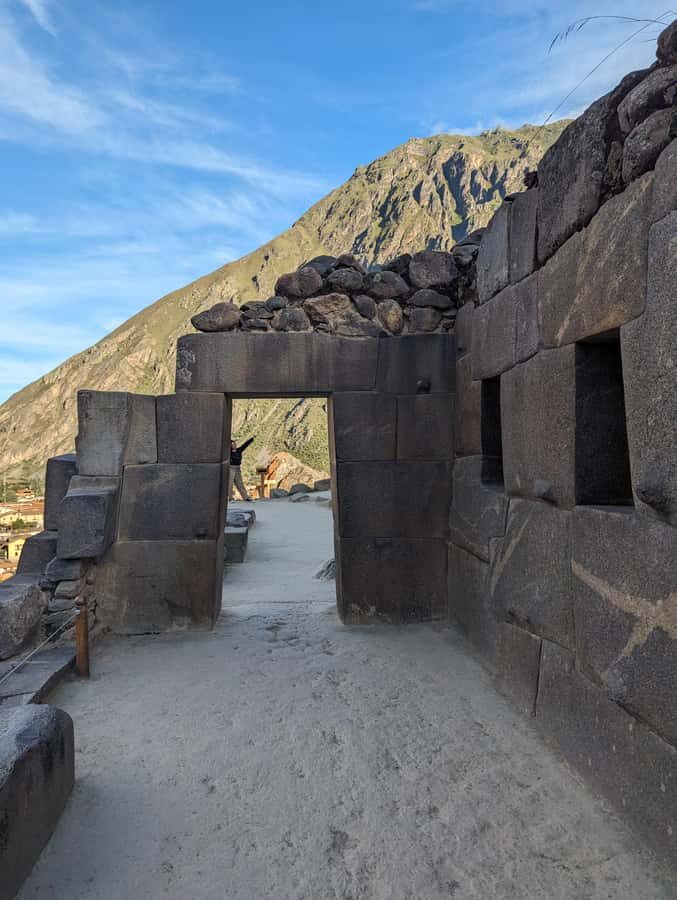
- Ollantaytambo fortress ruins: where the valley starts to make sense
- Moray’s terraced agricultural lab: science disguised as scenery
- Maras: lunch in the district, then the salt mines walk
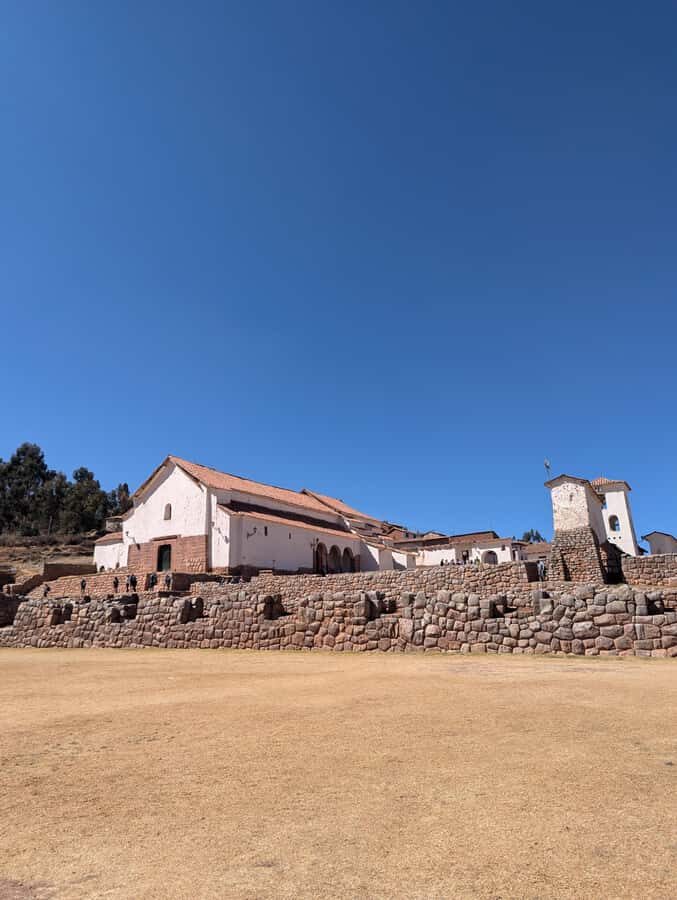
- Chinchero weaving district: textiles, market energy, and a short workshop
- Price and logistics: what you’re really paying for
- What to bring, and what rules to expect
- Who this tour suits best (and who should avoid it)
- Small details that can make your day feel smooth
- Should you book this Sacred Valley private tour?
- FAQ
- What is the duration of the Sacred Valley full-day private tour?
- Where does the tour pick you up?
- What’s included in the tour price?
- Are entry tickets included for Ollantaytambo, Moray, and Chinchero?
- Is Maras Salt Mines entry included?
- Is lunch included during the tour?
- What languages are available for the live guide?
- What should I bring and what isn’t allowed?
Key highlights worth your attention
- Private pace: you control the rhythm and can slow down for photos and questions.
- Four standout stops: Ollantaytambo, Moray, Maras salt pools, and Chinchero weaving.
- A guide who talks, not just points: English and Spanish live commentary.
- Fewer “shopping breaks”: less time wasted on commission-driven stops.
- Comfortable door-to-door logistics: pickup from Urubamba and drop-off in Cusco or the Sacred Valley.
- Walking time is real: plan for shoes, sun, and stairs at multiple stops.
A private Sacred Valley day that skips the usual shop-stops
Sacred Valley tours can feel like a relay race: hop off, get herded, stand still while someone tries to sell you something, then hop back on. This one is different because it’s private and focused on the sites. You still get a guided experience, but you don’t waste your day parked in front of sales counters.
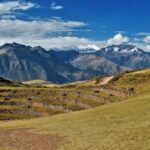
That matters because these places reward attention. Ollantaytambo is a fortress with angles and sightlines that make more sense when a guide points out how the Incas used the terrain. Moray looks like a neat photo spot—until you learn how the terraces behaved like an Inca agricultural experiment with different growing conditions. And Maras salt pools aren’t just pretty; they’re a living landscape of salt production.
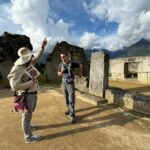
I also like that guides pace the day for conversation. You’re not stuck repeating your questions for five different buses. If your brain lags behind on history for a moment, your guide can catch you back up, like Felipe did for many couples and families—patient, friendly, and photo-aware.
You can also read our reviews of more private tours in Urubamba
Pickup in Urubamba and your 10-hour van day (with time to breathe)
The tour runs about 10 hours. It starts with pickup from your accommodation in Urubamba, then you head out by private van. Along the way you’ll move between stops with short stretches of driving and a steady rhythm of photo stops and guided walking.
This is not a “stay on the ground” tour. You’ll walk at Ollantaytambo (about 1 hour), at Moray (about 1 hour), and at Maras salt mines (about 1.5 hours), plus time at Chinchero (about 1 hour walking for the district visit). Then there’s additional time around Chinchero’s market area with a workshop segment (about 40 minutes).
If you’re traveling with energy, it’s a solid day. If you’re sensitive to altitude or you move slowly, you’ll want to take breaks seriously—stick close to your guide and don’t pretend you’re tougher than your lungs.
Language-wise, you’ll get live guiding in English or Spanish. Many reviews highlight guides who kept the day friendly and fun, including Pablo (noted as knowledgeable) and Hipolito (praised for patient answering and strong information). That kind of back-and-forth is exactly what makes private tours worth it.
Ollantaytambo fortress ruins: where the valley starts to make sense
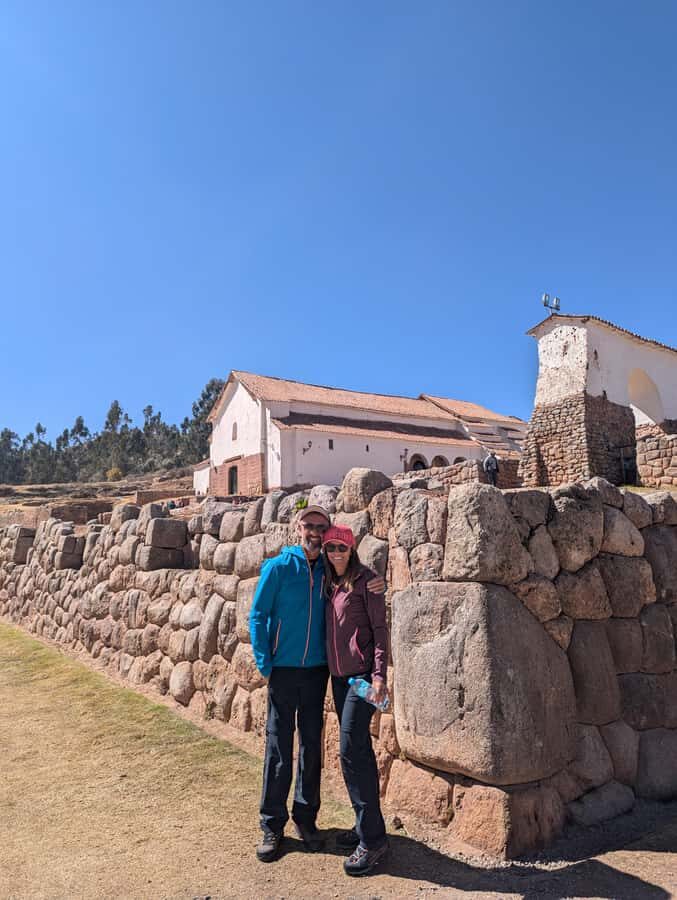
“Ollantaytambo” can sound like a stop you rush through. Don’t. This is one of those Inca sites where the stonework feels purposeful, not decorative.
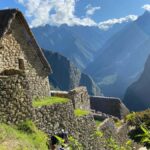
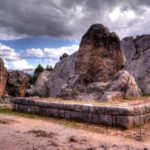
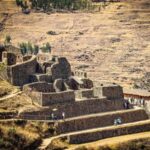
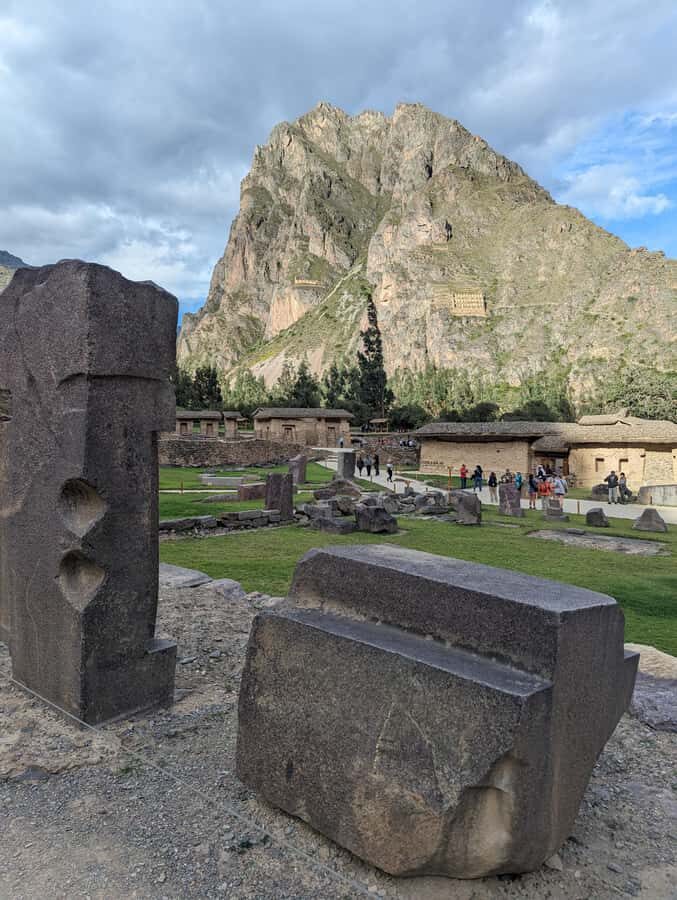
You’ll get a photo stop and then a guided visit with about 1 hour of walking. Expect the ruins to feel like a stronghold: walls, terraces, and narrow spaces that help you understand how people defended and lived in this kind of built environment. Your guide’s job is to turn the stones into a story you can picture—how the Incas carved order out of the mountains.
I like this stop early because it gives you mental landmarks. After you see Ollantaytambo, Moray and Maras hit differently. Moray isn’t just “cool terraces.” Maras isn’t just “salt pools.” They become part of the same big picture: how the Incas managed land, food, and resources across this rugged geography.
One practical note: this is a “comfortable shoes” tour. Even when the site isn’t brutal, you’ll be walking on uneven stone and moving between viewpoints.
Moray’s terraced agricultural lab: science disguised as scenery
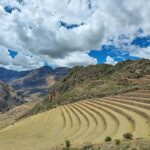
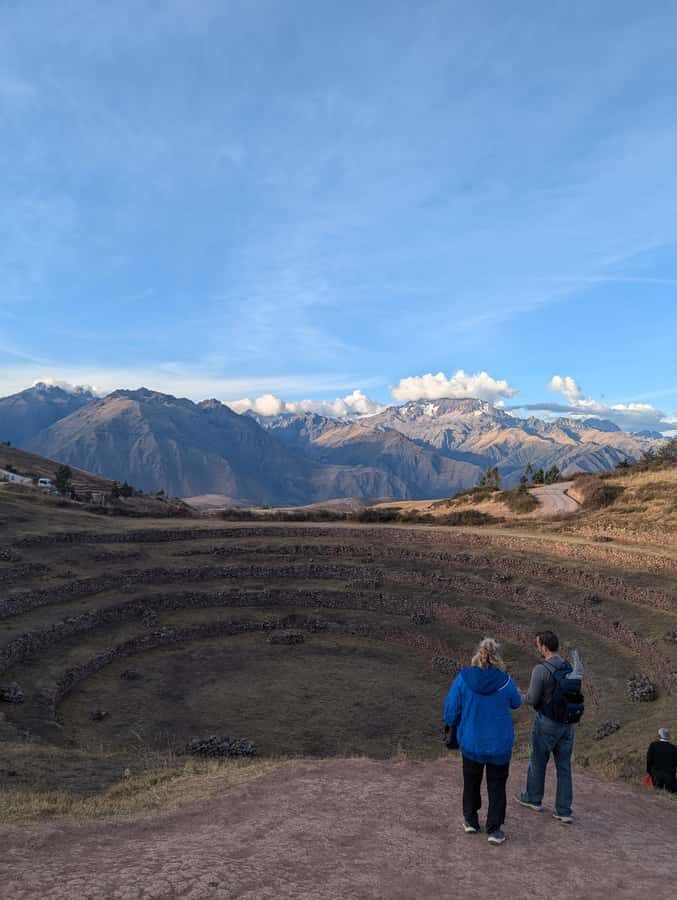
Moray is famous for a reason. The place looks like a set of enormous stone bowls, and your first reaction is usually wow, then your second reaction (if your guide is good) becomes curiosity.
Here you get another photo stop, guided visit, and about 1 hour of walking. The standout value is the explanation: Moray is often described as an Inca agricultural laboratory. The terraces create different growing conditions, so the site makes you think differently about Inca engineering—not only building structures, but testing how nature and farming could work together.
If you love history but hate lectures, this stop is a good balance. A guide can point out how the design shaped the micro-conditions, then you’re free to look around and connect the dots. It’s one of the easier “learn while walking” sections of the day.
If there’s a drawback, it’s sun and wind. Moray is open. Bring a hat and sunscreen and keep water within reach.
Maras: lunch in the district, then the salt mines walk
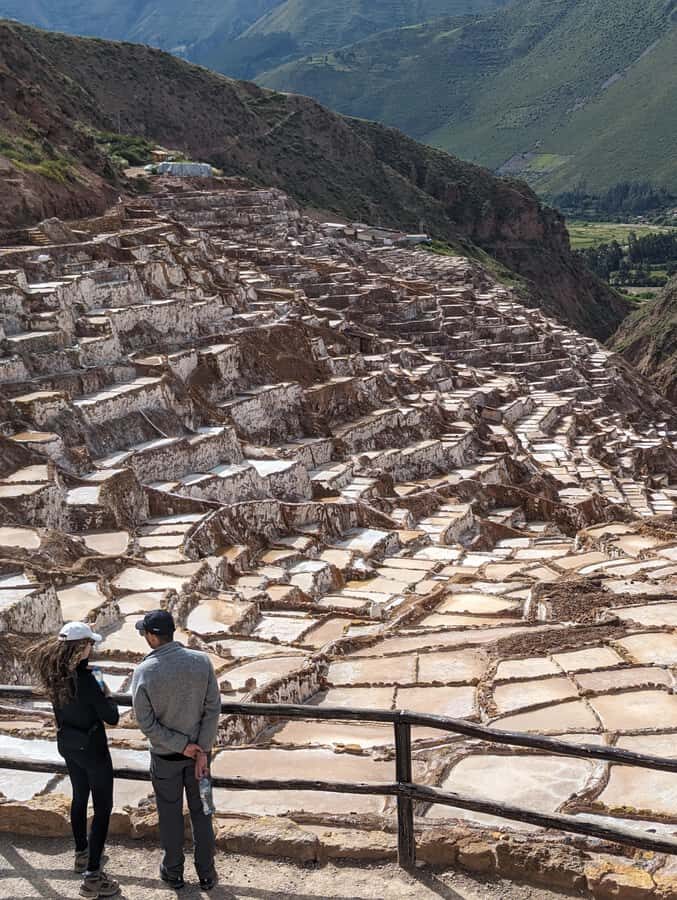
Maras is two things: a village district moment and then the main event—the salt pools.
The day includes about 1 hour for lunch in the Maras area. Lunch is not included, so you’ll pay for what you choose. That’s also why it can be smart to bring some cash, especially if you want a quick and simple meal rather than searching while the van waits.
After that, you head to the Maras Salt Mines area. You get a photo stop, guided visit, and about 1.5 hours of walking. The Salt Mines entry fee isn’t included (PEN 20 per person), so factor that into your total.
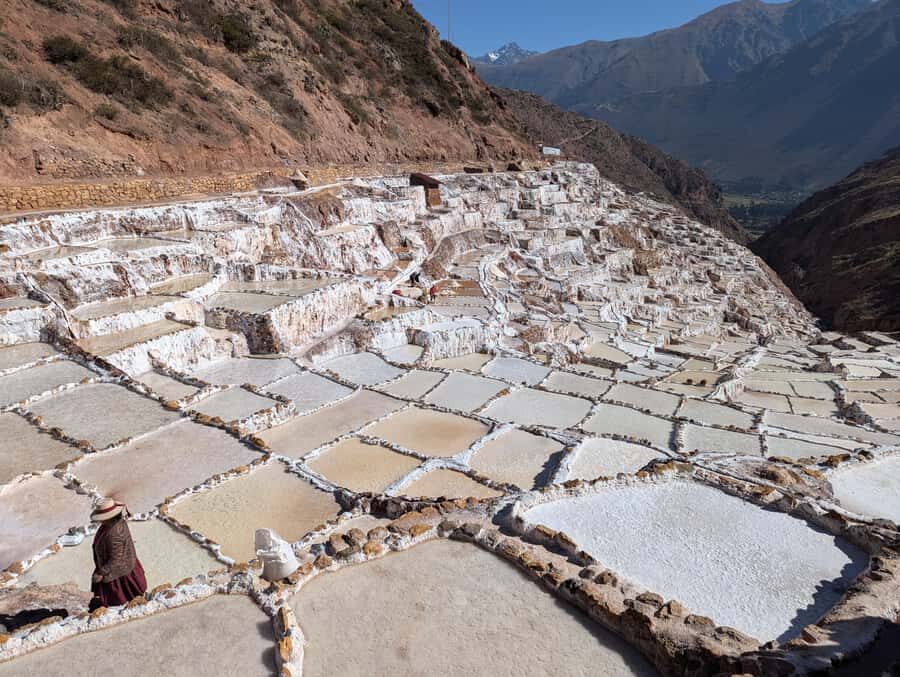
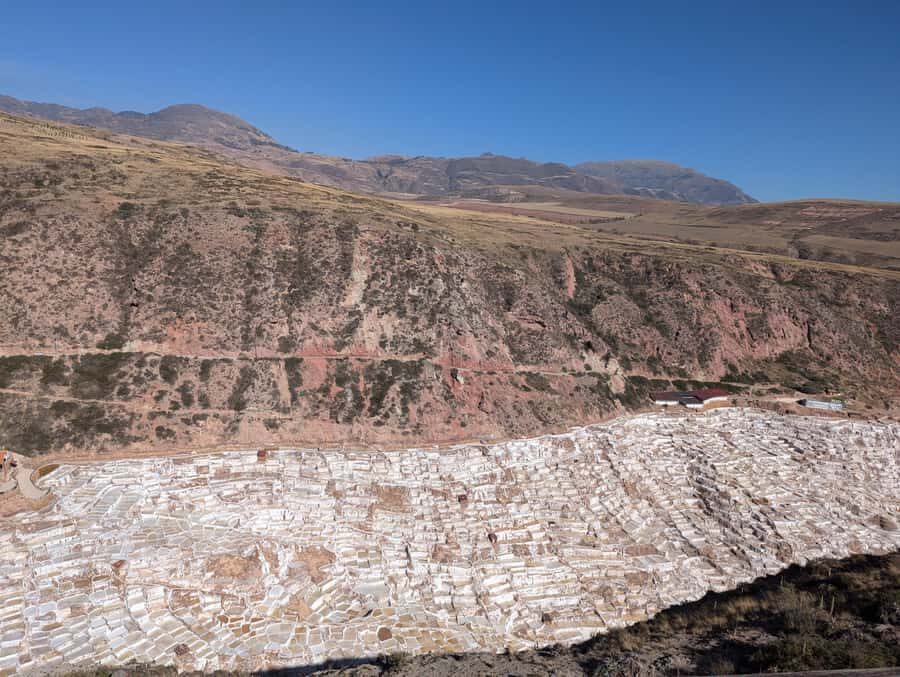
The salt pools themselves are the kind of sight that makes you slow down without trying. It’s a mix of human work and natural color. And it’s not a museum display; it’s active production, which makes it feel real. Your guide can help you understand the cultural angle and the practical method behind the pools—why the process is shaped the way it is.
A quick reality check: this section involves time on the ground in an active environment. Wear shoes with grip, and avoid rushing. Salt pools are visually dramatic, but the walk matters as much as the views.
A few more Urubamba tours and experiences worth a look
Chinchero weaving district: textiles, market energy, and a short workshop
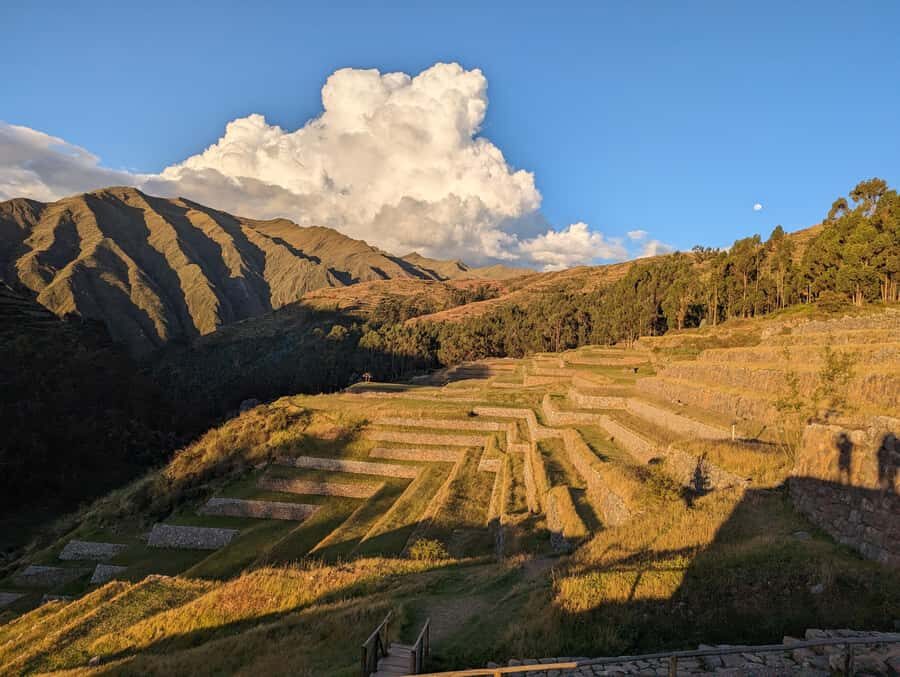
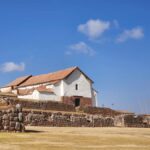
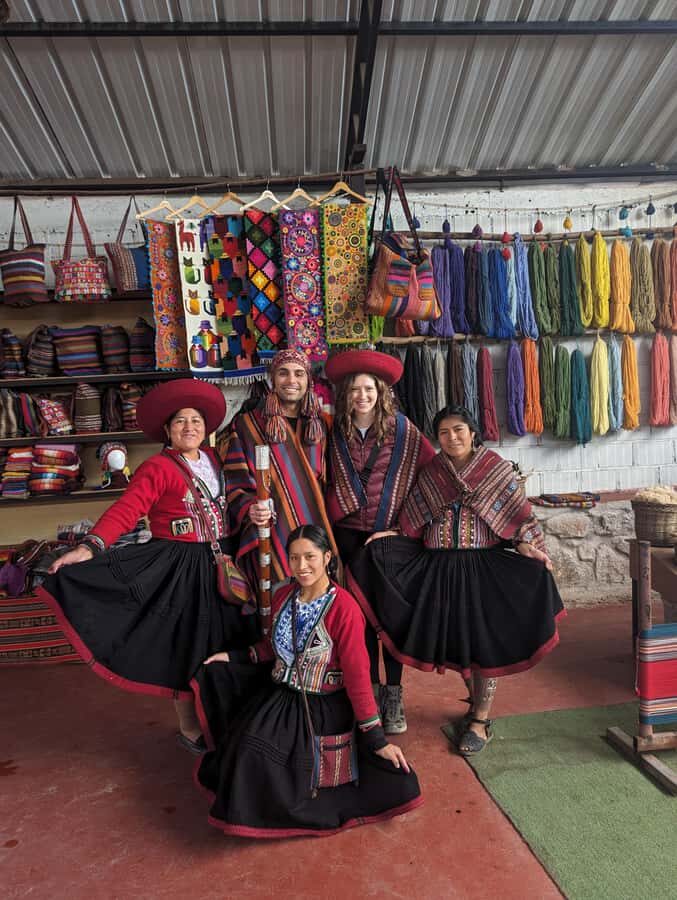
Chinchero is where Sacred Valley history shows up in daily life. You’ll spend time in the district with a photo stop, guided visit, and about 1 hour of walking. Then you’ll get an additional segment that includes shopping in an arts-and-crafts market area and a workshop lasting about 40 minutes.
Why it’s worth it: weaving here isn’t just something to look at. It’s part of how people create and preserve identity, and a good guide will translate that into stories you can picture. Multiple guides in the reviews were praised for tying culture to the textiles, with one guide showing how textiles were made and also sharing context around local traditions that can include foods or drinks like chicha in the market setting (when guides choose to bring it up as part of the experience).
This stop is also more flexible emotionally than the ruins. If you’re tired of stone and want something hands-on, Chinchero delivers. The market portion lets you see what locals sell and talk through what you’re looking at—especially if your guide keeps the pace so you don’t feel shoved through.
Just keep expectations realistic: the “workshop” time is short. Think of it as a taste and a direction, not a full masterclass.
Price and logistics: what you’re really paying for
At $107 per person for a 10-hour private tour, you’re paying for more than the sites. You’re paying for:
- pickup from your accommodation in Urubamba
- private transportation in a van for the route
- a friendly local guide with live commentary in English or Spanish
- taxes
- drop-off in your hotel in the Sacred Valley or Cusco
That’s the practical value: you don’t have to navigate the route yourself, and you don’t have to share the day with strangers. In a place like the Sacred Valley, that convenience adds up fast, especially if you’re not staying near all the major ruins.
Now for the “budget realism” part. The big missing pieces you’ll still pay on top:
- Sacred Valley Tourist Ticket for Ollantaytambo, Moray, and Chinchero: PEN 70 per person
- Entry/Admission for Maras Salt Mines: PEN 20 per person
- Lunch: optional during the tour
If you’re trying to estimate your true day cost, plan on tickets and lunch. Still, the private guide and private transport can make sense if you’re traveling as two and want a calm pace without the usual time sinks.
One review called out that this can be expensive compared with other options. That’s fair—so I’d use this rule of thumb: book it when you care about the how (private pacing, good guidance, fewer shop-stops), not just the where.
What to bring, and what rules to expect
This day runs on good basics. Bring:
- comfortable shoes (you’ll walk at multiple sites)
- hat and sunscreen
- water
- camera
- cash
Two small rules matter for comfort and timing:
- Smoking isn’t allowed.
- Food and drinks aren’t allowed during the tour. (Lunch is the exception in the Maras portion.)
If you have a sensitive stomach or you get hangry, plan your energy around lunch time and carry water. If you’re the type who always wants snacks, you’ll need to adjust your expectations because the tour doesn’t run like a picnic.
Who this tour suits best (and who should avoid it)
This is a walking and climbing day, even if it’s not “hardcore hiking.” It’s labeled not suitable for:
- pregnant women
- people with back problems
- wheelchair users
That tracks with the reality of uneven ground and stone steps at sites like Ollantaytambo and the salt mine area.
It’s a strong fit if you:
- want a guided day with time to ask questions
- like ruins but also want culture (weaving) and nature-in-action (salt pools)
- prefer private pacing over crowd-chasing
It can be a great family day too. Several reviews praised guides for being patient, including one guide helping with a minor injury during the day. That doesn’t mean it’s medically equipped, but it does suggest you’ll have someone attentive and calm if something small goes wrong.
Small details that can make your day feel smooth
Even the best route can feel stressful if the team isn’t solid. This tour’s reviews consistently highlight:
- smooth communication (one traveler praised Ricardo for seamless coordination)
- safe, reliable driving (multiple drivers were noted for comfort and careful navigation)
- guides who adjust to your energy level and answer endless questions without making you feel like a burden
- frequent photo stops that actually help you catch the best angles instead of rushing past them
And yes, photo timing matters in the Sacred Valley. Morning light can change everything. If your guide is photo-aware, your pictures won’t look like you were guessing.
Should you book this Sacred Valley private tour?
Book it if you want a calm, guided Sacred Valley day that hits the major sites—Ollantaytambo, Moray, Maras salt pools, and Chinchero—with private pacing and a guide who makes the stones and traditions understandable. The value is strongest when you care about the experience quality: fewer time sinks, better explanations, and time to talk.
Skip it (or consider a different format) if you’re very tight on budget once you add tickets and salt mine entry, or if you can’t handle the walking involved. Also, if you prefer a purely DIY day with fixed viewpoints only, you may find cheaper routes outside this private setup.
In short: if you want your day to feel organized and human—guided, paced, and question-friendly—this is an excellent way to do the Sacred Valley in one pass.
FAQ
What is the duration of the Sacred Valley full-day private tour?
The tour lasts about 10 hours.
Where does the tour pick you up?
Pickup is included from your accommodation in Urubamba.
What’s included in the tour price?
It includes pickup and drop-off (Sacred Valley or Cusco), private transportation, a local guide, and taxes.
Are entry tickets included for Ollantaytambo, Moray, and Chinchero?
No. The Sacred Valley Tourist Ticket is not included and costs PEN 70 per person.
Is Maras Salt Mines entry included?
No. Maras Salt Mines admission is not included and costs PEN 20 per person.
Is lunch included during the tour?
Lunch is optional and not included. There is lunch time in the Maras area, but you’ll pay for what you choose.
What languages are available for the live guide?
The live guide is available in Spanish and English.
What should I bring and what isn’t allowed?
Bring comfortable shoes, a hat, sunscreen, a camera, water, and cash. Smoking isn’t allowed, and food and drinks aren’t allowed during the tour.
If you want, tell me your travel dates and whether you’re staying in Urubamba, Cusco, or both—I can help you sanity-check the ticket timing and plan a packing list for how long you’ll actually be outside.